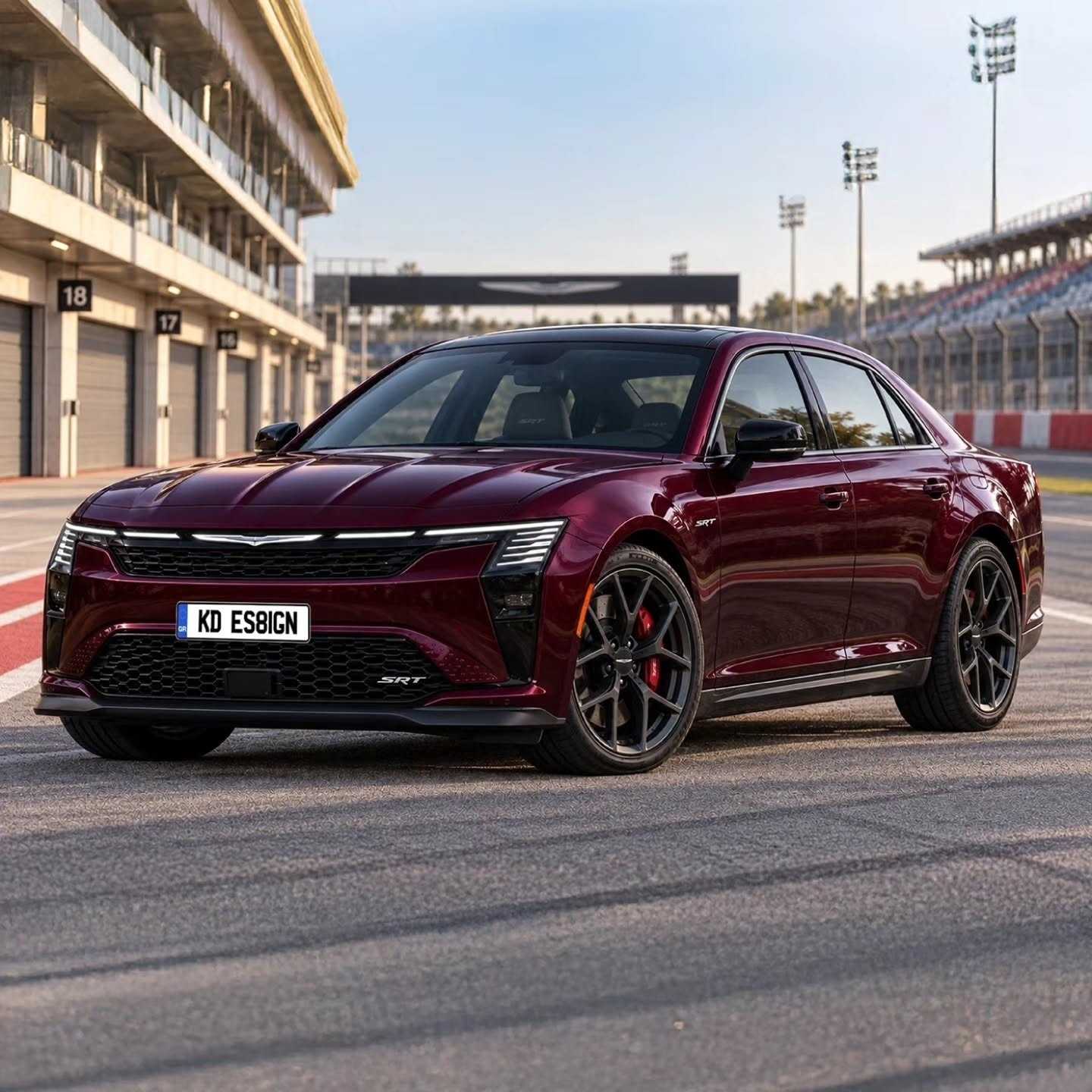

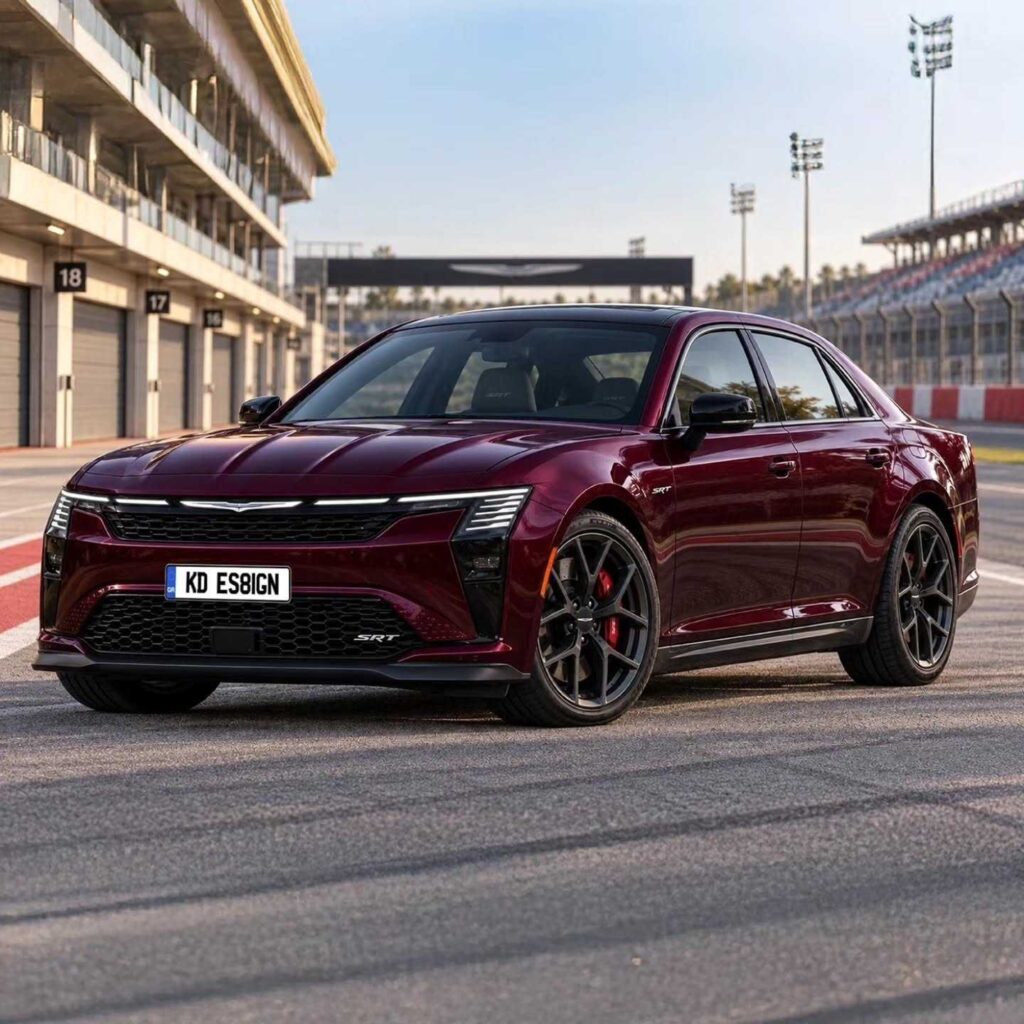
- The Chrysler 300C SRT CGI concept revives American muscle sedan heritage through a modern aggressive design language and high-output HEMI V8 power.
- Brazil-based virtual artist Kleber Silva’s design pairs Pacifica-inspired front-end styling with dual digital screens, deep burgundy leather, and carbon fiber trim inside the cockpit.
- Built on Stellantis’ STLA Large platform, this independent design study keeps traditional ICE power over EV trends for serious performance sedan enthusiasts.
There’s something about the Chrysler 300C that refuses to fade from memory. Fifteen years after the last one rolled off a Canadian assembly line, the name still carries weight among sedan enthusiasts who remember what American rear-wheel-drive muscle actually felt like. So when Brazil-based virtual artist Kleber Silva, working under the handle KDesign AG, dropped his latest CGI concept imagining a reborn 300C in SRT trim, the rendering picked up traction fast across enthusiast forums and social feeds.
A Design Study, Not a Production Announcement
To be clear about what this is, the project exists purely as an independent design exercise. It carries no official blessing from Stellantis or Chrysler, and nobody should confuse pixel work for a factory commitment. What Silva has built, though, raises a question worth asking out loud: what would a modern 300C SRT actually look like if Chrysler’s design studio started from a blank page tomorrow?
The premise rests on Stellantis’ STLA Large platform, the same architecture underpinning the current Dodge Charger. Silva’s earlier work explored a standard luxury version. This follow-up dials the formula hard toward the Street & Racing Technology performance crowd that Chrysler once courted with the original 300C SRT8.
Exterior Where Pacifica DNA Meets Muscle Sedan Proportions
Up front, the familiar blocky Chrysler grille disappears completely. In its place sits a sleeker fascia borrowing heavily from the refreshed Pacifica’s design language. Ultra-slim horizontal LED headlight signatures stretch across the hood line, giving the car a wider, more planted appearance at a glance. Blacked-out SRT accents and a deeper lower intake suggest serious cooling capacity, while the multi-spoke dark alloy wheels and red Brembo calipers telegraph the performance intent before anyone even spots a badge.
Interior That Rejects Stripped-Back Minimalism
The cabin pushes back against the screen-heavy, button-free approach dominating most new vehicles. A thick-rimmed, leather-wrapped three-spoke steering wheel holds the classic Chrysler wing logo at its center, framed by carbon fiber trim accents throughout the dashboard. Dual digital displays handle driver information and infotainment duties, yet the deep burgundy leather seats with aggressive side bolstering end up making the strongest visual statement. The central touchscreen includes dedicated SRT performance pages configured for a simulated track mode that monitors engine output and vehicle telemetry in real time.
Why a HEMI V8 Matters in This Scenario
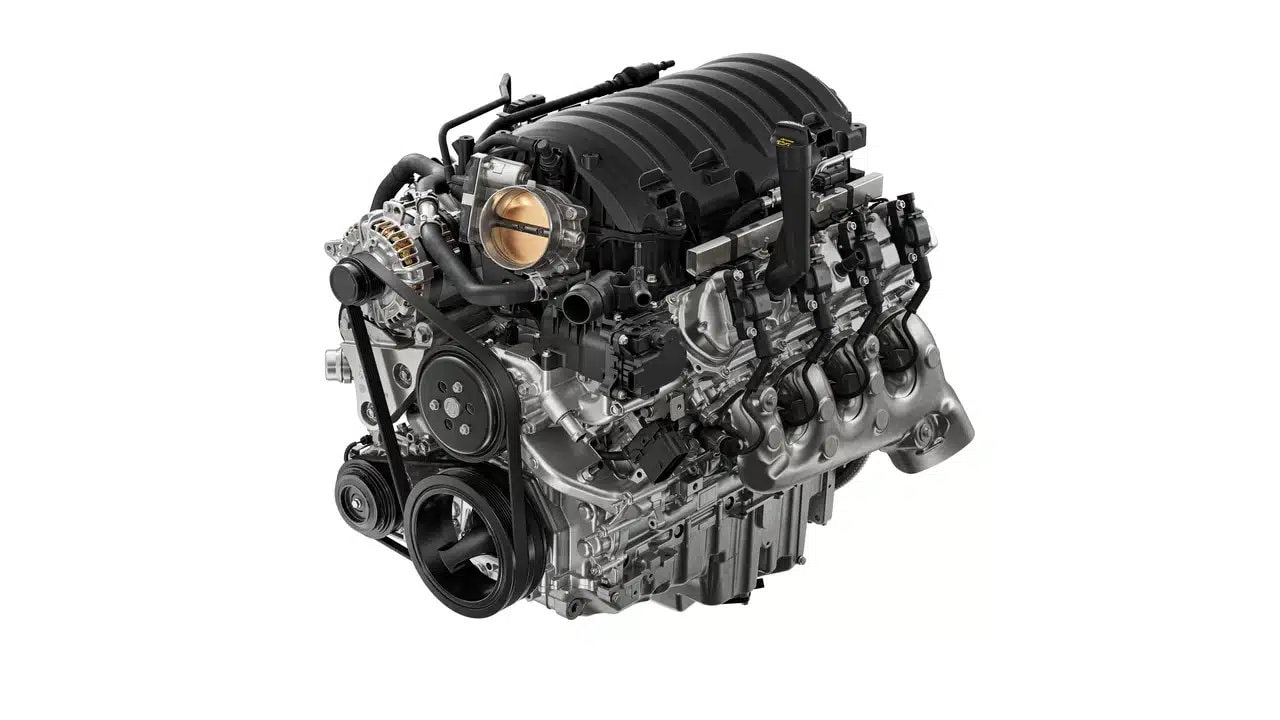
Stellantis has been pushing hard toward electrification across its portfolio, and the STLA Large platform supports both hybrid and fully electric configurations. Silva’s standard 300C concept explored those powertrains for a traditional luxury buyer. The SRT variant goes the opposite direction, keeping a traditional internal combustion setup, specifically the high-output HEMI V8, under the hood. That decision speaks directly to muscle sedan buyers who have not bought into silent propulsion and instant torque delivery. They want displacement, exhaust note, and the visceral weight of a big V8 sedan at highway speed.
Chrysler’s Actual Production Roadmap
While this concept remains fictional, Chrysler’s real product strategy is shifting. The brand trimmed its lineup by discontinuing the entry-level Voyager for the 2027 model year while refreshing the Pacifica for another sales cycle. The Airflow revival and two entry-level crossovers, the Arrow and Arrow Cross, are reportedly in development, targeting price points around $25,000. Those compact models share underpinnings with the Fiat Grizzly and Grande Panda, offering a much lower entry into the Chrysler brand than the $45,000 Pacifica minivan. Whether Stellantis ever greenlights a production 300C of any kind remains uncertain. Renderings like Silva’s, though, keep the conversation alive among the enthusiasts who never stopped asking.
View this post on Instagram
View this post on Instagram