- President Trump granted full presidential pardons to nine individuals convicted of manufacturing, selling, or installing diesel emissions defeat devices under the Clean Air Act.
- The clemency wipes out millions in fines and prison sentences for mechanics and shop owners who built businesses around removing factory emissions hardware.
- The decision follows a series of administration moves rolling back EPA enforcement and signals broad acceptance of aftermarket diesel modifications nationwide.
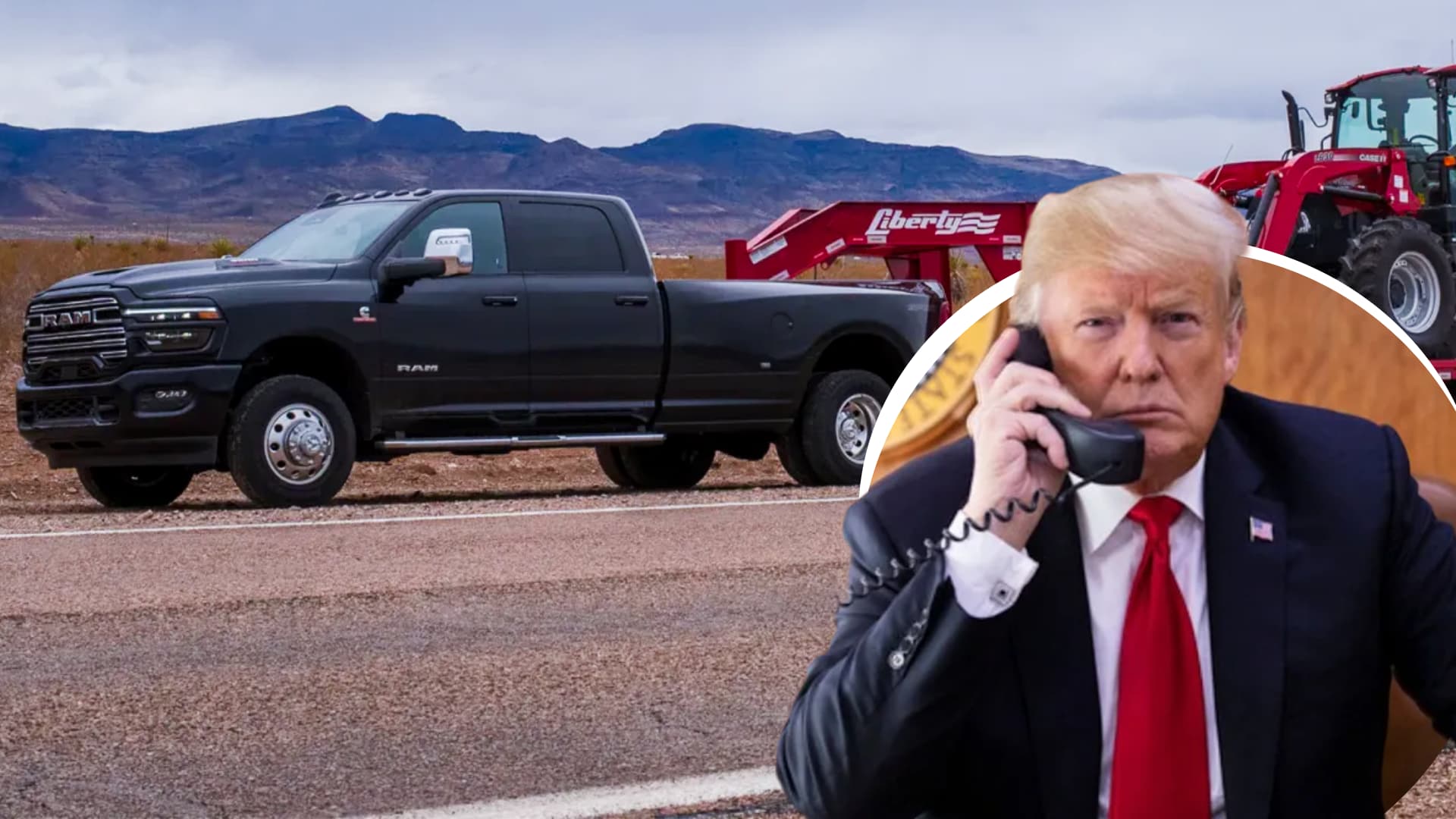
On the eve of Independence Day, President Donald Trump posted to Truth Social that he was issuing full pardons to nine people who had been convicted under the Clean Air Act for their involvement with diesel emissions defeat devices. The announcement came as the latest escalation in what has become a deliberate, multi-month campaign to roll back federal emissions enforcement. Trump framed the prosecutions as government overreach, telling reporters in the Oval Office that the individuals were being treated as criminals simply for “fixing their car.” The comment, blunt and pointed, landed exactly where he wanted it: with the diesel community and the broader aftermarket parts industry.
Who Got Pardoned
The White House confirmed the names. Joshua Davis. Matt Geouge, the operator of Spartan Diesel Technologies, who prosecutors said generated more than $10 million from selling roughly 14,000 unapproved tuning devices. Jonathan Achtemeier, convicted of deleting pollution-control software from hundreds of commercial vehicles. Tim Clancy. Ryan and Wade LaLone, the names behind Diesel Freak LLC and a major Michigan-based parts tampering case. Barry Pierce. Aaron Rudolf of Rudy Performance Parts, whose company was hit with a $10 million federal fine in 2024. And Mackenzie Spurlock, an Alaska-based mechanic who pleaded guilty to removing emissions equipment from at least 20 diesel trucks. These weren’t fringe operators working out of a garage. They were established business owners, many with national reach.
Why Diesel Owners Delete Emissions Equipment
To understand why this pardon matters, you have to understand what “deleting” actually means. Modern diesel trucks come loaded with emissions hardware: Diesel Particulate Filters that trap soot, Exhaust Gas Recirculation systems that lower combustion temperatures, and Selective Catalytic Reduction systems that require constant refills of Diesel Exhaust Fluid. Truck owners have spent the better part of two decades complaining about these components. DPFs clog. EGR valves carbon up and stick. DEF systems leave trucks stranded when they run empty, triggering power restrictions that can leave a work truck crawling down the highway at 30 mph. A delete kit replaces the hardware and rewrites the engine control software so the truck runs as if the equipment was never installed. The result is more power, better fuel economy, and fewer breakdowns. The cost, of course, is dramatically higher emissions of nitrogen oxides and particulate matter.
A Policy Reversal Years in the Making
The pardons didn’t come out of nowhere. On June 29, 2026, Trump signed an executive memo directing the EPA to give Americans more authority to repair their own vehicles. That came on the heels of a January 2026 Department of Justice directive ordering federal prosecutors to stop pursuing criminal charges against manufacturers, distributors, and users of emissions defeat devices. EPA Administrator Lee Zeldin has made deregulation the centerpiece of his tenure. He’s killed auto start-stop mandates, told truck makers to back off power restrictions tied to DEF levels, and announced that SEMA can now serve as an alternative certification authority for aftermarket parts. Civil penalties and state-level environmental enforcement still exist. But the federal criminal apparatus that once raided shops and seized tuning equipment has effectively been dismantled. For the diesel aftermarket, that’s a fundamental shift, not just a headline.