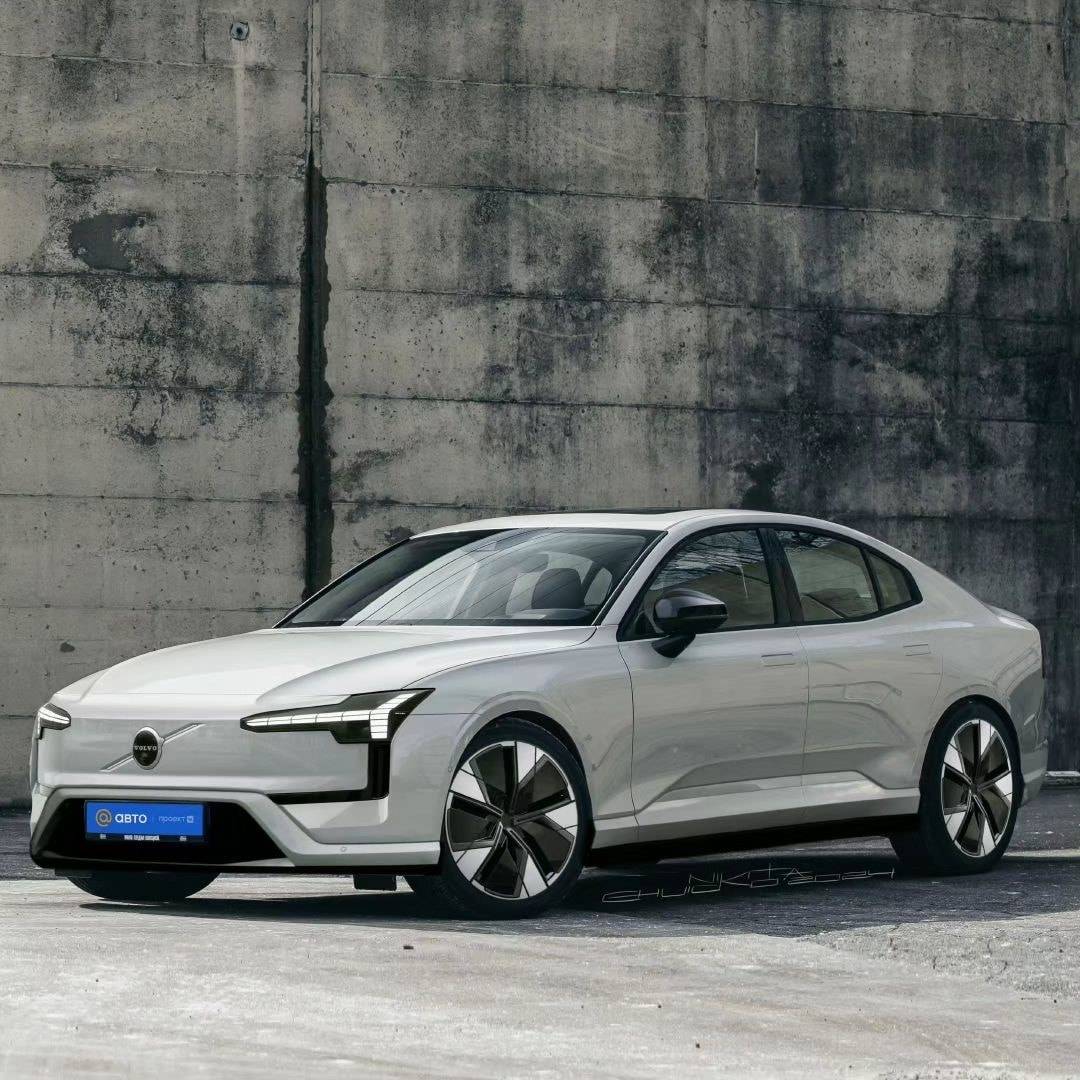
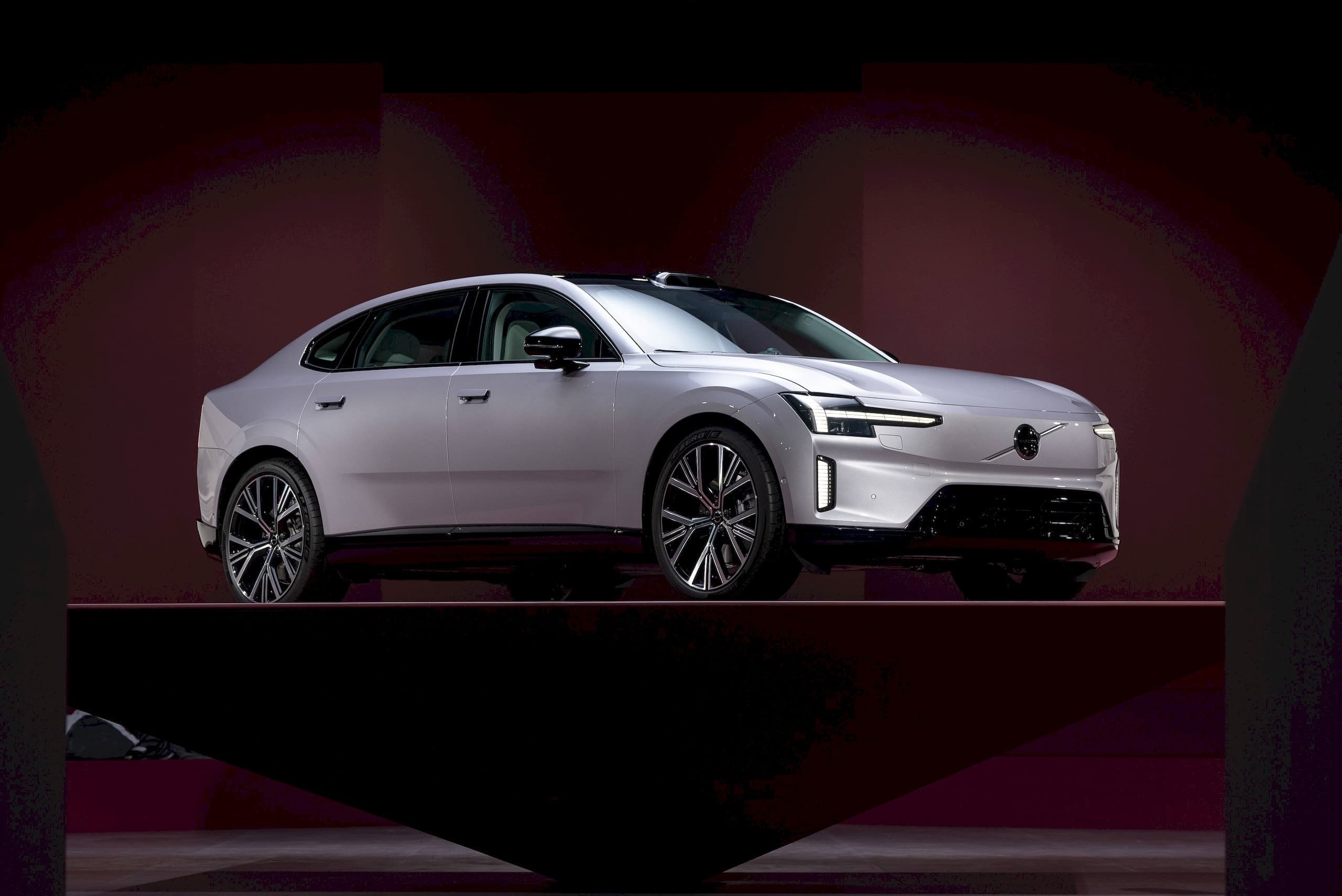
- Volvo will introduce two new electric vehicles in the US by 2028—a midsize sedan and a wagon built on its SPA3 platform.
- Pricing is expected to start in the low $50,000s, with combined annual sales targets of roughly 10,000 units.
- Both models will be imported from Europe rather than assembled domestically, following recent regulatory clearance for connected vehicles.
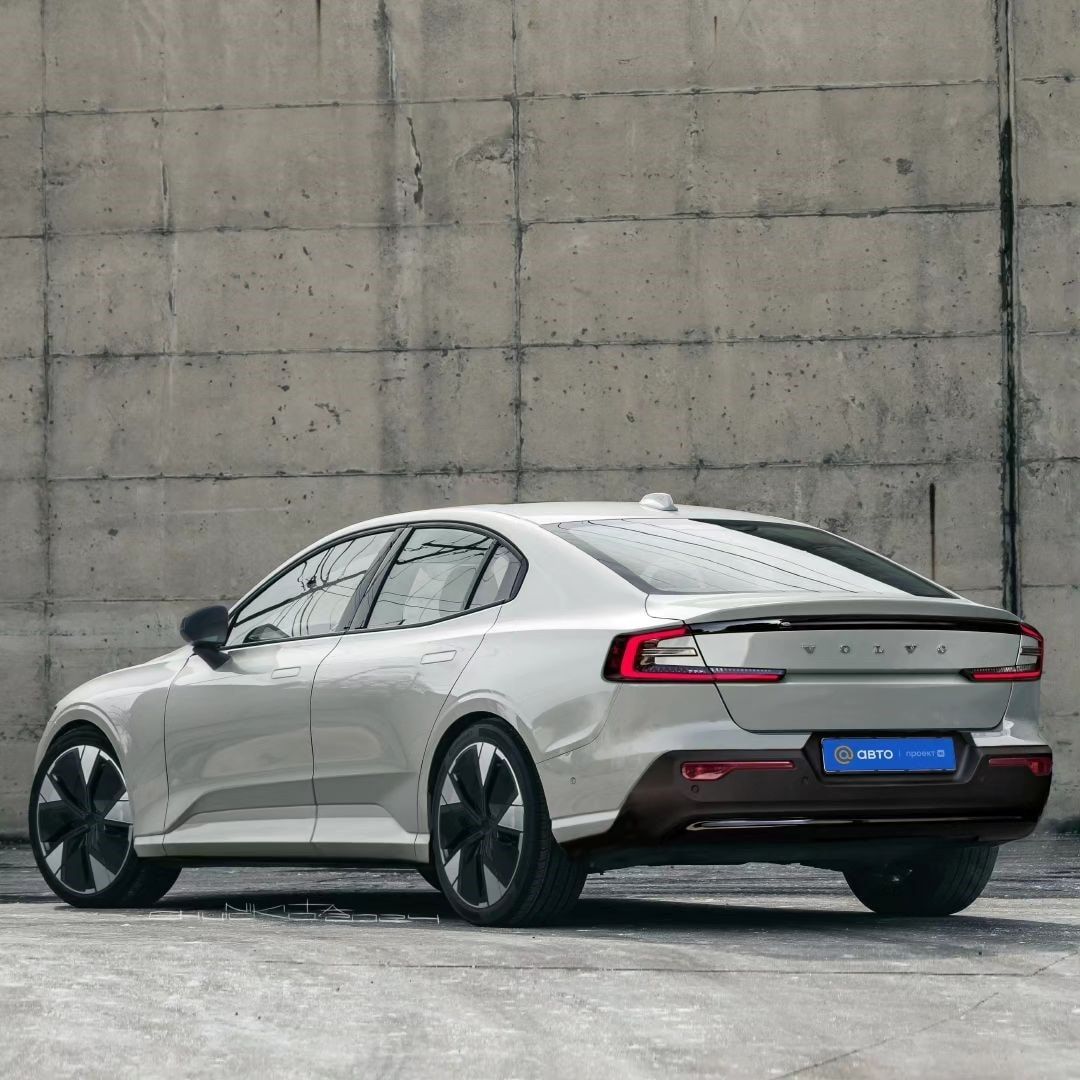
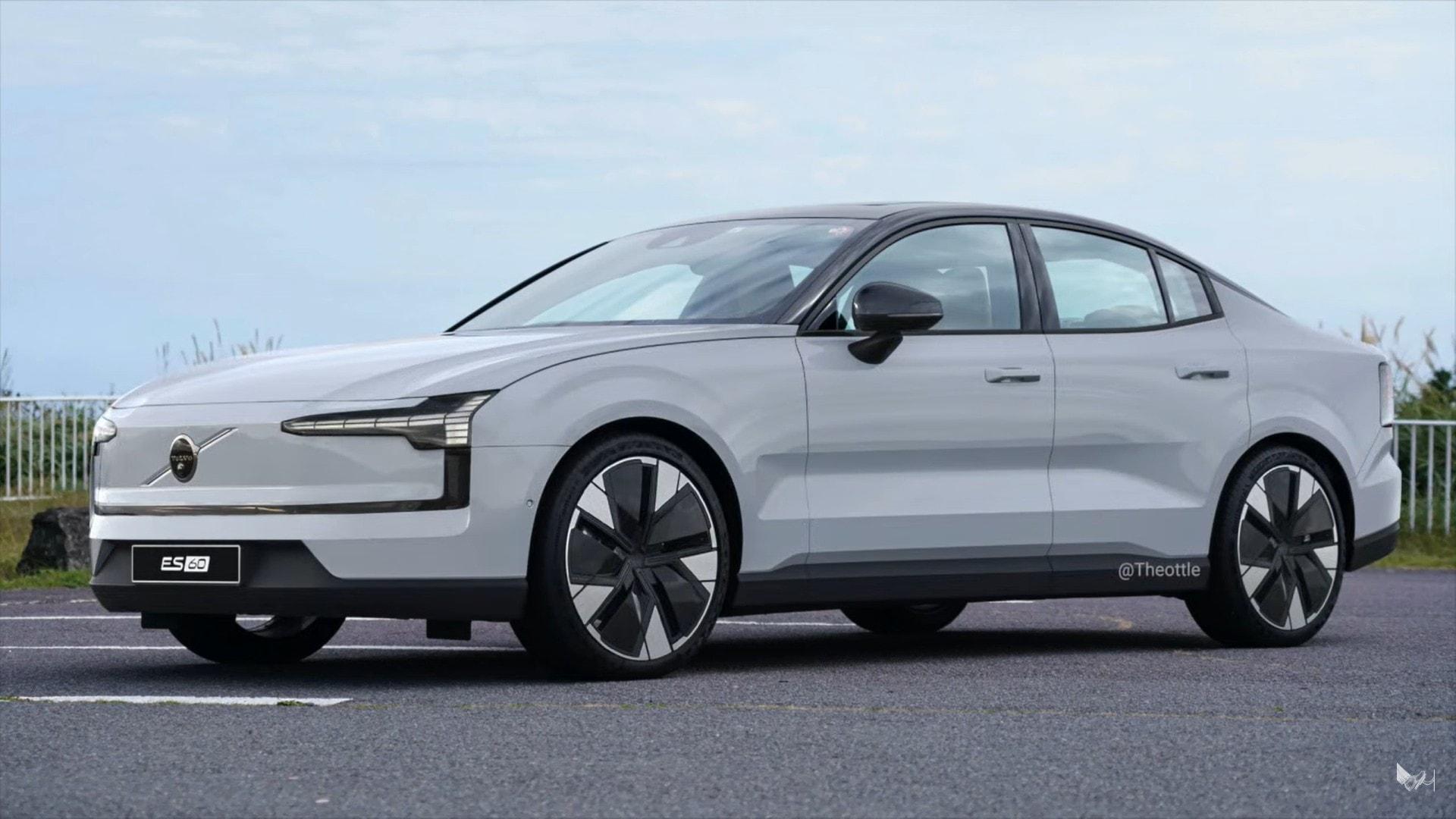
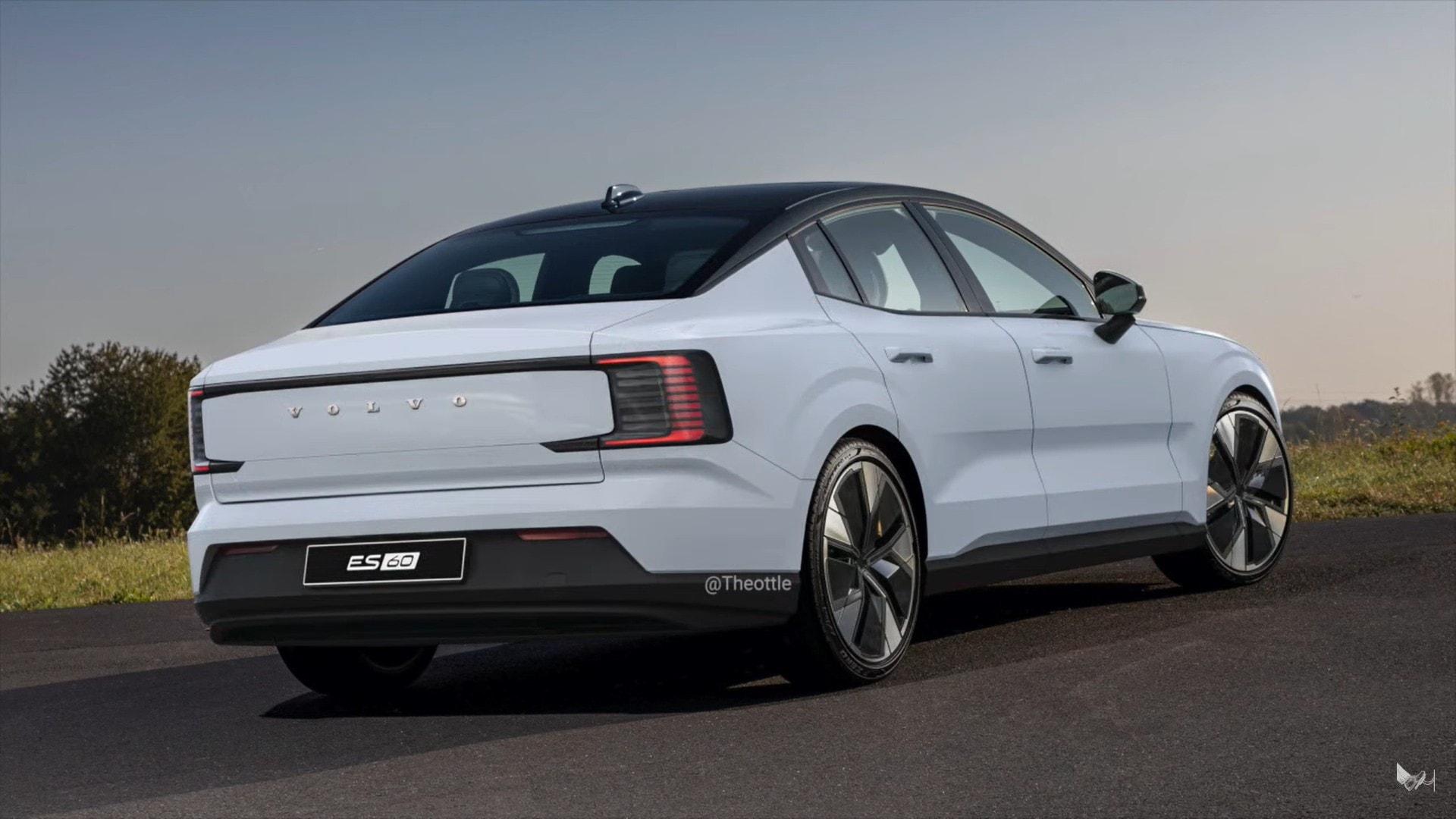
Volvo is preparing to re-enter segments it quietly abandoned in the American market. The Swedish automaker has confirmed plans to launch two electric vehicles—a midsize sedan and a wagon—in the United States by 2028, targeting buyers who still value a lower ride height and traditional cargo configurations.
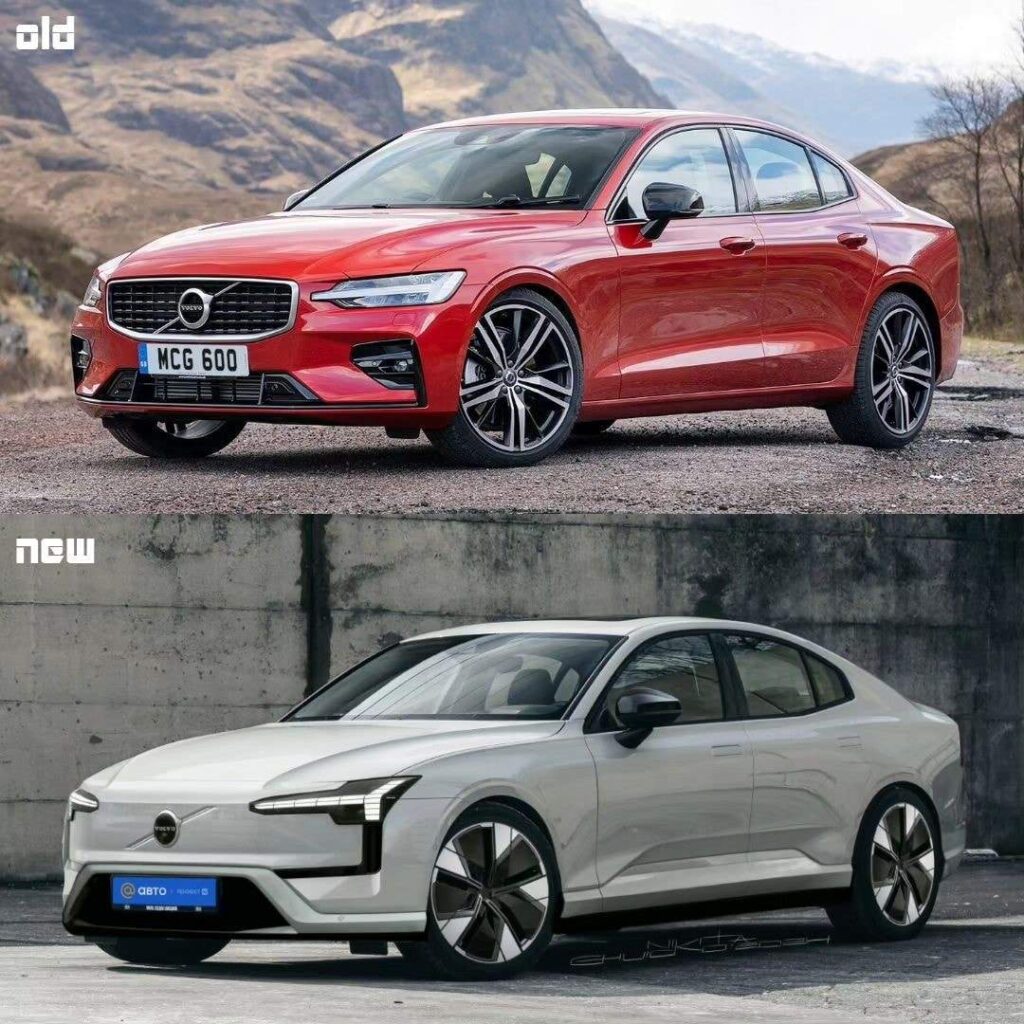
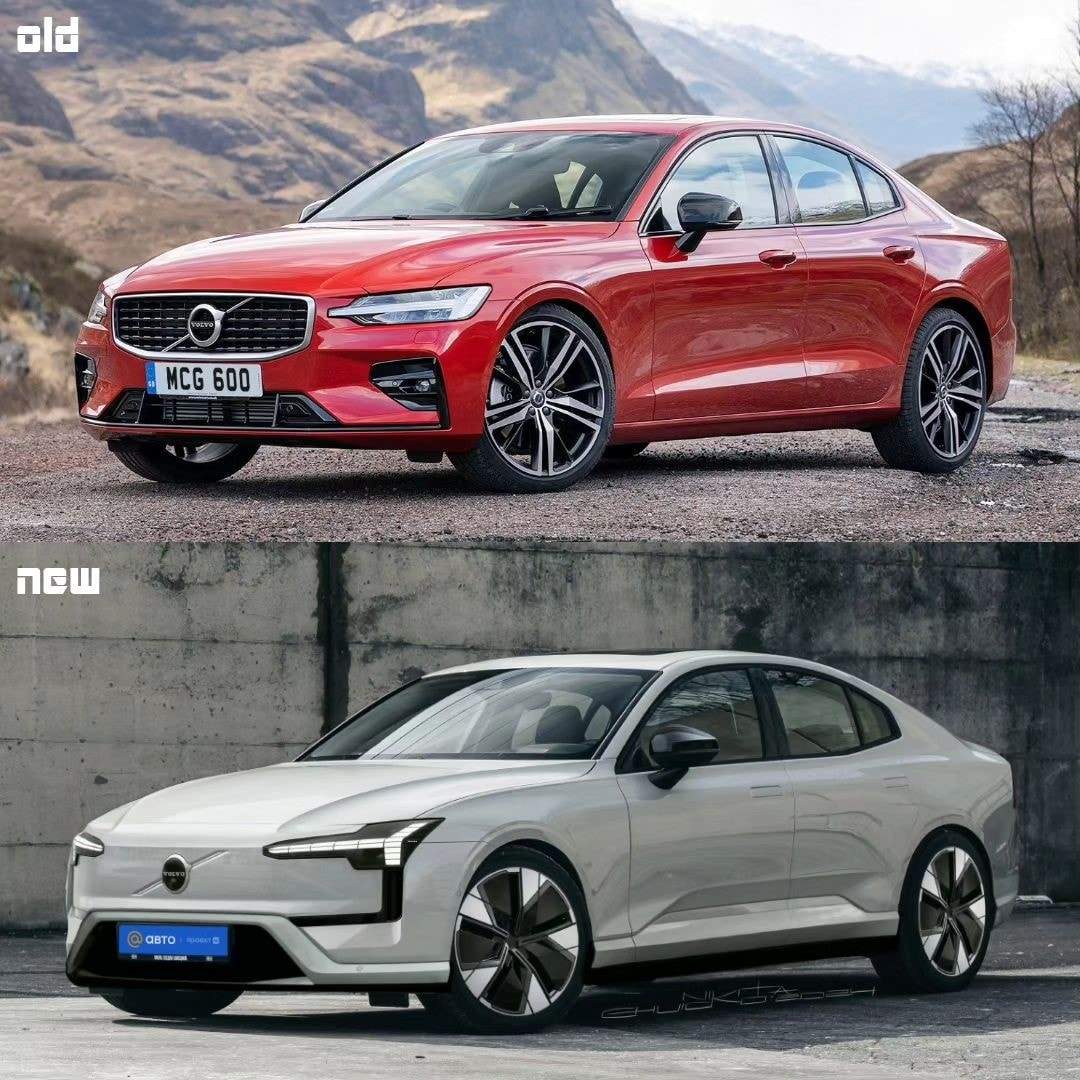
The decision follows a period of deliberate retreat from these body styles. Volvo discontinued the S90 sedan and the standard V60 wagon last year, narrowing its American portfolio almost entirely to crossovers and SUVs. The company also chose not to introduce the ES90 flagship sedan to US buyers, citing market conditions and regulatory uncertainty. That uncertainty has now eased, following a federal decision allowing Volvo to import connected vehicles despite its predominantly Chinese ownership structure.
Both new vehicles will share Volvo’s SPA3 architecture, the modular electric platform currently underpinning the EX60 crossover. Engineers designed SPA3 with flexible battery cell arrangements, allowing the pack to sit lower in the floor than in earlier Volvo EVs. That packaging freedom opens the door to a genuine low-slung sedan rather than another lifted fastback or SUV-shaped vehicle. The sedan is widely expected to wear the ES60 badge, serving as an indirect successor to the S60, which ended production in 2024. A wagon counterpart—likely badged EV60—is also under consideration, with a Cross Country variant offered to buyers preferring a slightly raised ride and rugged trim.
Pricing strategy will be central to the launch. Volvo reportedly plans to position both models in the low $50,000s, placing them below the EX90’s current MSRP and within reach of premium sedan buyers comparing options from BMW, Mercedes-Benz, and Audi. Internal projections target roughly 10,000 combined annual sales in the United States—a conservative figure that nonetheless reflects the difficult conditions facing most EVs in today’s market. For context, Volvo sold approximately 3,900 EX90s and 5,400 EX30 crossovers in the US during 2025, even as manufacturing delays and software issues hampered availability.
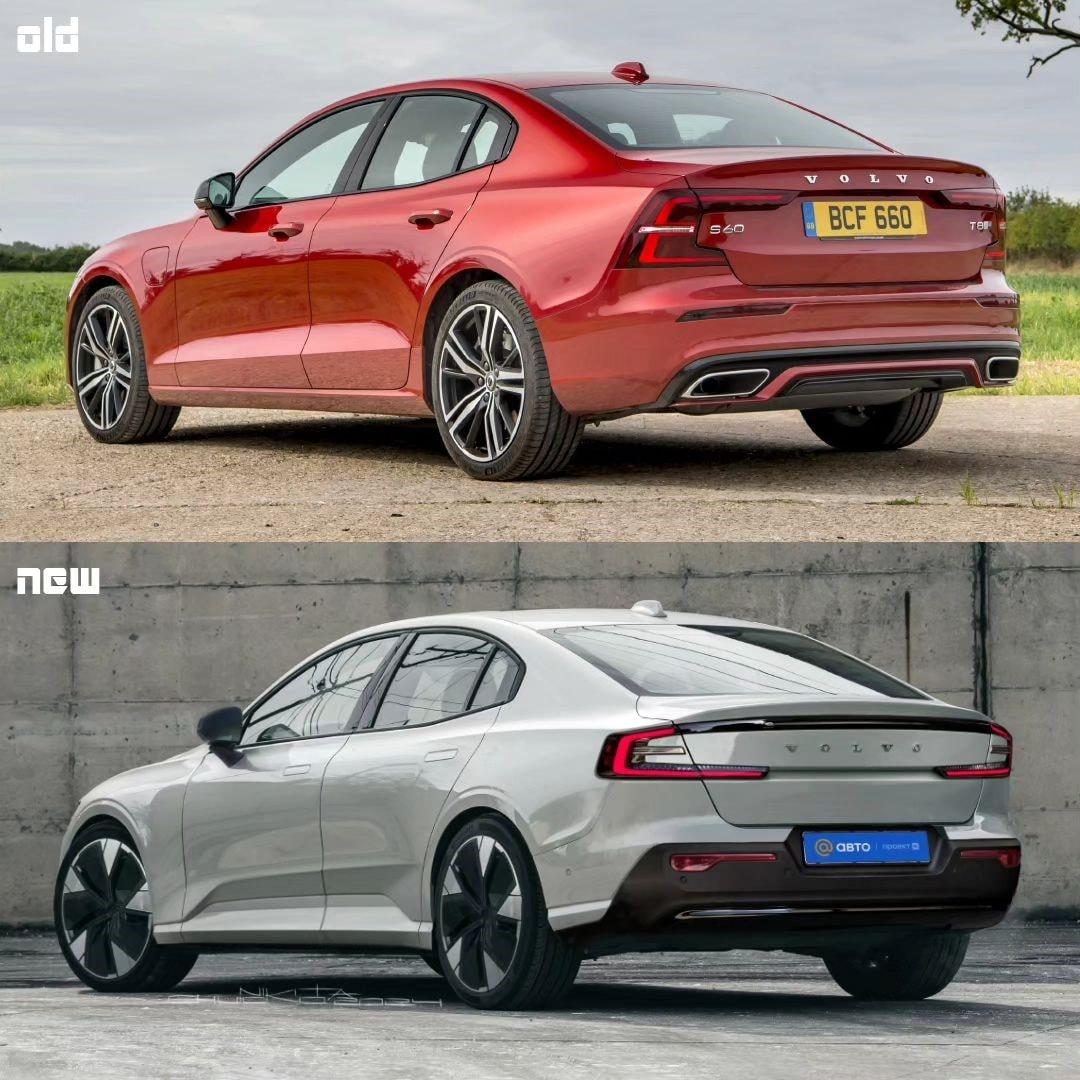
Because expected volumes remain modest, neither car will be built in North America. Both will roll off European production lines that already serve other markets, with US distribution handled through existing import operations. This keeps fixed costs down and avoids the capital expenditure required for localized assembly.
Beyond these two models, Volvo is weighing an expansion at the upper end of its SUV range. A larger three-row vehicle aimed at the BMW X7 and Mercedes-Benz GLS is reportedly under review, with a potential launch around 2029. For the immediate future, though, the focus rests on reviving the sedan and wagon—two formats that long defined Volvo’s presence on American roads.