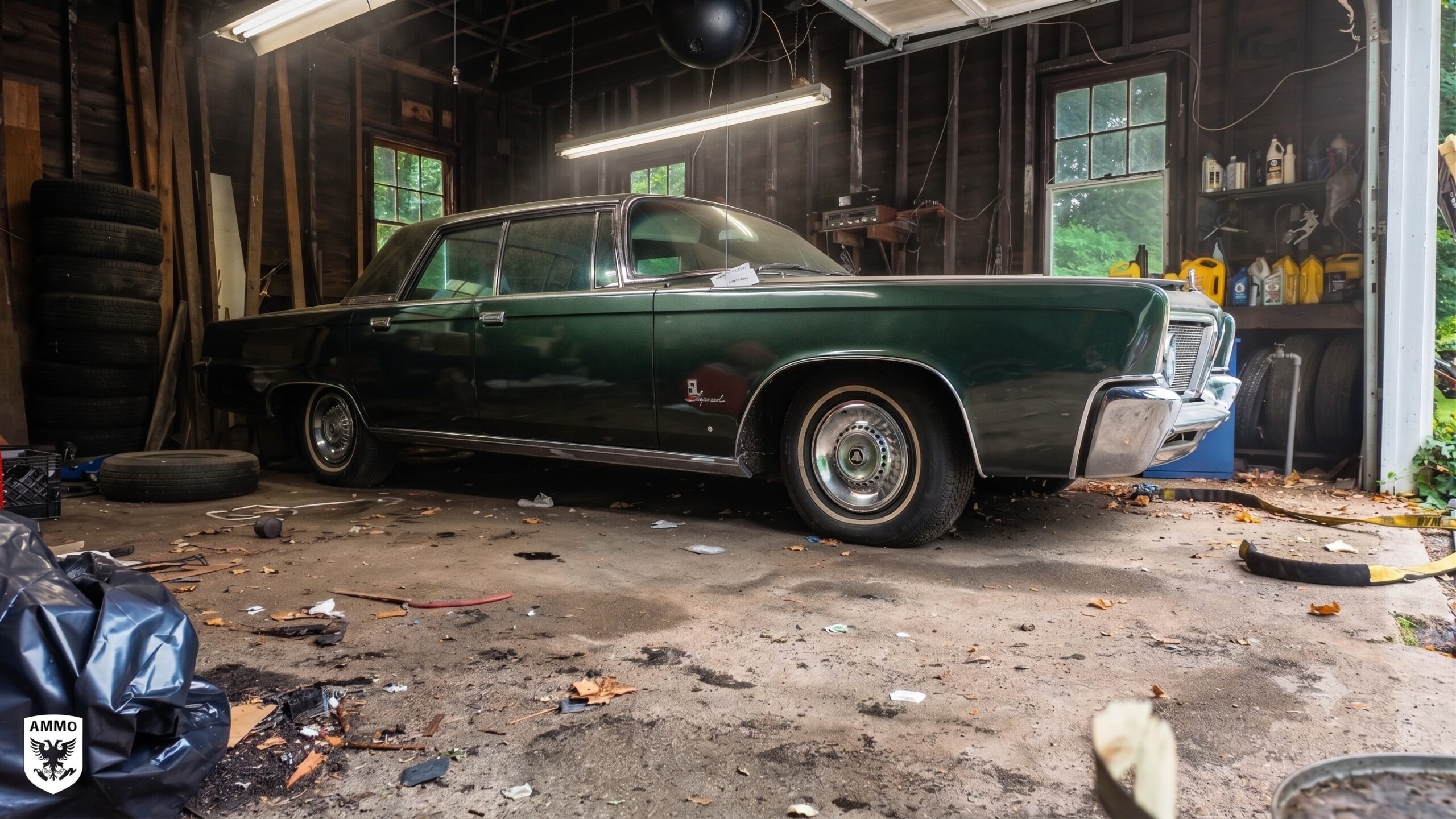
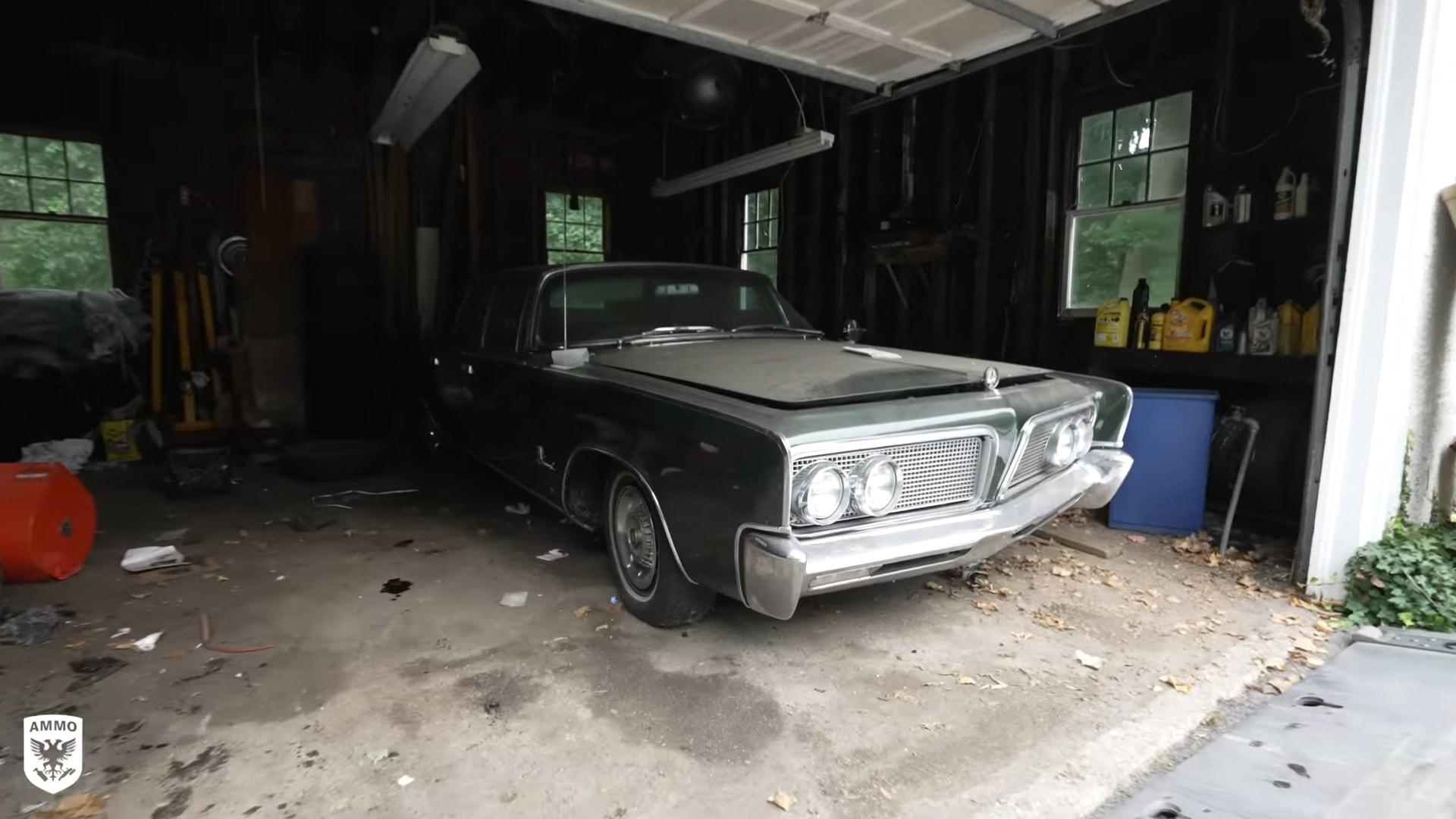
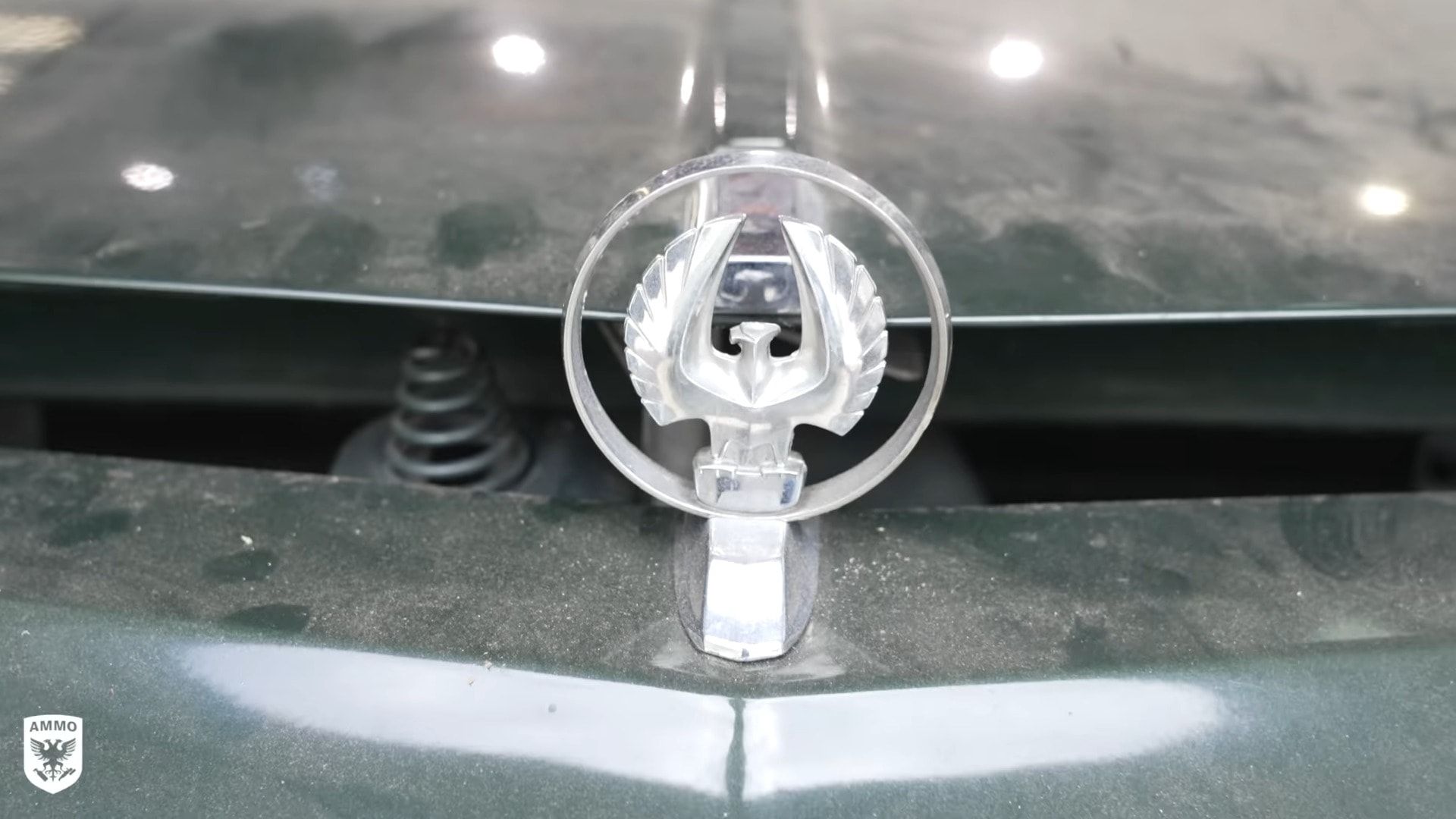
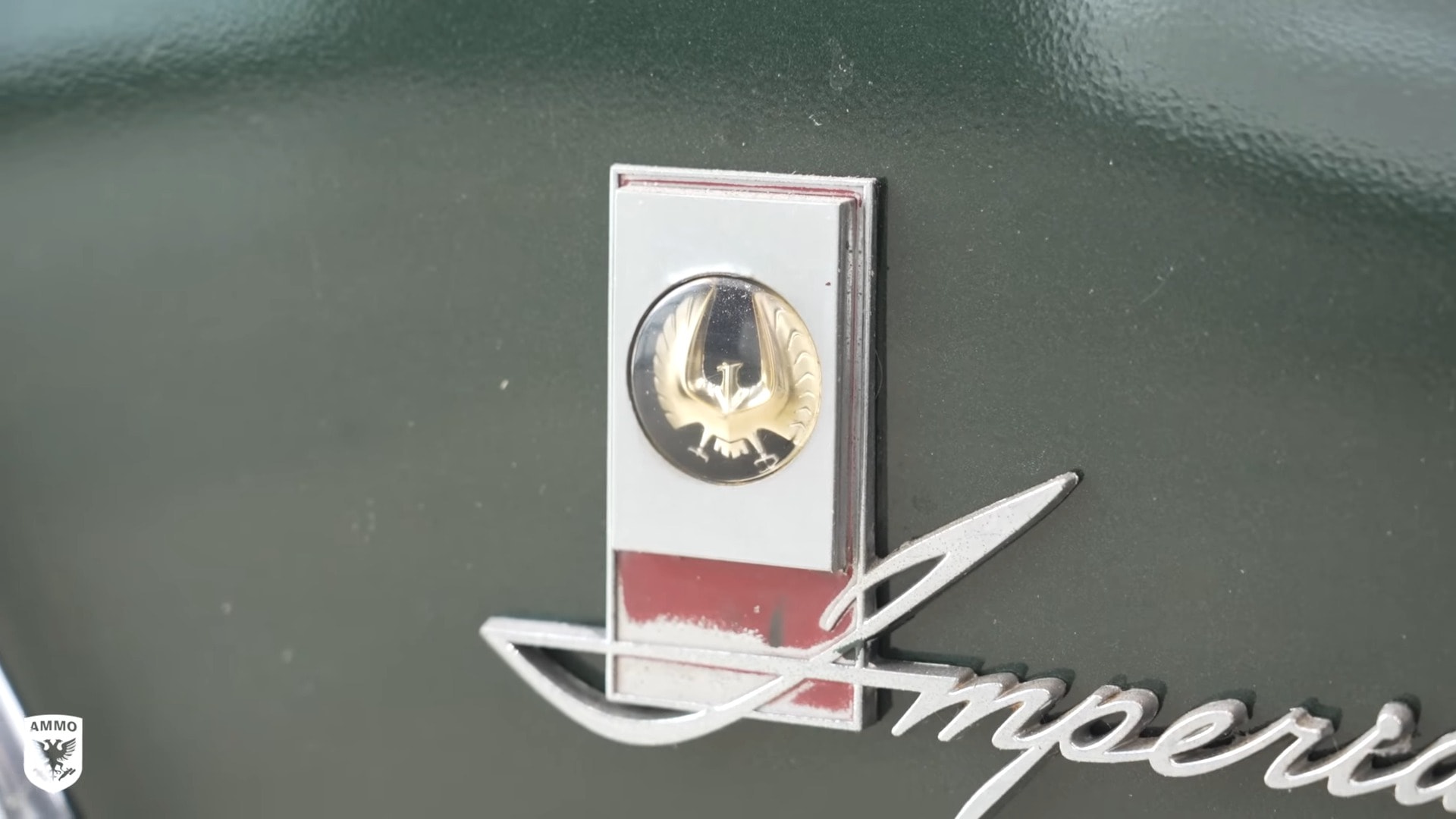
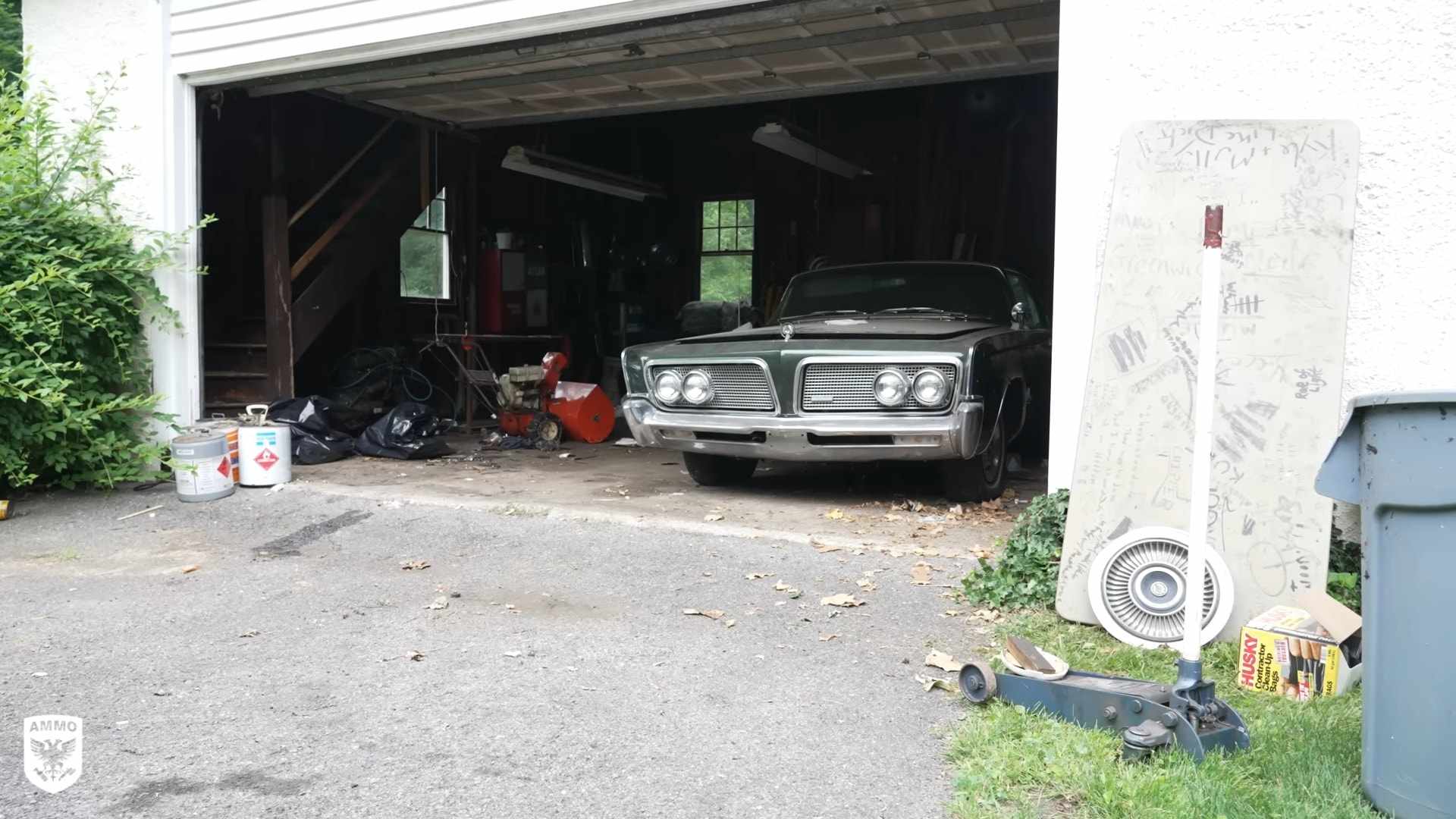
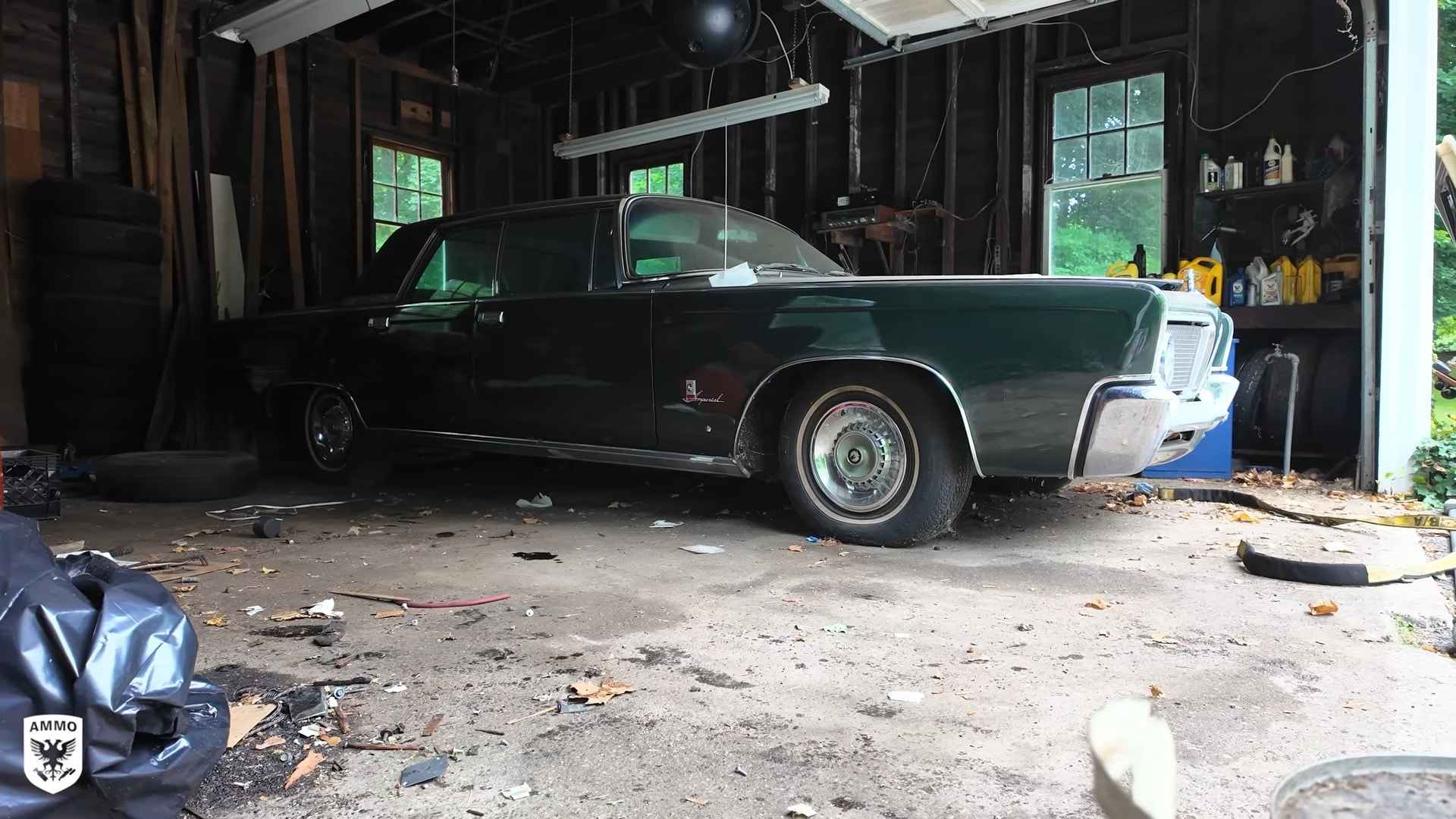
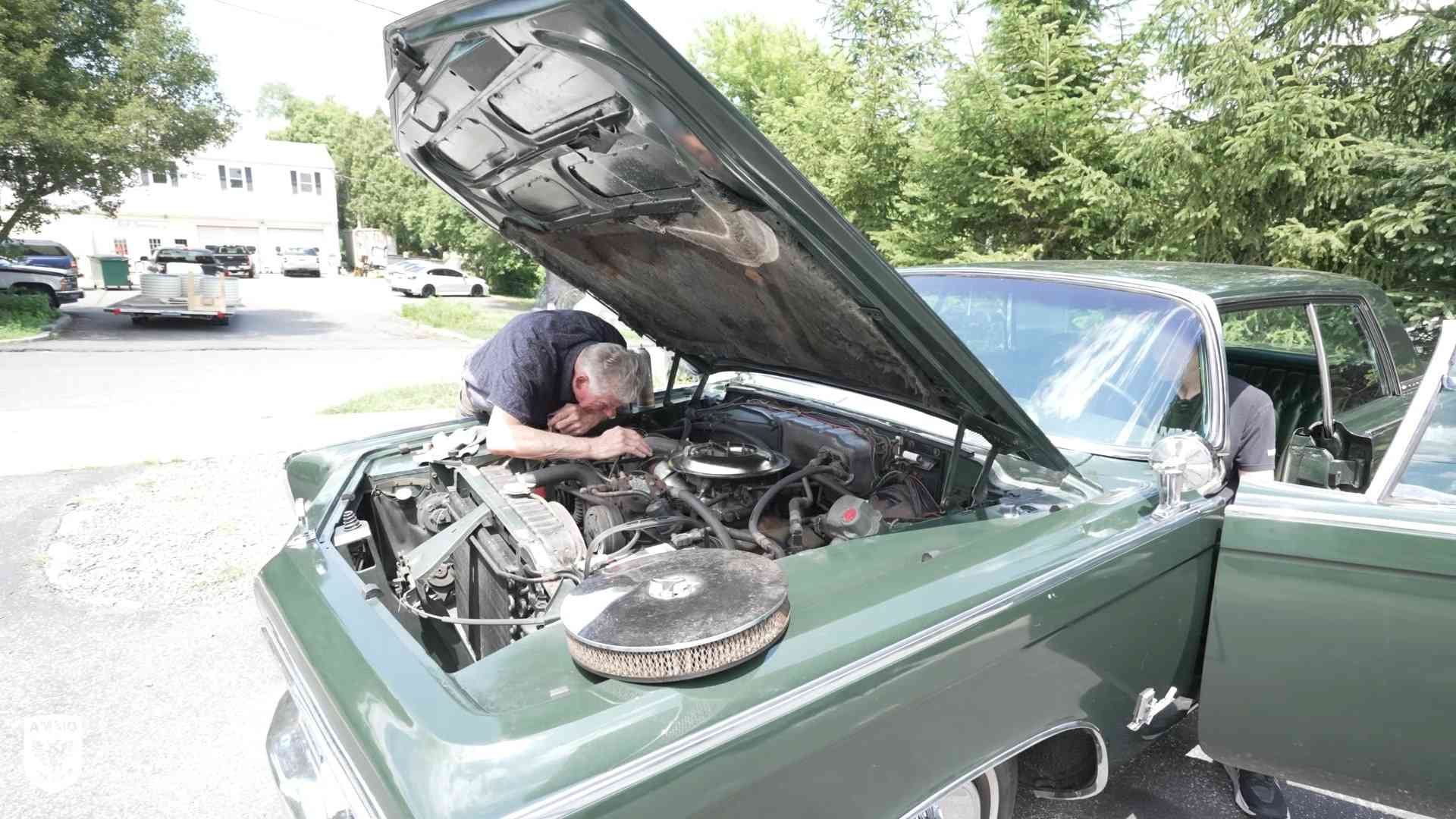
- A 1964 Imperial Crown four-door hardtop sat untouched for ten years in a dark Connecticut garage following the passing of its original owner.
- Detailer Larry Kosilla of AMMO NYC decontaminated the rodent-infested interior, polished the chrome trim, and revived the dormant 413 Wedge V8 big-block.
- The rare custom-turbocharged classic was sold by the late owner’s widow to his close lifelong friend, keeping the family circle intact.
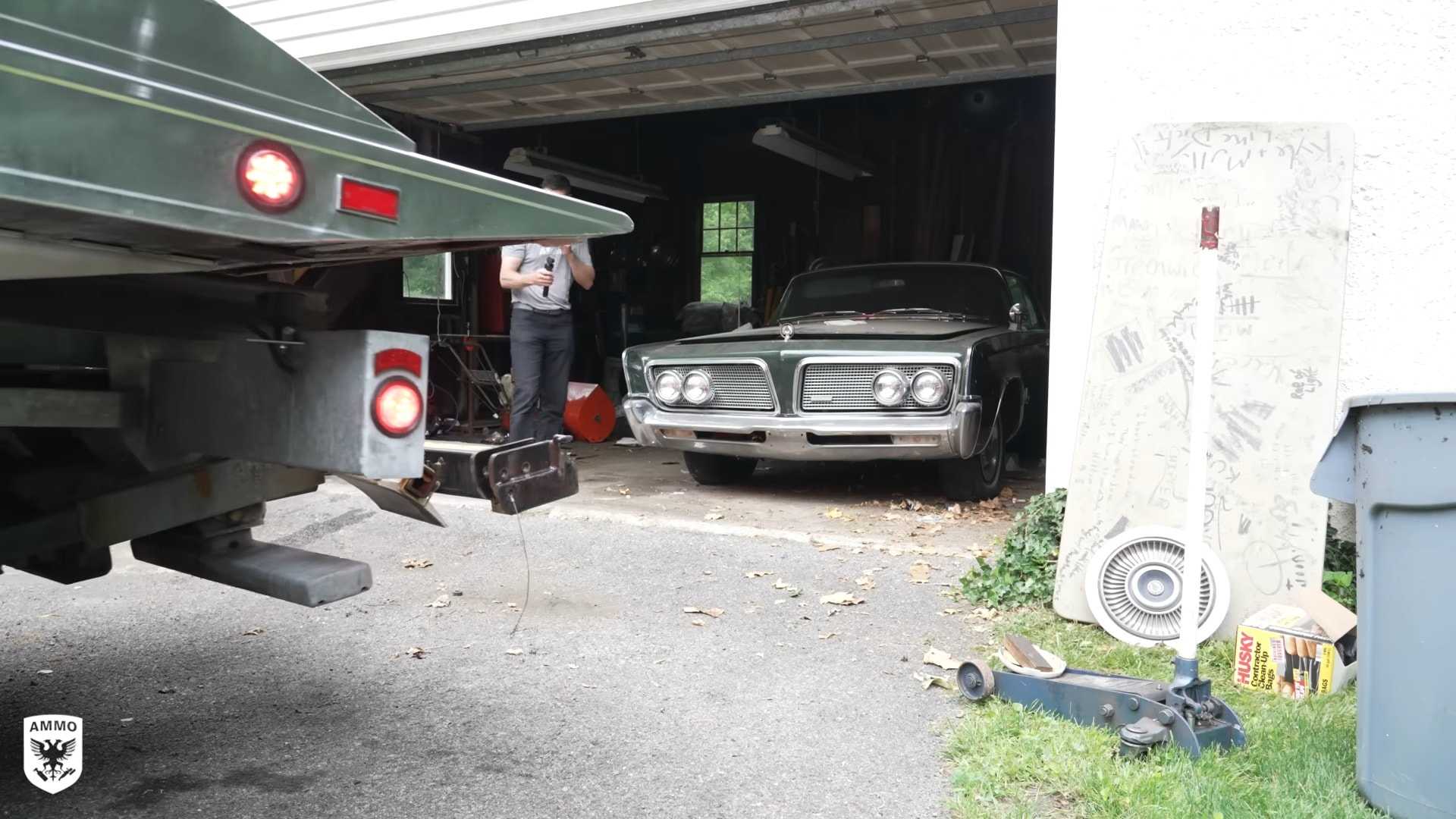
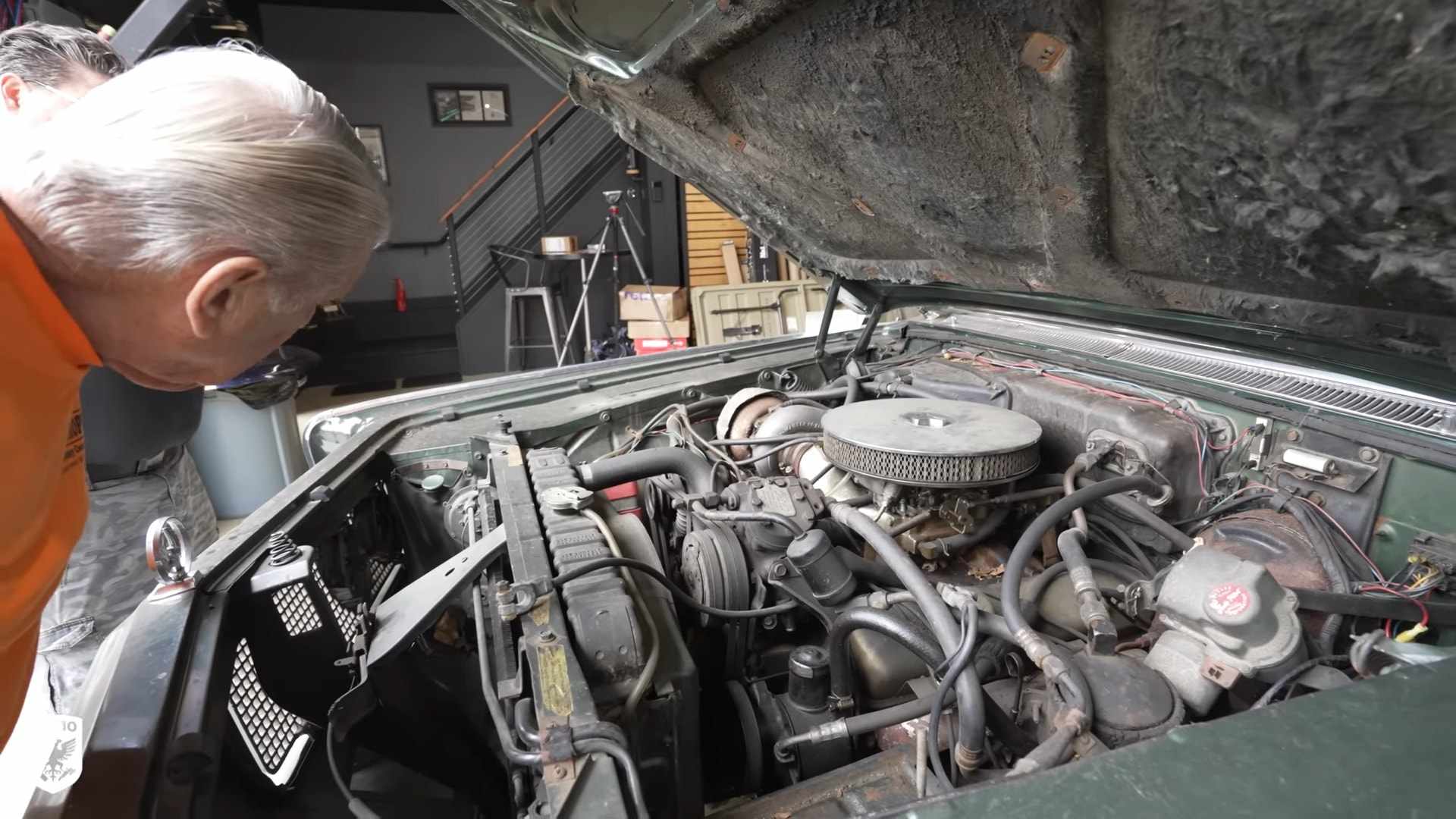
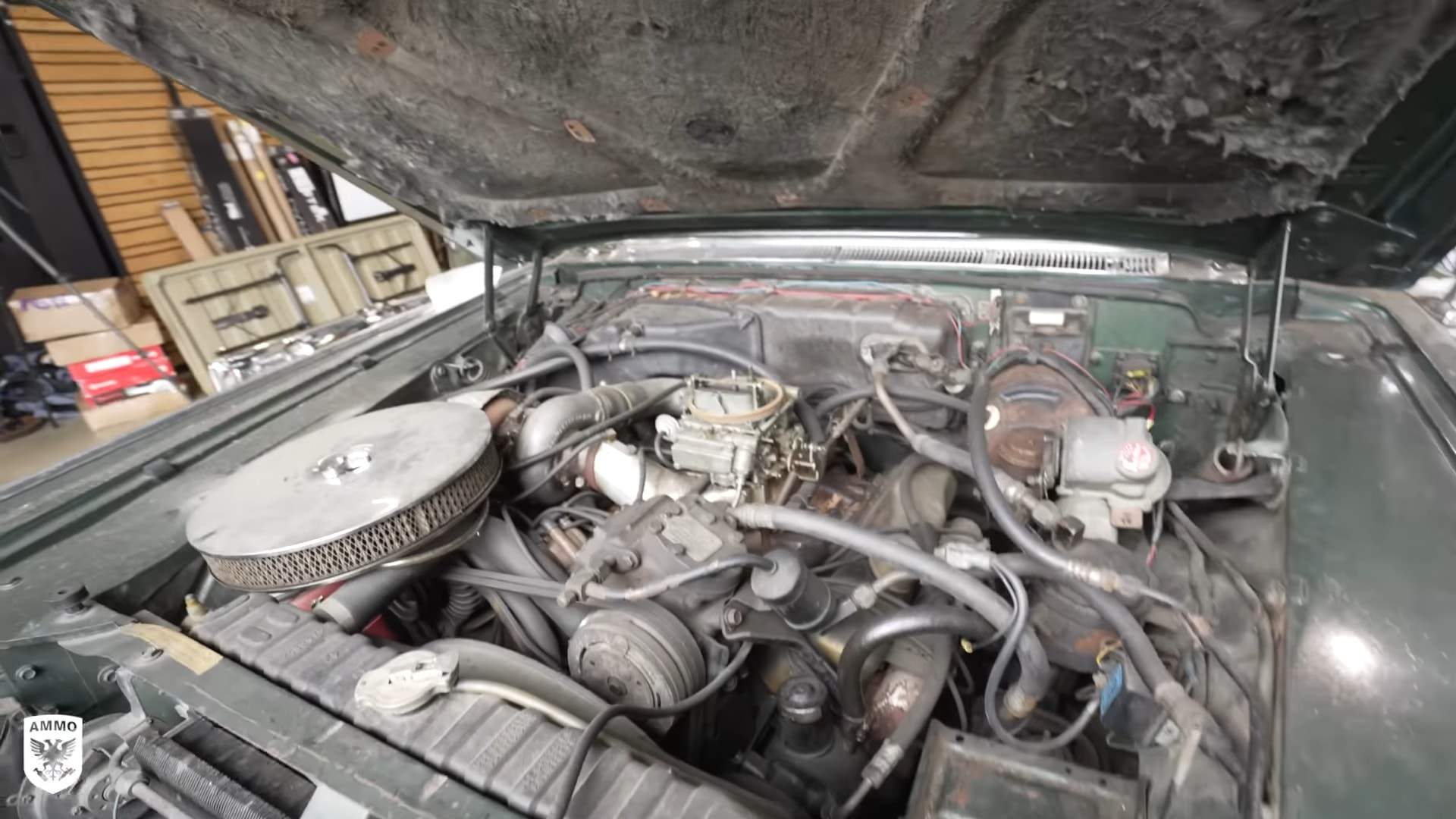
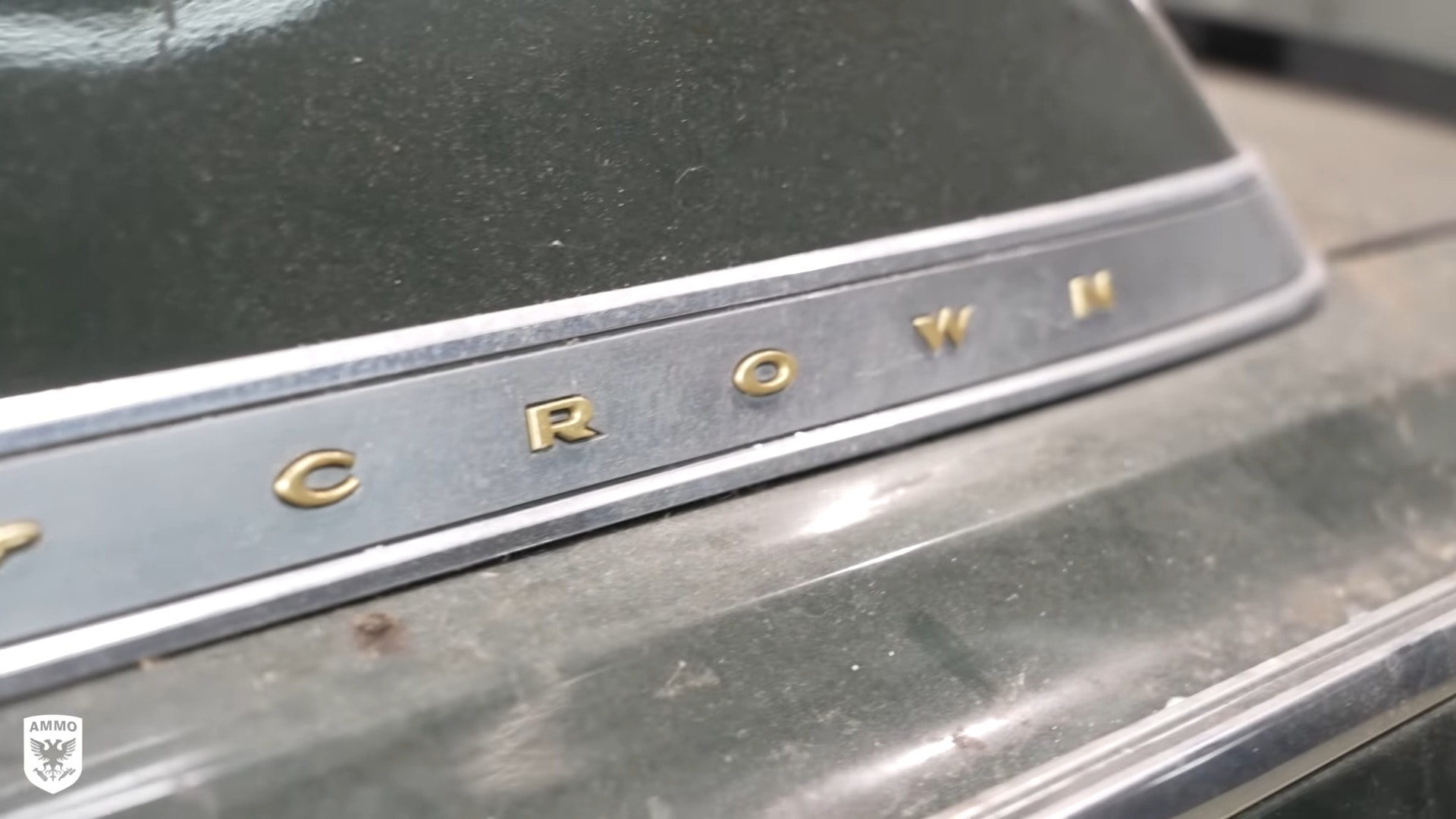
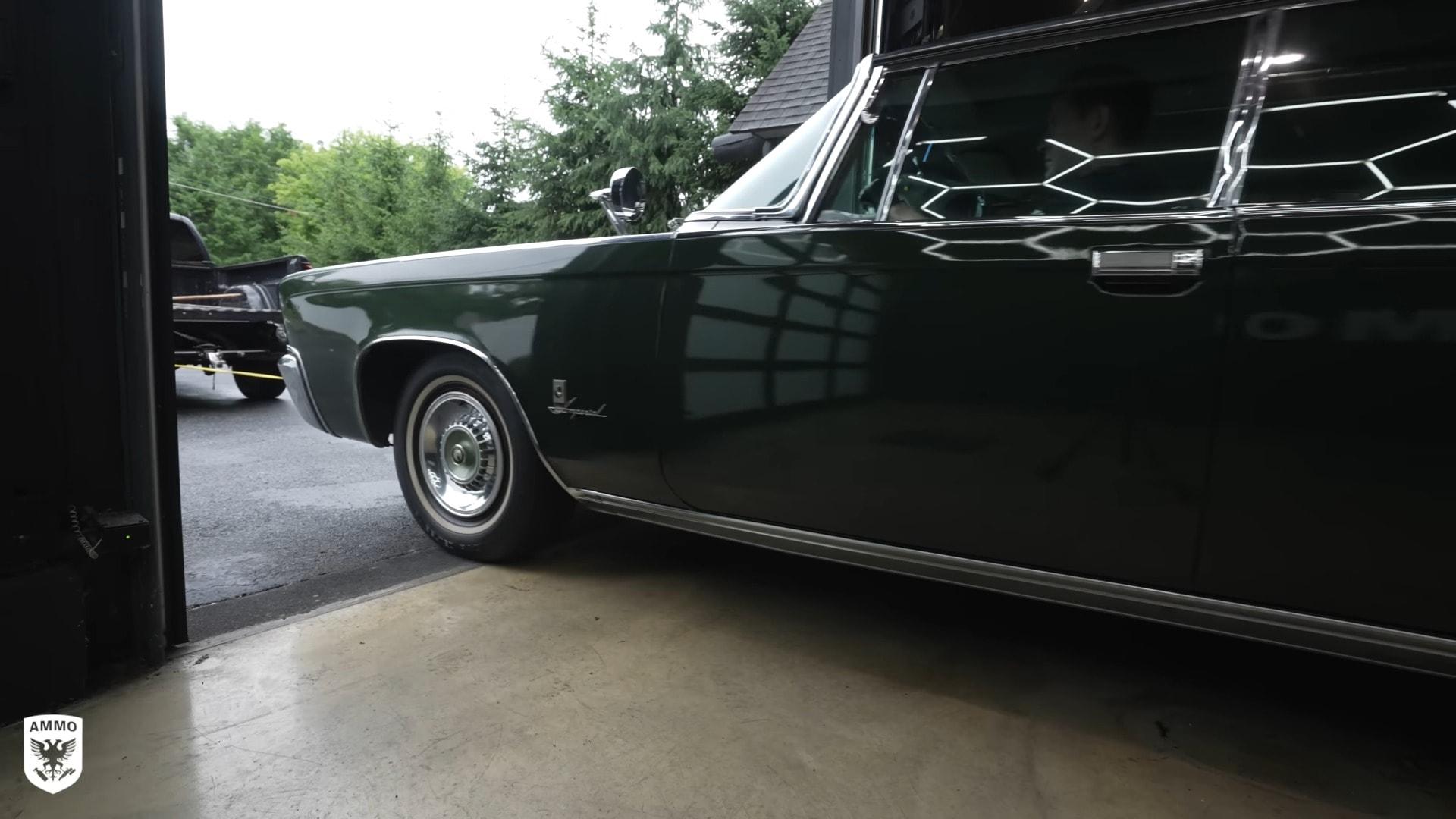
The 1964 Imperial Crown four-door hardtop emerged from a decade of darkness inside a Greenwich, Connecticut garage, carrying with it the memories of its late owner and a secret modification hidden beneath the factory sheet metal.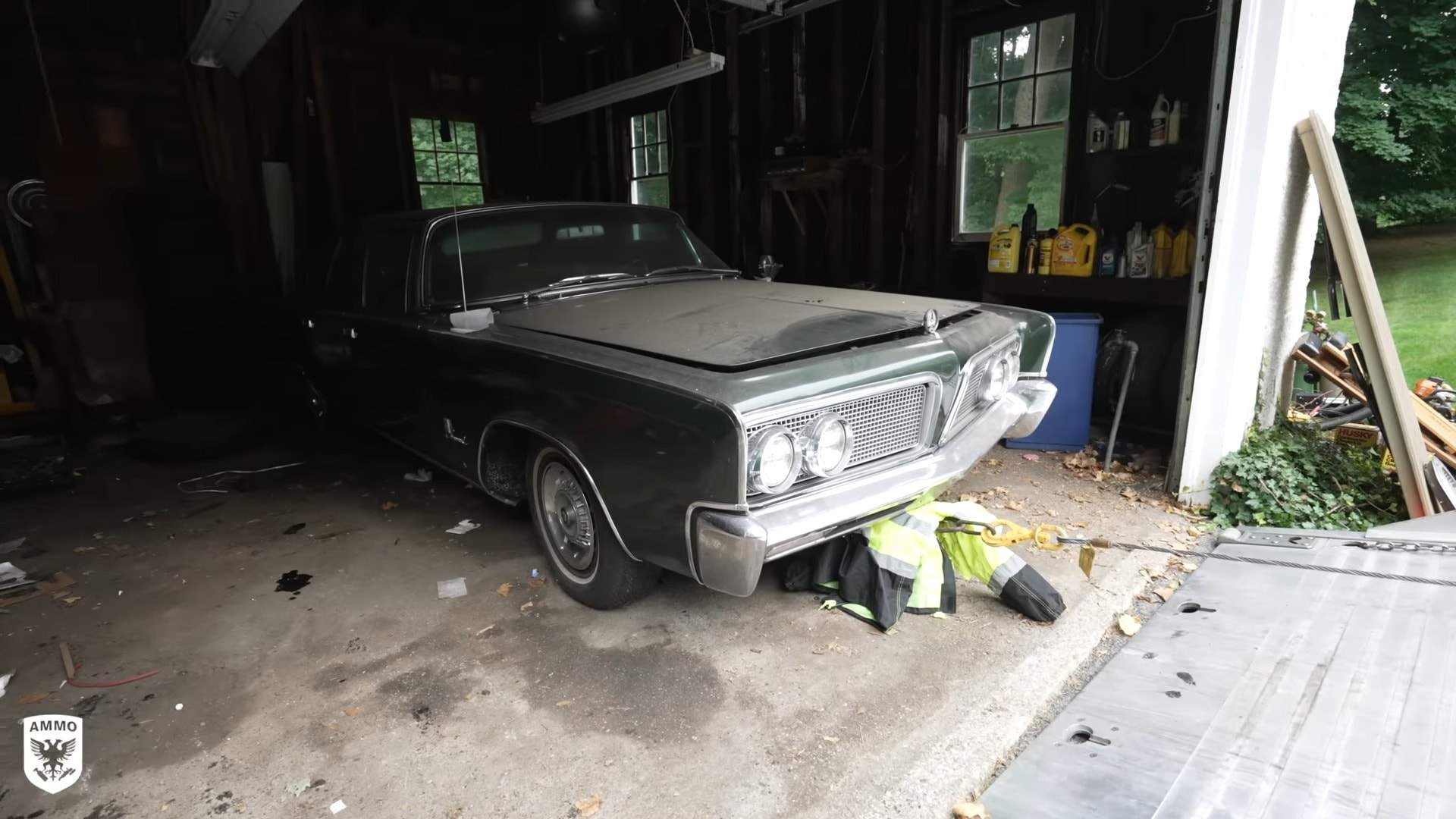
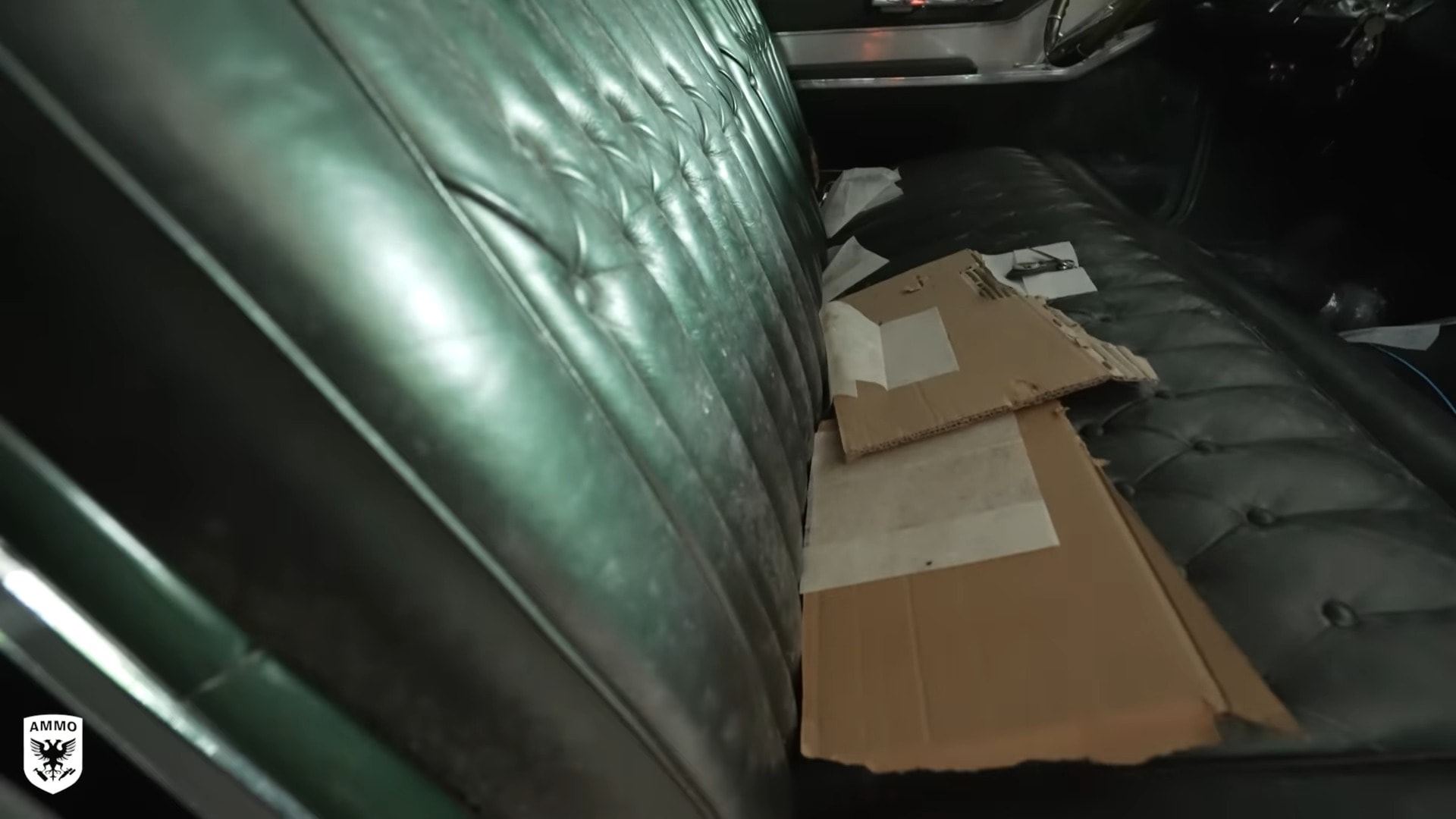
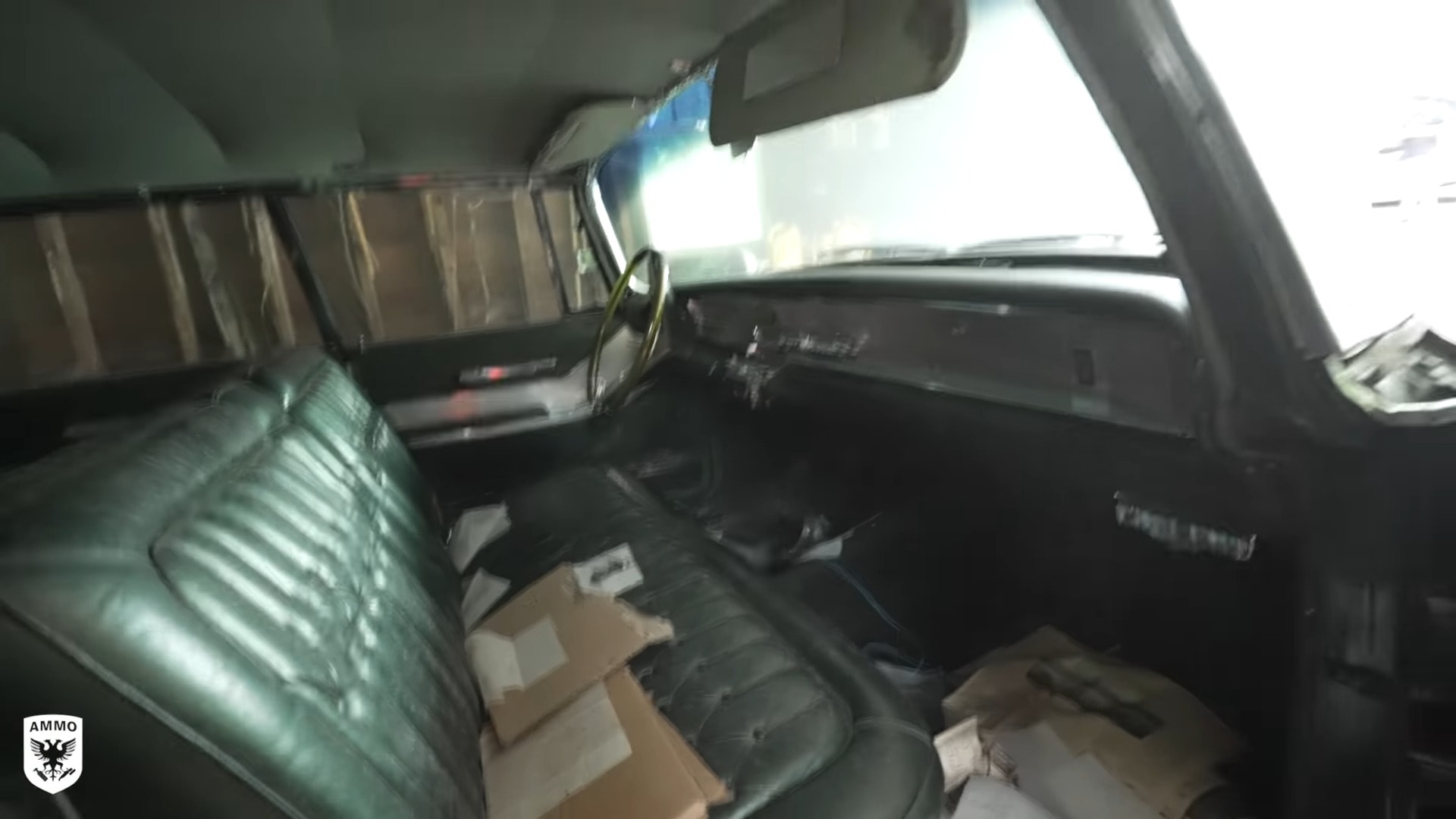
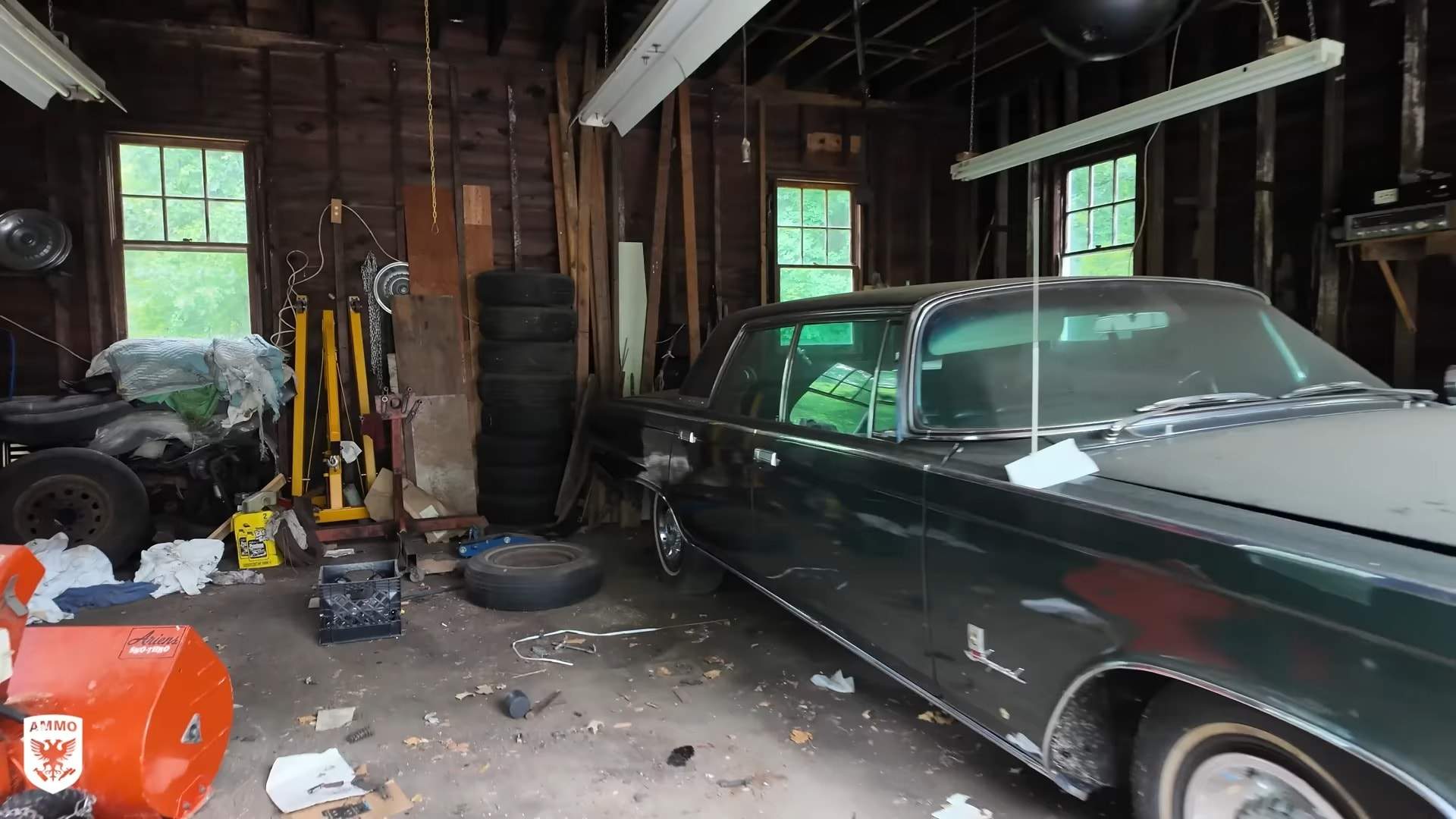
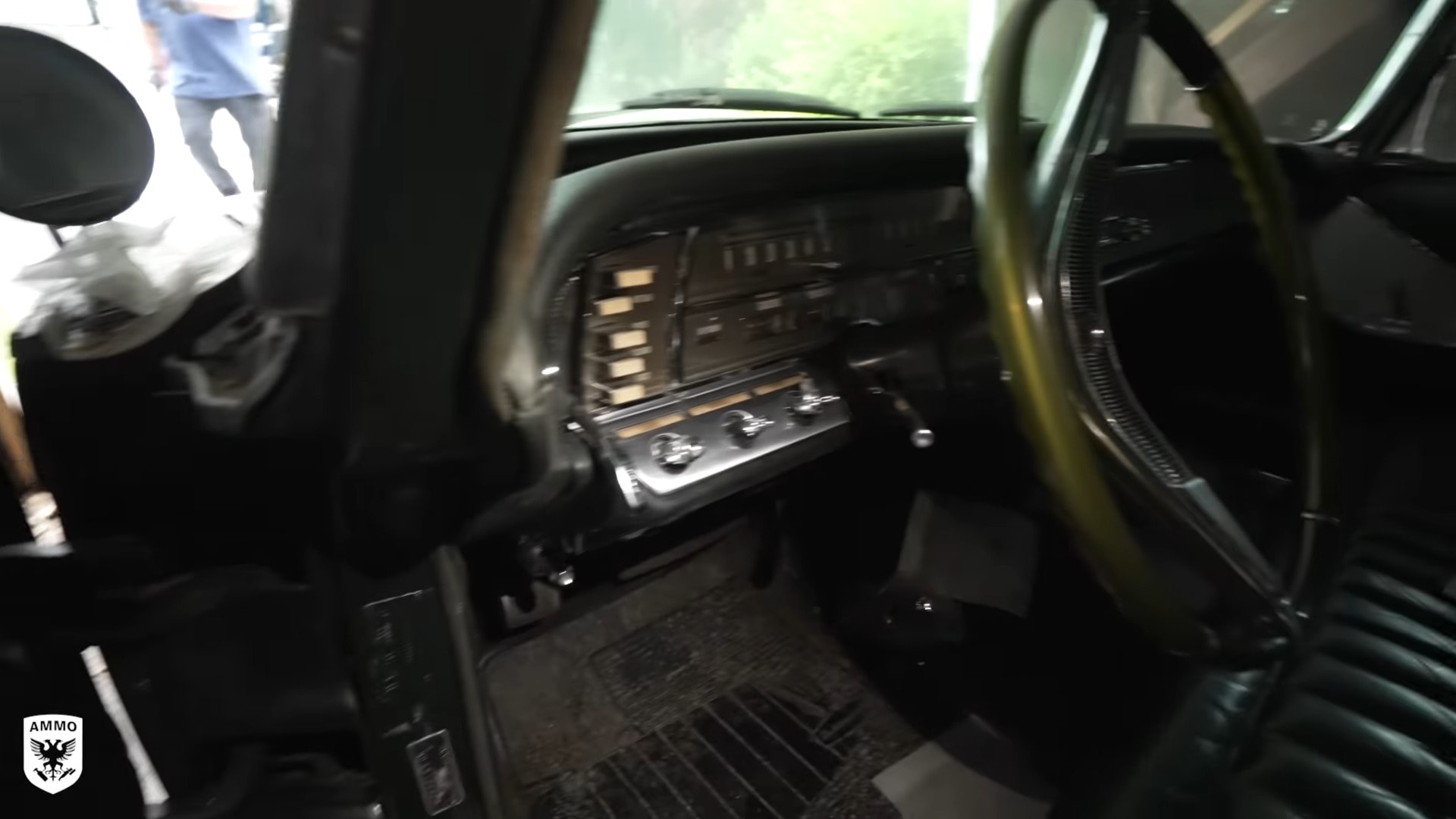
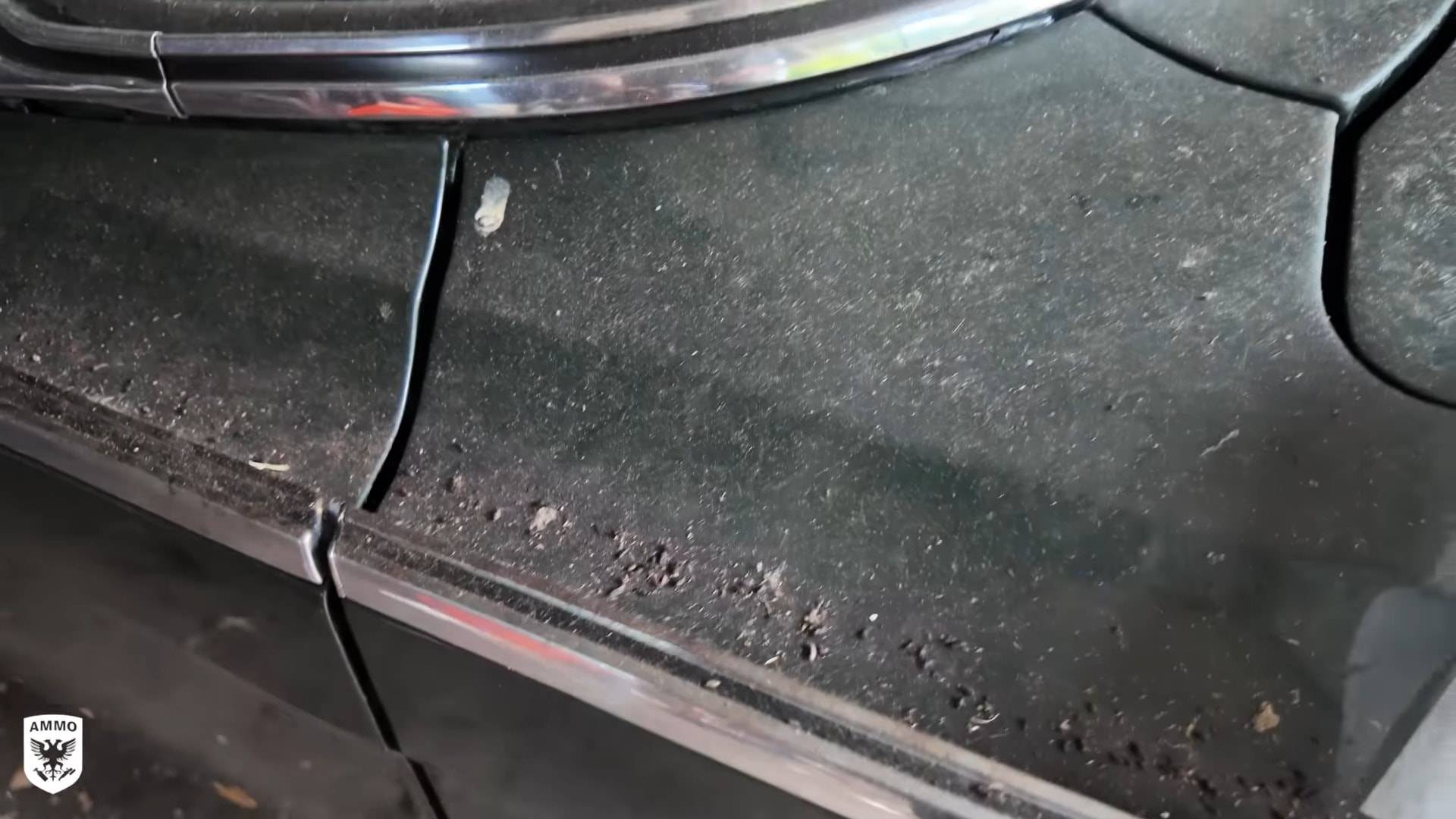
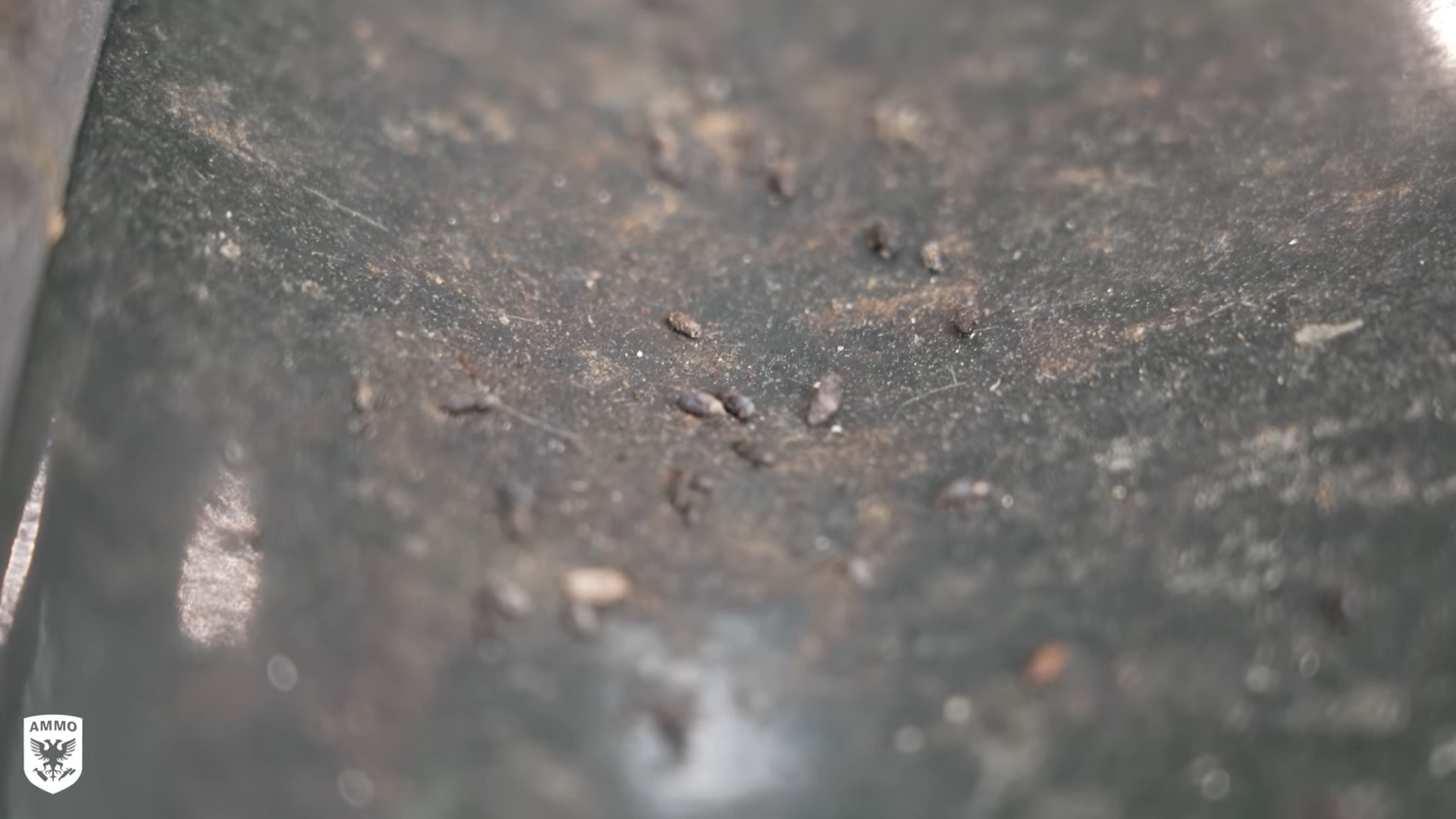
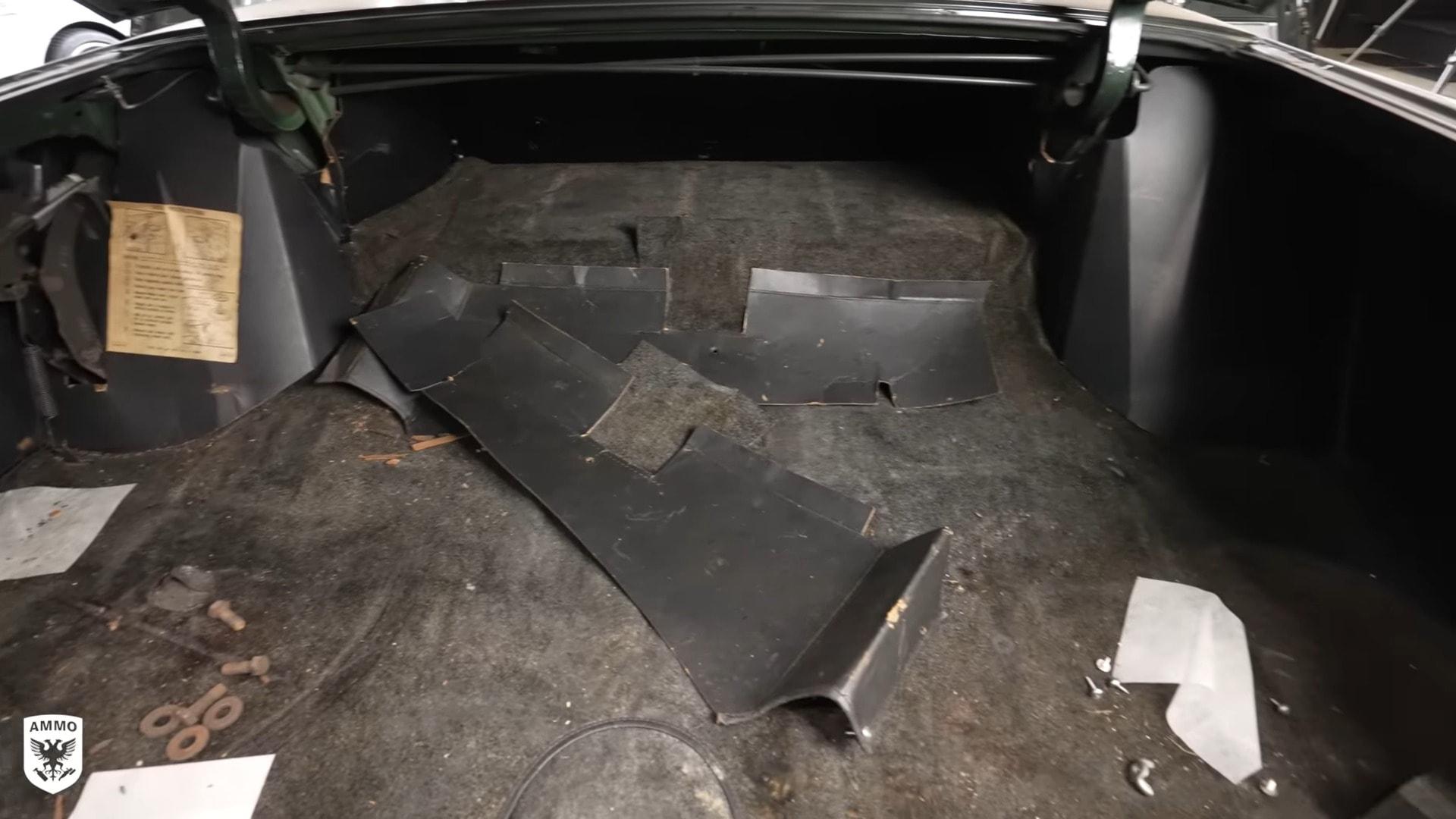
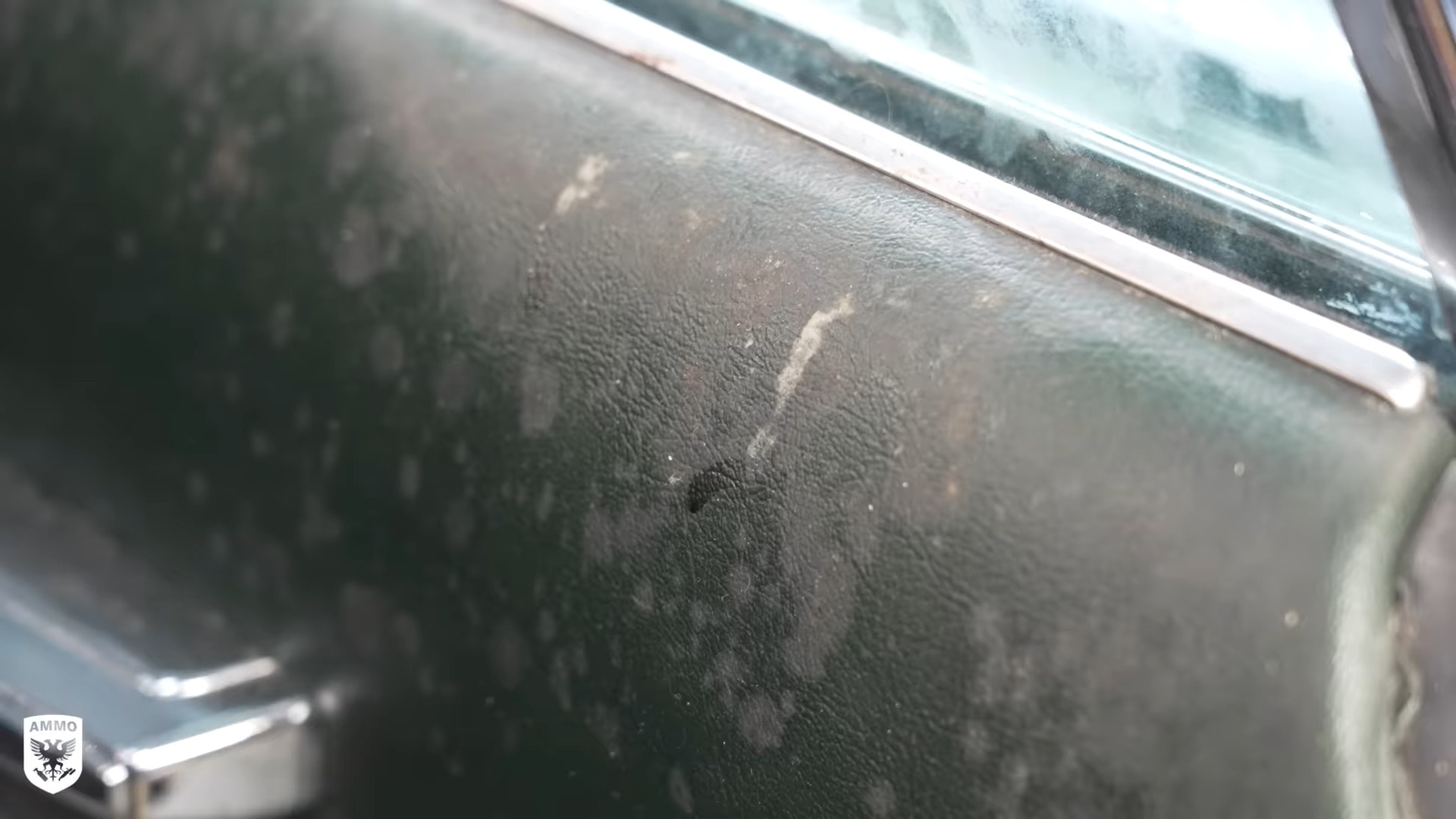
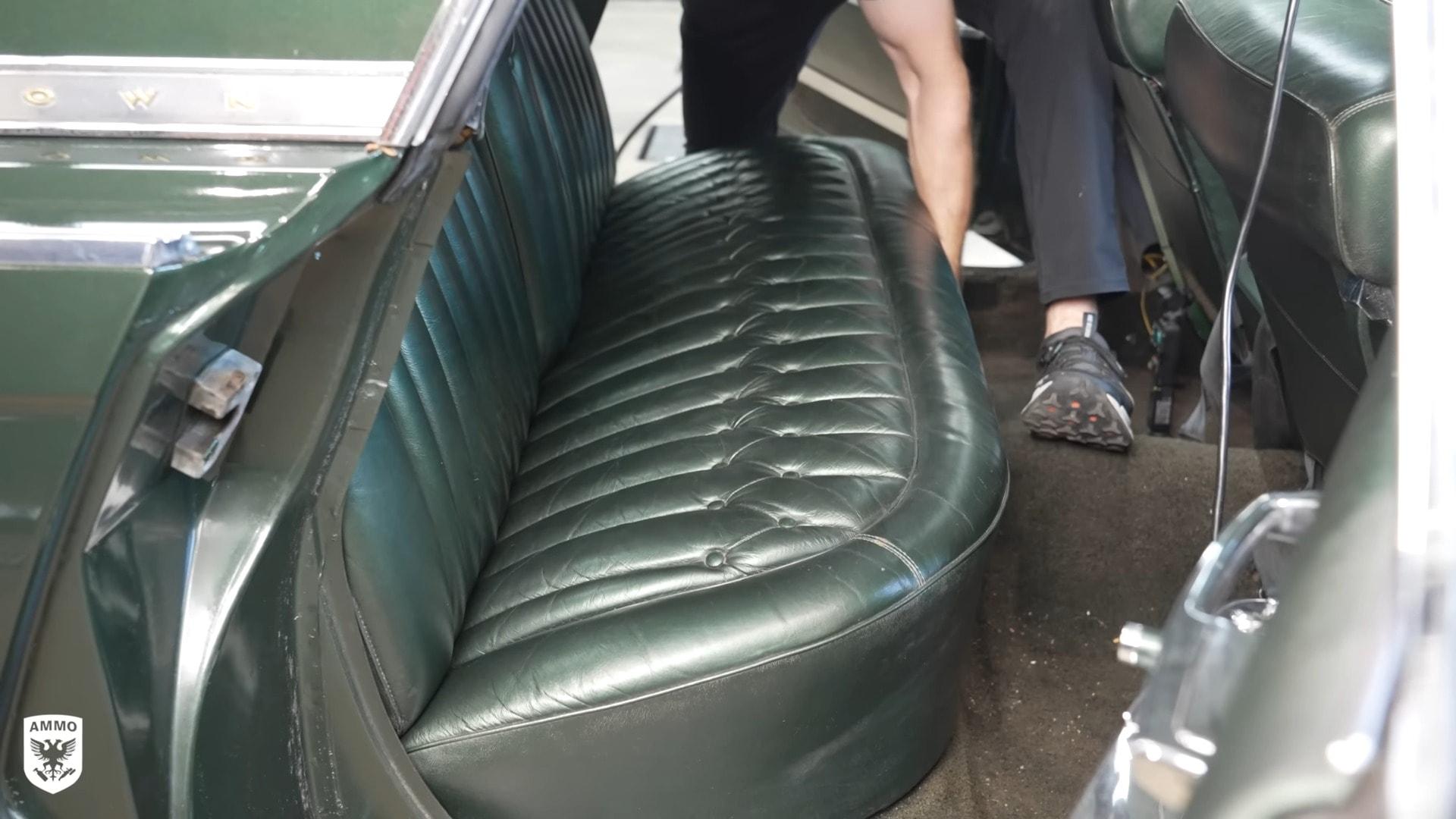
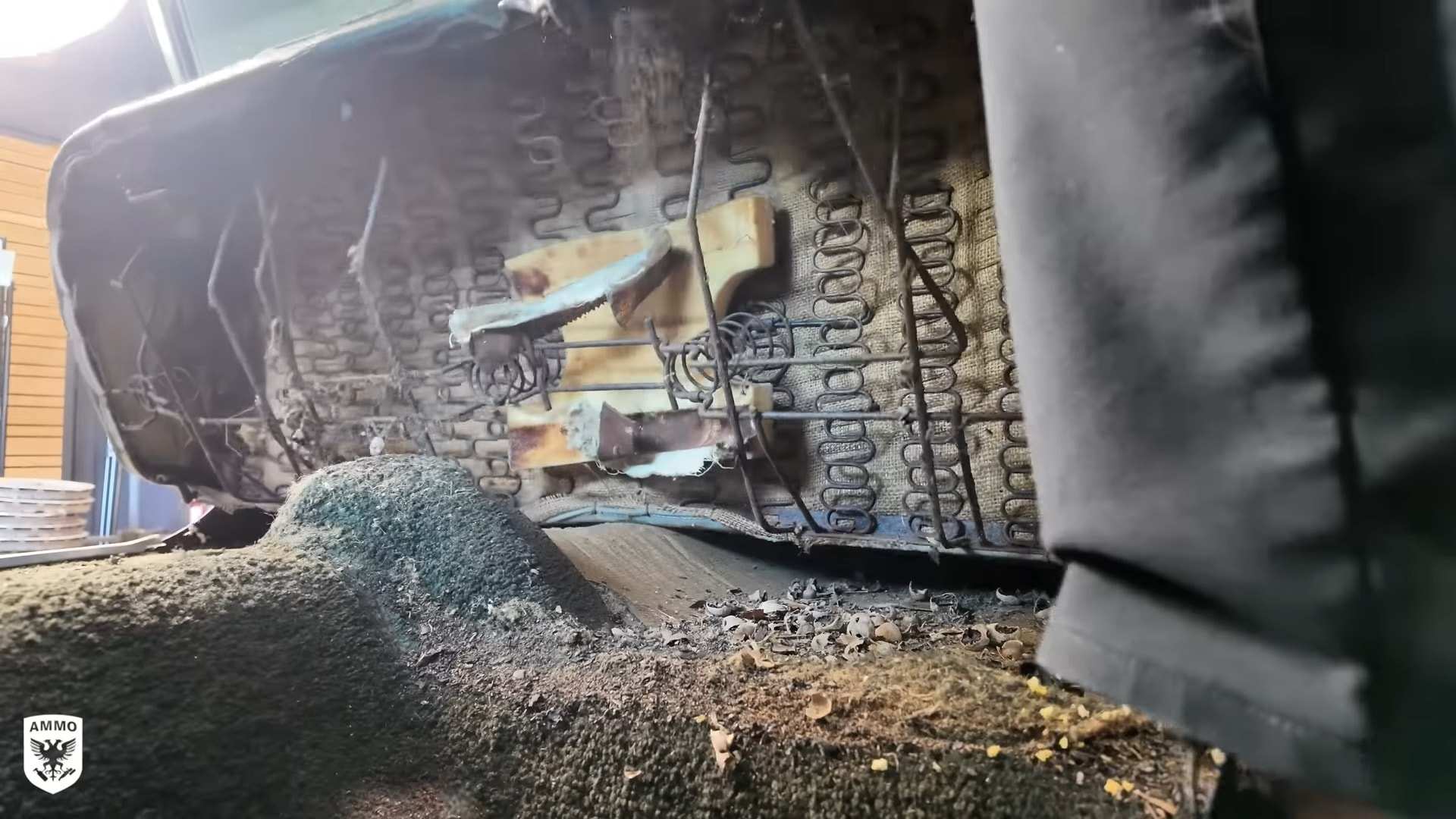
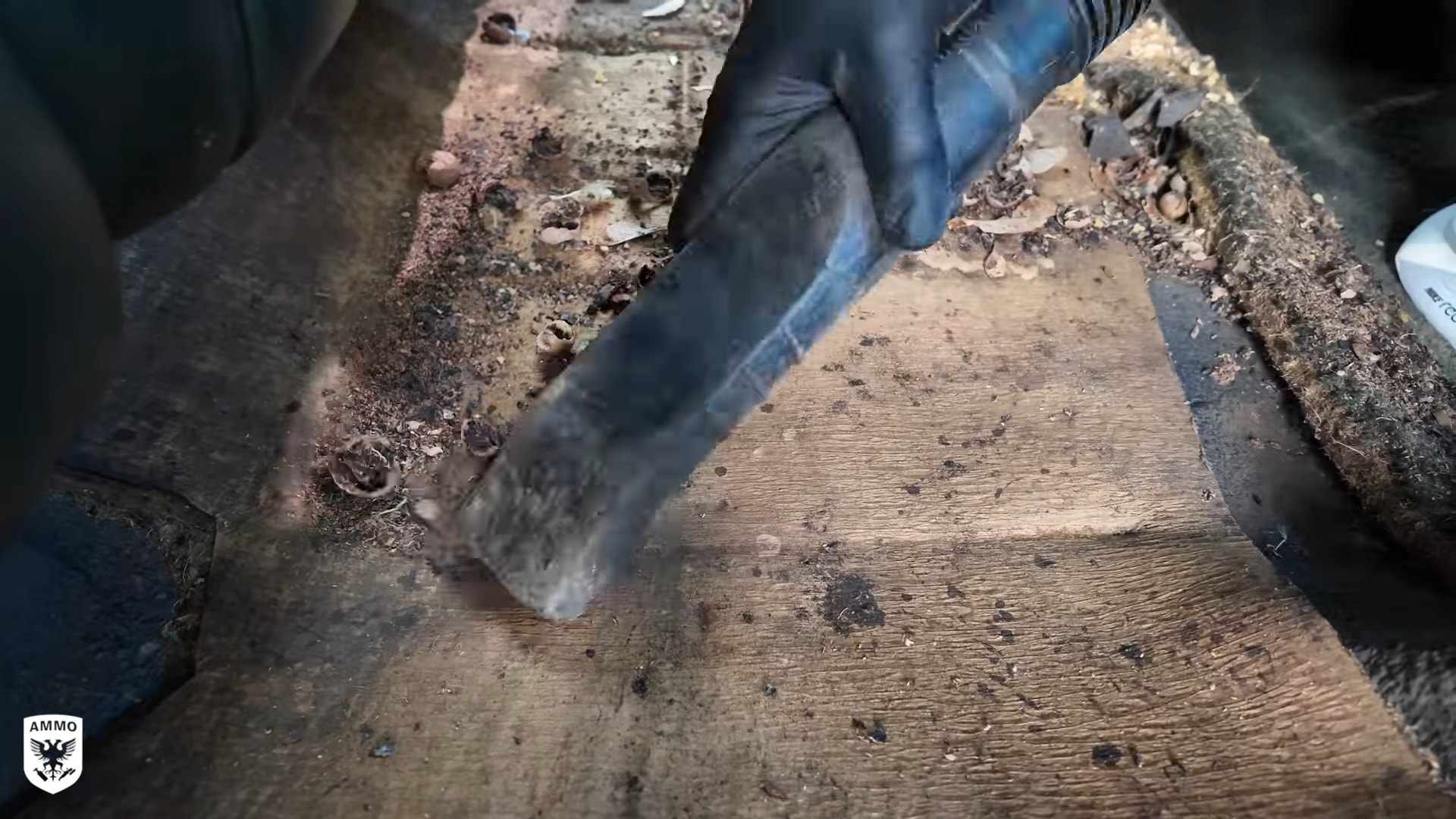
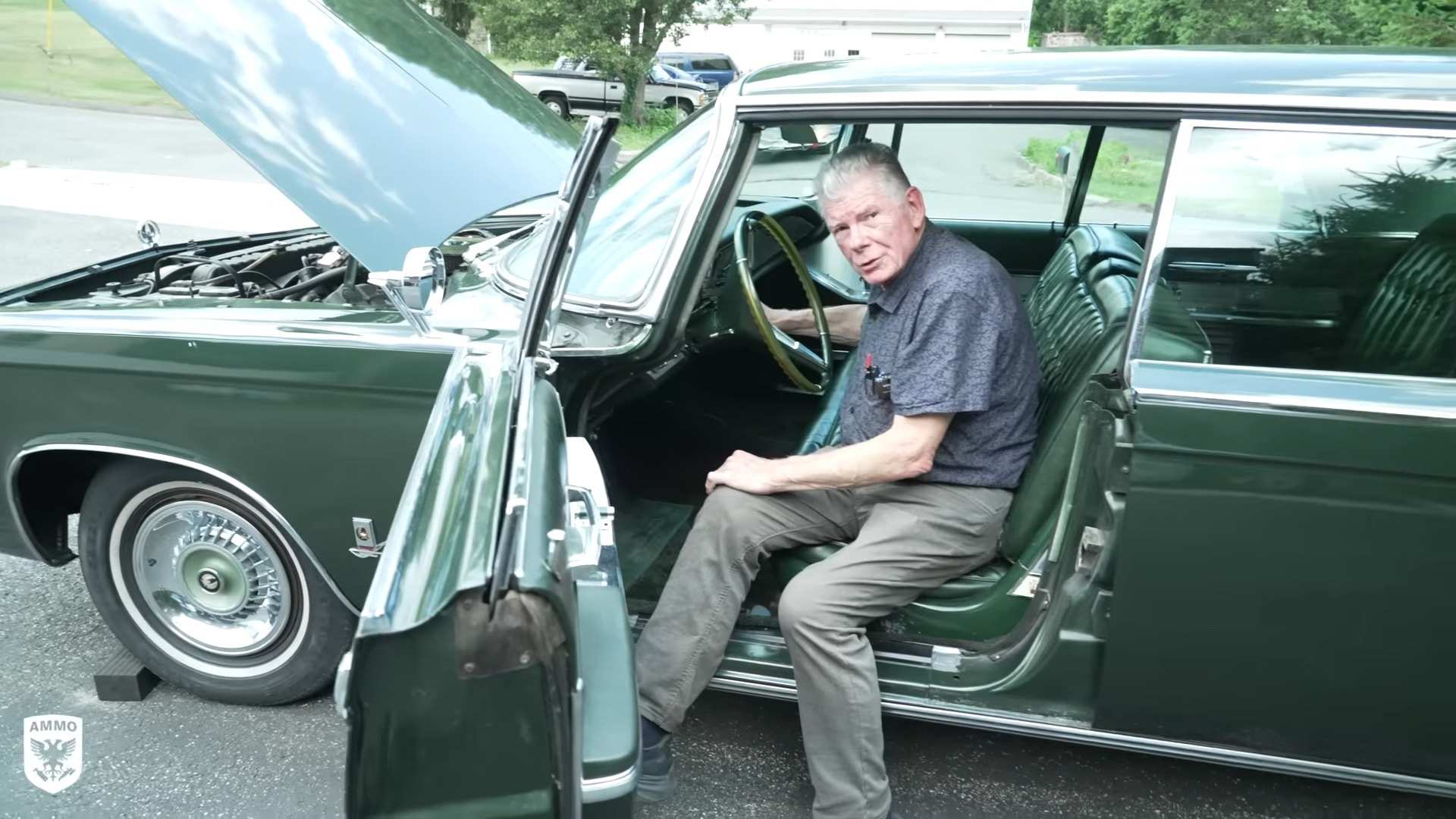
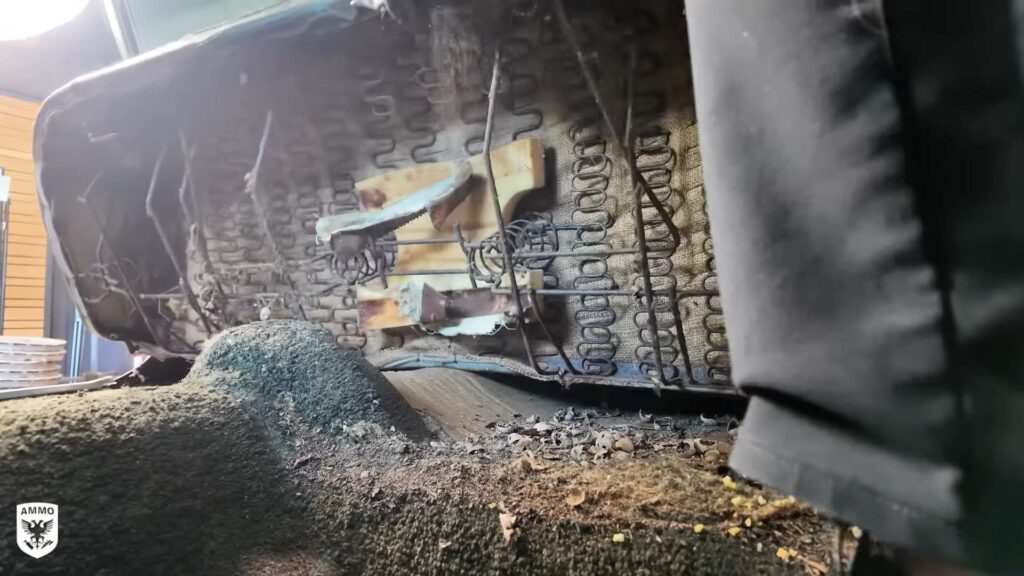
After the passing of its original owner, Peter, the massive green luxury sedan sat completely untouched for ten long years. The garage became a breeding ground for rodents, and the once-pristine cabin fell victim to a destructive infestation that completely destroyed the headliner. When professional detailer Larry Kosilla of AMMO NYC arrived at the estate, he encountered a frantic cleanup crew already at work removing debris from the main house.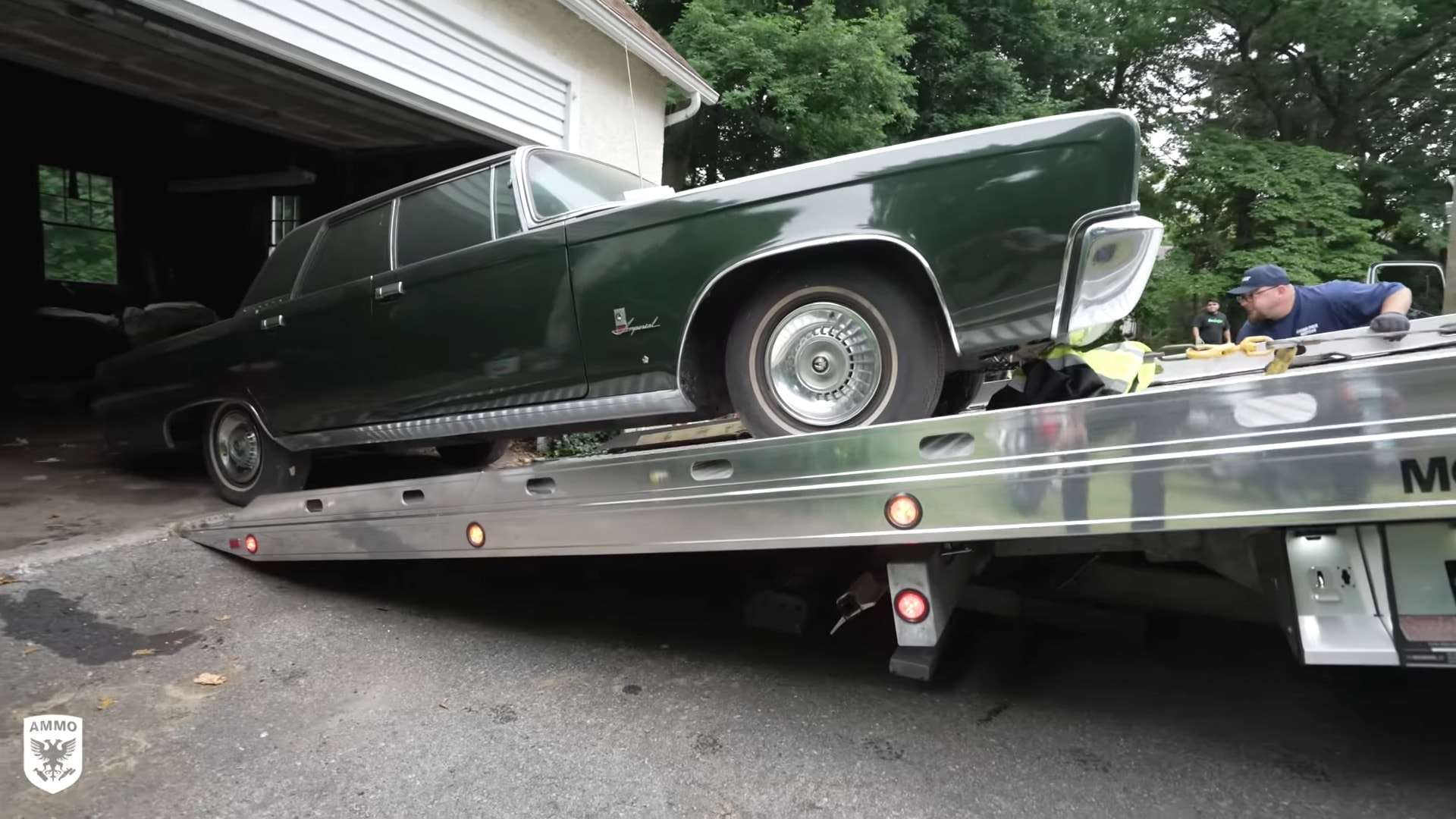
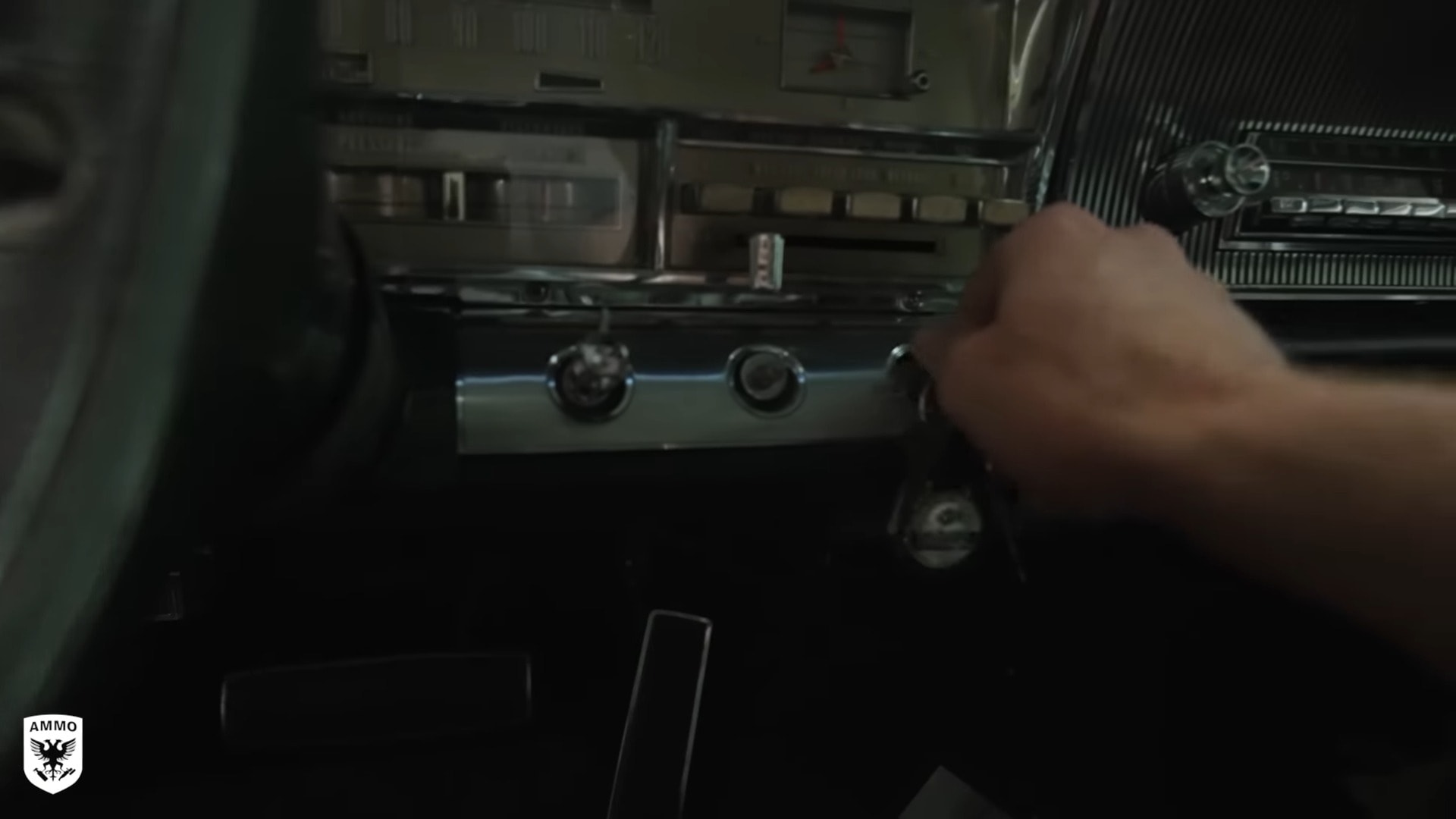
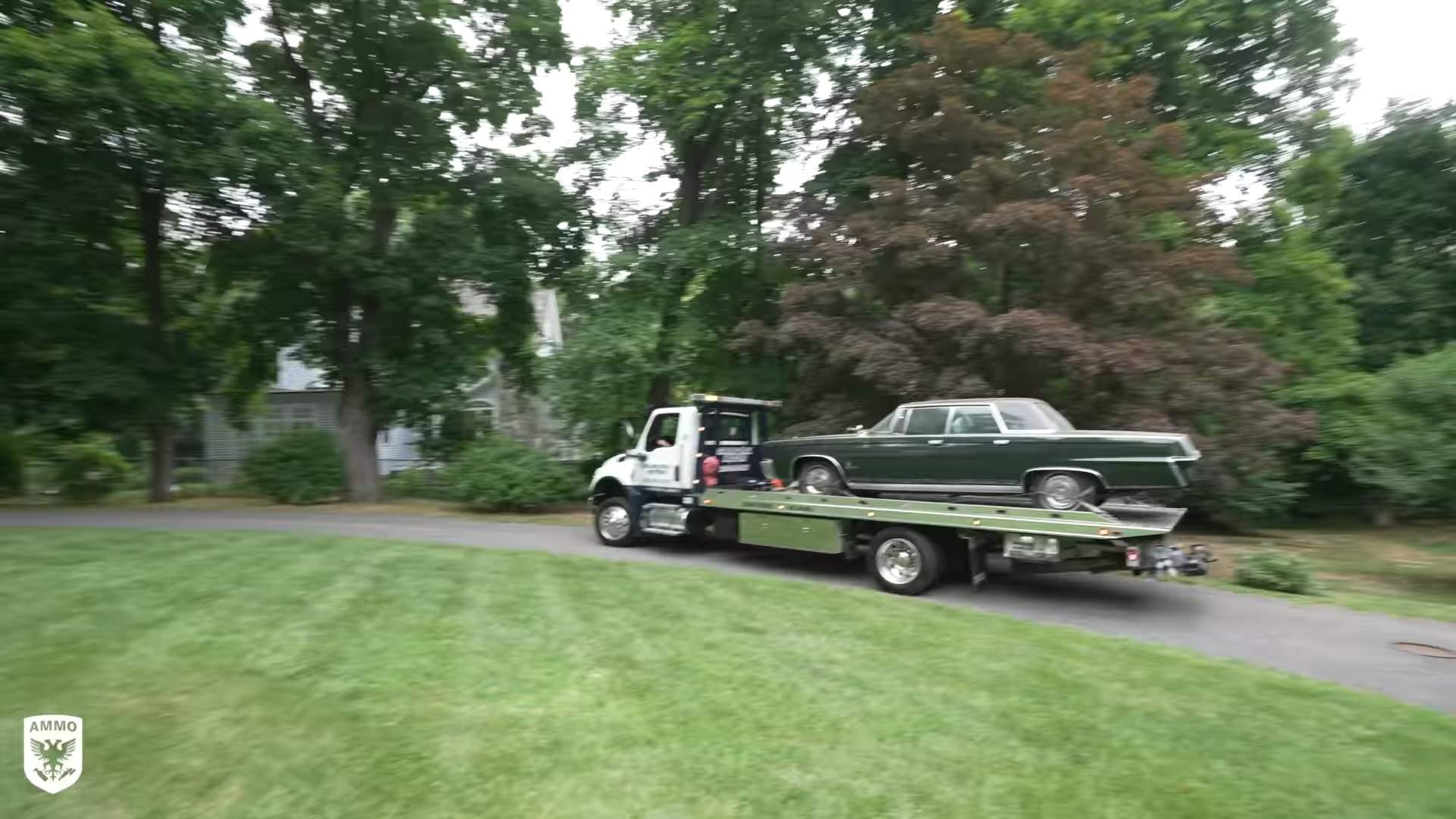
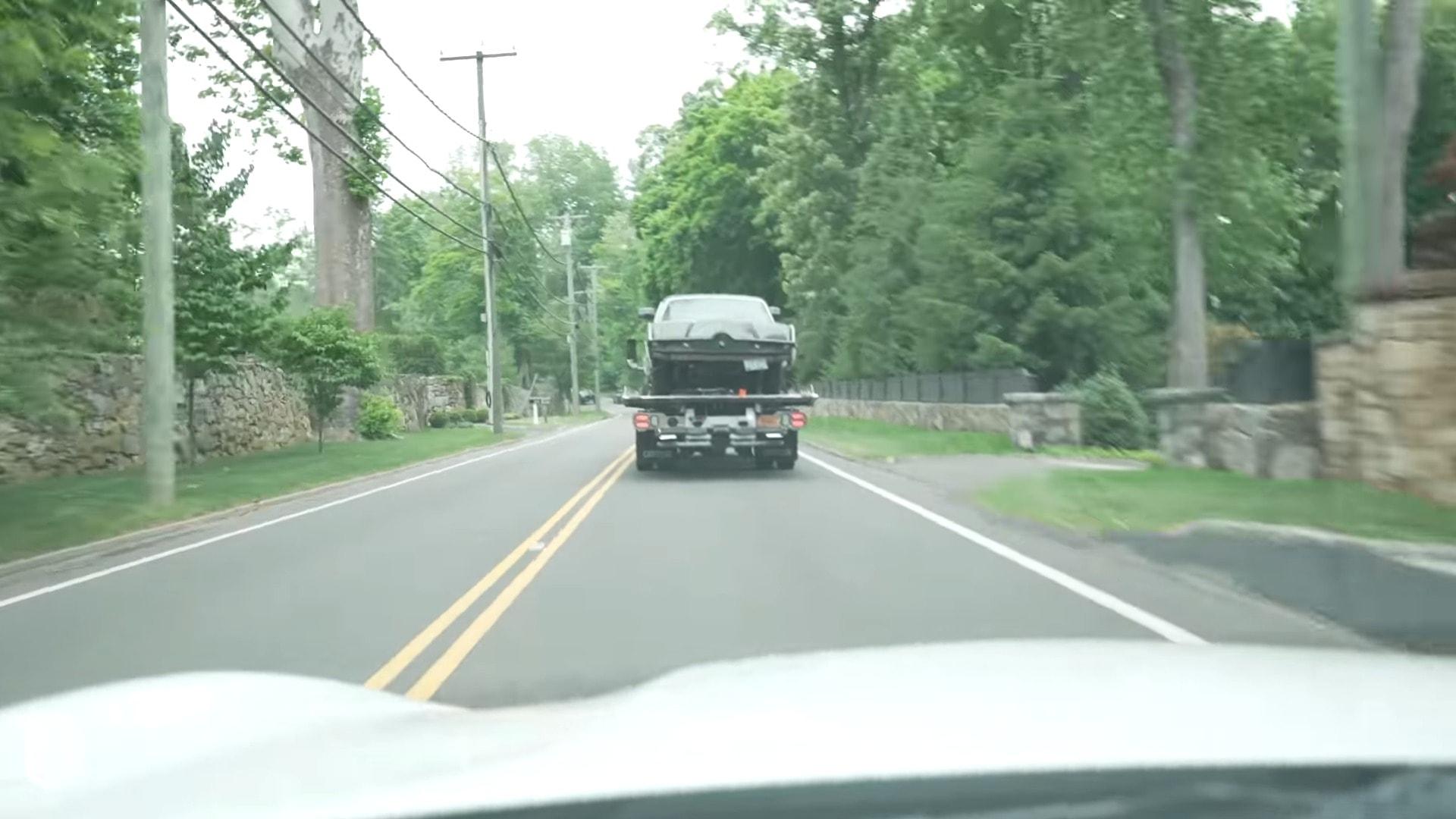
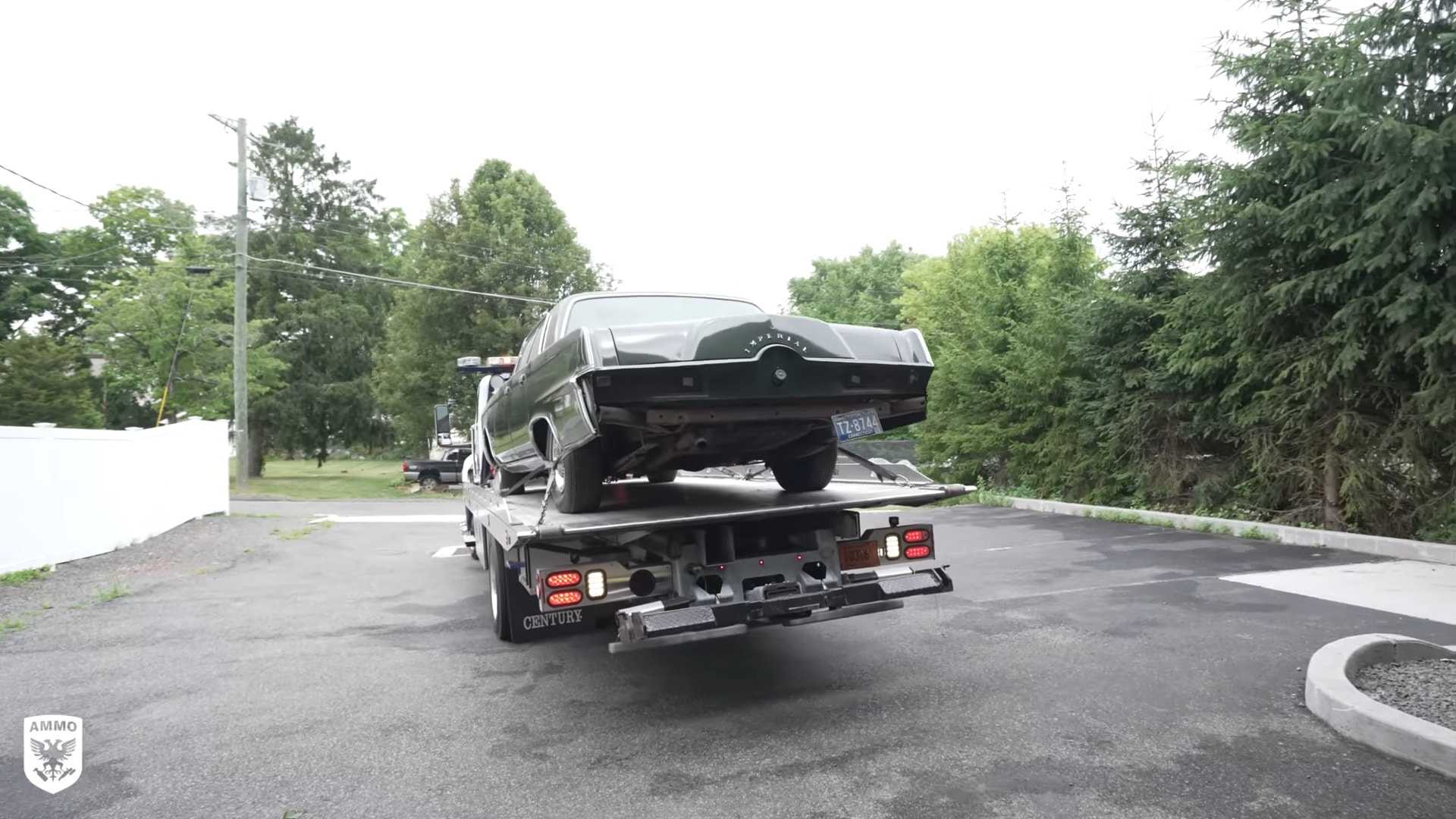
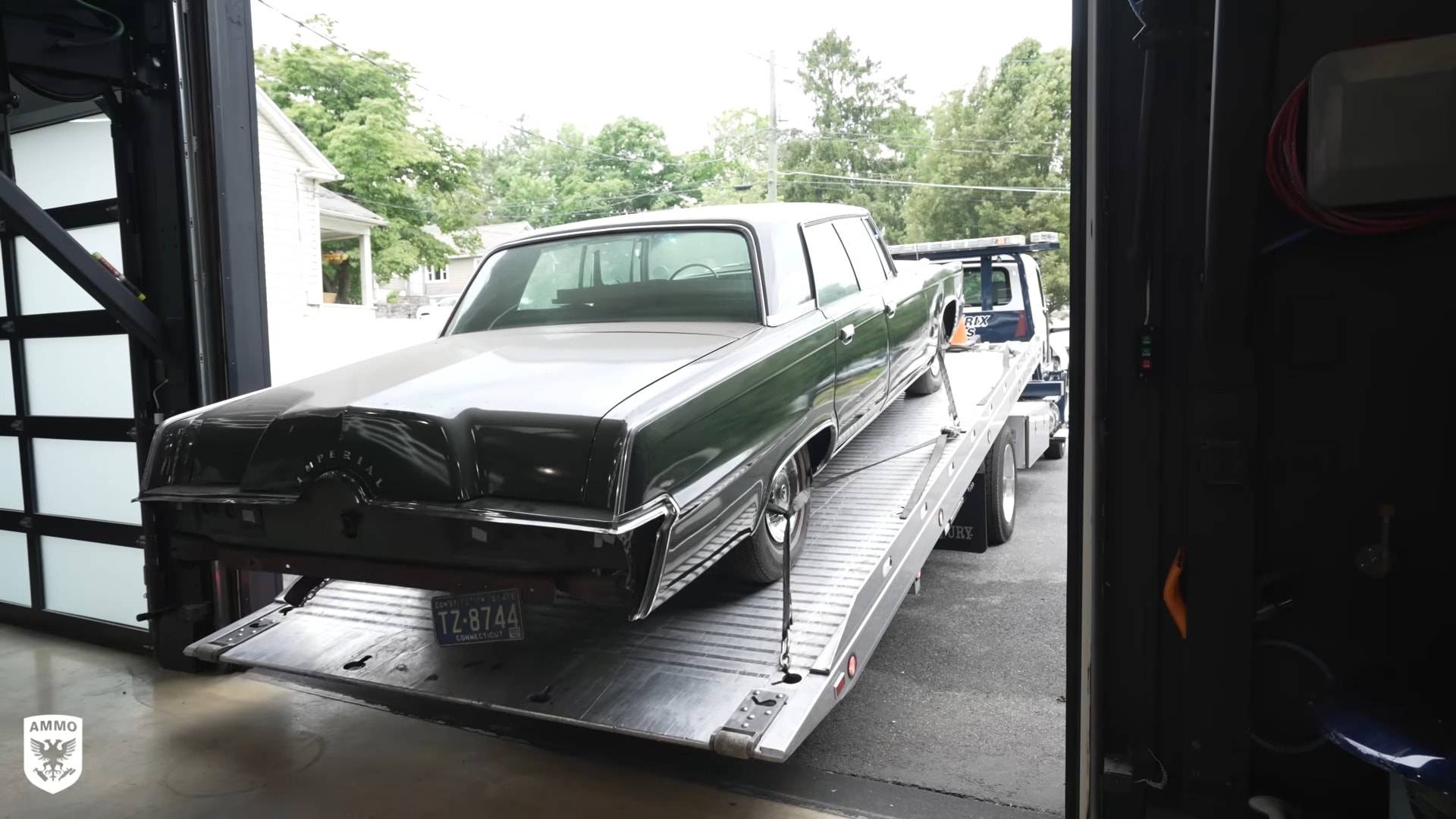
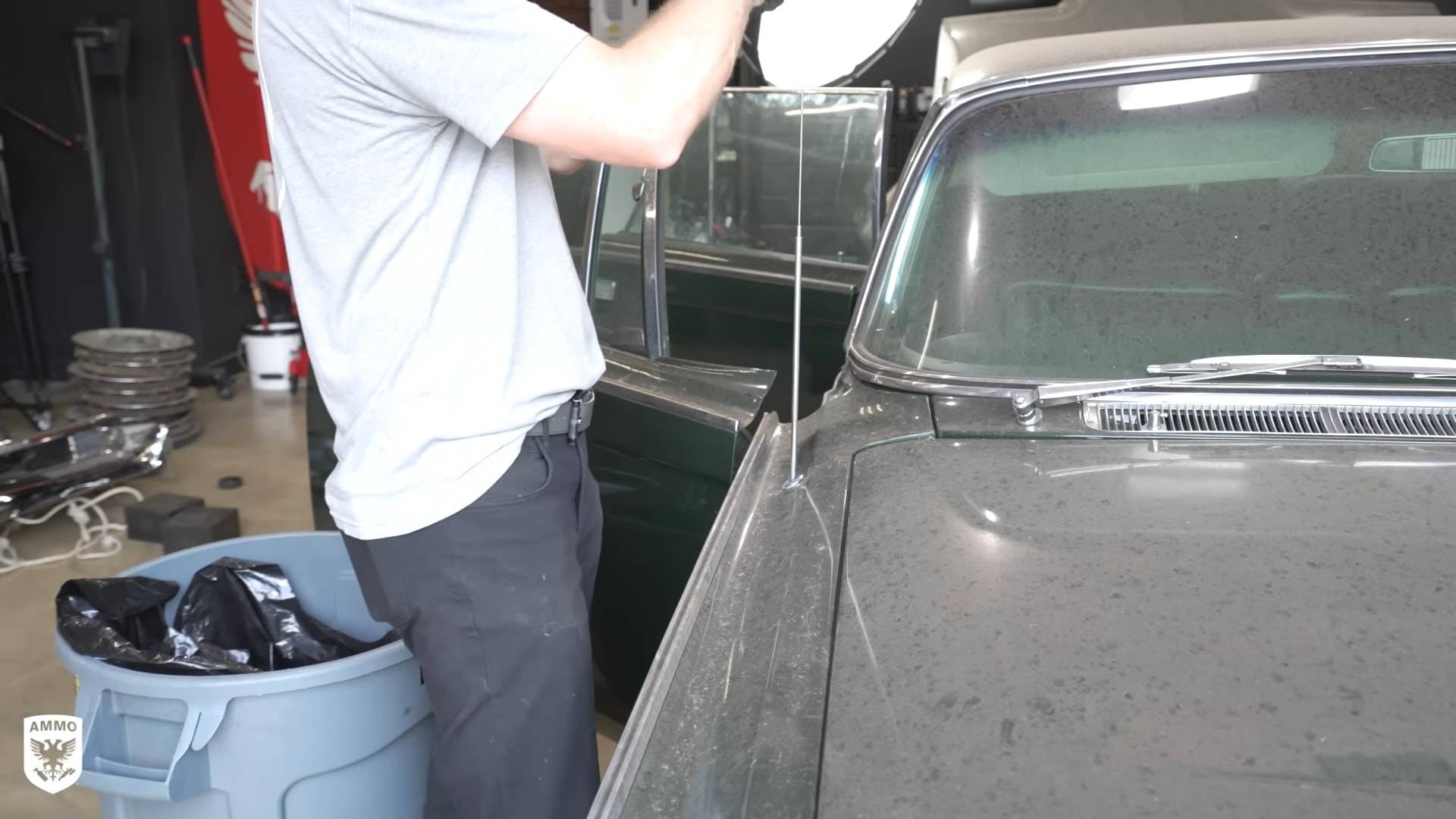
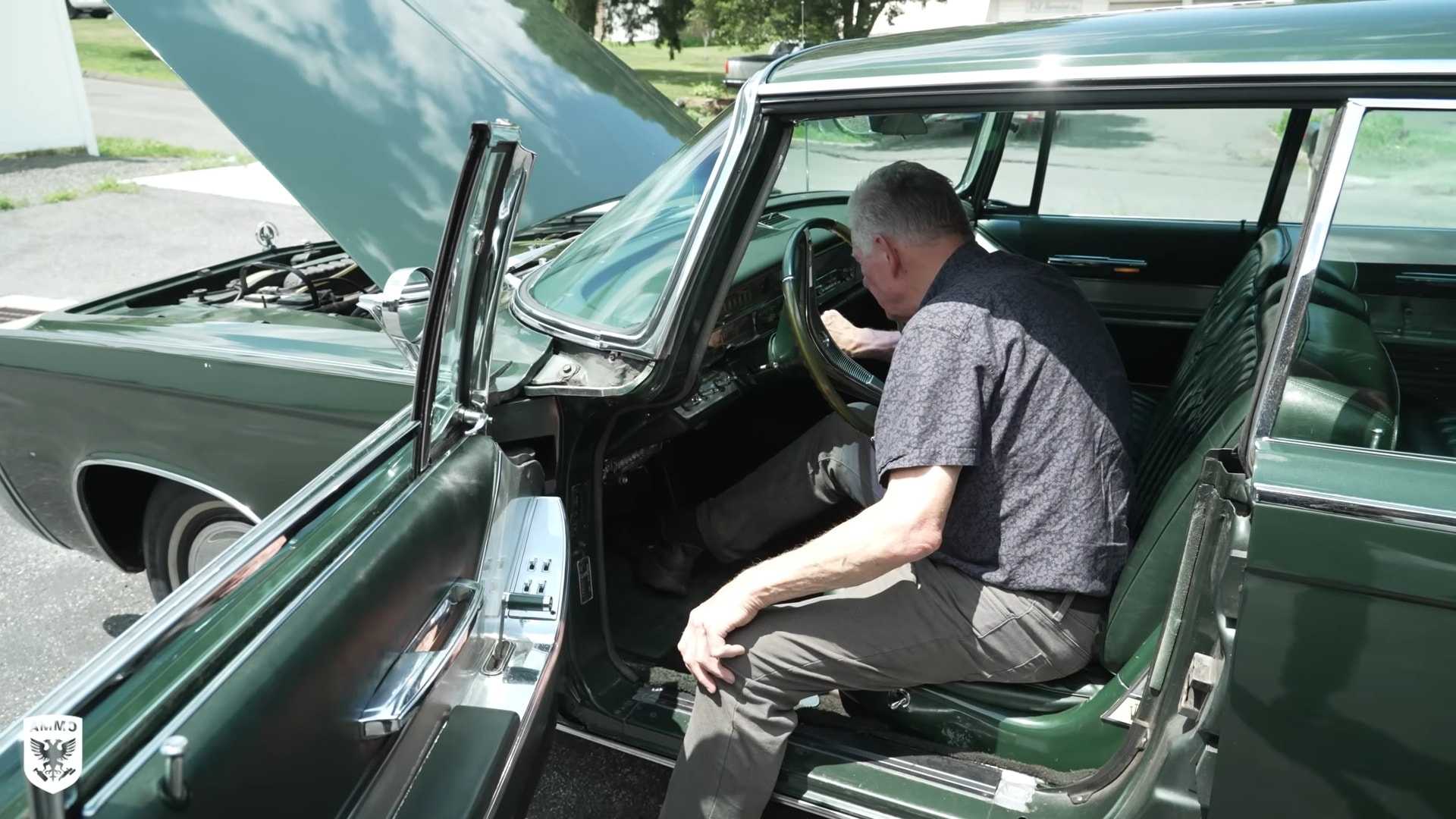
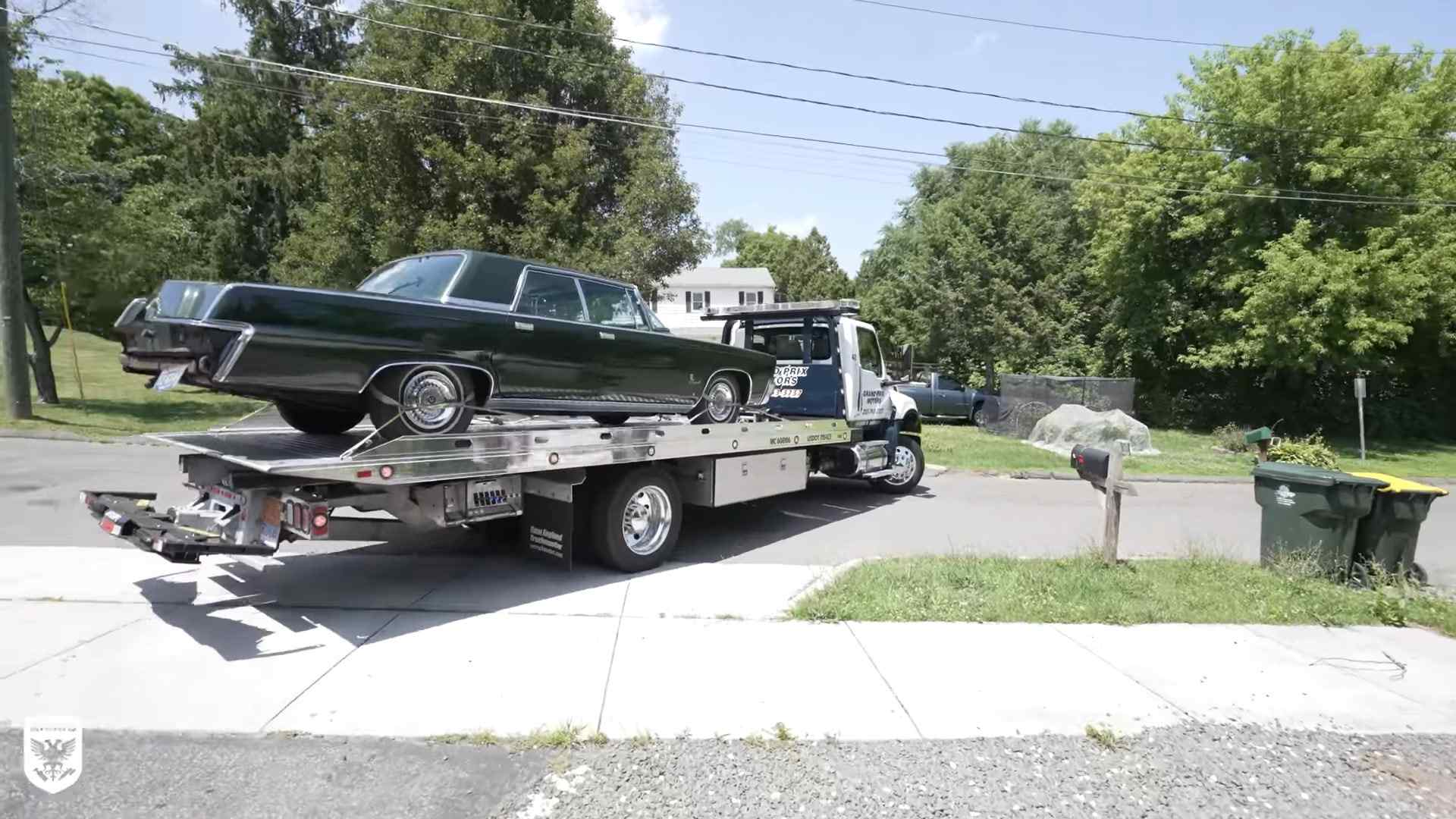
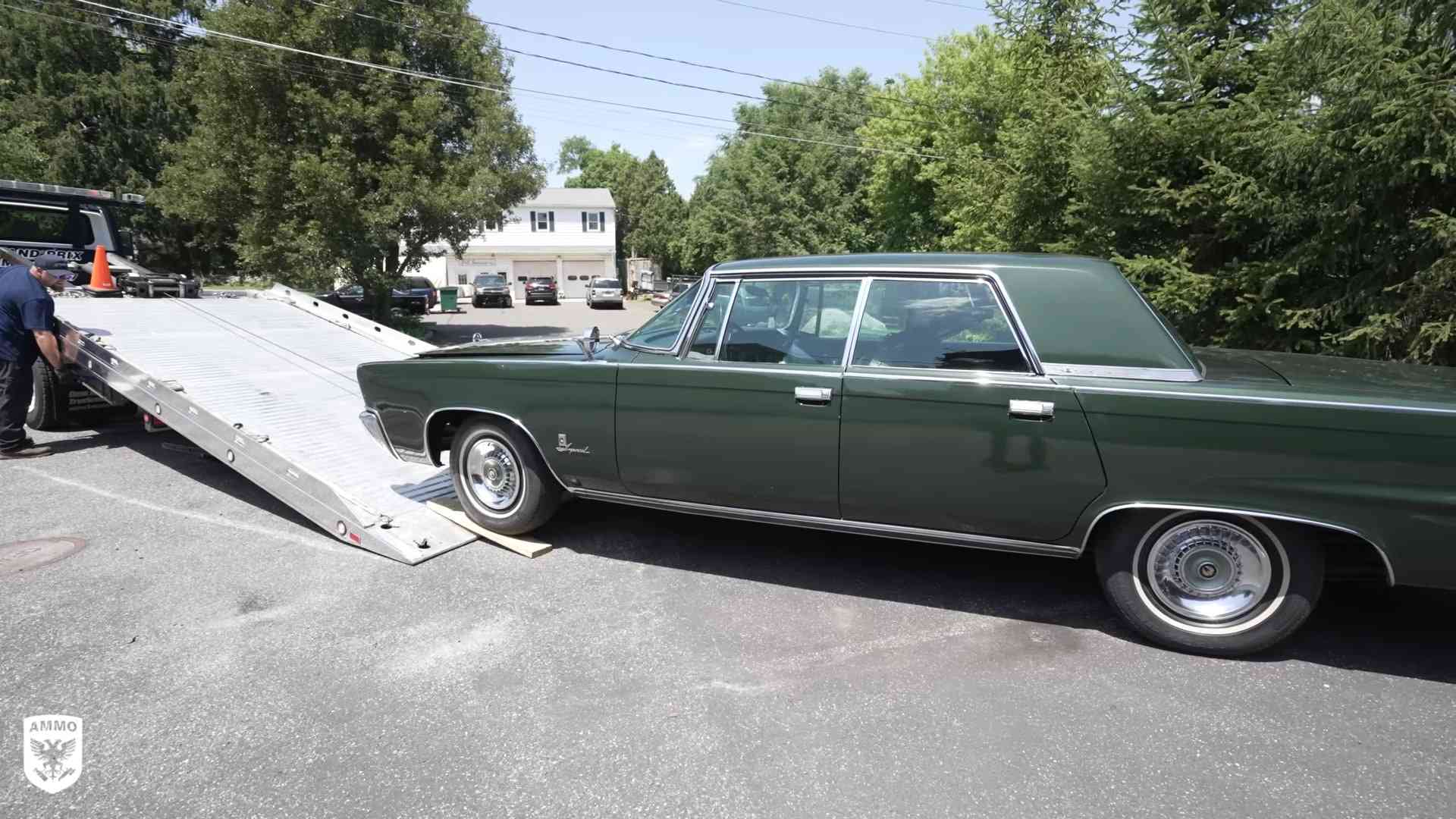
Kosilla’s mission was straightforward: rescue the sleeping giant, decontaminate the cabin, and restore the vehicle to a condition worthy of Peter’s memory. The original key still waited patiently in the ignition slot. After freeing the seized brake drums and pressing the dashboard “Neutral” button on the push-button transmission layout, the nearly five-thousand-pound sedan was winched onto a flatbed trailer for safe transport to the AMMO NYC studio.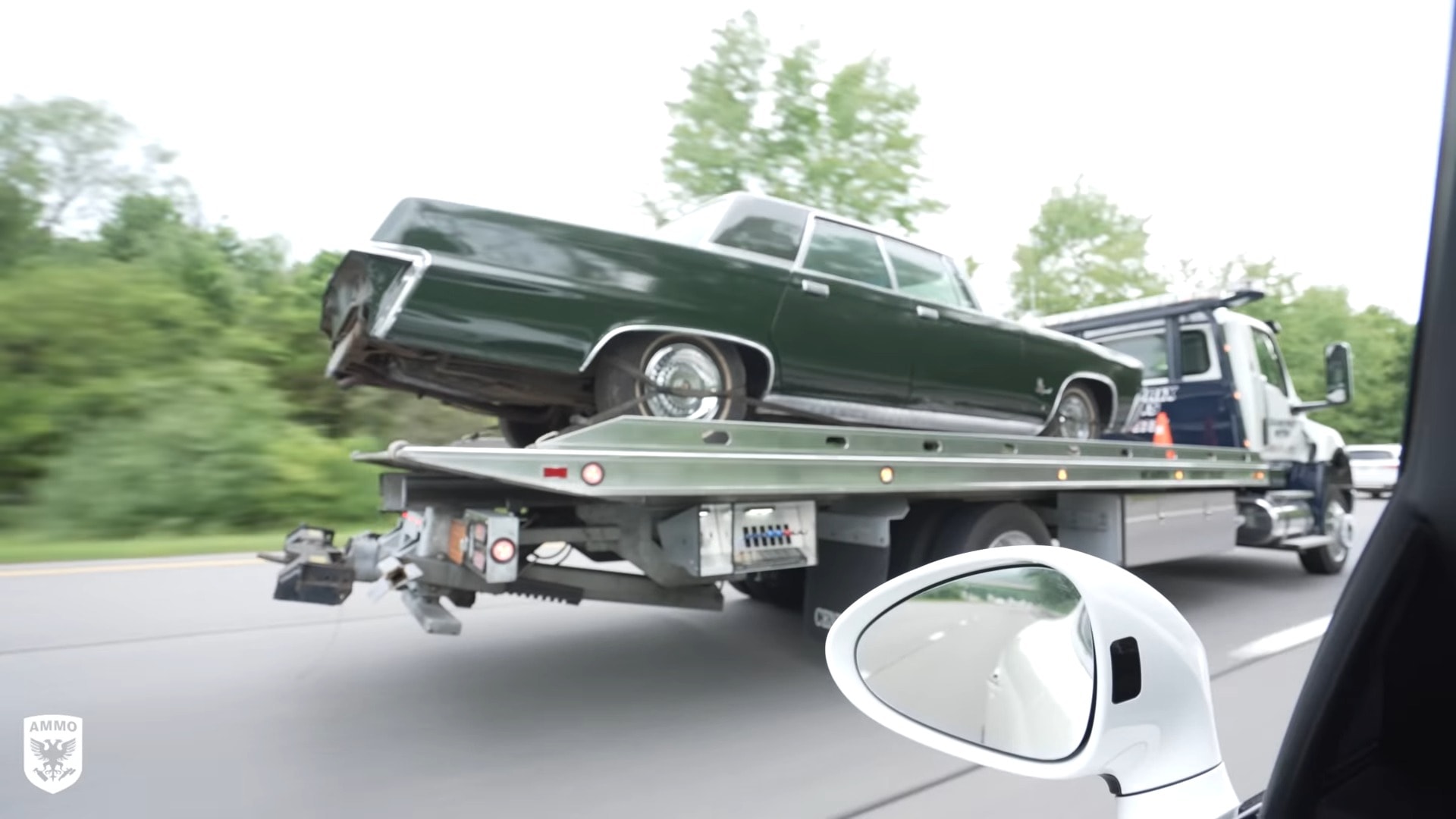
Elwood Engel’s Bold Redesign
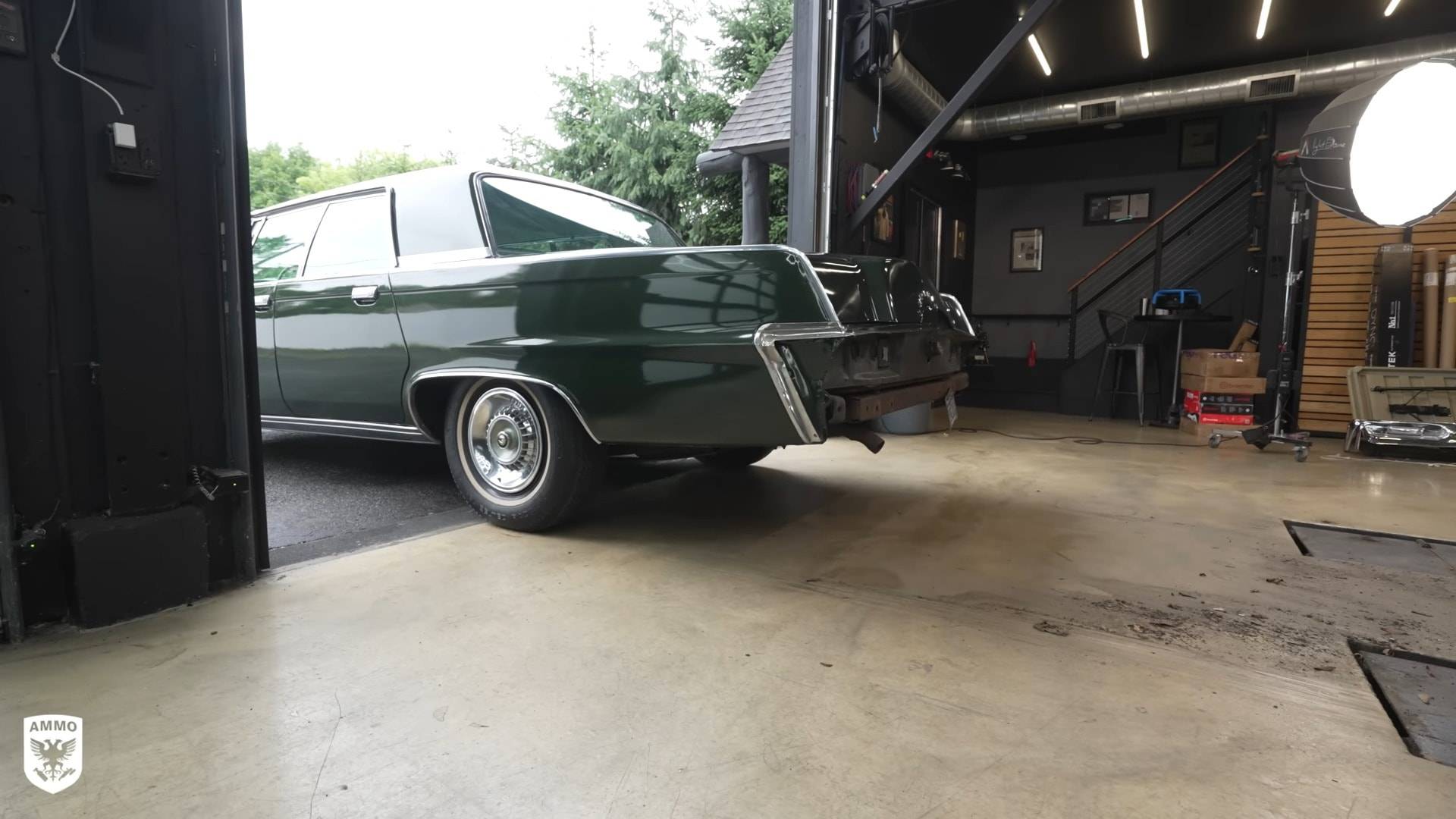
The 1964 model year represented a pivotal moment for the Imperial brand. It marked the first complete redesign under styling director Elwood Engel, who had recently left Ford after penning the landmark Lincoln Continental. Engel eliminated the dramatic tailfins of his predecessor Virgil Exner, replacing them with slab-sided body lines, a square chrome grille, and a stylized faux spare tire bulge. The public responded enthusiastically, with 23,295 Imperials sold that year, making 1964 the second-best sales year in the division’s independent history.
The 413 Wedge Big-Block
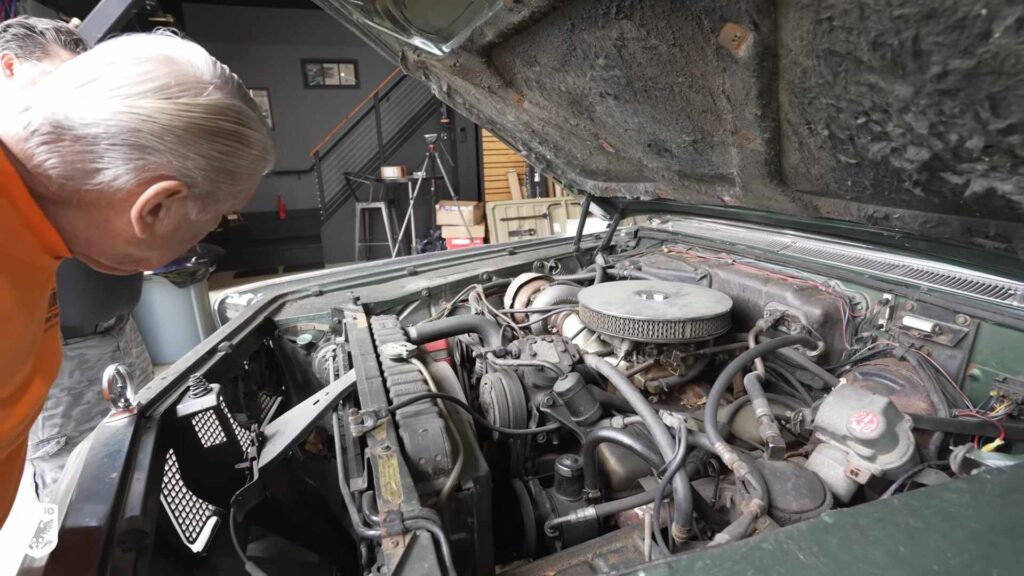
Every 1964 Imperial shared a monstrous 413-cubic-inch Wedge V8 producing 340 horsepower and 470 lb-ft of torque. This powerplant was mated to the legendary three-speed TorqueFlite push-button automatic, which Mopar enthusiasts affectionately call the “typewriter transmission.” It was this exact drivetrain combination that Peter fell in love with decades earlier.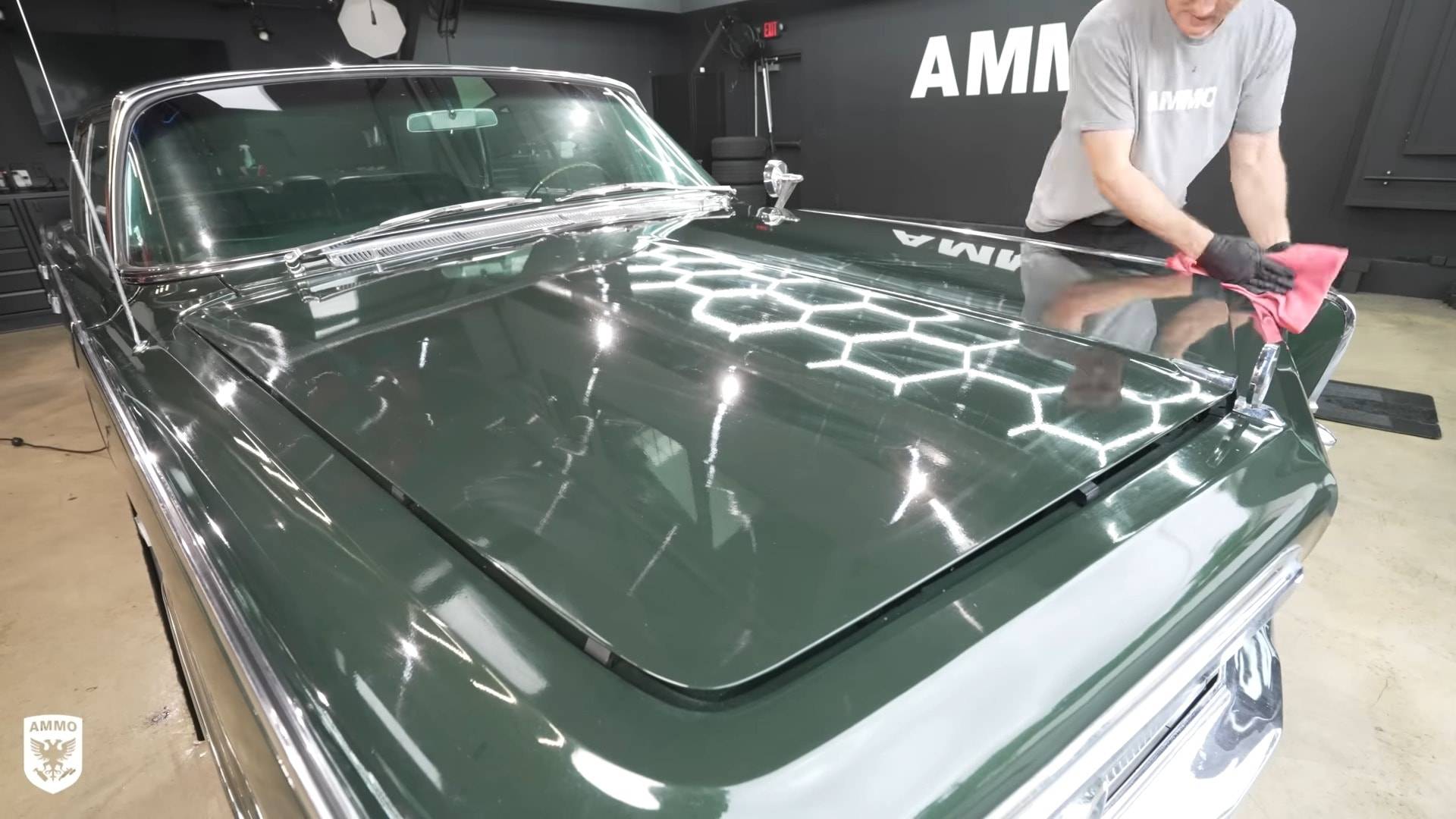
The Decontamination And Revival
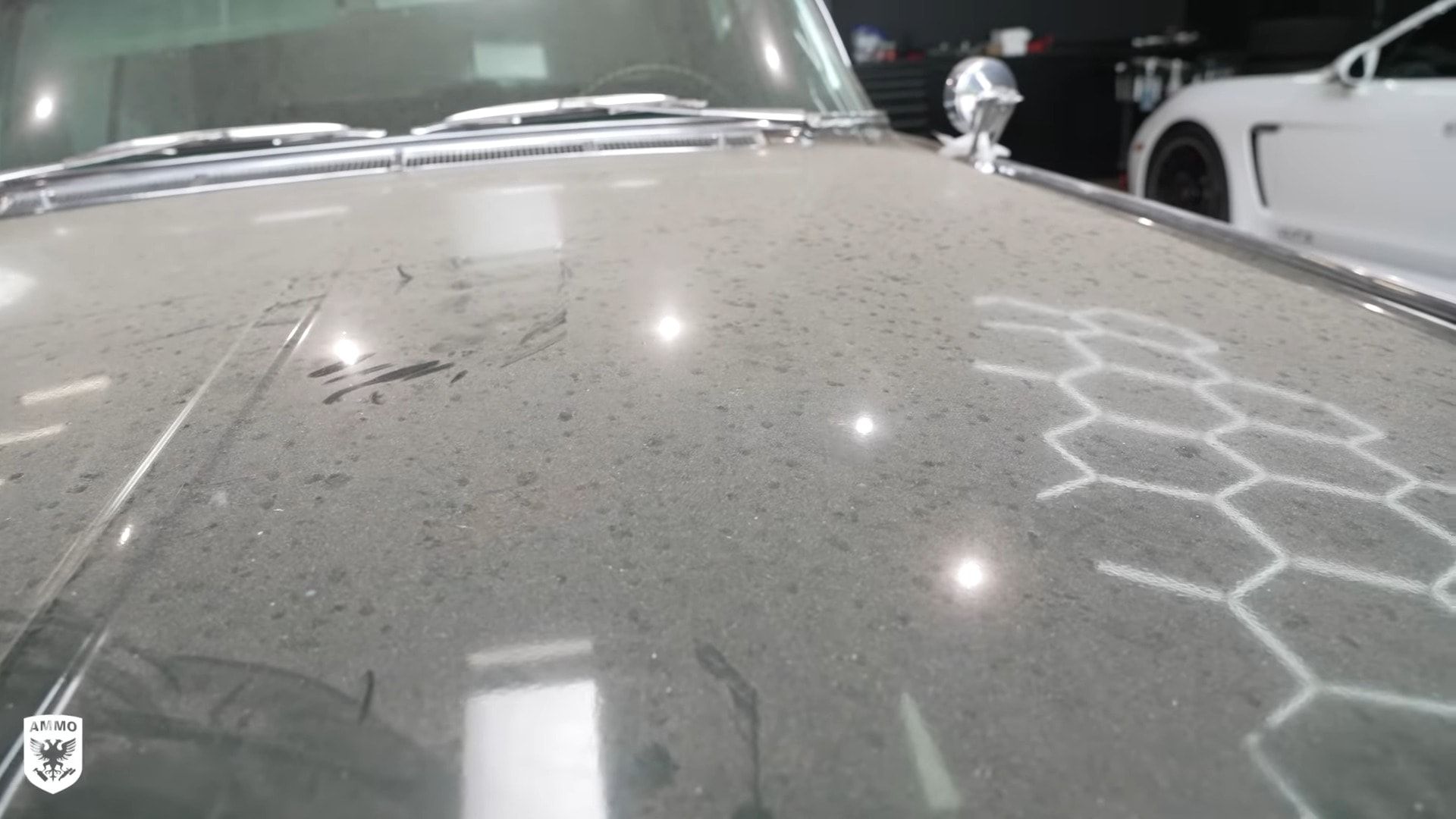
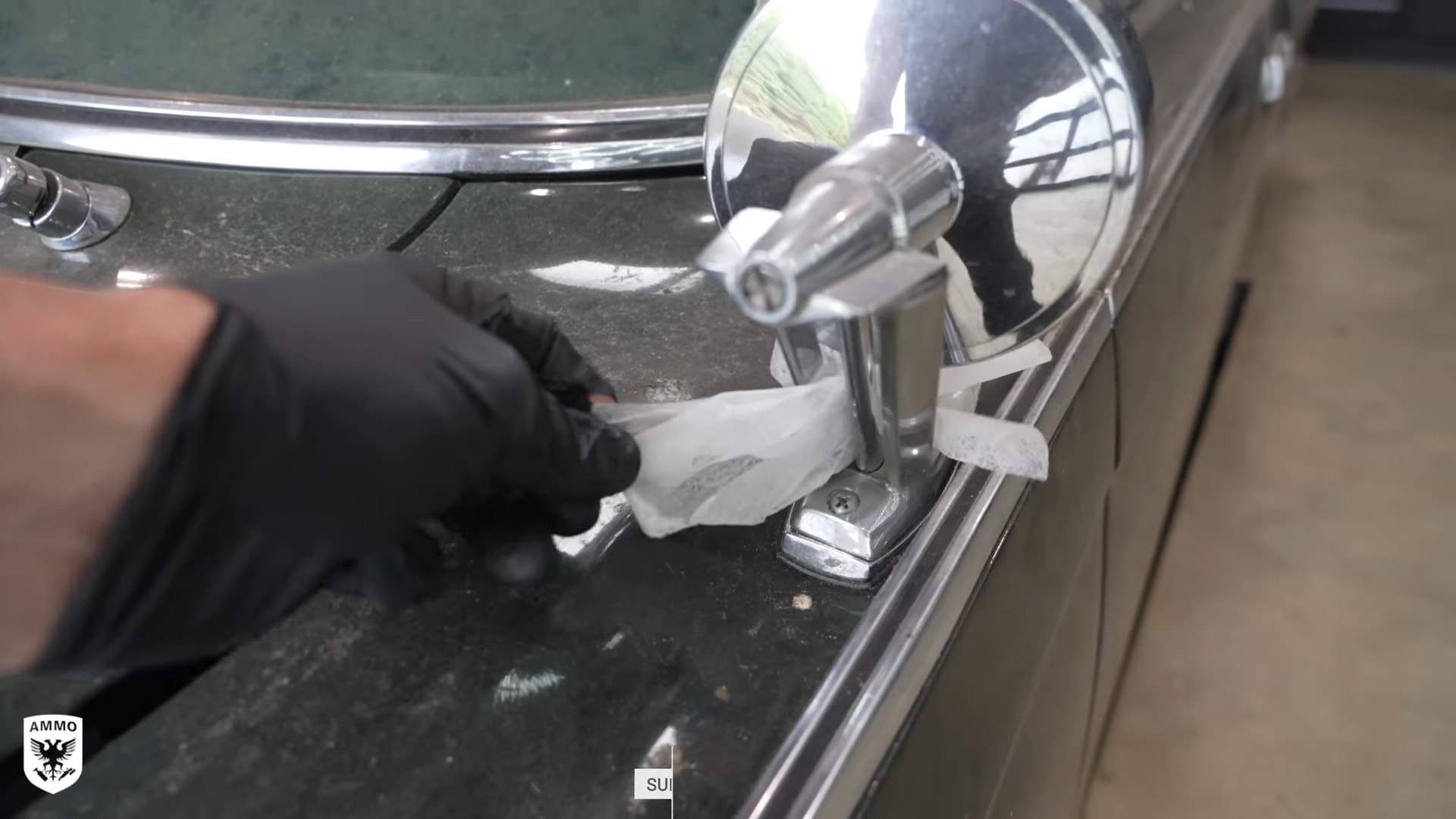
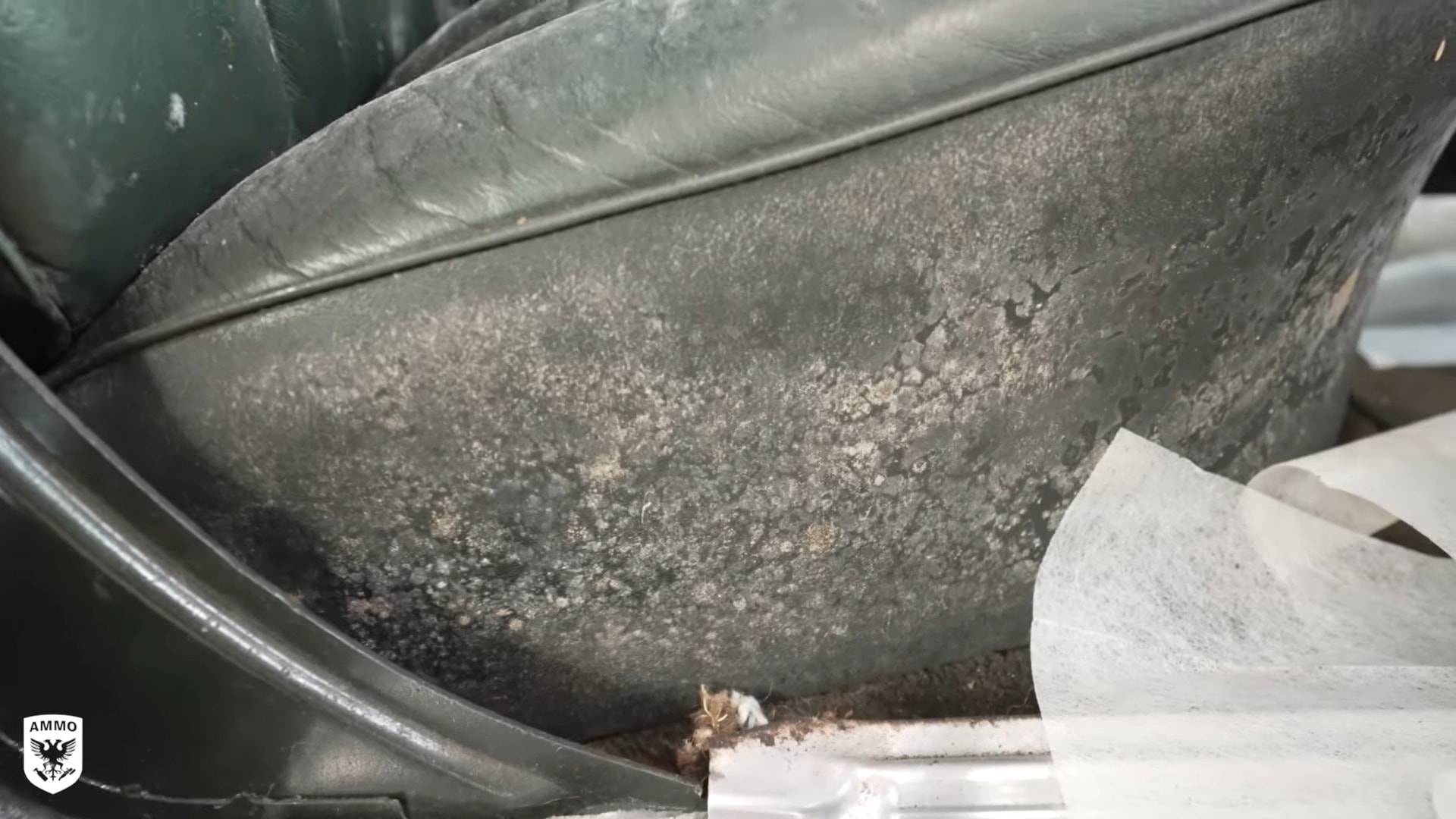
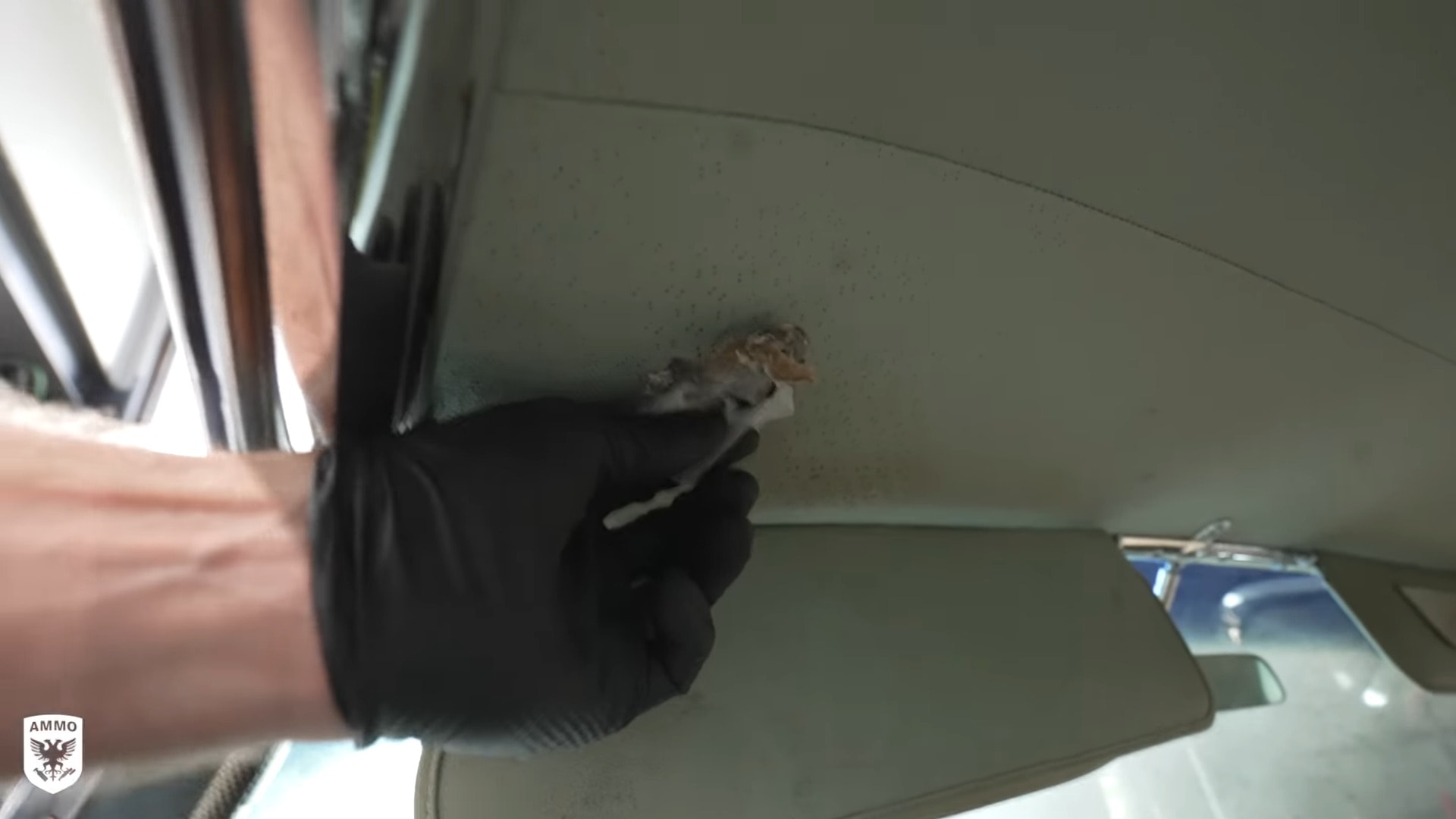
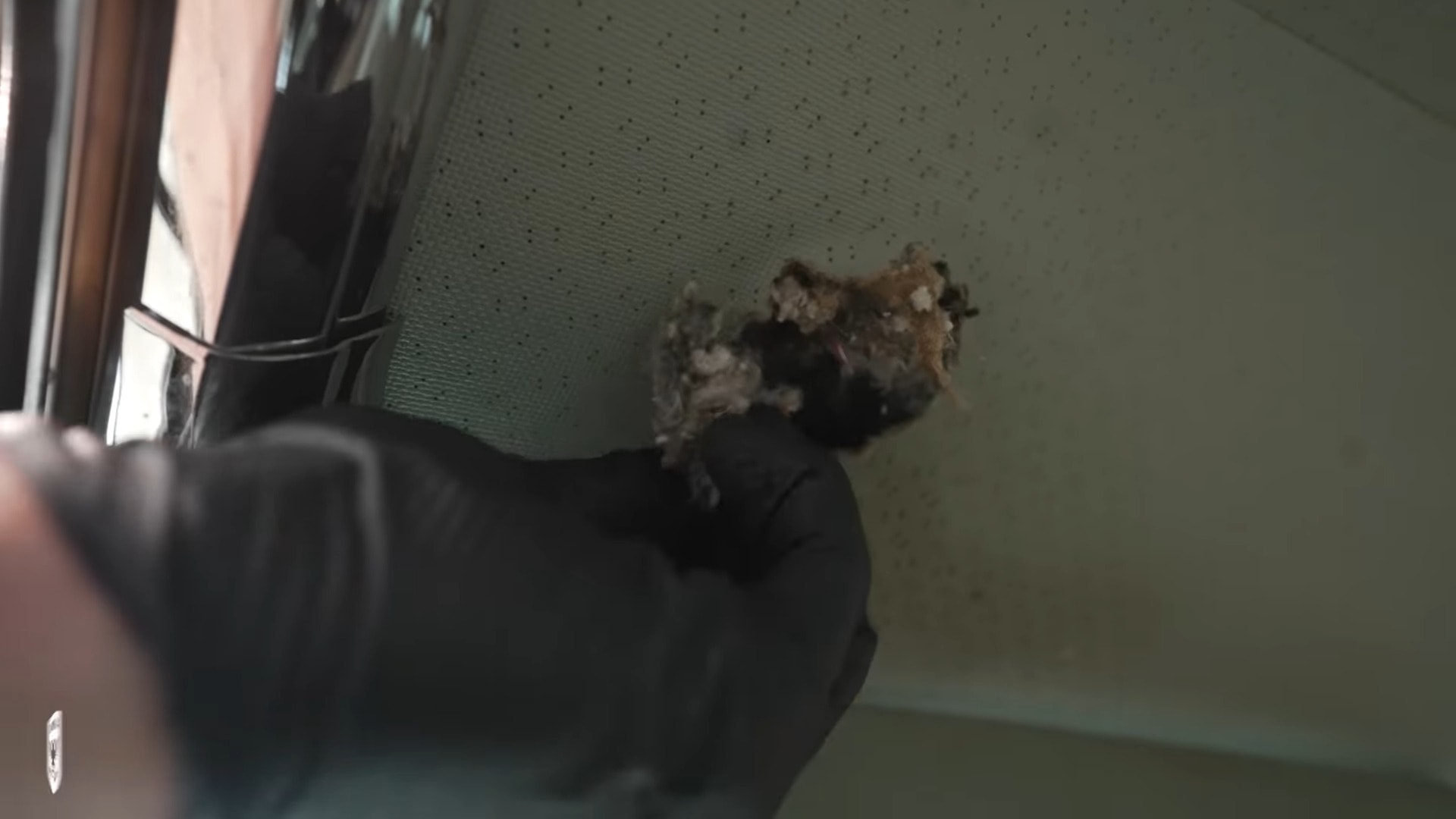
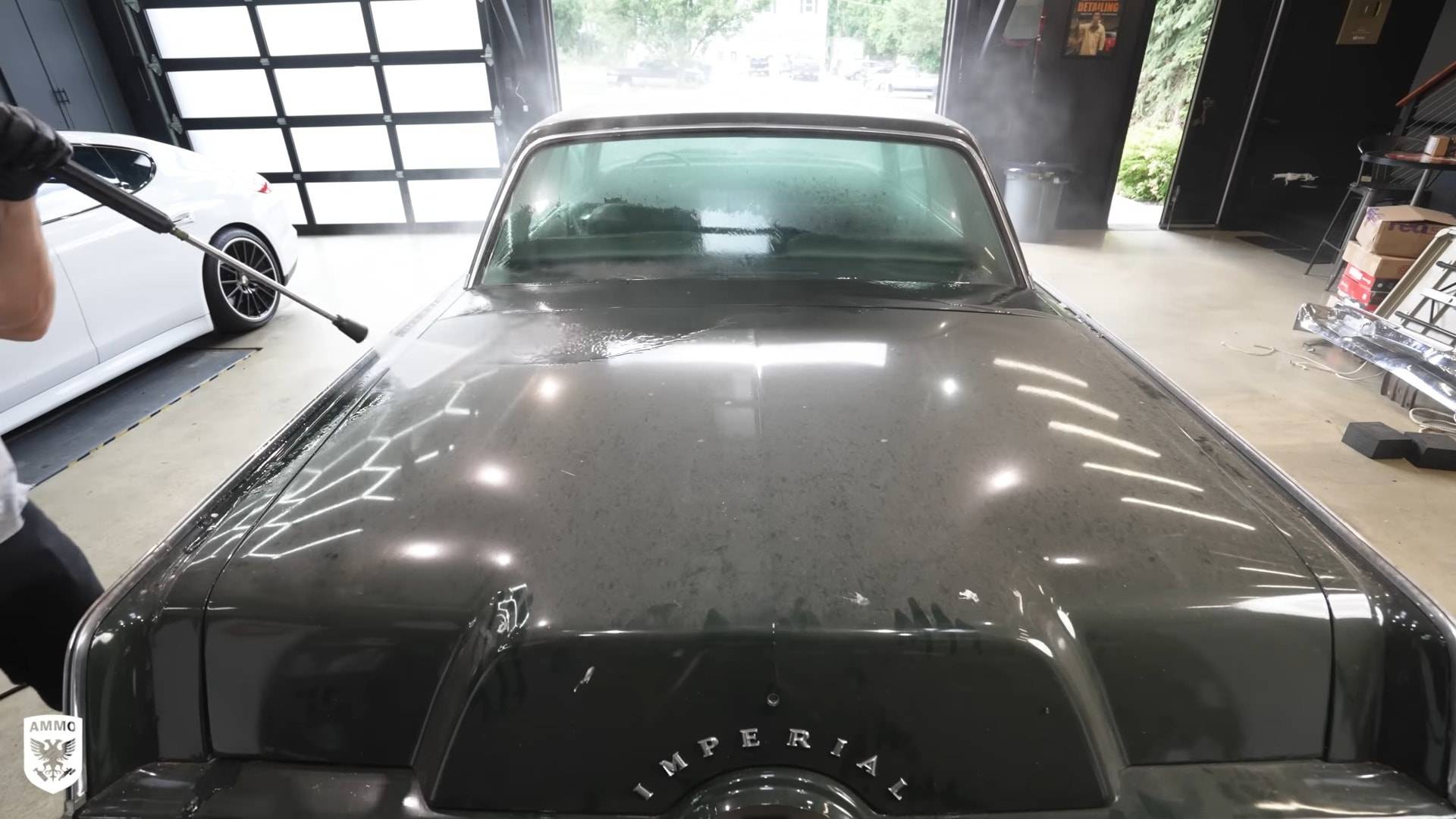
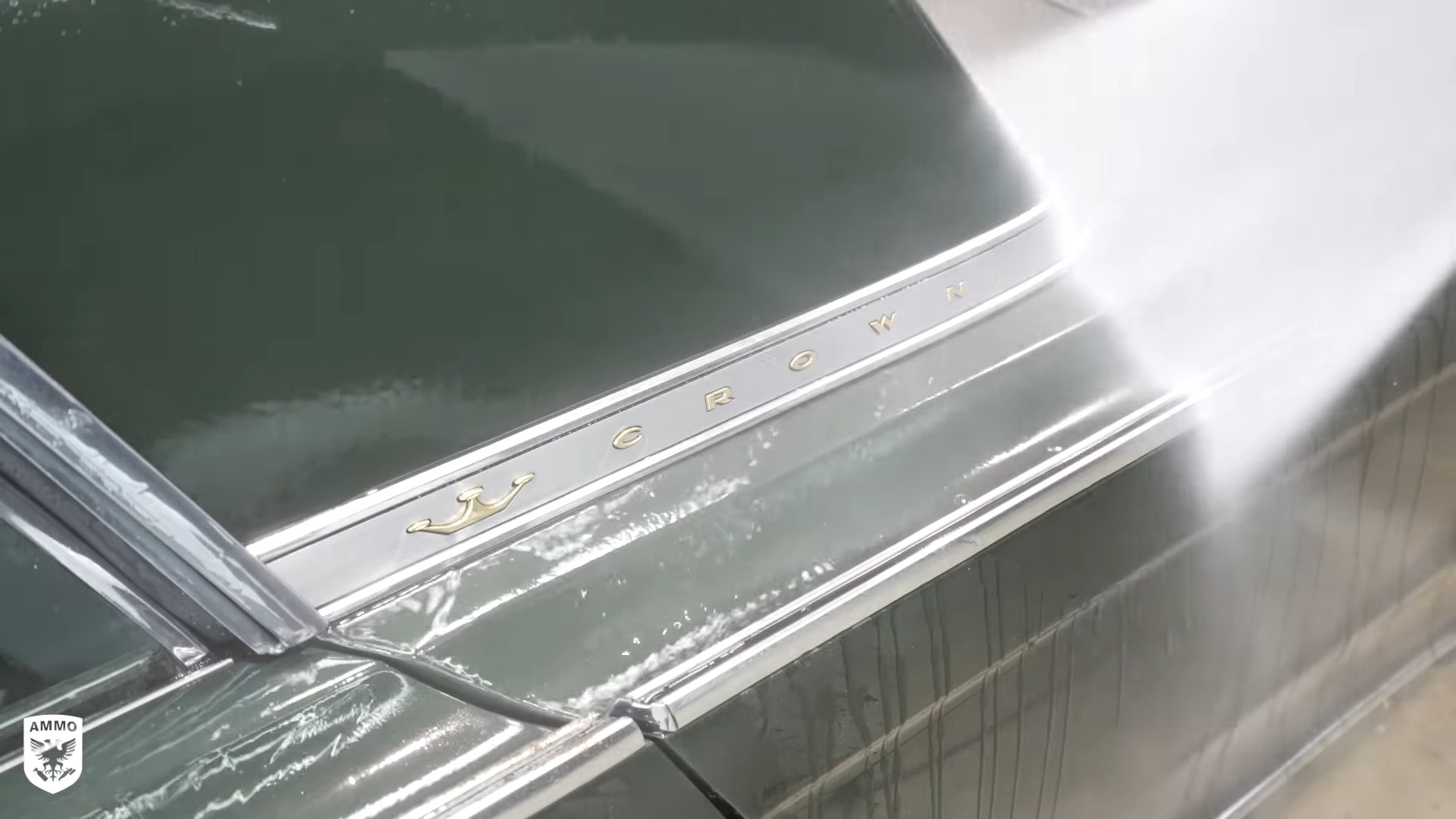
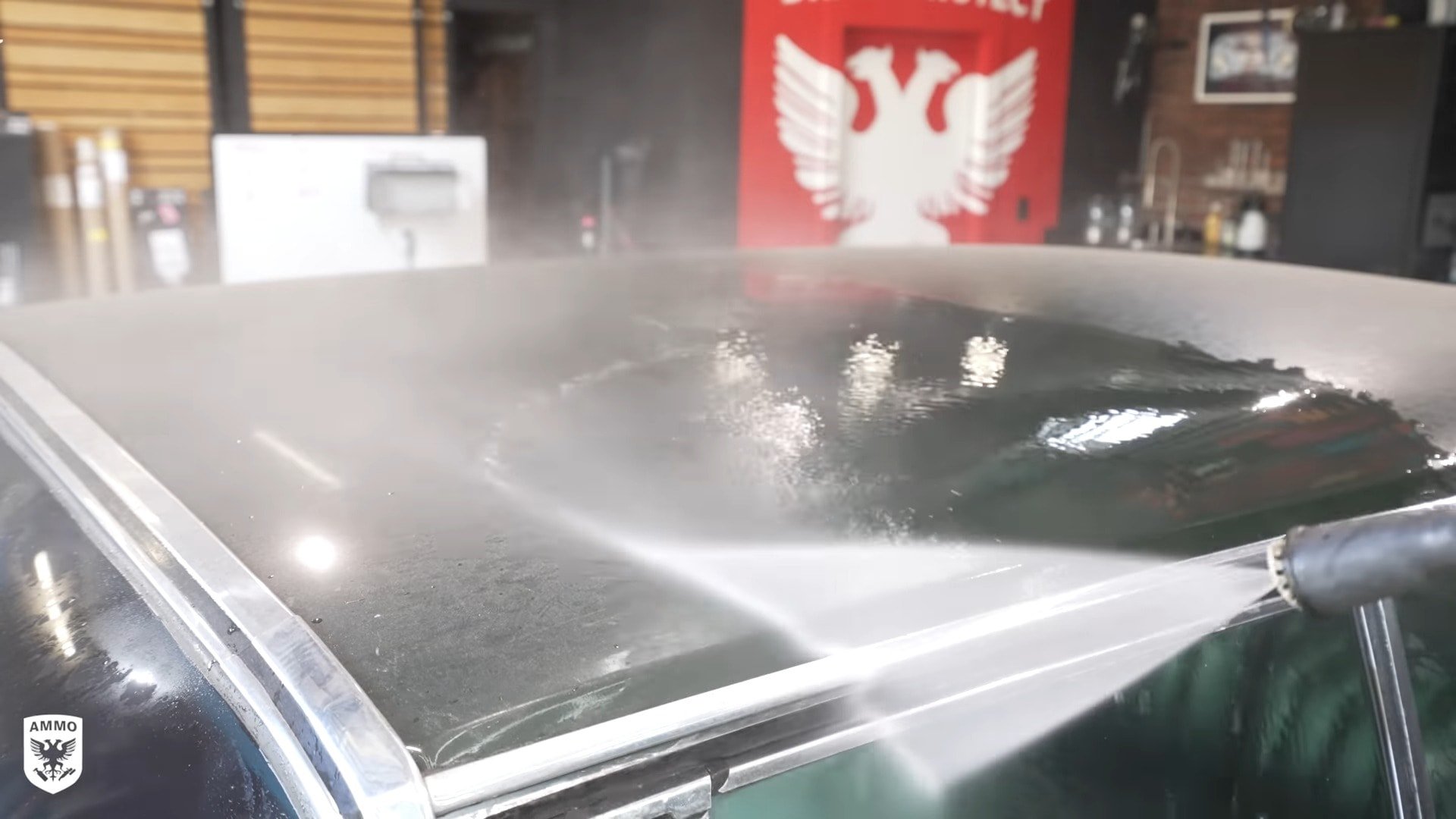
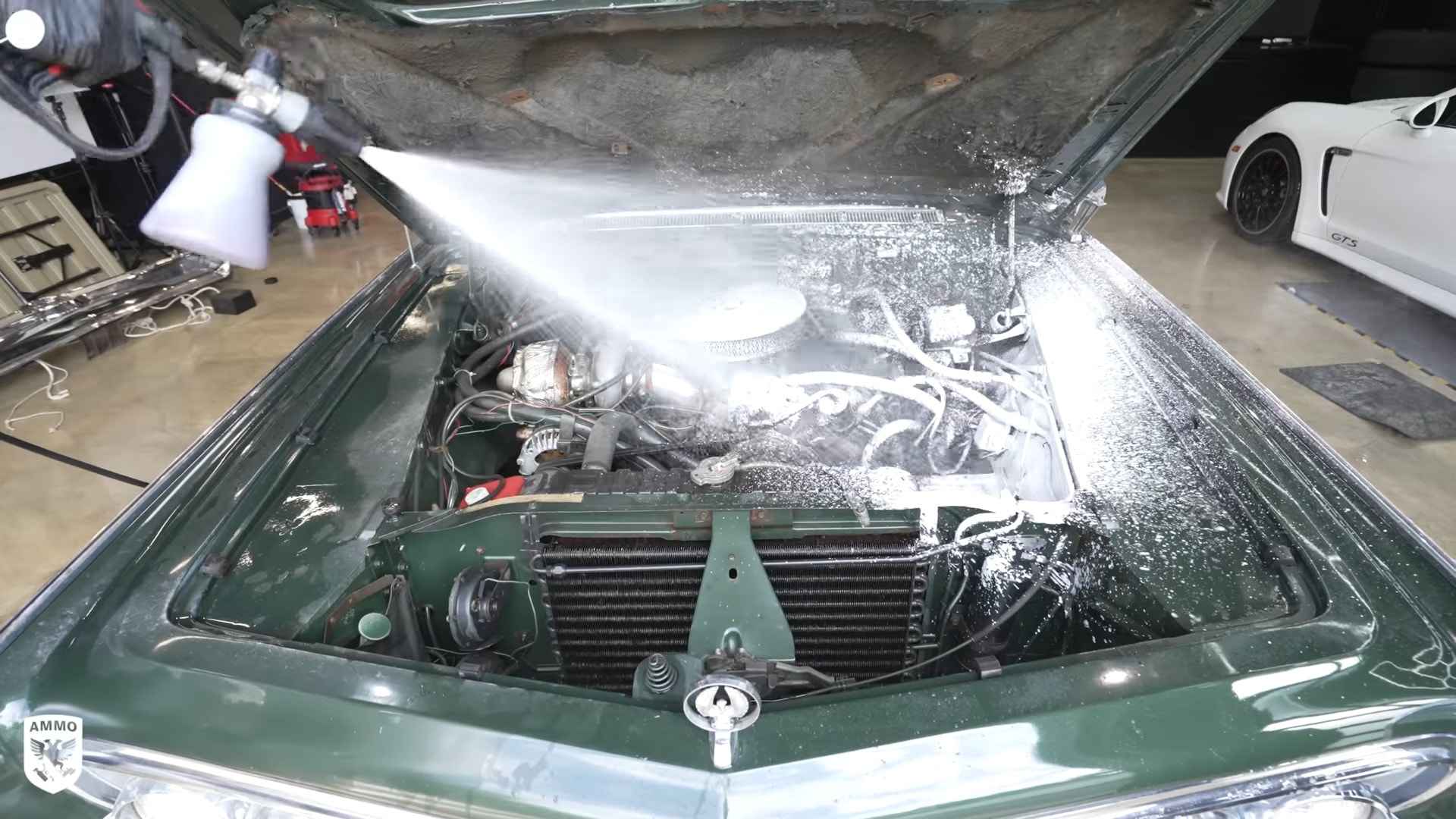
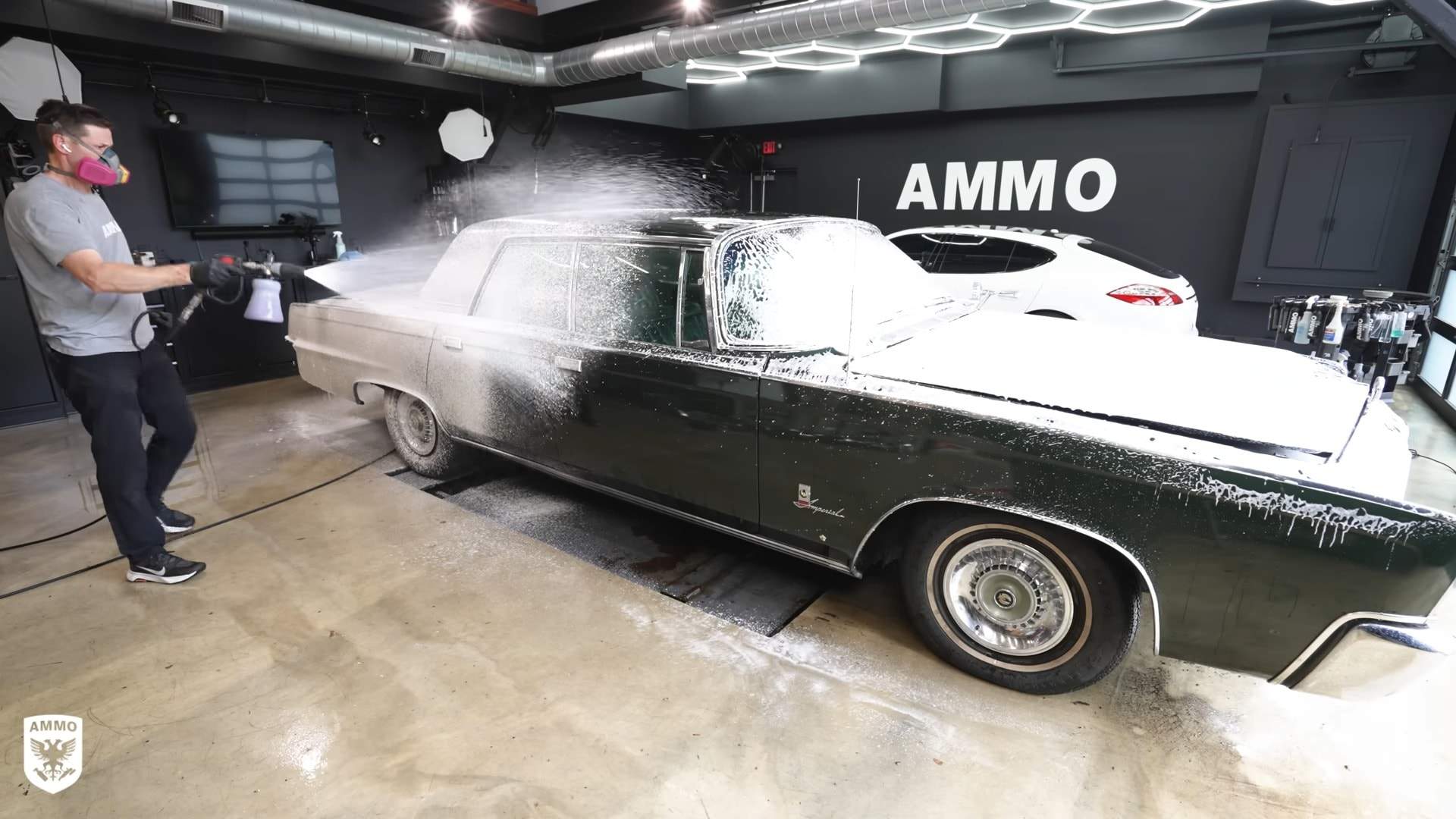
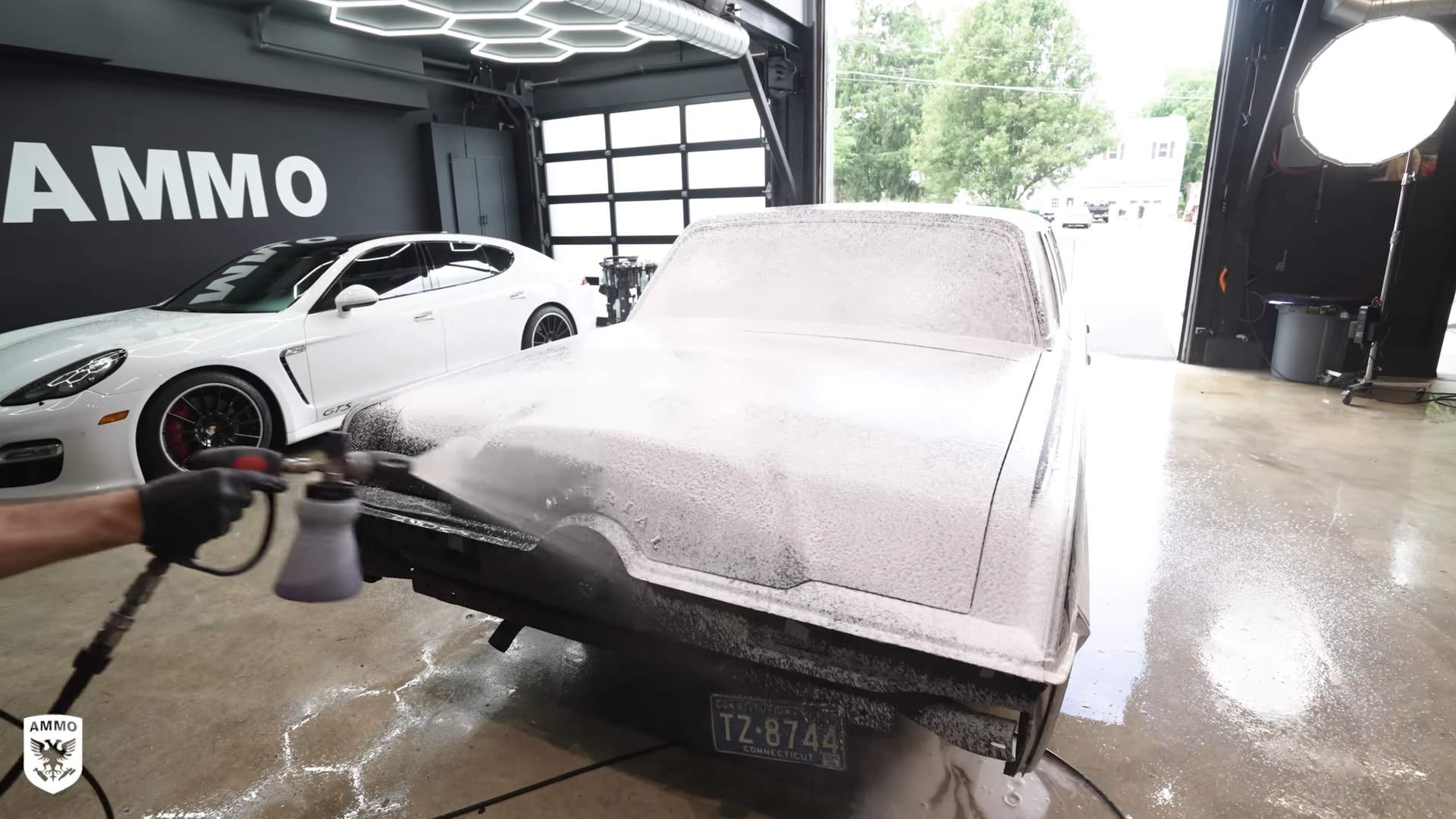
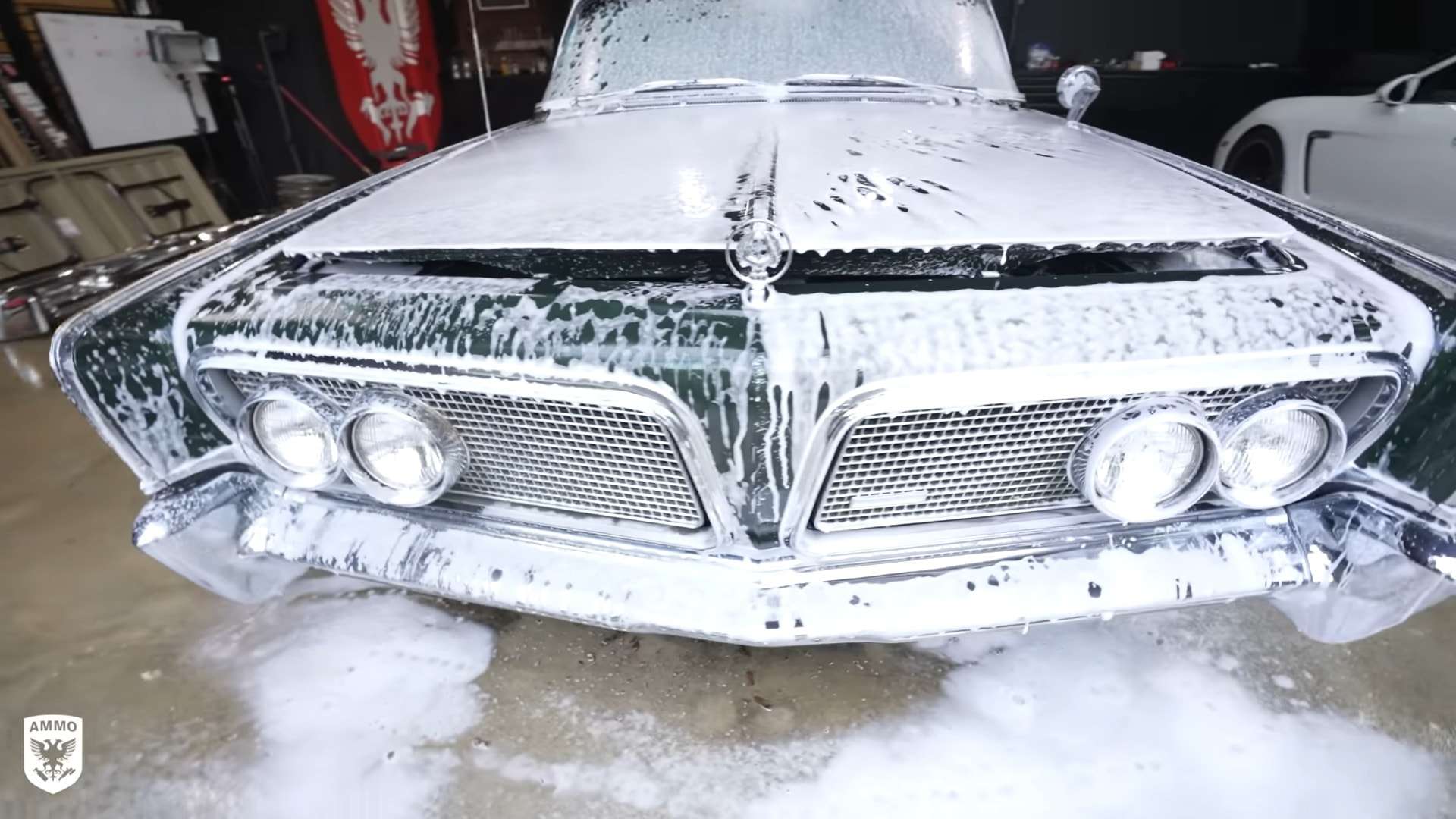
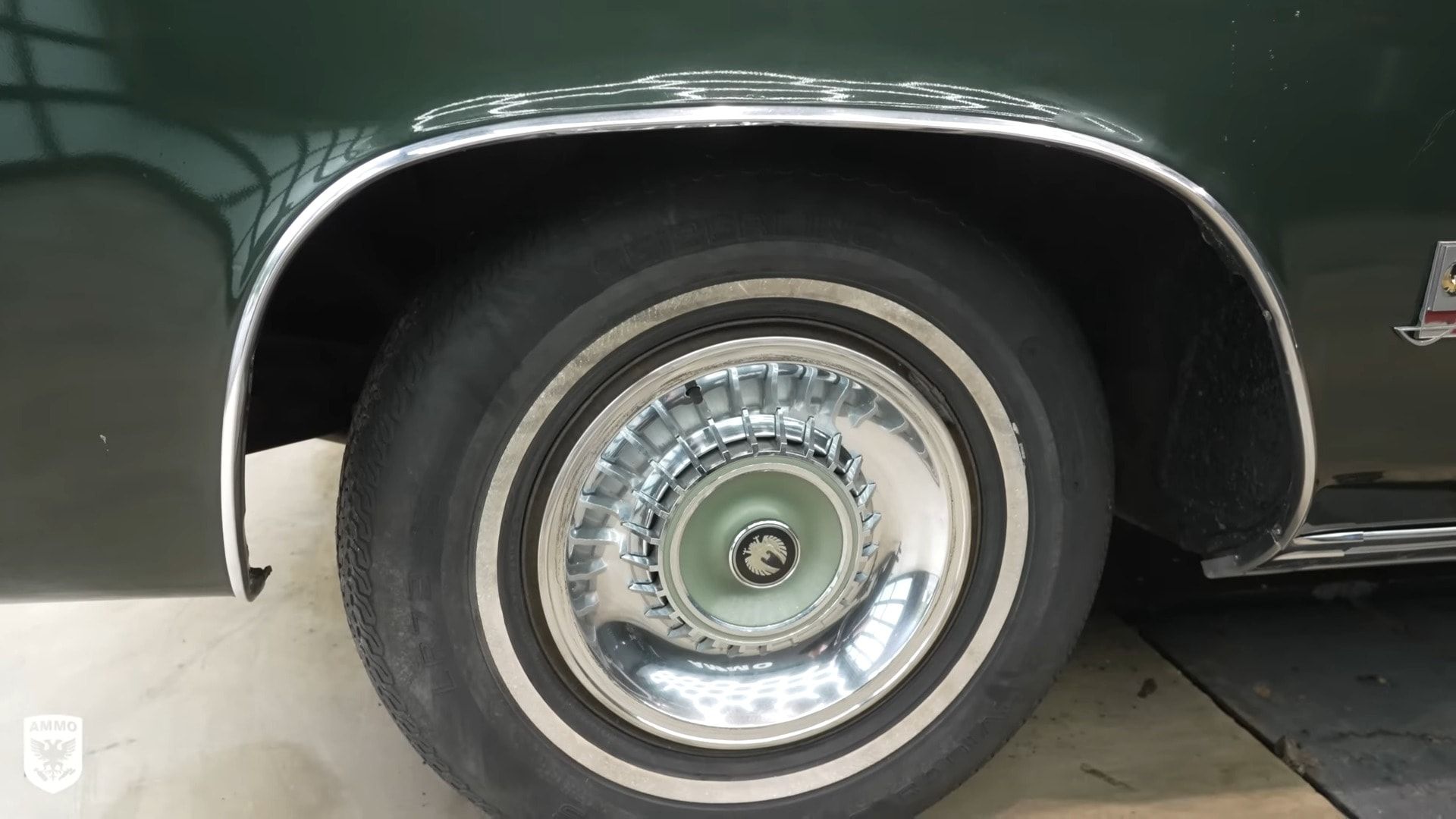
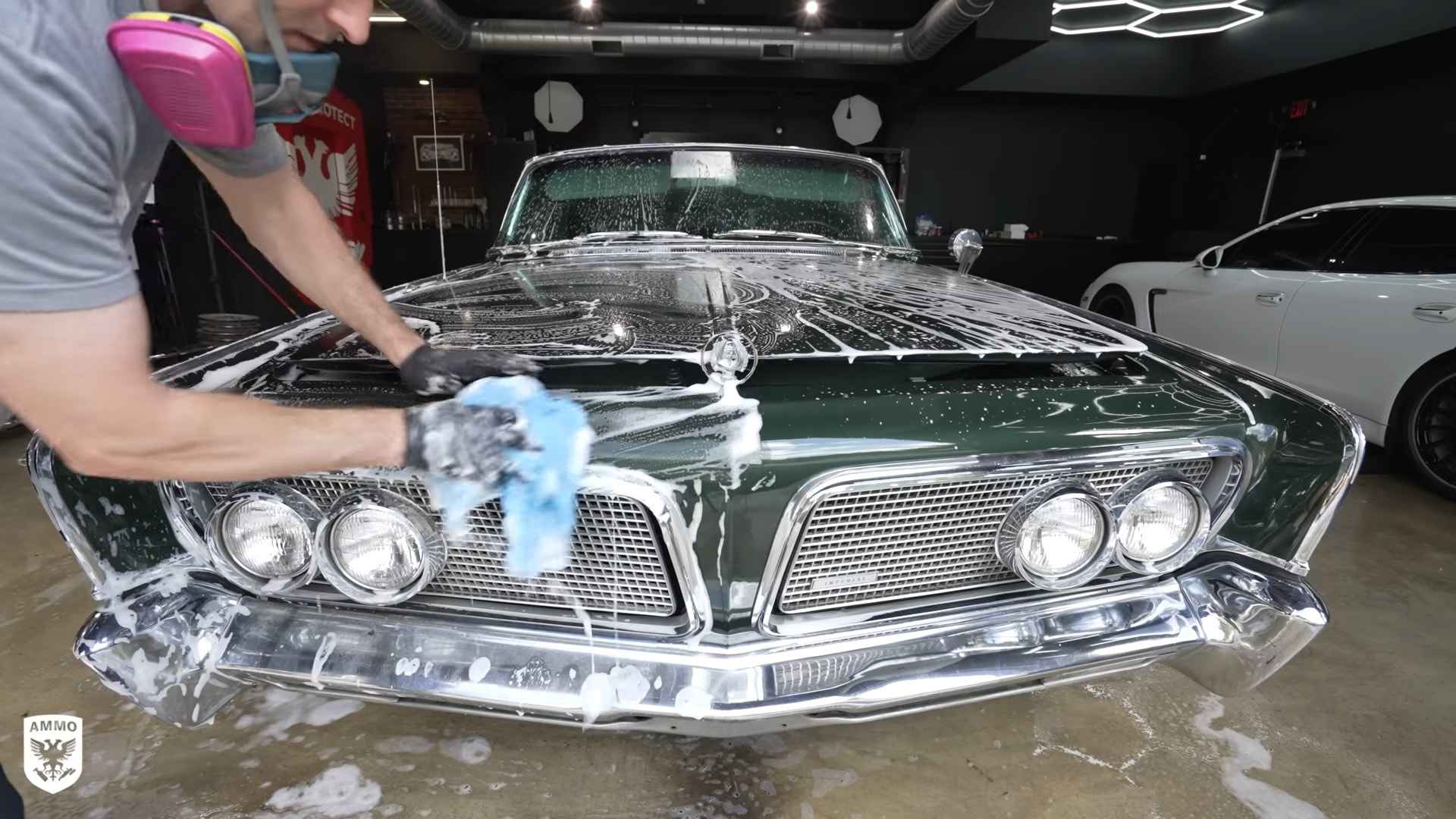
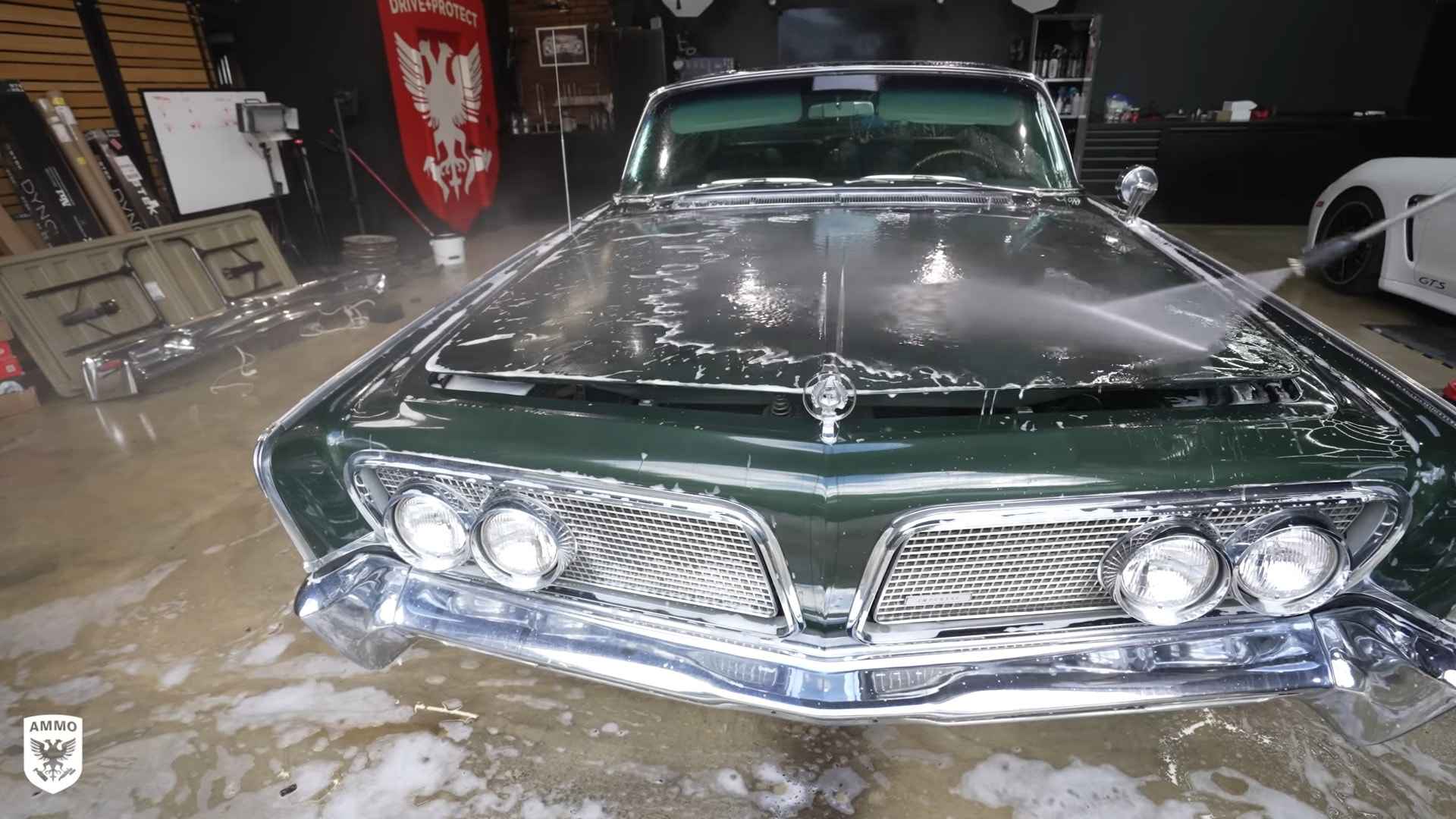
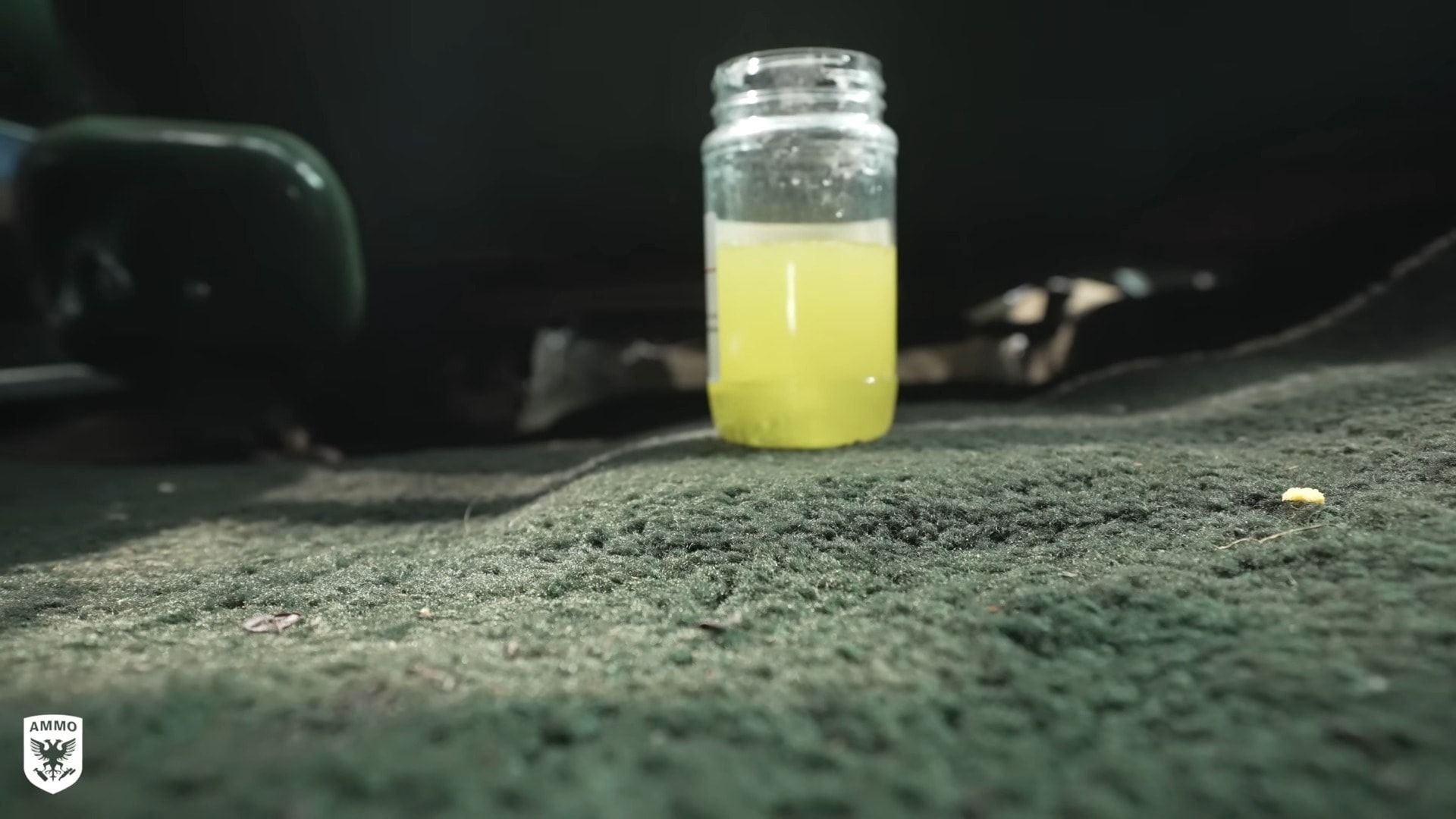
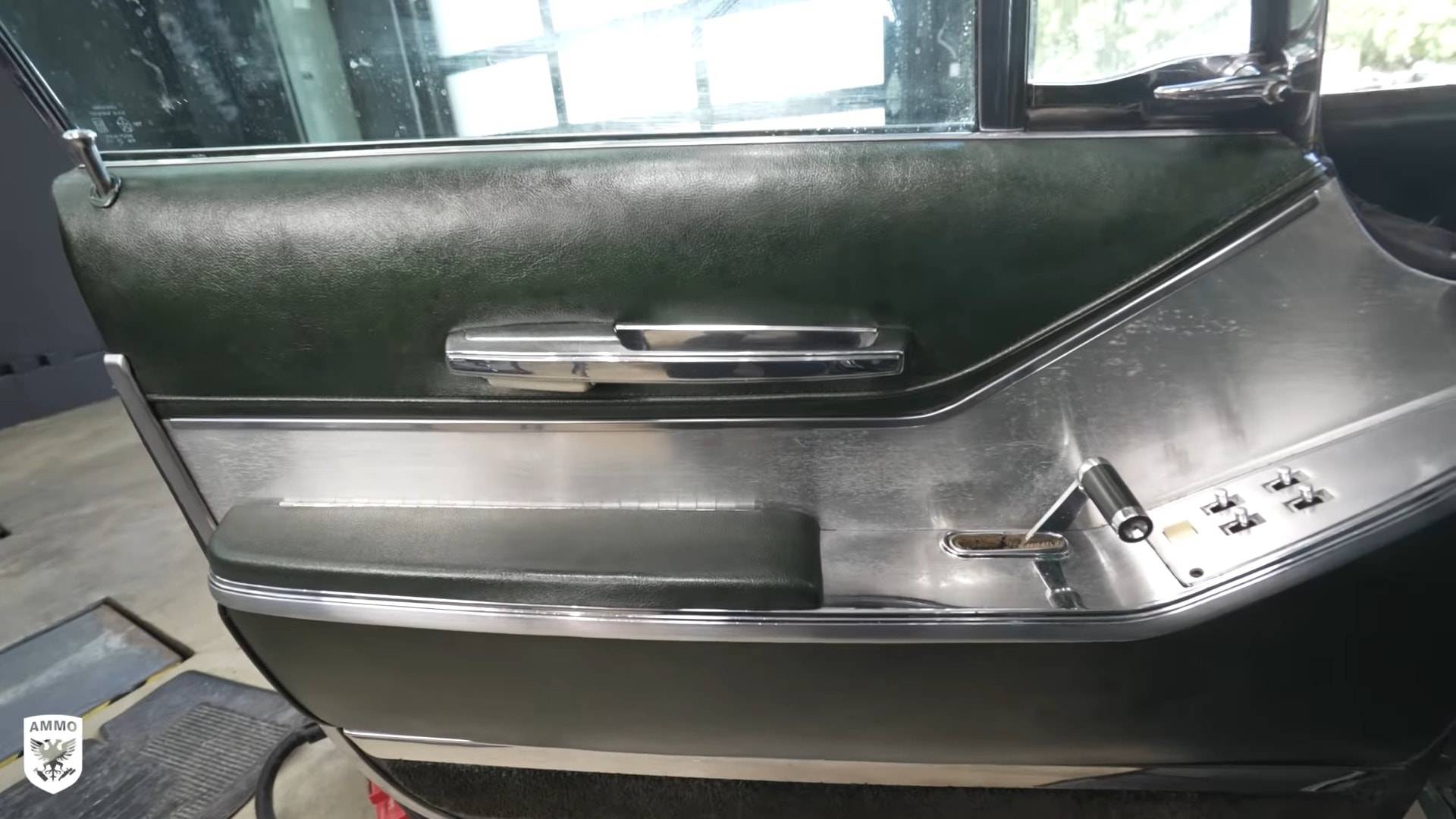
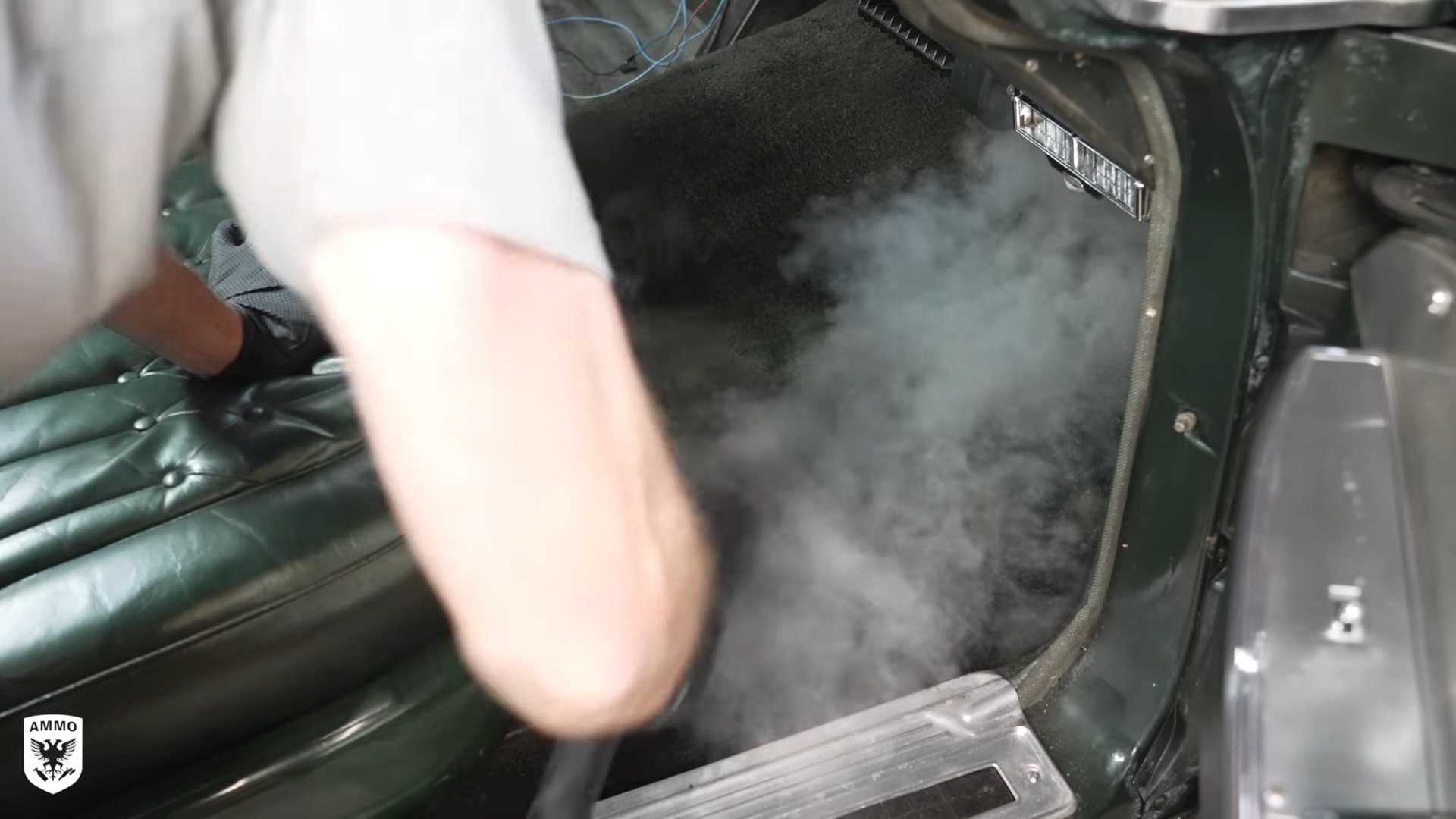
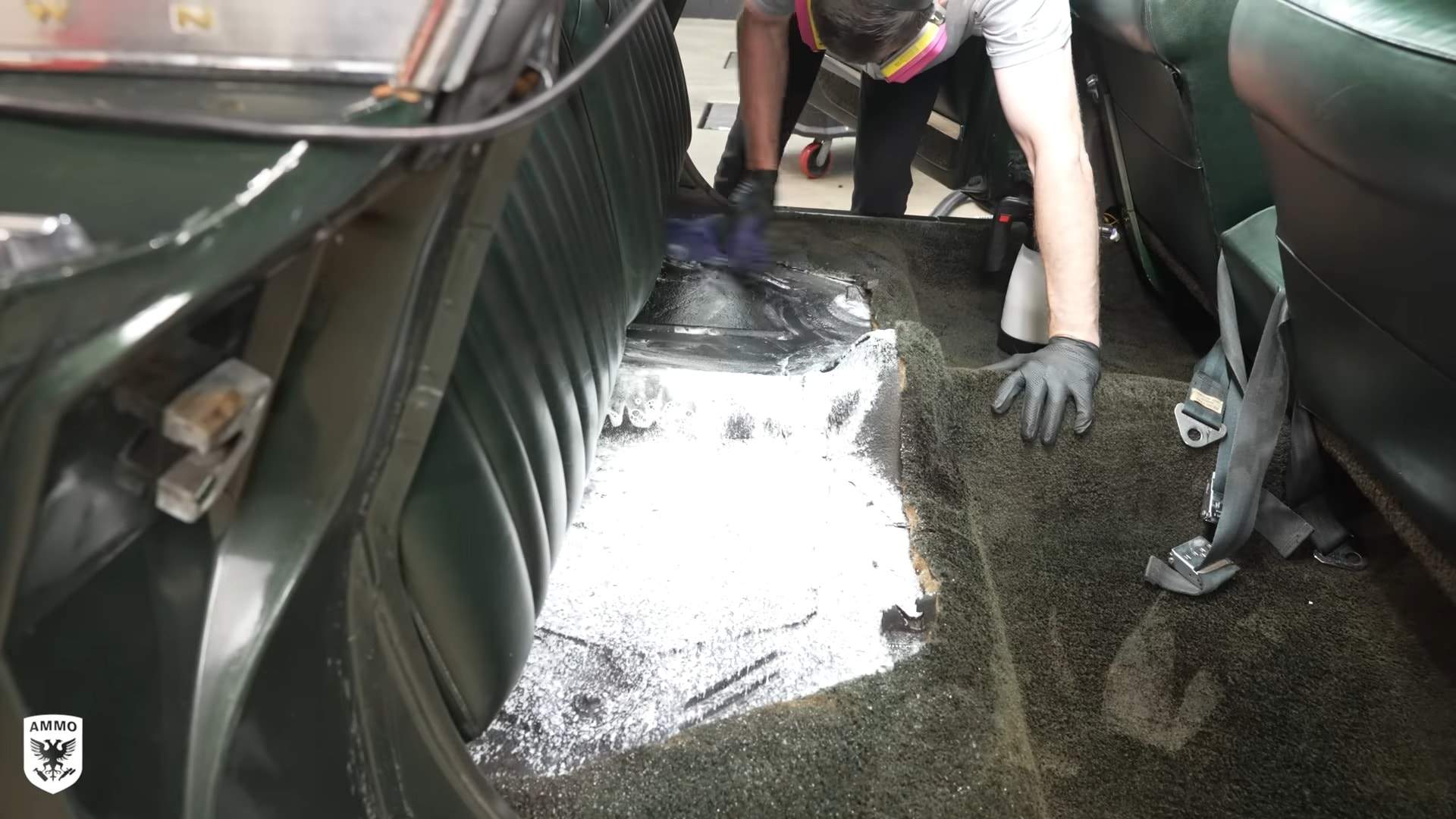
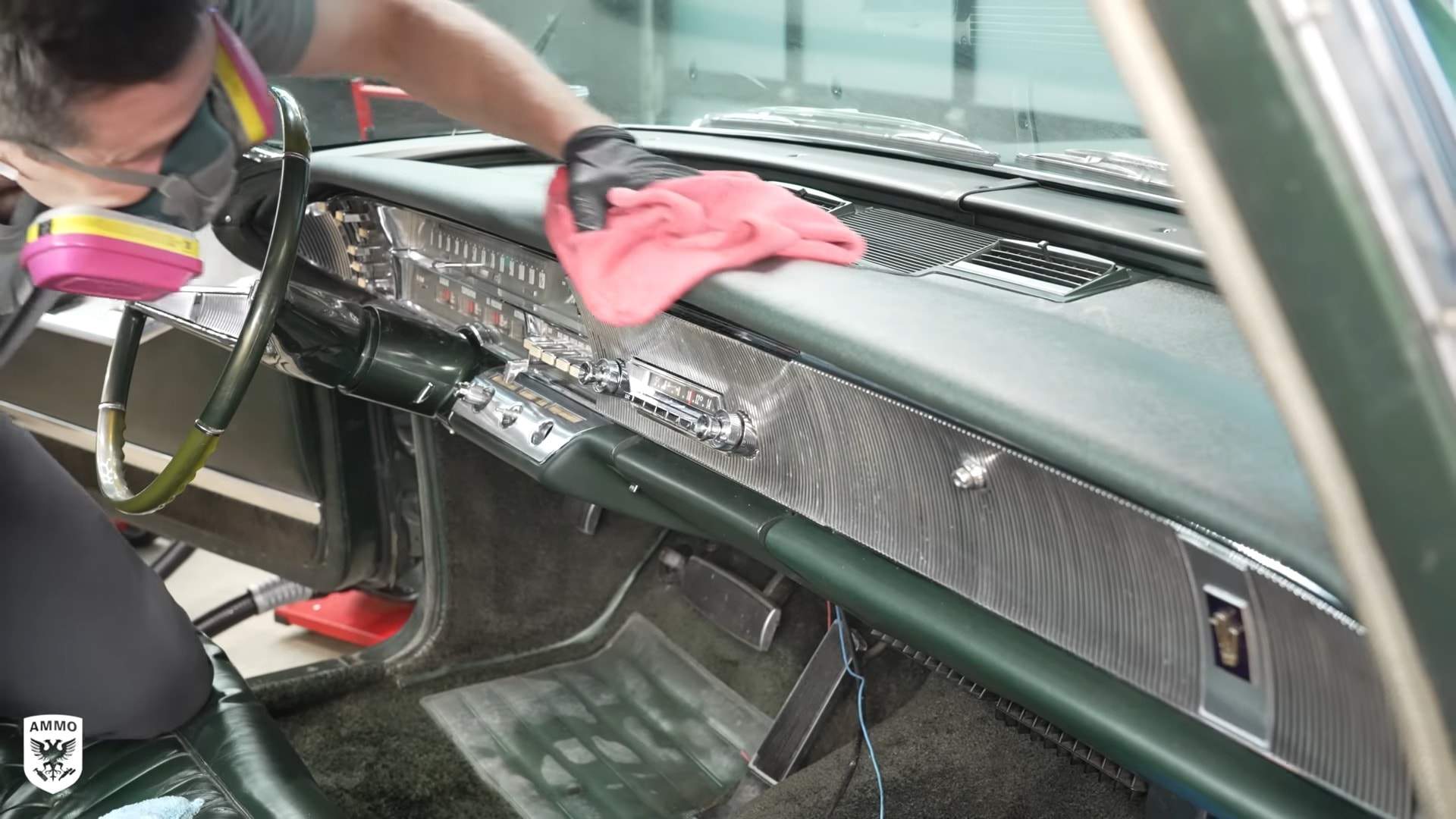
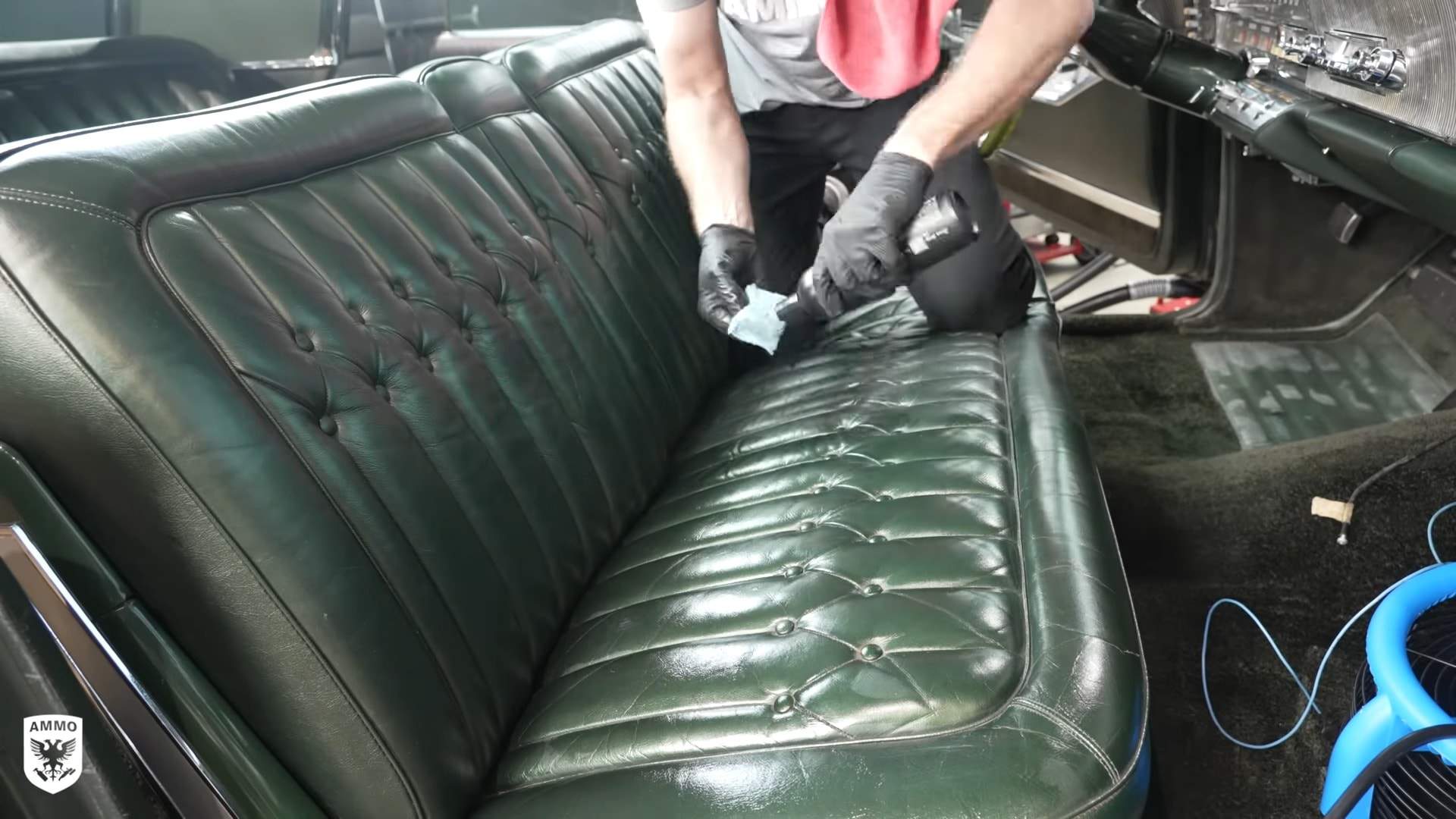
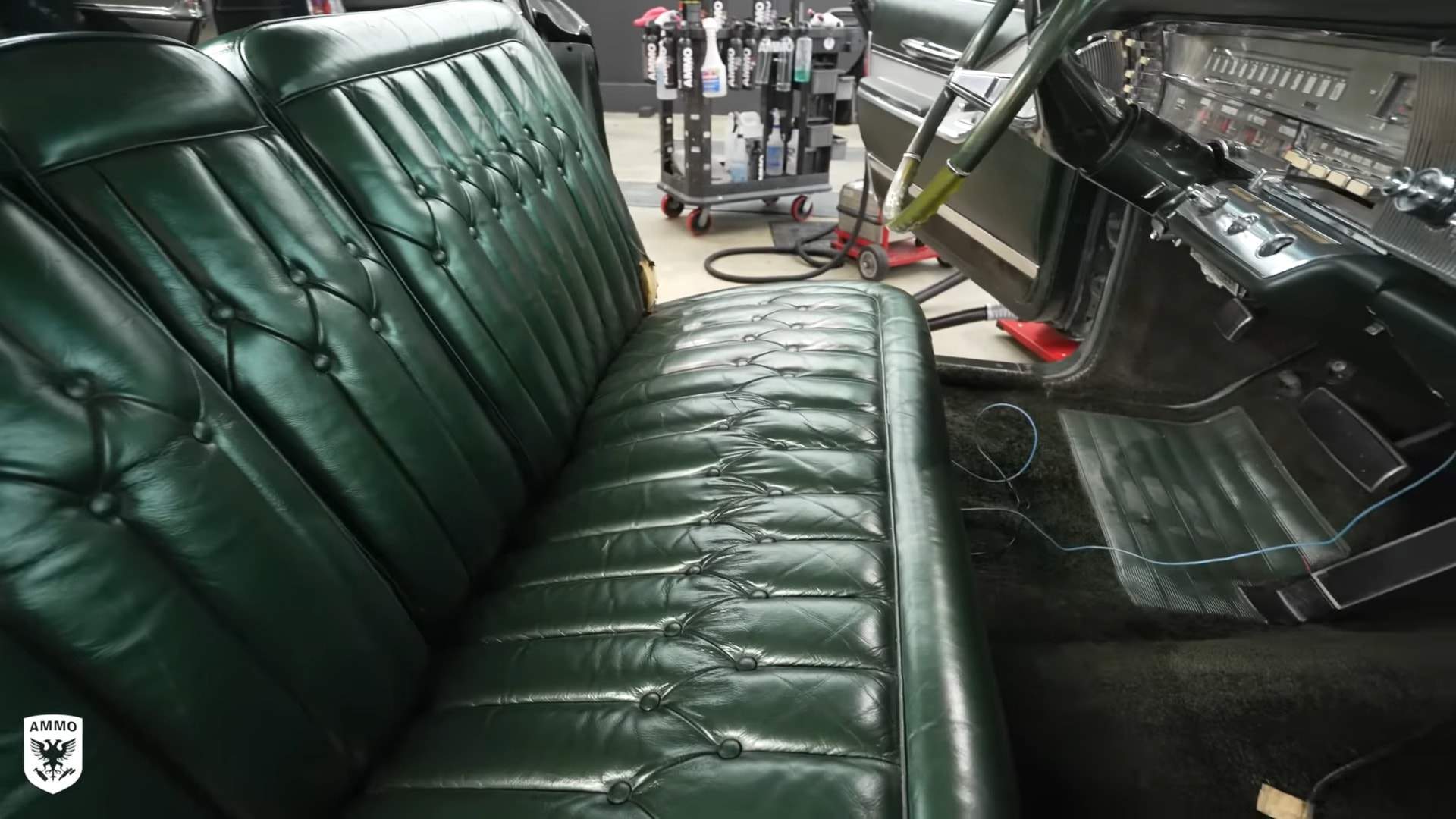
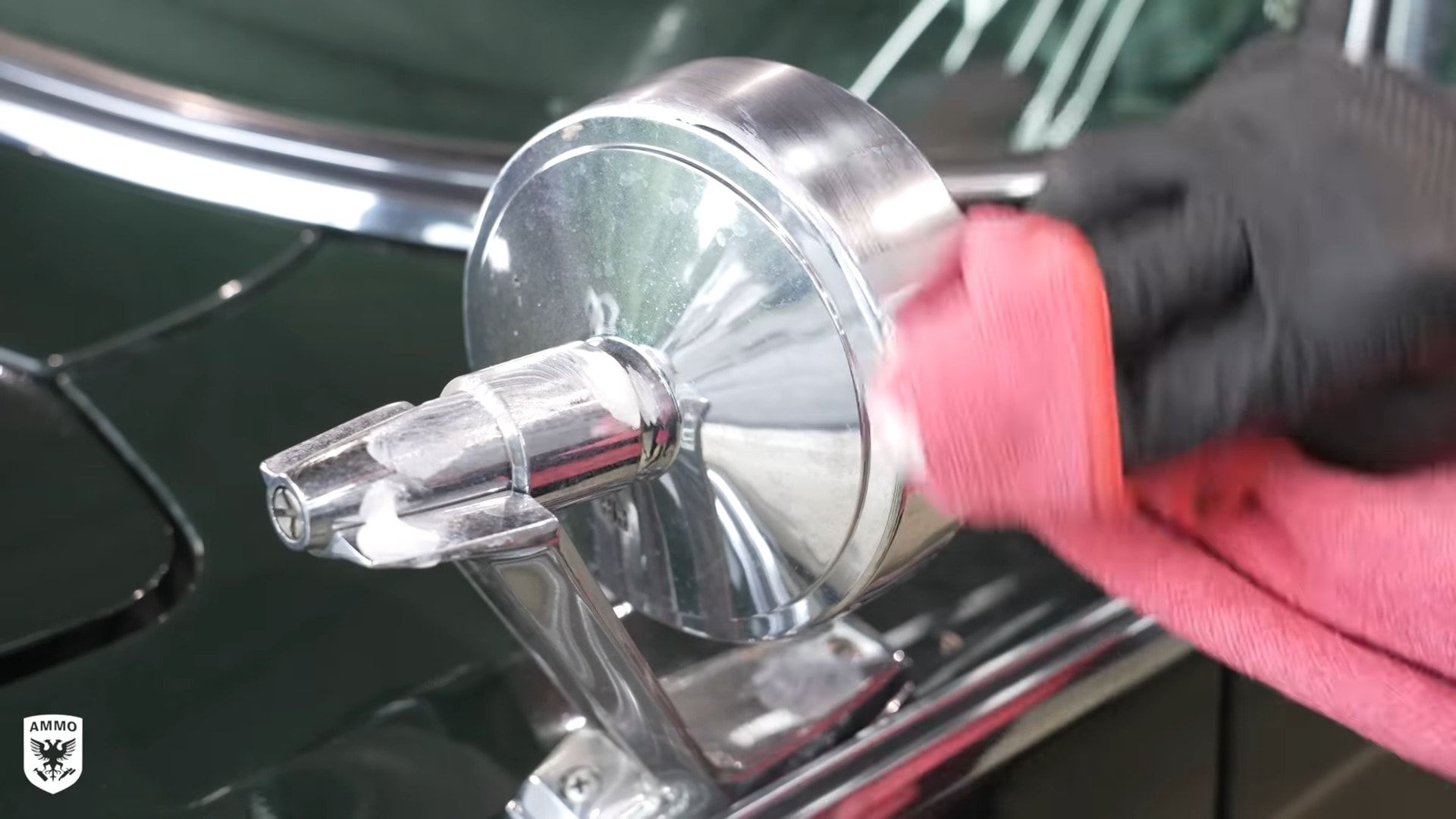
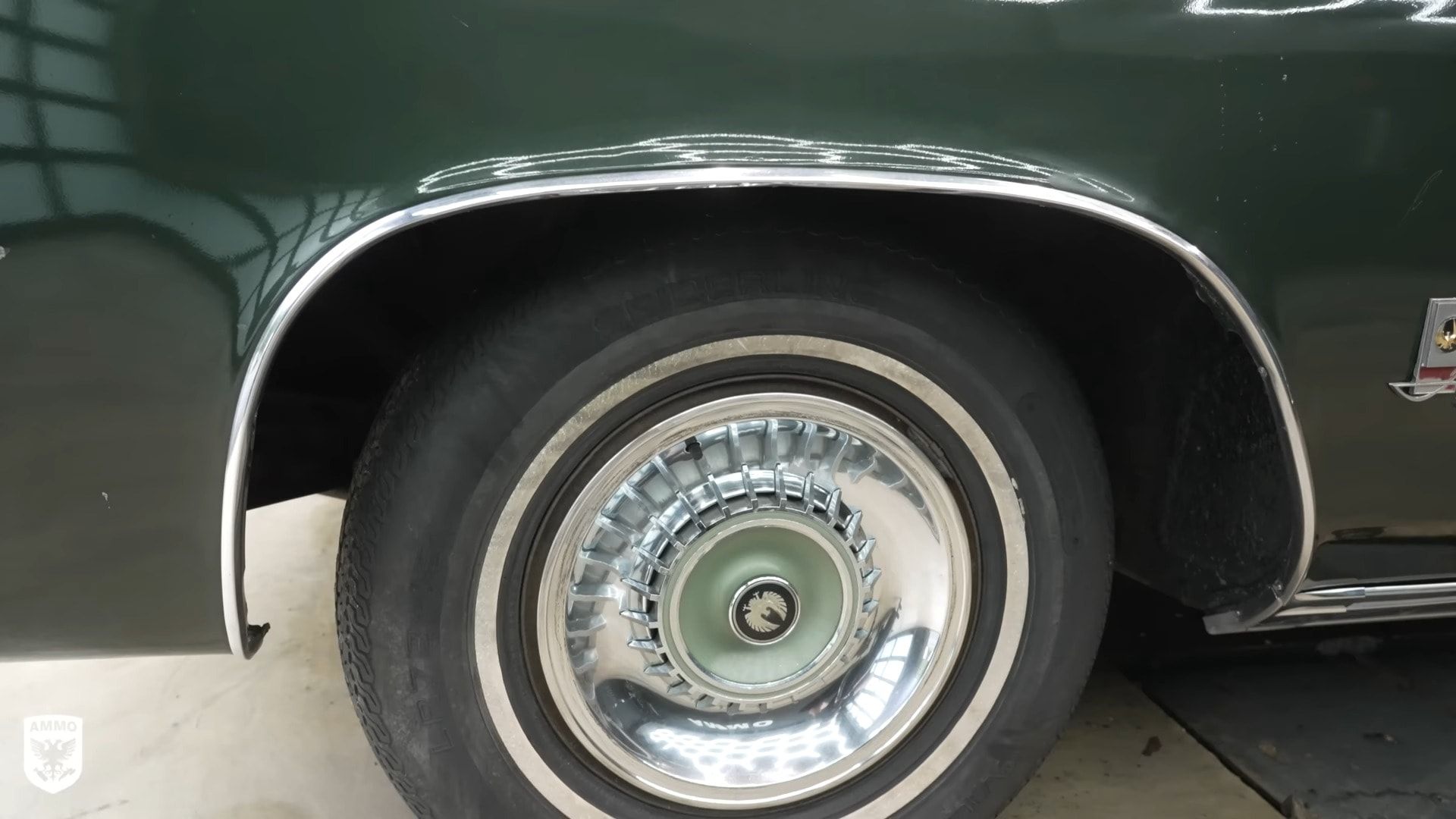
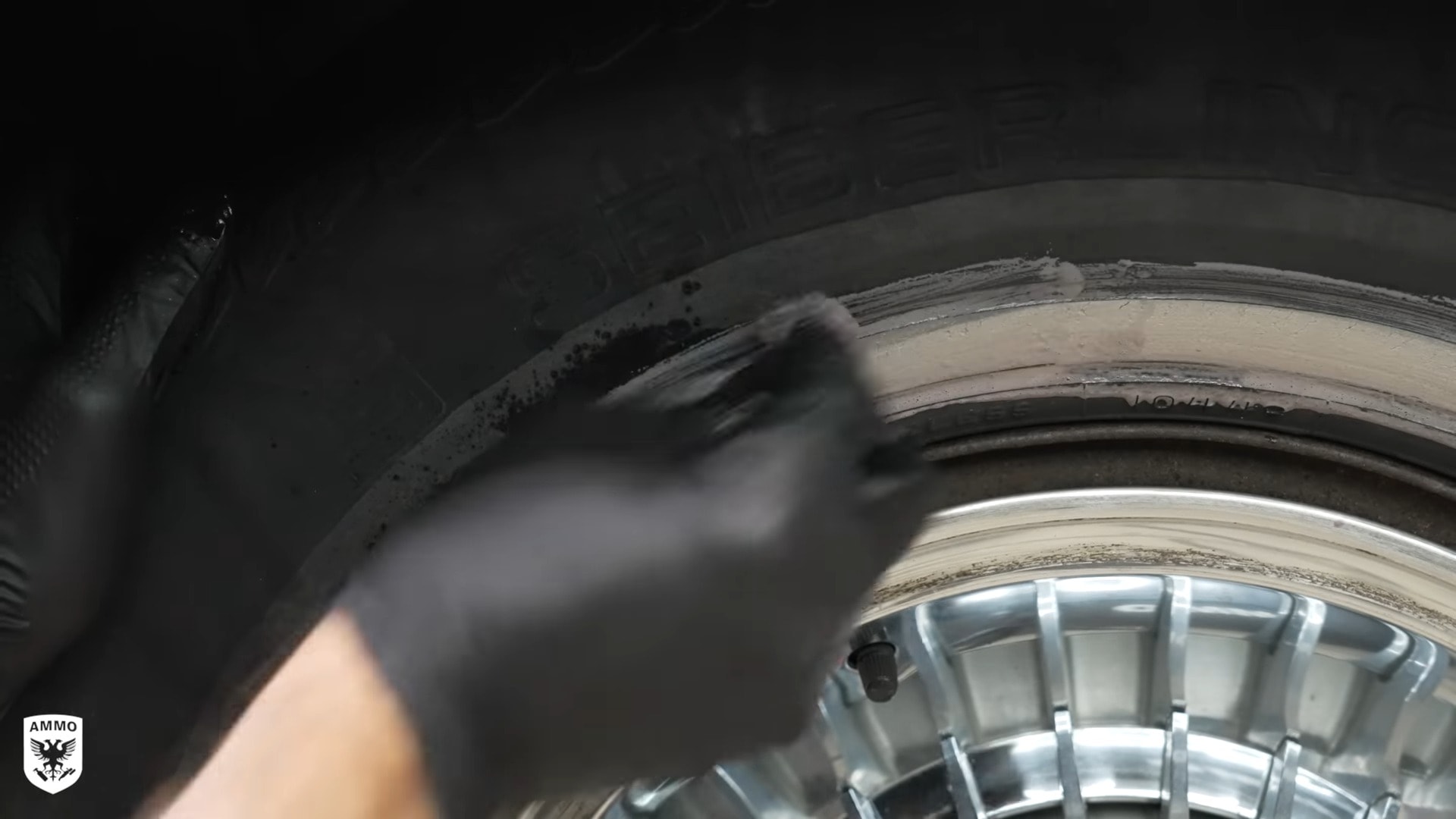
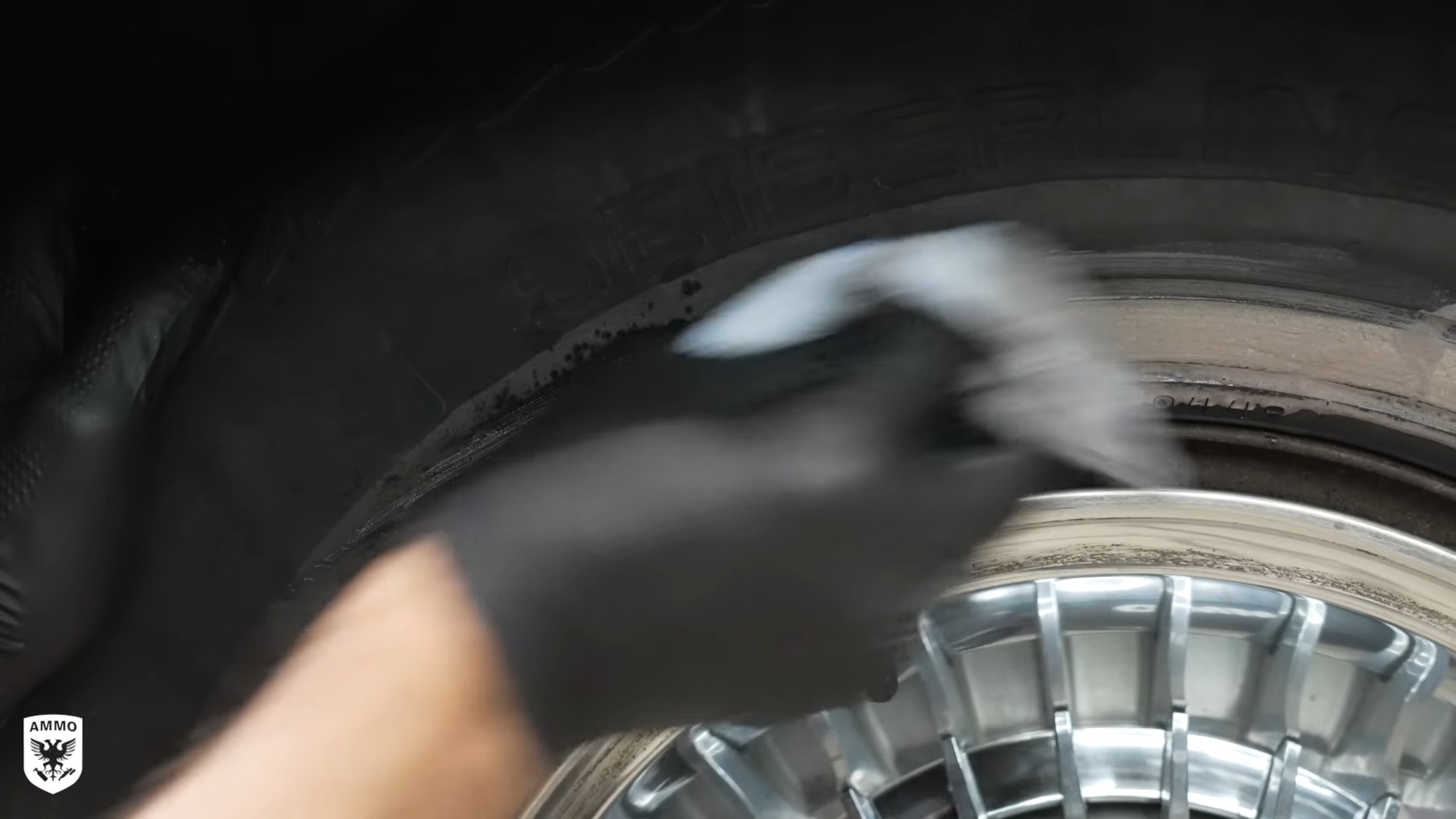
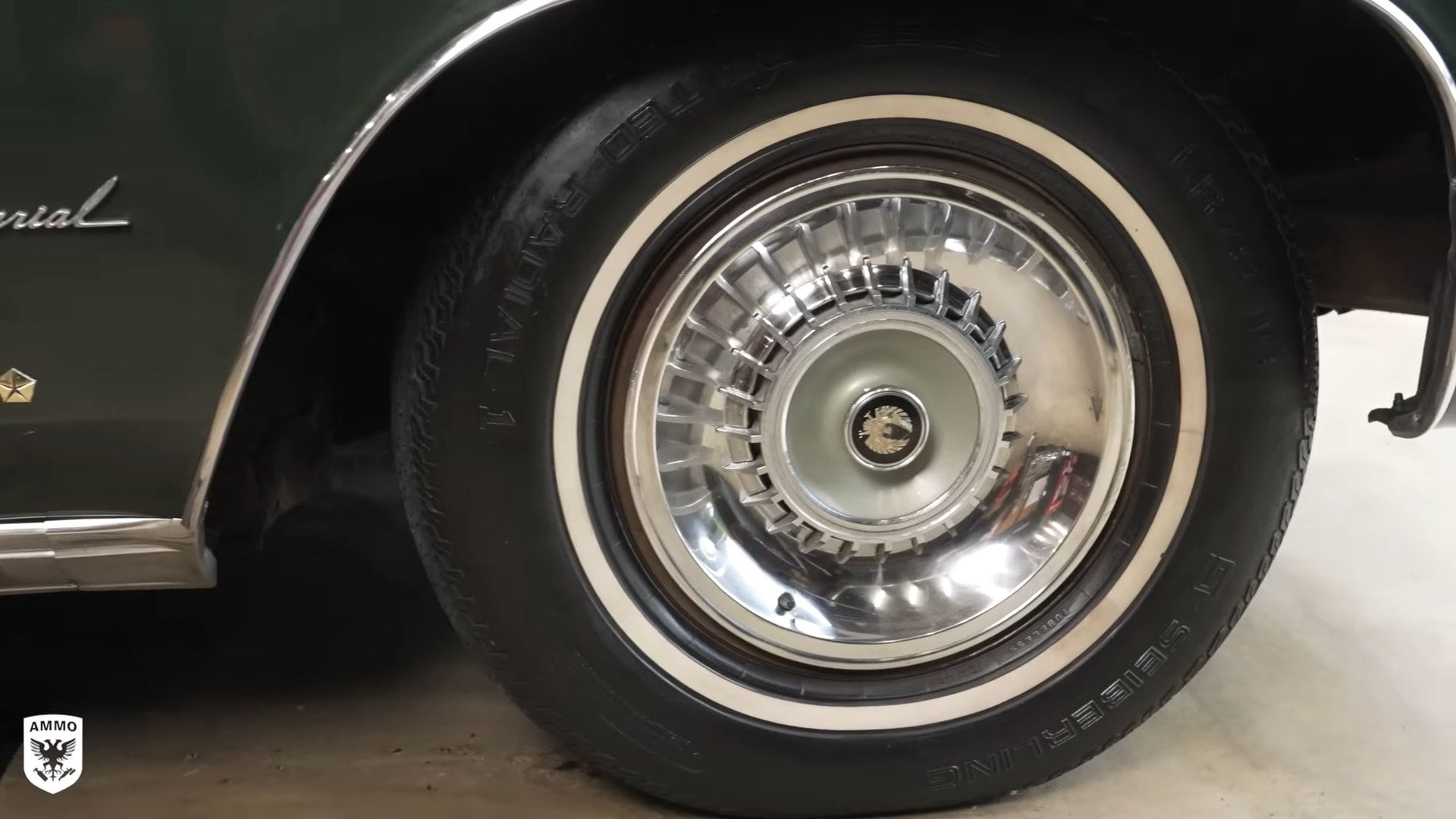
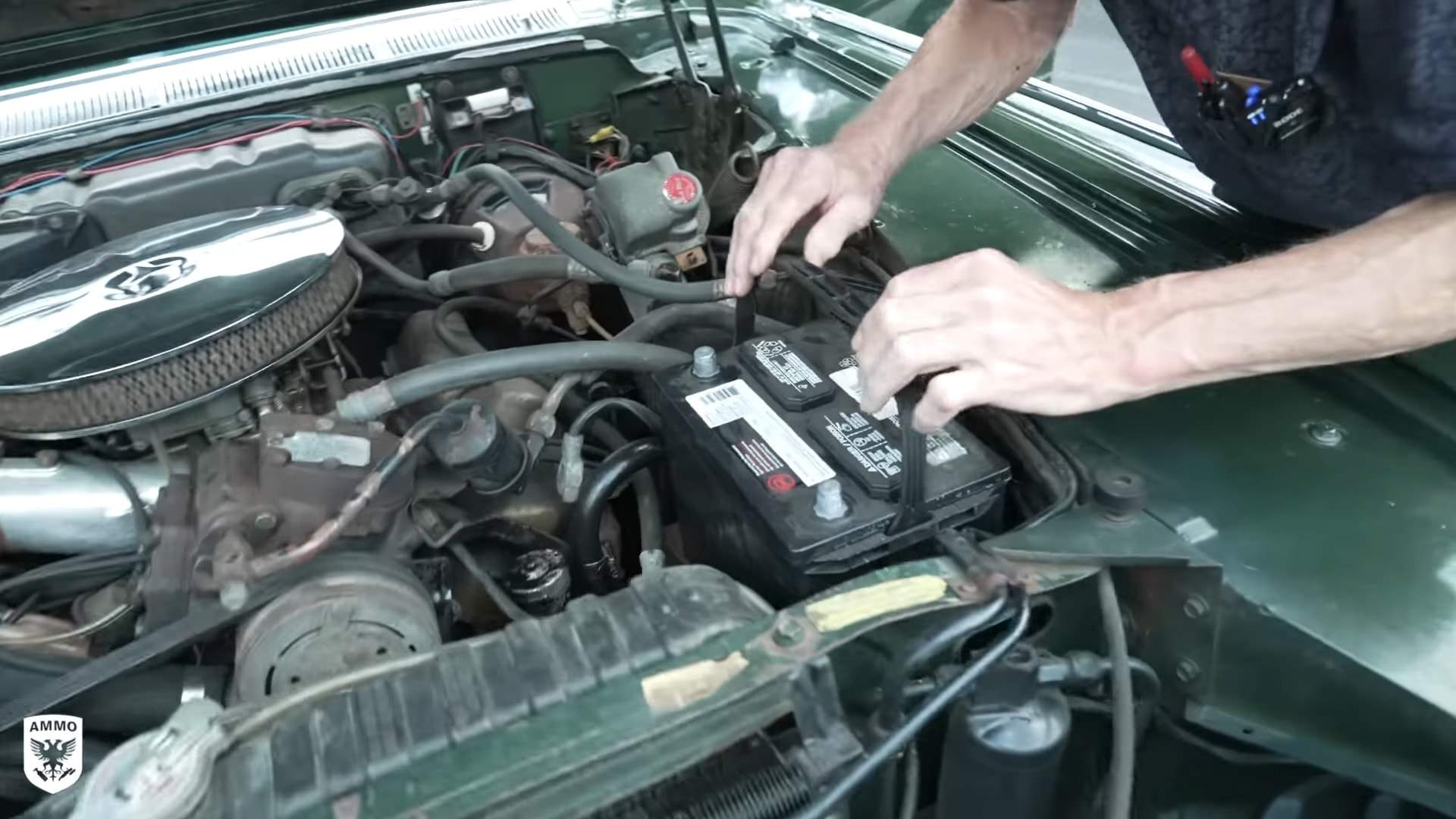
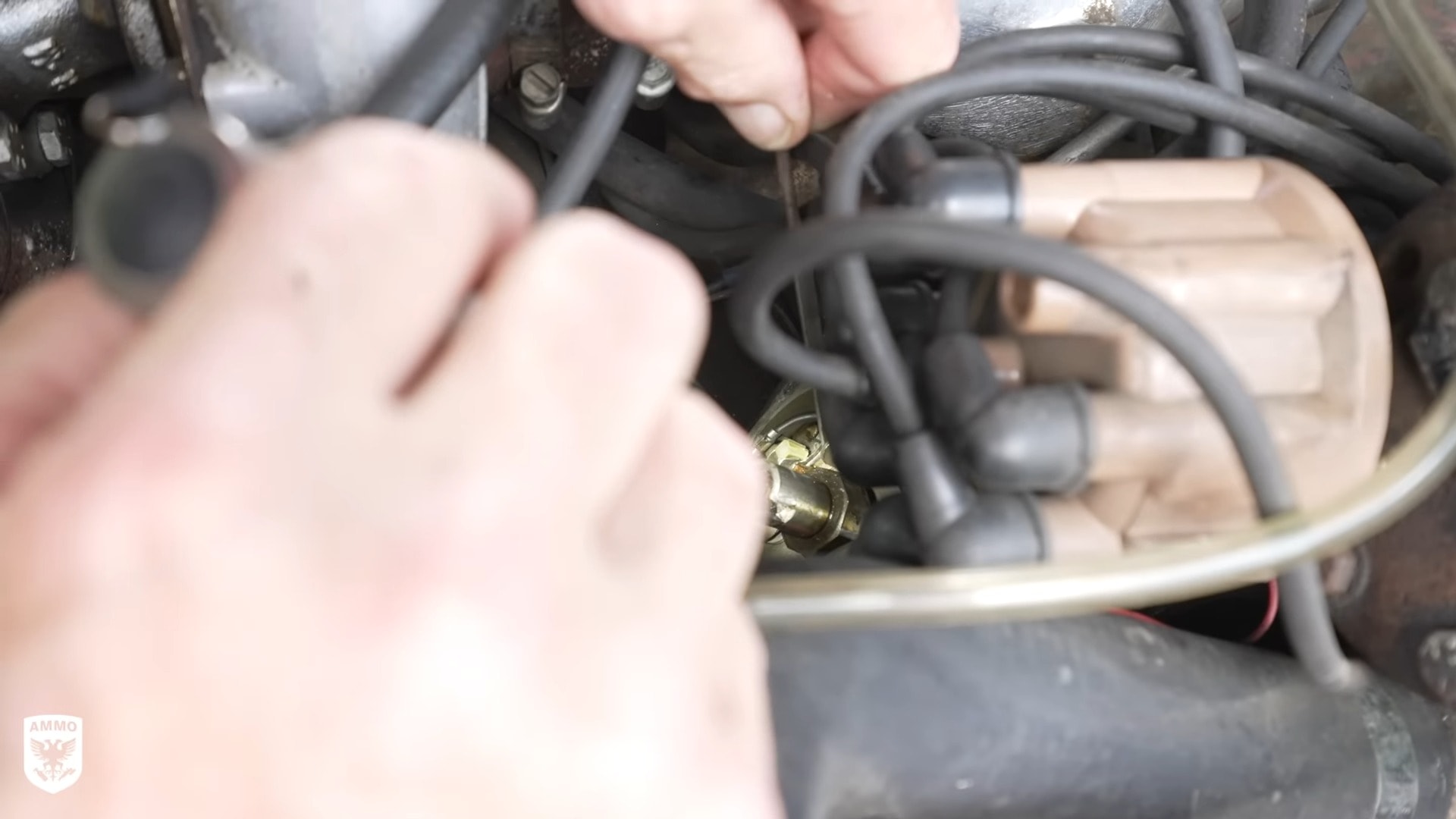
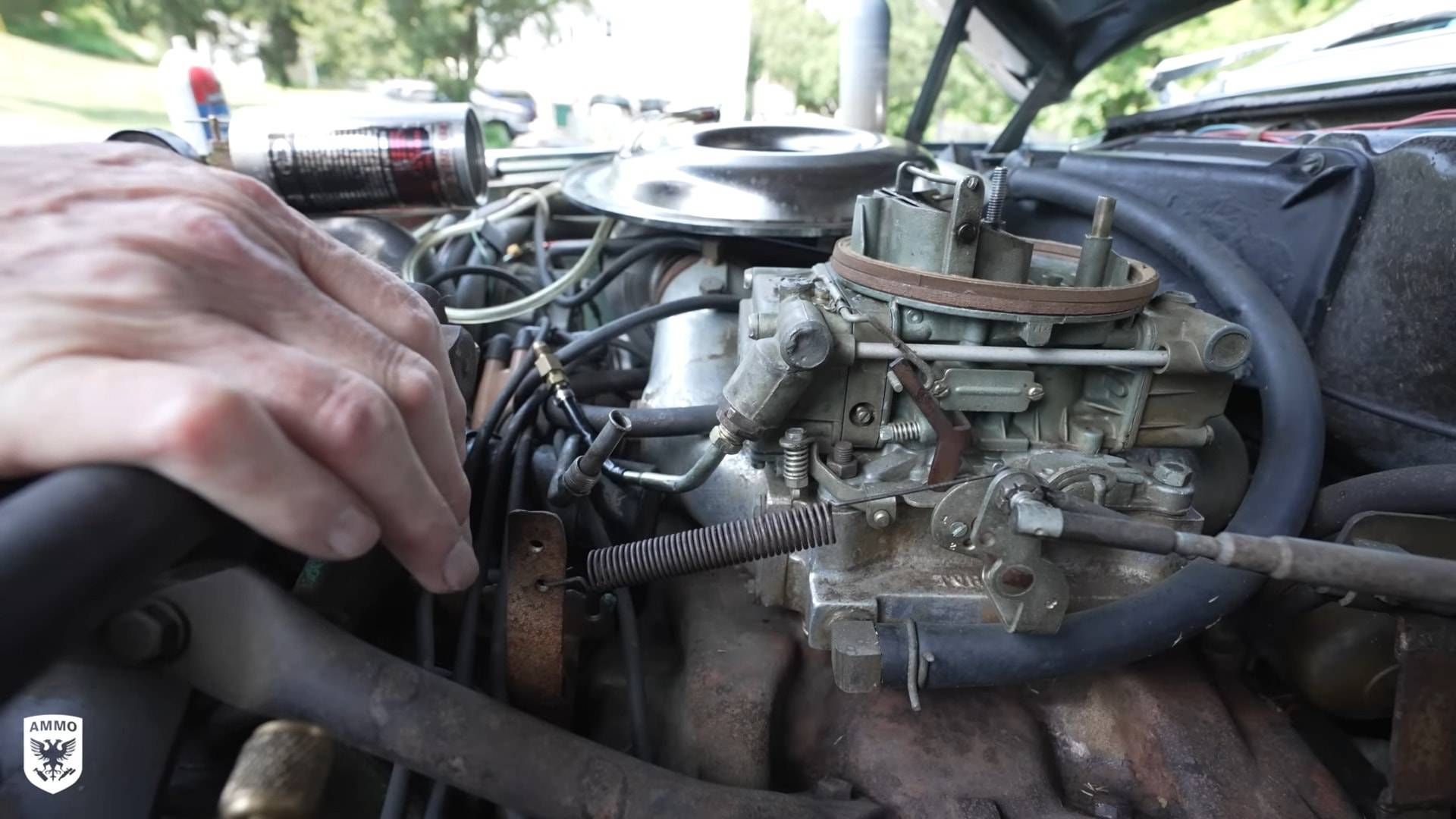
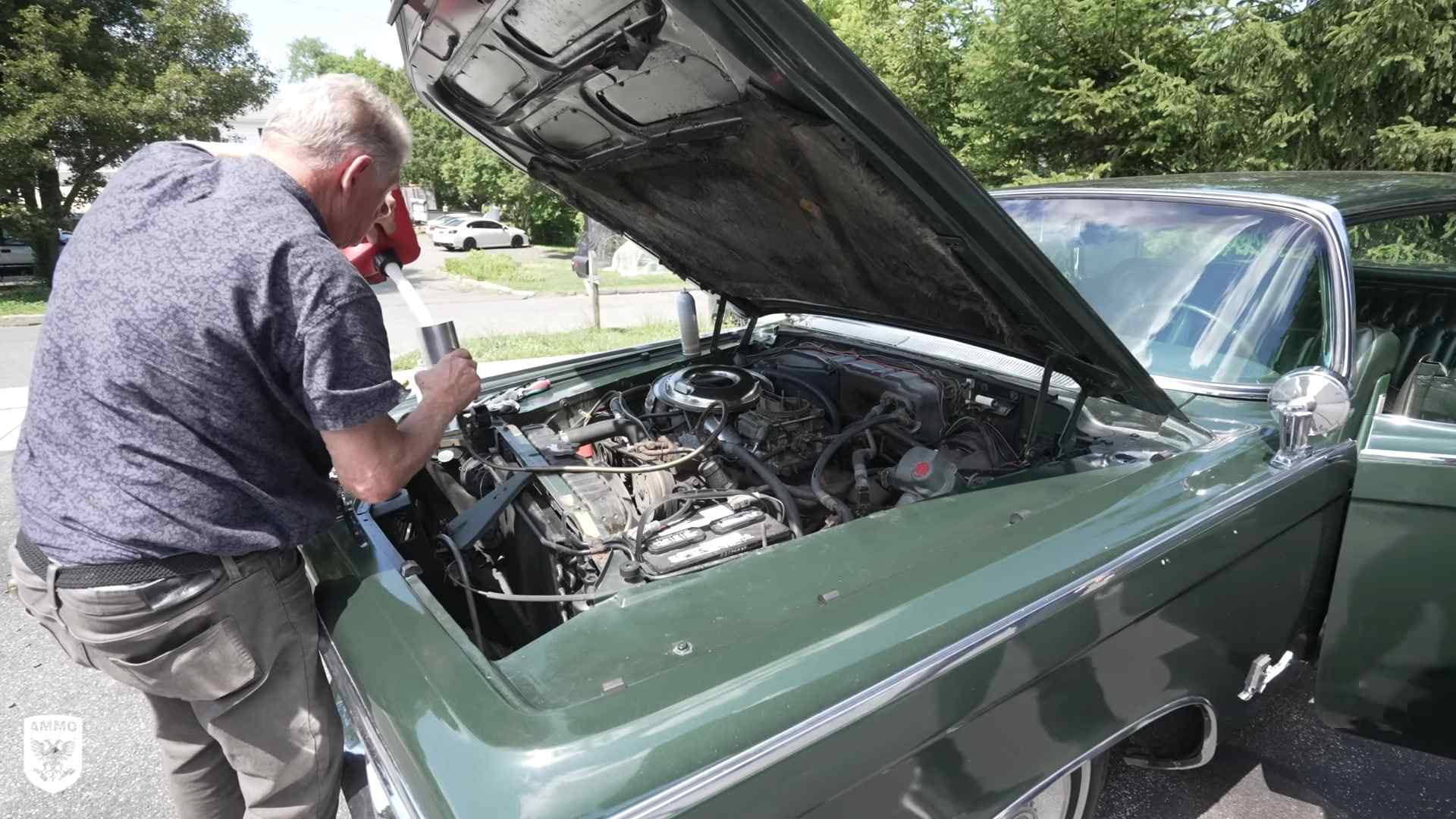
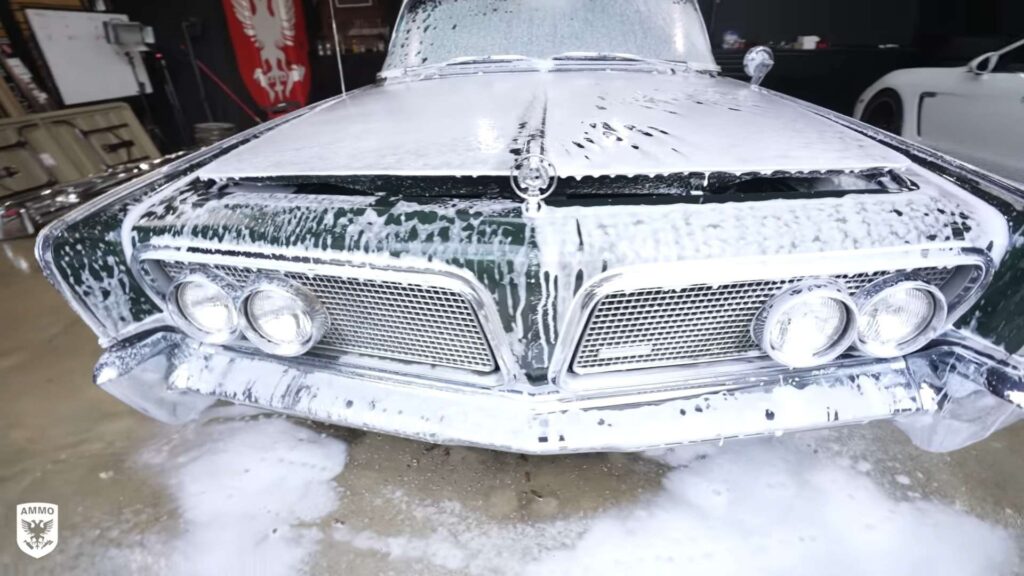
Back at the AMMO studio, the decontamination protocol began. After stripping the toxic rodent nests from above the sun visors, Kosilla deployed chlorine dioxide gas treatment to sanitize the porous interior surfaces. Steam extraction pulled gallons of black liquid from the carpets and delicate green leather. The exterior received period-correct cream wax, while oxidized chrome trim was polished back to mirror finish. Whitewall tires were scrubbed with fine steel wool and specialty cleaner. With the car fully cleaned, mechanics Axel and Steve attempted to wake the dormant engine. After installing a fresh battery, the electrical system came alive, but fuel refused to flow through the severely clogged lines. Steve rigged a gravity-fed IV bag apparatus from an old fuel injection cleaning canister and hung it directly over the engine bay. The 413 Wedge V8 fired immediately on the starter, clearing its throat with a deep exhaust note that revealed Peter’s hidden custom vintage turbocharger, a modification that was never offered officially by the Chrysler Corporation.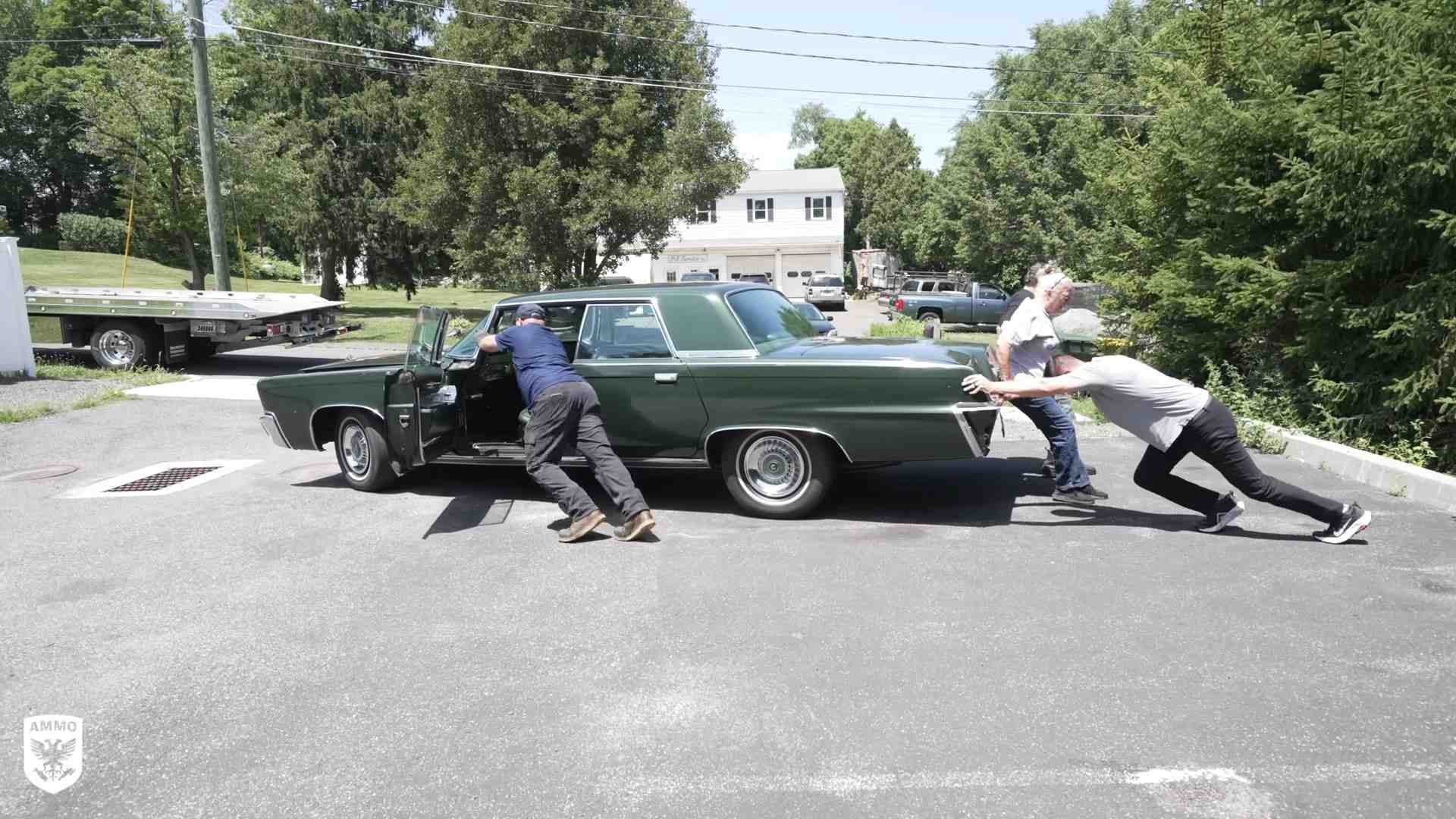
A New Home Within The Circle
The restoration concluded in triumph. Upon hearing that her late husband’s car looked beautiful and ran perfectly, Peter’s widow decided to sell the rare turbocharged Imperial to Ira, Peter’s close lifelong friend. This generous transaction ensured that this extraordinary slice of American automotive heritage remains within the family circle, continuing to carry Peter’s spirit on the open road.