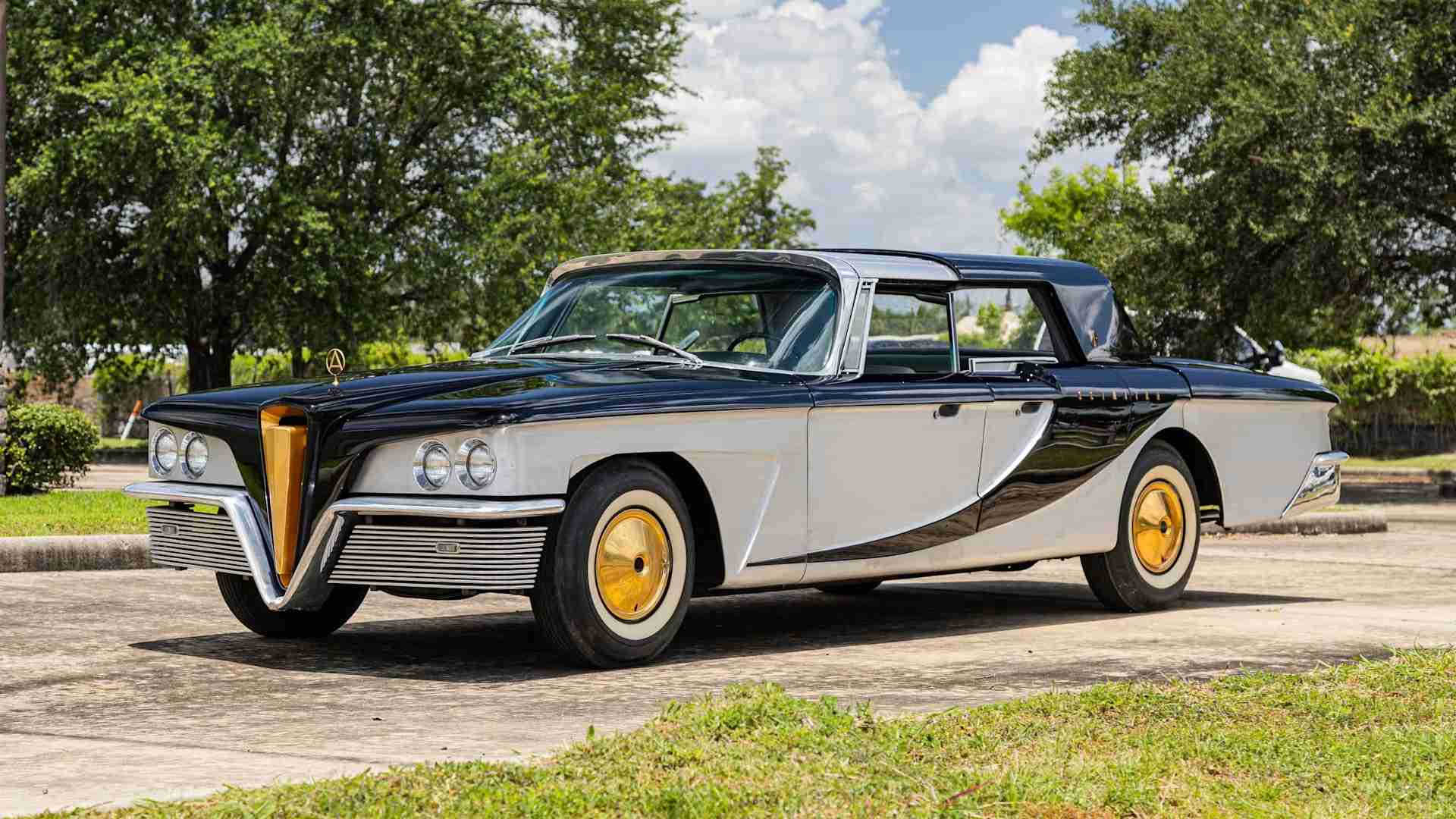
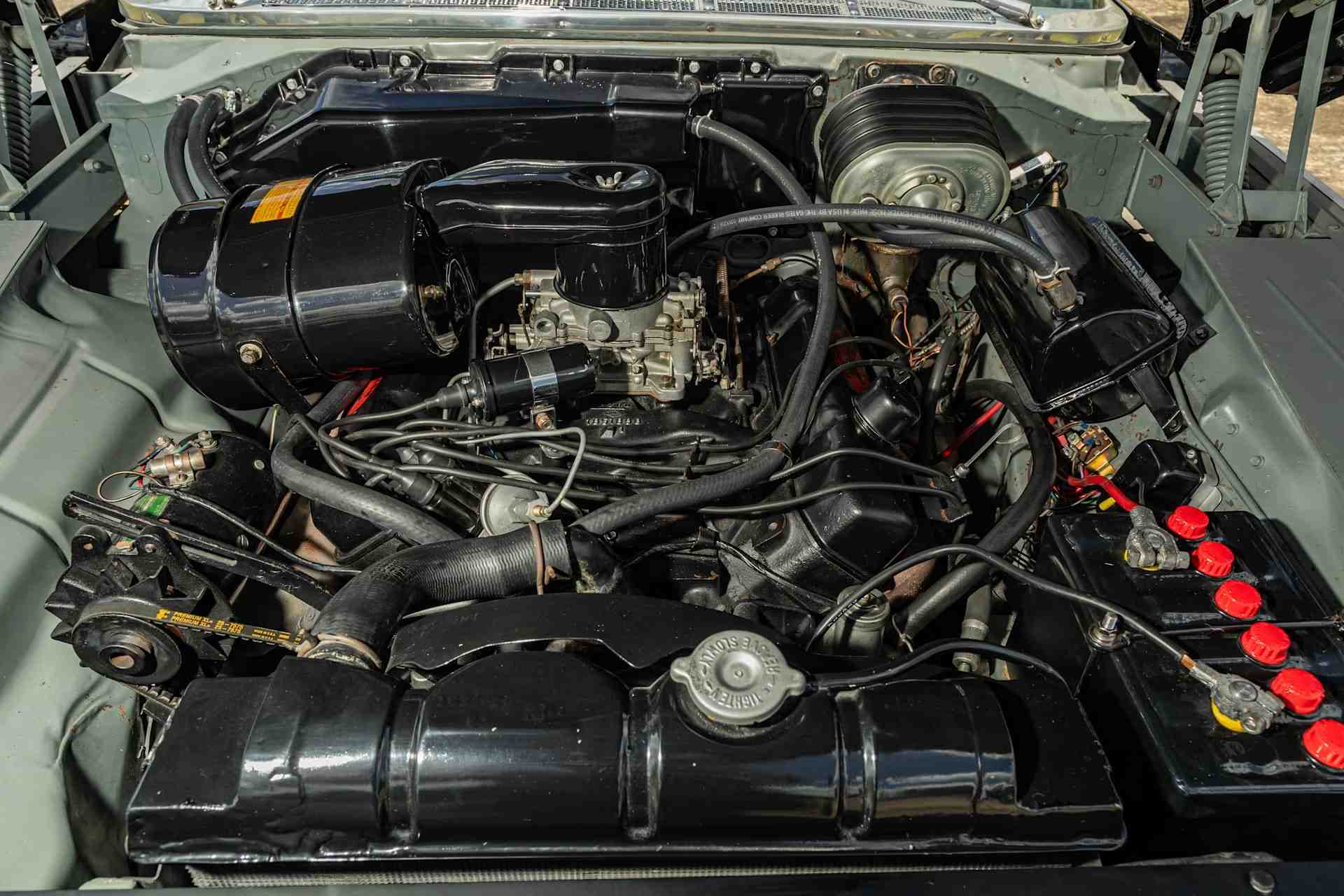
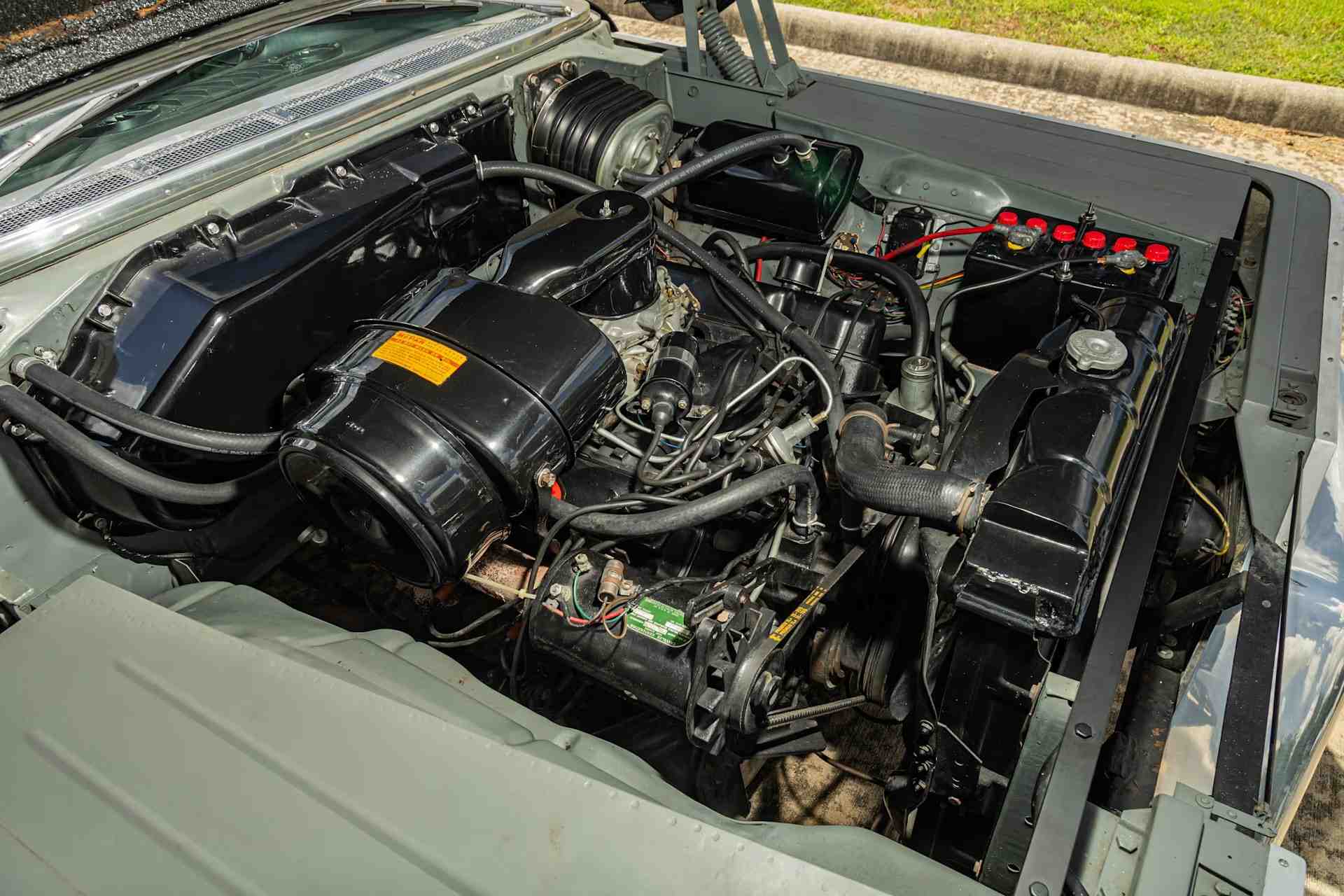
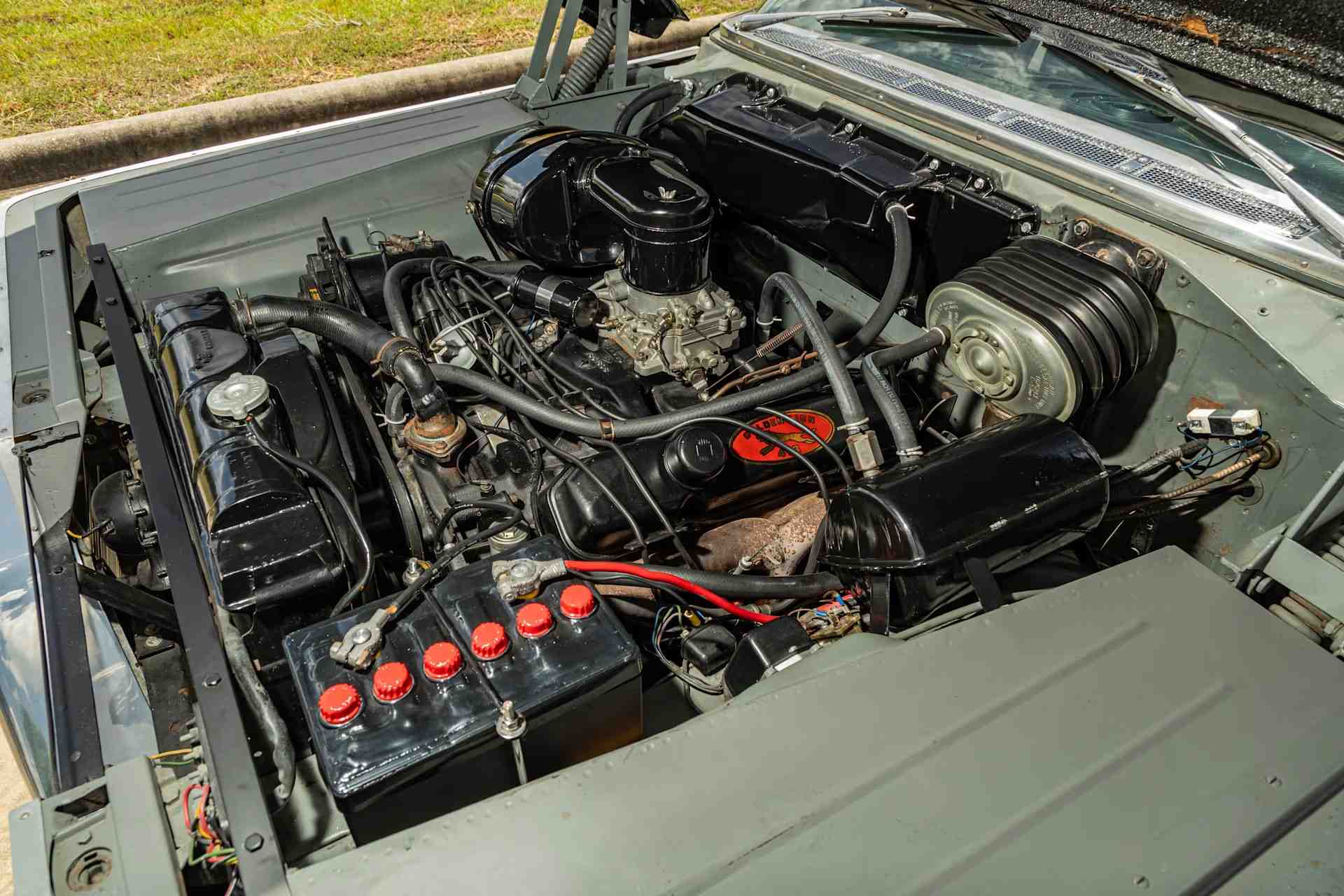
- Built on a 1959 Chrysler New Yorker chassis and powered by a 413 cubic-inch Golden Lion V8 producing 350 horsepower.
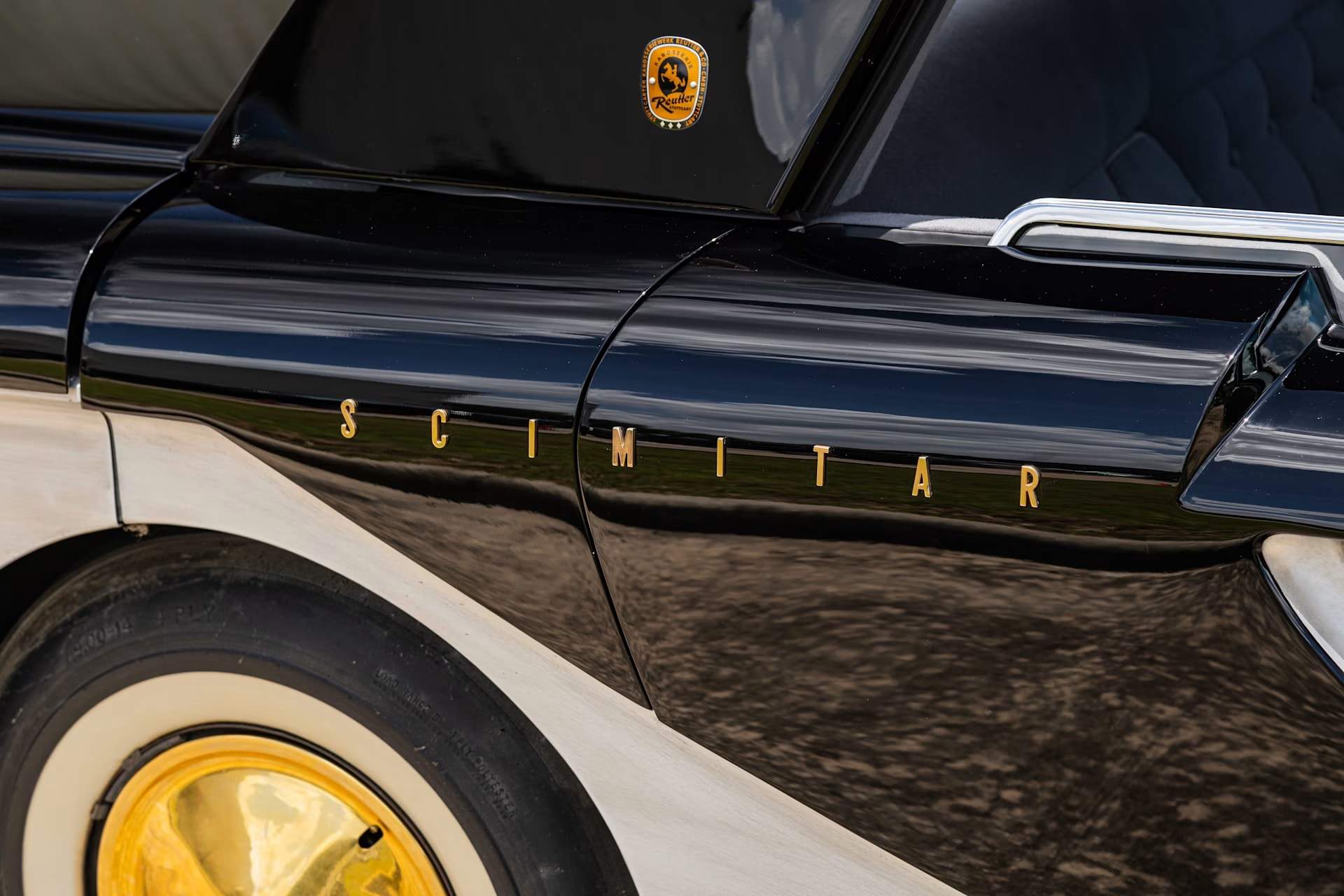
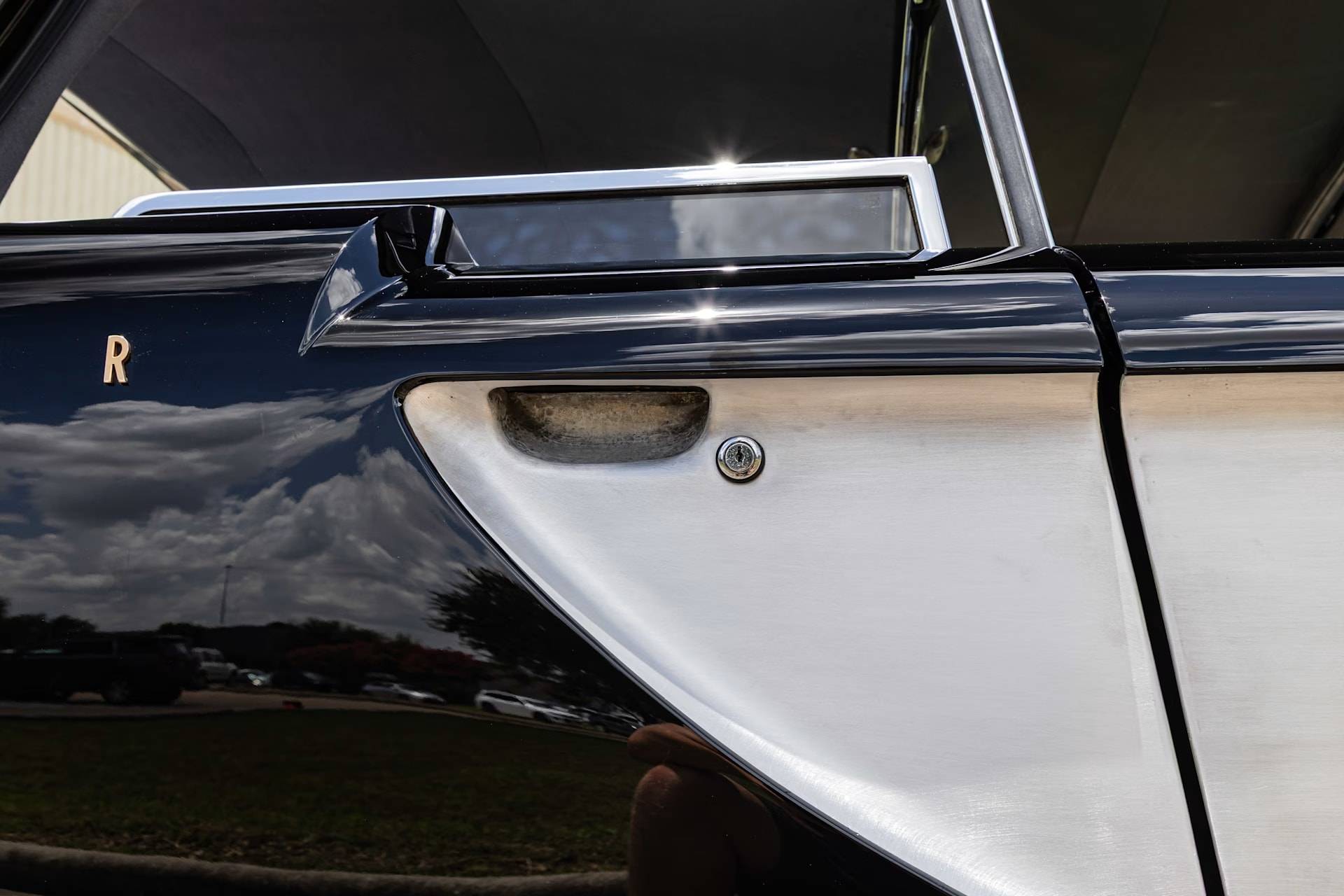
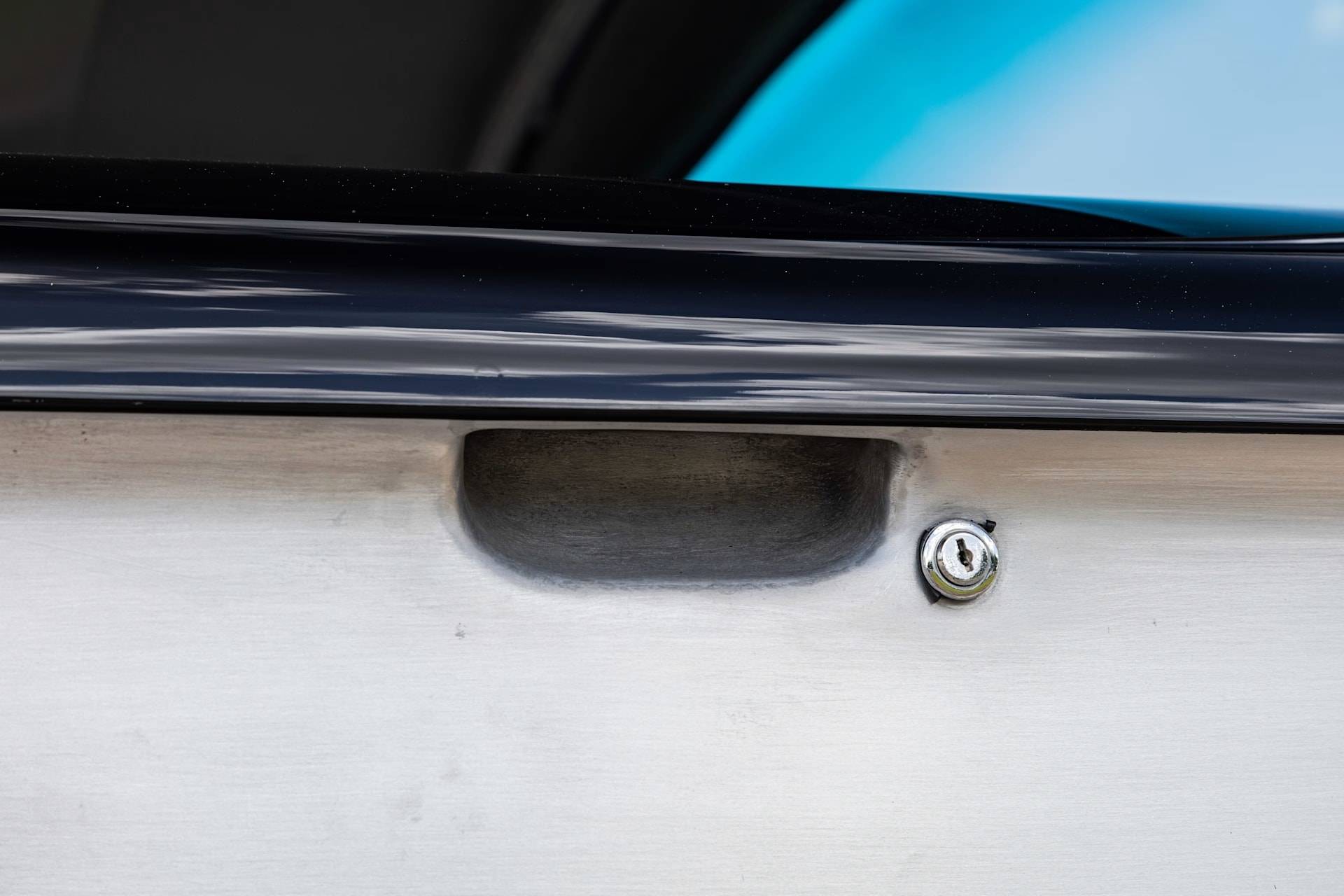
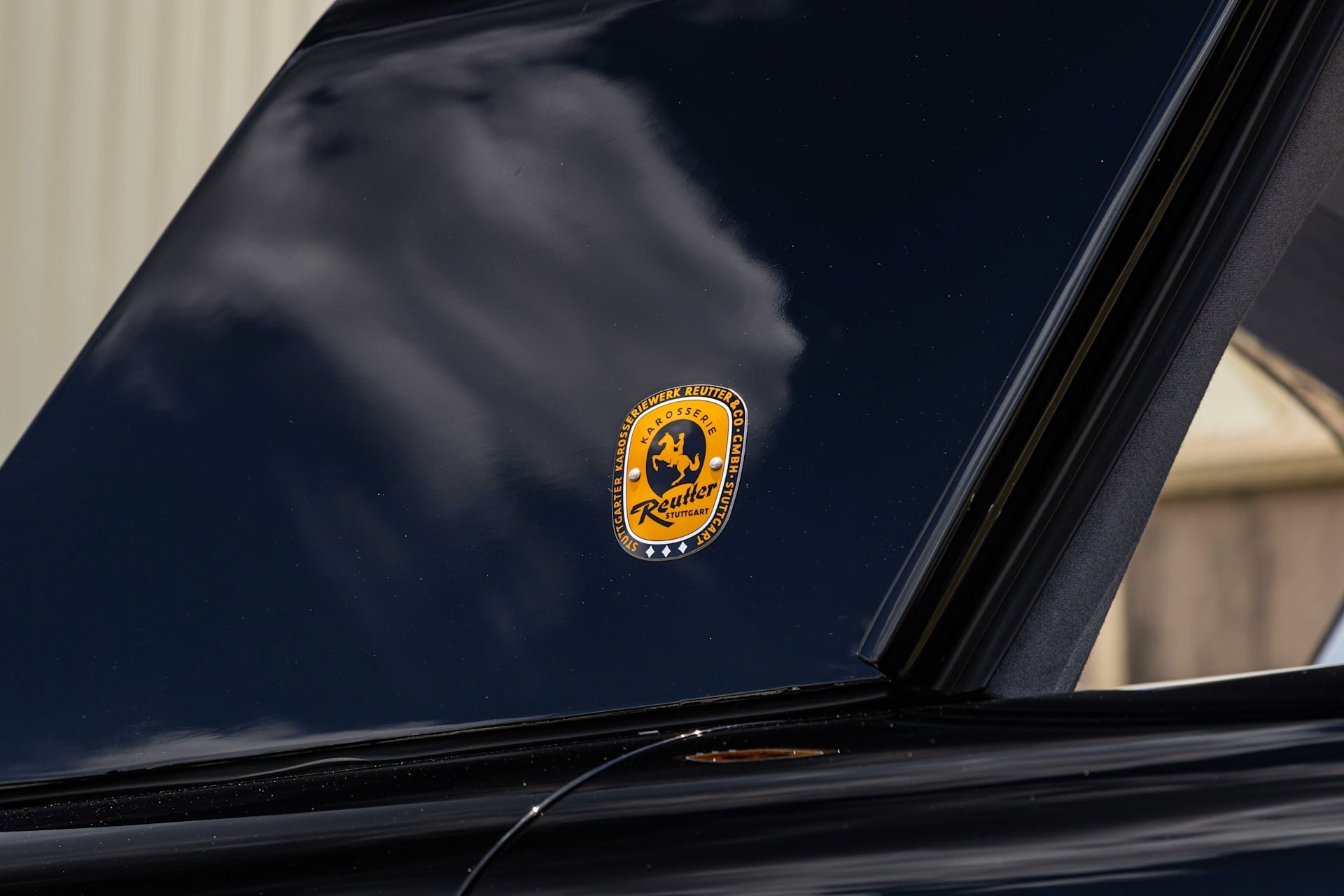
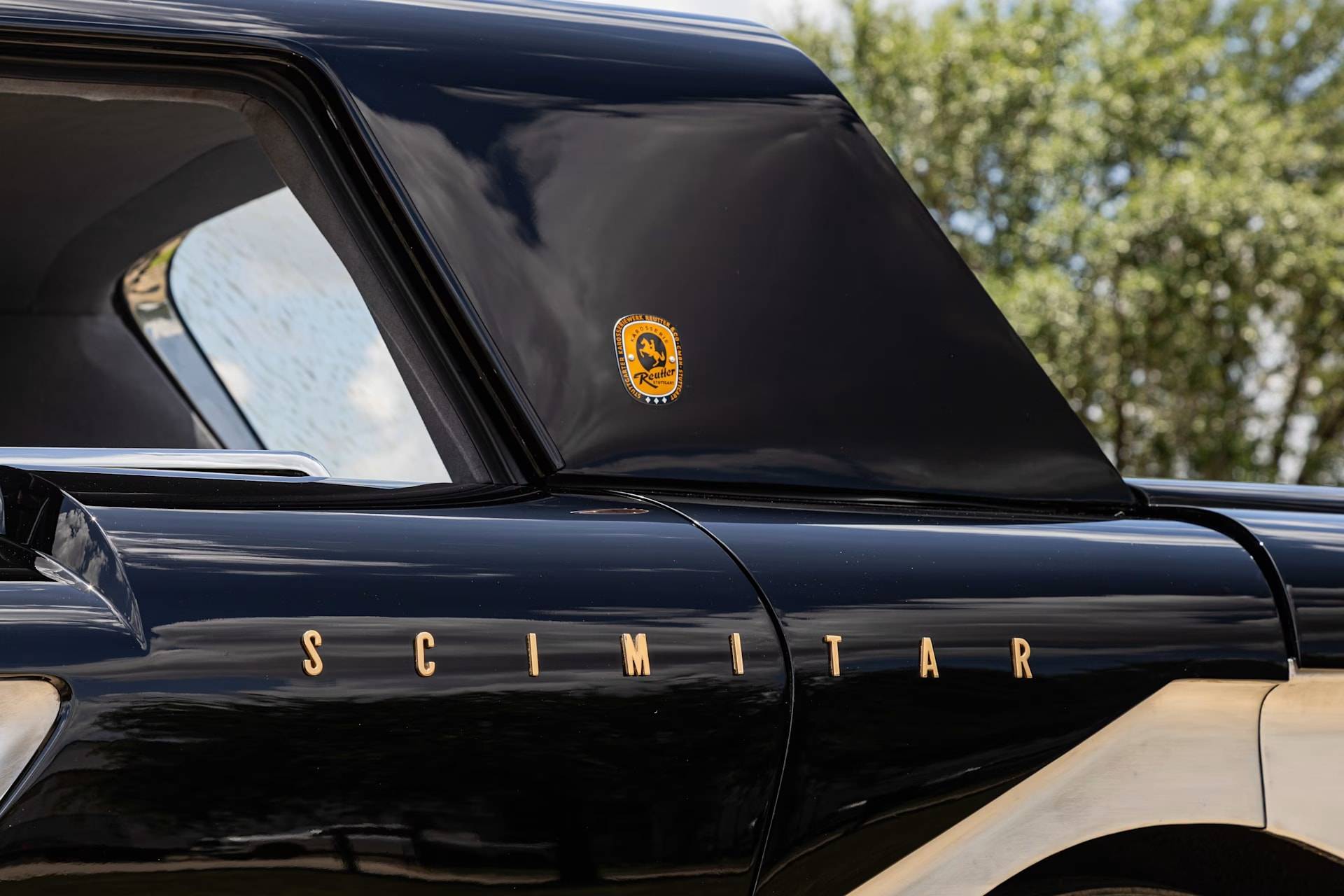
- Handcrafted in Stuttgart by Karosseriewerk Reutter using anodized brushed aluminum to showcase corrosion resistance.
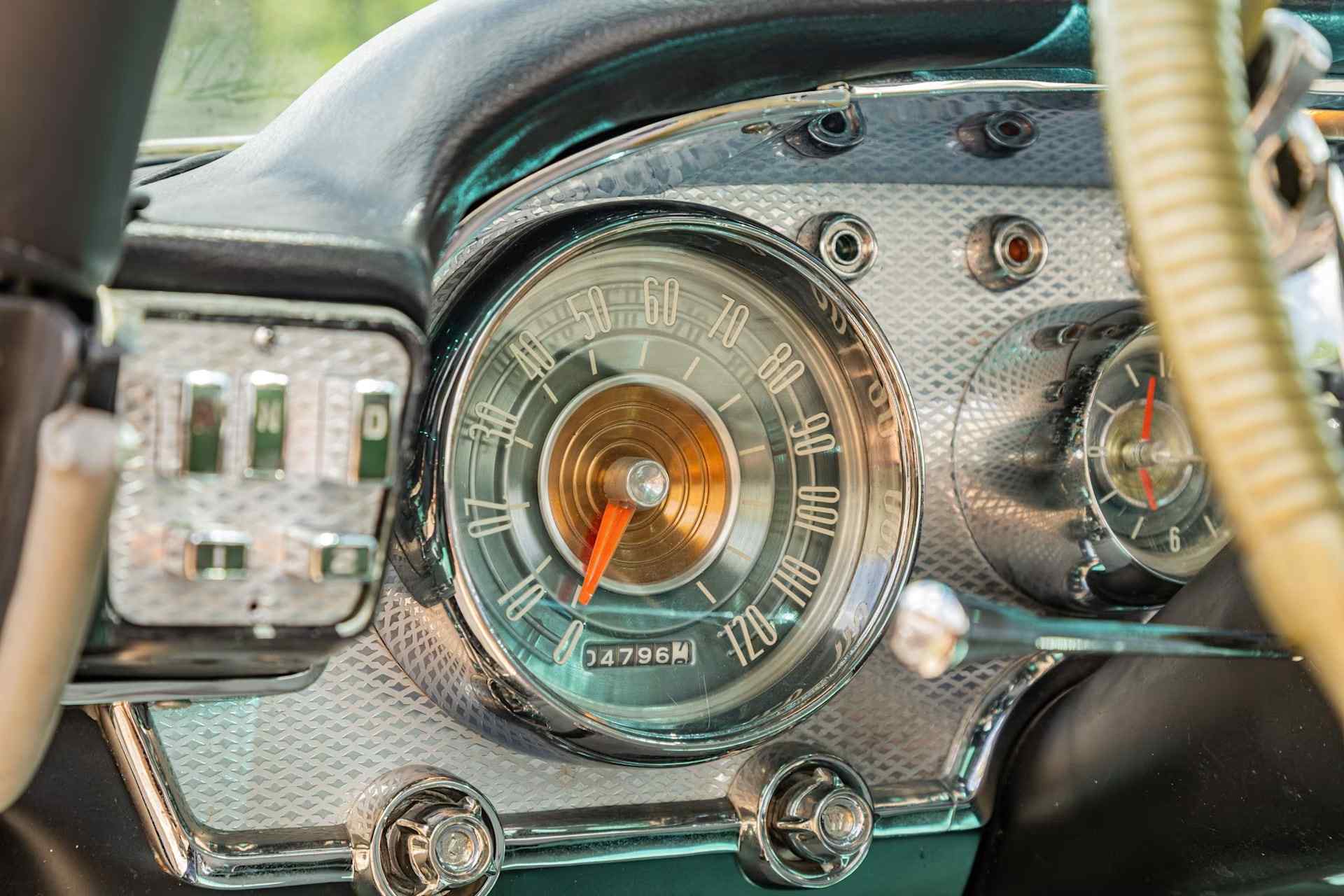
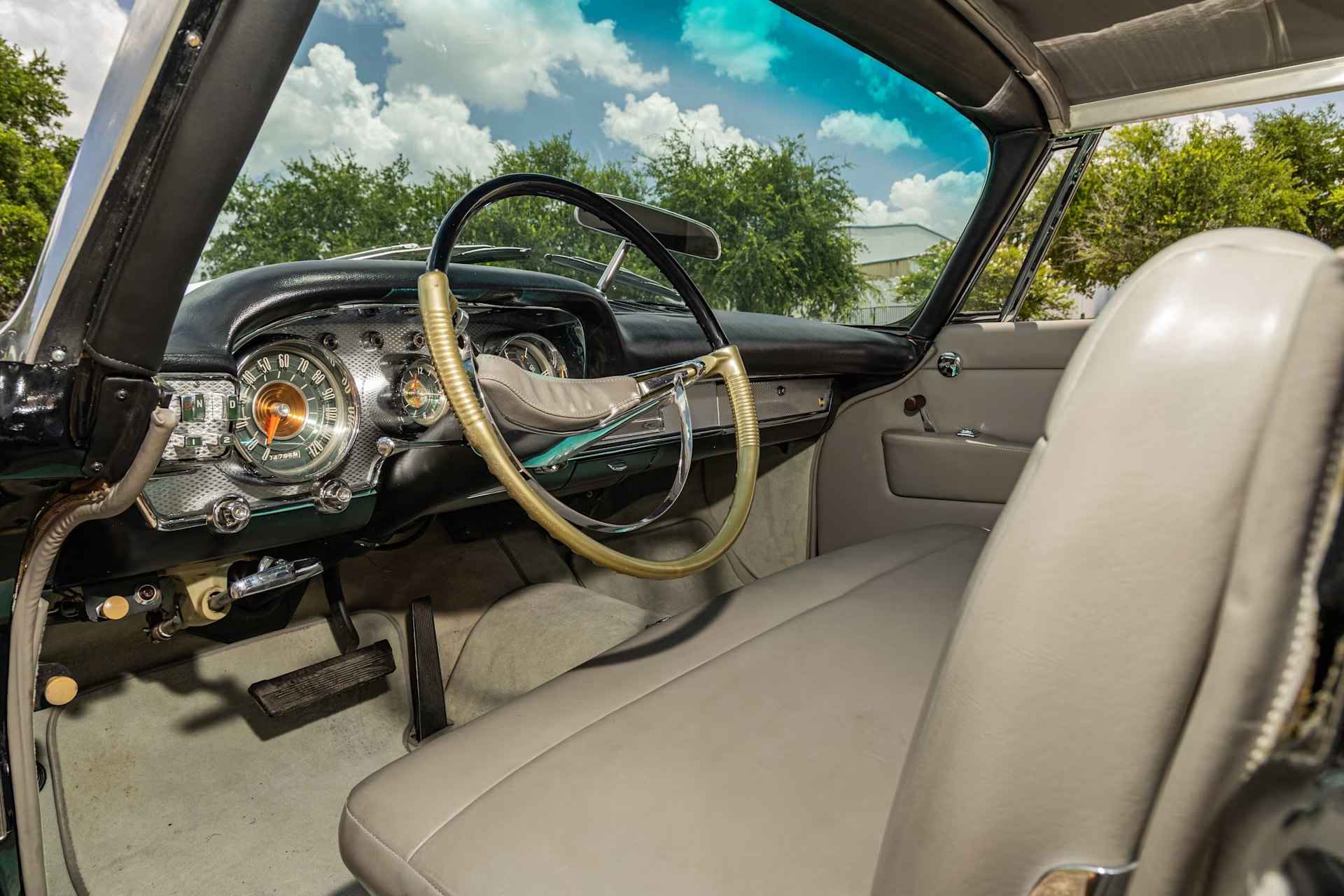
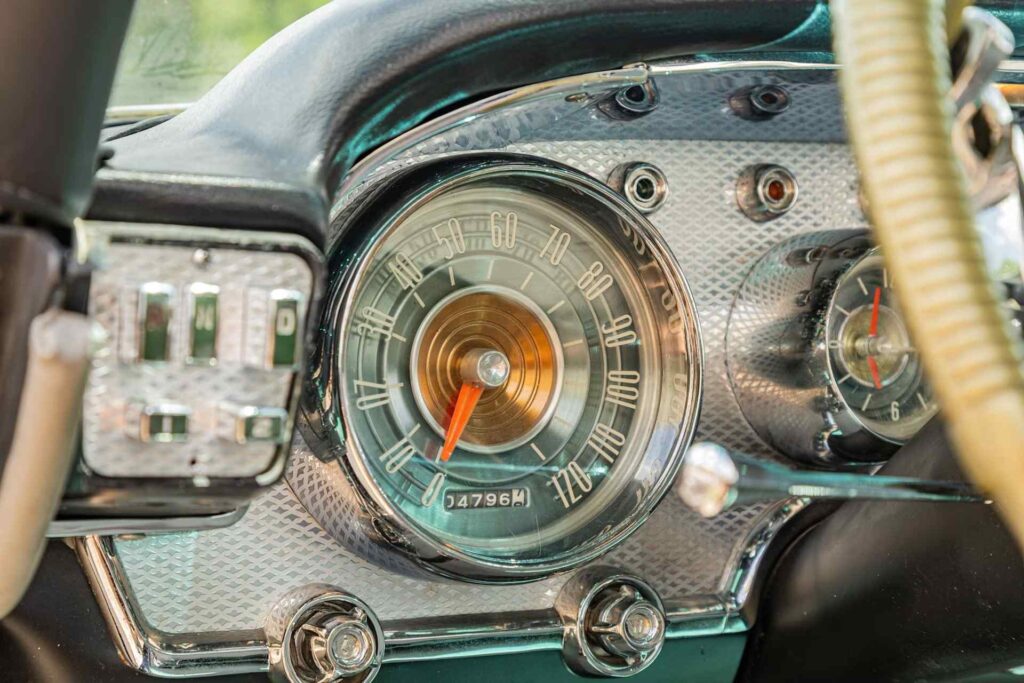
- Scheduled as a featured lot at Mecum Monterey auction from August 13 to 15, 2026, with 4,796 original miles.
In 1959, Virgil Exner’s “Forward Look” had redefined Chrysler styling, transforming full-size sedans into sleek, finned statements of Detroit confidence. Then an unlikely partnership produced three concept cars that shattered every design convention of the era.
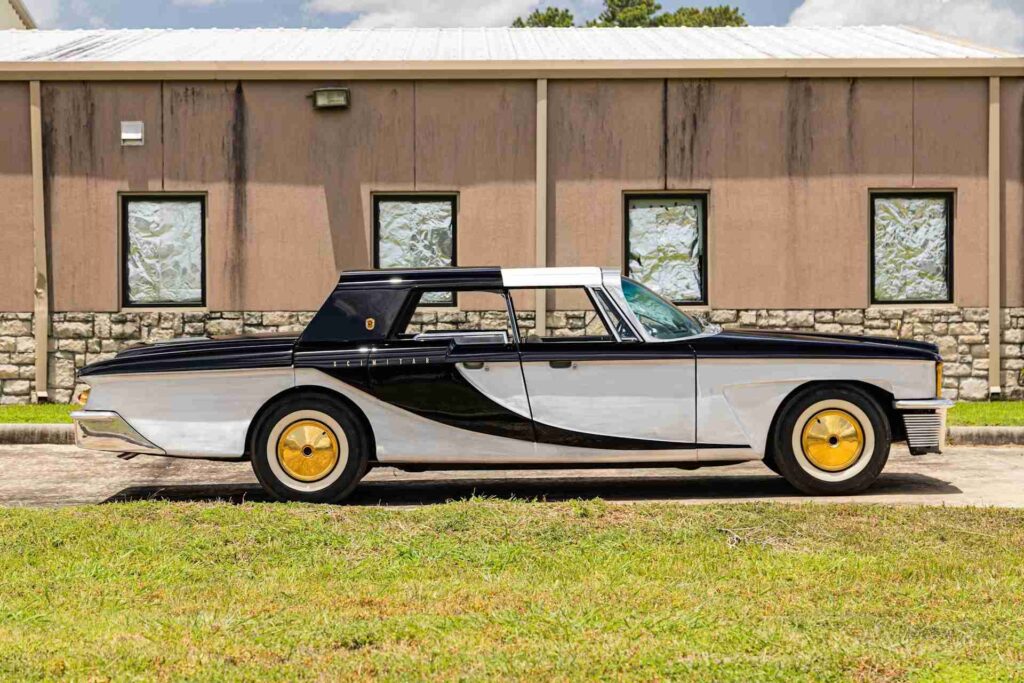
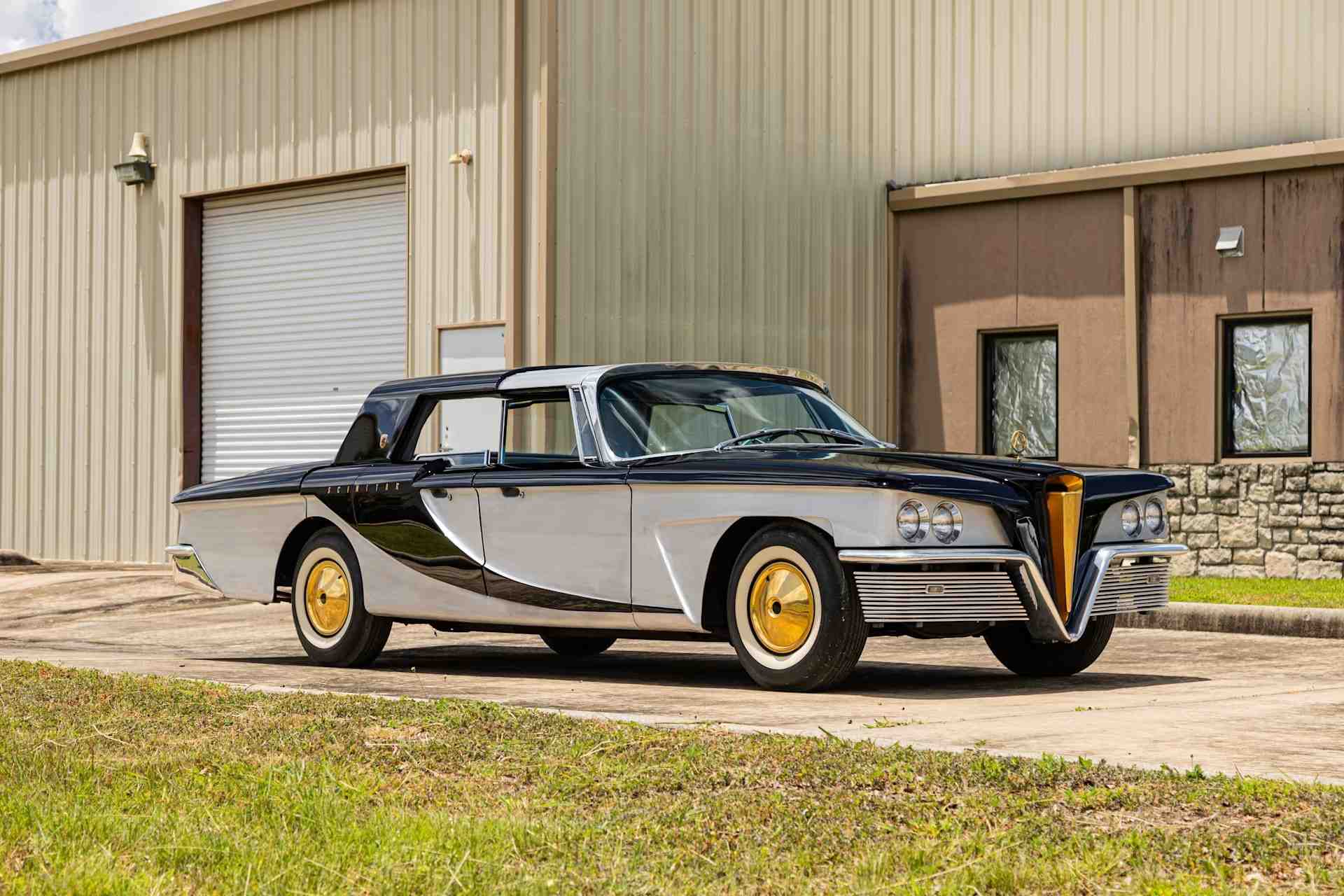
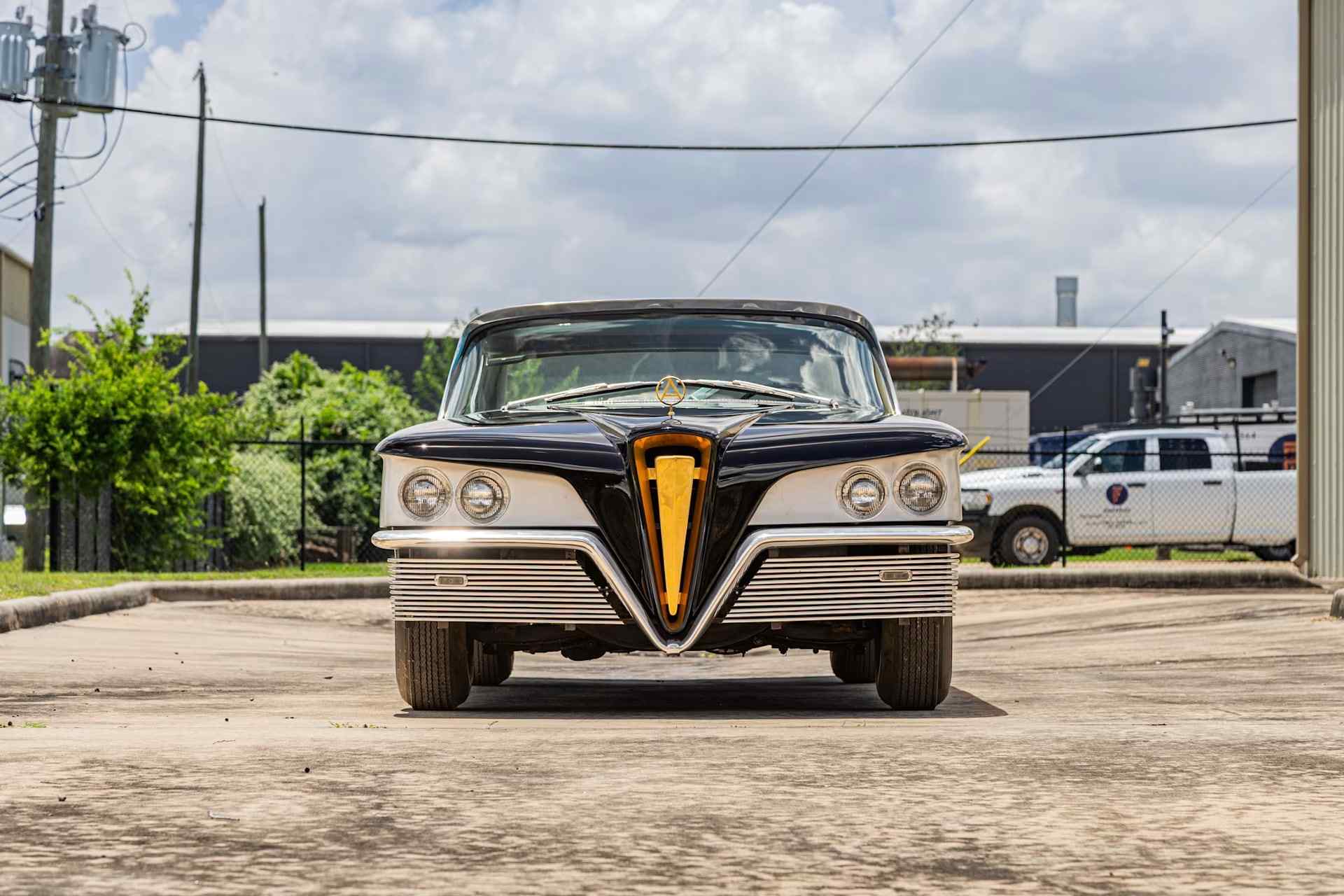
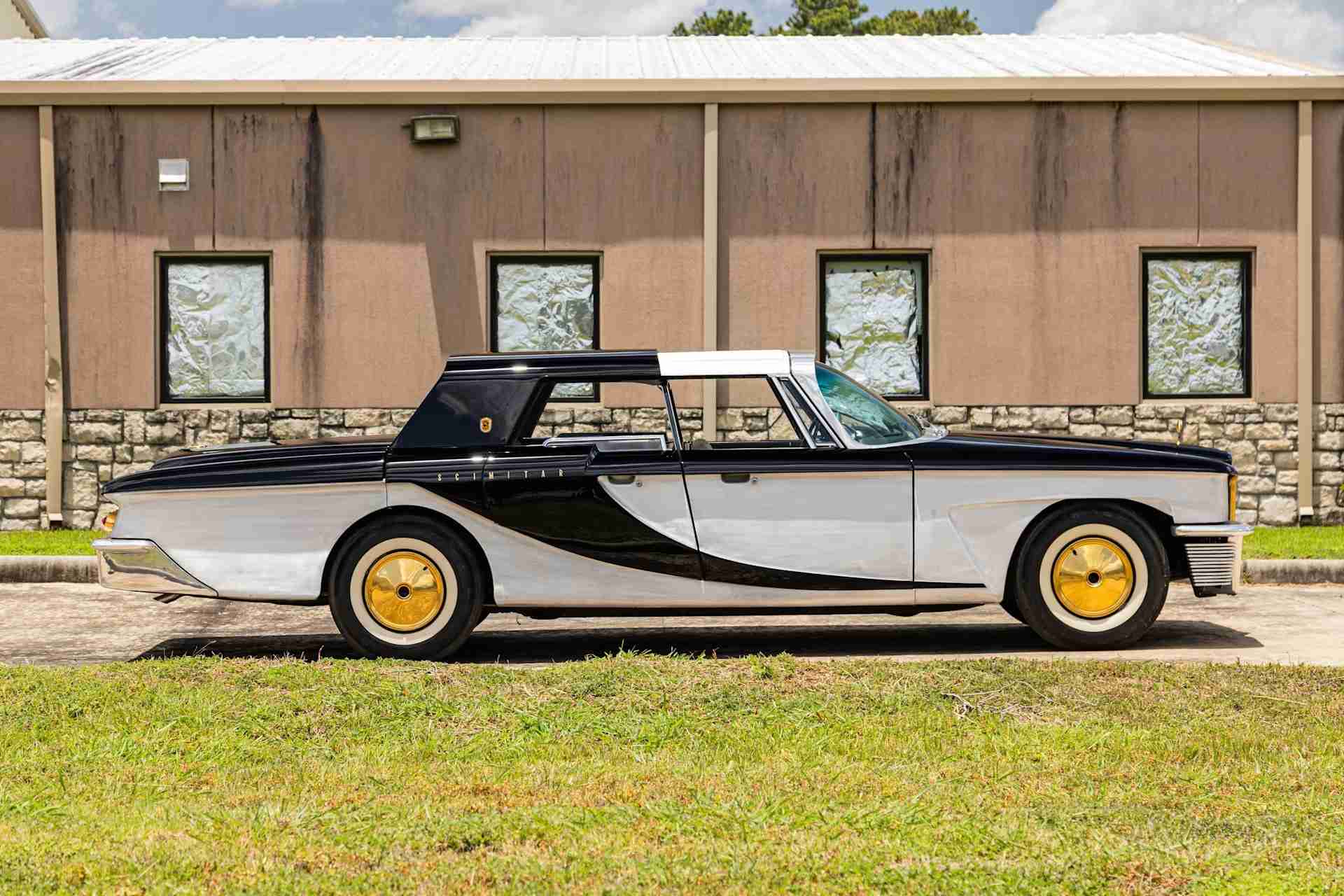
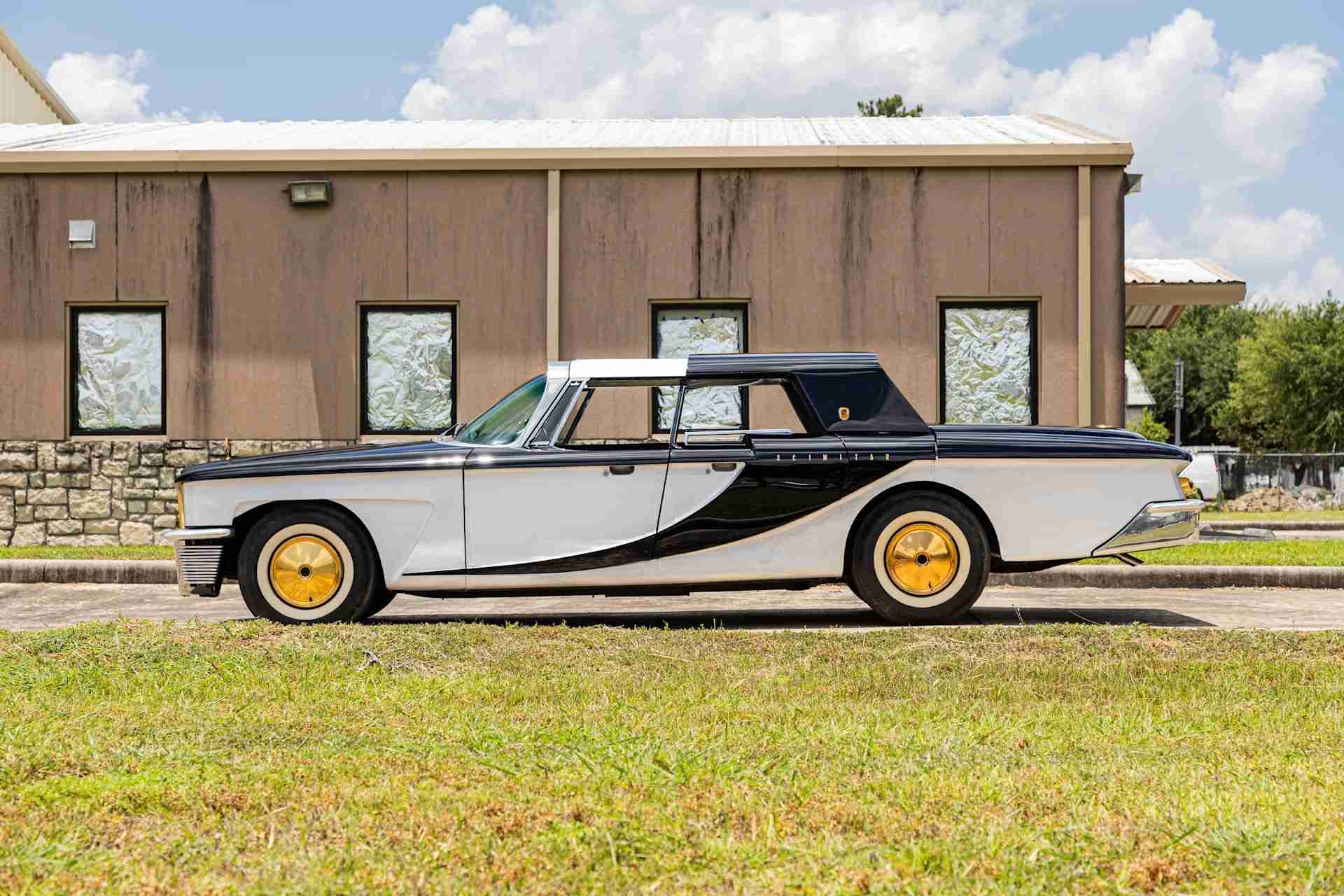
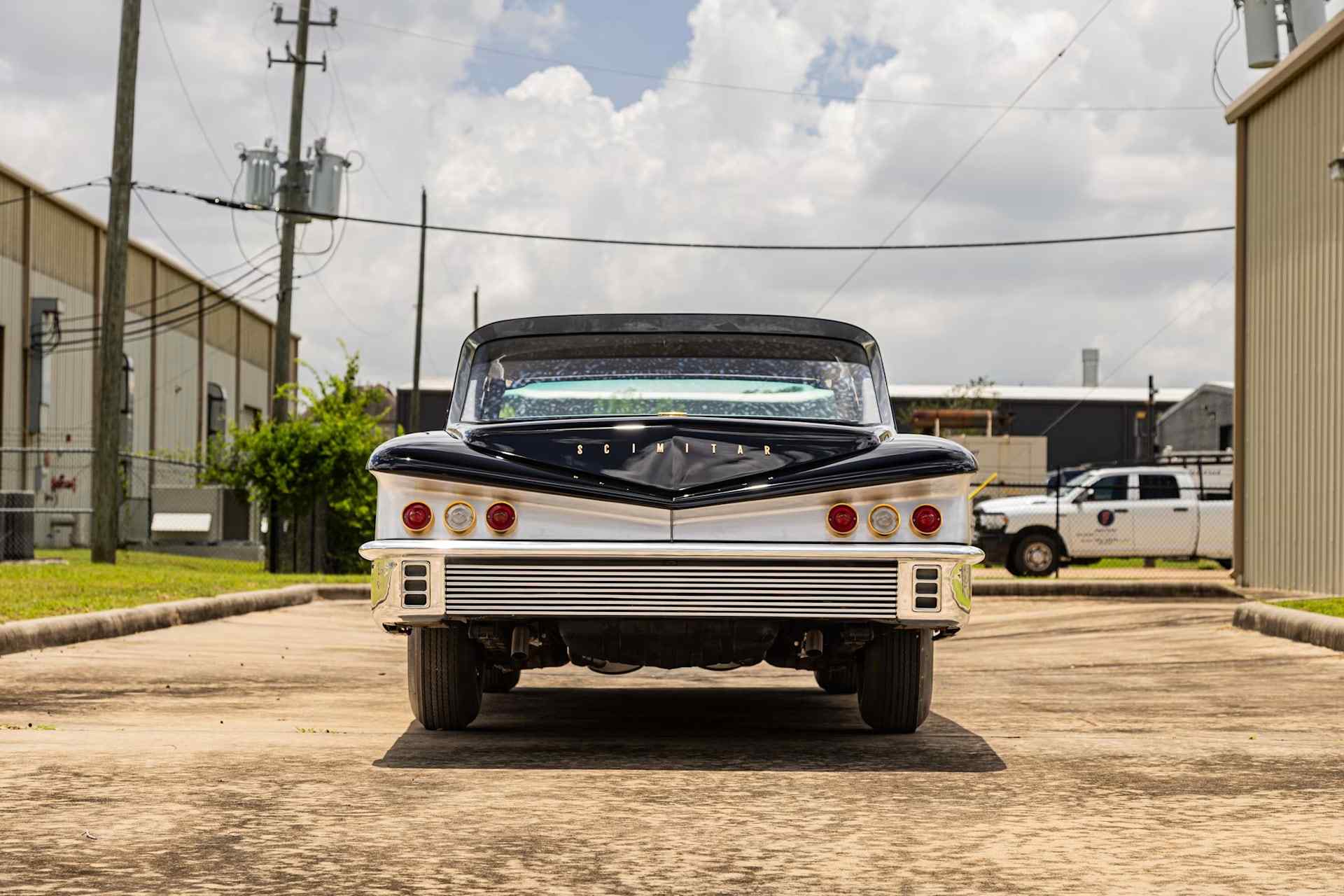
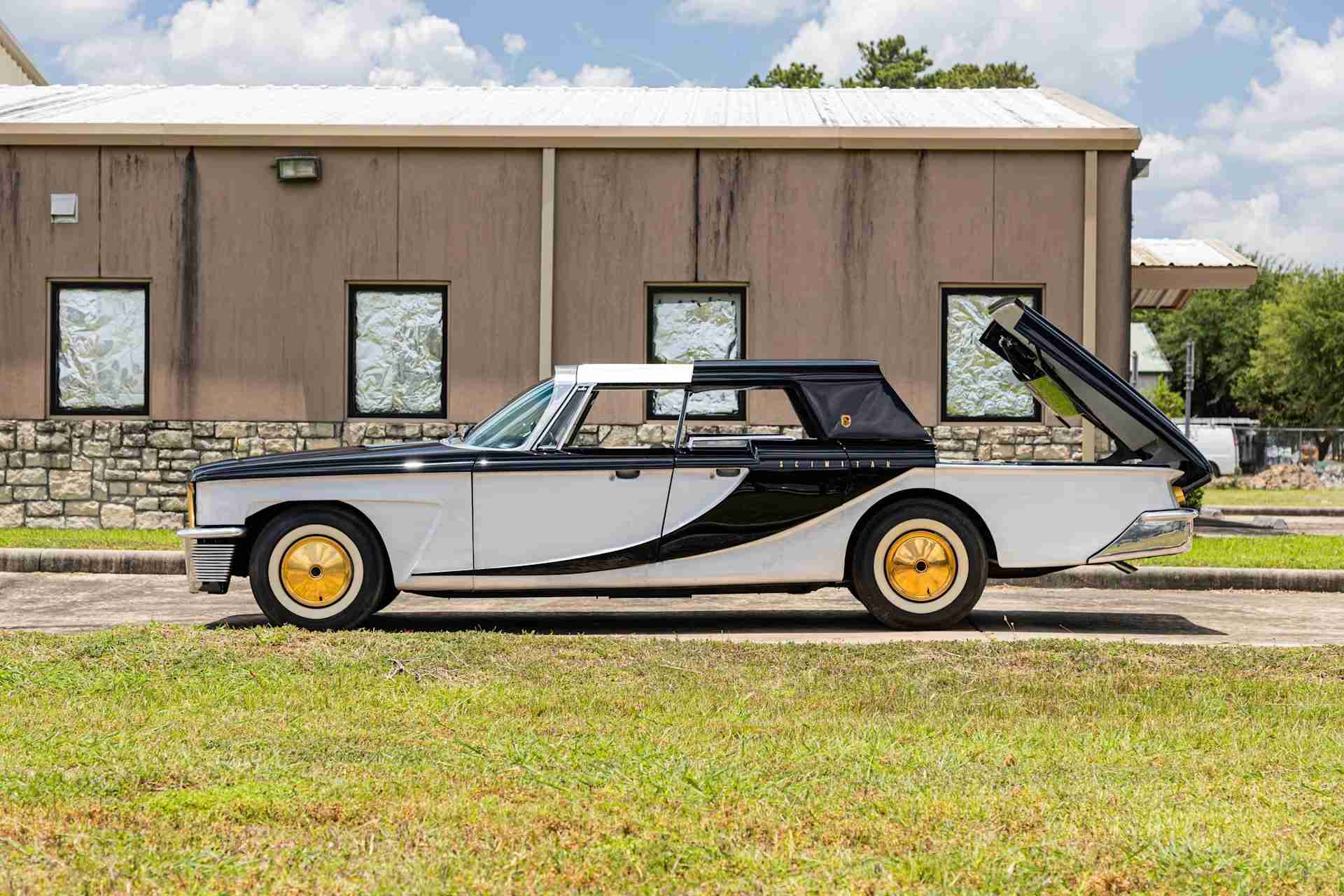
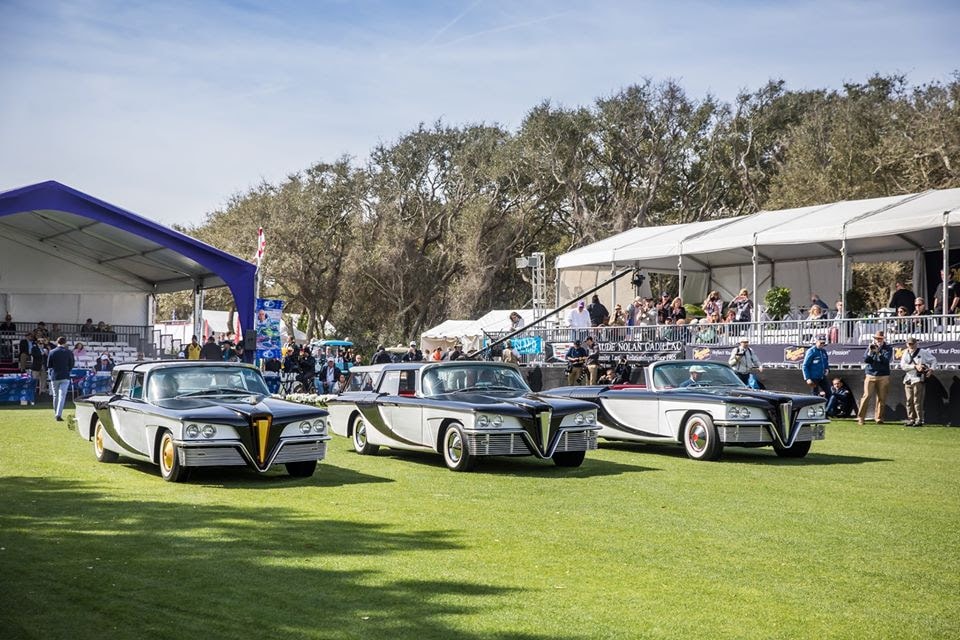
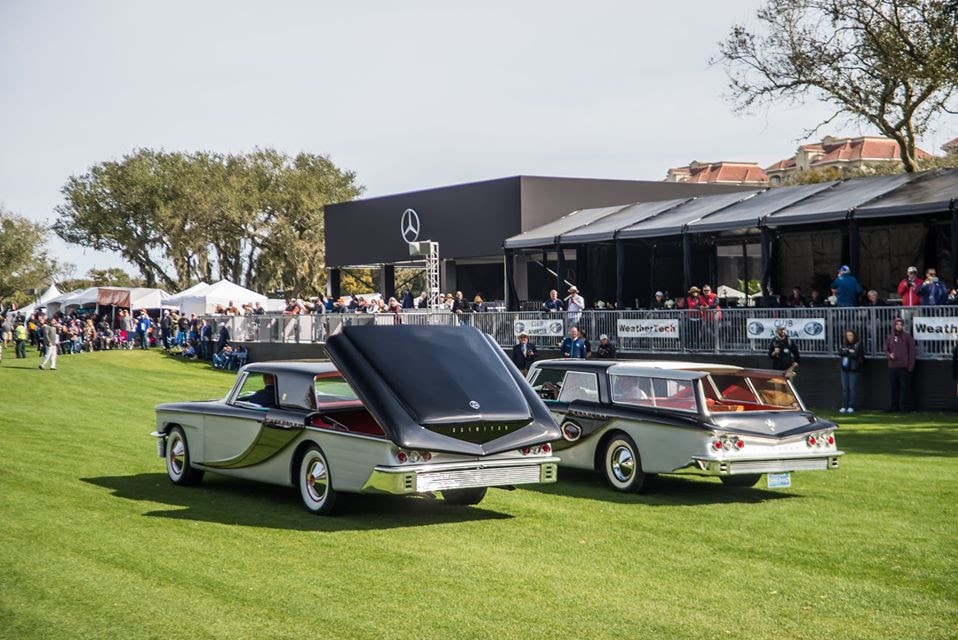
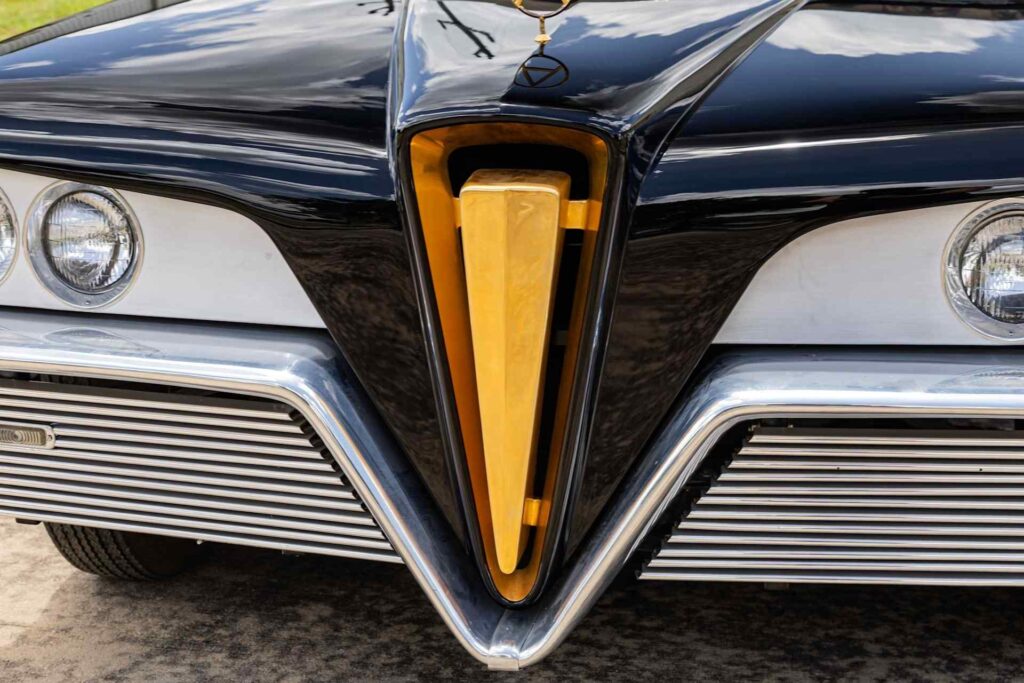
The 1959 Chrysler Scimitar Town Car Phaeton emerged from a collaboration between industrial designer Brooks Stevens and the Olin Mathieson Chemical Corporation. Olin wanted to prove that anodized brushed aluminum could replace steel in corrosion-prone areas, and Stevens delivered the proof in the most confrontational package imaginable. The result looked like a deliberate collision between an Edsel, a Studebaker, and a Chevrolet Impala, trading automotive grace for raw industrial brutalism.
Design and Construction
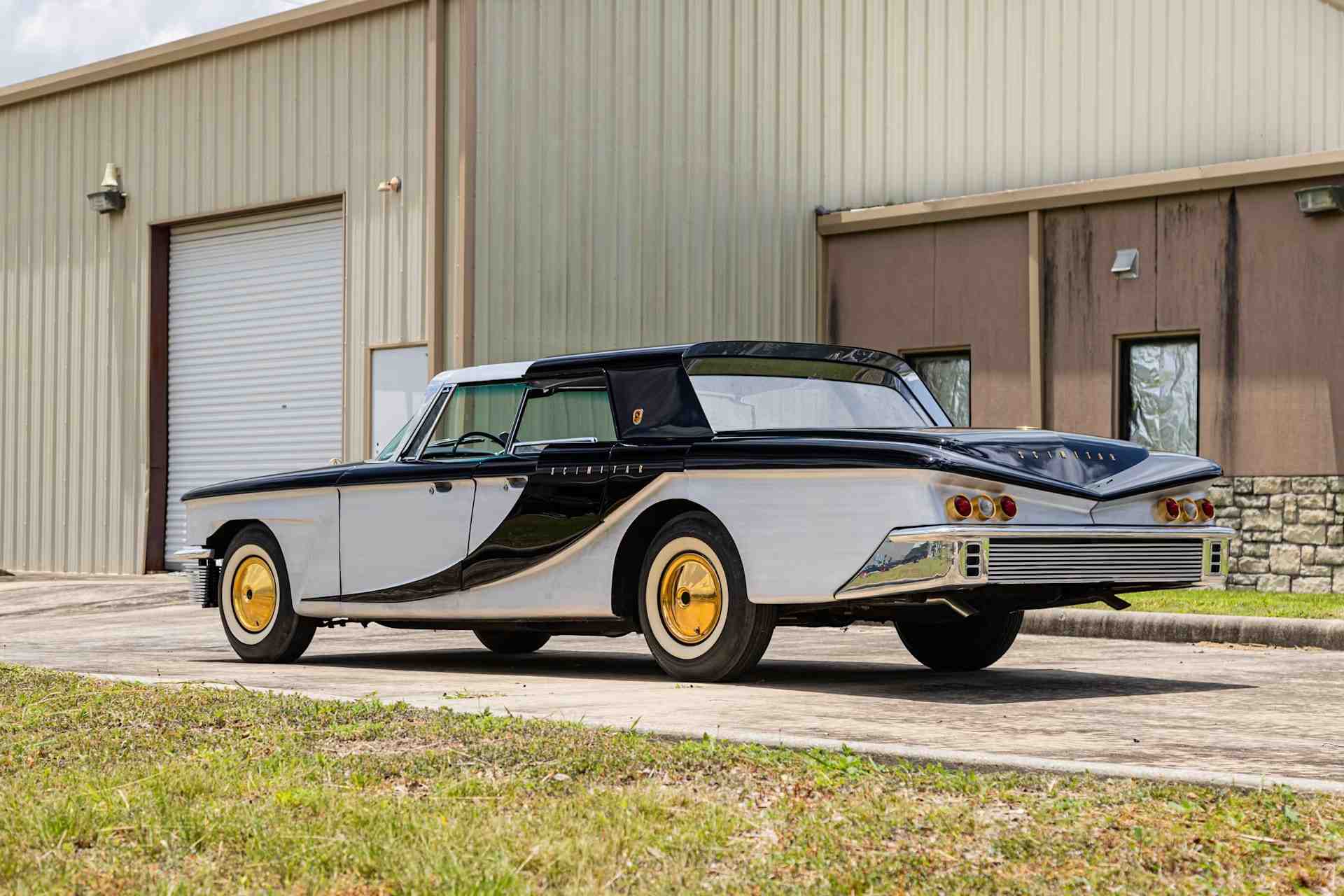
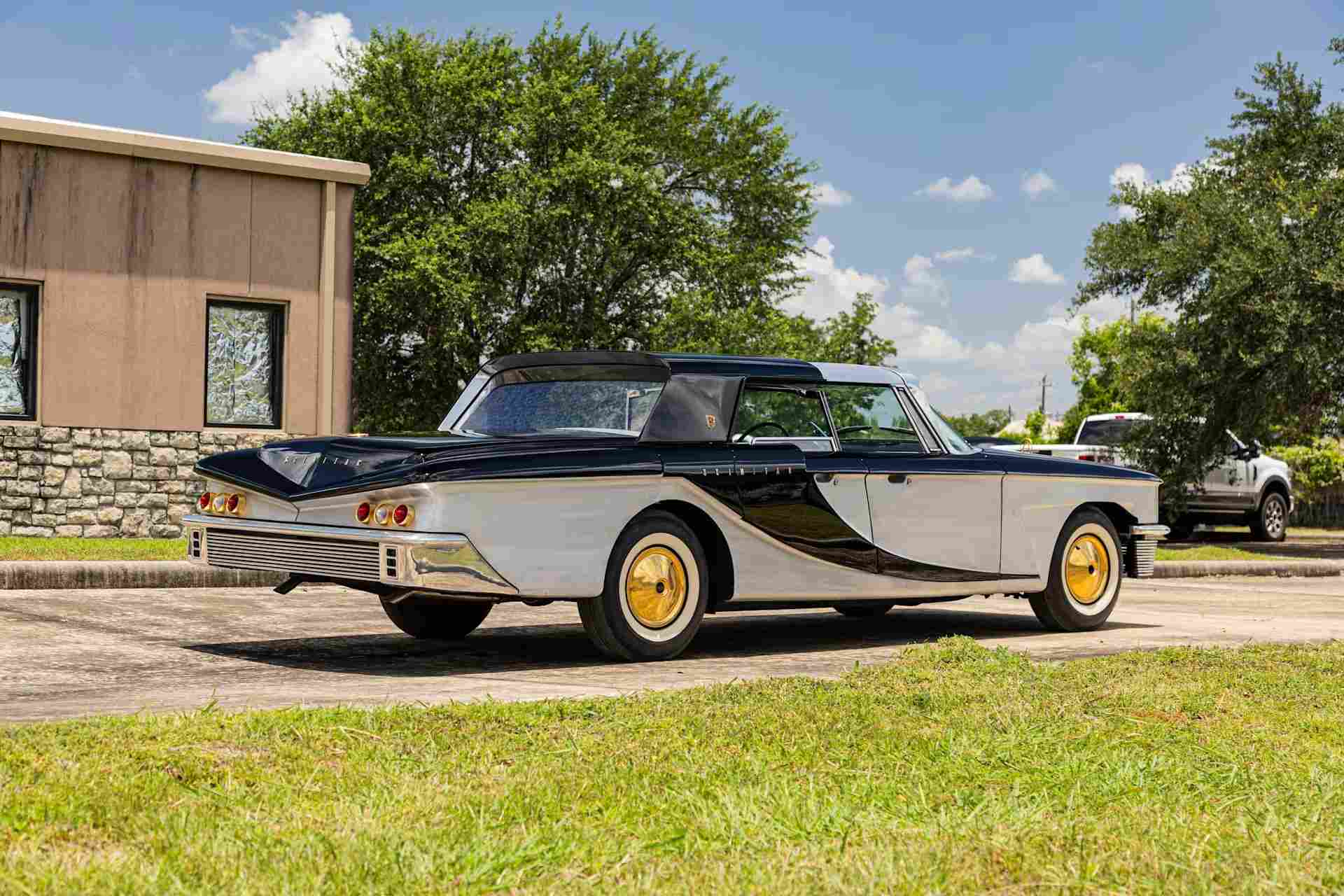
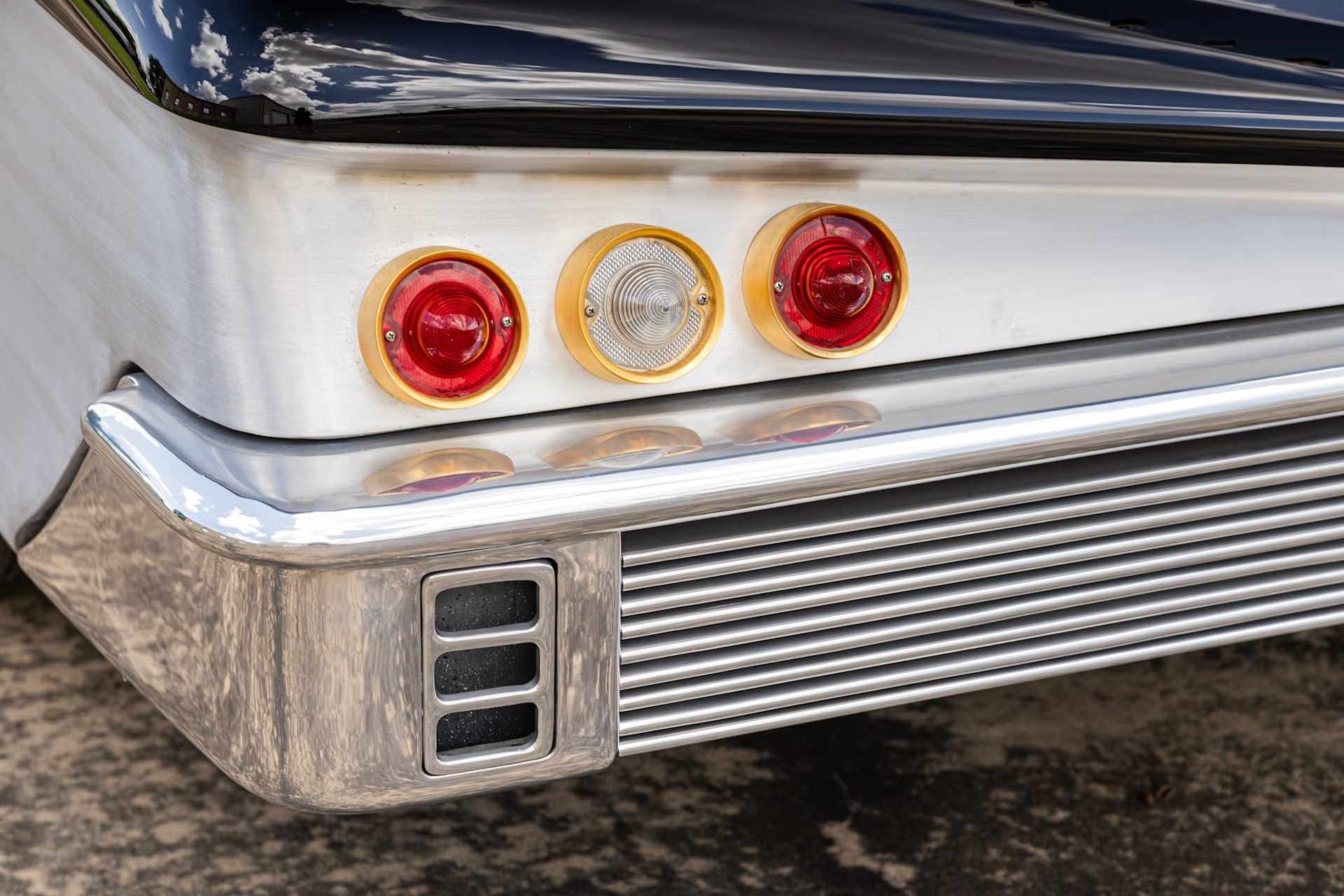
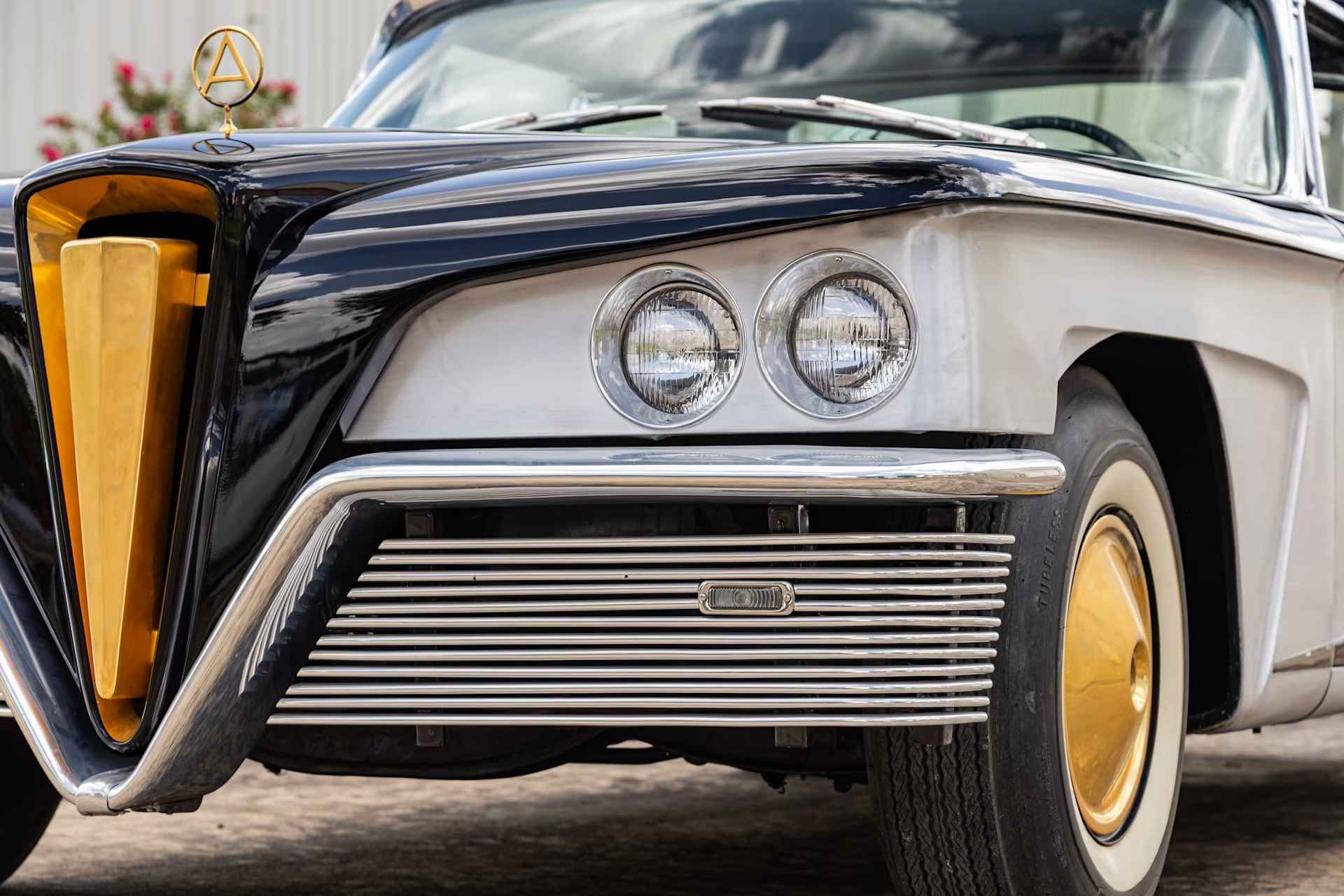
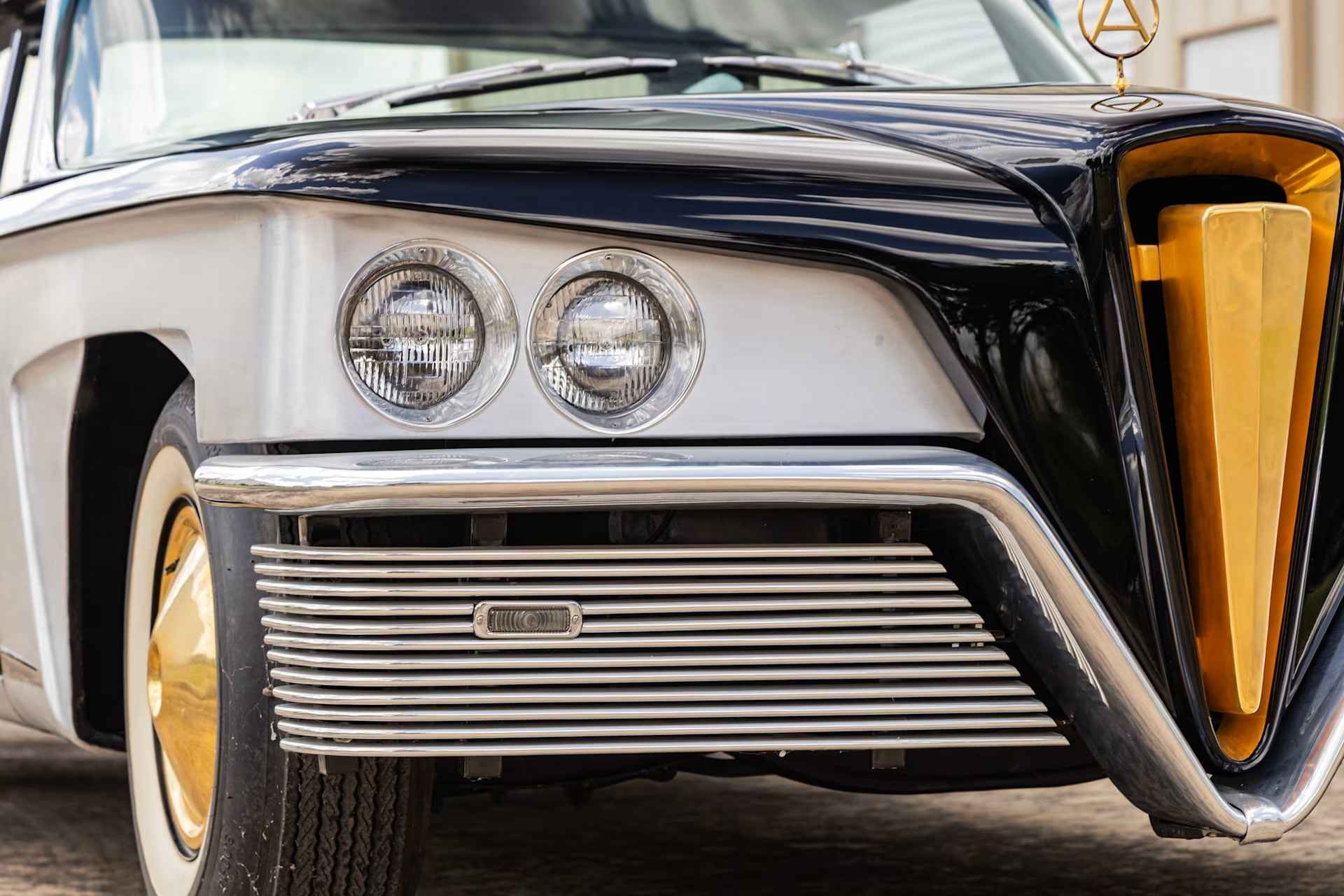
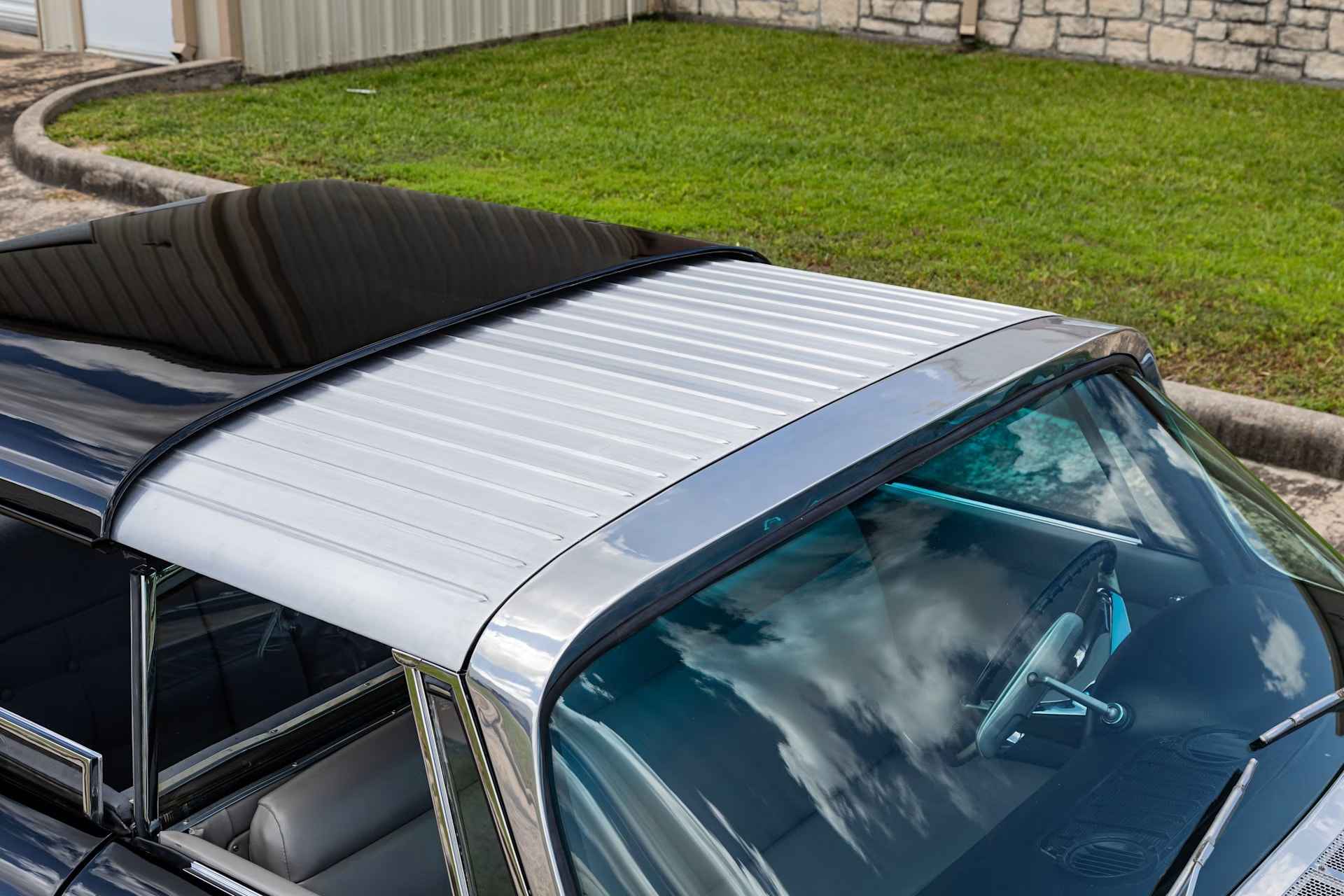
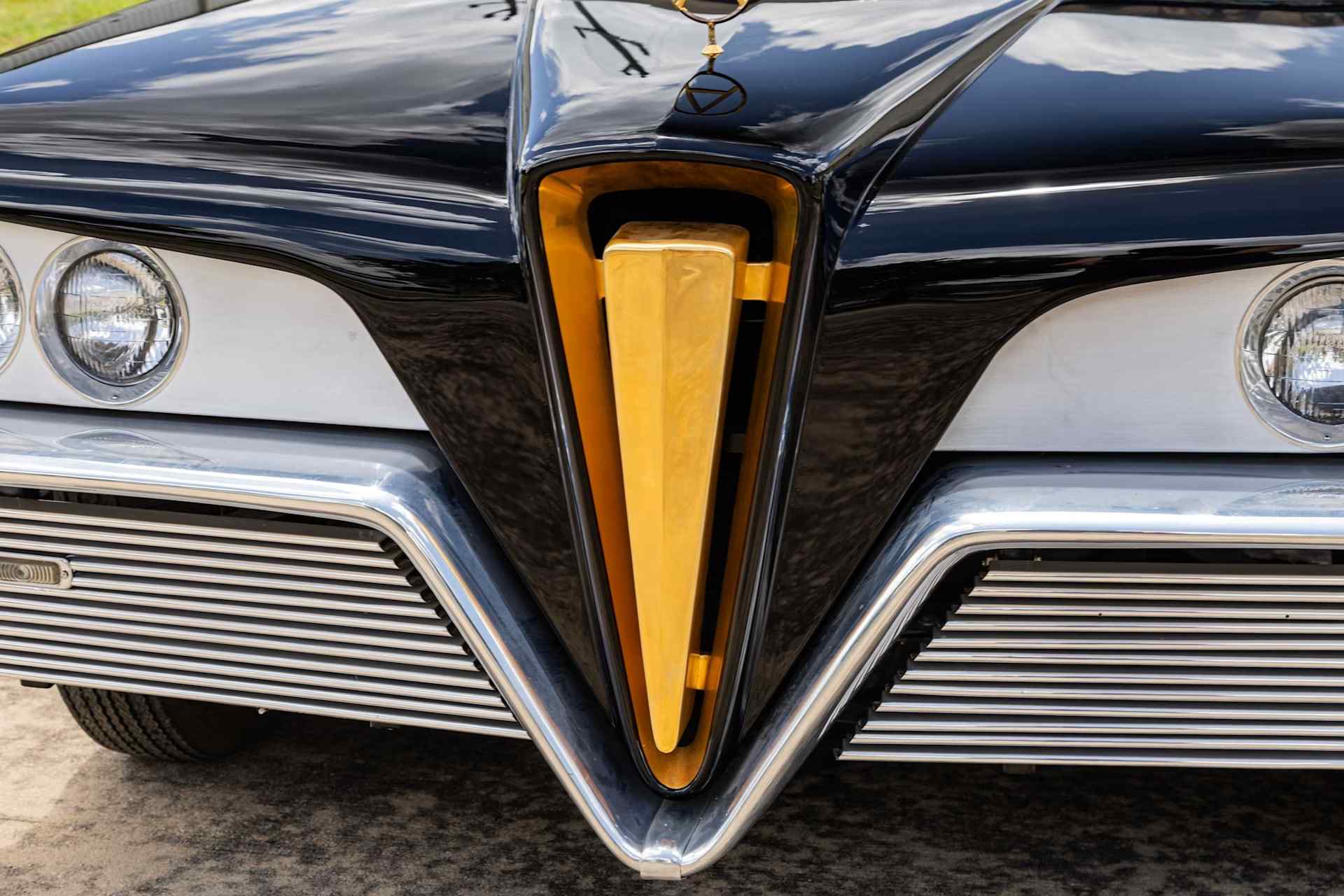
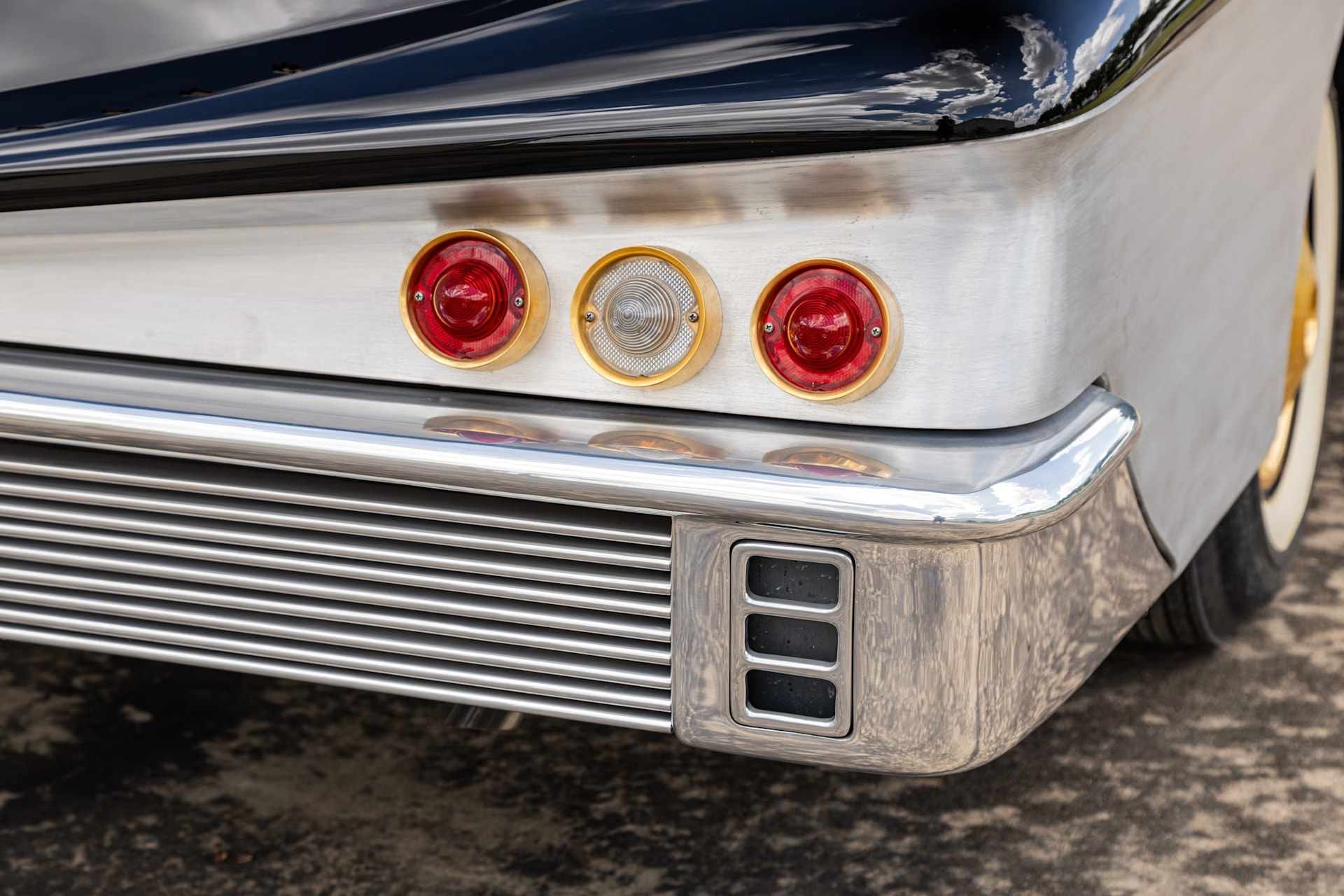
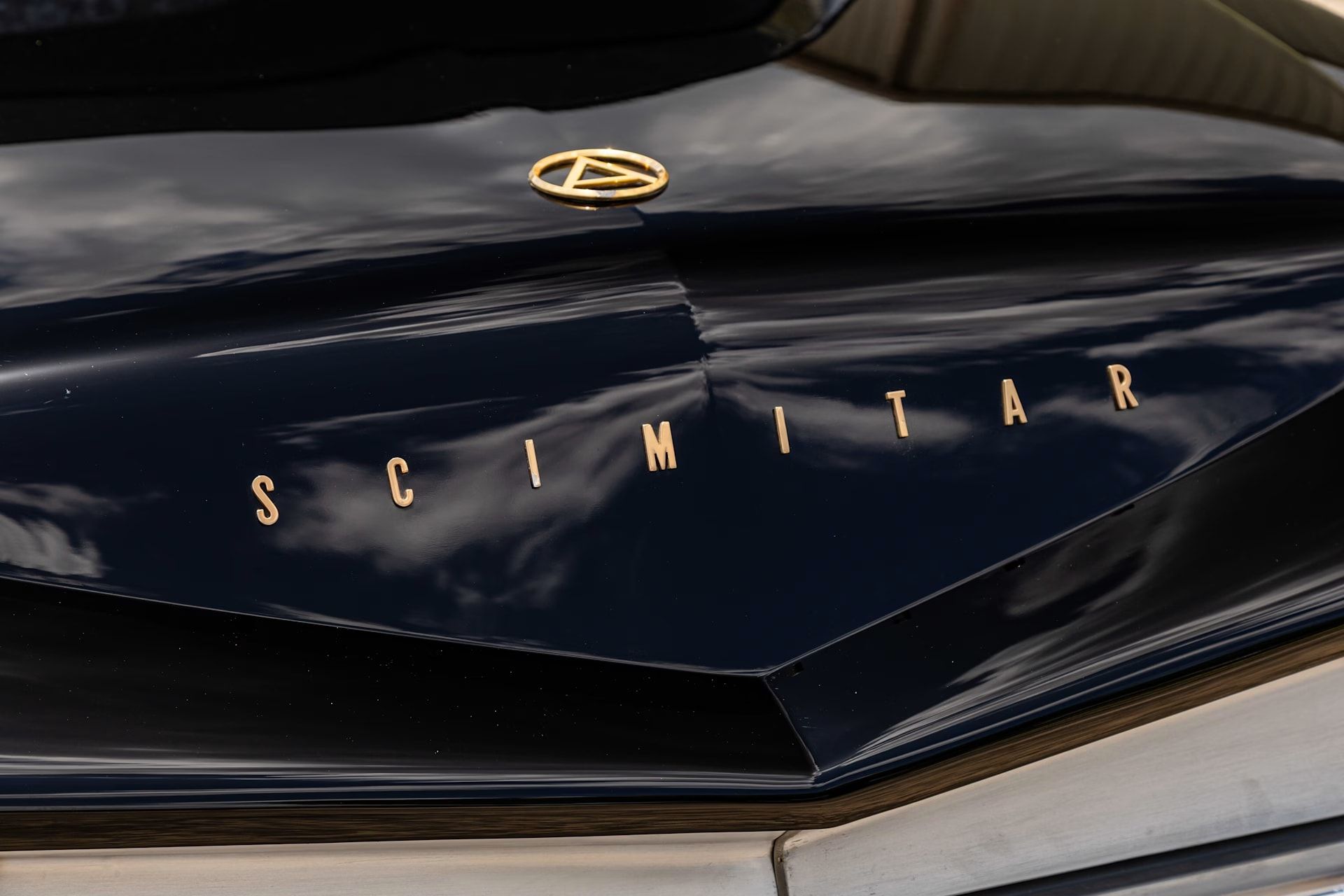
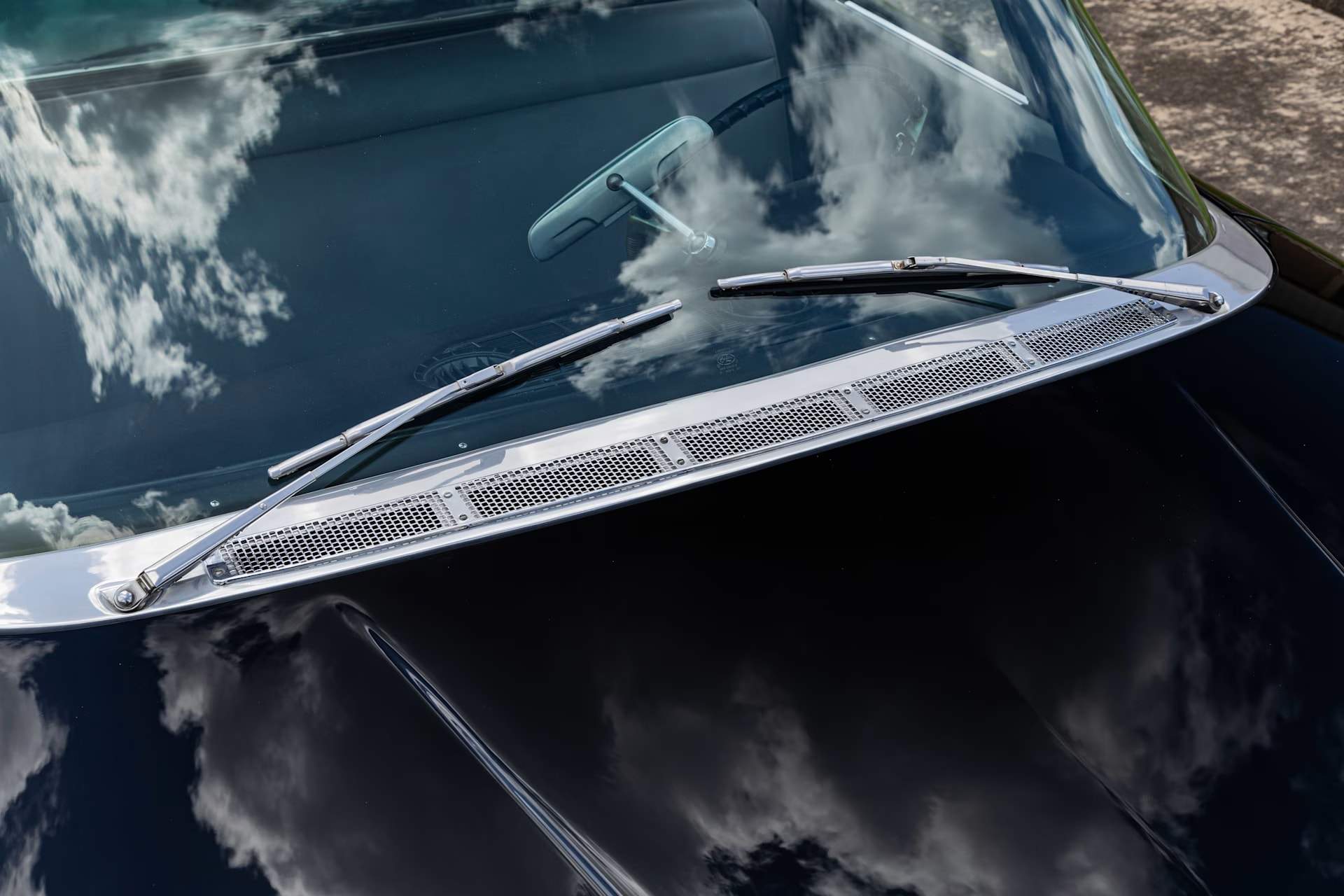
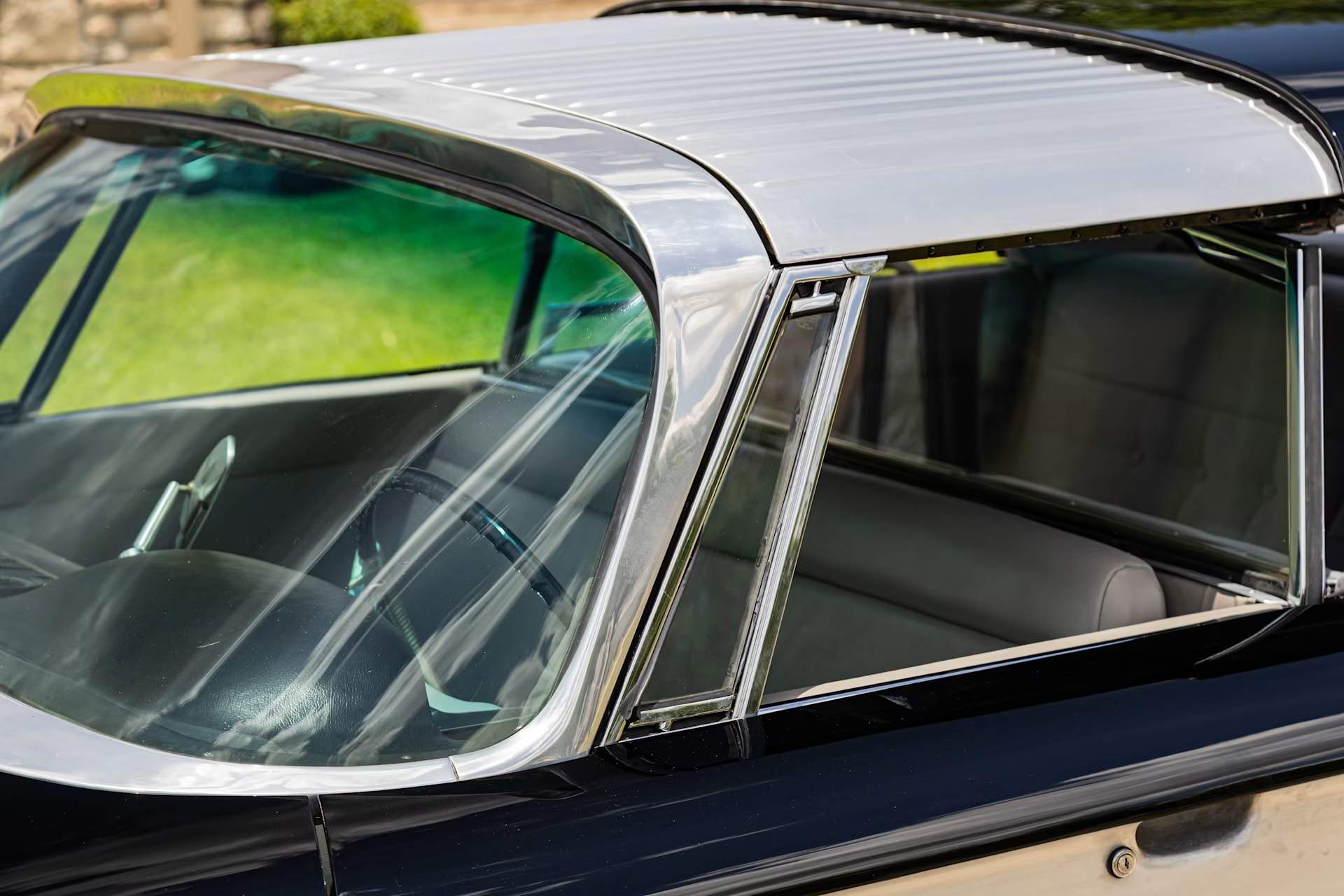
Stevens bypassed Detroit entirely and contracted Karosseriewerk Reutter in Stuttgart, Germany, to handcraft the coachwork. Reutter, the respected builder of early Porsche 356 bodies, applied the same precision to the Scimitar program. Anodized brushed aluminum covered the fenders, bumpers, and front grille, contrasted against sculpted black steel inserts sweeping along the flanks. That sharp curve where the two metals met resembled a Turkish scimitar sword, giving the experimental fleet its name.
Mechanical Foundation
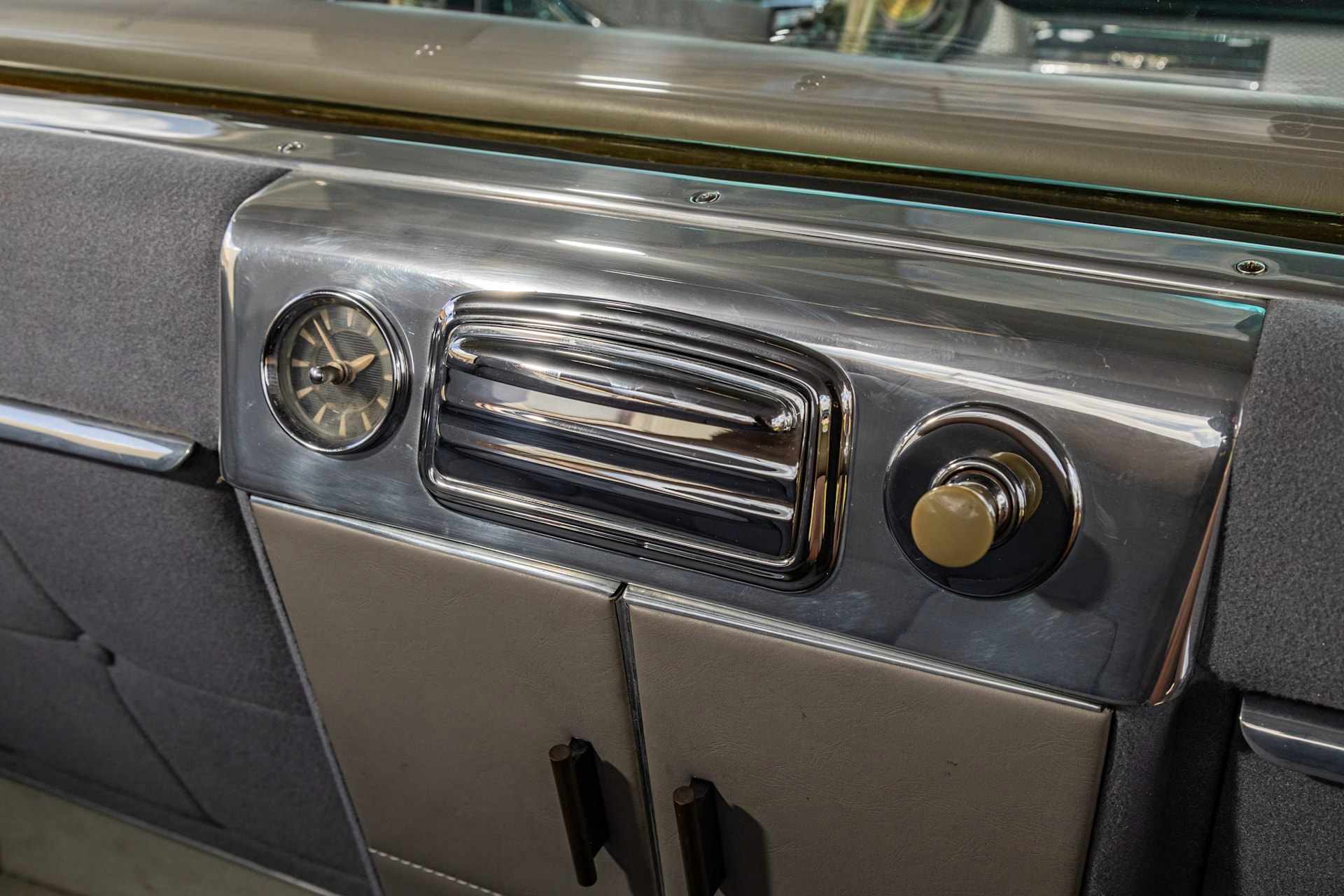
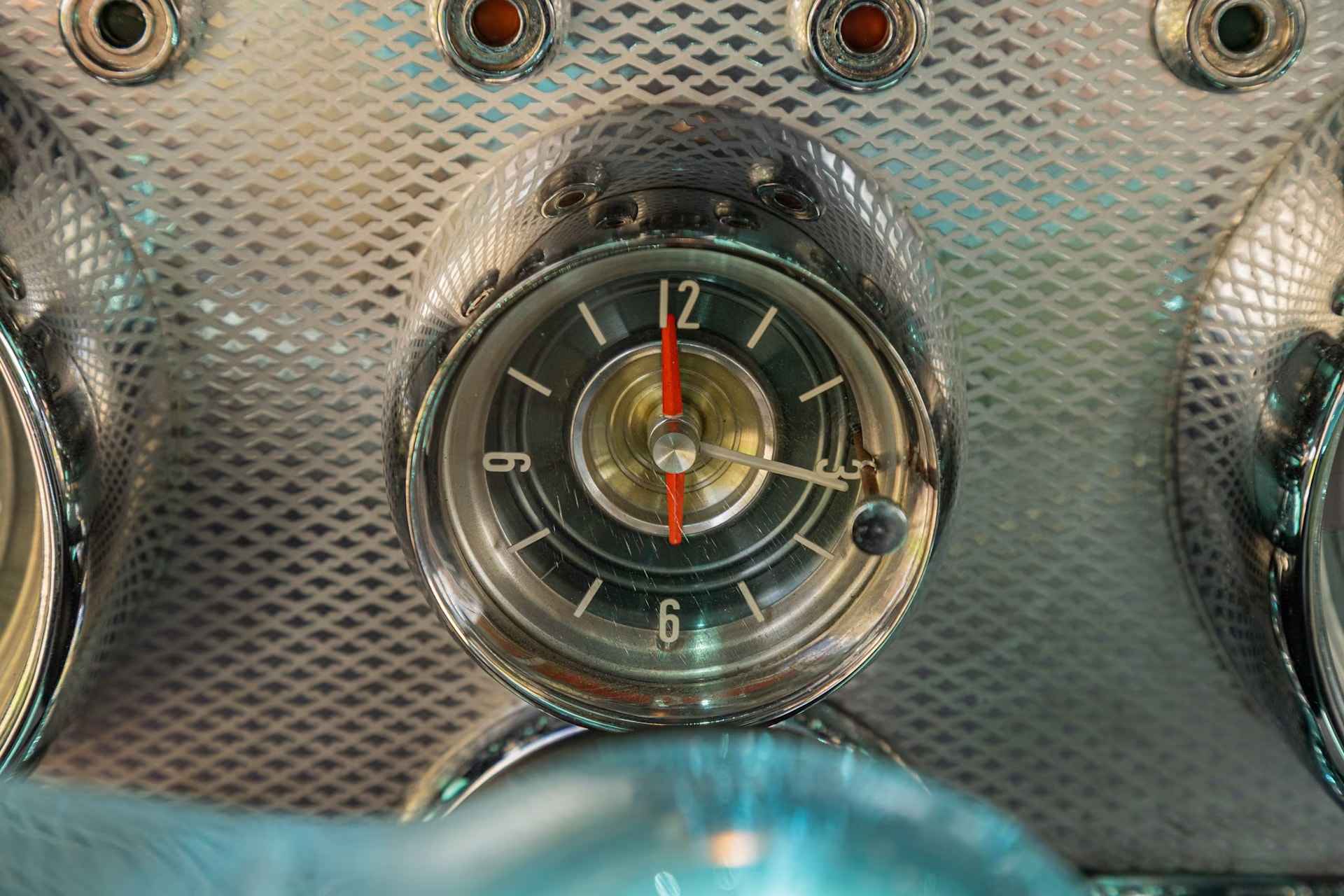
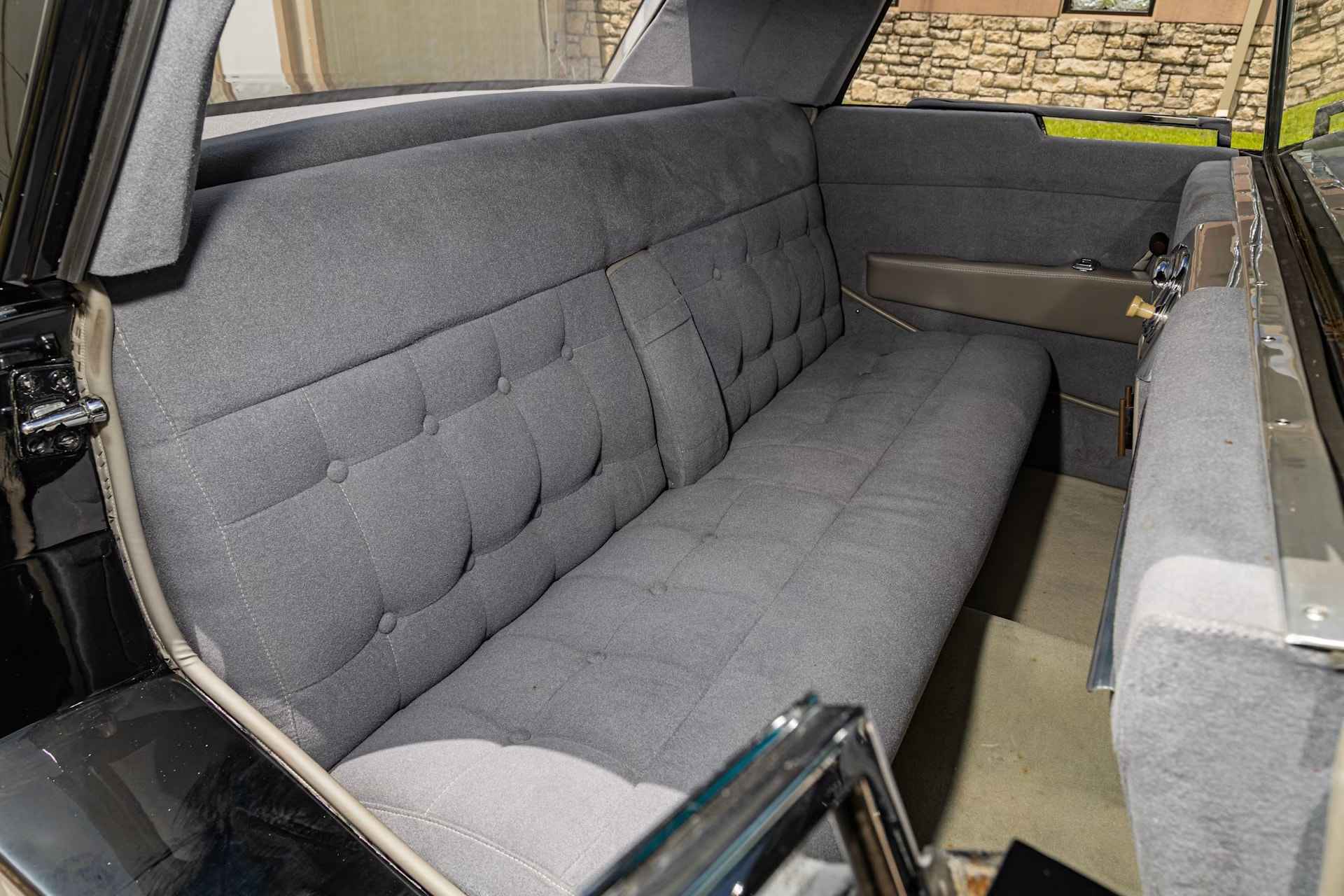
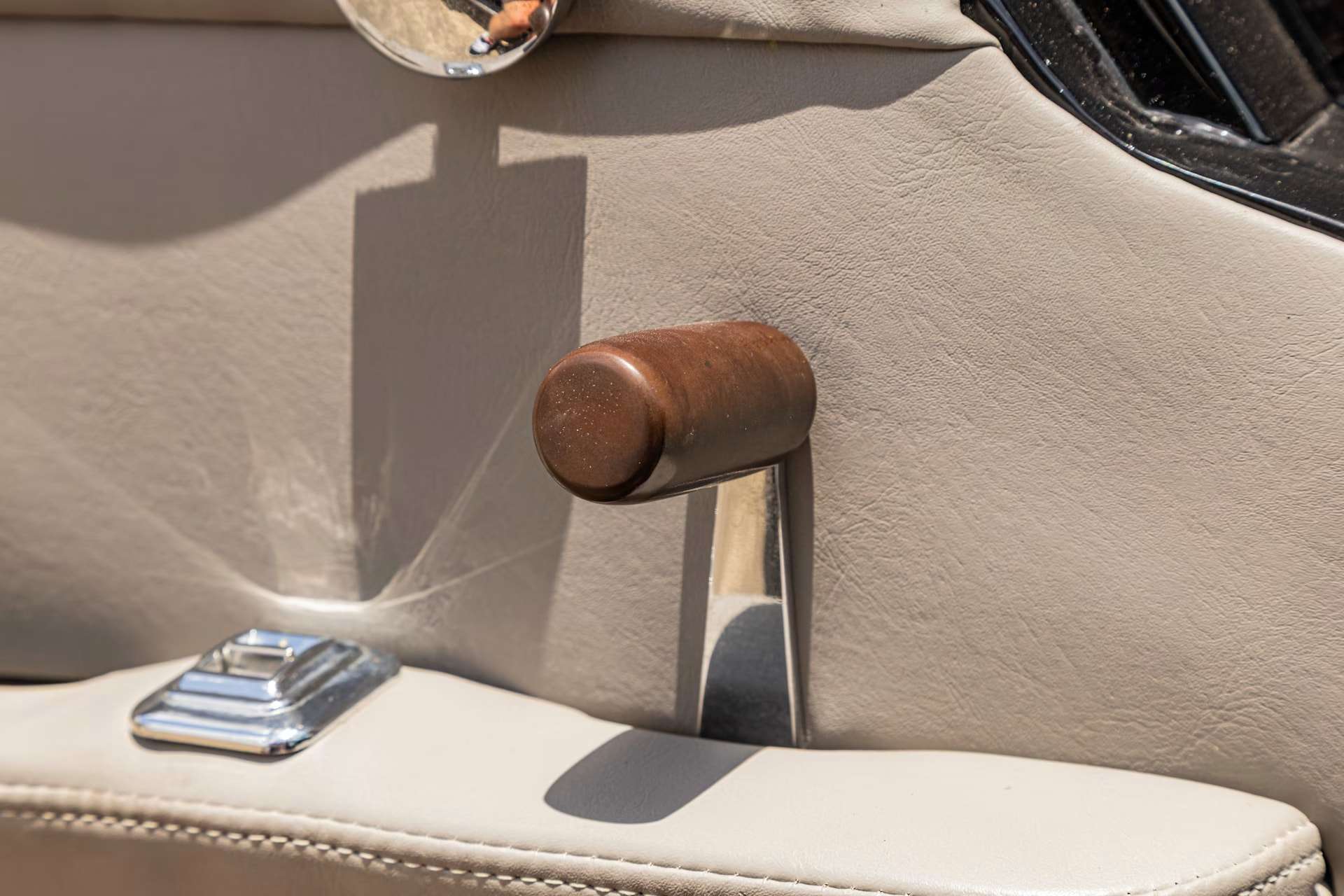
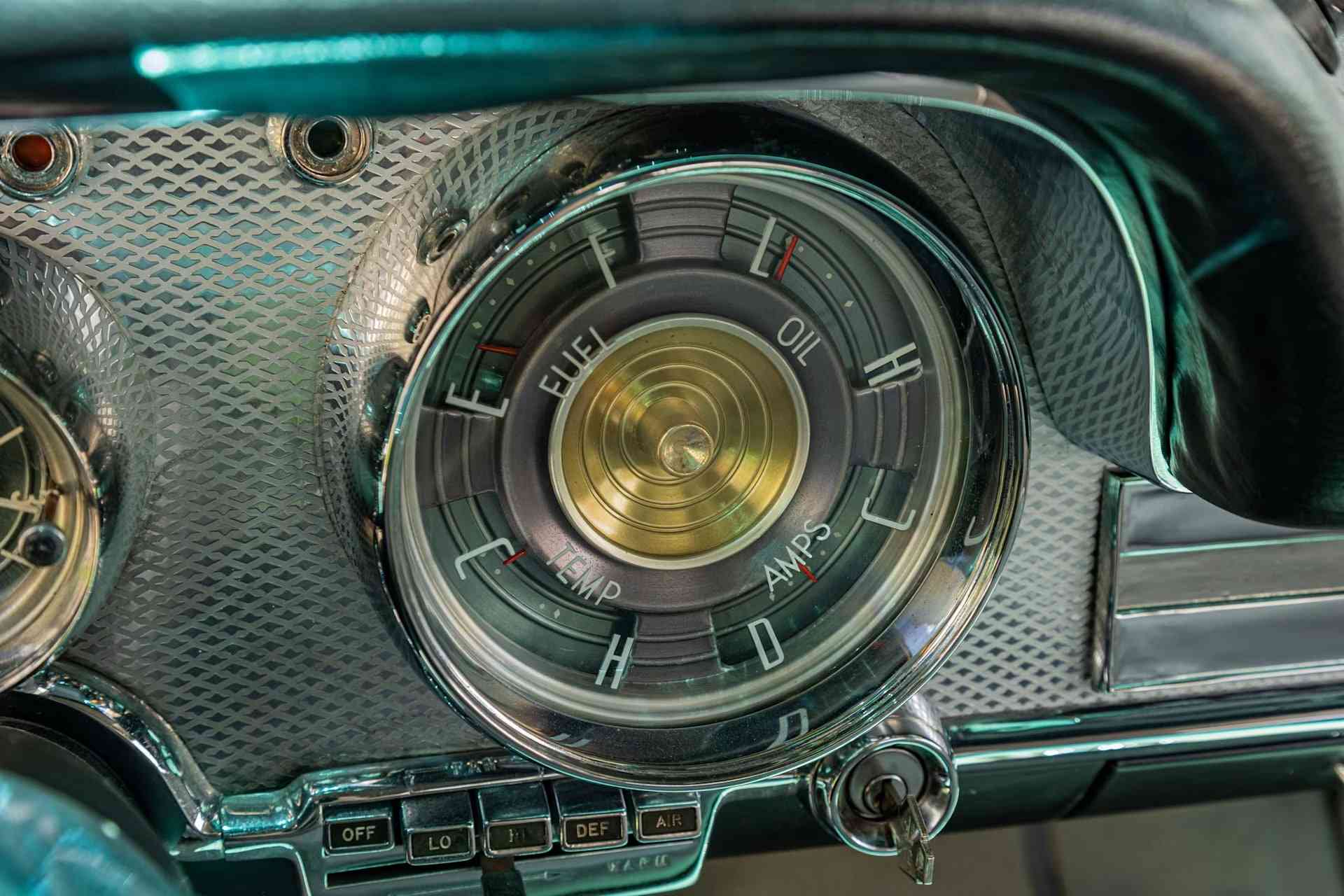
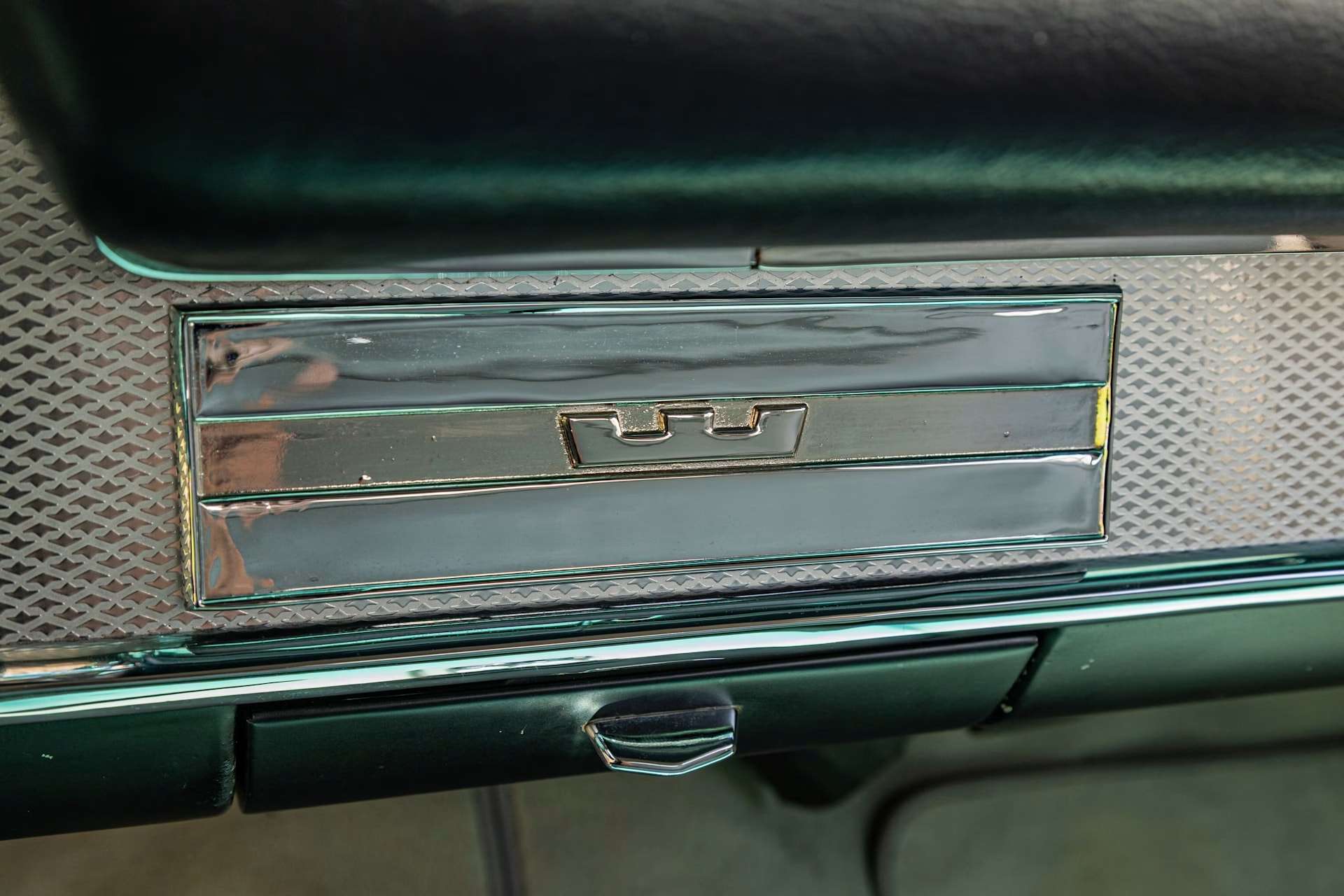
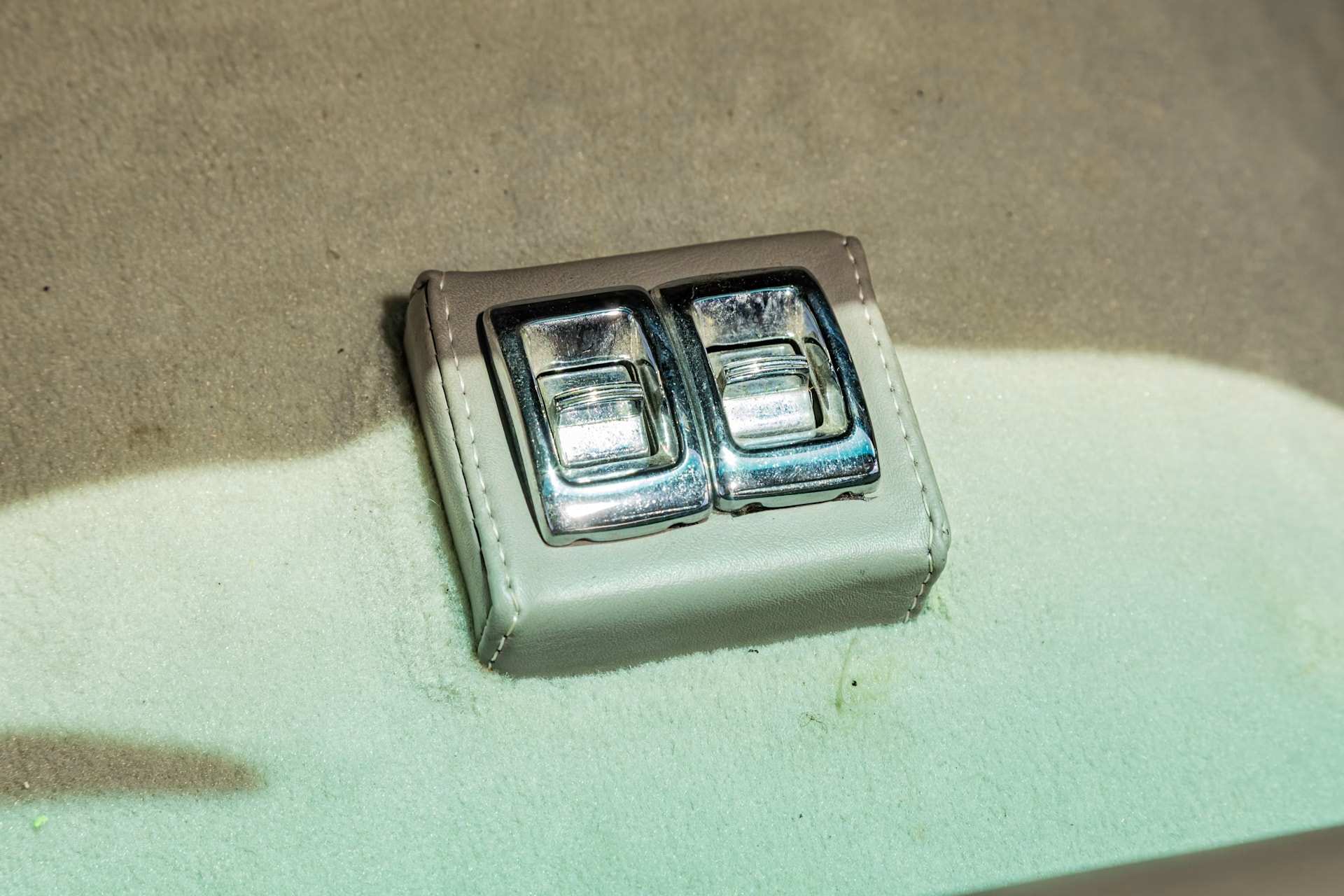
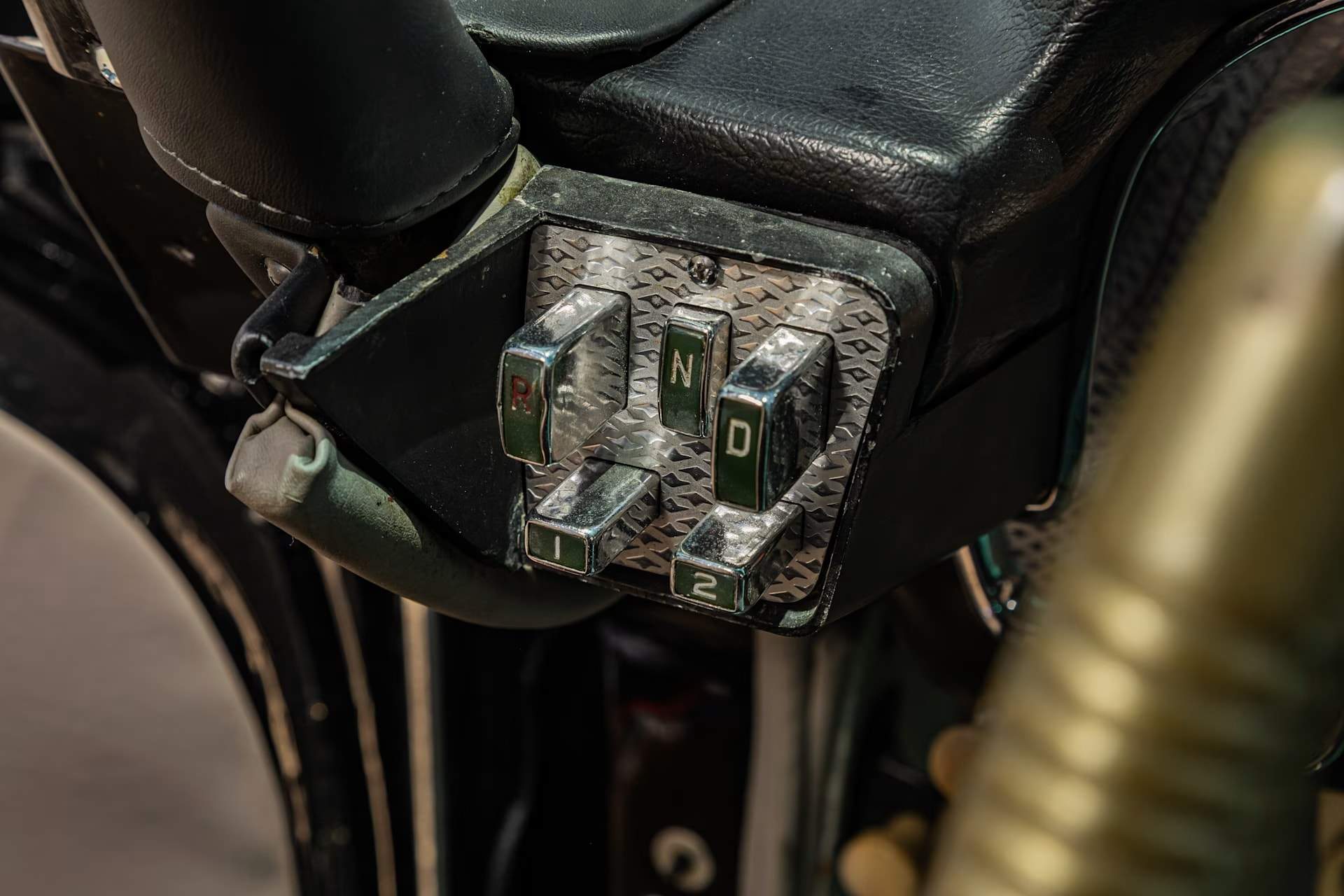
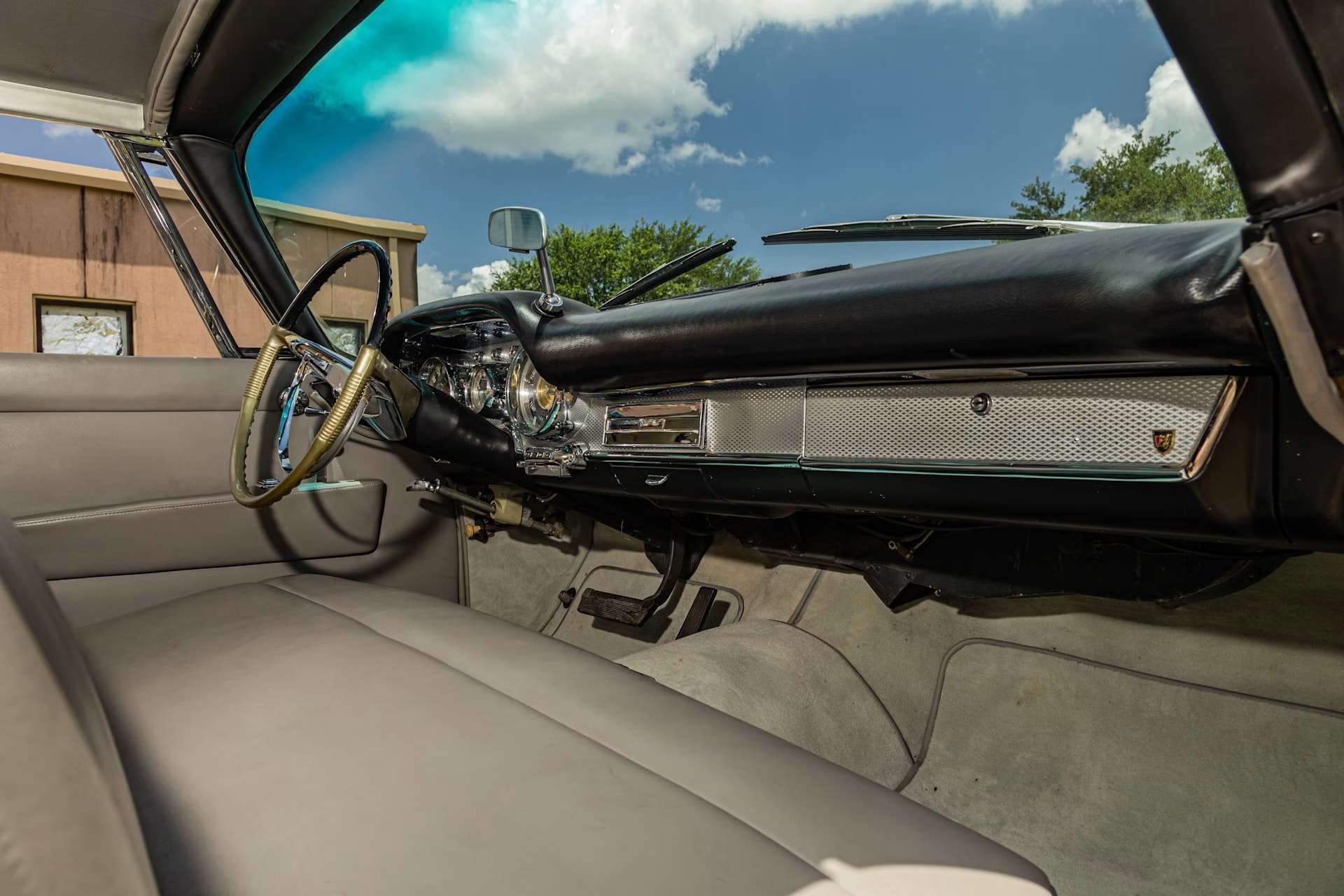
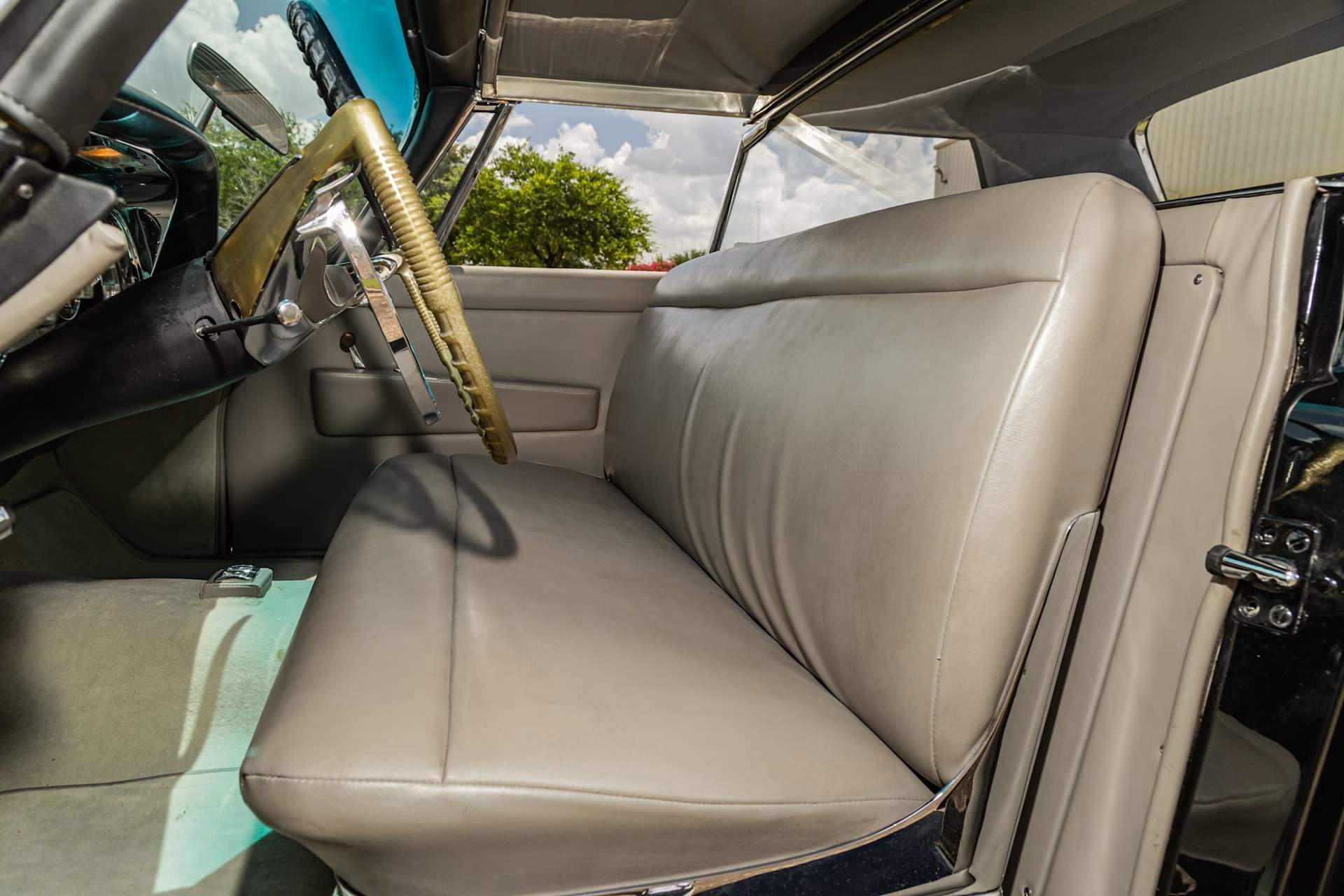
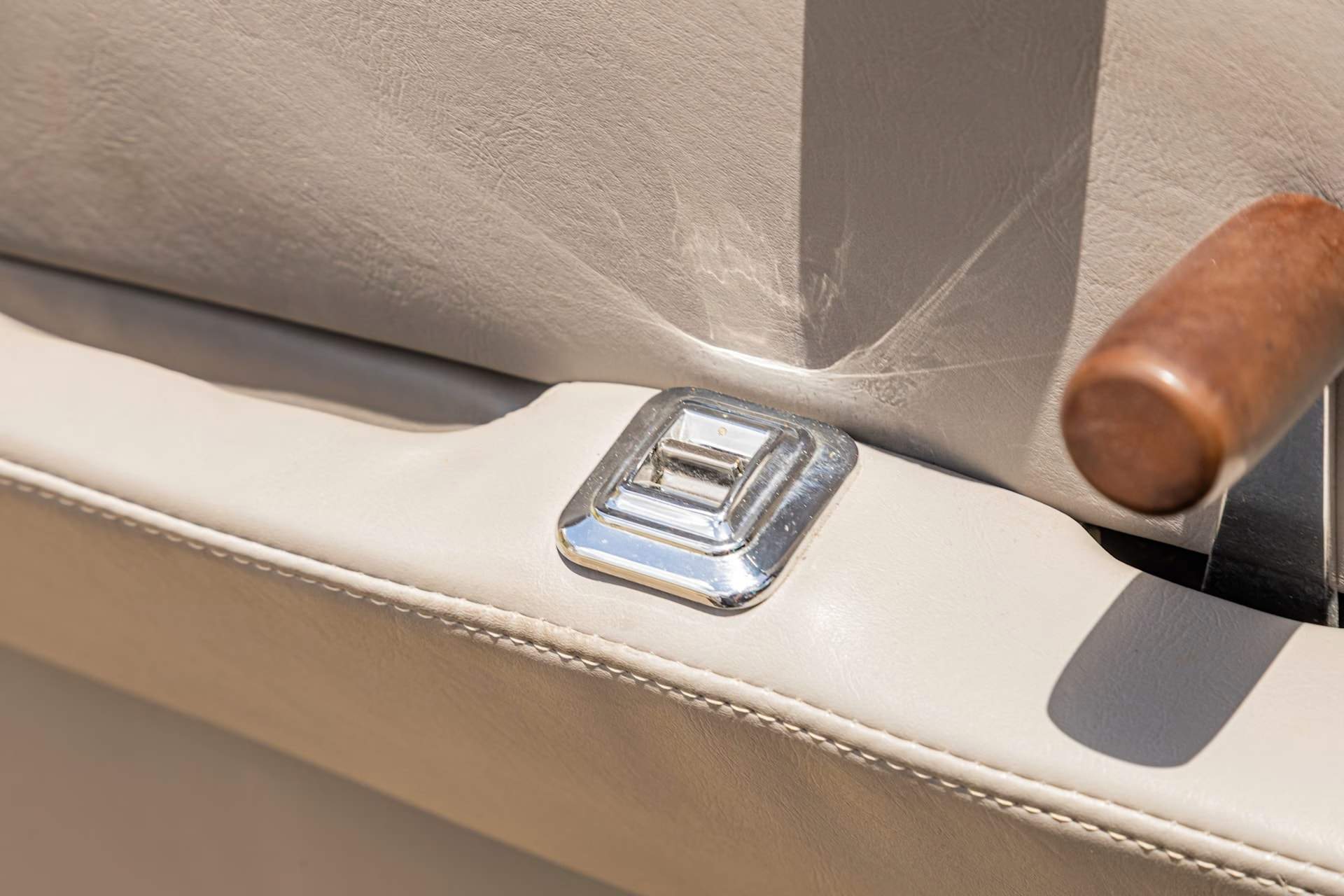
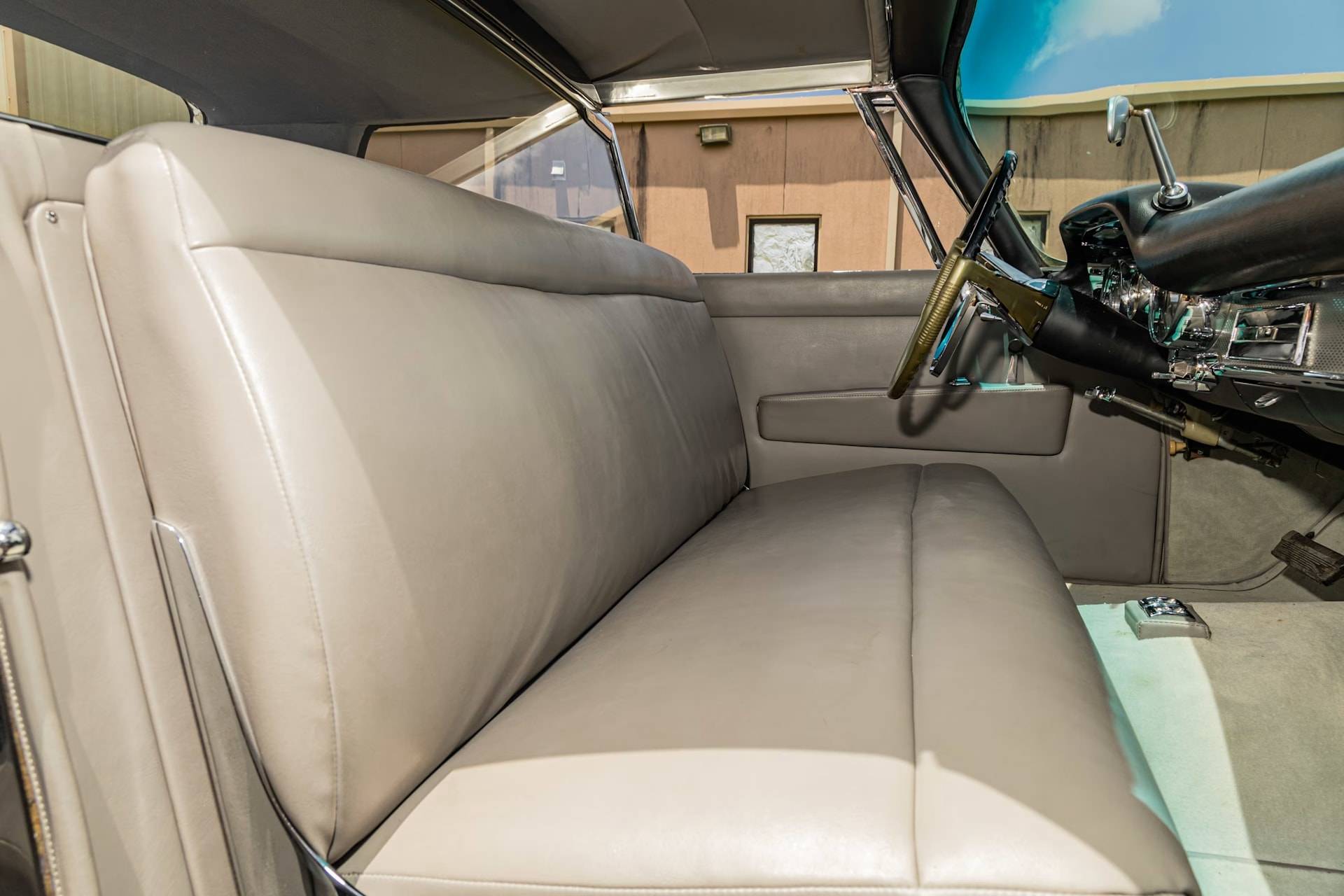
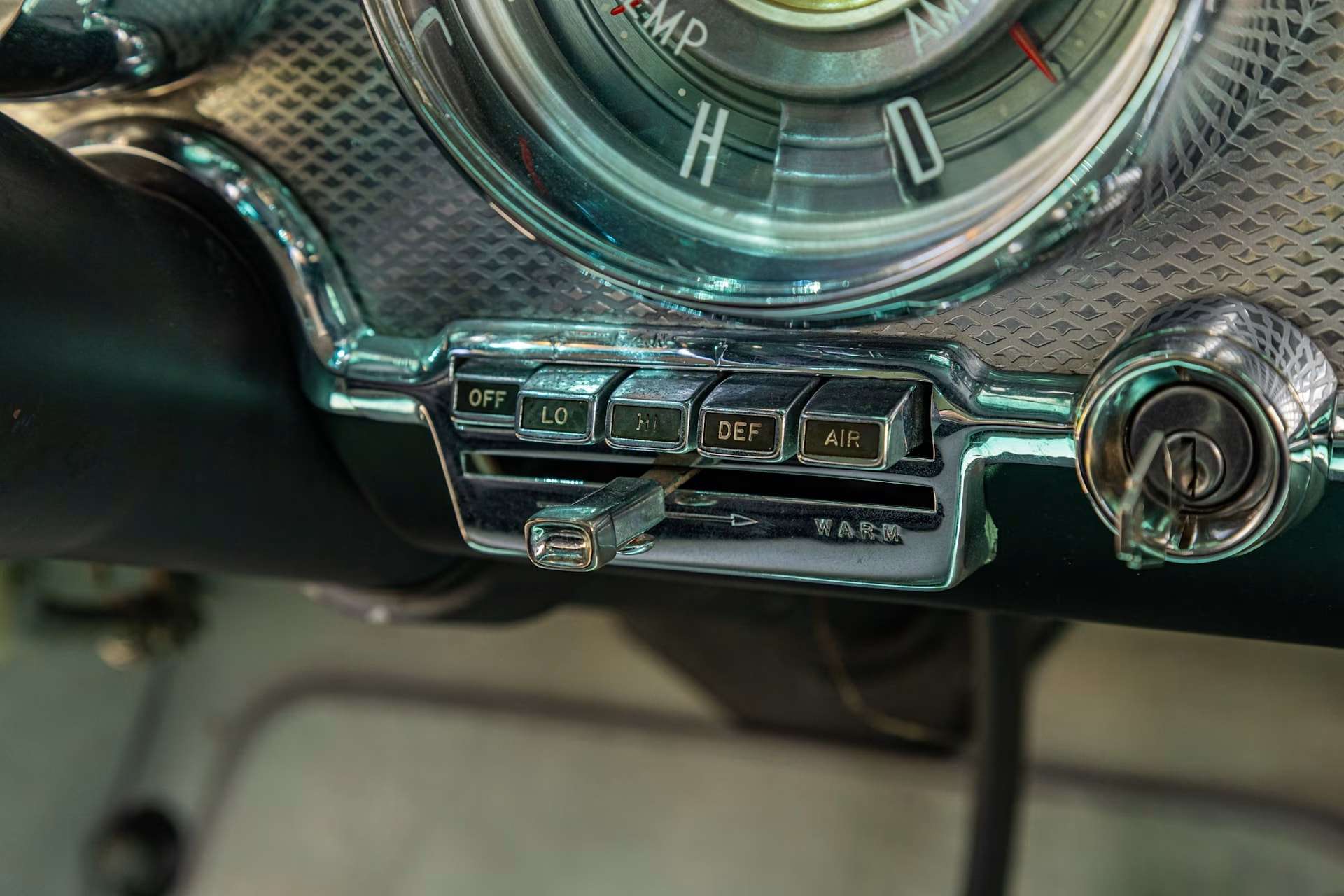
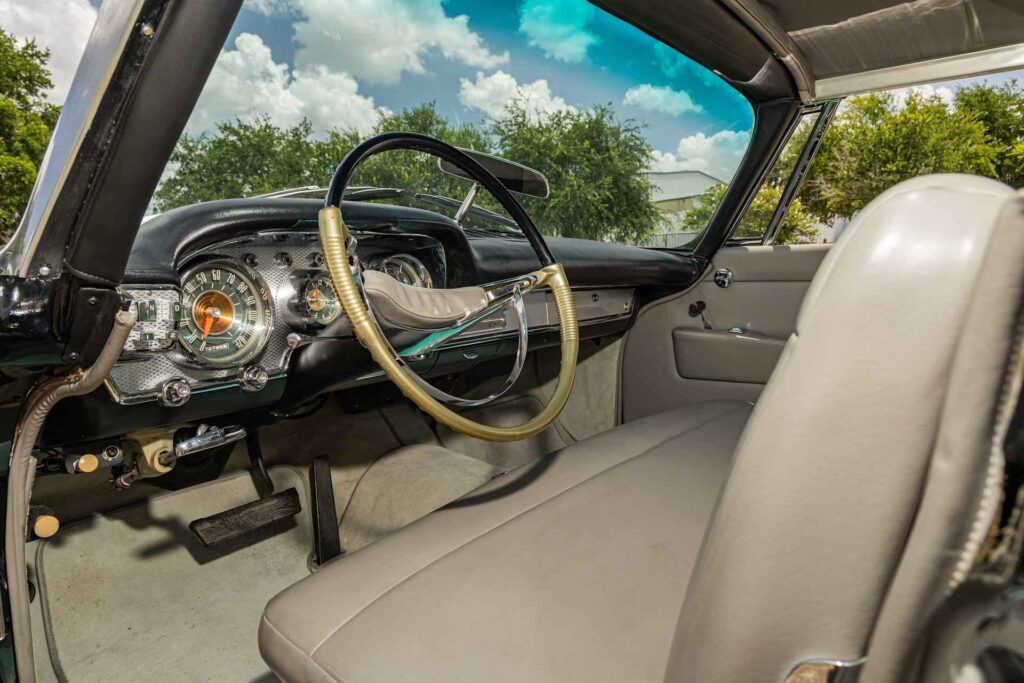
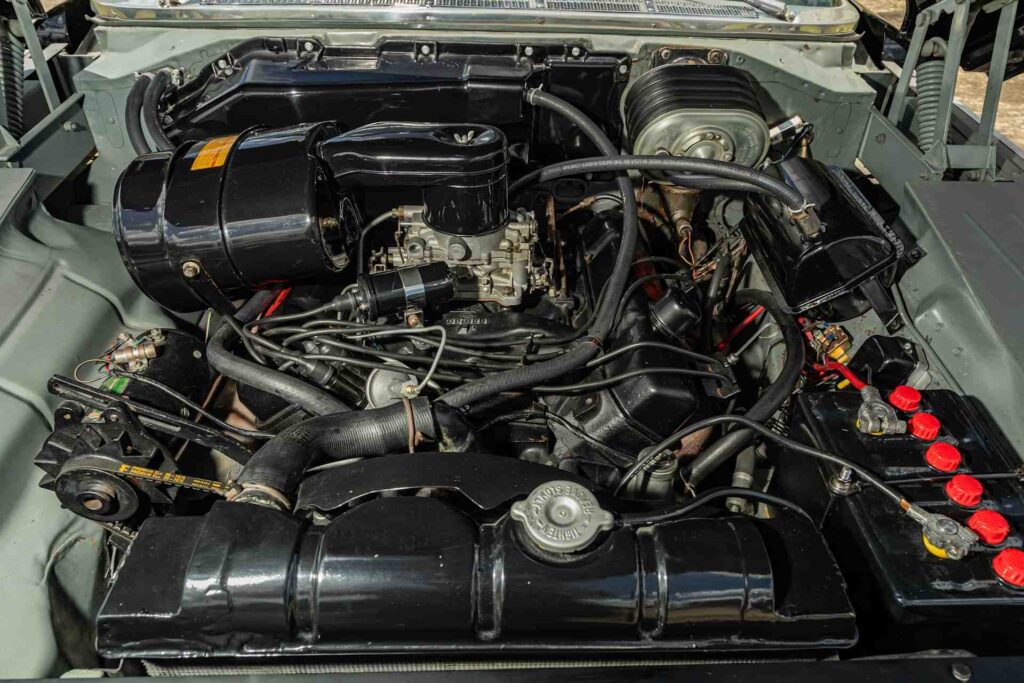
Beneath the polarizing body sat a conventional 1959 Chrysler New Yorker chassis with a 127-inch wheelbase and Chrysler’s signature longitudinal front torsion bar suspension. A 413 cubic-inch Golden Lion V8 delivered 350 horsepower through a Carter four-barrel carburetor, channeled to the rear wheels via a push-button three-speed TorqueFlite automatic transmission. Inside, the cabin retained the production 1959 Chrysler dashboard, steering column, and power windows. As the final year of body-on-frame construction for full-size Chryslers, the Scimitar represents the closing chapter of traditional American coachbuilding.
Transformable Roof System
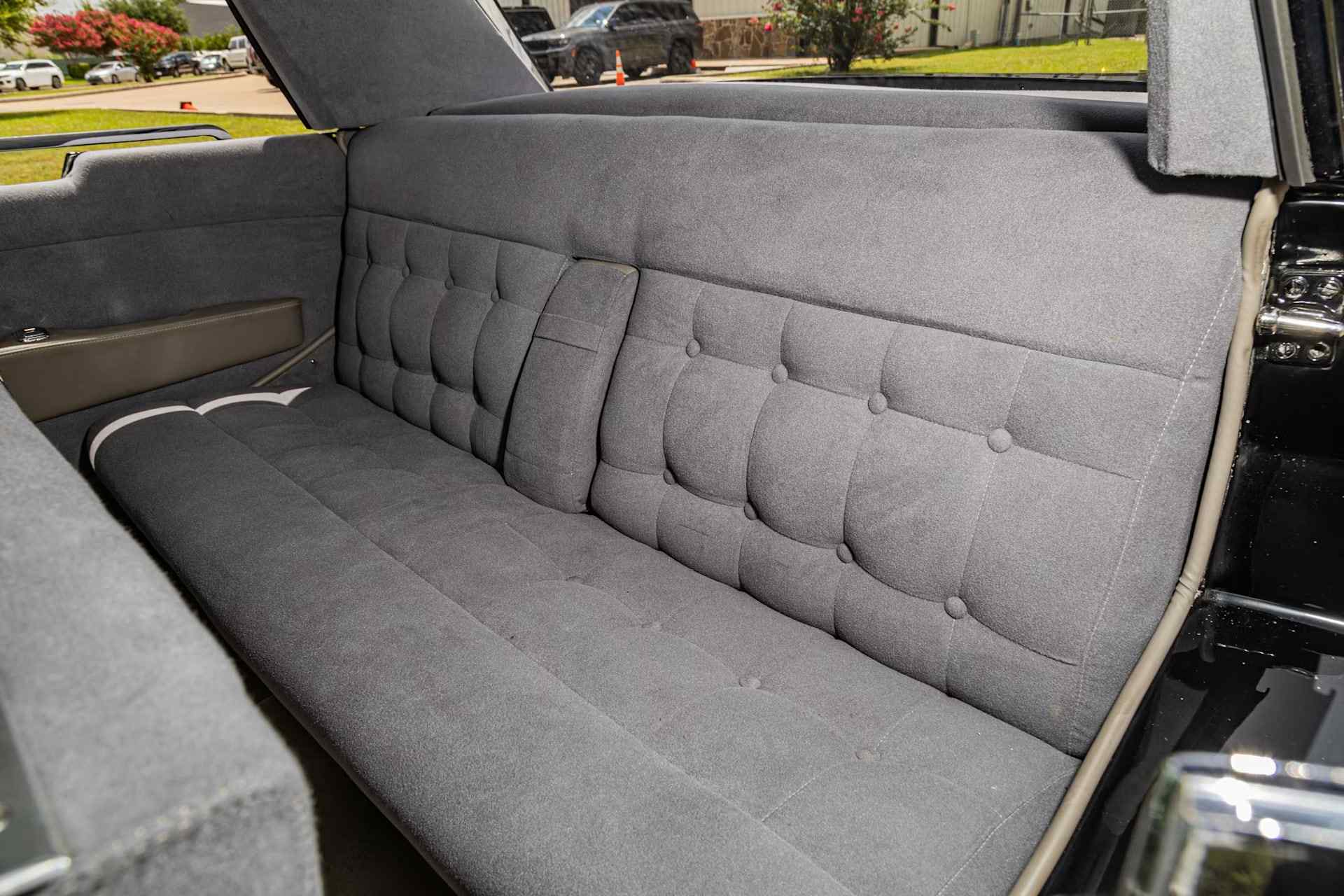
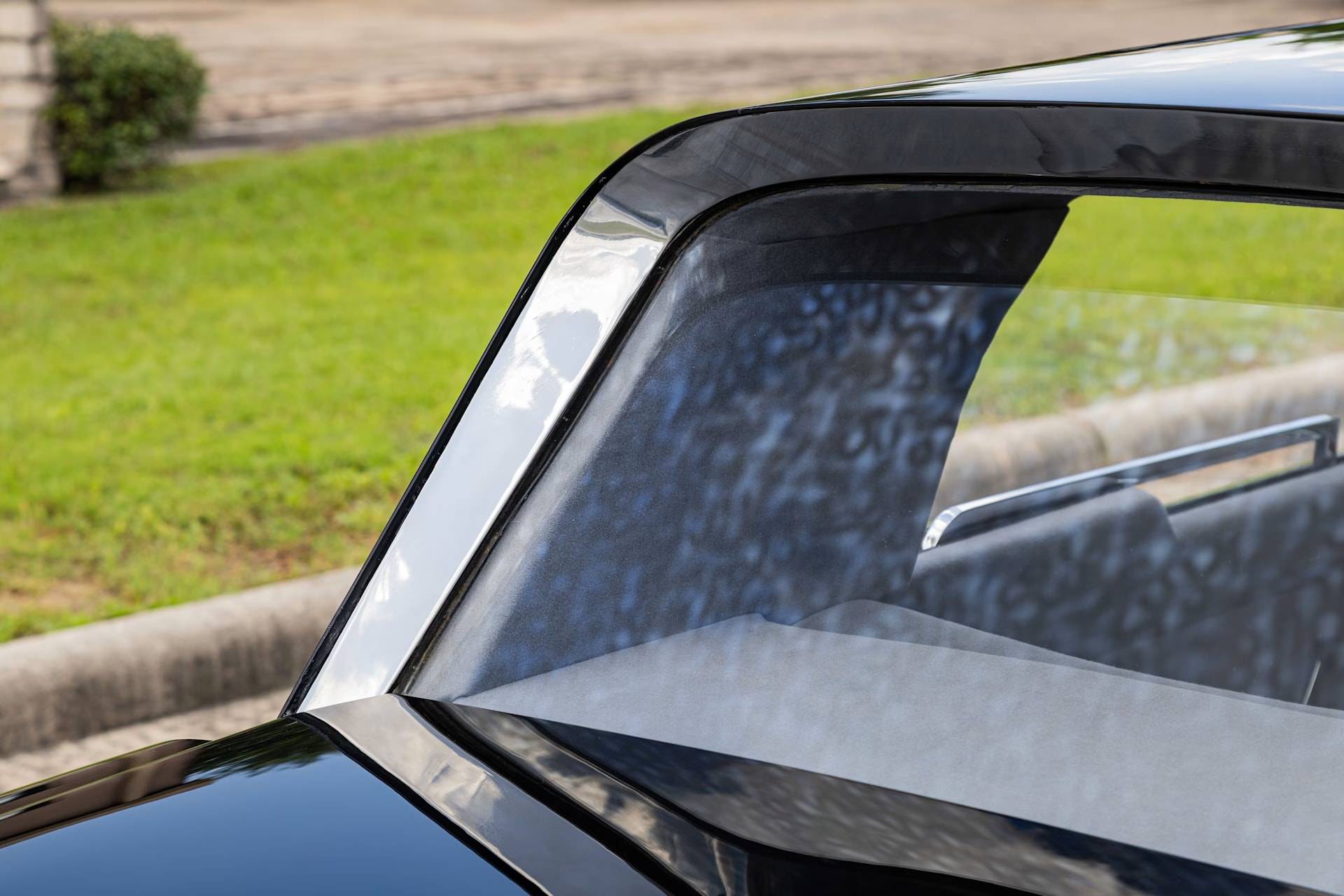
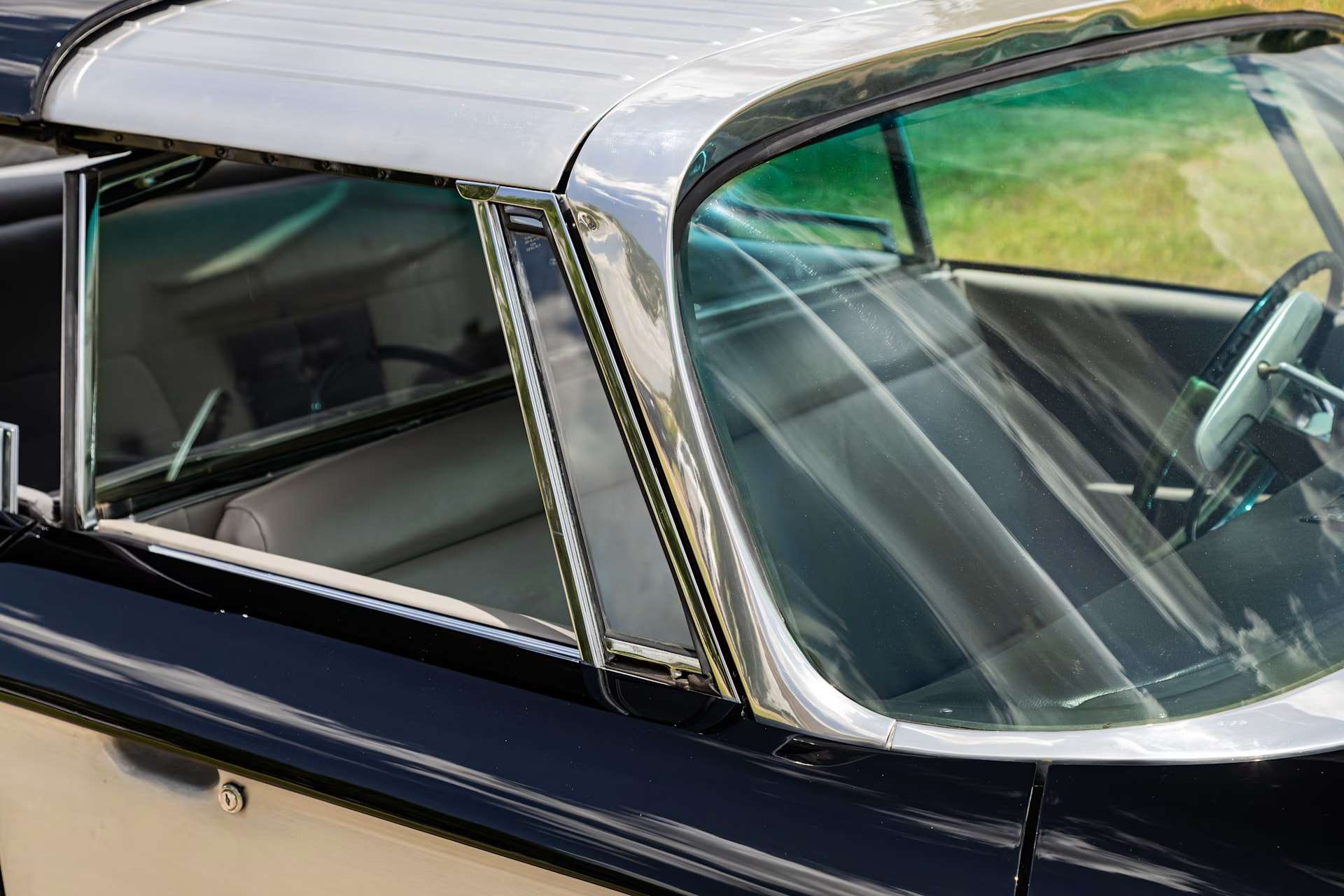
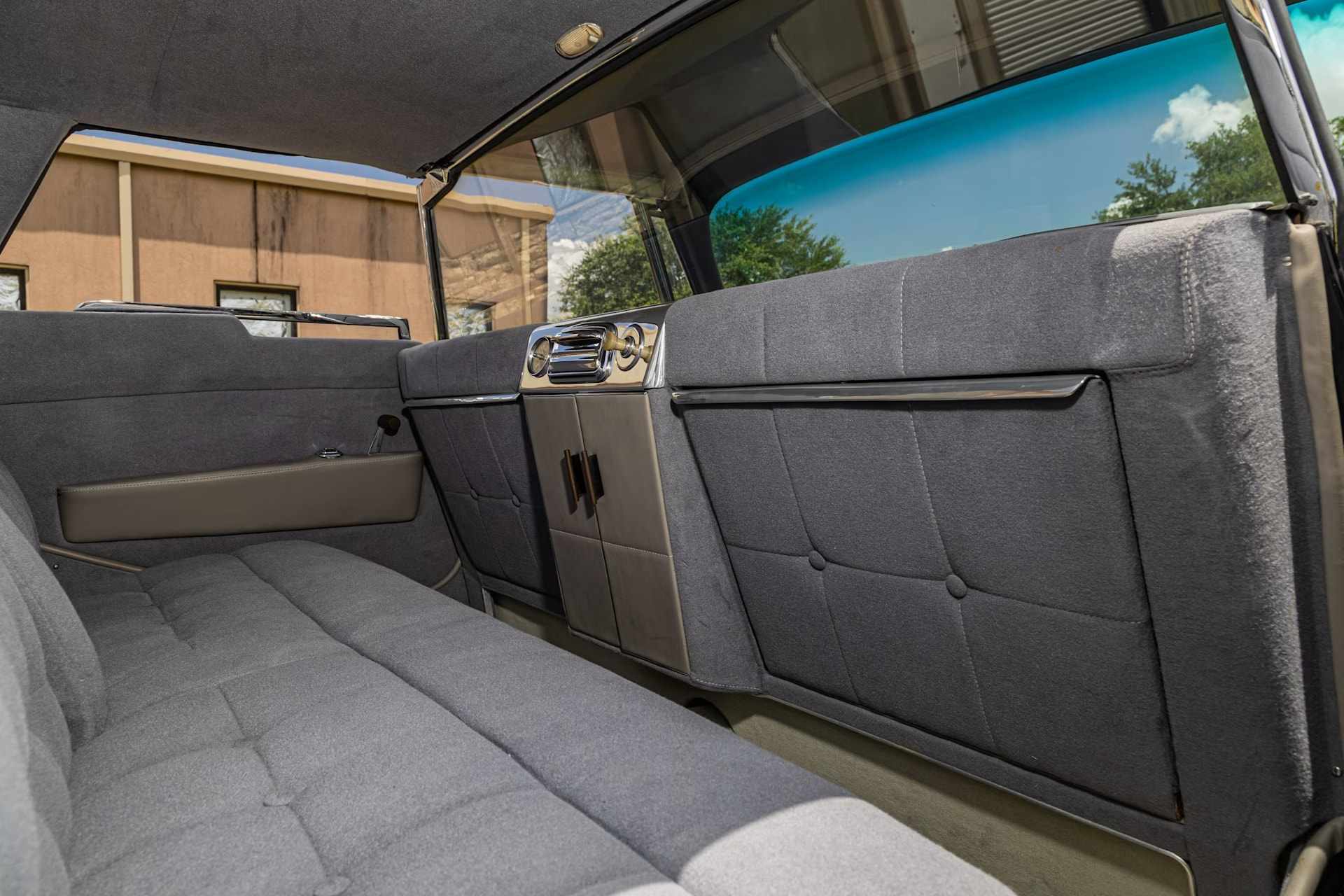
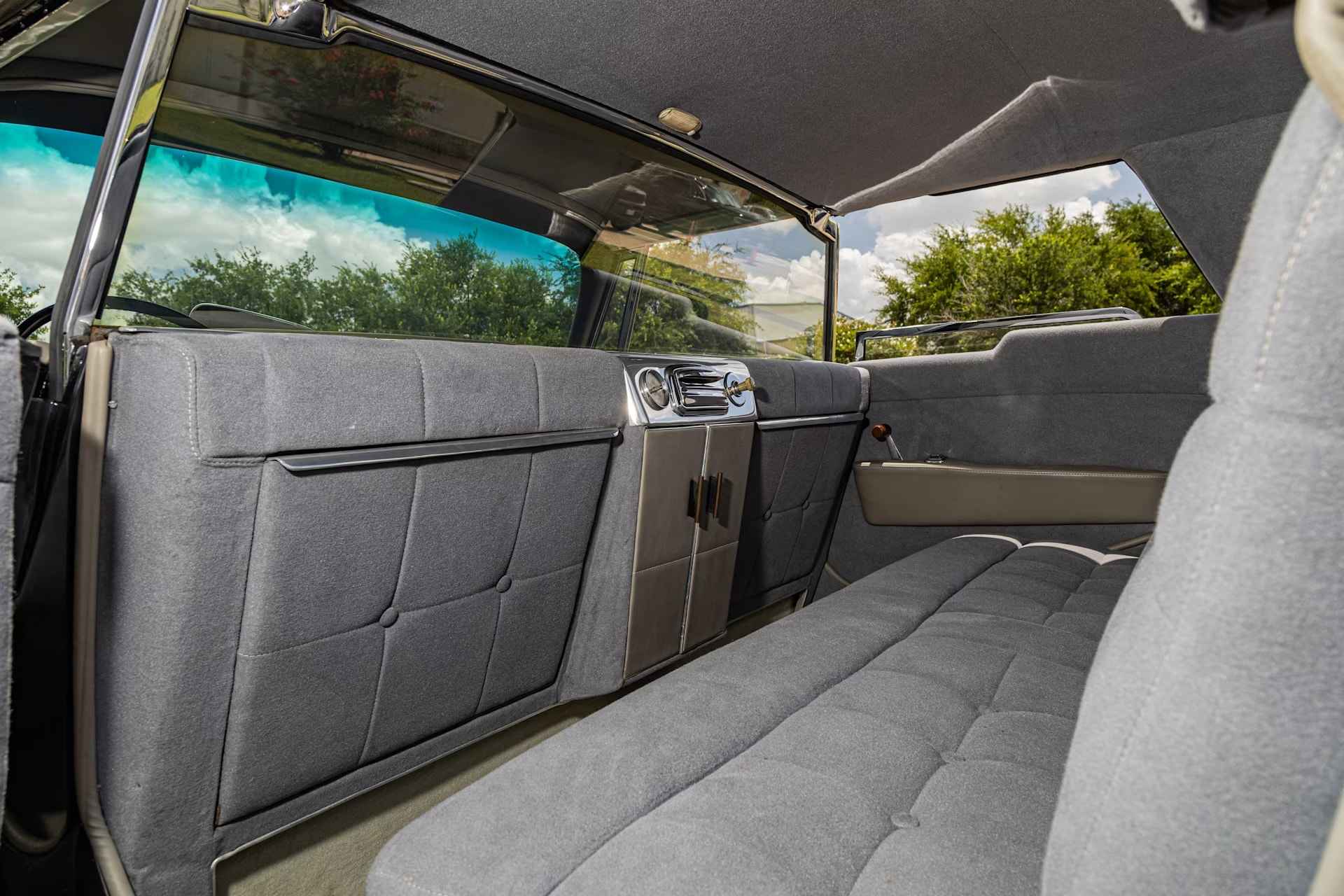
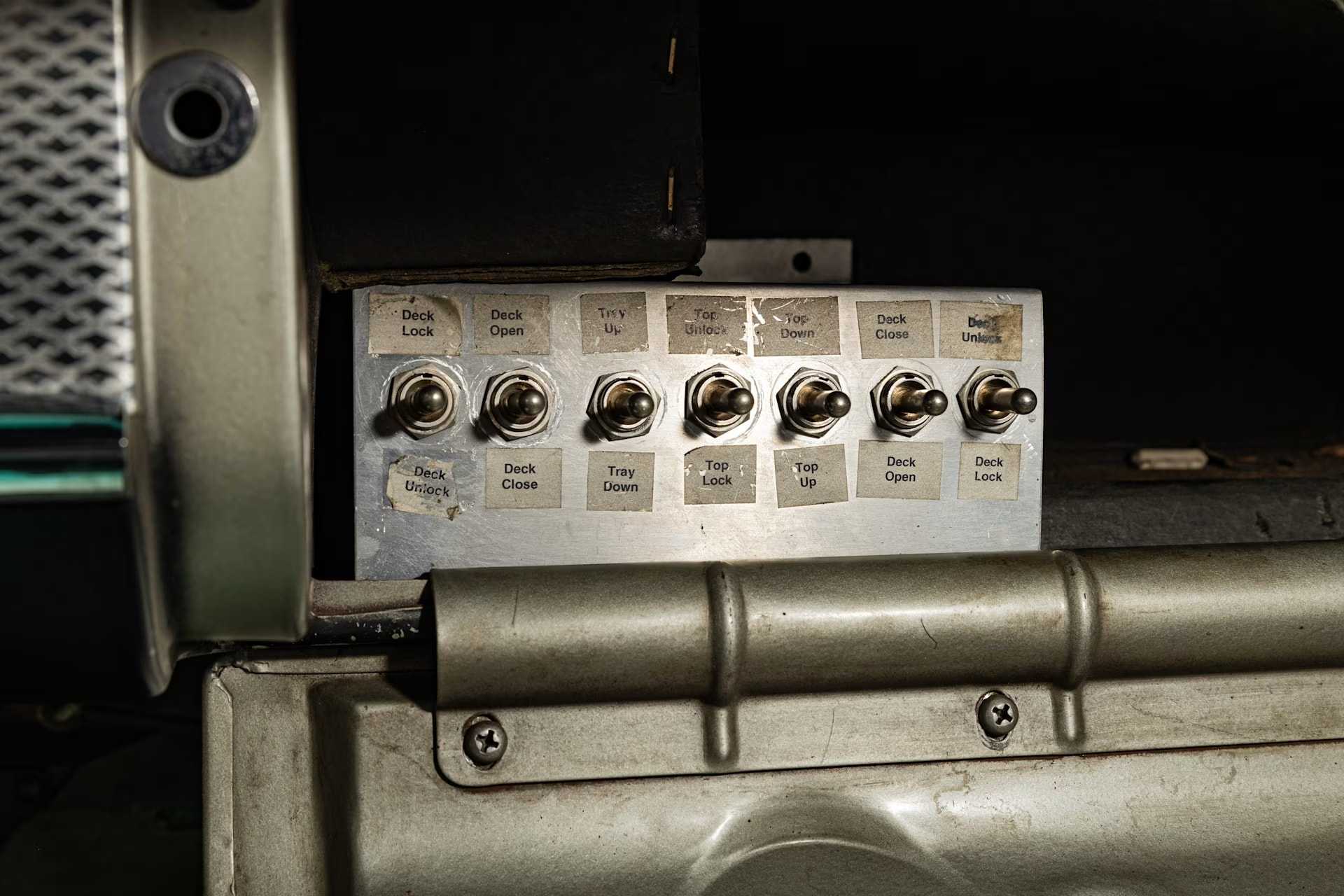
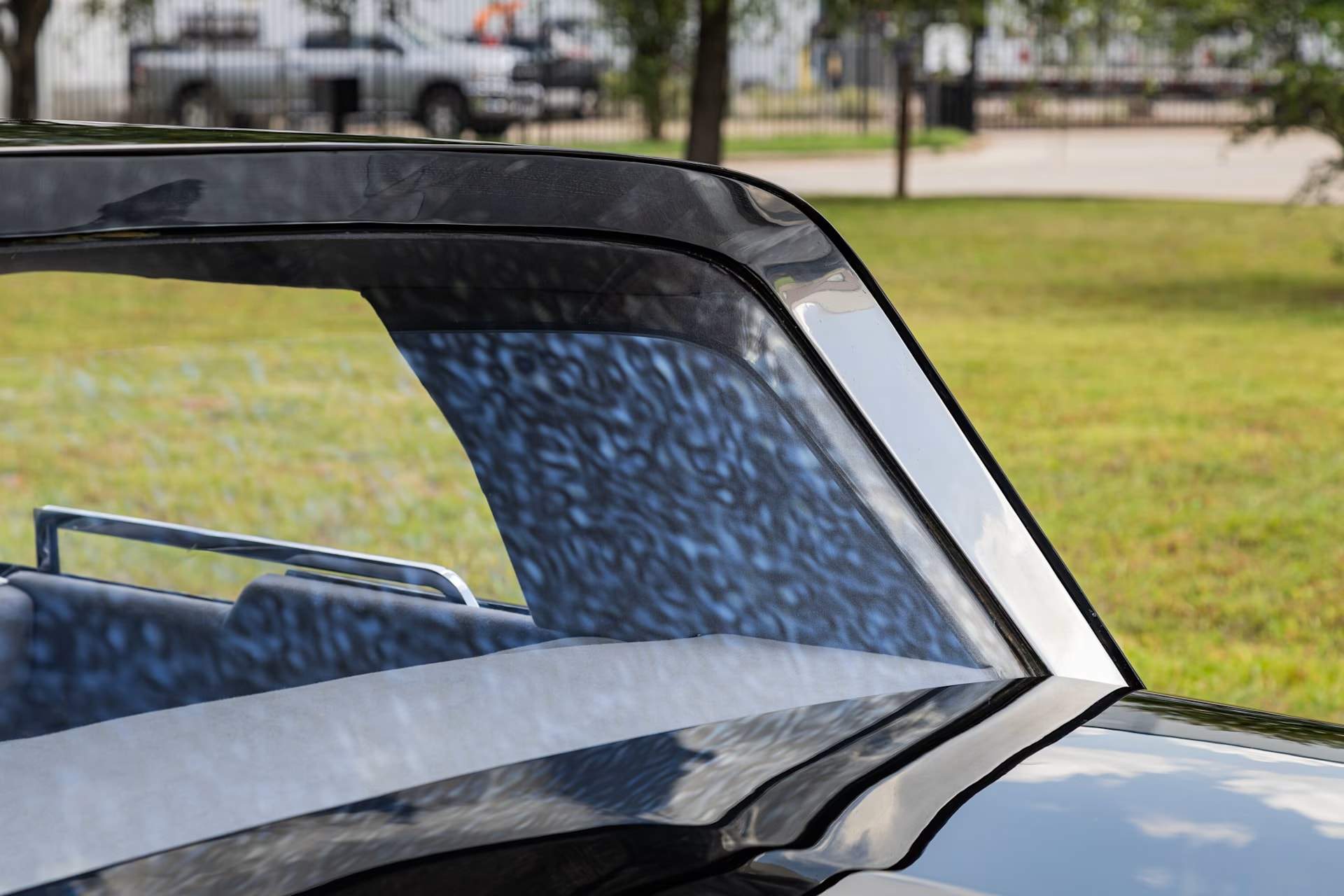
The Town Car Phaeton distinguished itself from the two-door Hardtop Convertible and the All-Purpose Sedan wagon through a mechanical roof segment activated by a dashboard switch. That section retracted into a hollow cavity in the rear quarter panels, allowing the car to convert between a fully enclosed formal limousine, an open-front town car with the chauffeur exposed, or a complete six-passenger phaeton. A pop-up wind deflector behind the front bench protected rear passengers in the open configuration.
History and Market Activity
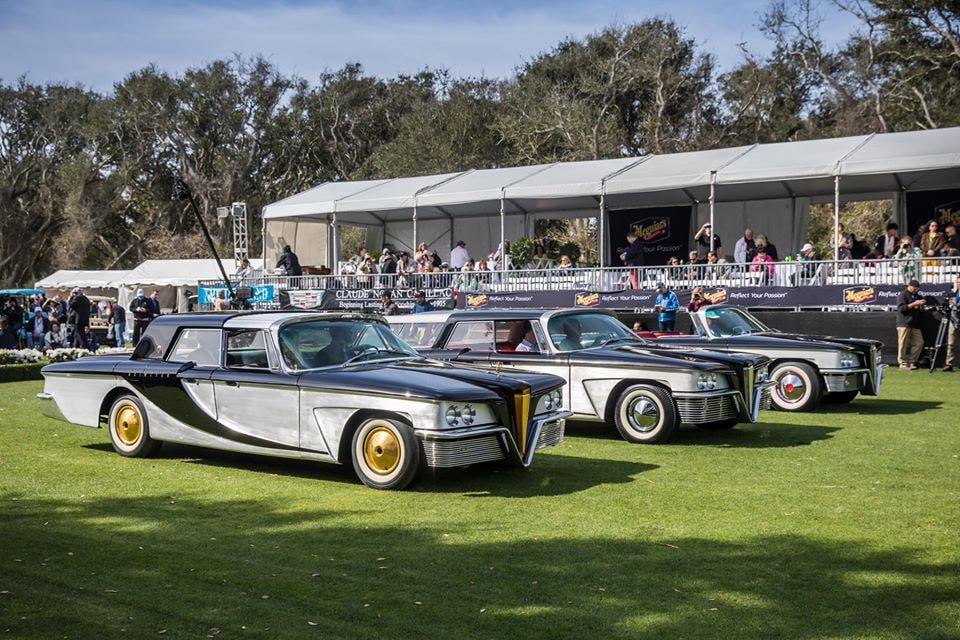
The Scimitar trio debuted at the Geneva Motor Show in March 1959 before returning to the United States for an extensive promotional tour. The vehicles separated for decades across private collections and museums. Bill Harrah acquired the All-Purpose Sedan in 1965, and the wagon remained at the National Automobile Museum in Reno for over fifty years before selling through Bonhams in June 2026 for $156,800. Two surviving examples reunited at the 2019 Amelia Island Concours d’Elegance.
Upcoming Auction
The Town Car Phaeton now heads to Mecum Monterey 2026, scheduled for August 13 to 15 at the Del Monte Golf Course in Monterey, California. Finished in its original black and silver livery with 4,796 miles on the odometer, this experimental concept stands as a rare artifact of the moment when aluminum was marketed as the future of American automotive manufacturing.