- Real-world fuel consumption hit 5.5 L/100km during AAA testing, beating the official lab figure of 6.2 L/100km by 12 percent.
- CO2 emissions dropped to 127 grams per kilometer in real-world conditions, undercutting the 140 g/km laboratory rating.
- Urban efficiency reached 4.9 L/100km on regular 91 RON gasoline, with standard Symmetrical All-Wheel Drive retained.
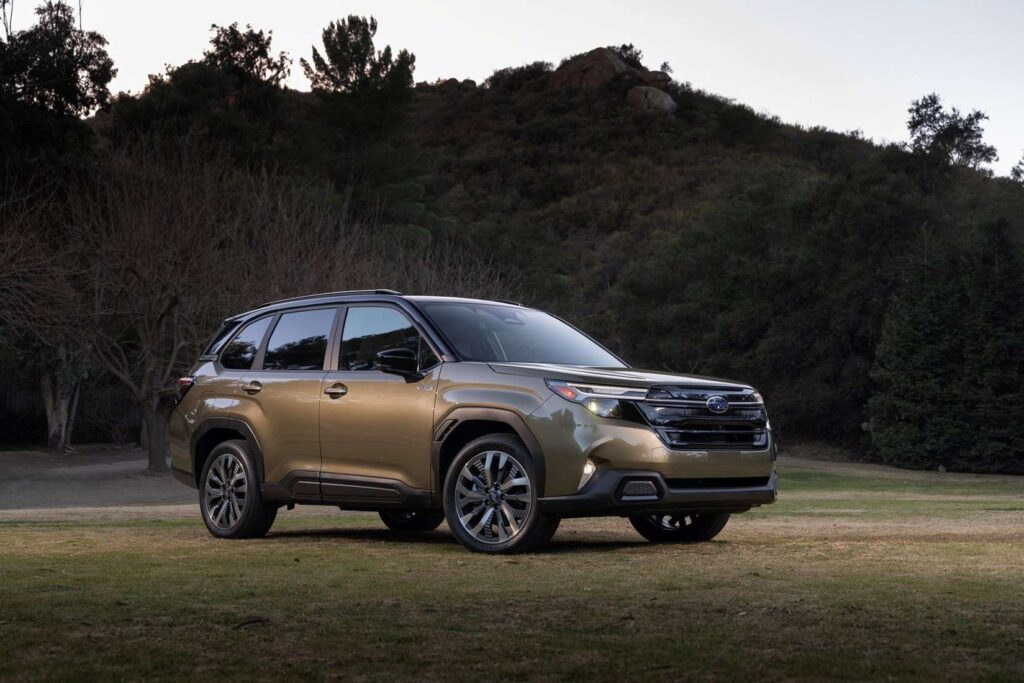
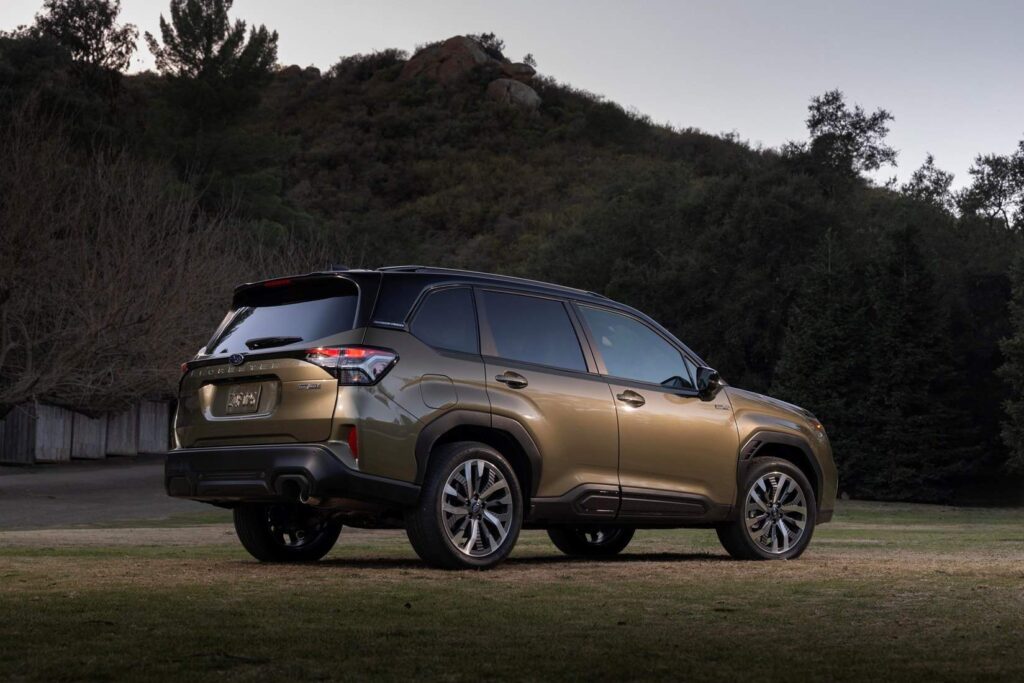
Most cars promise fuel economy numbers that dissolve the moment real traffic hits. That’s been the standard gripes from buyers for decades. But Subaru just did something unusual with the Forester Hybrid. It actually beat the official laboratory figure on public roads.
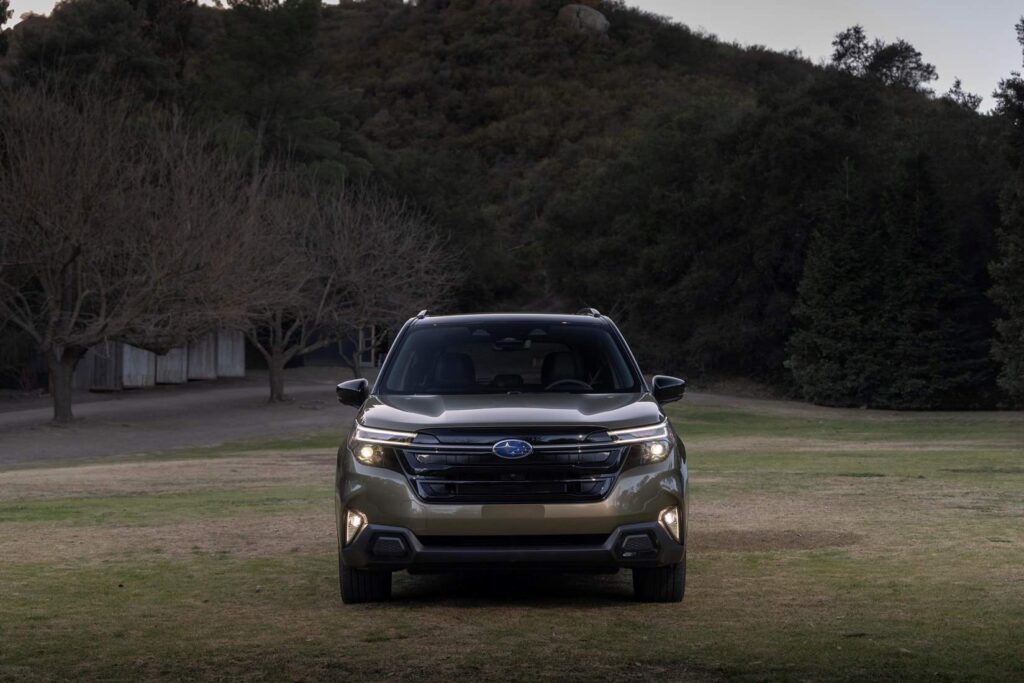
Real-World Performance and Efficiency Breakthroughs
In independent testing run by the Australian Automobile Association through the Australian Government’s Real-World Testing Program, the Forester Hybrid posted a combined fuel consumption of 5.5 liters per 100 kilometers. That’s 42.76 miles per gallon in real money, and it sits 12 percent below the regulated lab claim of 6.2 L/100km (37.93 mpg). The urban leg of the route did even better, hitting 4.9 L/100km (48 mpg) on standard 91 RON regular unleaded gasoline.
Independent Testing Methodology
The testing protocol deserves a closer look. The route ran 92 kilometers through the Geelong region of Victoria on April 29 and 30, 2026, in dry conditions. Ambient temperatures stayed between 19 and 24 degrees Celsius, with light winds clocking 6 to 16 km/h. Not exactly Arctic punishment, but fair weather for honest baseline data.
What’s striking is the broader context. AAA’s wider testing program showed 76 percent of petrol, diesel, and hybrid vehicles burn more fuel in everyday traffic than their official figures suggest. The Forester Hybrid went the opposite direction. It cut fuel use rather than inflating it. Emissions followed the same pattern, with real-world tailpipe output landing at 127 grams of CO2 per kilometer, well under the lab-tested 140 g/km figure. For a vehicle replacing a mild-hybrid setup that drew heavy criticism for thirsty behavior, that’s a substantial course correction.
Powertrain Engineering and AWD Retention
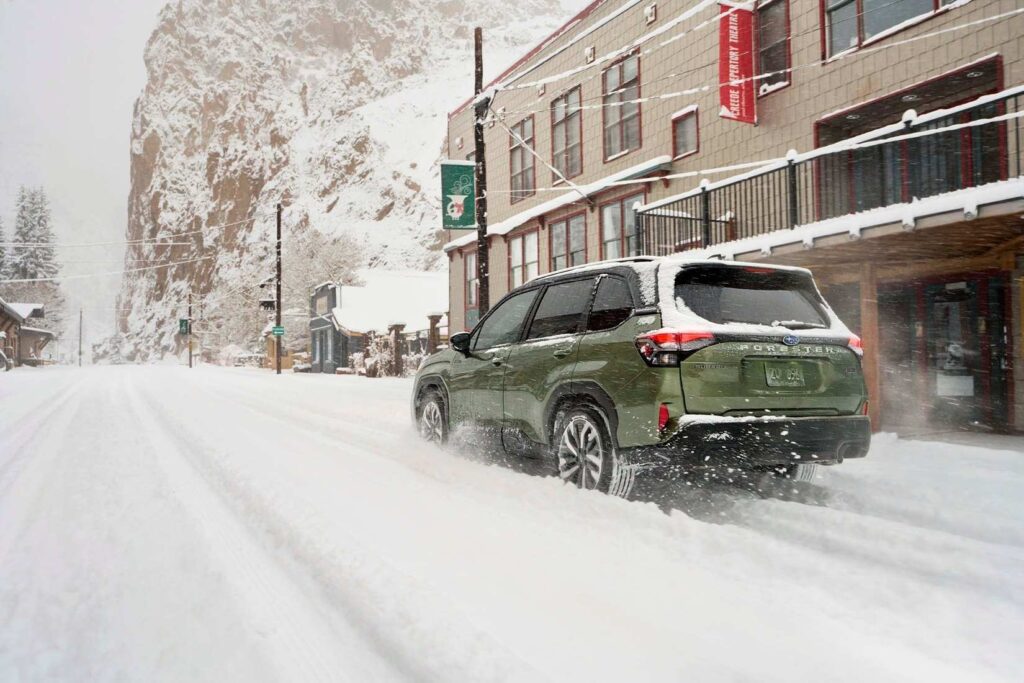
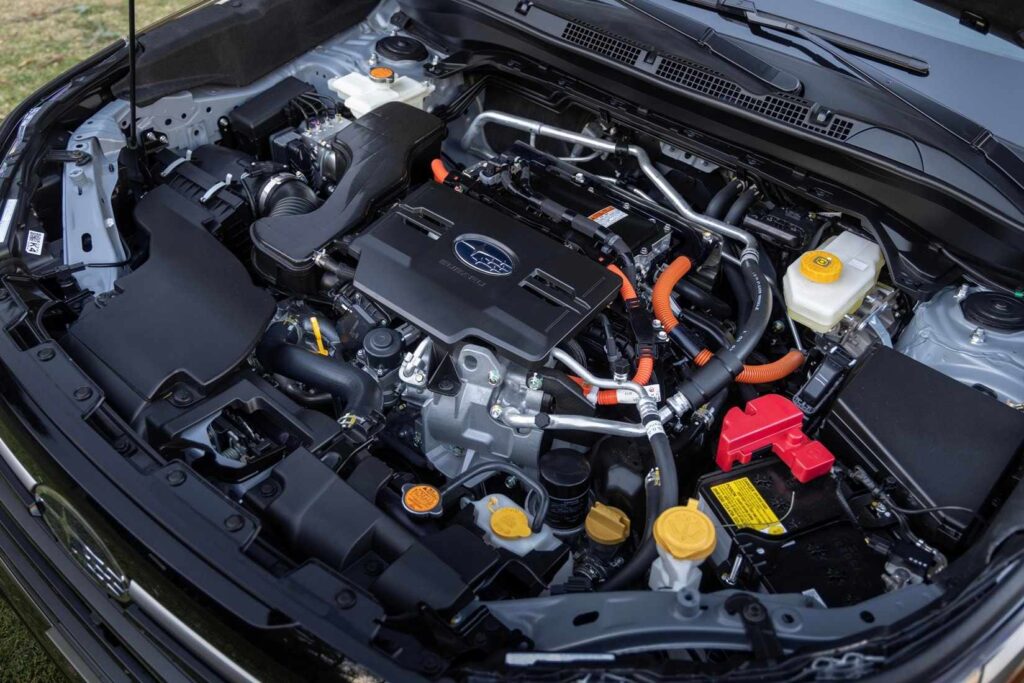
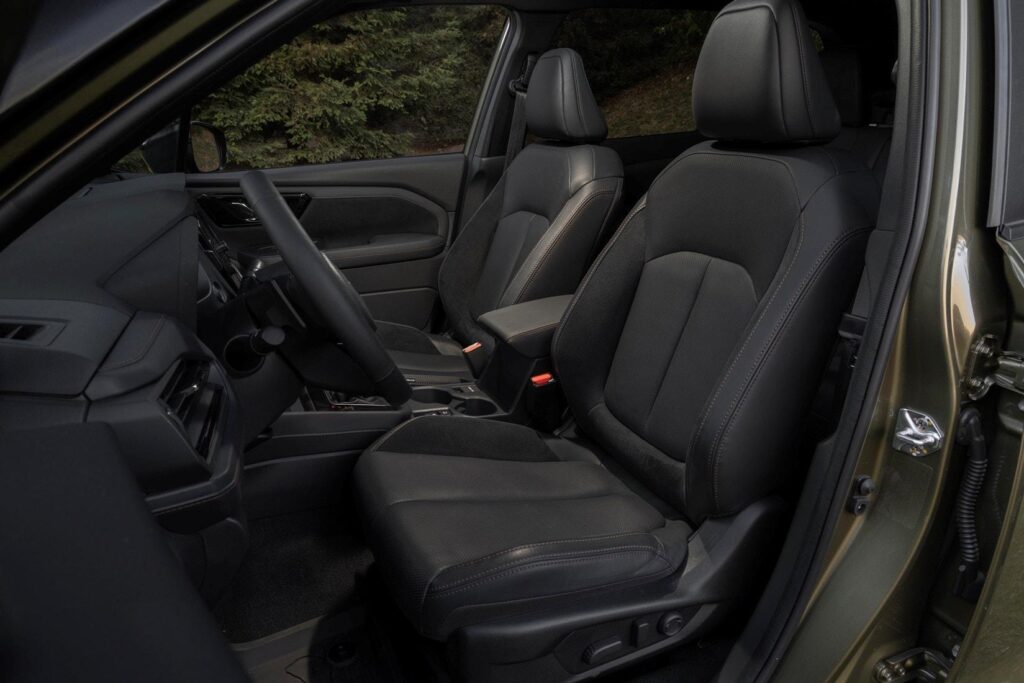
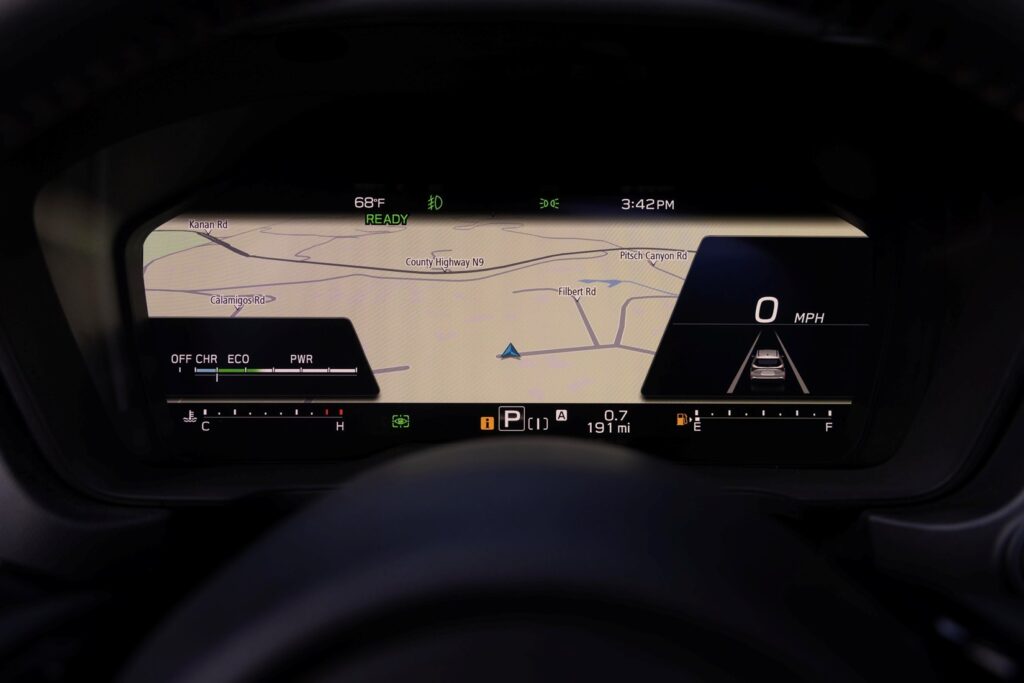
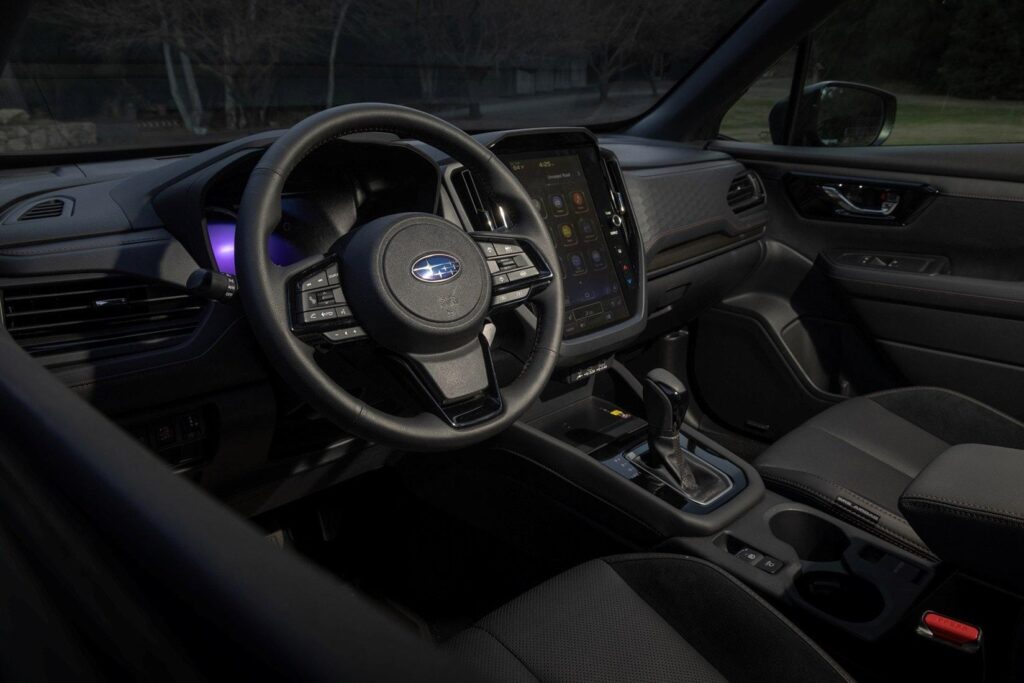
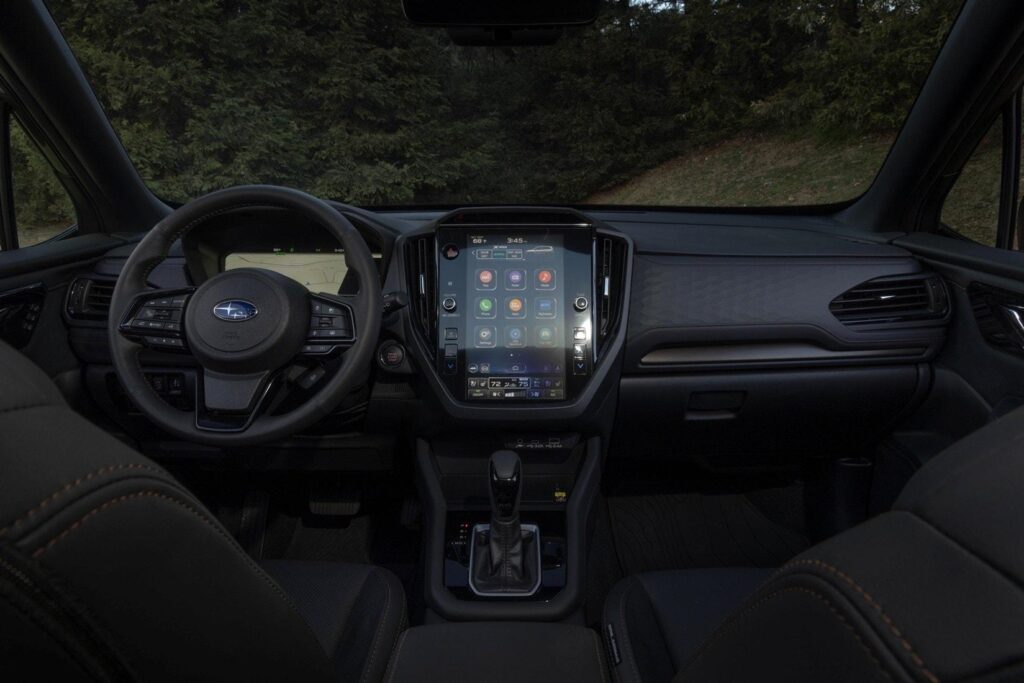
The powertrain explains where the gains come from. A four-cylinder Subaru boxer engine pairs with Toyota’s Electric Synergy Drive hardware, the same hybrid architecture proven across millions of Toyota and Lexus vehicles. The electric side handles low-speed work hardest, where regenerative braking and stop-and-go transitions deliver the biggest efficiency dividend. Highway cruising pulls less hybrid support, which is why the urban loop outperforms the combined figure. Subaru didn’t strip the rough-stuff credentials to chase those numbers either. Symmetrical All-Wheel Drive remains standard, and X-Mode traction management carries over. Snow, gravel, muddy fire roads – the Forester Hybrid still does what Foresters have always done. That’s the part competitors like the Toyota RAV4 Hybrid, Nissan X-Trail e-Power, and Honda CR-V e:HEV can’t replicate as convincingly.
Market Position, Range, and Pricing
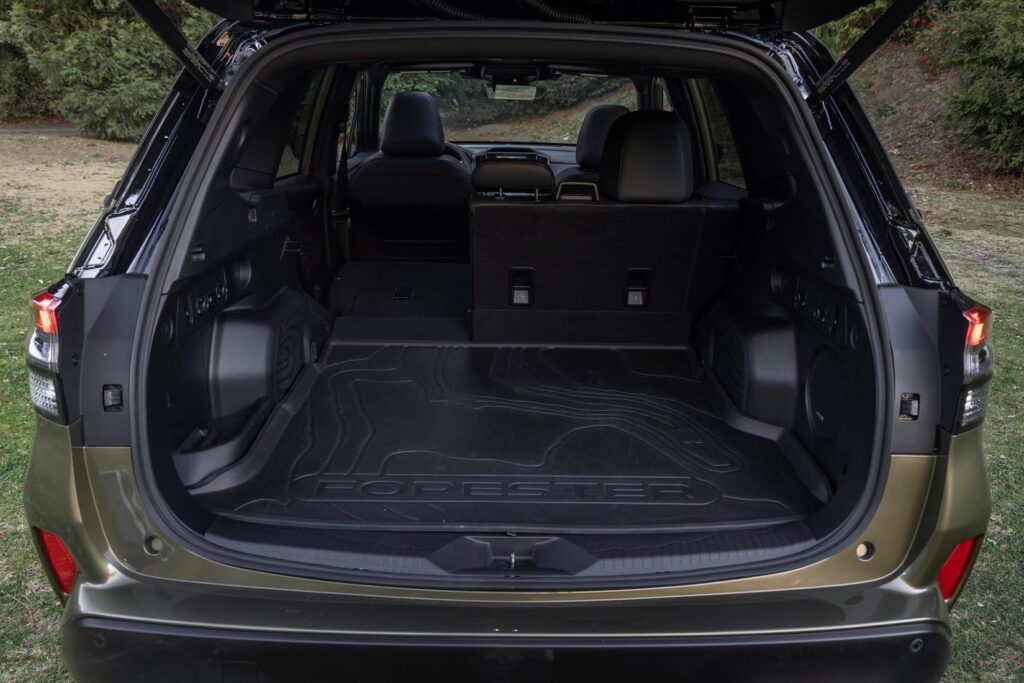
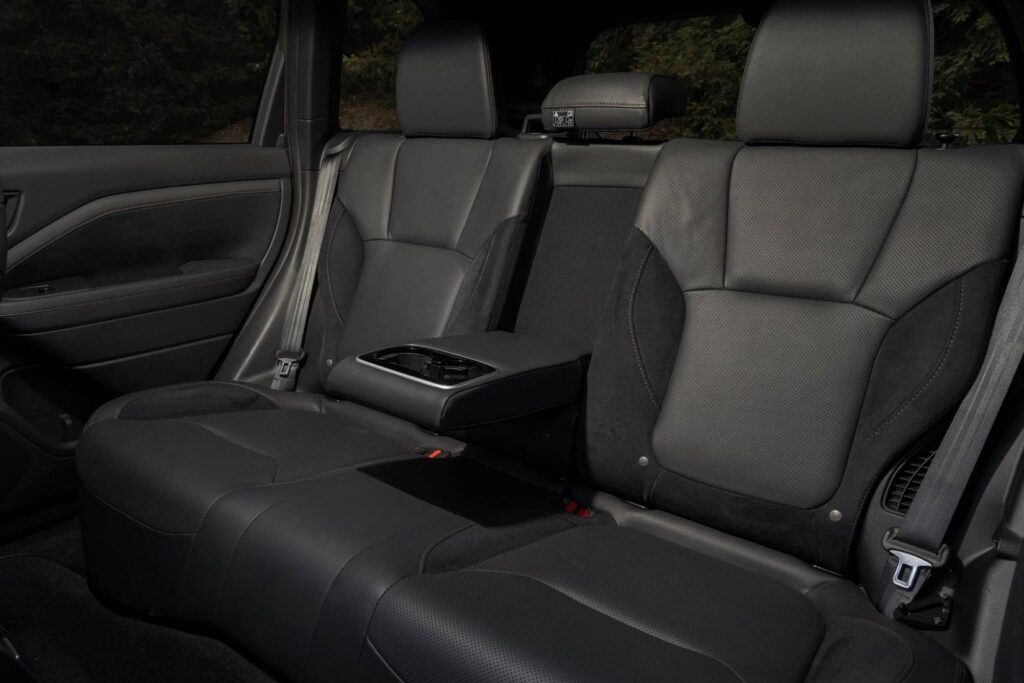
Range comes out to over 1,000 kilometers (621 miles) on a full tank and a topped-up hybrid battery. Pricing starts at AUD 46,990 driveaway in Australia, putting it about AUD 2,000 above the combustion-only Forester. Given the fuel savings on offer, that gap closes faster than most buyers would expect. For a segment where real-world economy usually disappoints, the Forester Hybrid is one of the rare models where the test loop actually flatters the brochure.