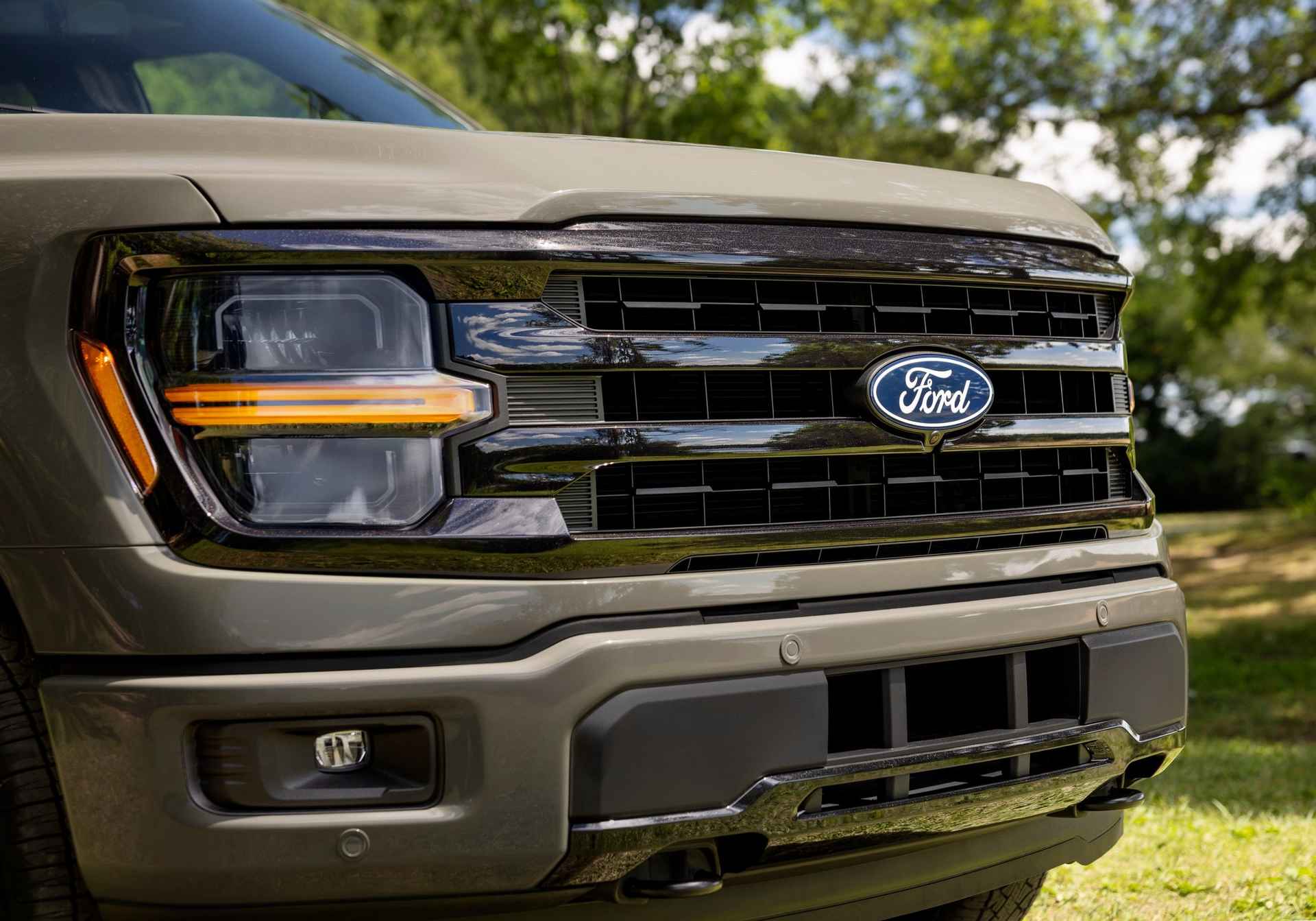
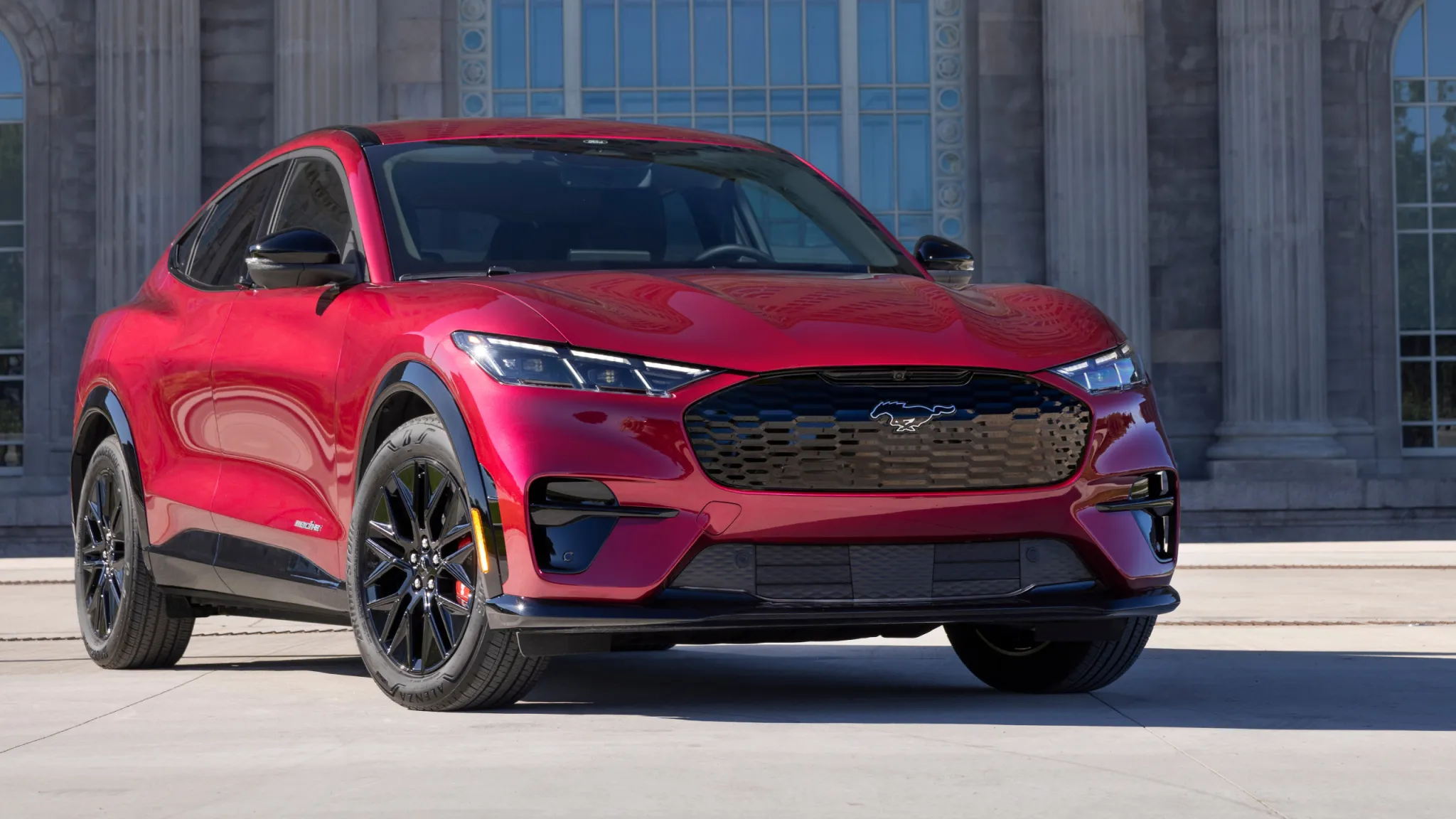
- A San Diego Ford Mach-E buyer filed a class-action lawsuit seeking a share of the $1.3 billion Ford expects to recover from the federal government after the Supreme Court struck down IEEPA tariffs.
- Plaintiff Jason Bullock argues Ford collected inflated prices from customers and would now collect refunds without passing any portion back to the buyers who absorbed the cost.
- Similar suits have already hit Amazon, Costco, and Nike, and industry observers expect more automakers to face the same legal pressure in the coming months.
In February, the Supreme Court of the United States ruled that the administration’s use of the International Emergency Economic Powers Act to impose sweeping tariffs was unconstitutional. Within days, major corporations lined up to reclaim what they had paid. Ford stood to recover roughly $1.3 billion from the federal government. For one San Diego man, that number raised an obvious question: who actually deserves the money?
One Buyer’s Case Against Ford
Jason Bullock purchased a Ford Mustang Mach-E in February, before the Court’s decision landed. According to the lawsuit, Bullock paid more for the vehicle than he would have in a tariff-free market. His argument is straightforward. Ford wrote the check to the U.S. Treasury, but the cost was shared. Rising sticker prices and elevated destination and freight charges fell squarely on buyers. Bullock wants Ford to return a portion of the refund to the customers who helped shoulder the original burden.
Why the Lawsuit Targets Automakers
The legal theory hinges on a simple unfairness. If Ford recovers its tariff payments from the government without compensating customers, the automaker profits twice. First, from buyers who absorbed inflated costs during the tariff period. Second, from a refund that was originally intended to offset those very costs. The customer, the lawsuit argues, ends up with nothing.
A Wider Pattern of Consumer Suits
Ford is not alone in this position. According to the Detroit News, Amazon, Costco, and Nike have all faced similar lawsuits since the ruling. Each company allegedly passed tariff costs to consumers and now stands to recover funds without sharing them. Legal observers expect additional automakers to face the same kind of action, particularly those whose sticker prices rose noticeably during the tariff period and whose buyers can document the difference.
What Happens Next
The case will test how courts view the relationship between corporate tariff payments and consumer pricing. A ruling in Bullock’s favor could open the door to refund claims against other automakers and reshape how tariff costs are passed through the supply chain. For now, Ford faces a fight over whether a $1.3 billion refund belongs to its shareholders, its customers, or somewhere in between.