


- NASA has restructured the upcoming Artemis III mission into a low-Earth orbit demonstration, eliminating the planned lunar landing.
- The revised multi-booster flight plan requires three separate launches involving Blue Origin’s New Glenn, NASA’s SLS, and SpaceX’s Starship.
- The two-week mission will feature the first operational crew evaluations of Blue Origin’s Blue Moon lander alongside SpaceX Starship docking tests.
Why NASA Pulled the Moon Landing Off Artemis III
After months of speculation, NASA finally confirmed what insiders had been whispering about for weeks. Artemis III will not land anyone on the Moon. Instead, the agency is repurposing the mission into something arguably more important: a two-week orbital shakedown cruise designed to prove that SpaceX and Blue Origin can actually deliver humans to the lunar surface on a later flight.
The shift puts the crewed lunar landing target squarely on Artemis IV, now scheduled for 2028. That gives NASA roughly eighteen months to use Artemis III as a proving ground for hardware that has, until now, only existed in renderings and ground tests.
Worth A Look





Three Rockets, One Orbital Ballet
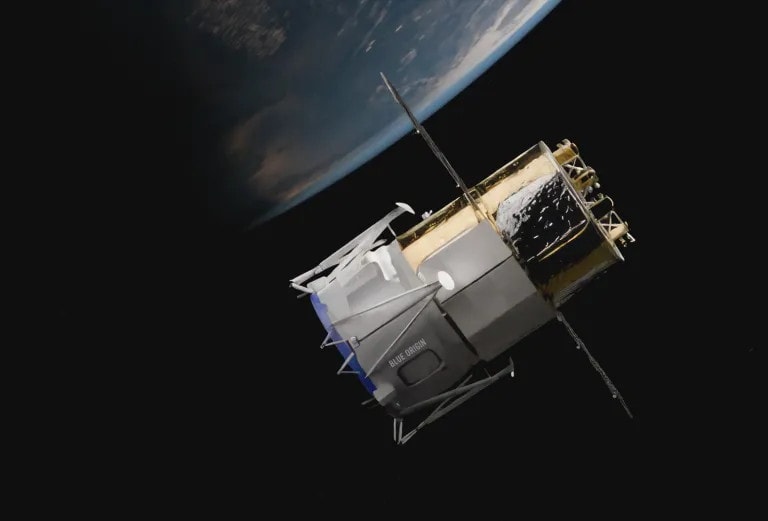
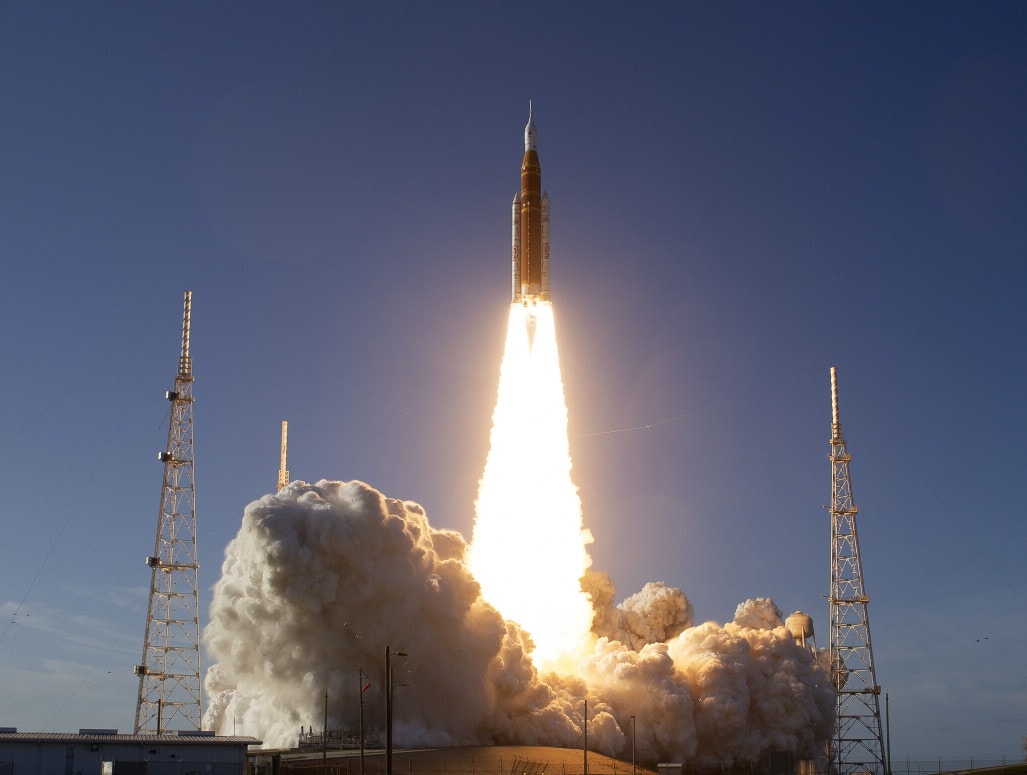
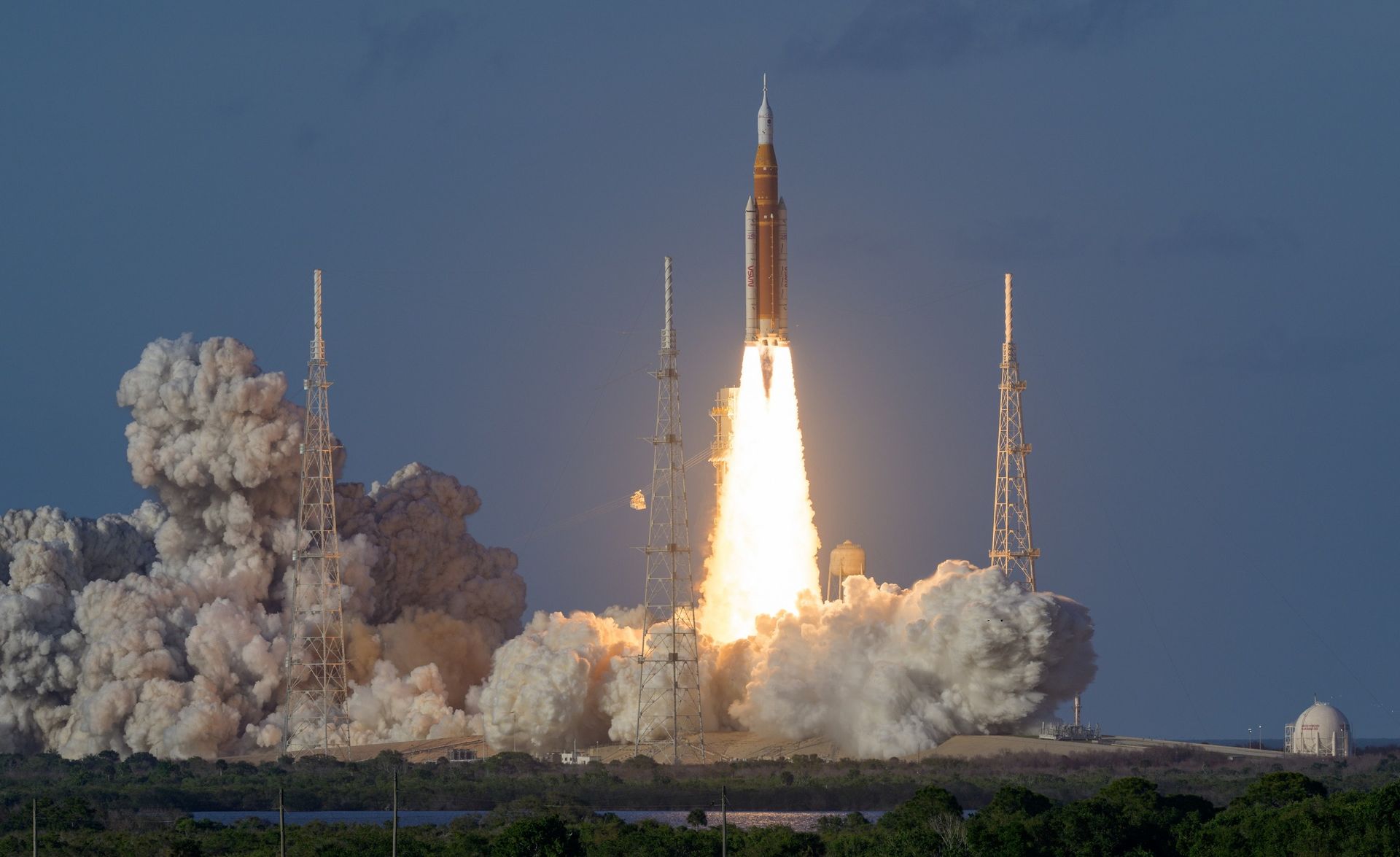
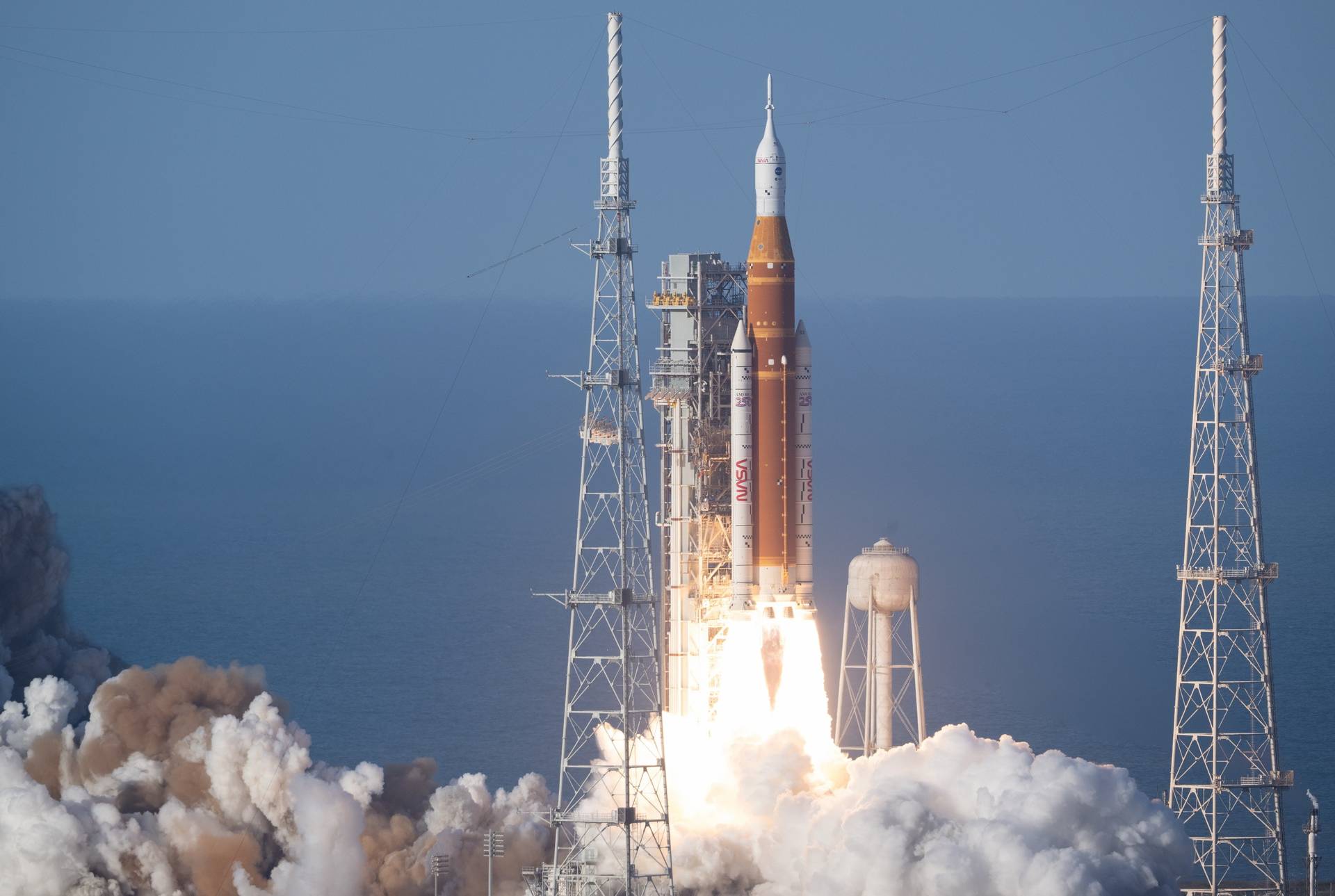
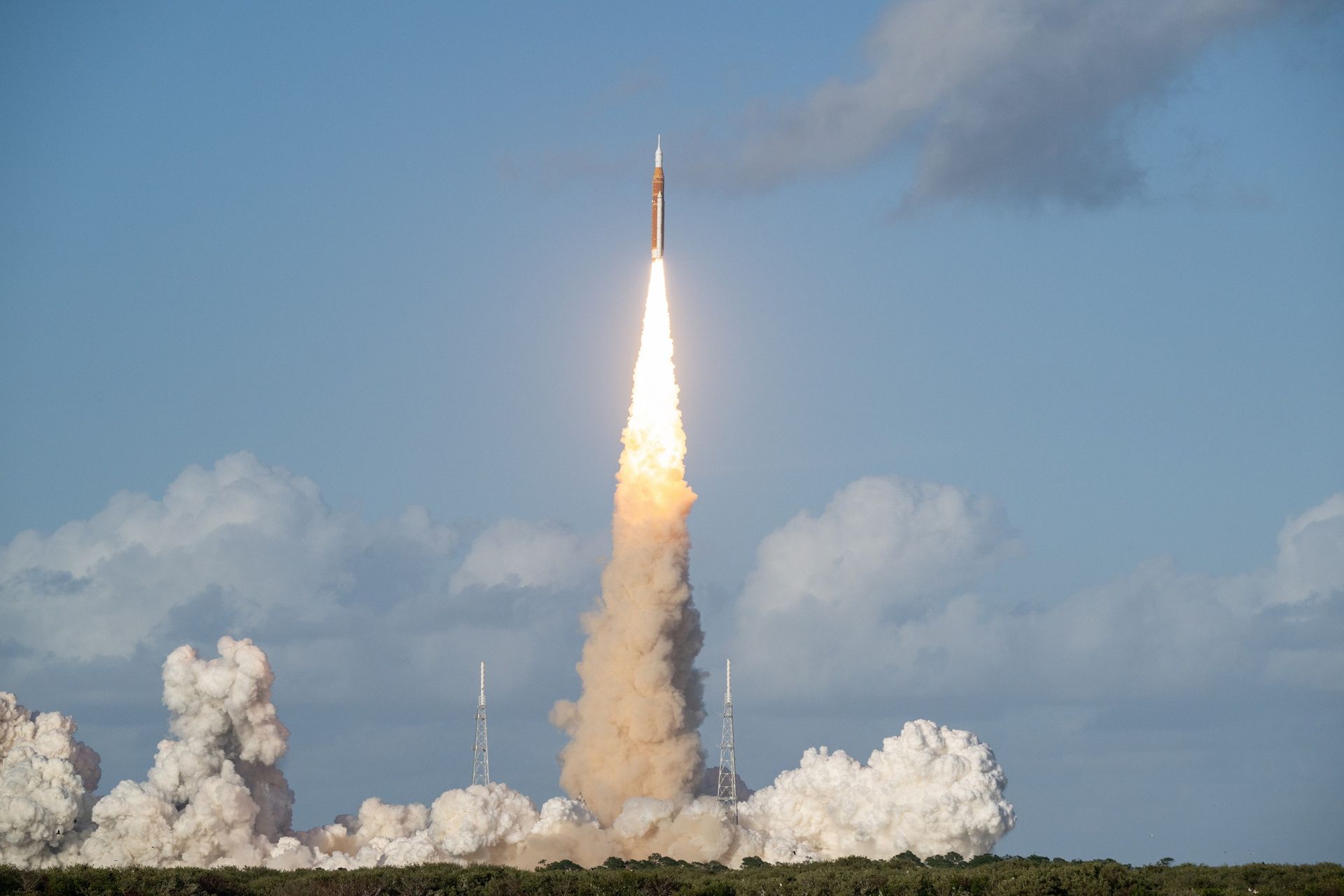
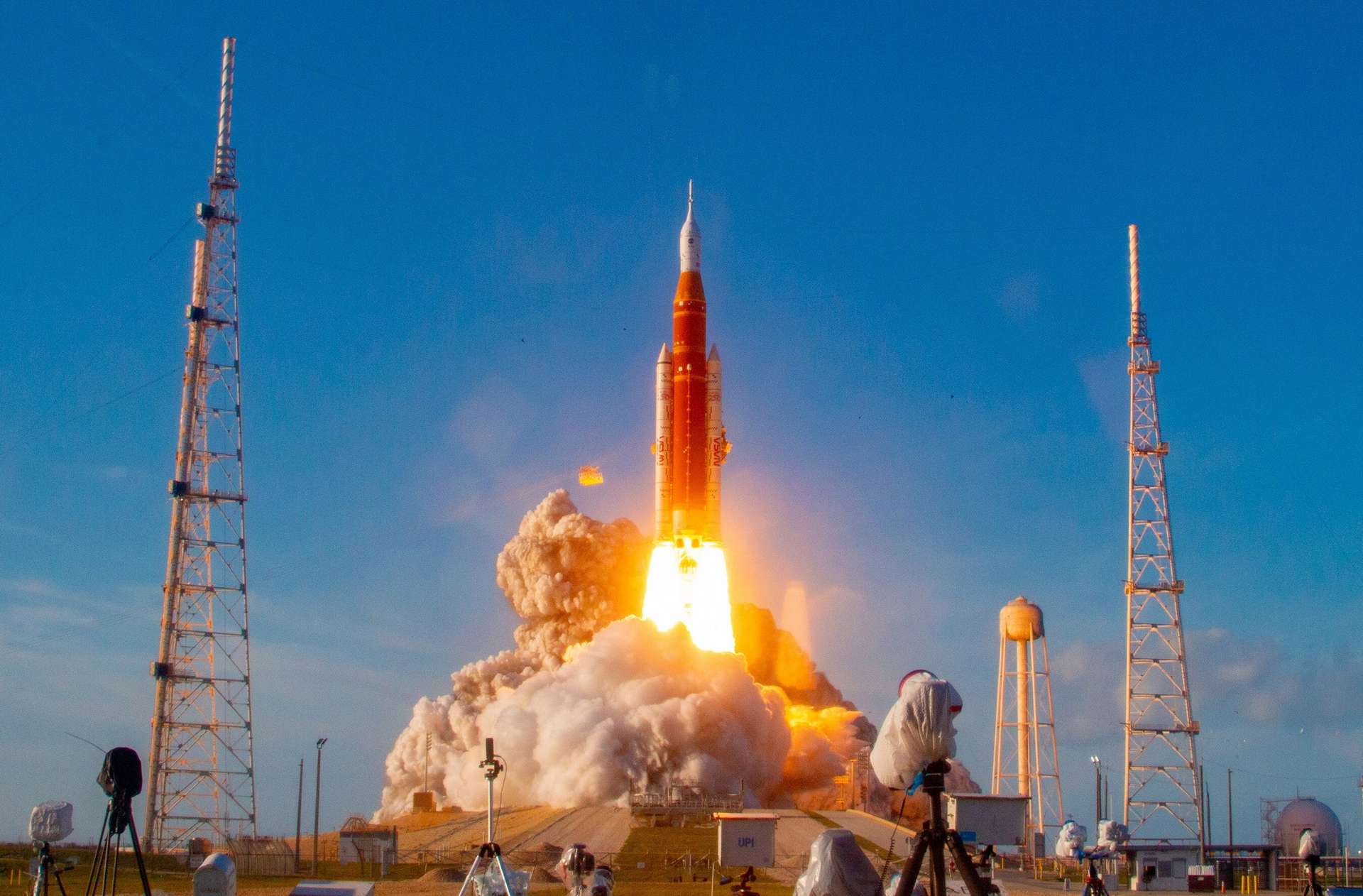
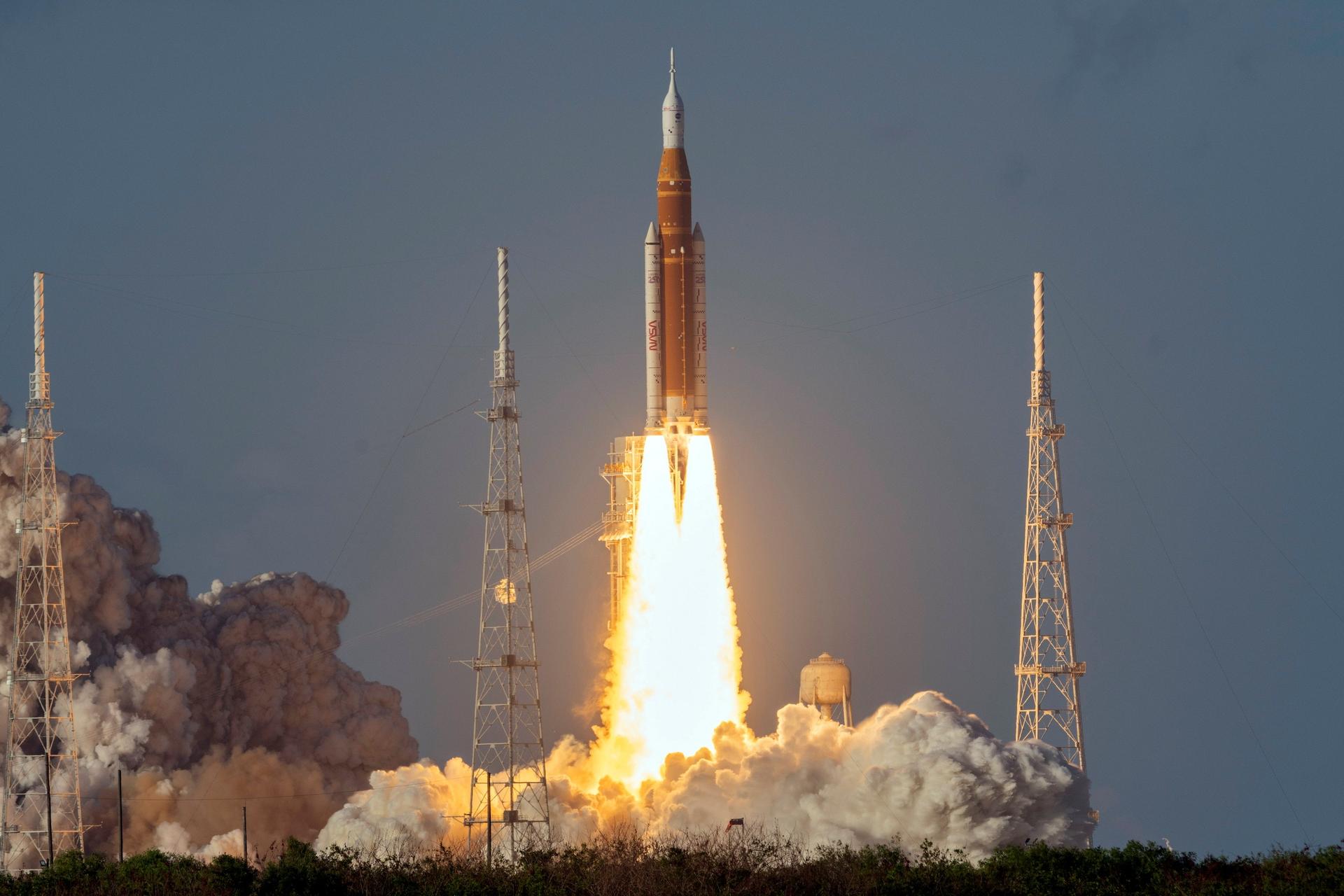
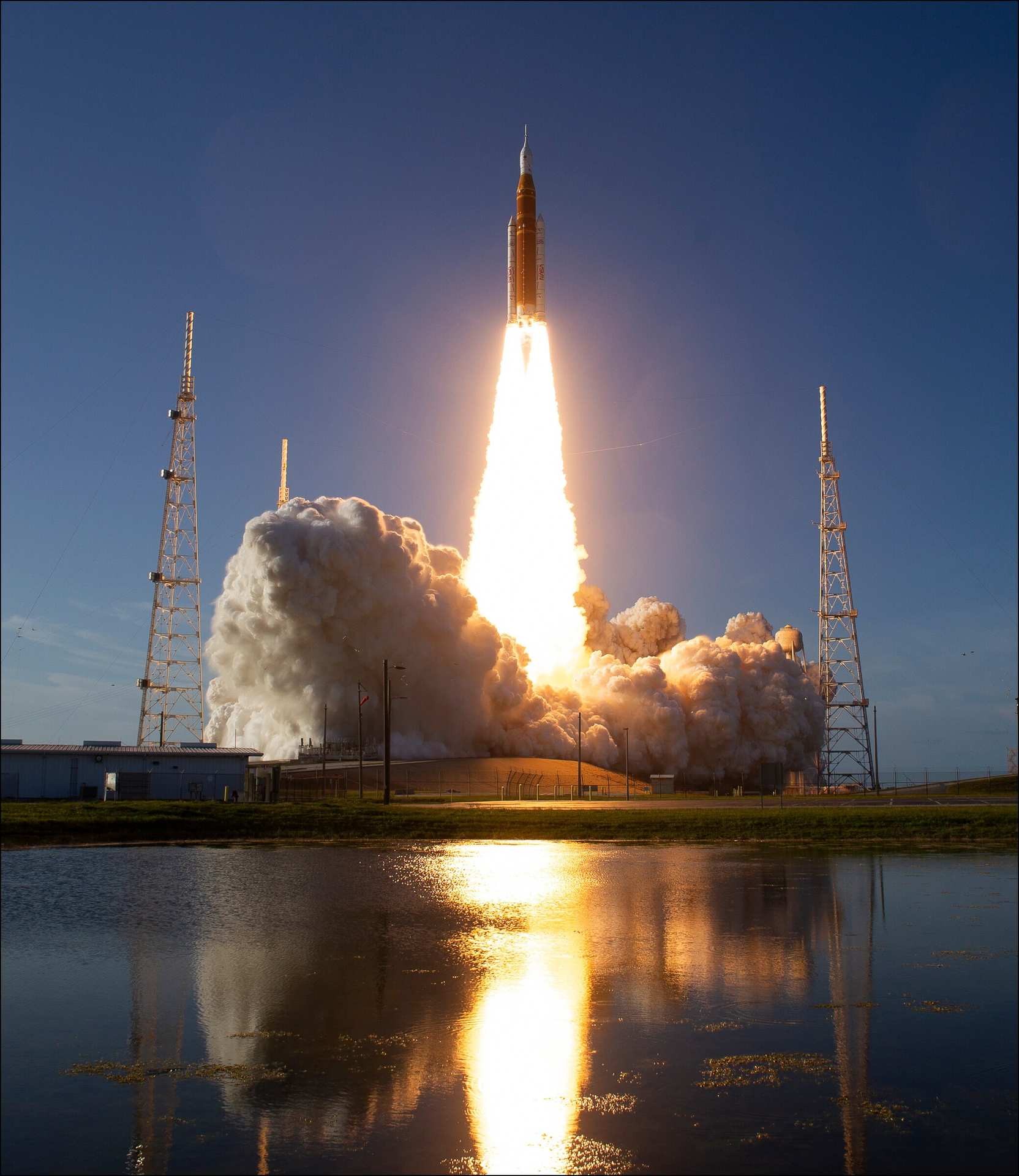
What makes this mission genuinely unusual is its launch architecture. Rather than a single rocket carrying everything skyward, Artemis III demands three separate launches choreographed within a narrow window. Blue Origin goes first, lofting a Blue Moon Mark 2 test article on a New Glenn booster. NASA’s SLS follows with the crew inside an Orion capsule. SpaceX brings up the rear with a Starship HLS variant riding atop Super Heavy.
All three vehicles converge in a 460-kilometer circular orbit, where the real work begins. The crew—Commander Randy Bresnik, Pilot Luca Parmitano, and Mission Specialists Frank Rubio and Andre Douglas, with Bob Hines serving as backup—will spend roughly fourteen days running through procedures that have never been attempted with this hardware combination.
Inside the Docking Operations
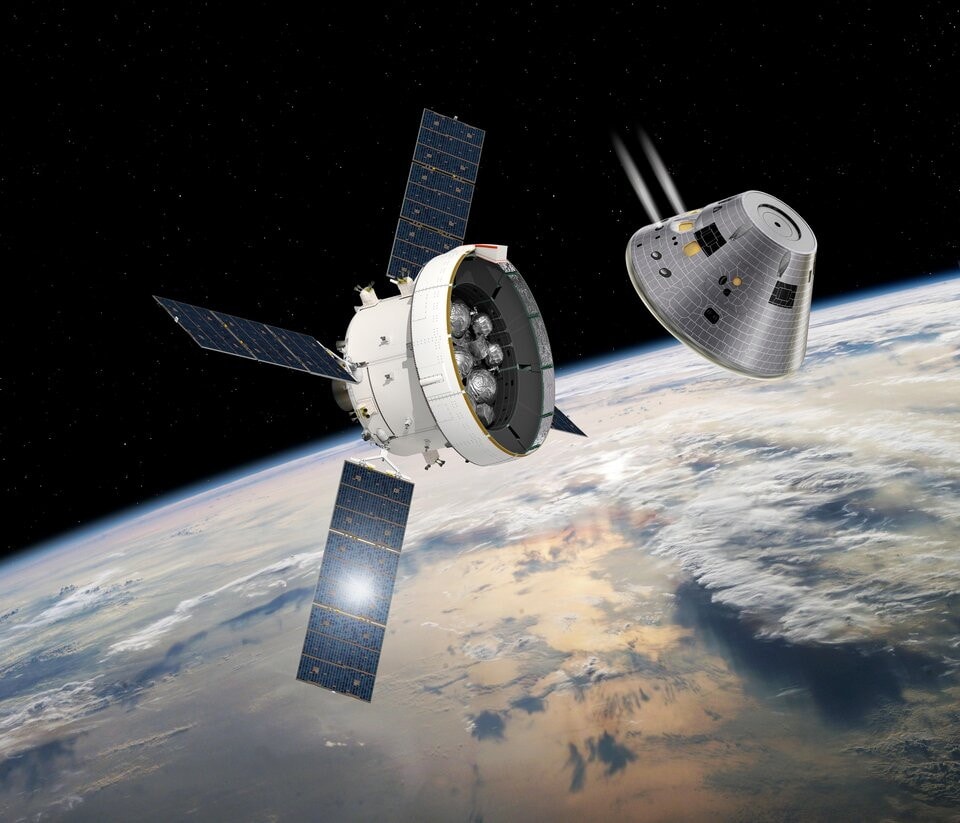
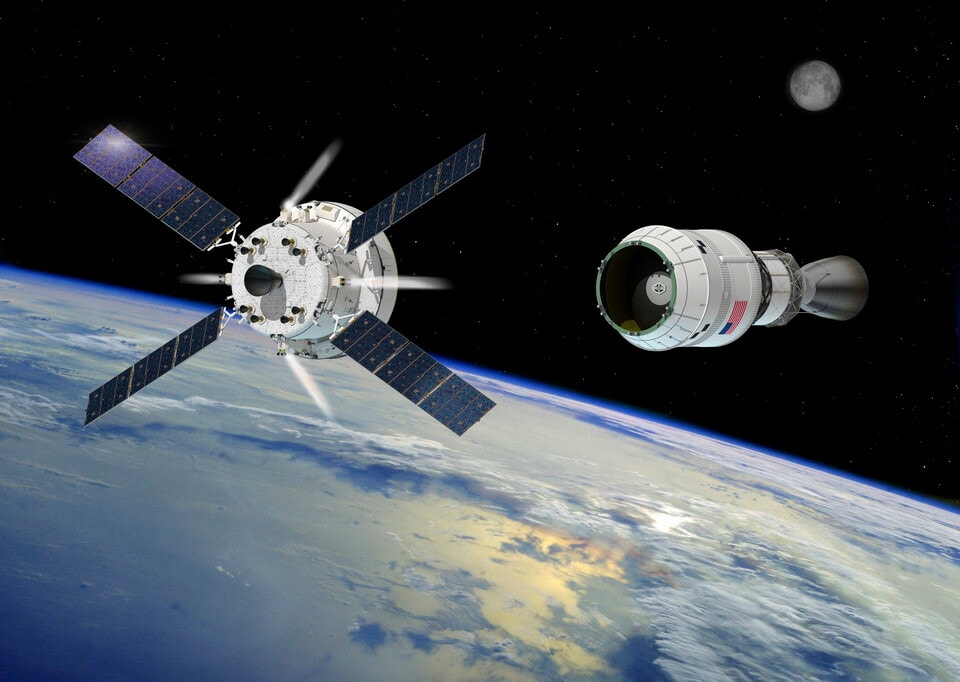
Orion’s first task involves sliding up alongside the Blue Moon capsule for a lateral docking. Two astronauts in orange survival suits will cross over into the lander, boot up its Environmental Control and Life Support System, and spend two full days poking at every interface while Orion’s flight software runs the show.
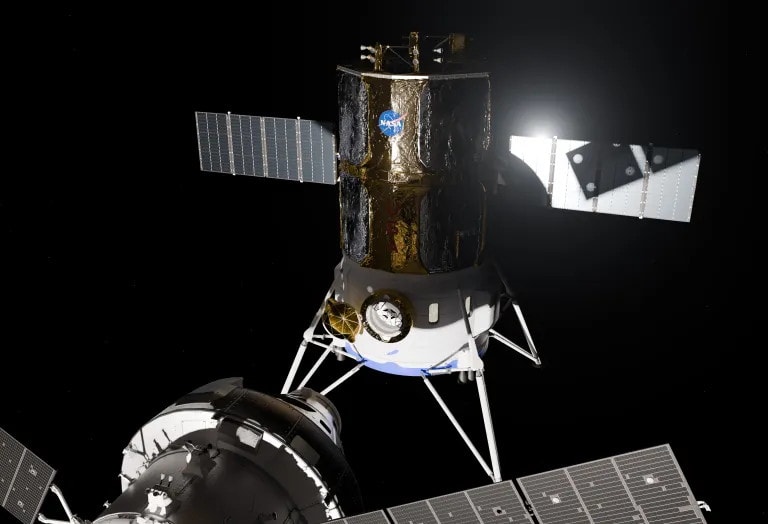
After undocking from Blue Origin’s vehicle, Orion pivots to a nose-to-nose configuration with Starship. This phase runs shorter—just twenty-four hours—and the software hierarchy flips, with Starship taking command of the combined stack. Astronauts won’t actually board Starship during this mission. The vehicle simply isn’t ready for occupants yet.
What Comes Next
Ground teams aren’t sitting idle while this unfolds. Mission controllers across multiple centers will be tracking launch processing, network performance, and data exchange protocols throughout the flight. NASA has already qualified both landers’ docking mechanisms on the ground and plans additional verification work over the coming months.
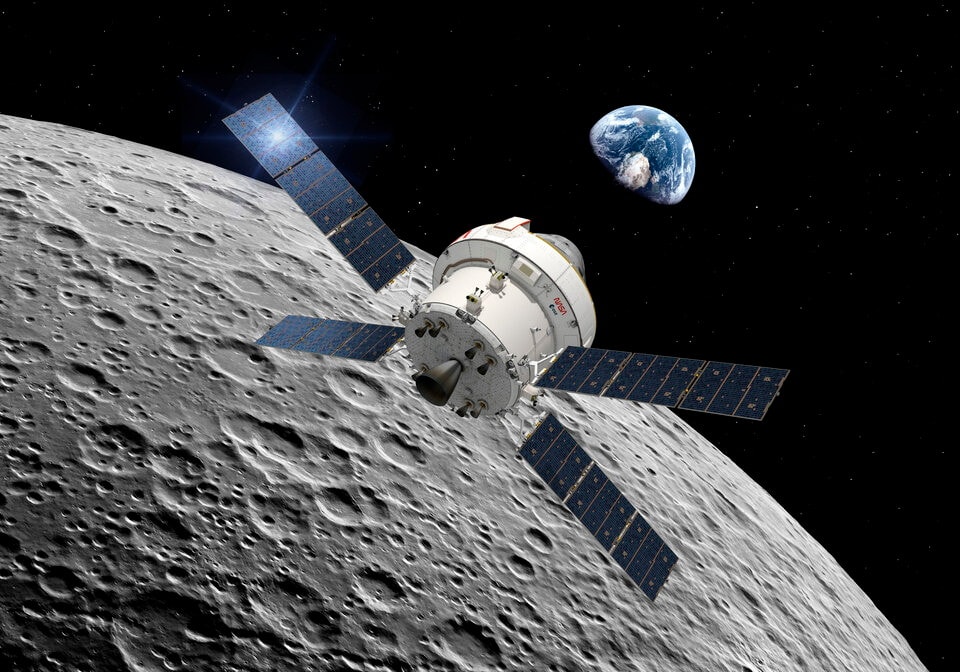
If everything checks out, Artemis IV in 2028 will see whichever lander NASA selects launch ahead of the crew, position itself in lunar orbit, and wait. Then, for the first time since Apollo 17, humans will ride a lander down to the lunar surface.