- Bill Ford urges U.S. automakers to compete directly with Chinese rivals rather than rely on trade barriers to keep them out of the market.
- Ford CEO Jim Farley and the Alliance for Automotive Innovation support legislation that would ban Chinese-built vehicles and related technologies from U.S. dealerships.
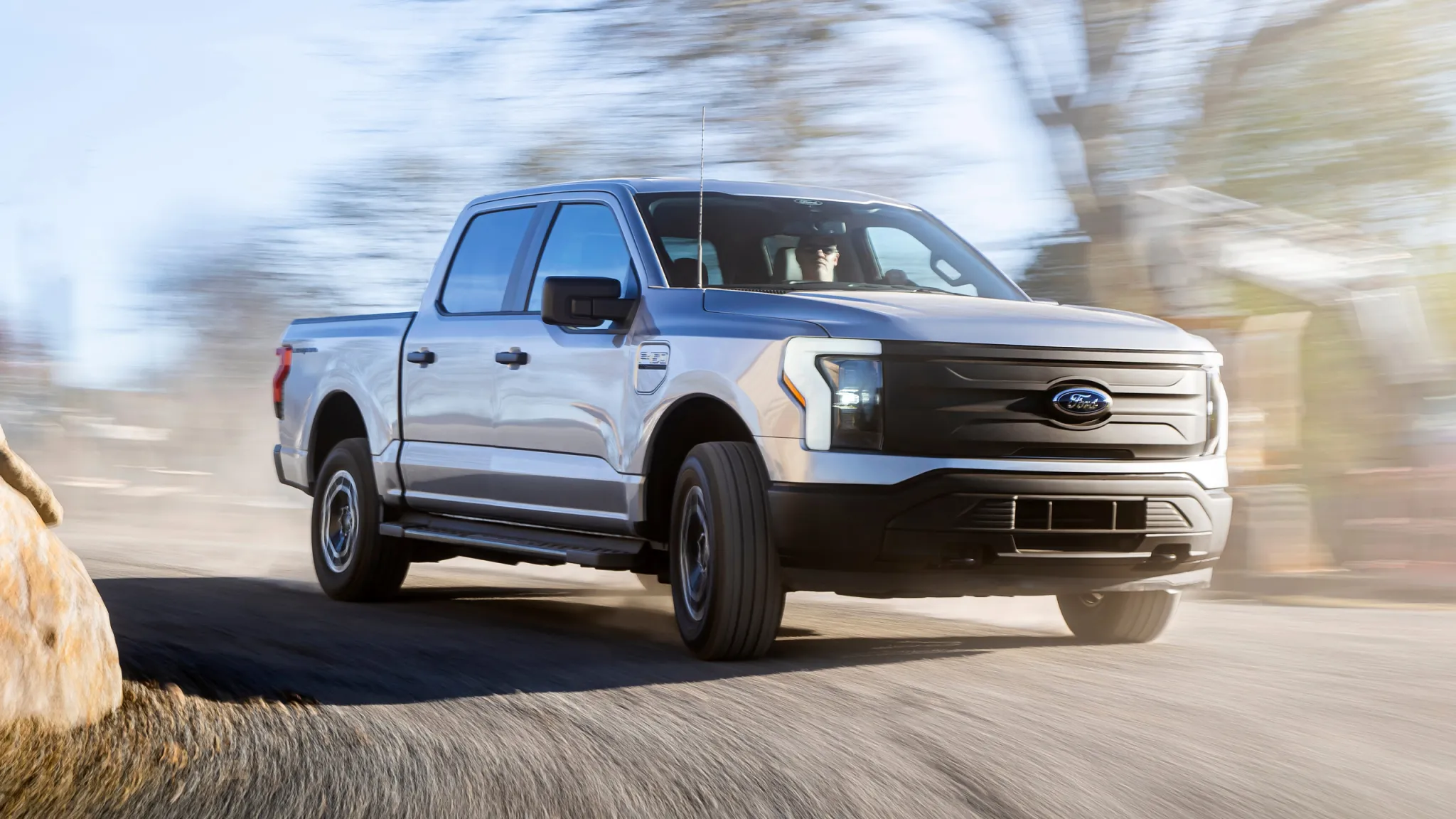
- Ford is developing a $30,000 electric pickup to counter Chinese imports, while startup Slate pursues an even cheaper alternative vehicle.
The room at the Axios event in Washington, D.C. was quiet when Bill Ford, executive chairman of the company carrying his family name, made a statement that cut against the grain of his own industry’s lobbying machine. “We have to go toe-to-toe with China,” Ford said on Tuesday, according to the Wall Street Journal. “We can’t expect to keep them out forever, and we have to be able to beat them at their own game.” It was a position that drew a clear line between the executive chairman and the man running Ford’s day-to-day operations.
A House Divided at Ford
Back in April, Ford CEO Jim Farley sat down with Fox News and made the case for exclusion. Chinese EVs, he argued, should not be allowed into the United States. The subsidies flowing from Beijing into its domestic auto sector, Farley said, created a fight that American companies were not equipped to win fairly. That stance put Farley in line with a growing chorus in Washington, but it put him at odds with the man whose last name sits on the building.
Worth A Look
The Lobbying Push for a Hard Line
Ford sits on the board of the Alliance for Automotive Innovation, a trade group that has thrown its weight behind the Connected Vehicle Security Act. Senators Bernie Moreno of Ohio and Elissa Slotkin of Michigan introduced the bill to keep China-built cars and their underlying technologies out of American showrooms. AAI president and CEO John Bozzella framed the effort in stark terms. “Chinese automakers are flooding markets around the world with cut-rate vehicles,” Bozzella said in a statement. “The legislation they introduced today sends a clear message: The U.S. will not throw open the doors to Chinese automakers to manufacture or sell here.”
Chinese Cars Are Already Here
The reality on the ground is messier than the rhetoric in Washington. Mexico has already welcomed Chinese EVs under existing trade terms. Canada recently opened a limited quota for Chinese imports. Volvo, owned by Chinese conglomerate Geely, secured Commerce Department authorization to keep operating in the U.S. Its sister brand Polestar was denied the same treatment. The Lincoln Nautilus rolls off Chinese assembly lines and into American dealerships every day. The borders, in practice, are far more porous than the legislation suggests.
Product as the Answer
Bill Ford seems to understand that walls rarely hold in a globalized industry. His call for a bipartisan industrial policy with lead times longer than any political cycle points to a strategy built on American manufacturing strength rather than protectionist legislation. Ford is putting money behind that idea with a $30,000 electric pickup aimed squarely at the price point where Chinese automakers have proven most dangerous. Startup Slate is chasing the same target with an even smaller, cheaper vehicle. The question, as Bill Ford framed it, is no longer whether Chinese automakers will break through. It is when. And when they do, the American response will need to be built on better products, not better barriers.