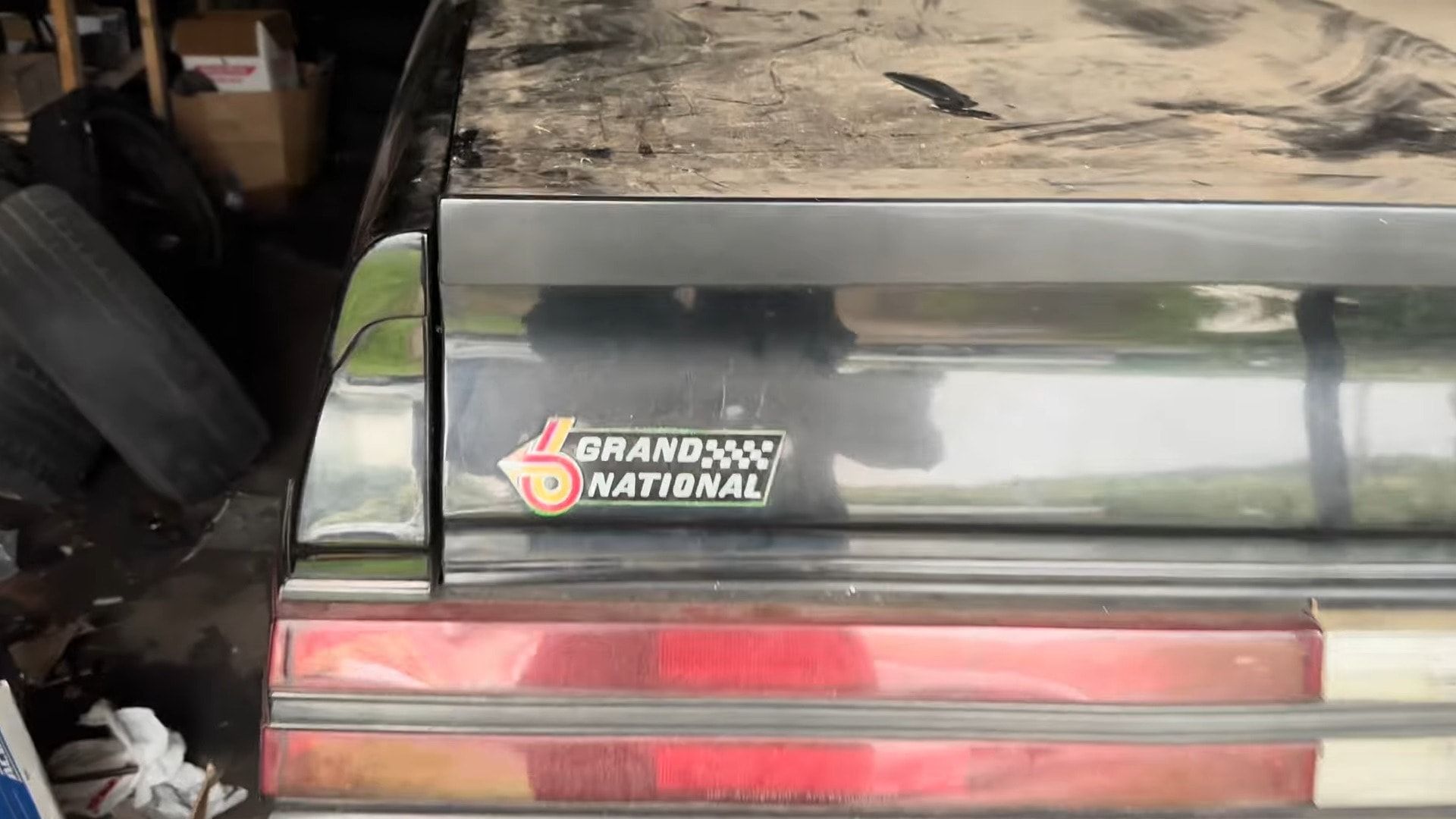
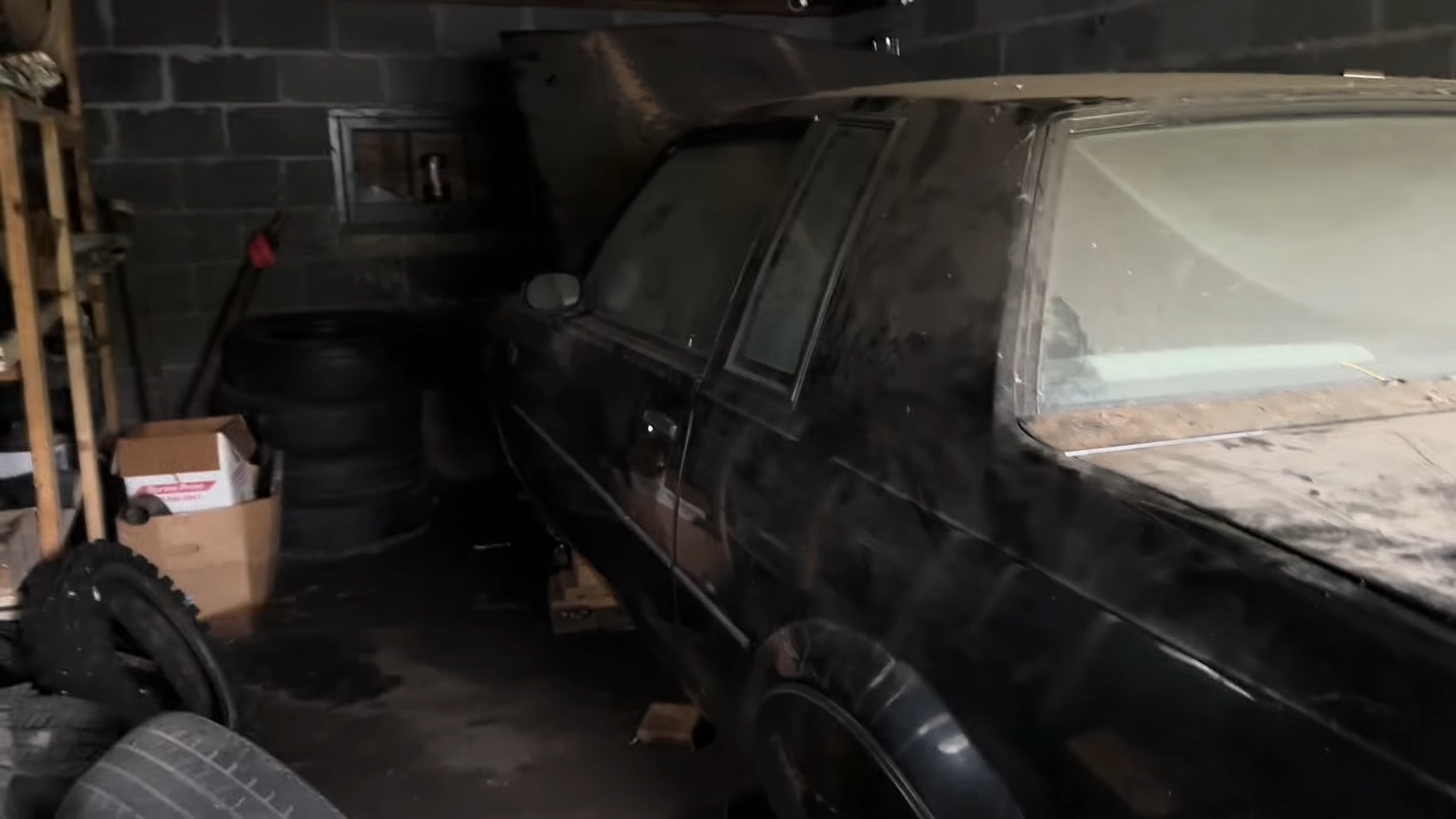
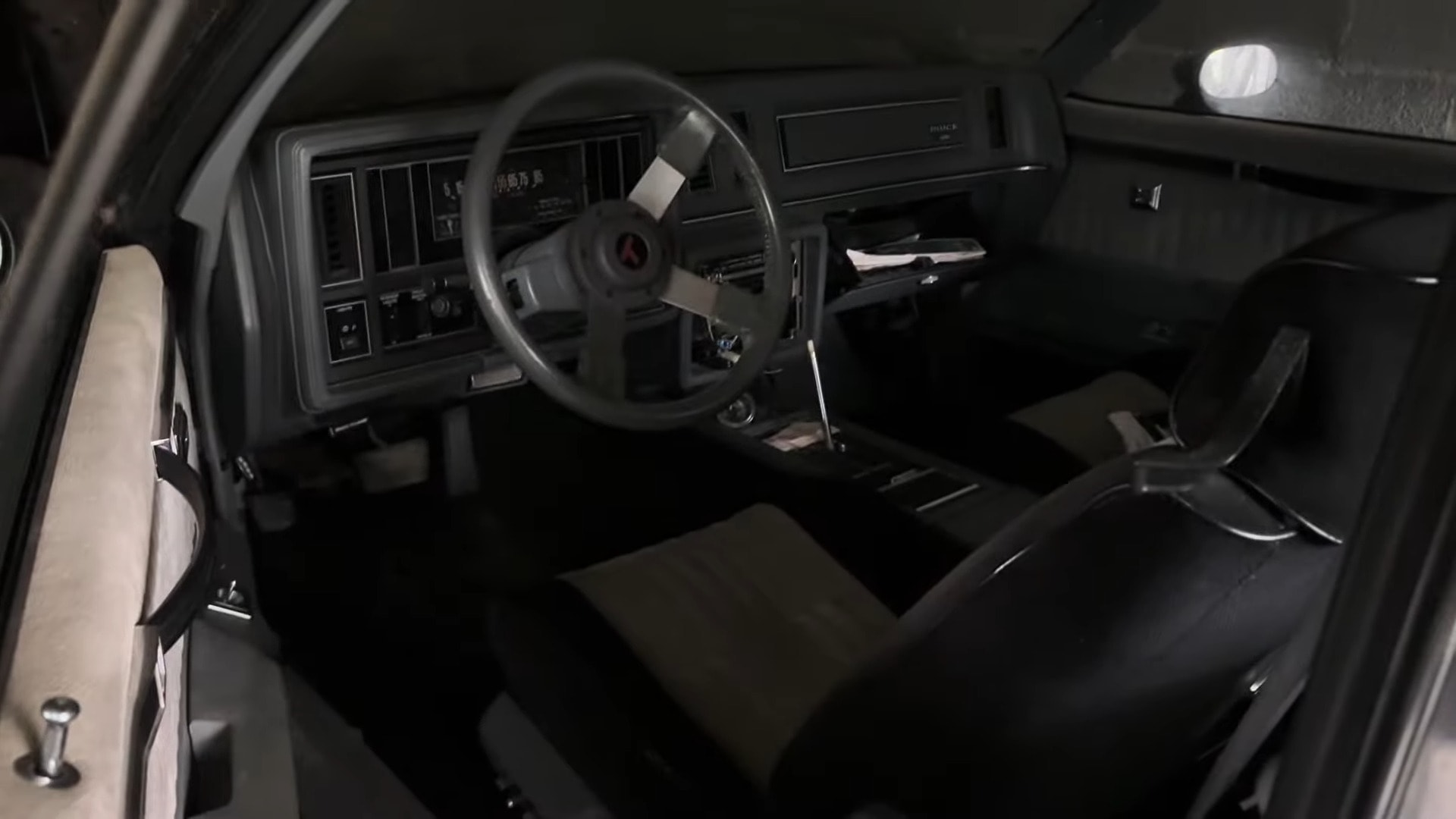
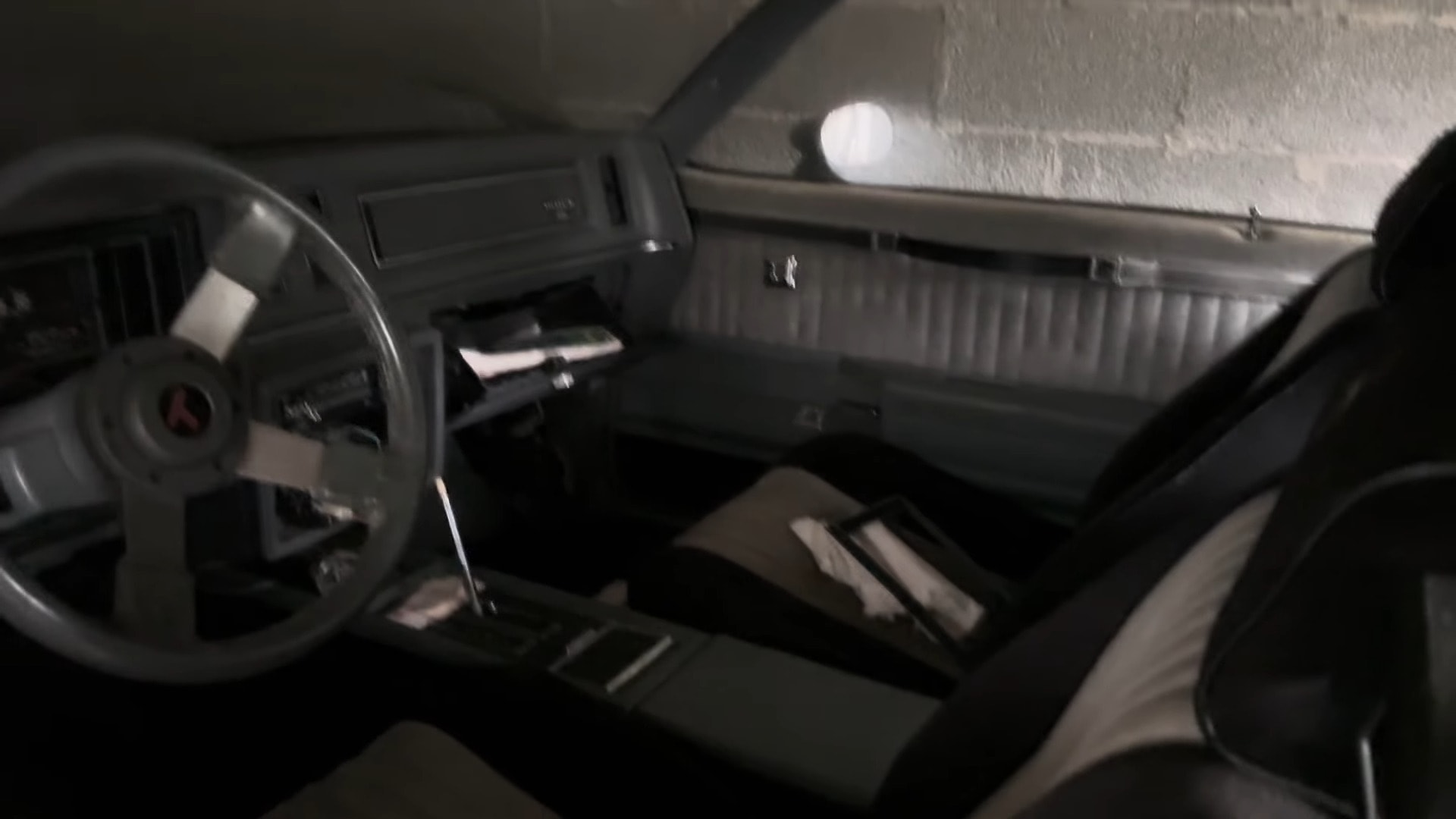
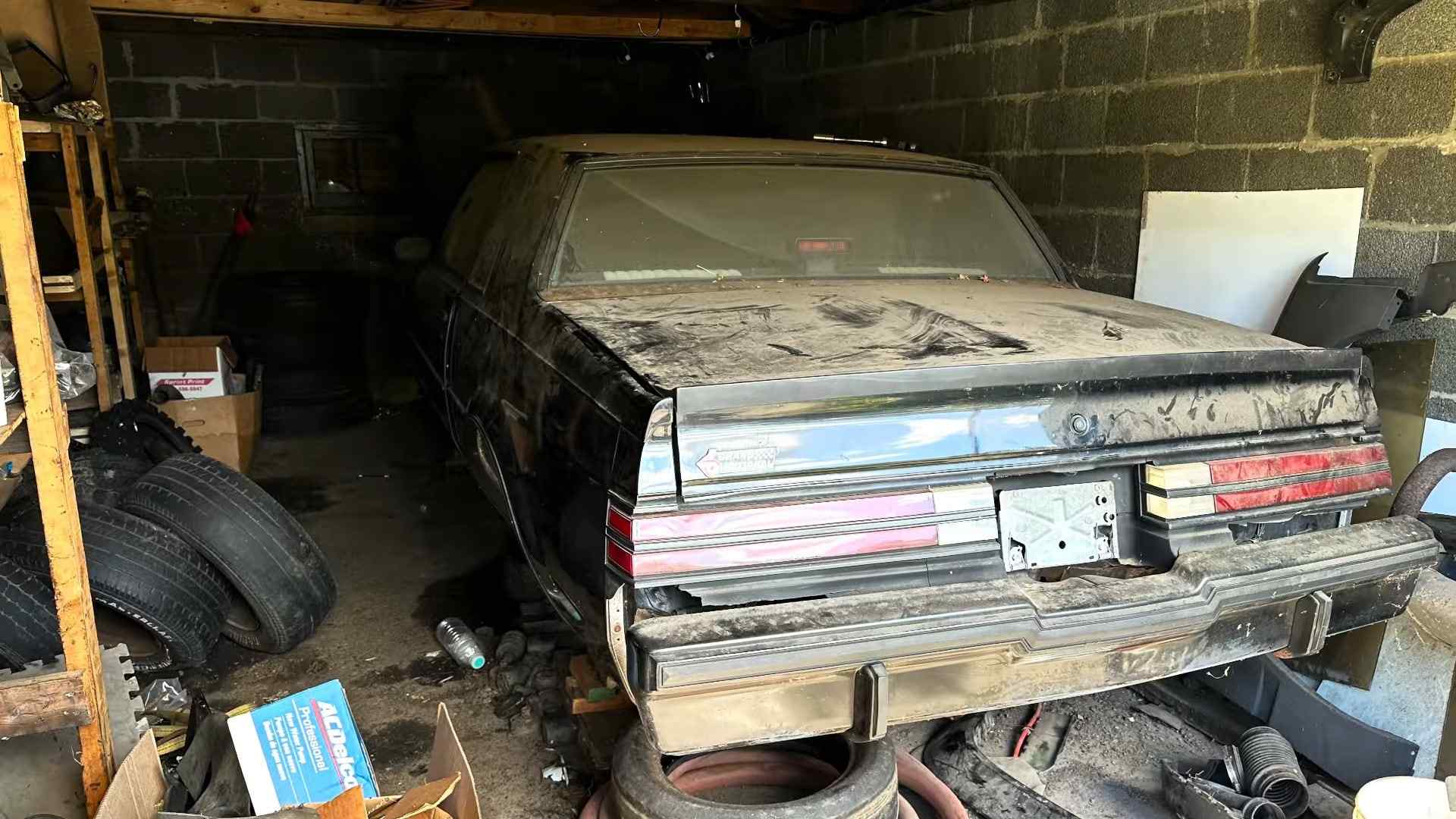
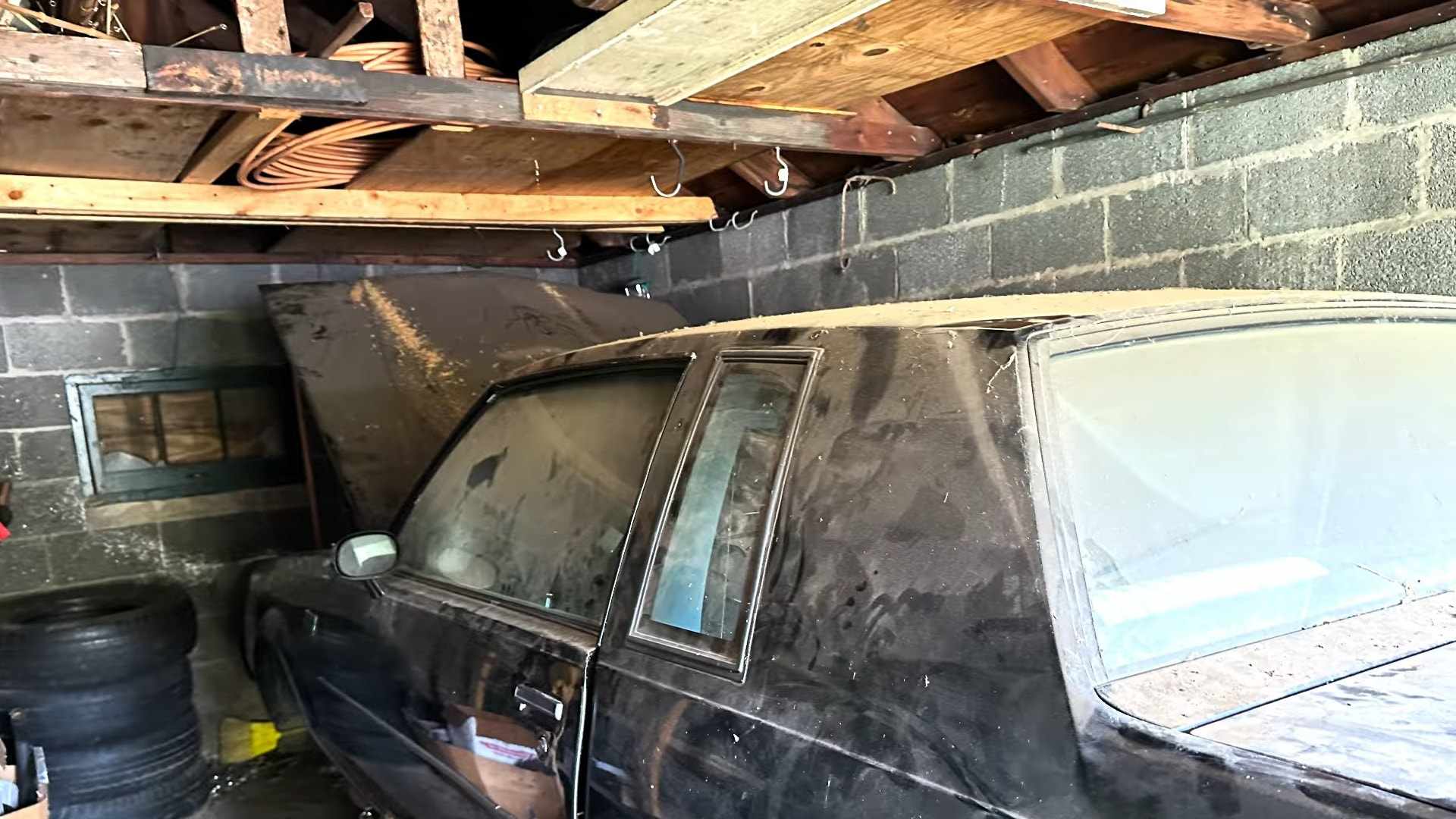
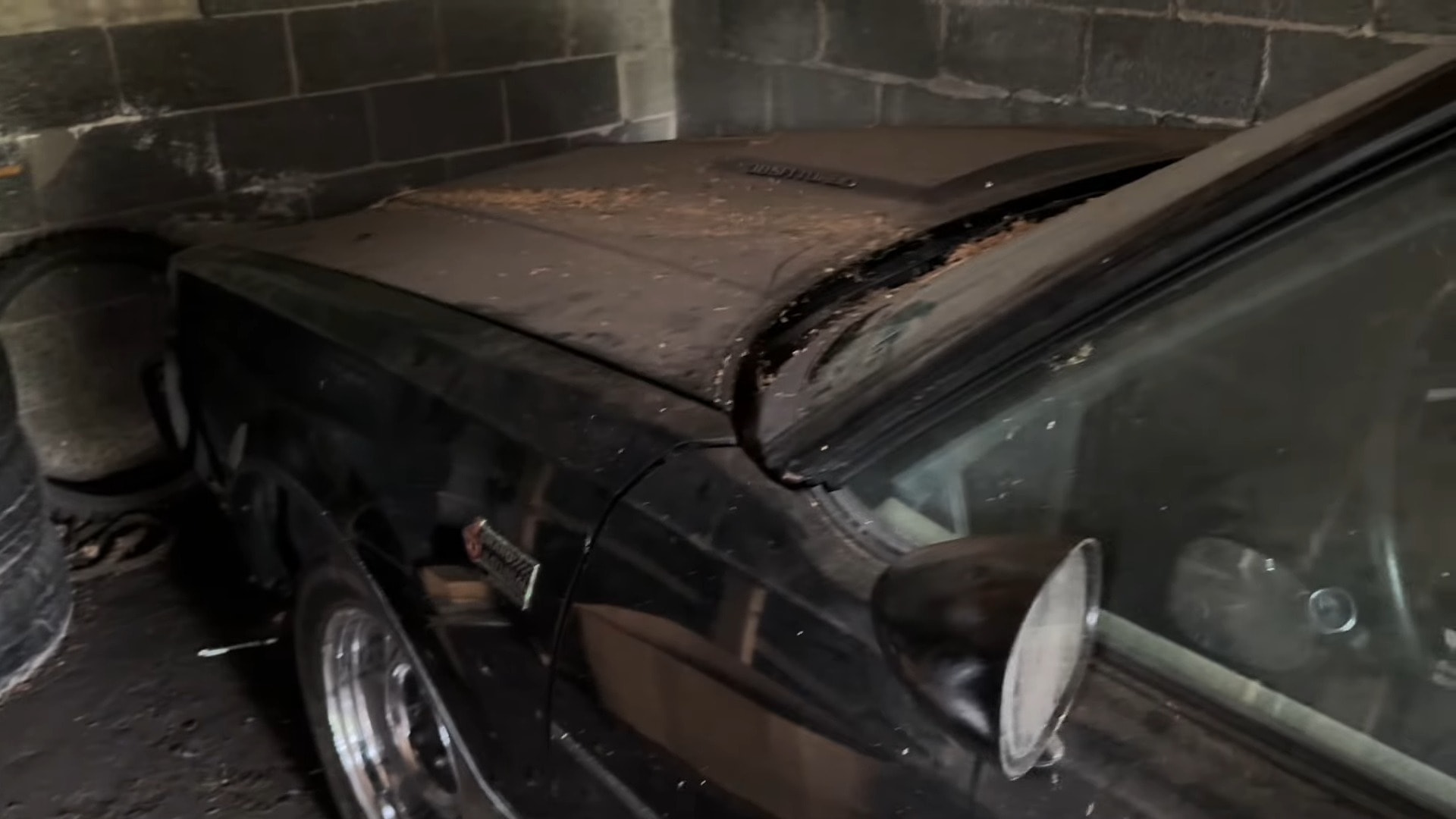
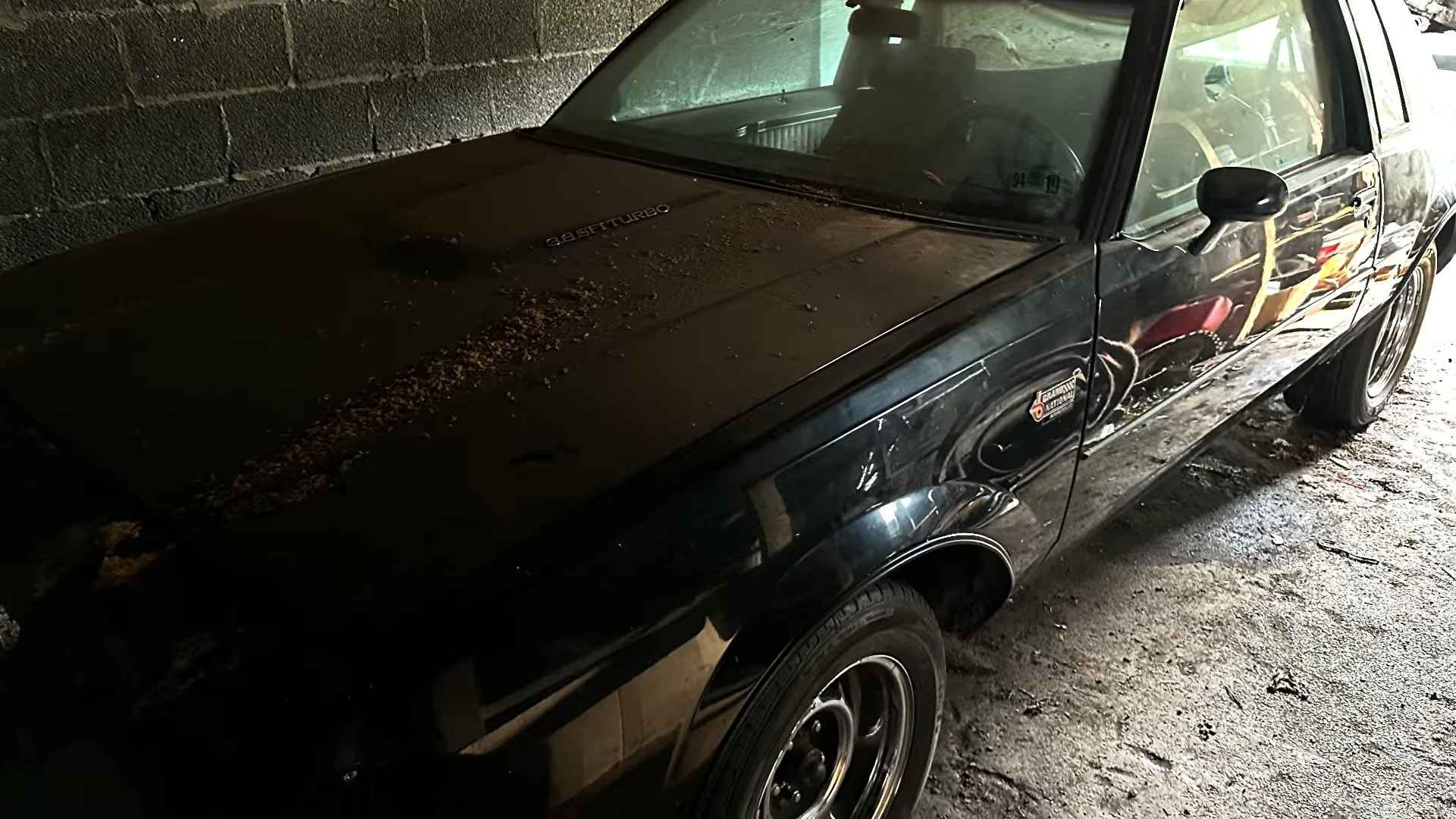

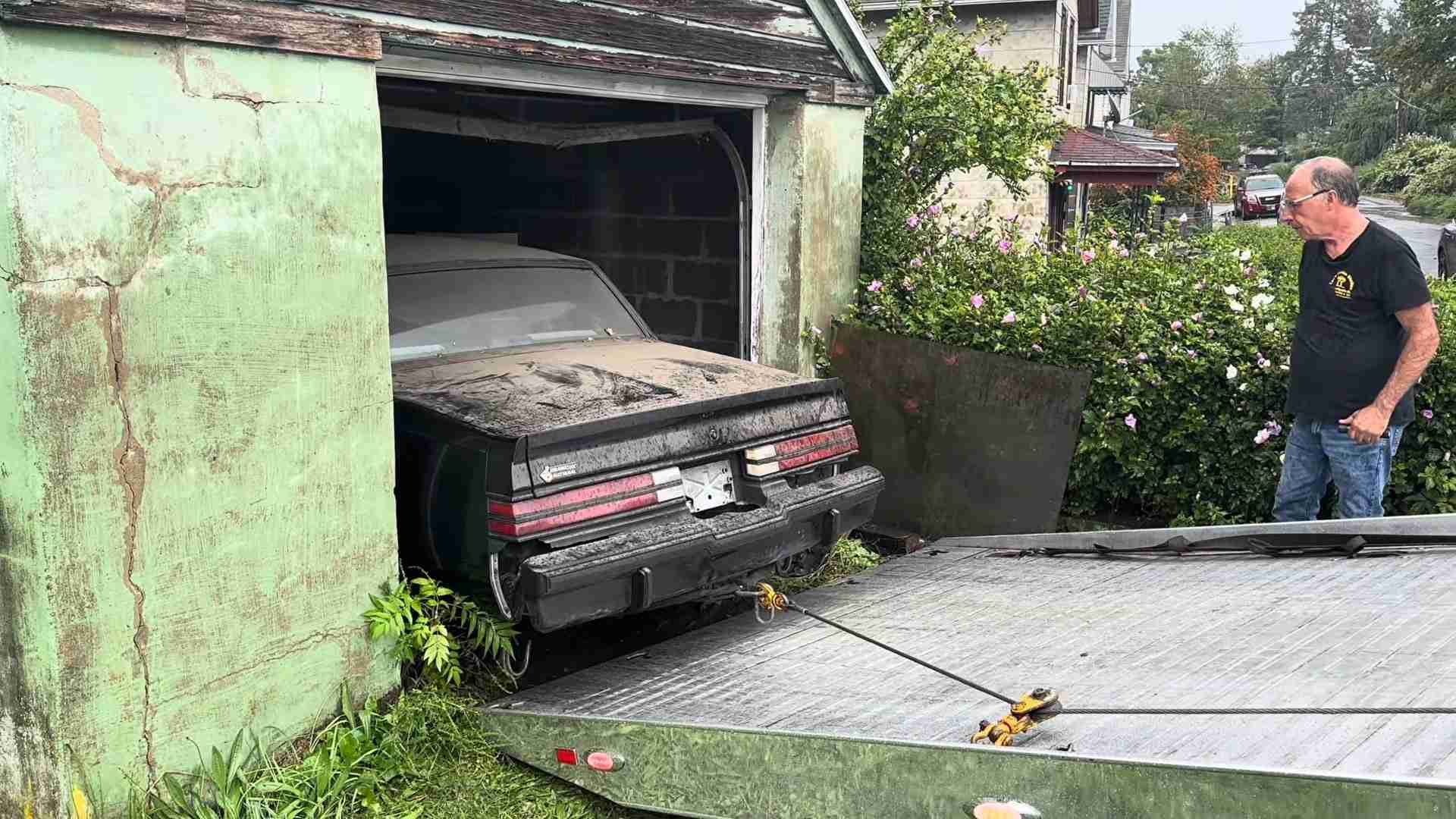
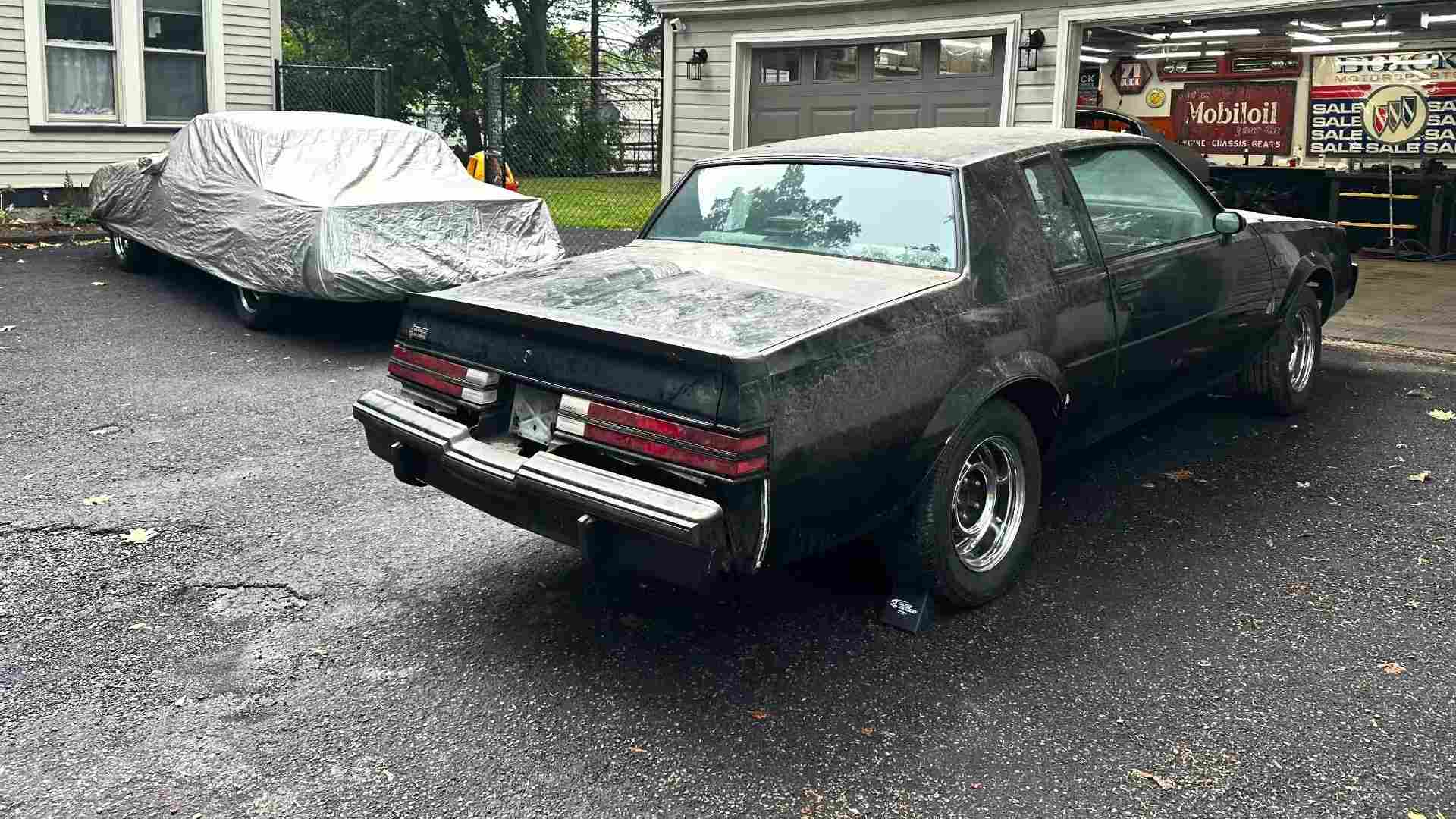
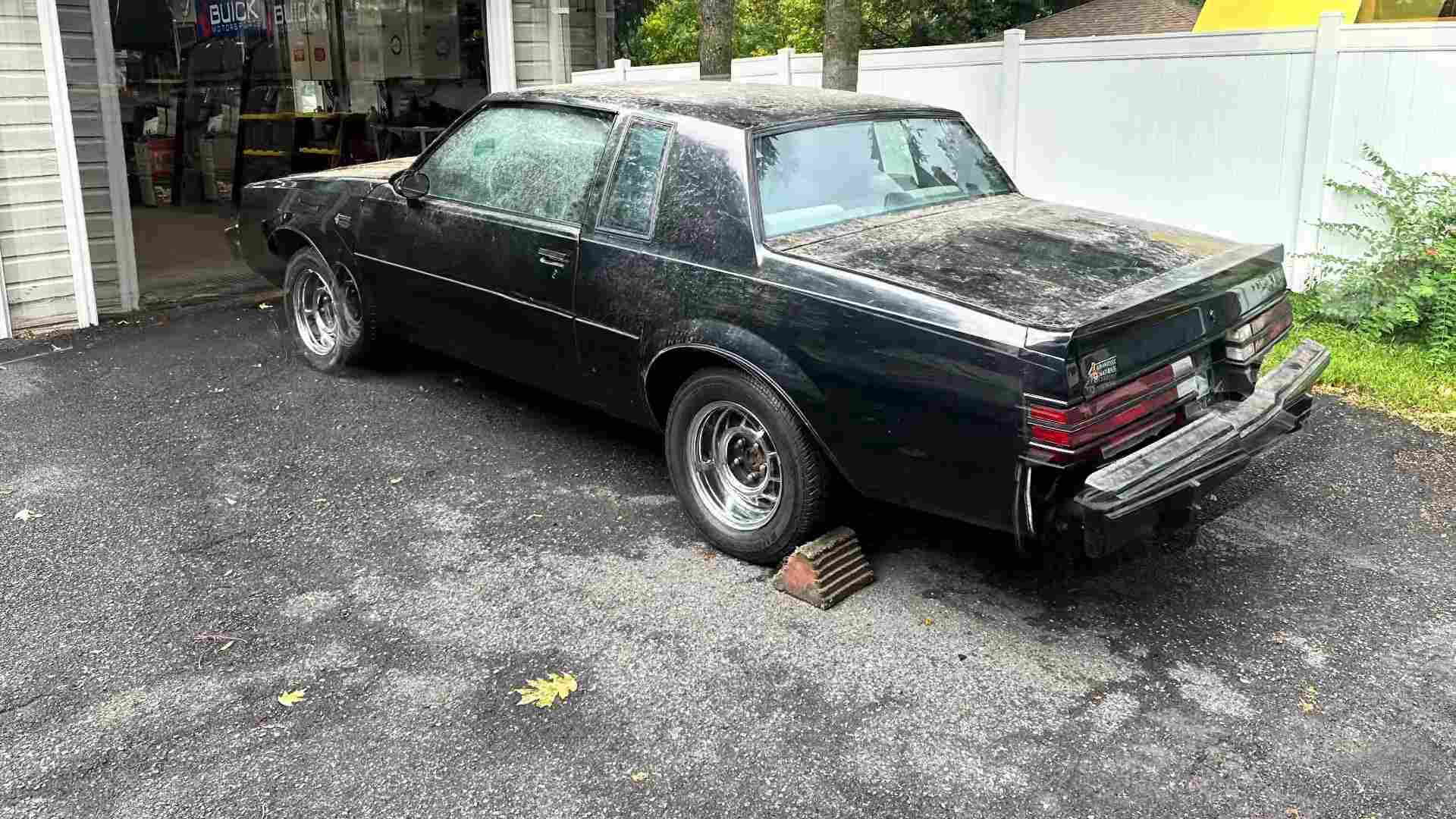
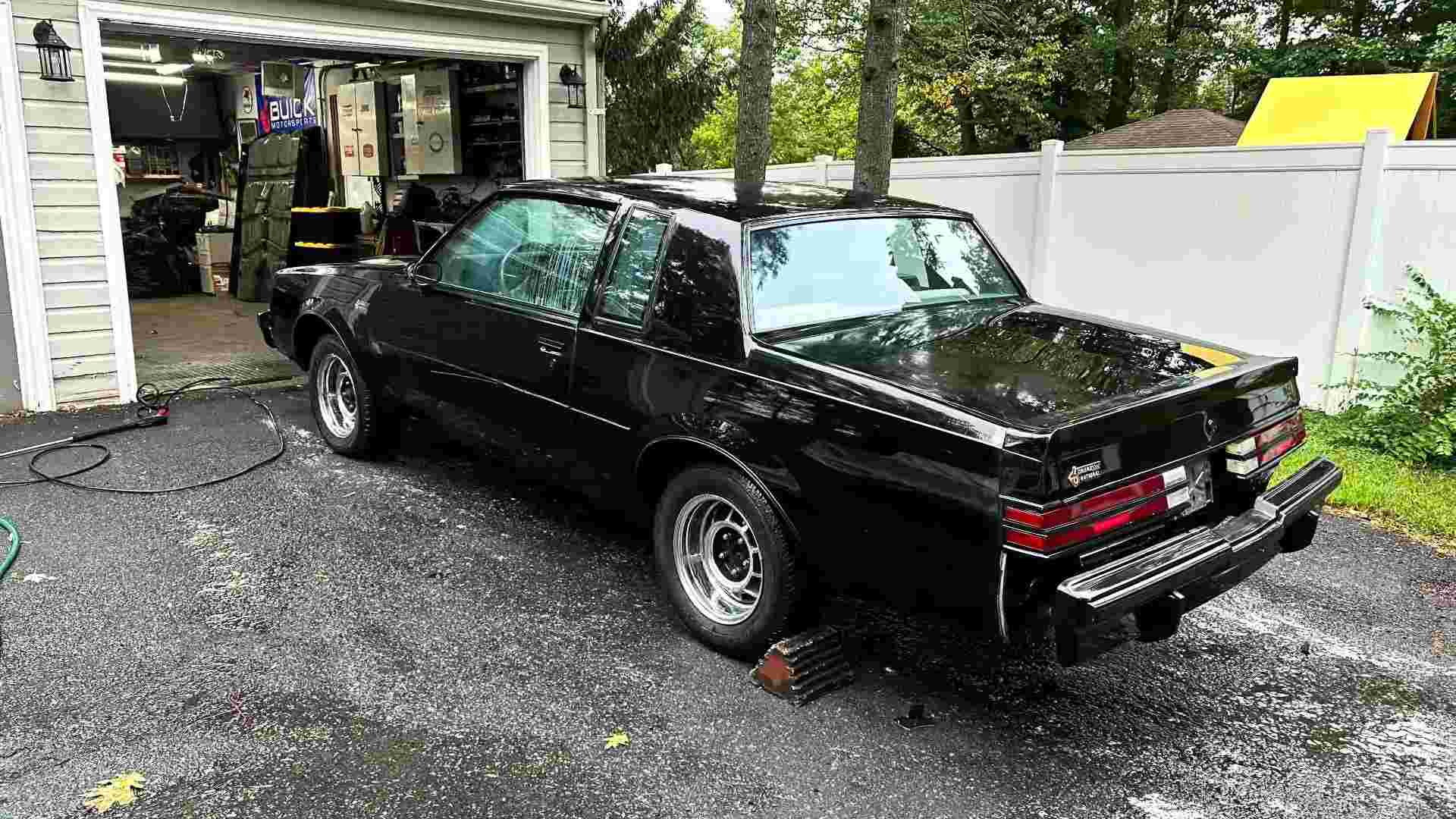
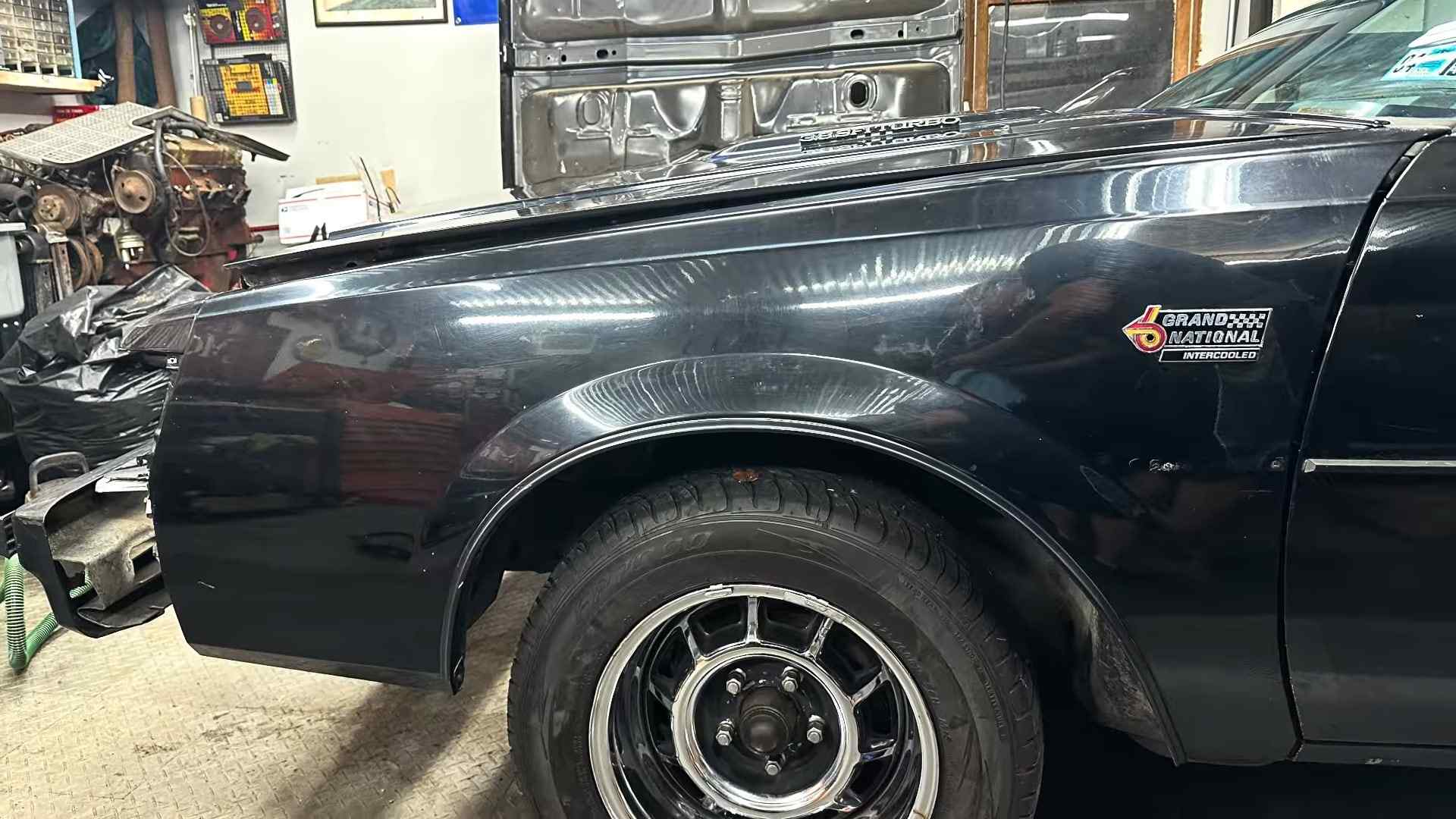
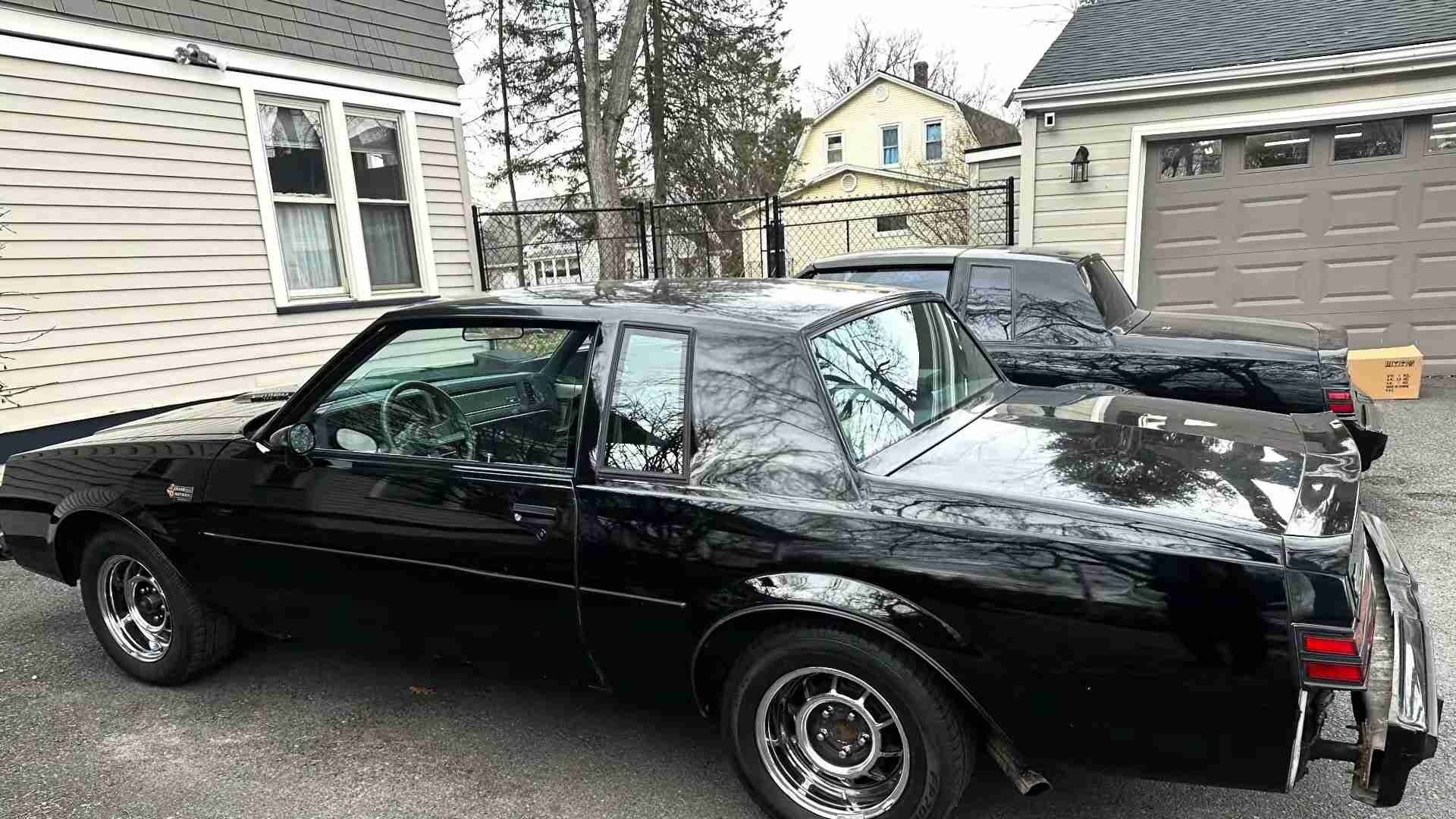
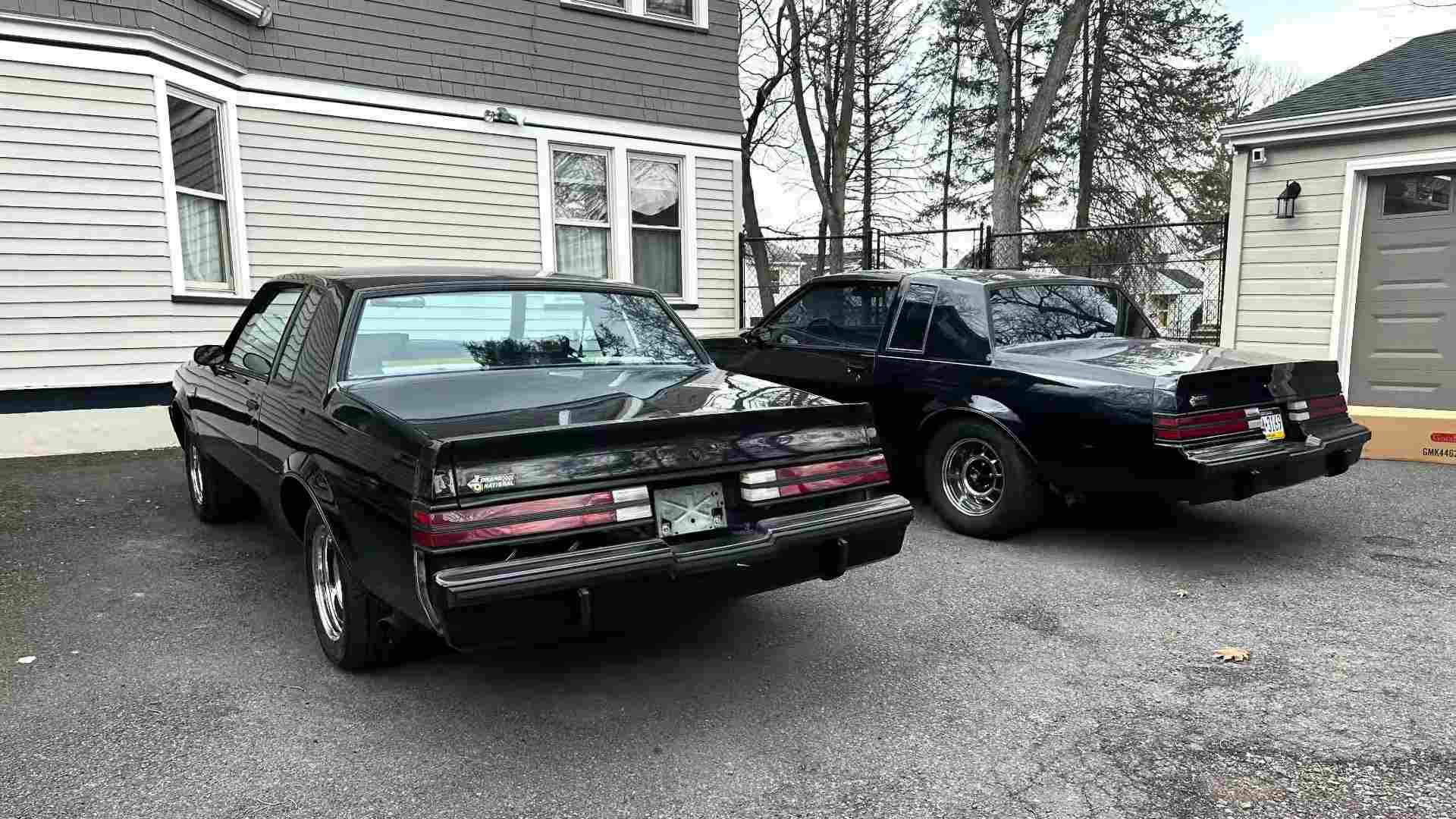
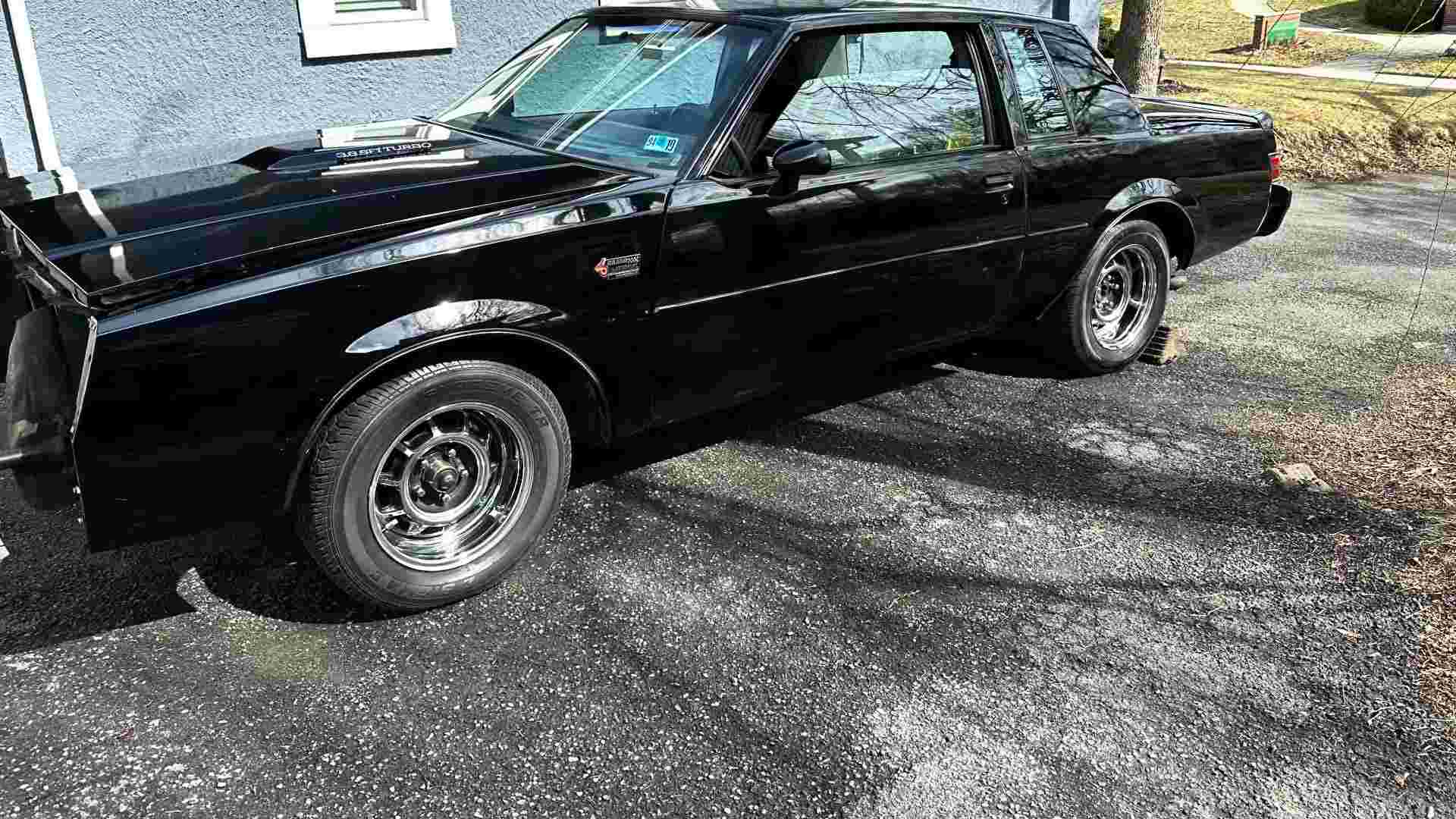
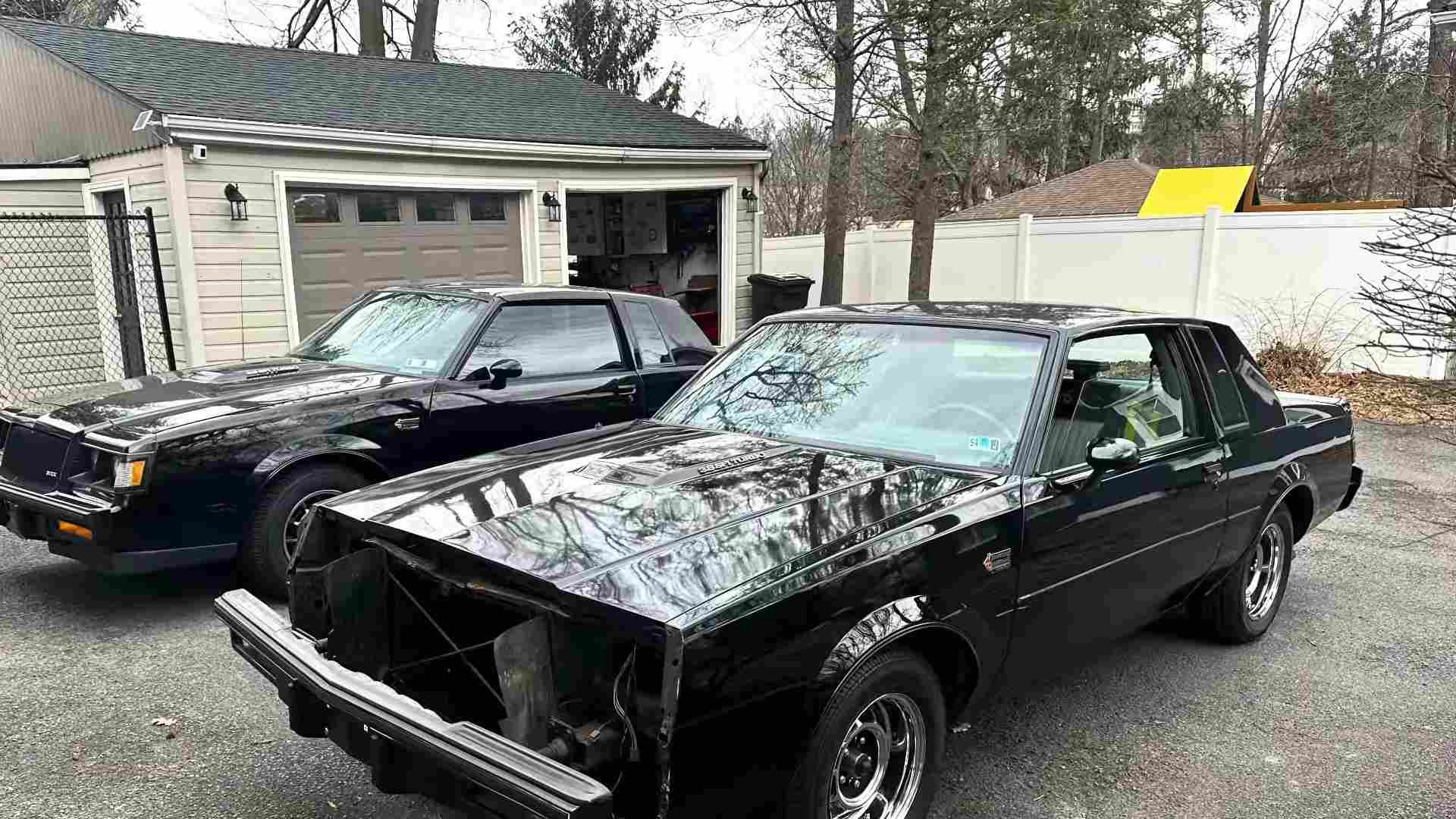
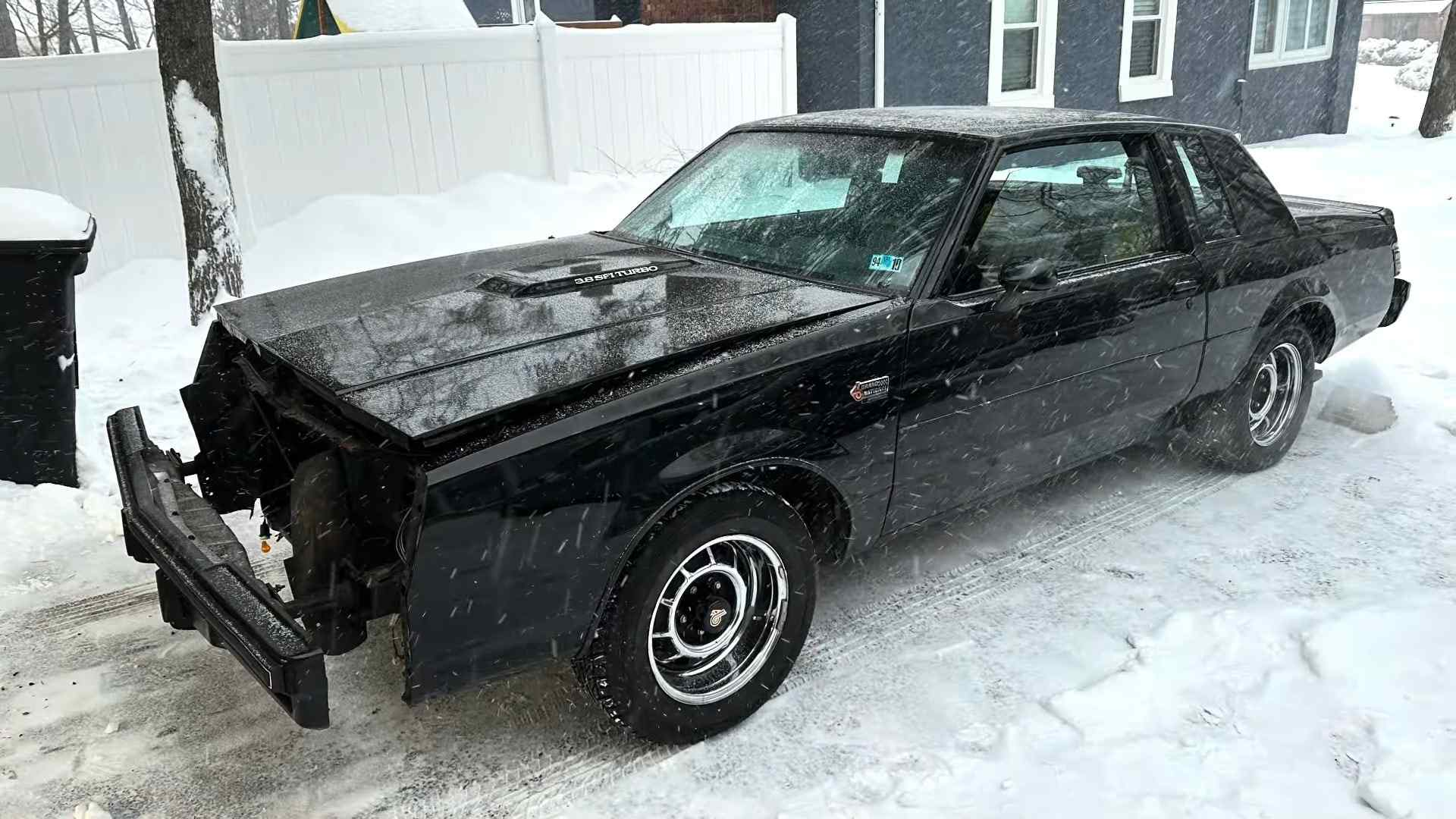
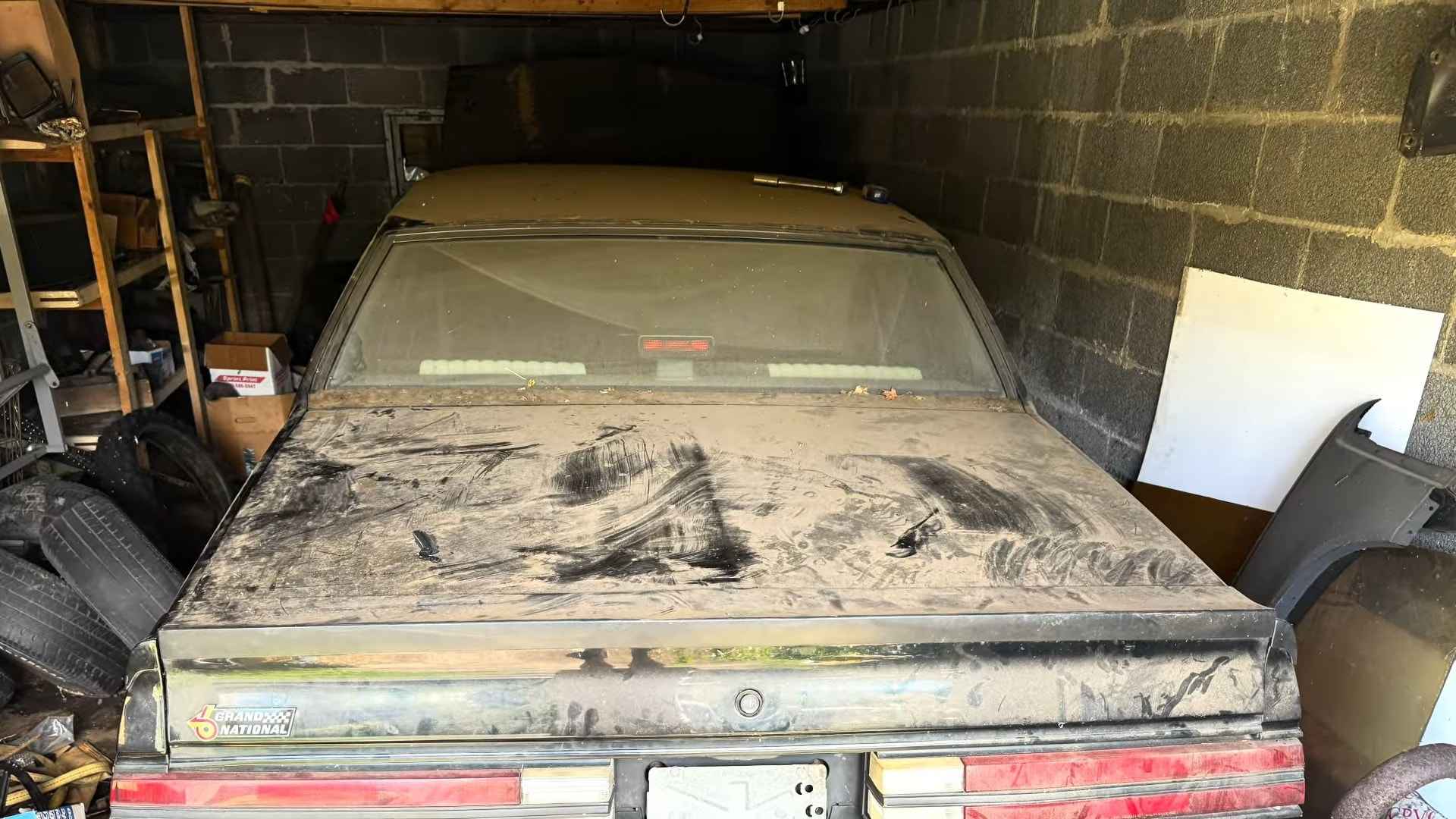
- A 1986 Buick Grand National sat sealed inside a Pennsylvania garage since 1994, covered in decades of dust and household clutter.
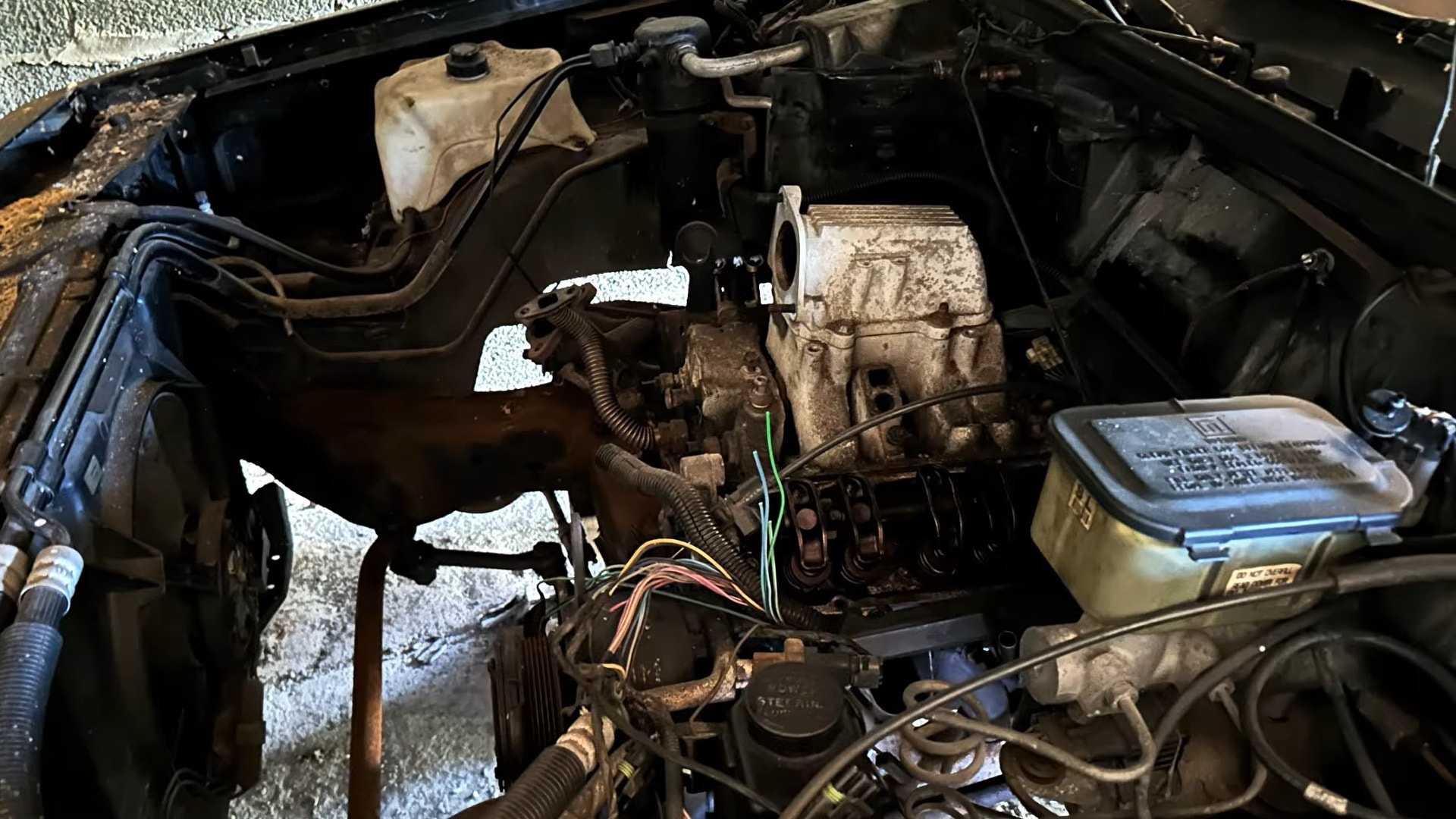
- Rescuers discovered 58,000 original miles, a blown driveshaft, and a completely disassembled 3.8-liter turbocharged V6 engine scattered across shelves.
- After months of winter rebuild labor, the intercooled coupe fired back to life in July 2026, idling smoothly after a disconnected PCV valve was reconnected.
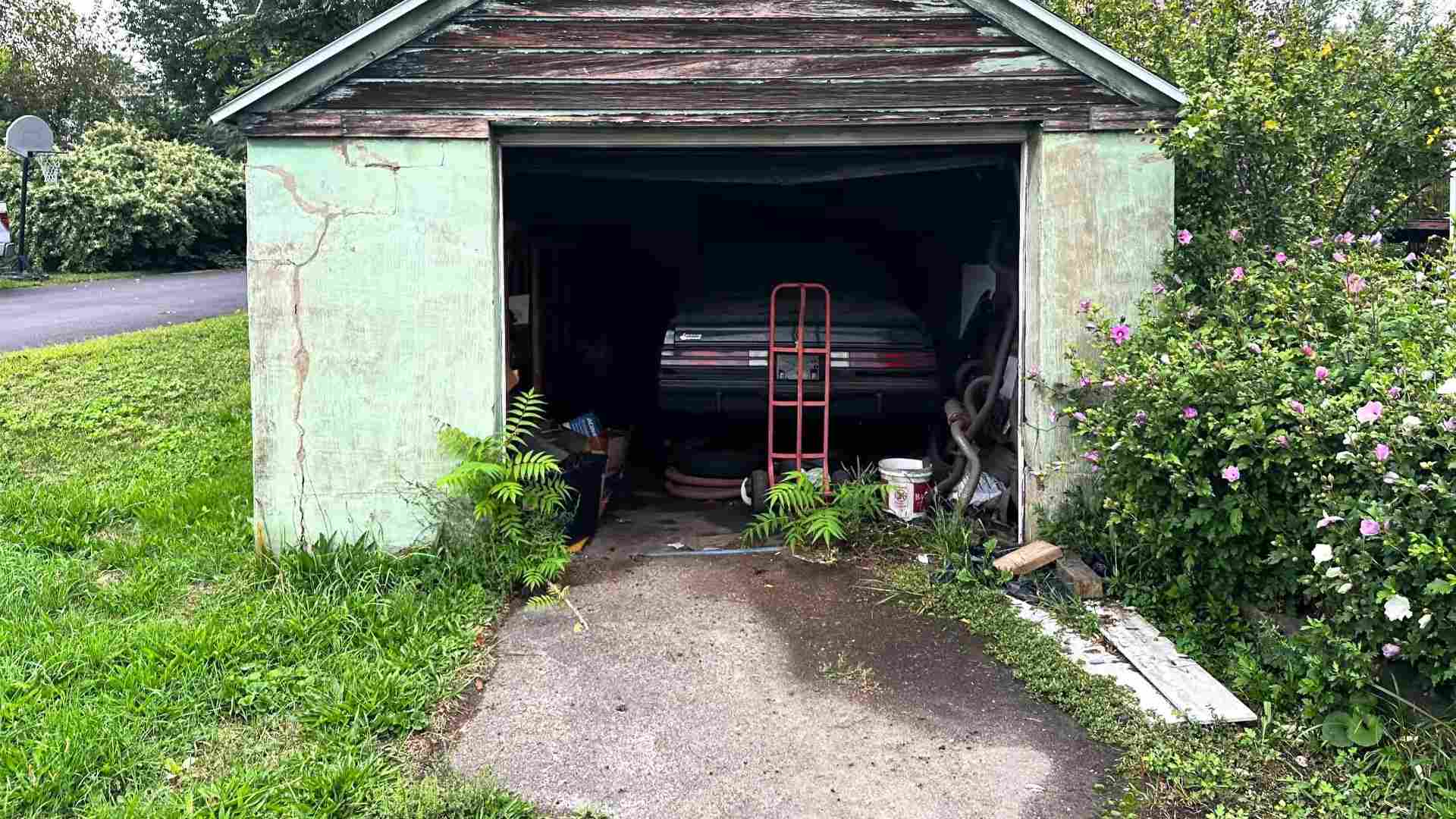
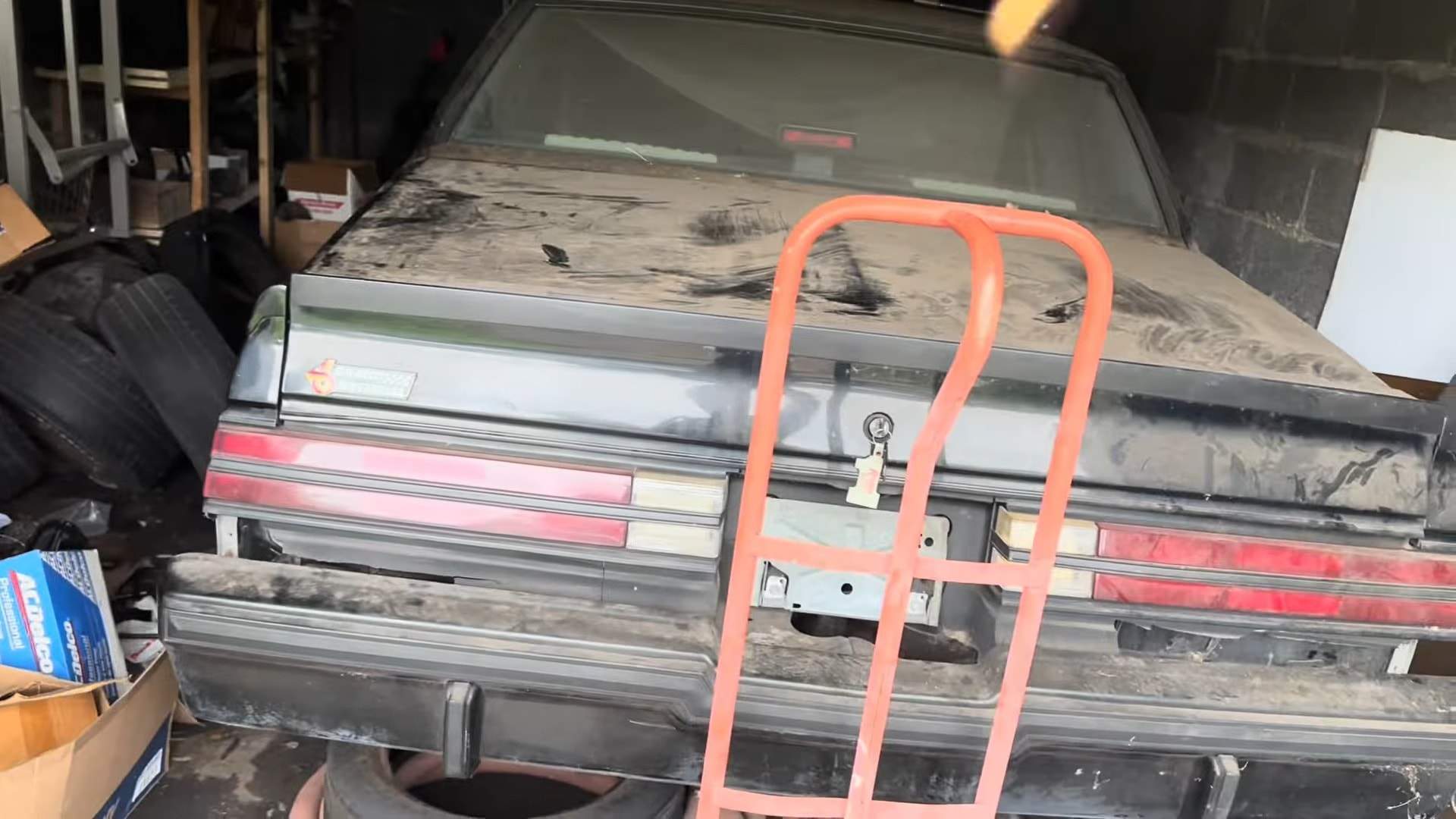
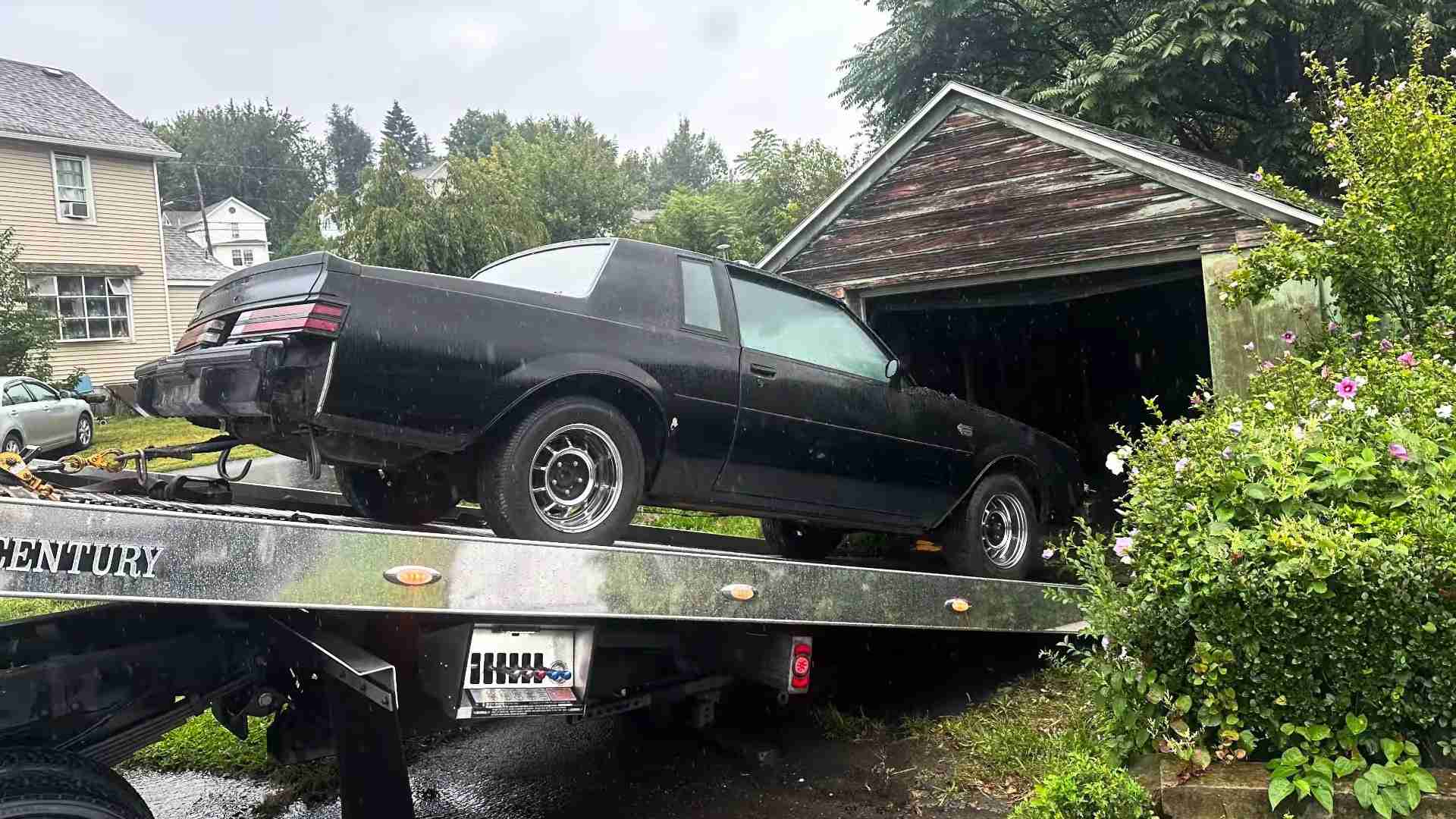
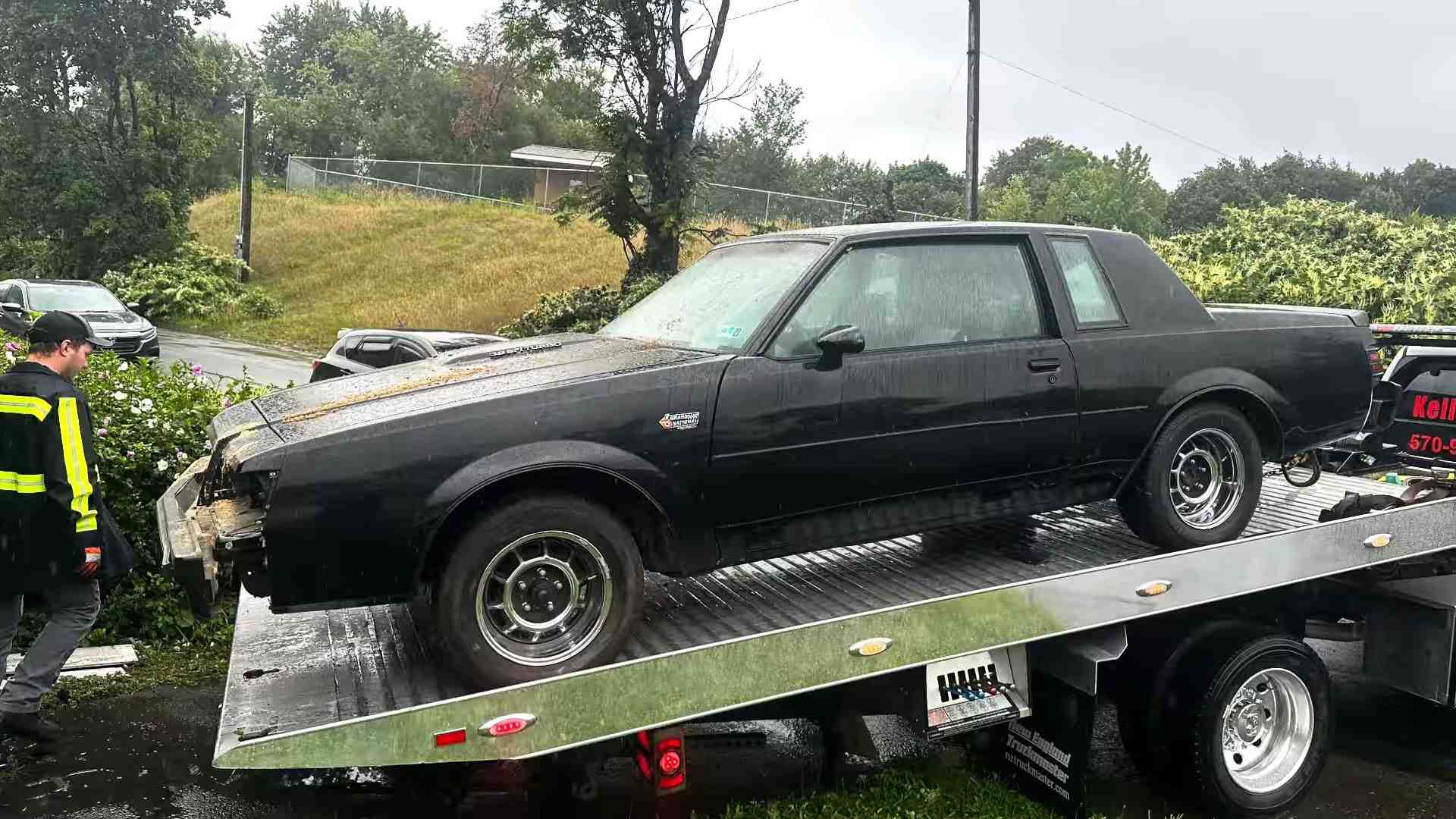
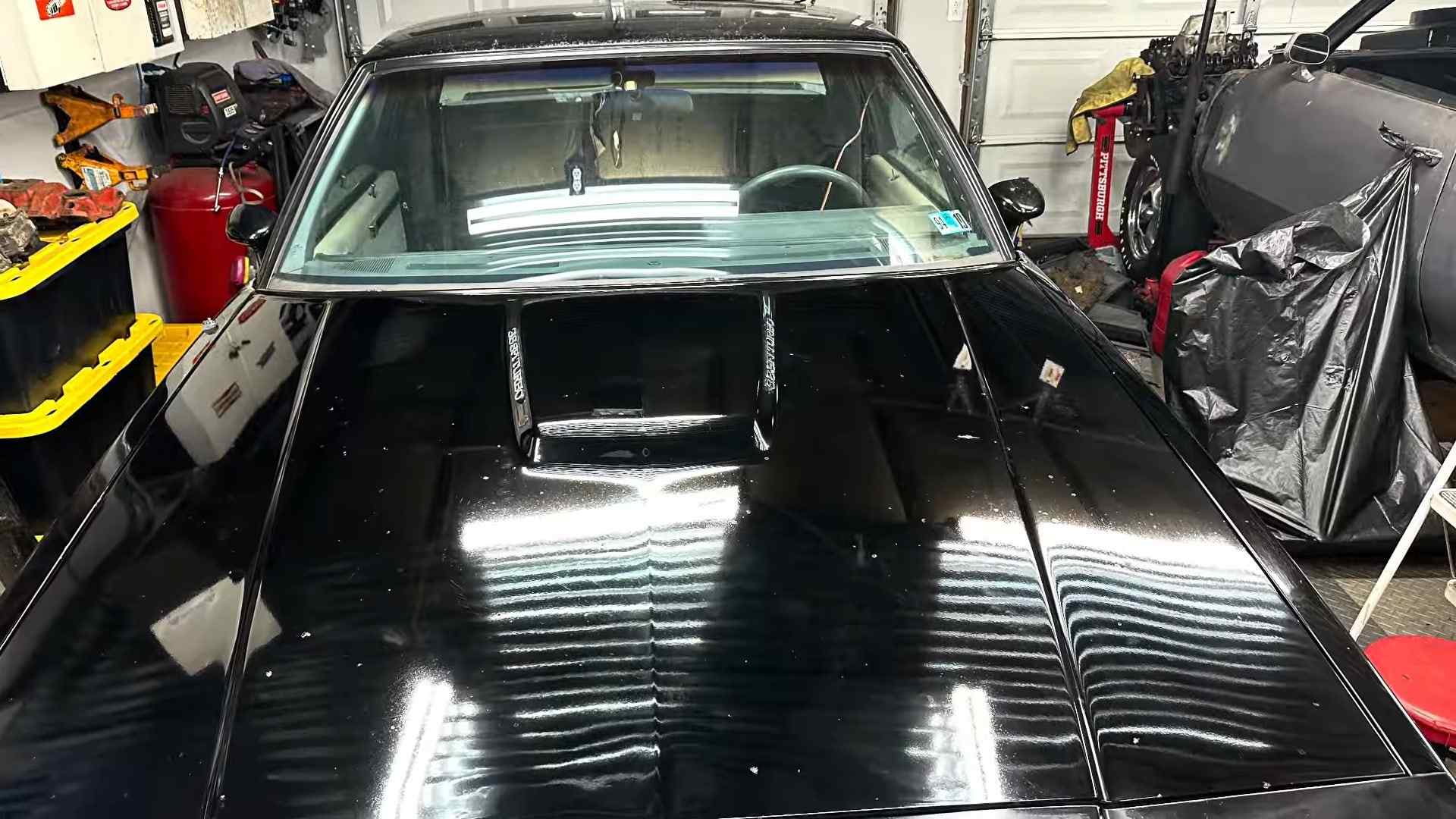
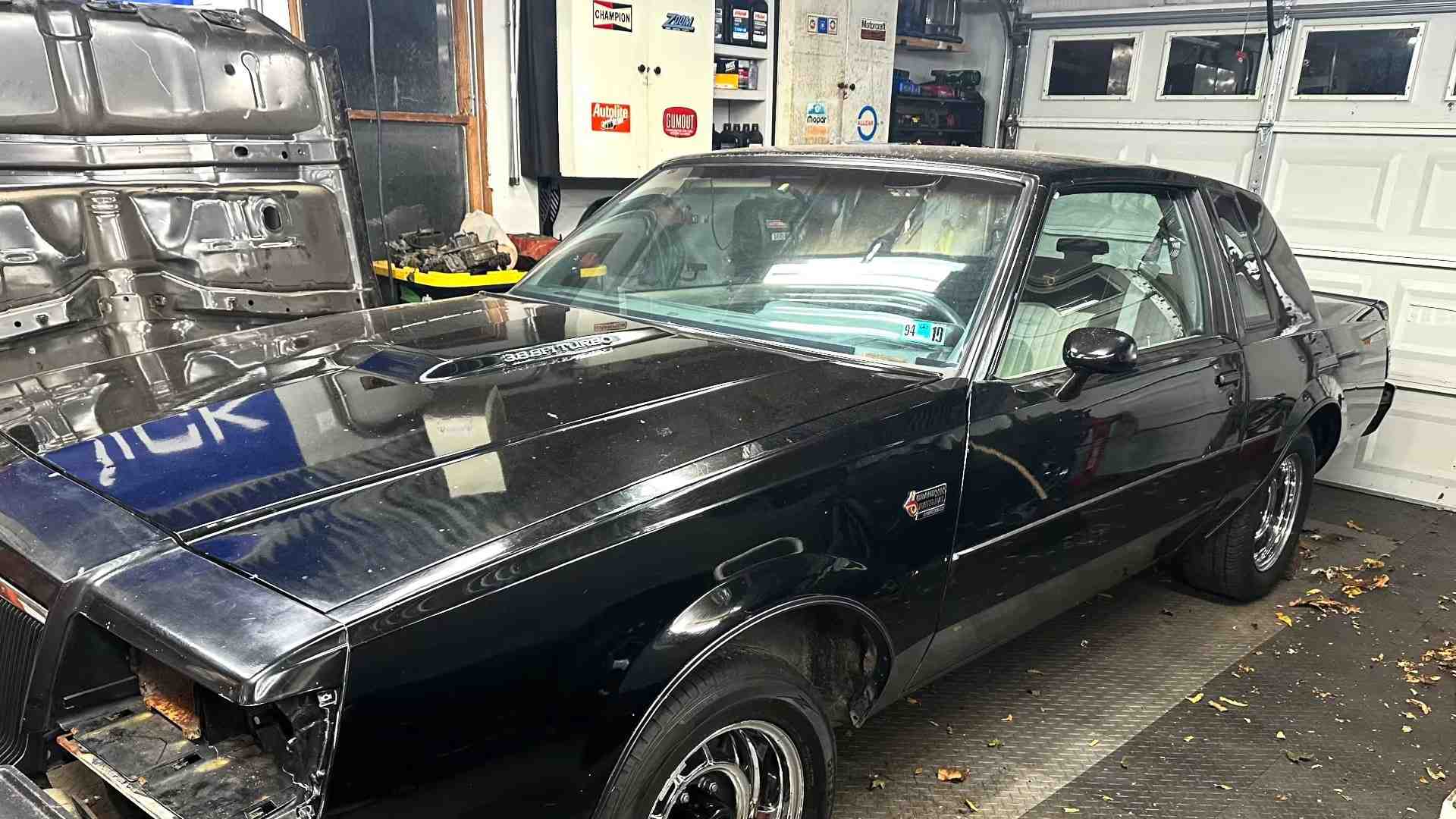
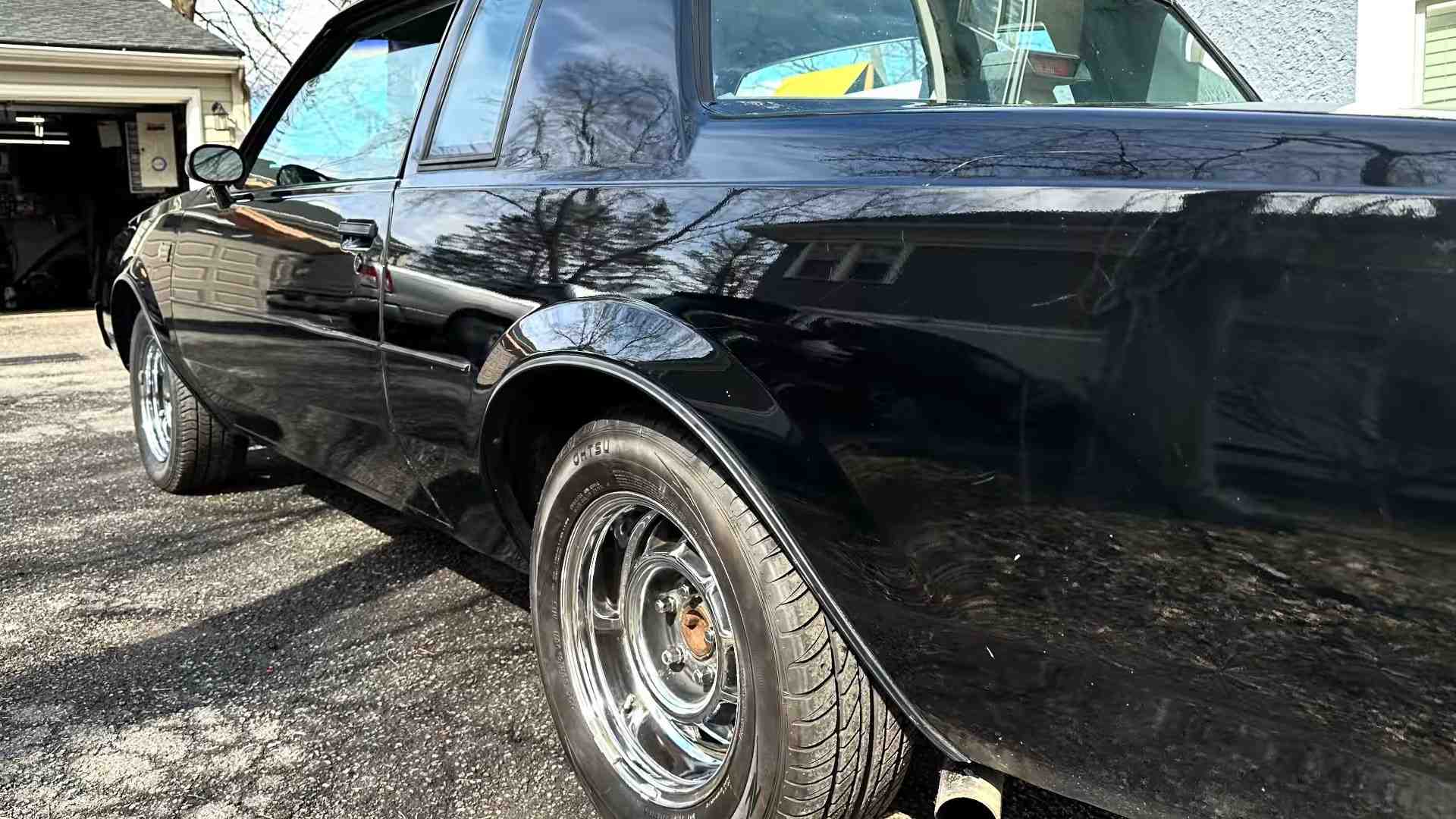
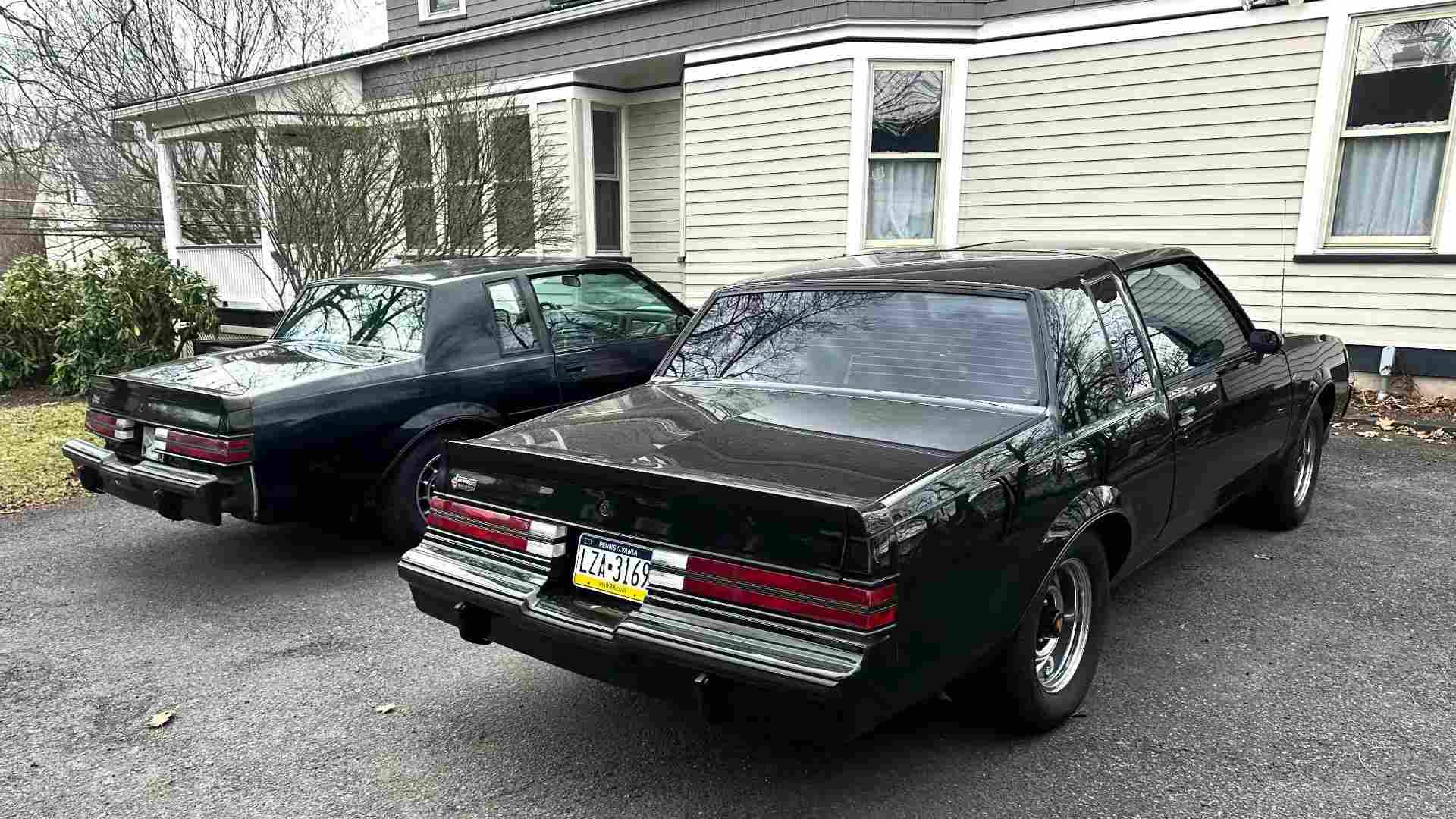
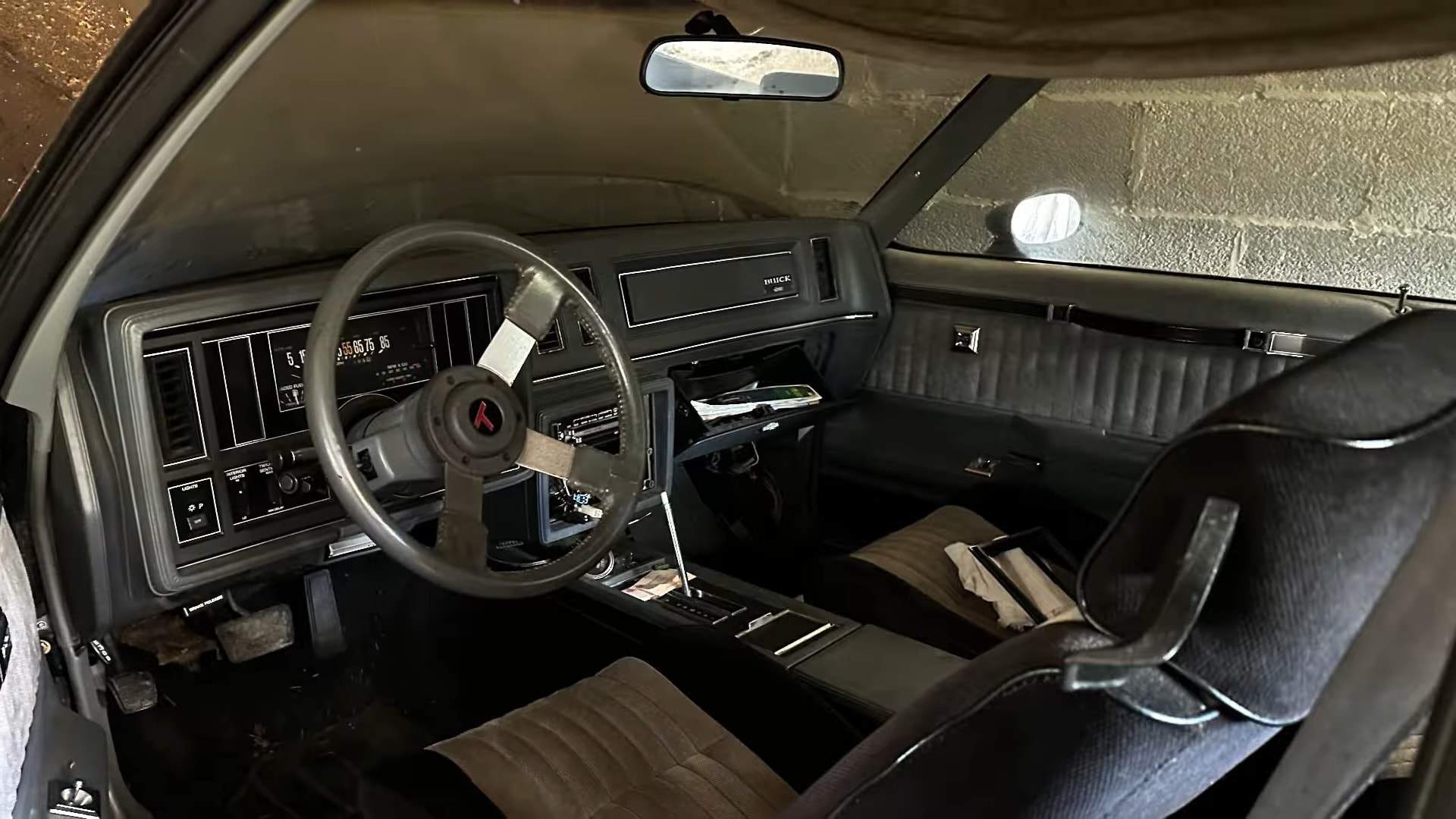
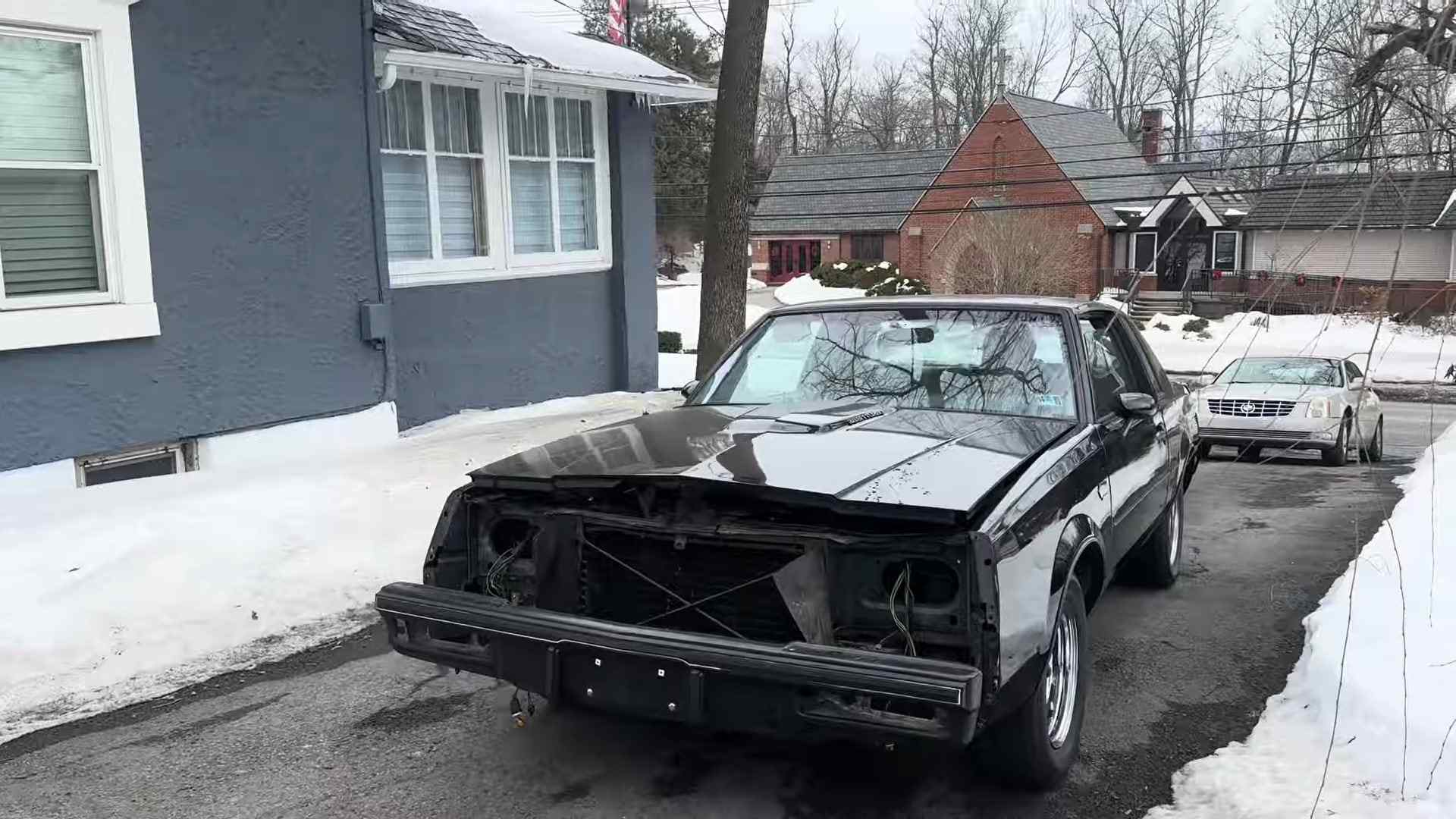
Behind a wall of Pennsylvania clutter and more than three decades of settled dust, a black 1986 Buick Grand National waited in silence since 1994. The owner had begun dismantling the car in 2018, but his passing in 2025 left the project frozen mid-revival. In September 2025, rescuers breached the cluttered garage and pulled the all-black coupe back into the daylight, still showing 58,000 original miles on the odometer.

The Mechanical Damage Waiting Inside
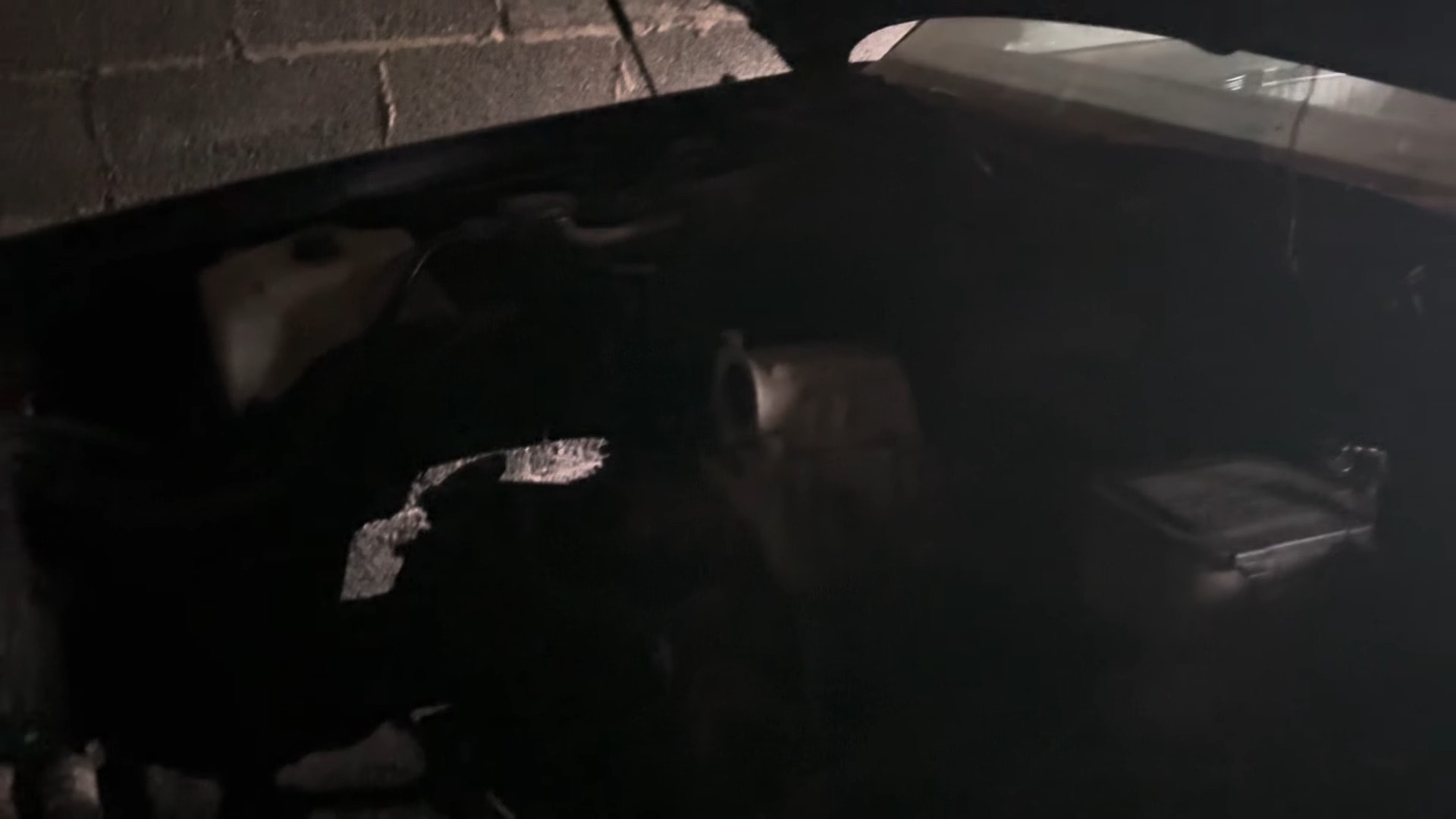
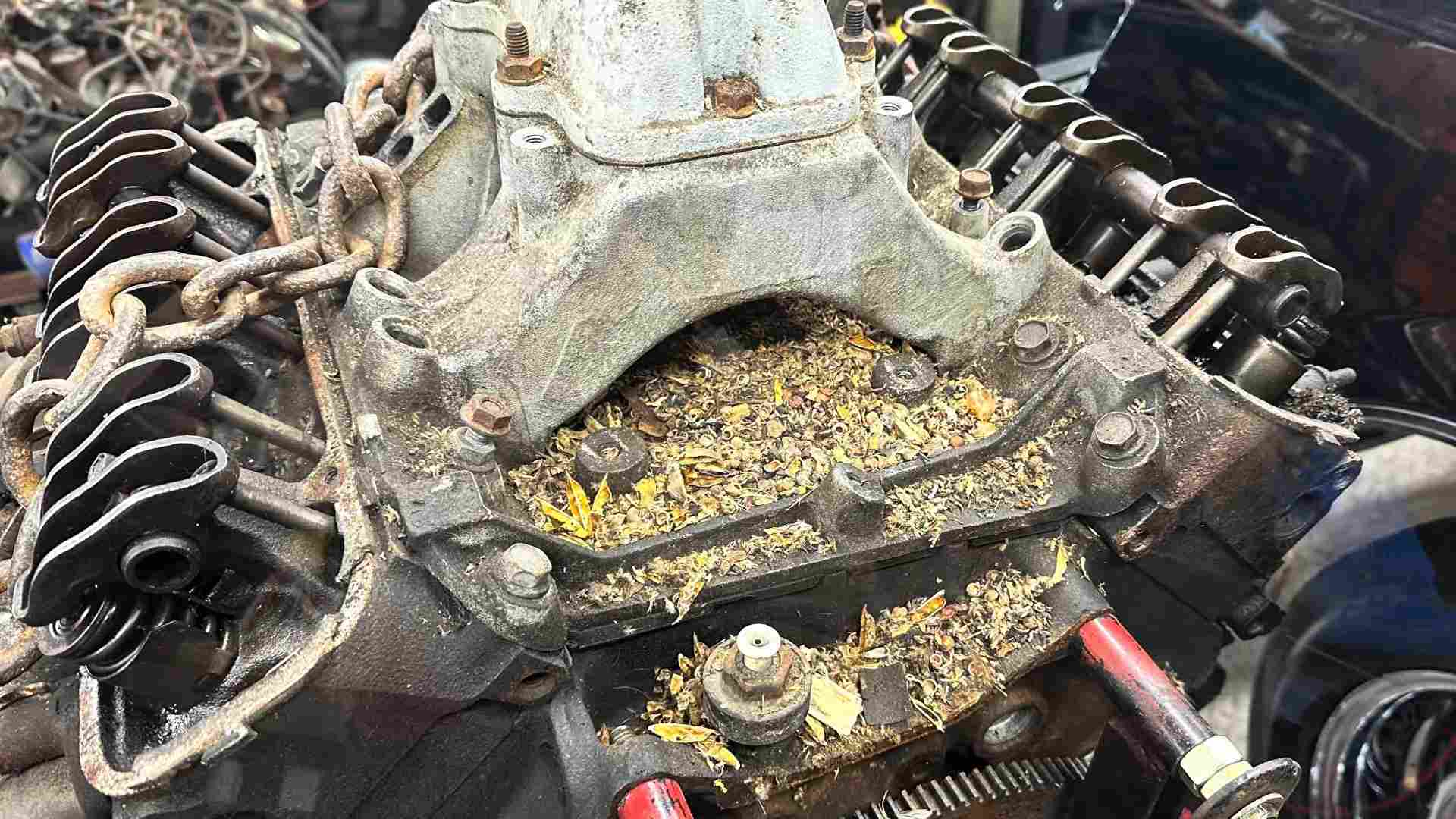
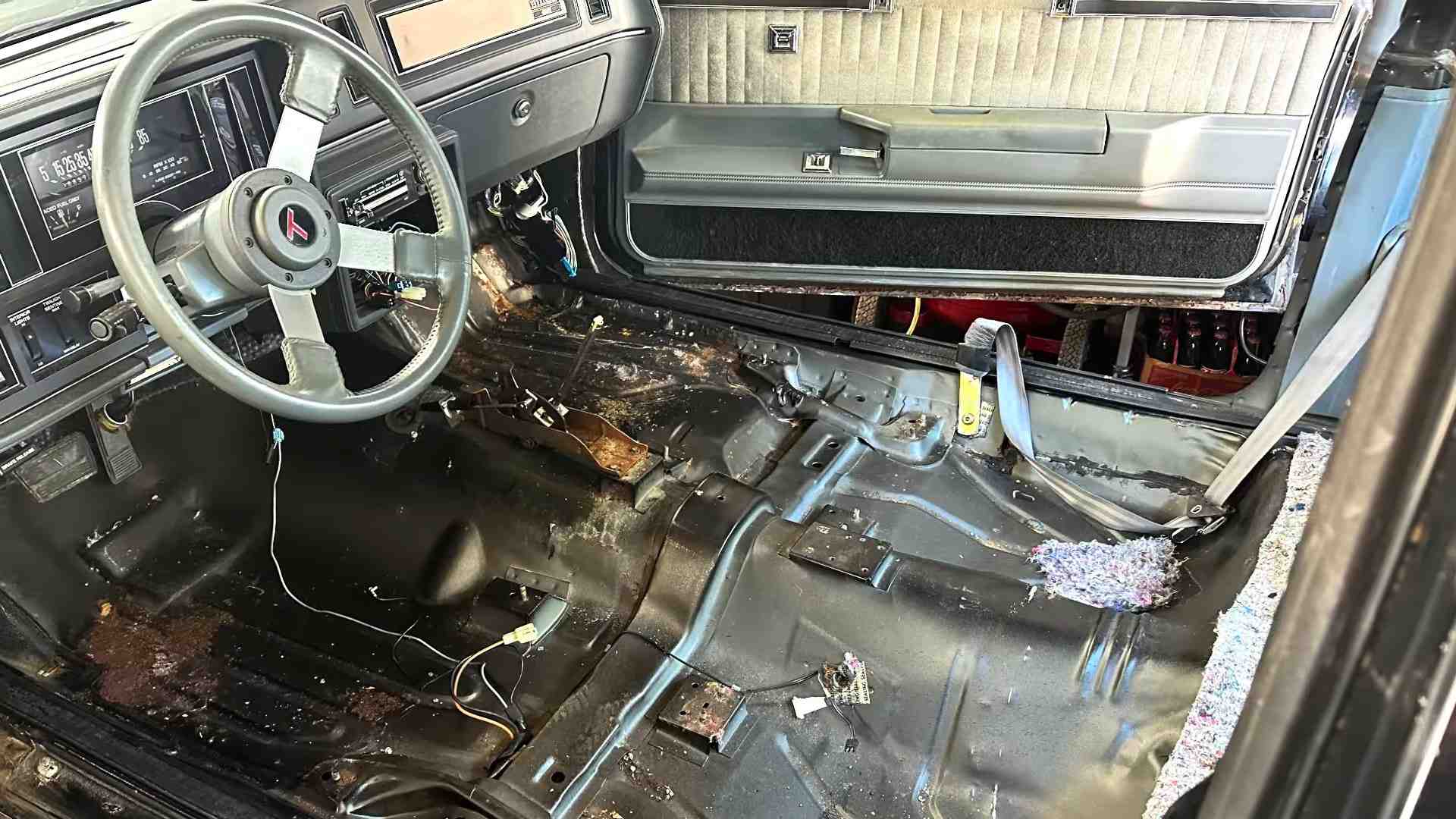
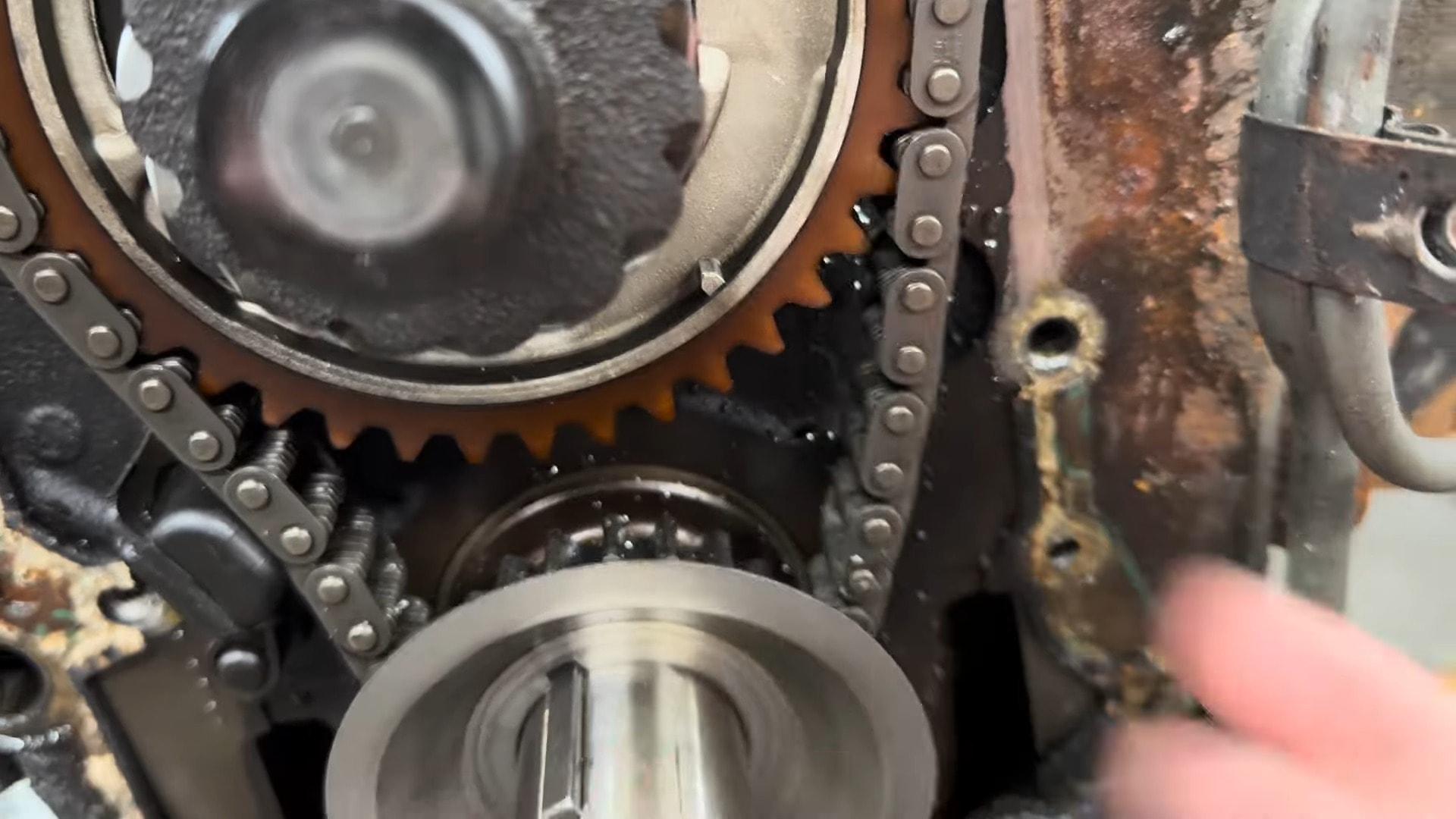
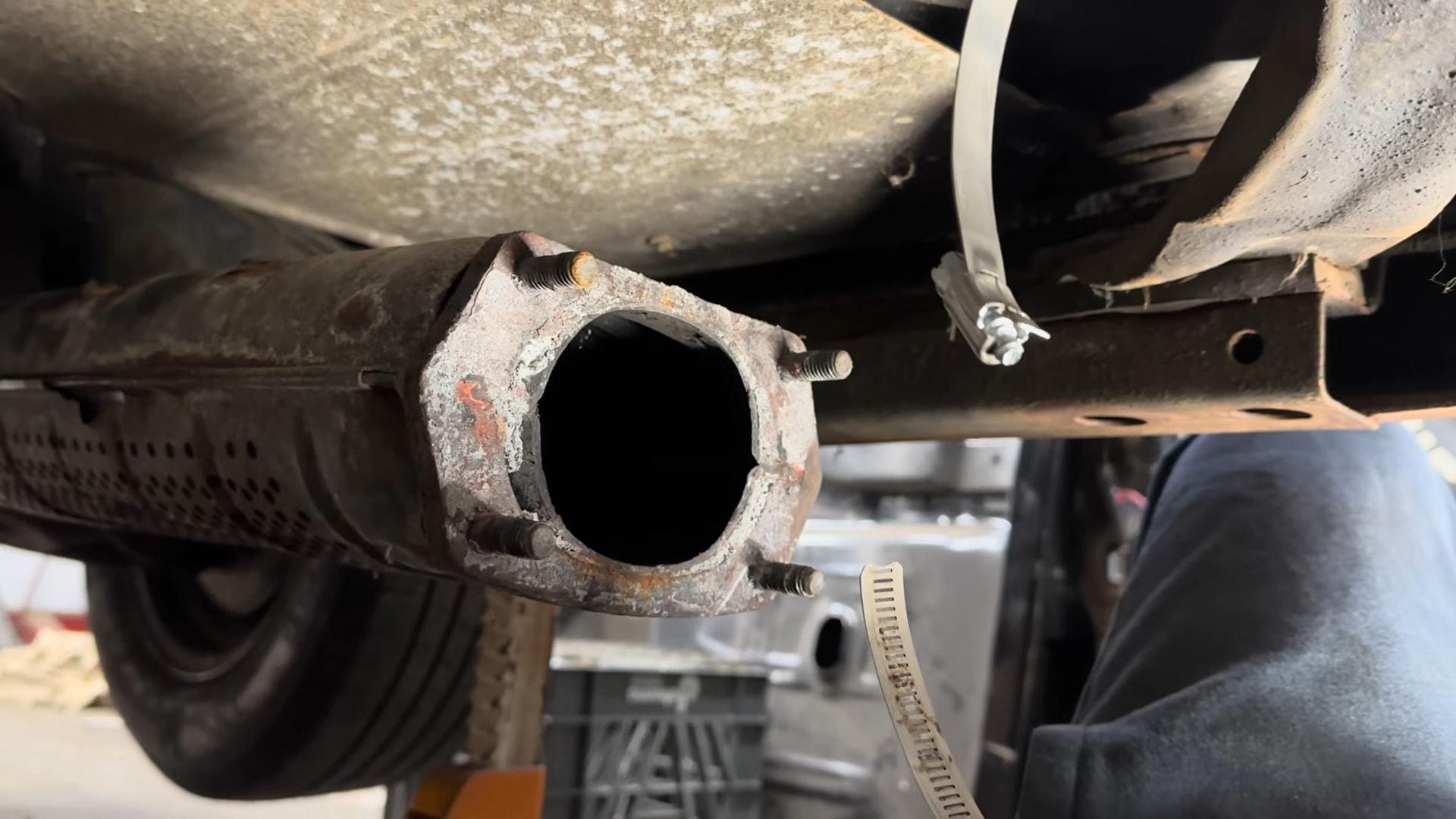
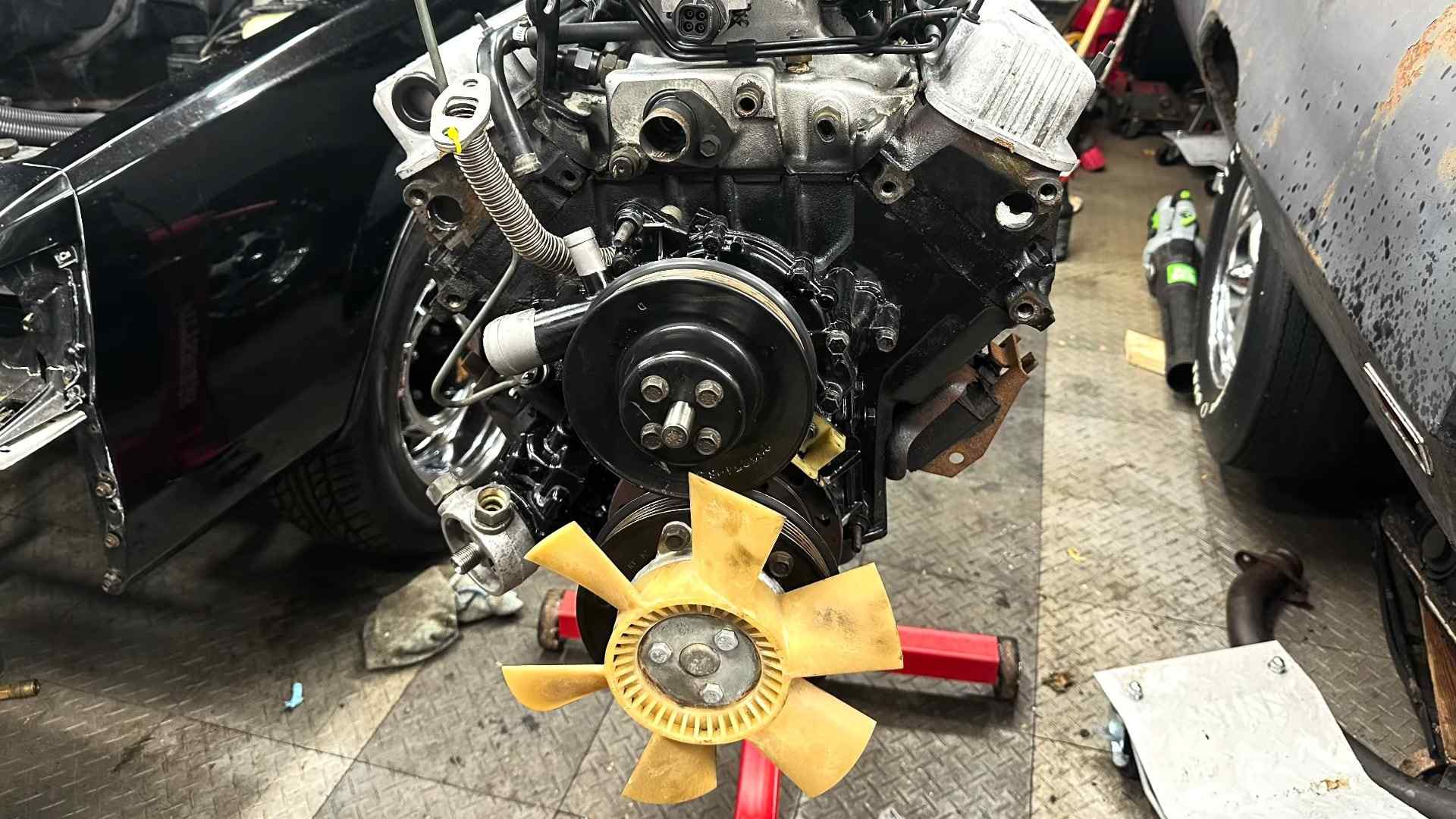
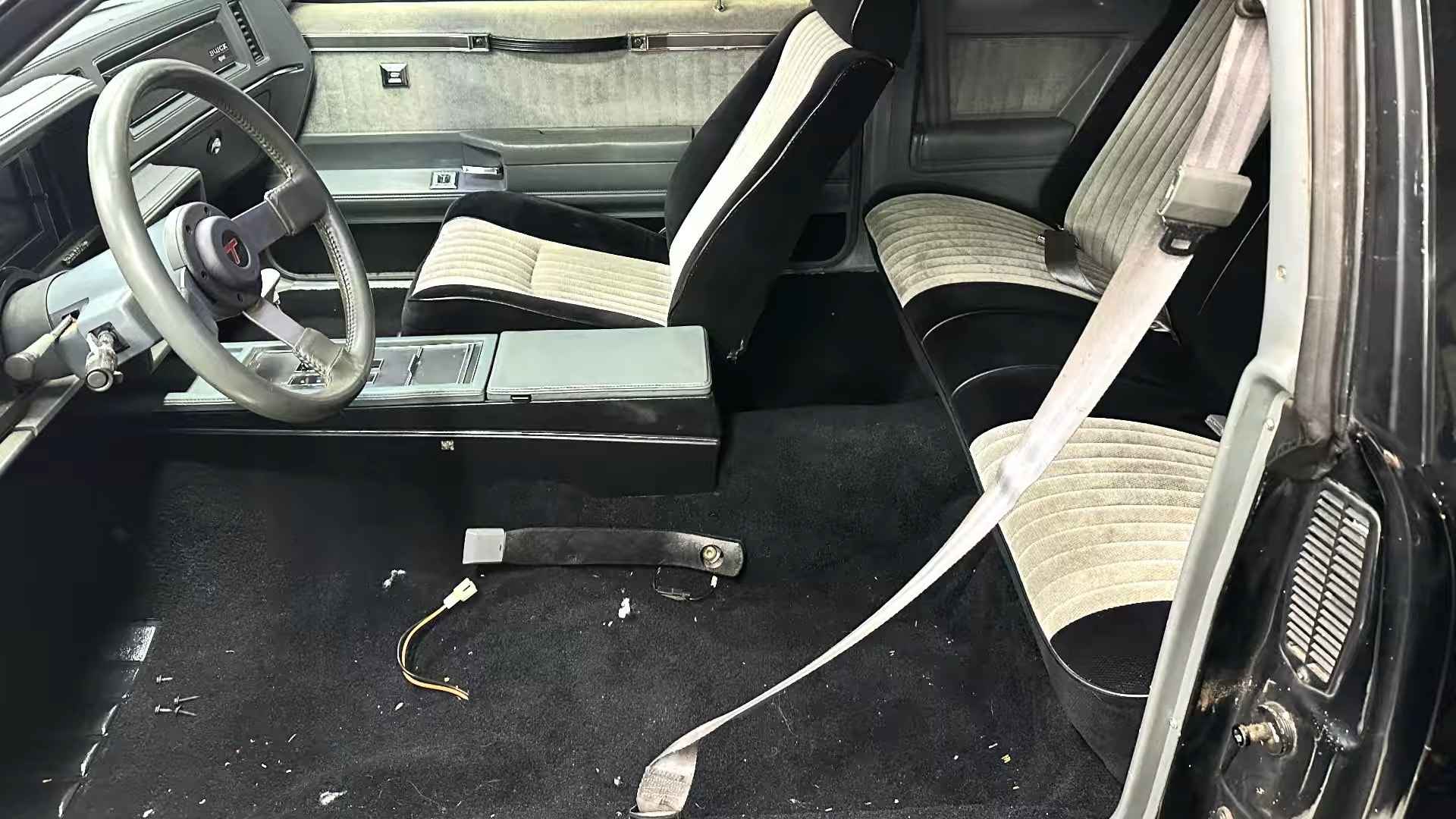
Undercarriage inspections revealed catastrophic destruction. The original transmission was missing, and the structural floor pan had been torn apart by a massive driveshaft failure. The heavy steel shaft had split and ripped violently into the cockpit. While the rear axle survived, the legendary 3.8-liter turbocharged V6 sat in scattered pieces across dusty shelves. Cylinder heads, brackets, and bolts filled unmarked boxes. The intake manifold was coated in crystallized green coolant deposits, hinting at the severity of the cooling system neglect.
Months of Winter Rebuild Labor
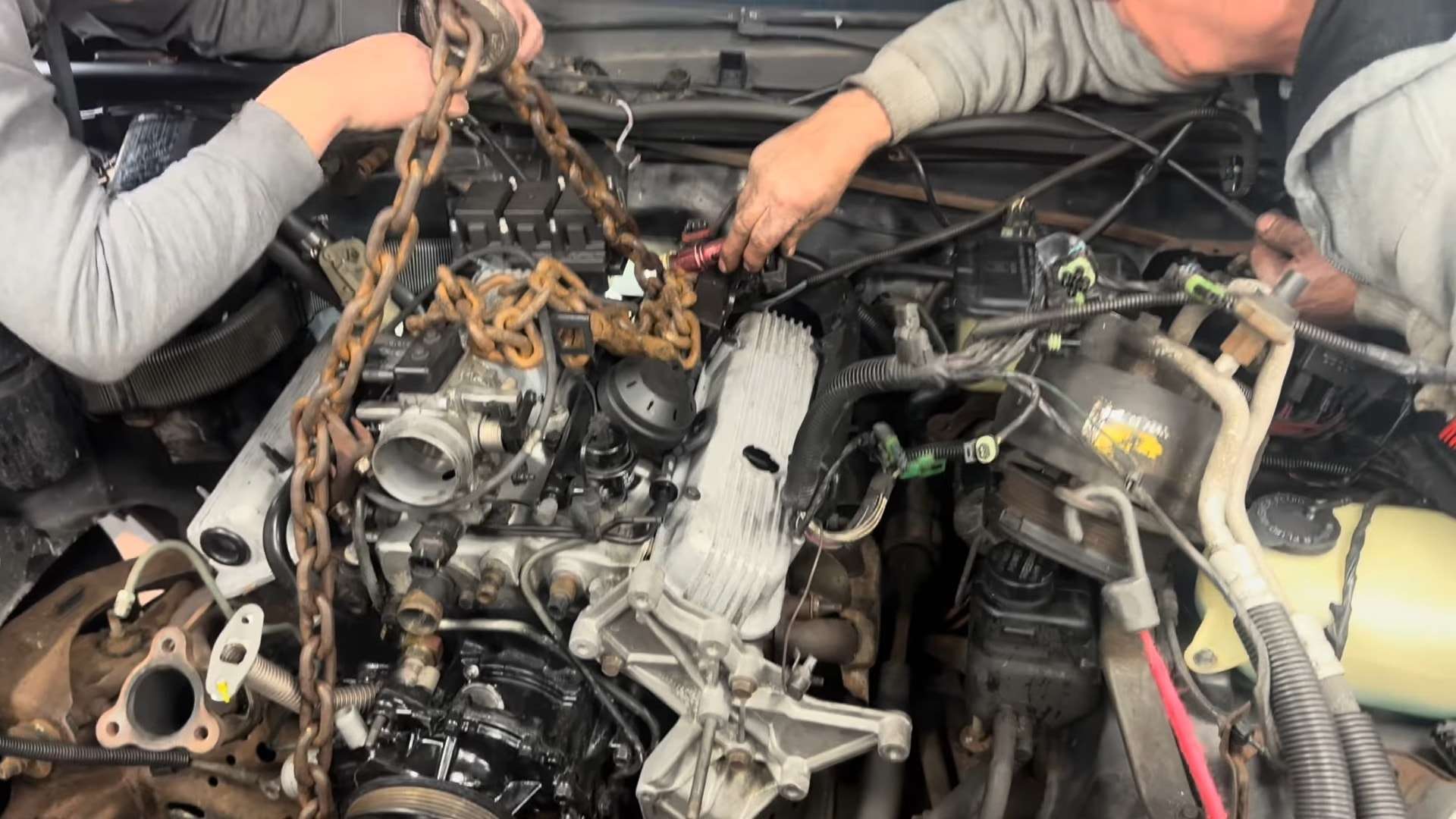
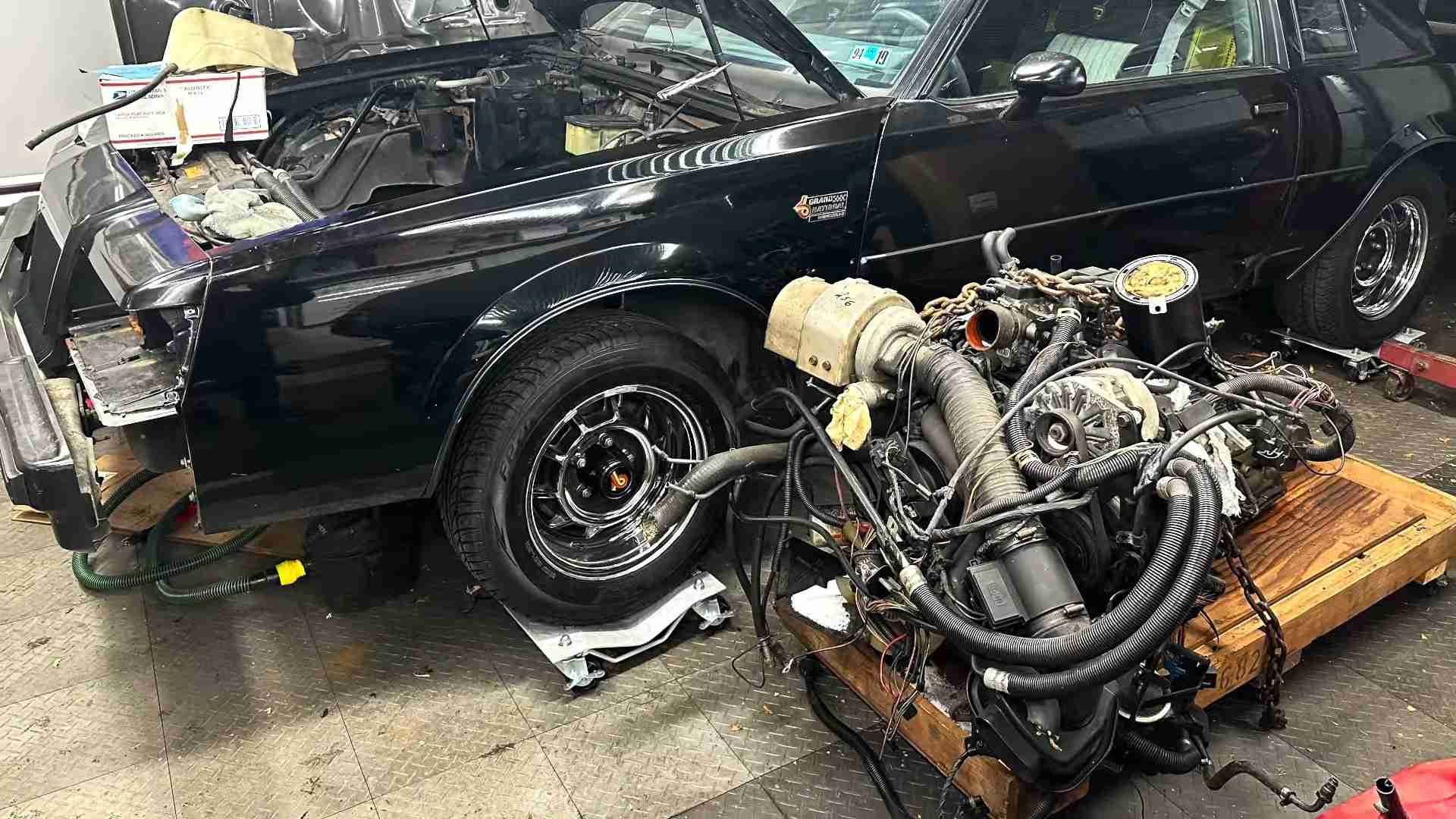
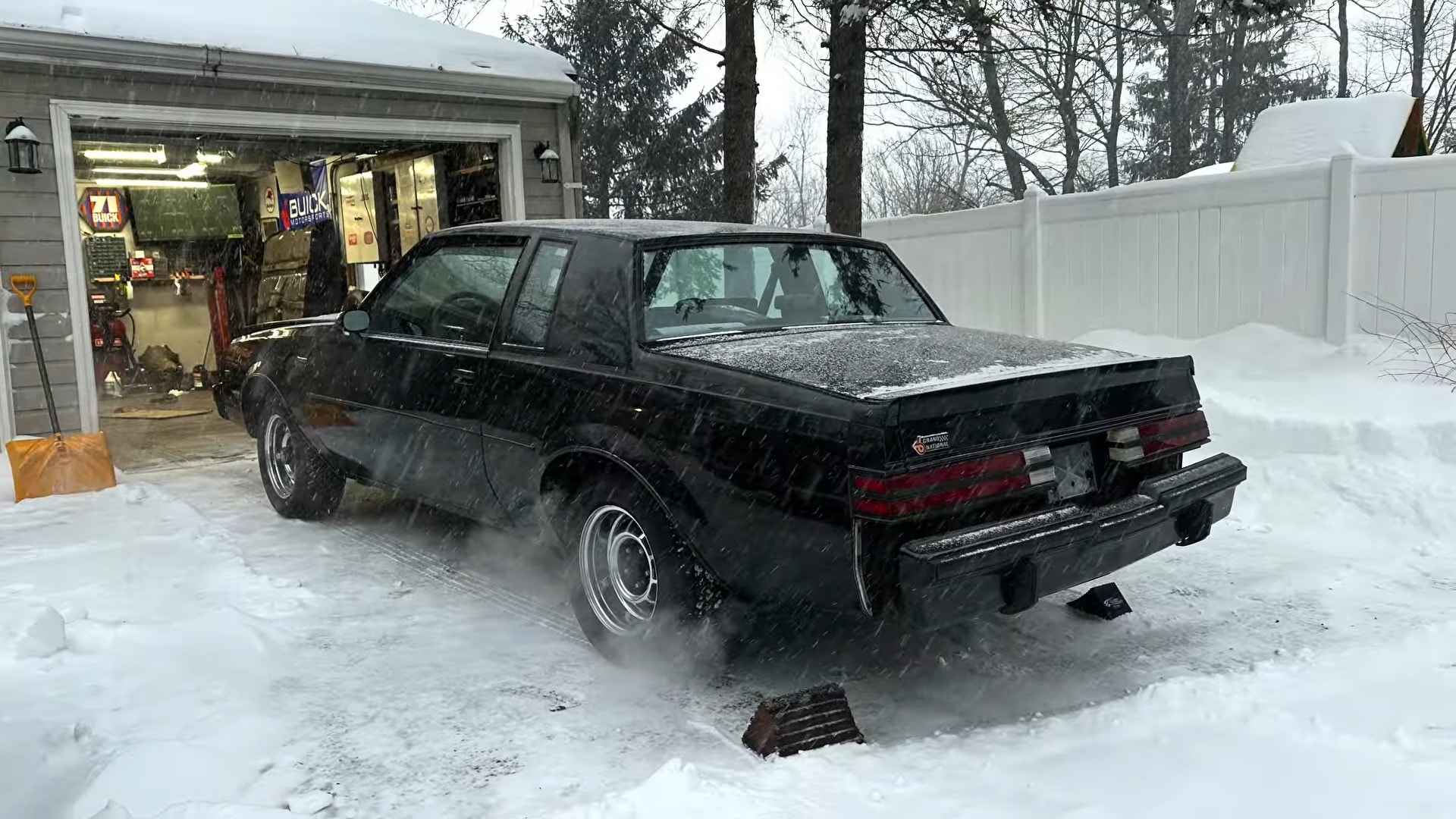
Rescuers gathered every component, cleaned each piece, and mounted the iron block onto a heavy rebuild stand. The engine rebuild consumed months of winter work, sealing gaskets, reinstalling accessories, and hunting down missing hardware. Once complete, the turbocharged V6 was paired with a replacement transmission and dropped back into the engine bay. By July 2026, the vehicle rolled out for critical testing.
The First Startup and Troubleshooting Breakthrough
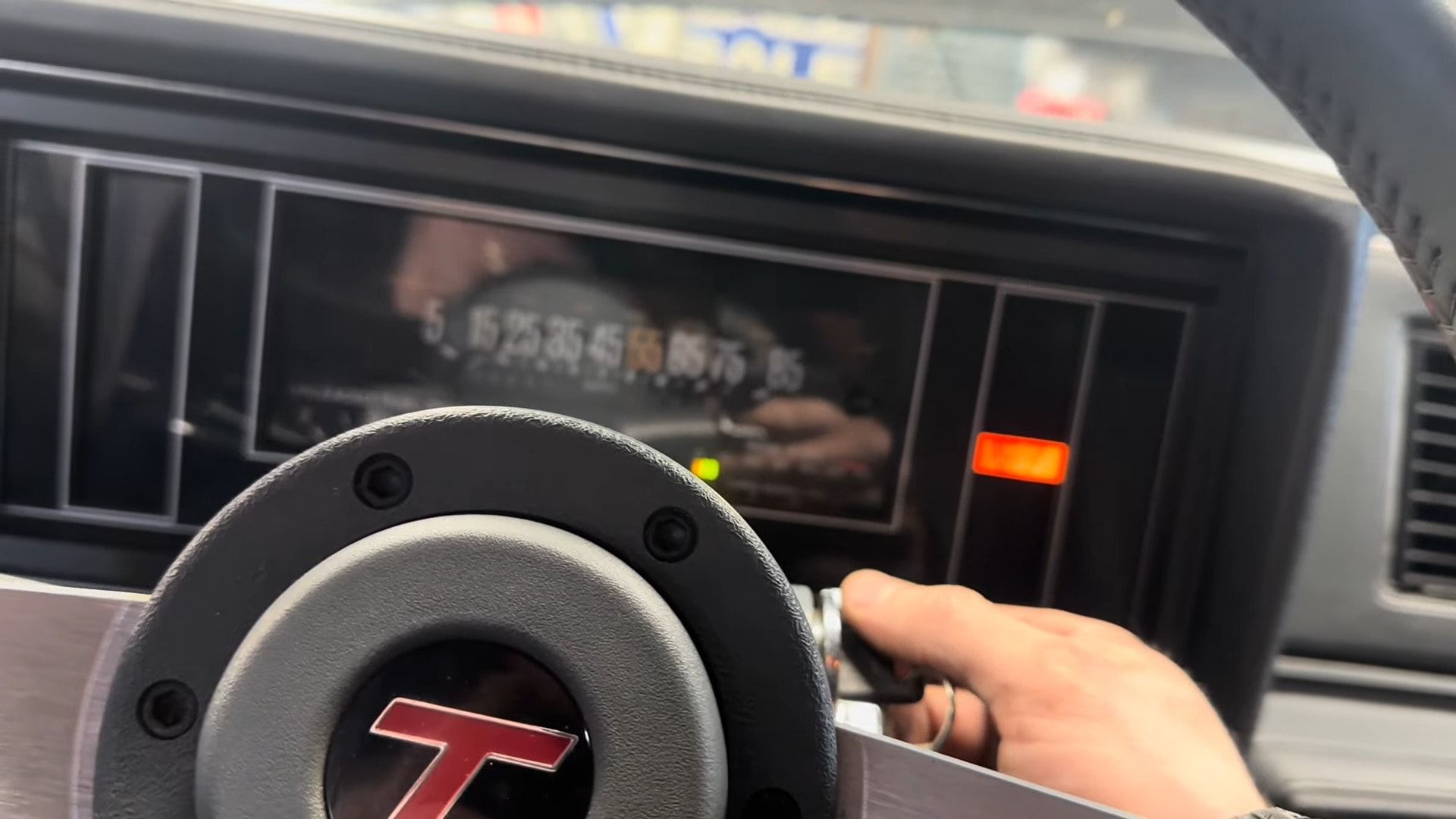
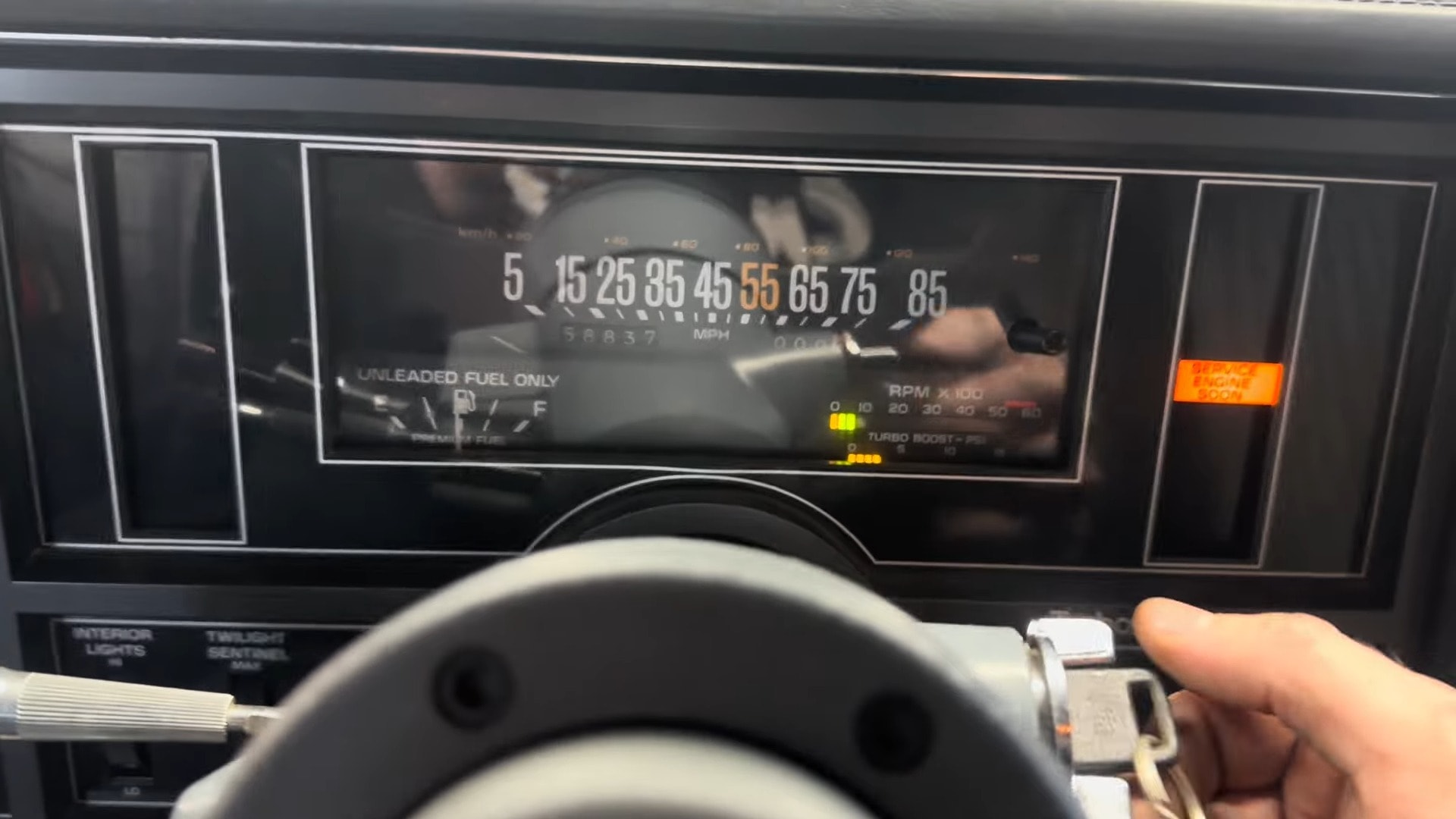
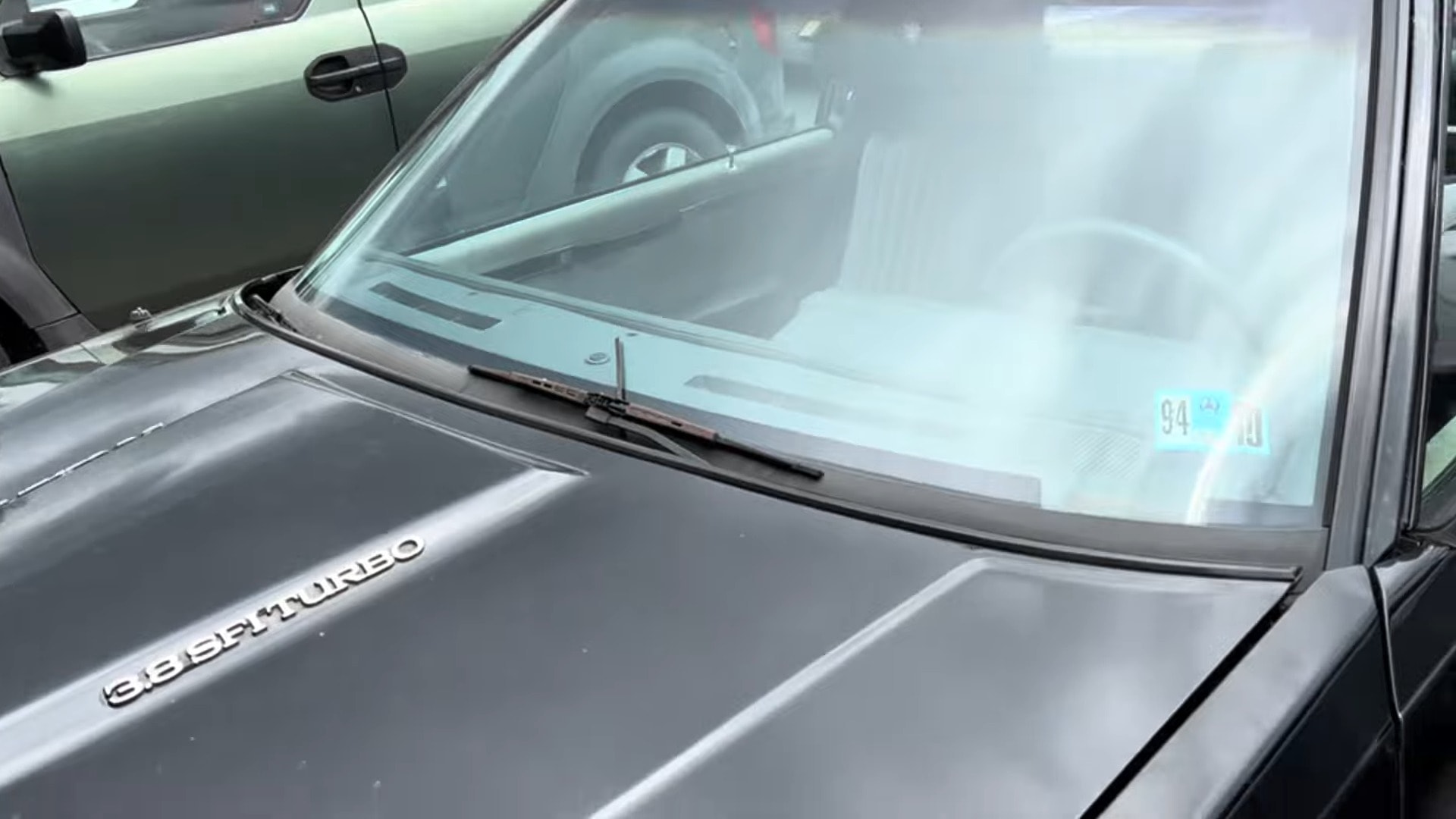
Connecting a fresh battery brought the vintage dashboard back online. The key buzzer chimed, the dome light illuminated, and warning lamps glowed steadily. Despite an empty fuel tank, the starter motor cranked with authority. Fresh fuel and a primed oil pump brought the turbocharged engine roaring back to life for the first time since 1994, producing an aggressive rumble that shook the garage walls. The idle was rough, and exhaust poured heavily from the tailpipes. On July 5, 2026, the team traced the problem to a disconnected positive crankcase ventilation valve. Reconnecting it instantly smoothed the engine operation. Wipers were restored, the crumpled bumper straightened, and the air conditioning vents successfully blew cold air.
Birth of the Sinister Black Coupe
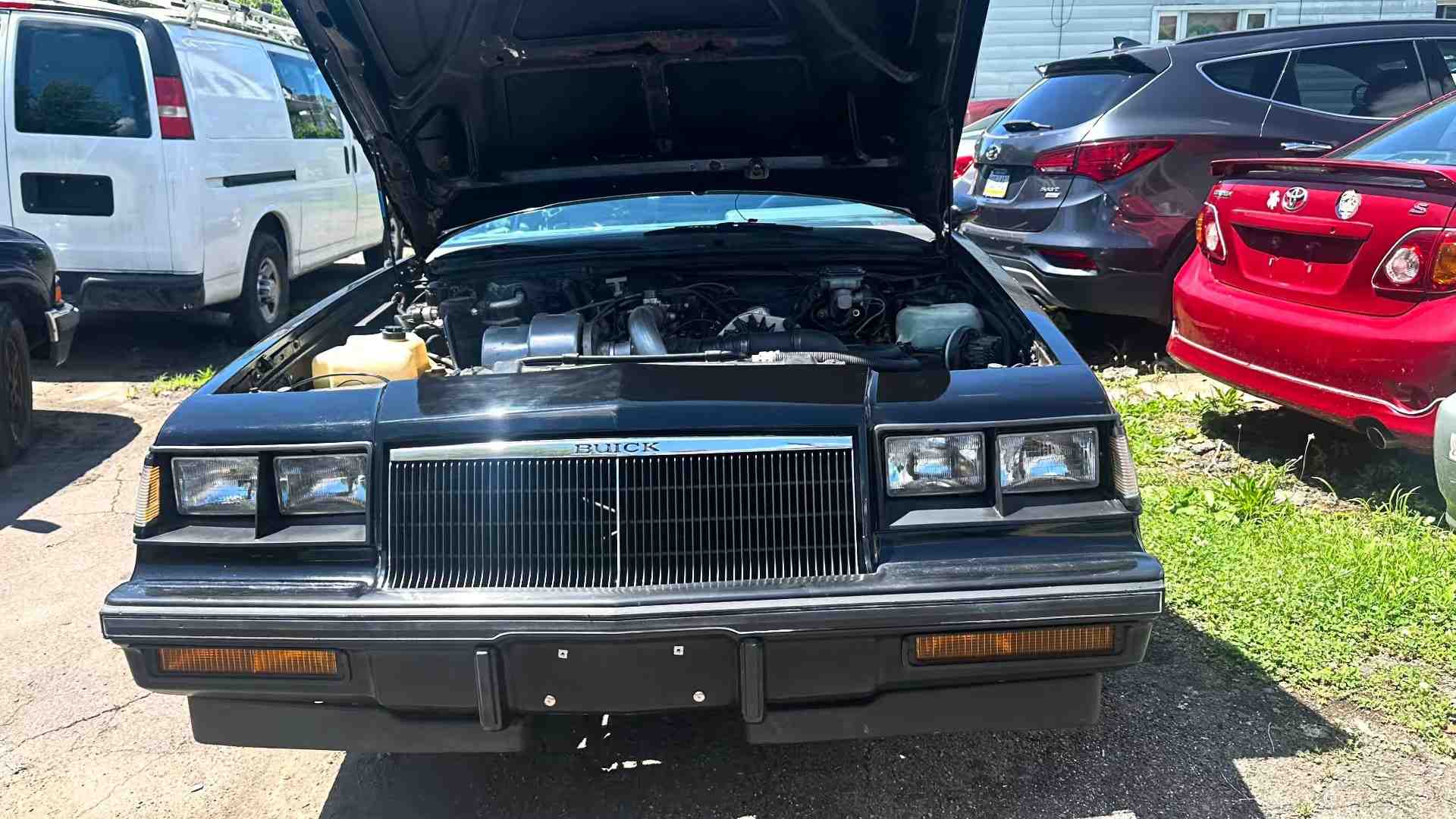
Buick introduced the Grand National moniker in 1982 to celebrate winning the prestigious NASCAR manufacturers’ cup championship. After skipping the 1983 model year, the nameplate returned for 1984 wearing its iconic all-black paint scheme that defined its street warrior personality. Production remained minimal at first, with only 215 units built in 1982, rising to 2,000 in 1984 and 2,102 in 1985.
The 1986 Technological Transformation
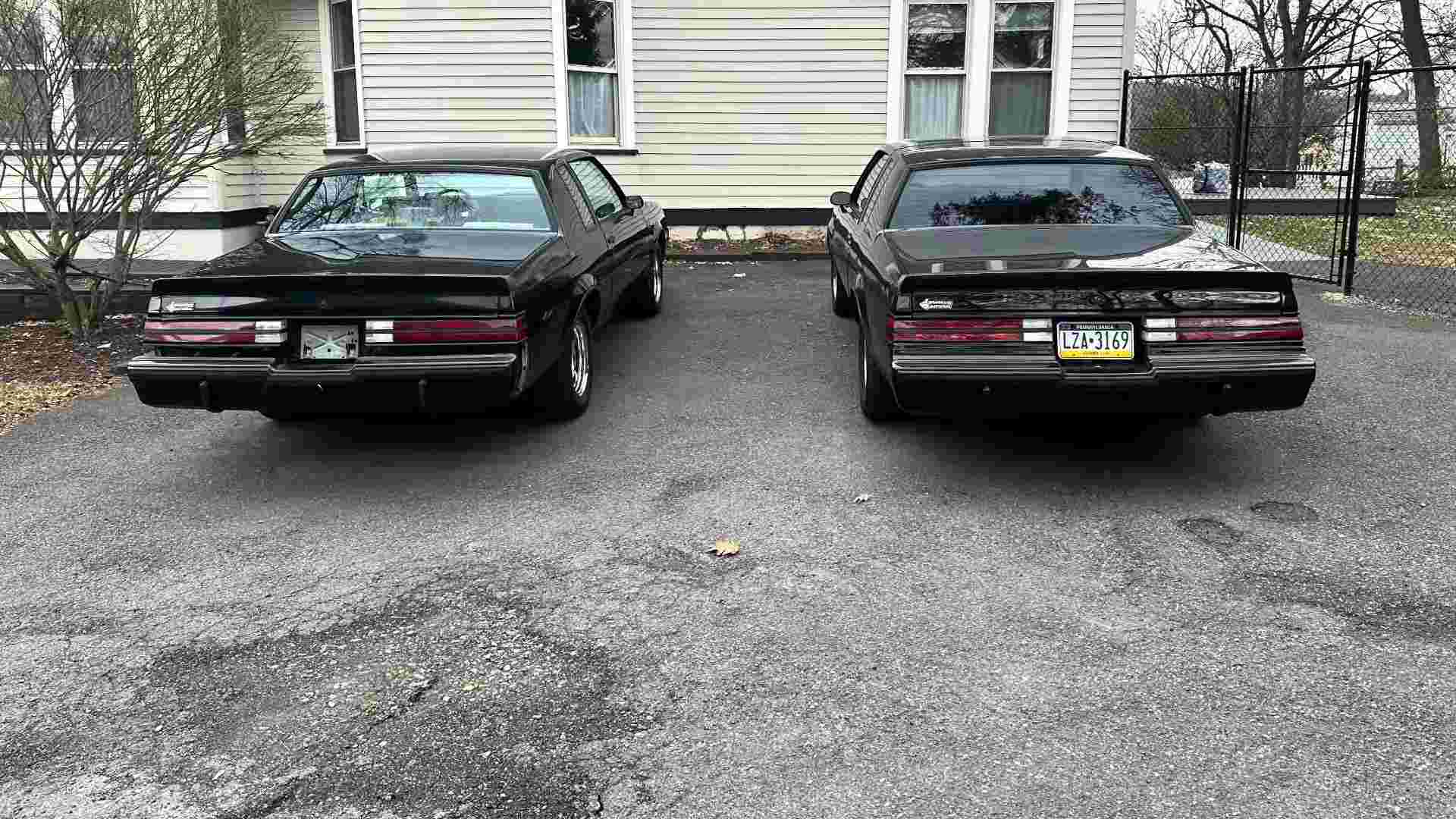
The 1986 model year introduced an air-to-air intercooler that drastically lowered intake temperatures, paired with sequential fuel injection and a four-speed automatic overdrive transmission. The official output of 235 horsepower and 330 lb-ft of torque was heavily underrated. The coupe sprinted to sixty miles per hour in 4.9 seconds and cleared the quarter-mile in 13.7 seconds, delivering supercar-slaying performance for a base price of 14,349 dollars. Production climbed to 5,512 units in 1986 before exploding to 20,193 standard units in 1987, alongside 547 GNX models, just before General Motors retired the rear-wheel-drive G-body platform permanently.