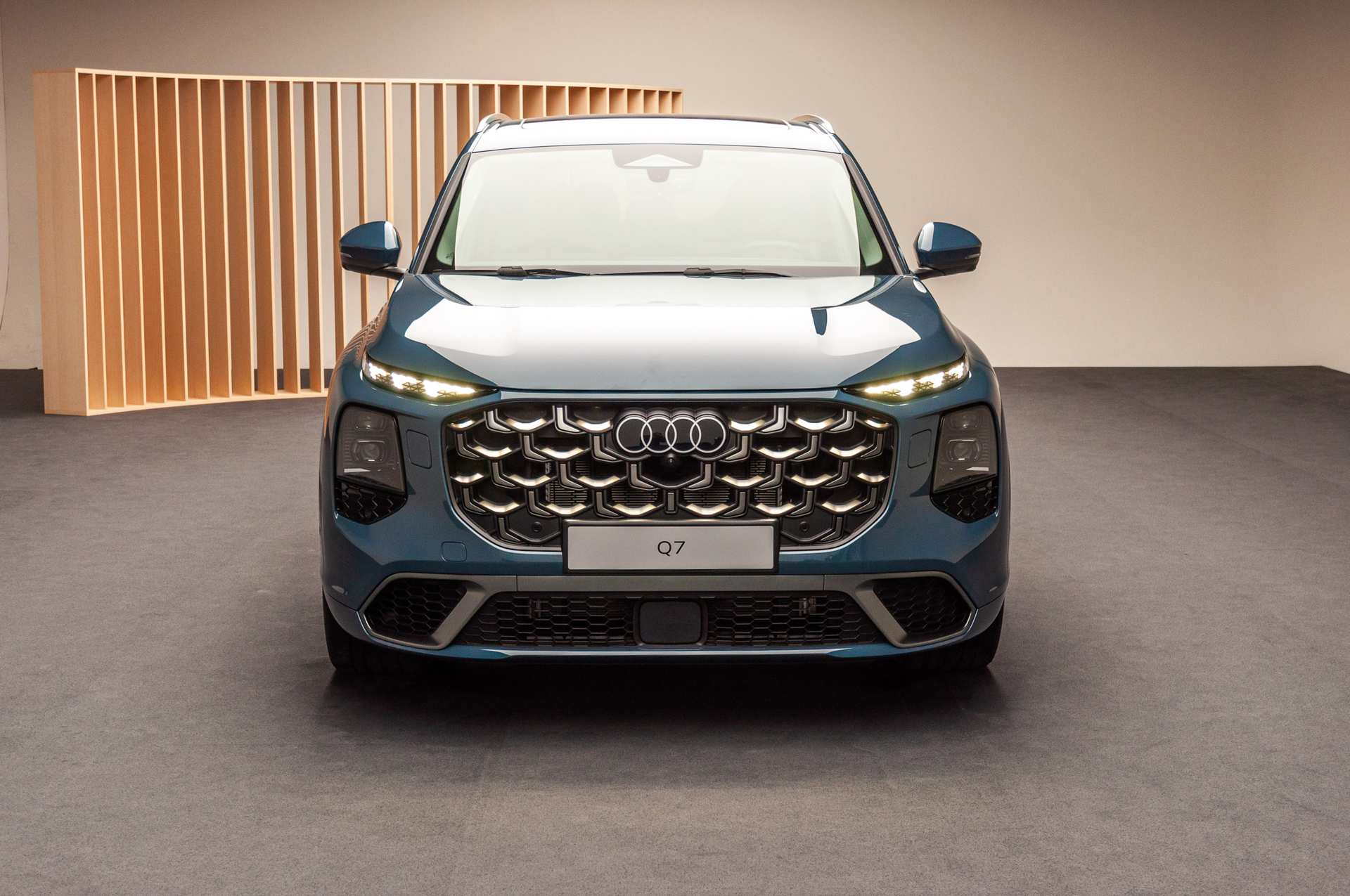
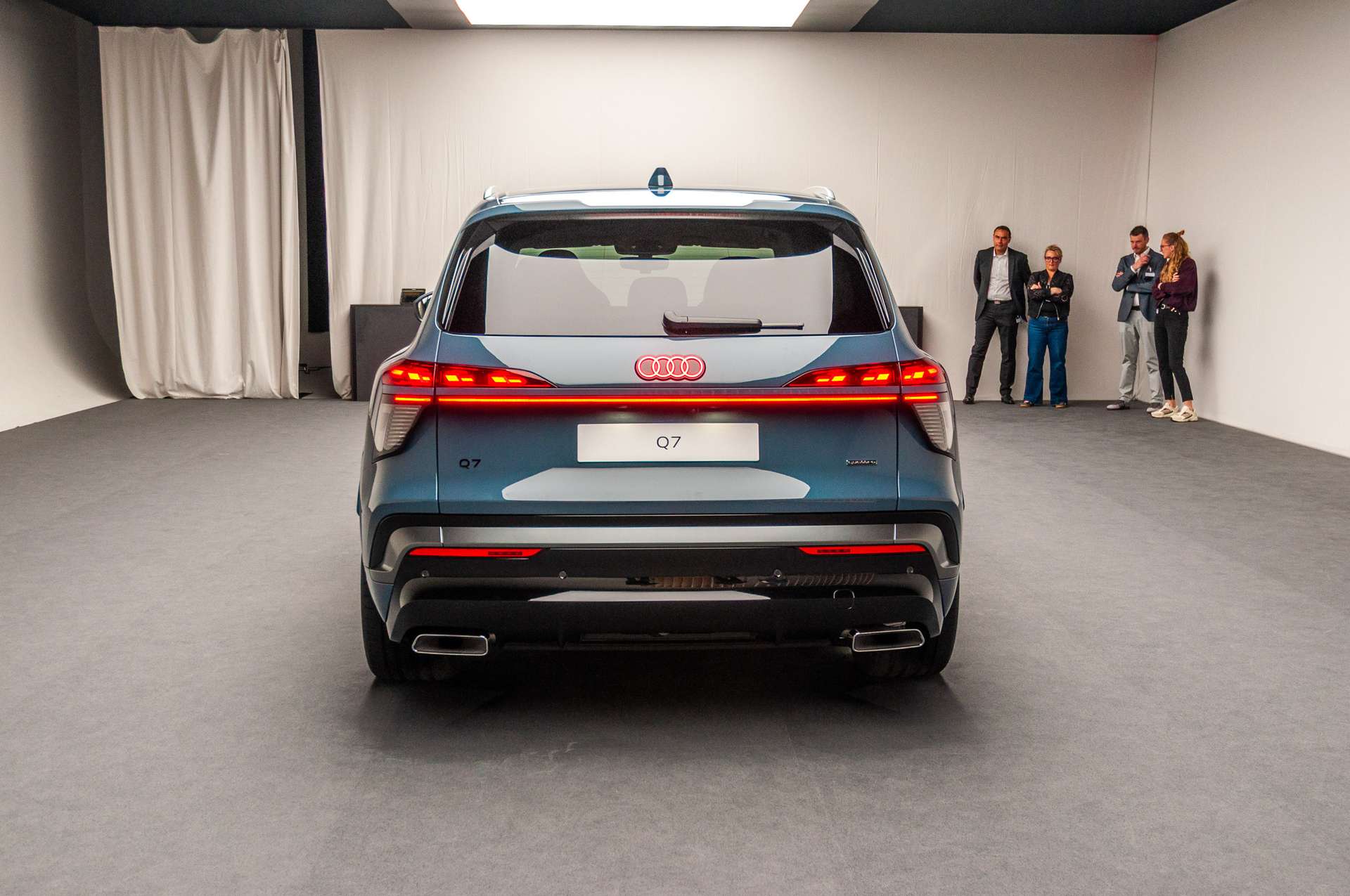
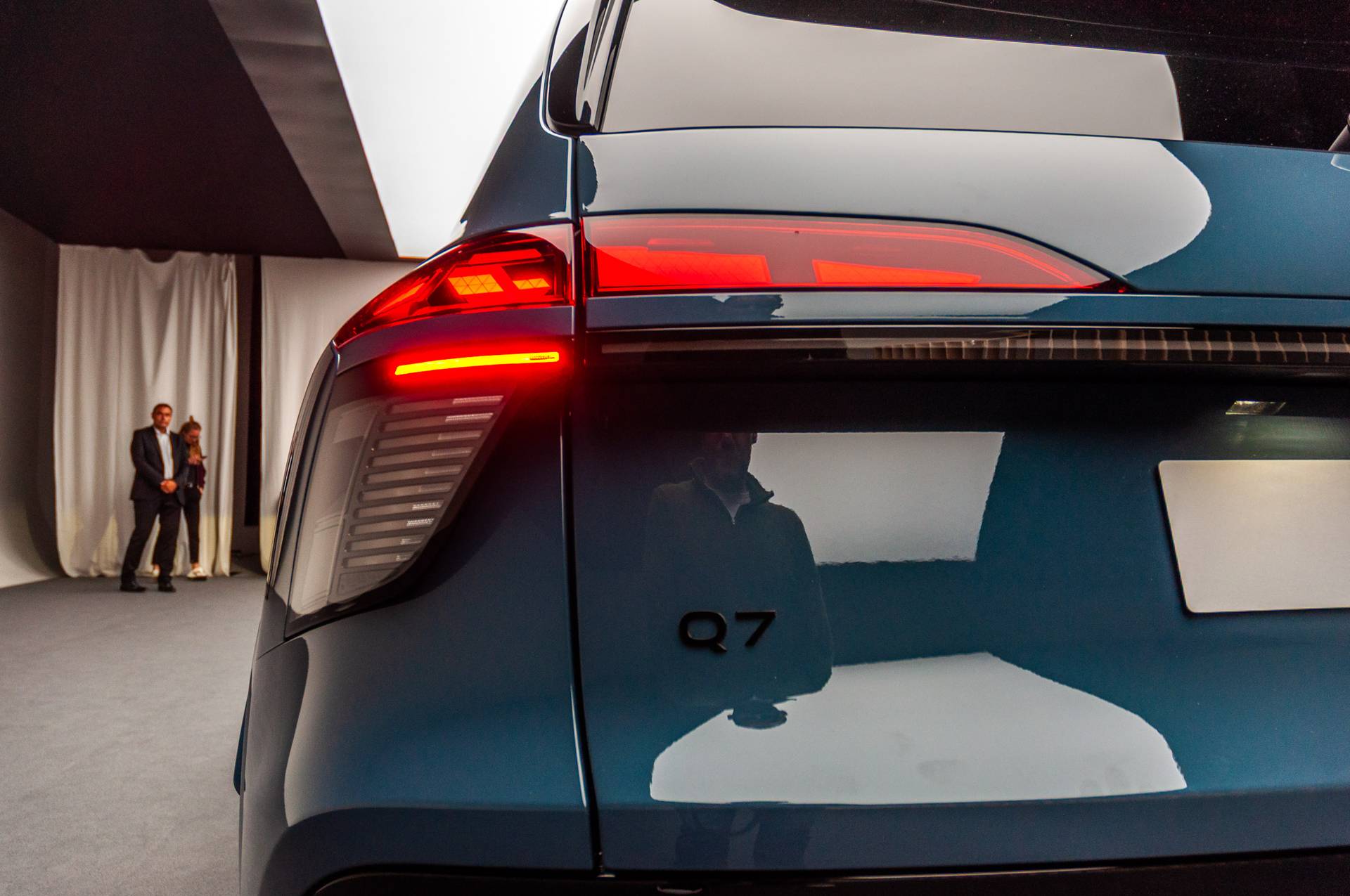
- The all-new 2027 Audi Q7 shifts paradigms with a controversial, split-headlight visual identity that mirrors the brand’s larger upcoming flagship models.
- A completely overhauled interior strips out historical gloss trim layout choices but introduces puzzling material downgrades uncharacteristic of German luxury.
- Beneath its striking premium sheet metal lie surprising assembly-line shortcuts and loose quality components that call long-term durability into question.
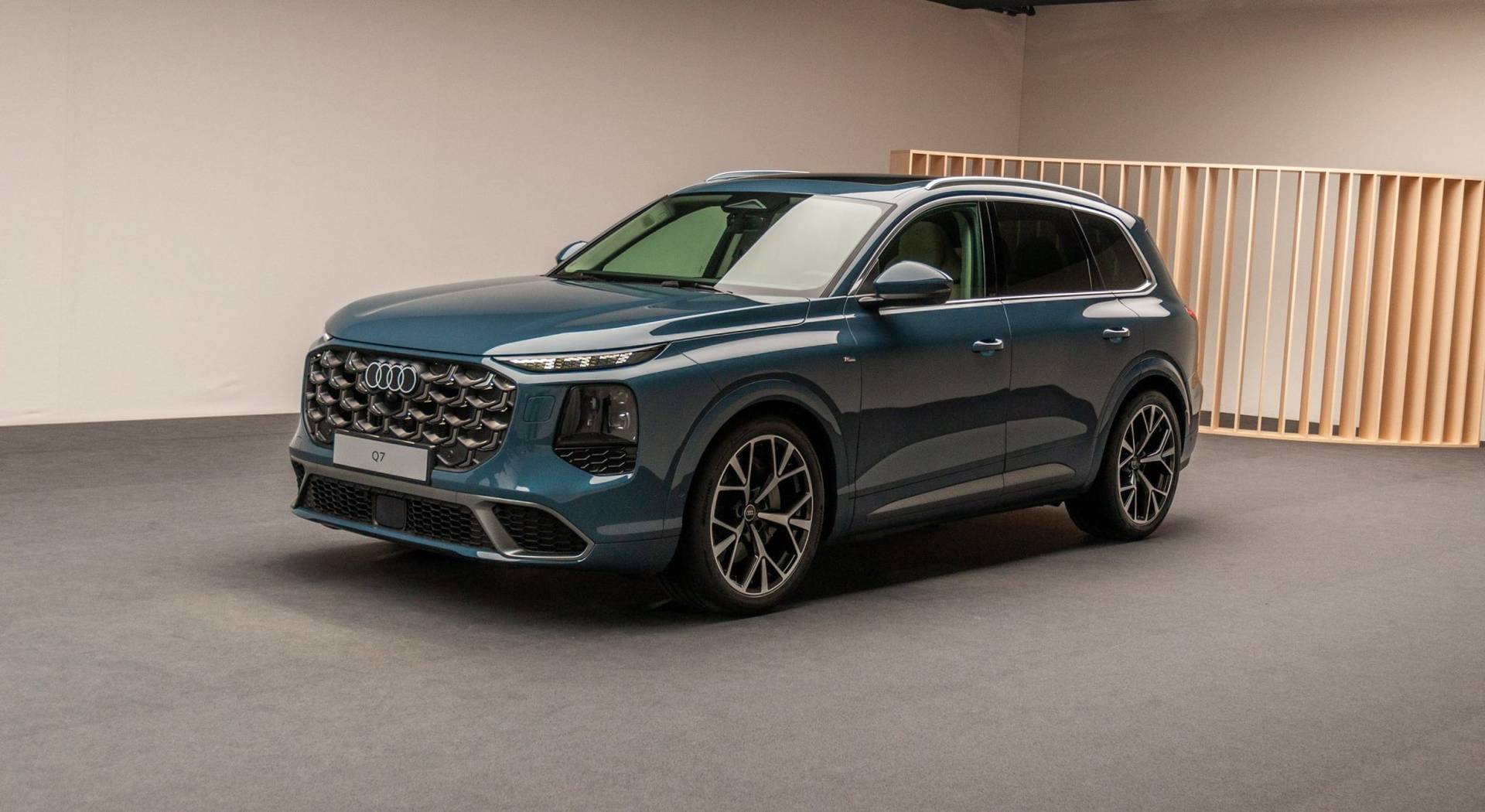
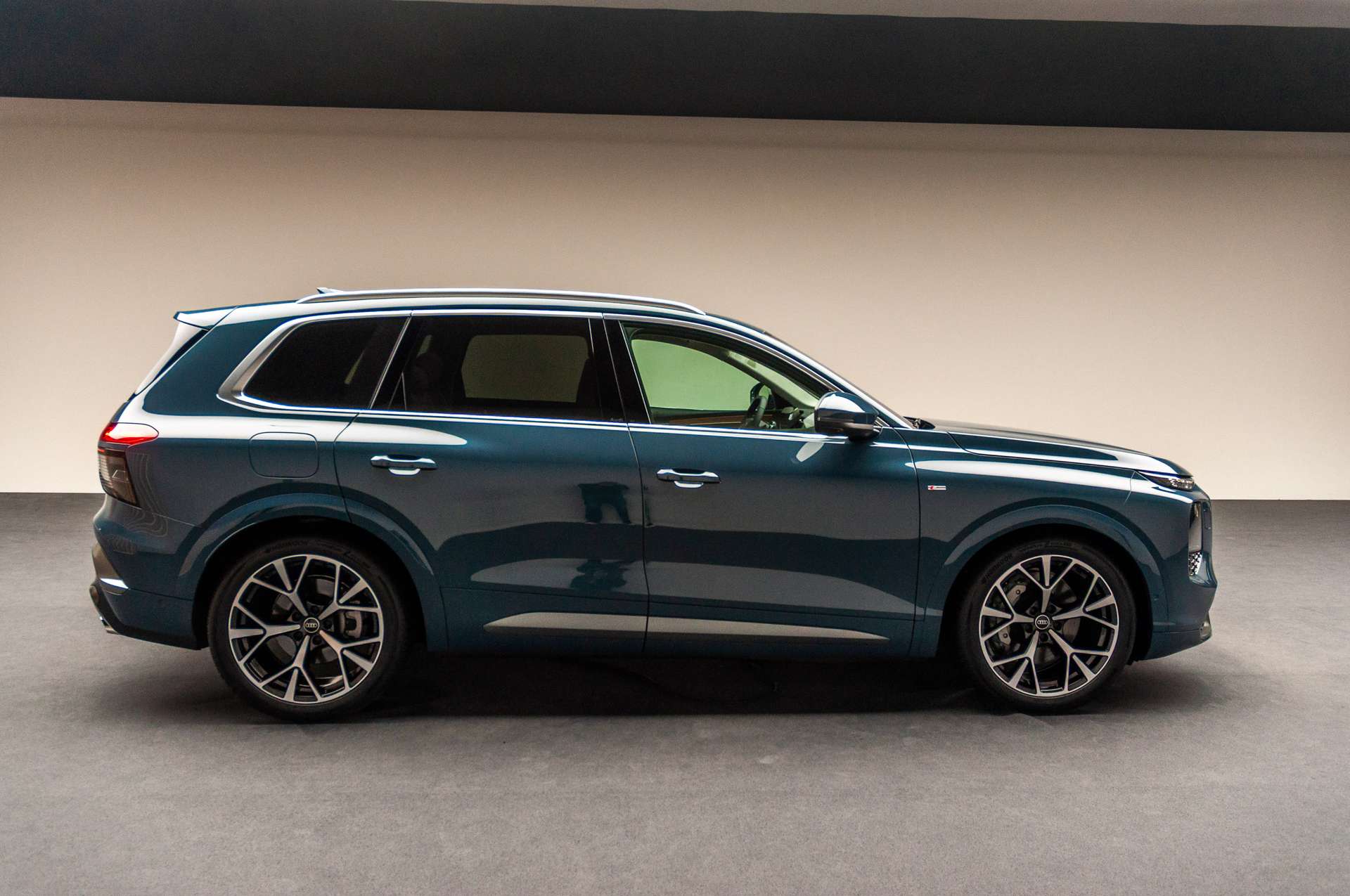
The luxury SUV market has entered an era of aggressive styling risks, where traditional elegance frequently gives way to polarizing modern architecture. When Audi pulled the sheets off its third-generation 2027 Audi Q7, the automotive landscape immediately shifted into a fierce debate over prestige, cost-cutting, and design evolution. Cloaked in a distinctive bluish teal paint, the premium family hauler breaks away from its subtle wagon-like lineage to pursue a commanding, monolithic stance aimed squarely at its Bavarian cross-town rivals. However, as the initial shock of the sheet metal fades, an investigative look reveals an vehicle trapped between cutting-edge identity and curious execution lapses.
Exterior Design: The Split-Headlight Battleground
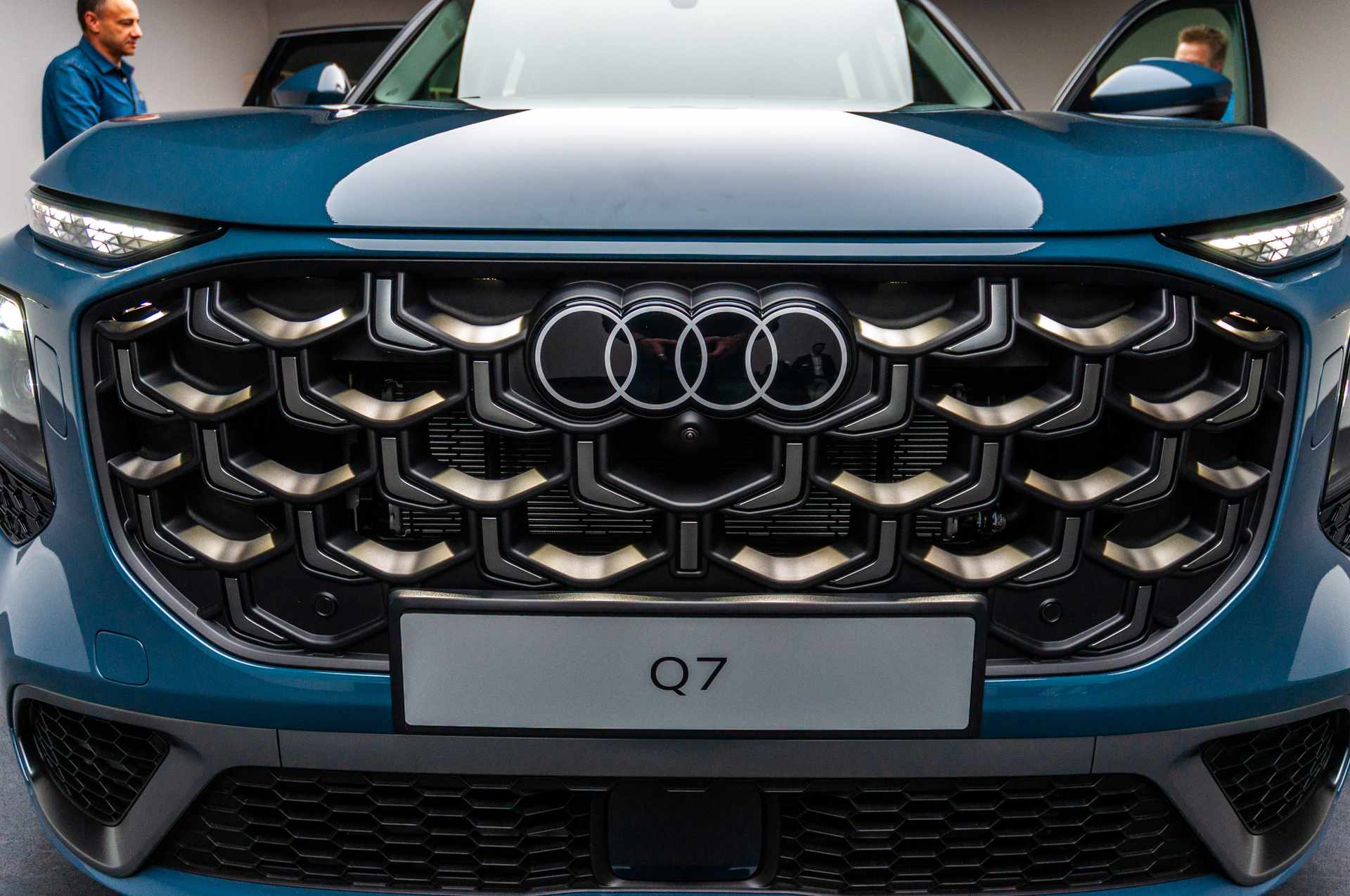
The exterior aesthetic of the new Audi Q7 serves as the vehicle’s primary point of contention, borrowing its core visual blueprint from its bigger, more expensive upcoming sibling. Up front, the massive Singleframe grille is flanked by a split-lighting arrangement that heavily channels a Hyundai Kona front face rather than classic Ingolstadt heritage. Moving along the flank, the silhouette shifts into a familiar German posture, mimicking a boxy BMW X7 side-profile with pronounced arches. This deep BMW X5/7 design similarity leaves critics wondering if Audi is leading the premium design charge or simply reacting to the footprint established by Munich’s top-tier cruisers.
Worth A Look




Interior Overhaul: Technology Envy and Material Trade-Offs
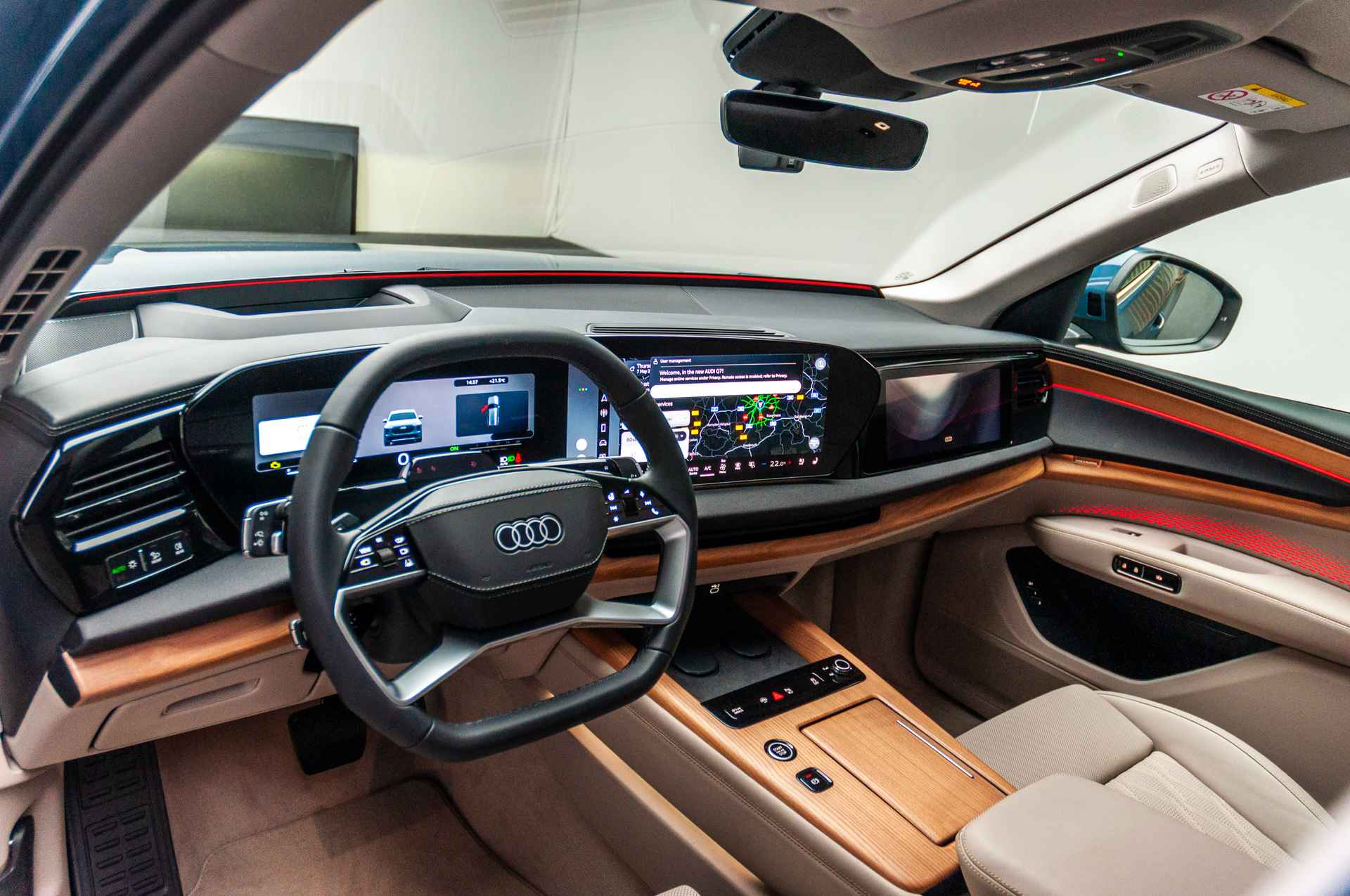
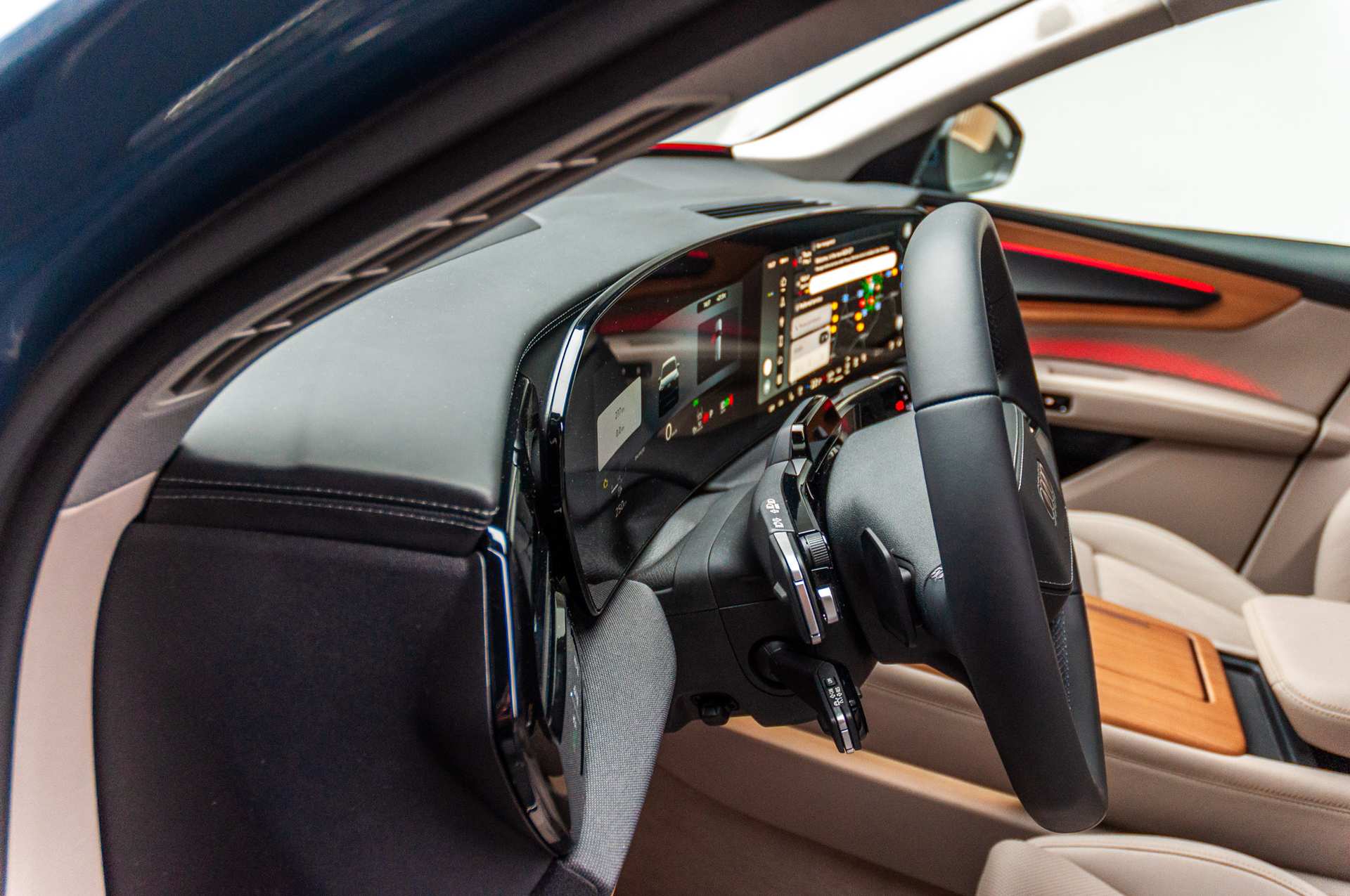
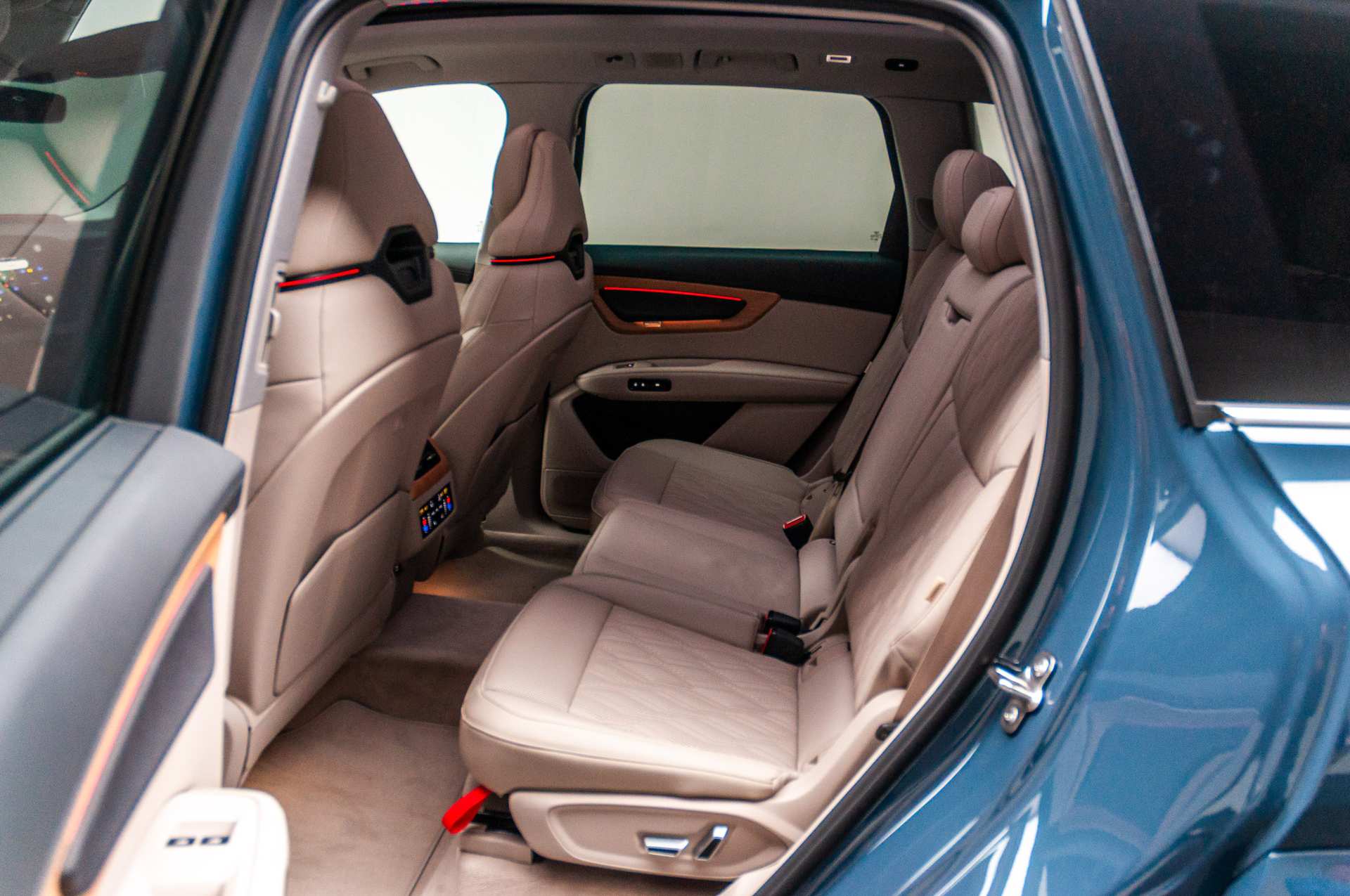
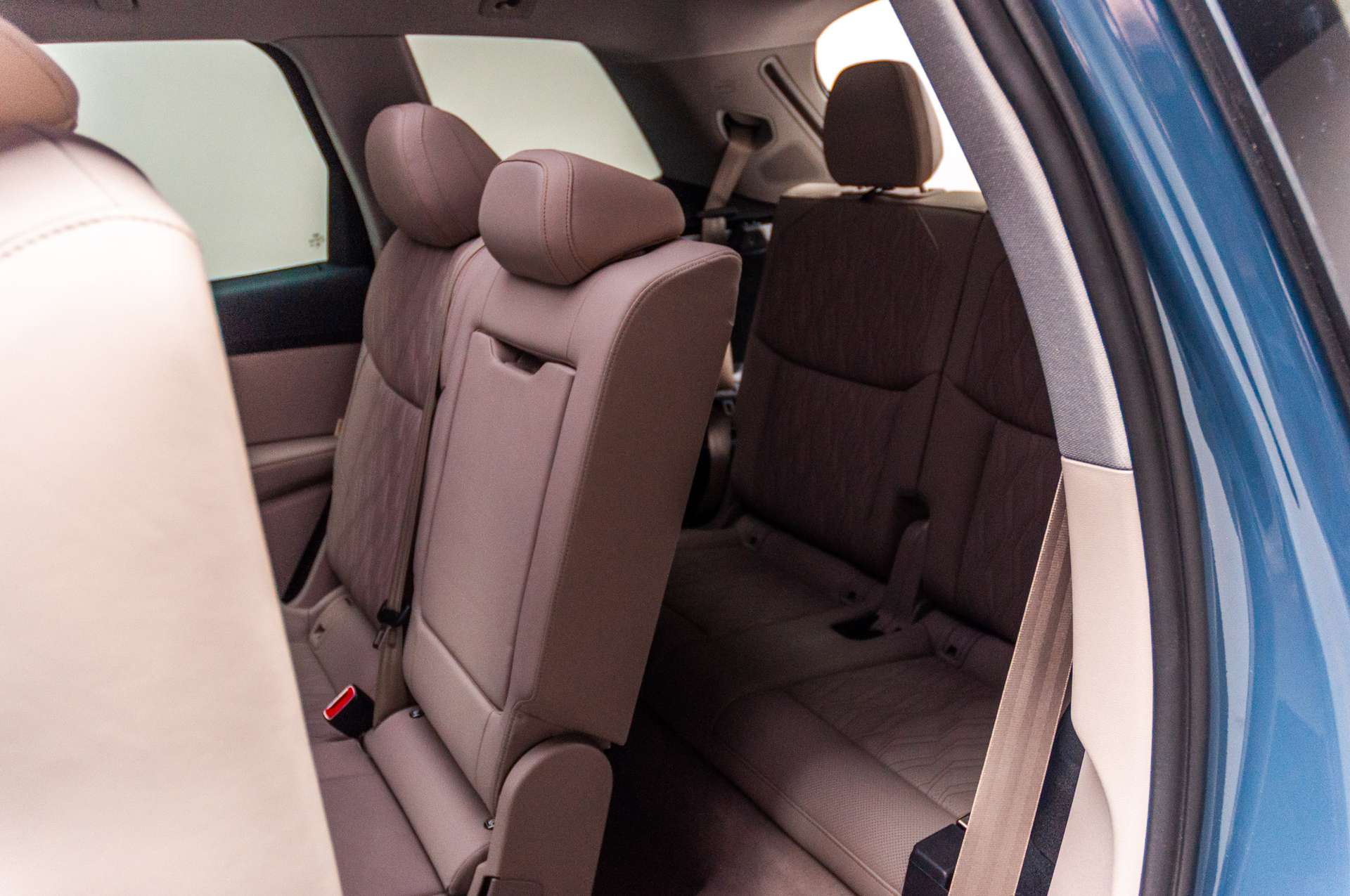
Step inside, and the cabin introduces a minimalist dashboard layout defined by an absolute sea of screens, including a dedicated front passenger display as standard equipment. This digital-heavy environment is accented by a vivid array of red LED lighting, casting a dramatic glow across the revised geometric architecture. On the positive side, the brand has executed a massive piano black reduction, answering years of consumer complaints regarding smudges and superficial scratches. Unfortunately, the replacement surfaces fall short of expectation; the lower dash elements feel like a budget Kia interior, lacking the rich tactile feedback buyers demand at this price point. Even the integration of authentic wood interior panels and premium leather cannot entirely mask the coarser, rigid plastics surrounding the center console.
Build Quality: Unsettling Shortcuts Hidden From View
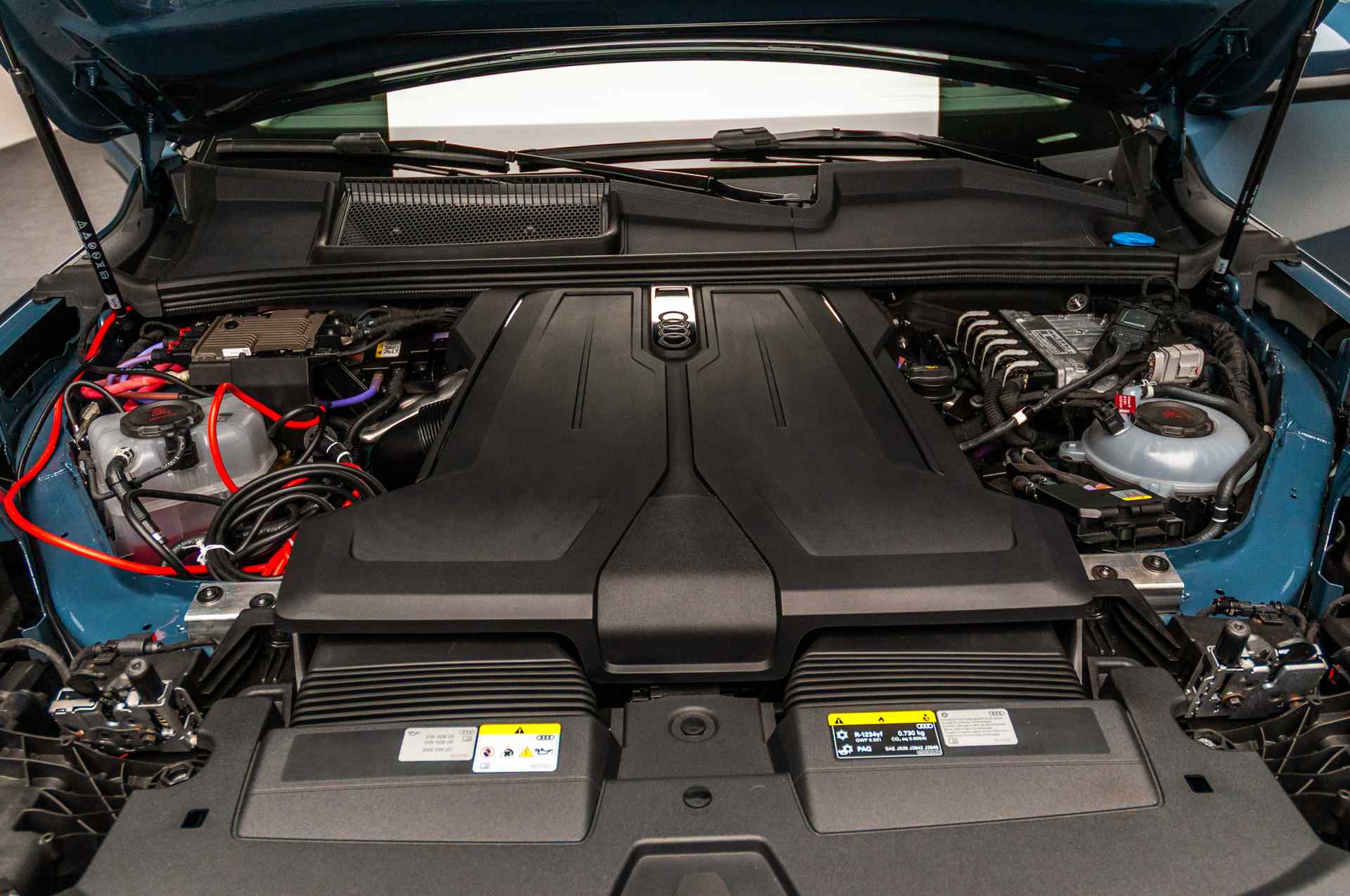
While the exterior panels look premium under studio lights, a deeper mechanical inspection uncovers alarming shortcuts that contradict Audi’s legendary build quality. Popping the taller hood reveals an under hood twist tie holding core wire looms together, an assembly method suited for an appliance rather than an expensive German car. Further down the engine bay, loose cables dangle near critical thermal components without proper structural channeling brackets. These hidden oversights clash heavily with the luxury image Audi continues to market to premium buyers.