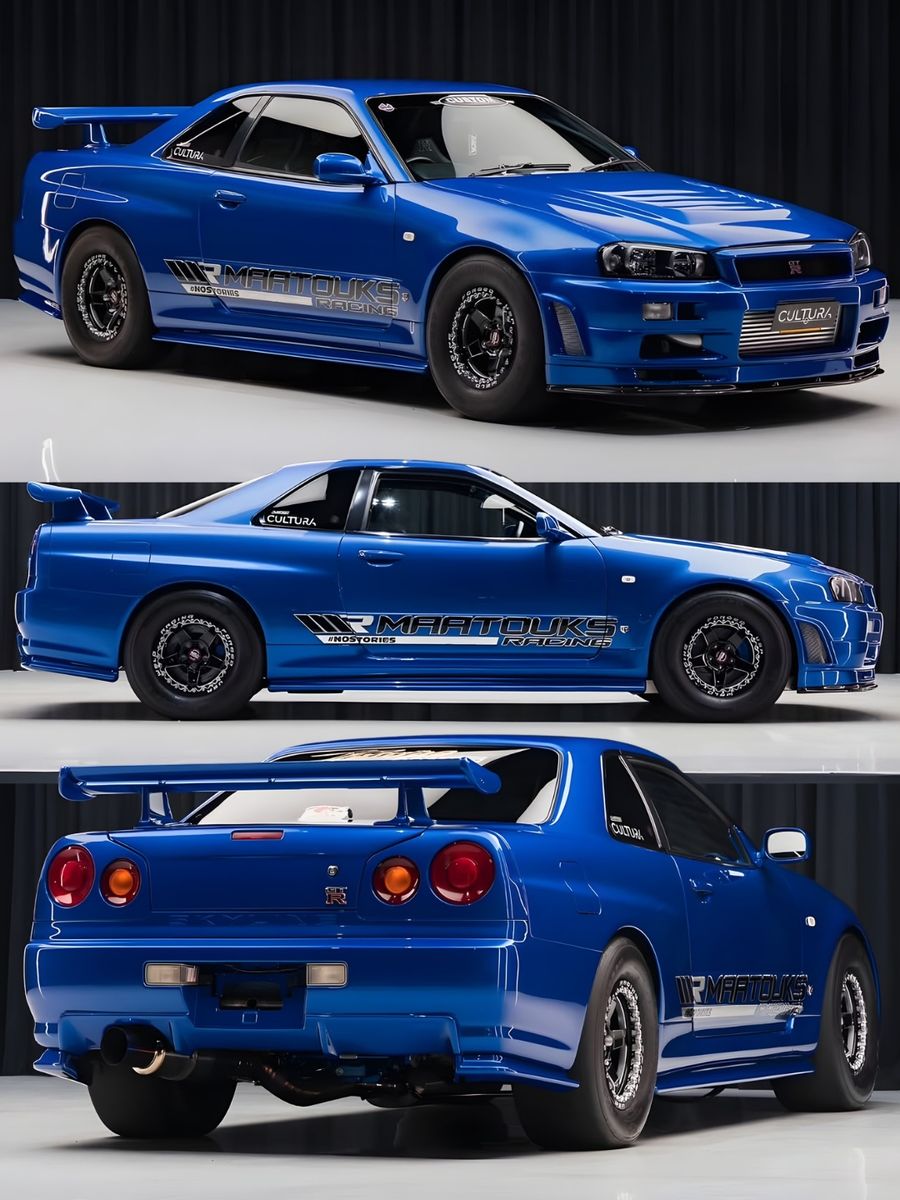
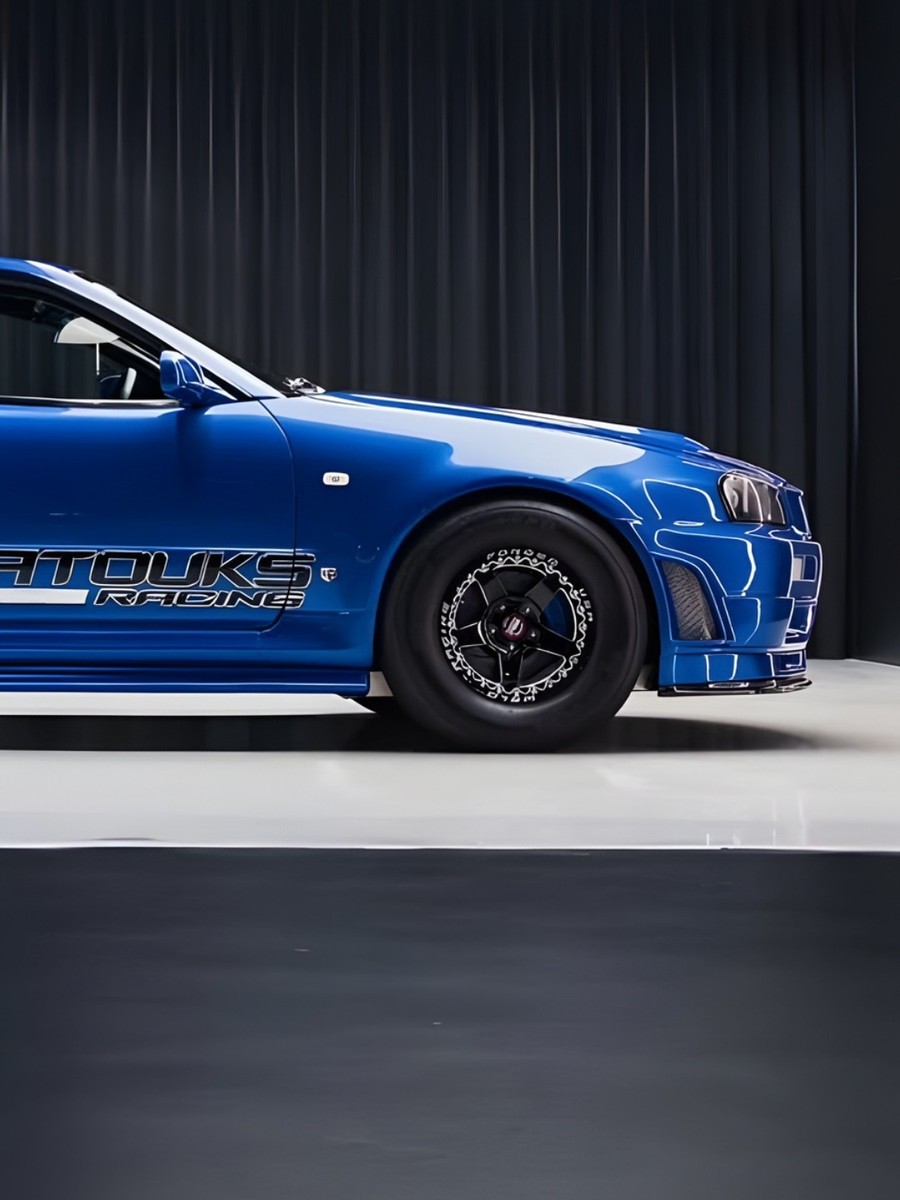
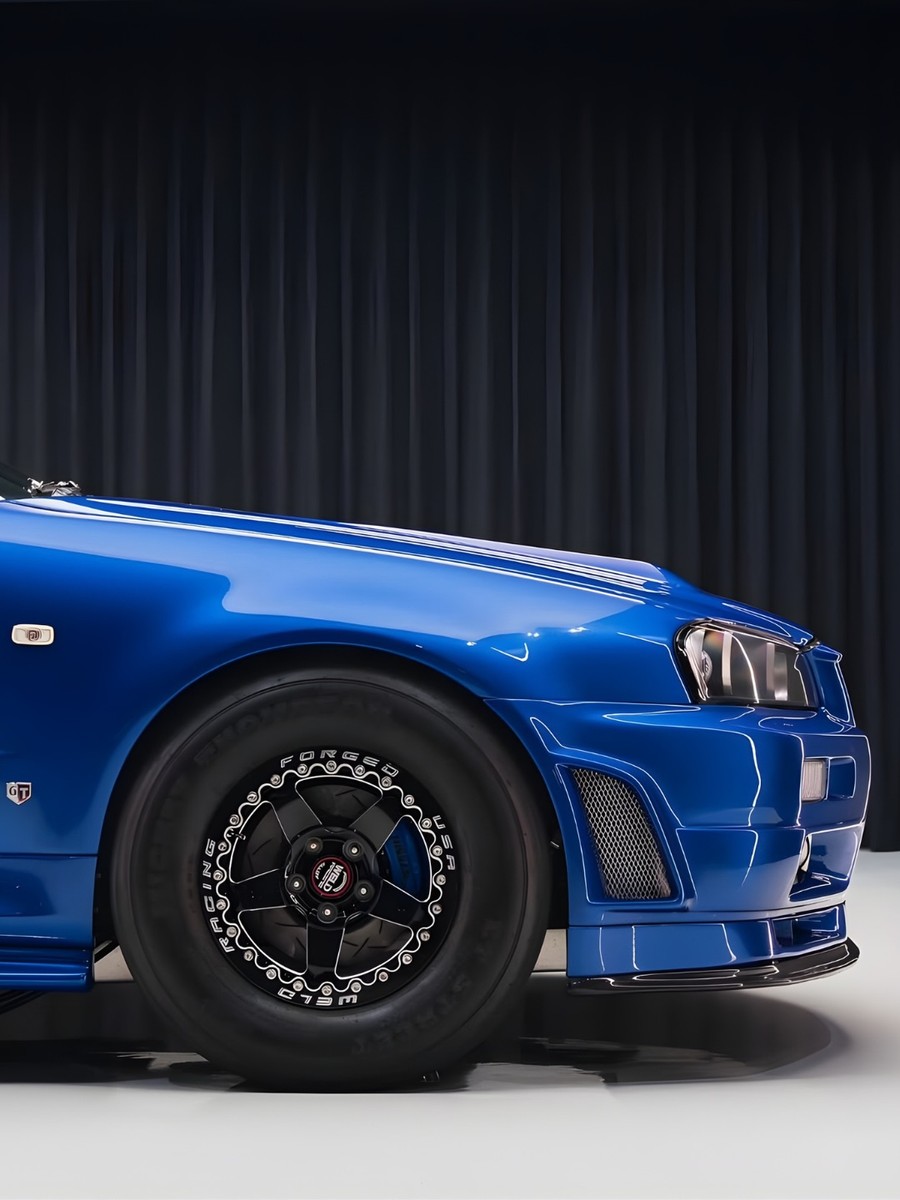
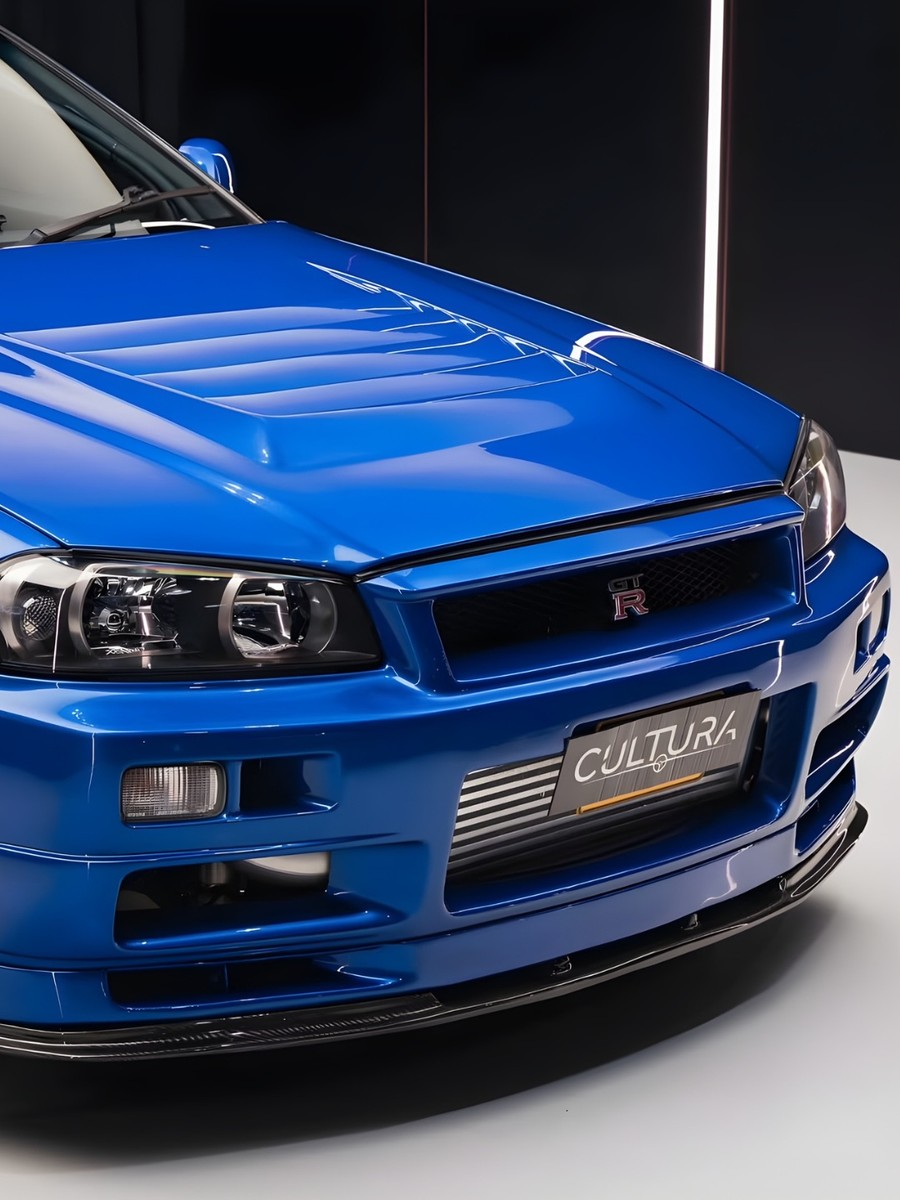
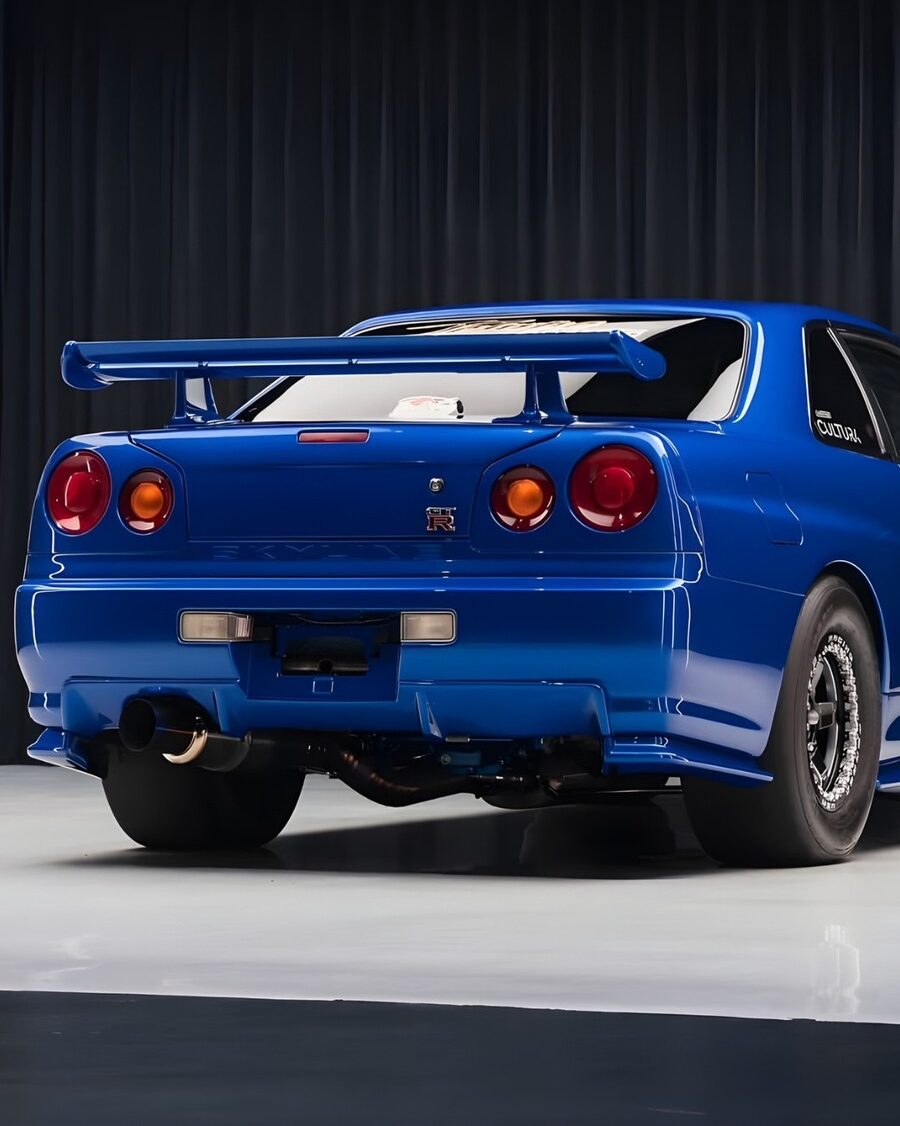
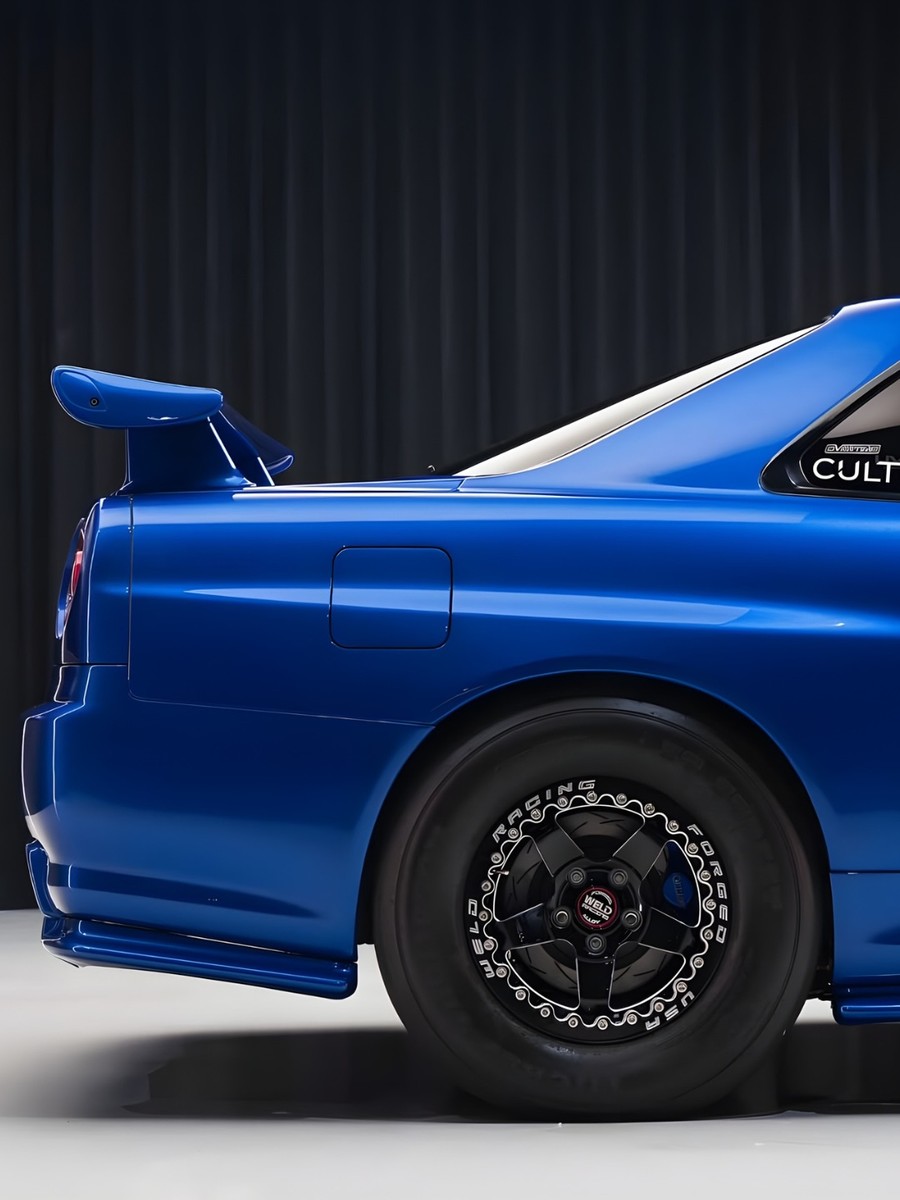
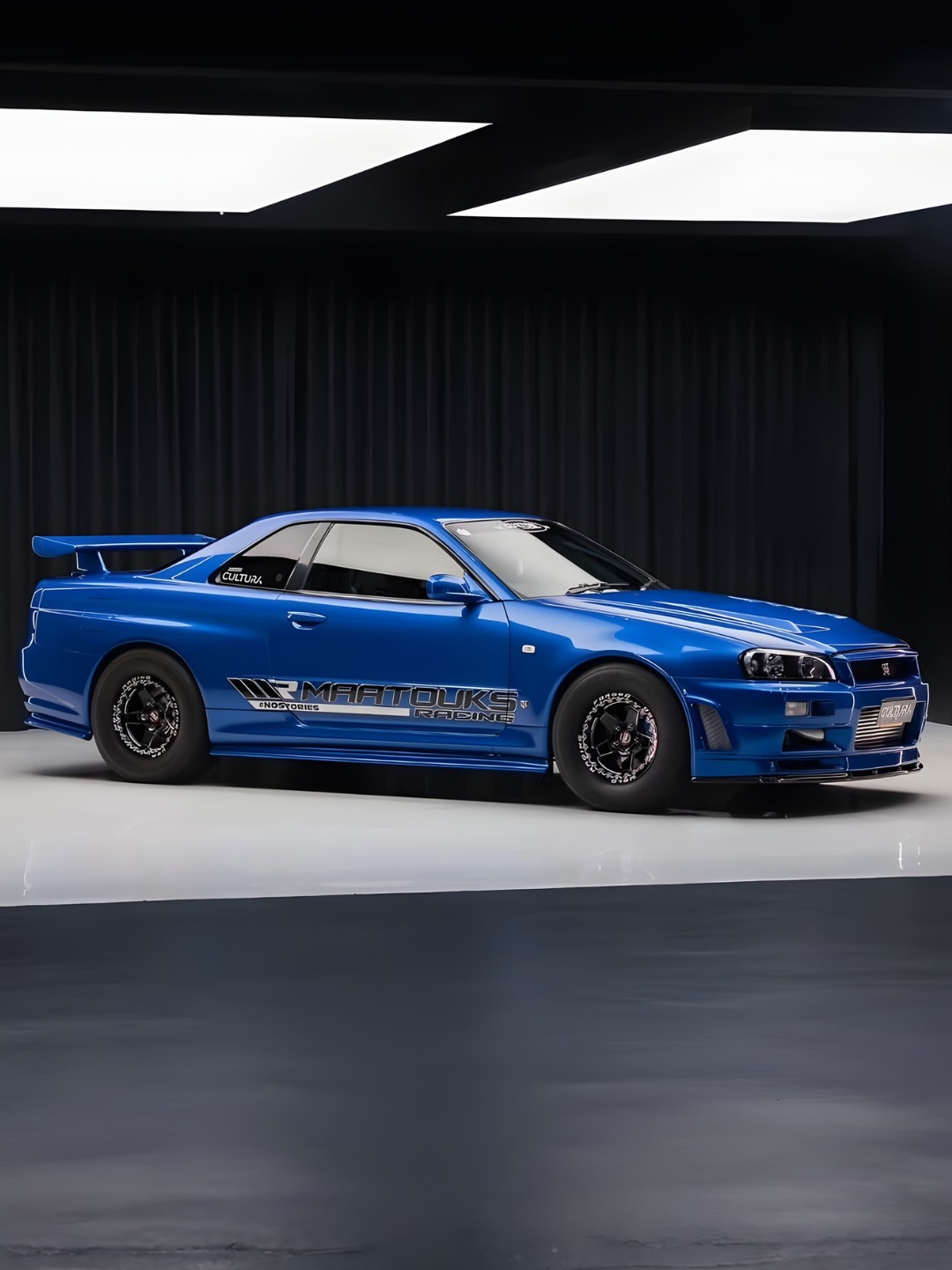
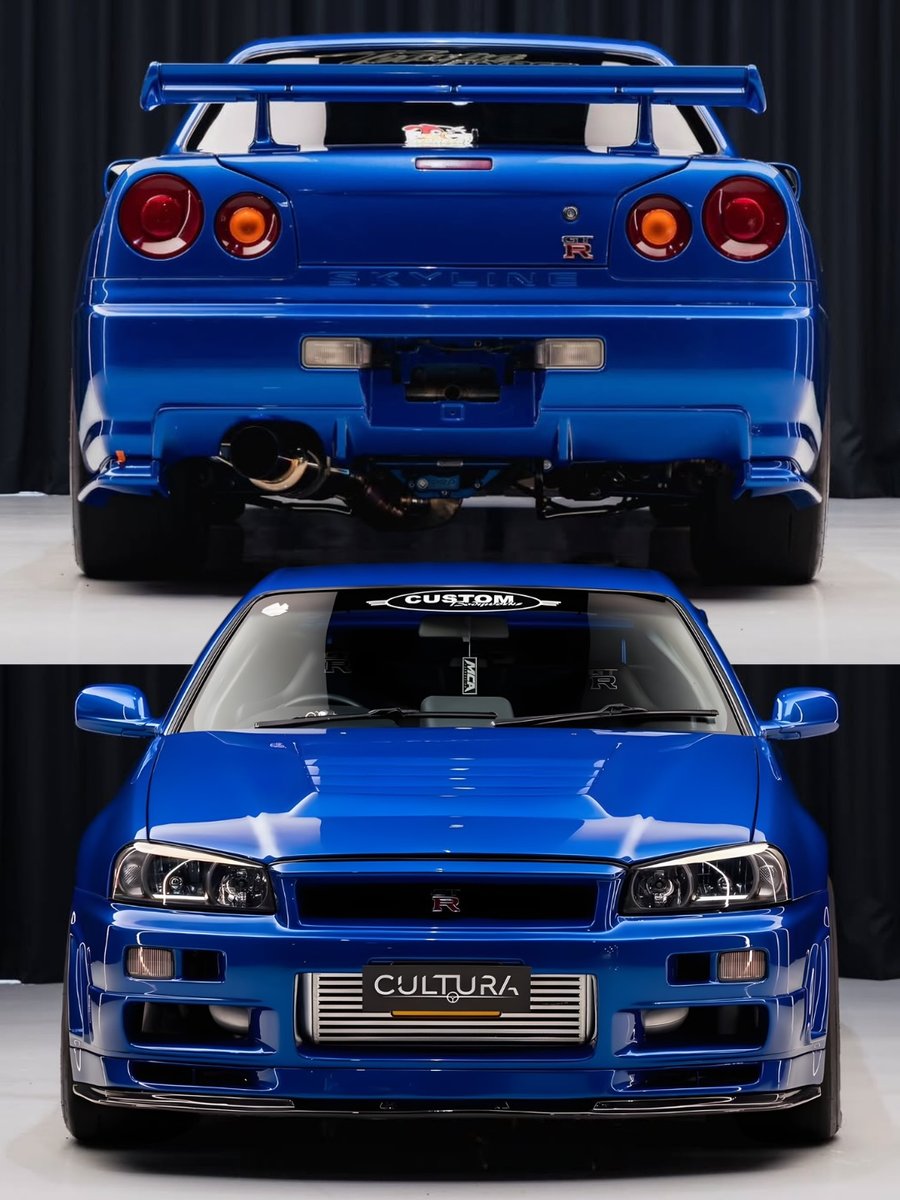
- The Maatouks Racing Nissan Skyline GT-R R34 redefines automotive limits by delivering a verified 3,235 horsepower through a billet RB26 engine and massive 110mm turbocharger setup.
- Despite shattering world records with a blistering 6.90 second quarter mile at 206 mph, this Bayside Blue icon retains full interior electronics and legitimate street car drivability.
- Engineering mastery combines a 3.4 liter stroker kit, Albins sequential transmission, and a two stage nitrous system to push over 500 horsepower per cylinder at 11,000 rpm.
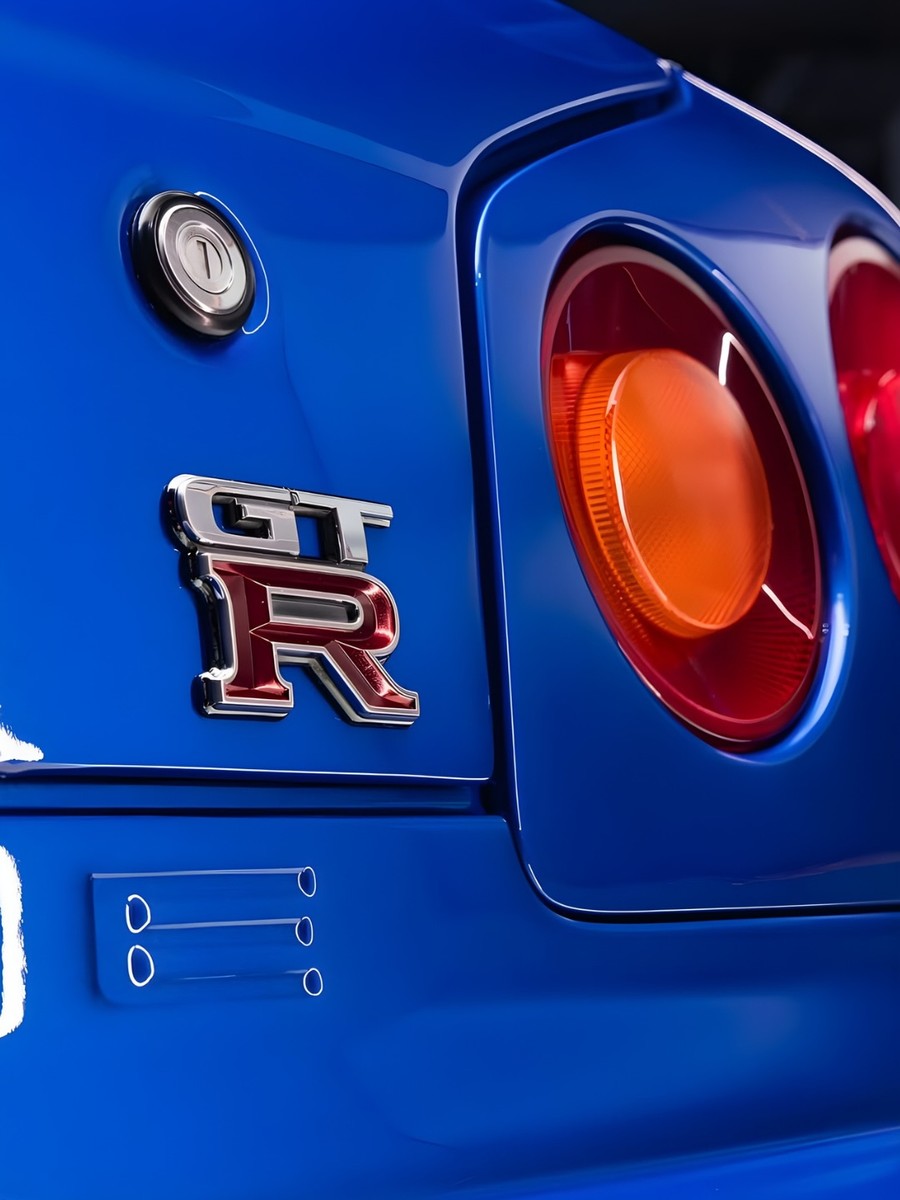
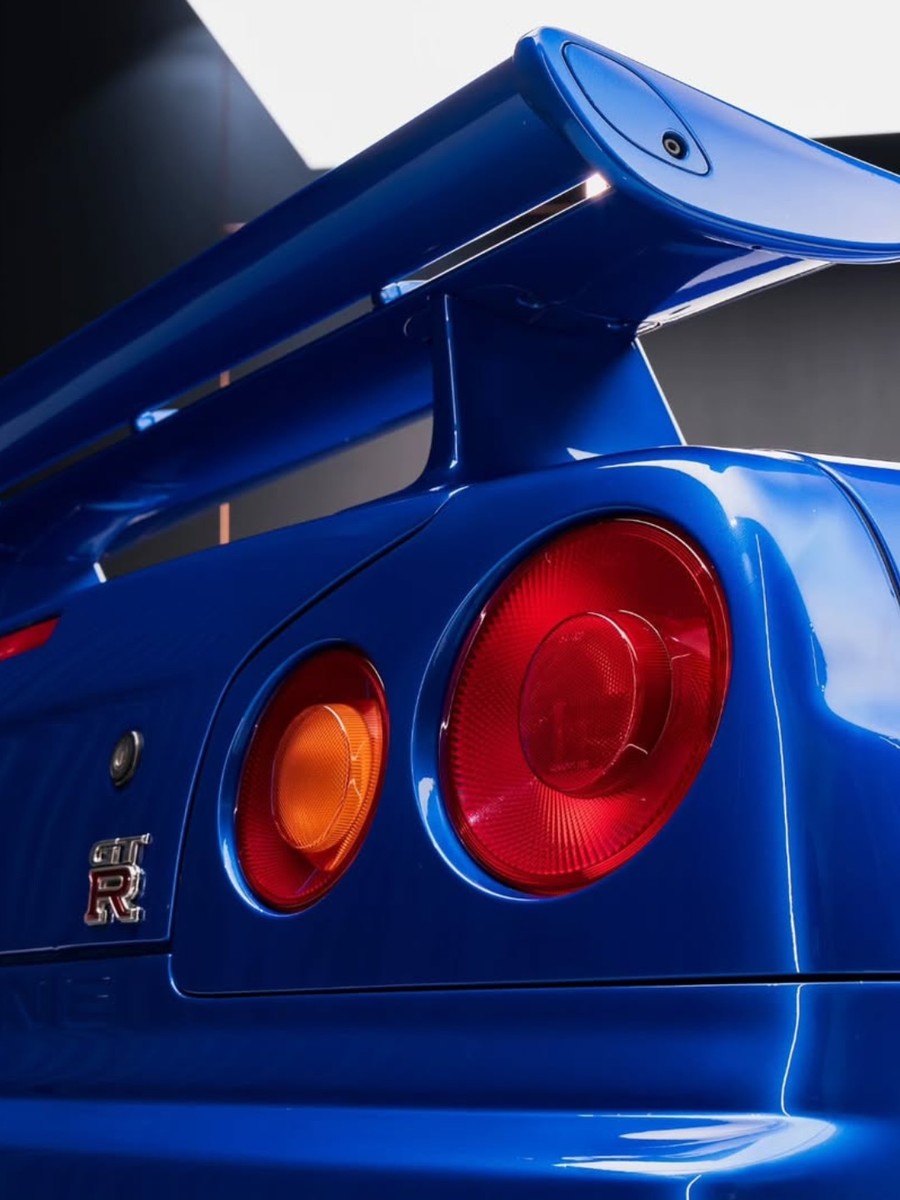
The concrete at the drag strip hums with anticipation, but nothing prepares spectators for the violence of the launch. In the other lane sits a purpose-built pro-mod, a tube-chassis machine that looks more like a spaceship than a car. Beside it, gleaming in factory Bayside Blue, is what appears to be a pristine Nissan Skyline GT-R R34. It idles with a deceptive, rhythmic chop—until the tree drops. In less than seven seconds, the Skyline, known as “Metro,” doesn’t just beat the race car; it obliterates our understanding of physics. This isn’t just a fast street car; it is a 3,200-horsepower anvil dropped on the automotive world, forcing every hypercar manufacturer to rethink their definition of speed.
Engineering the Impossible
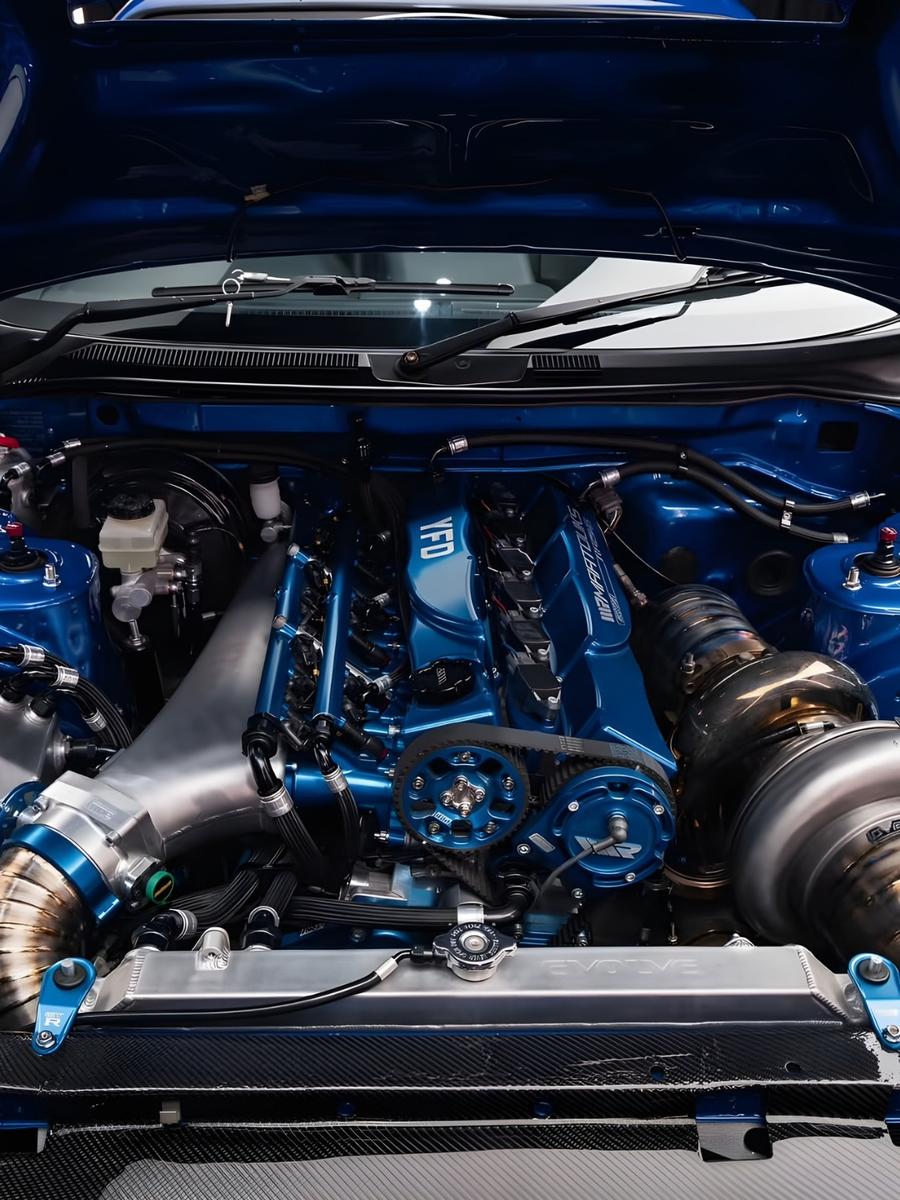
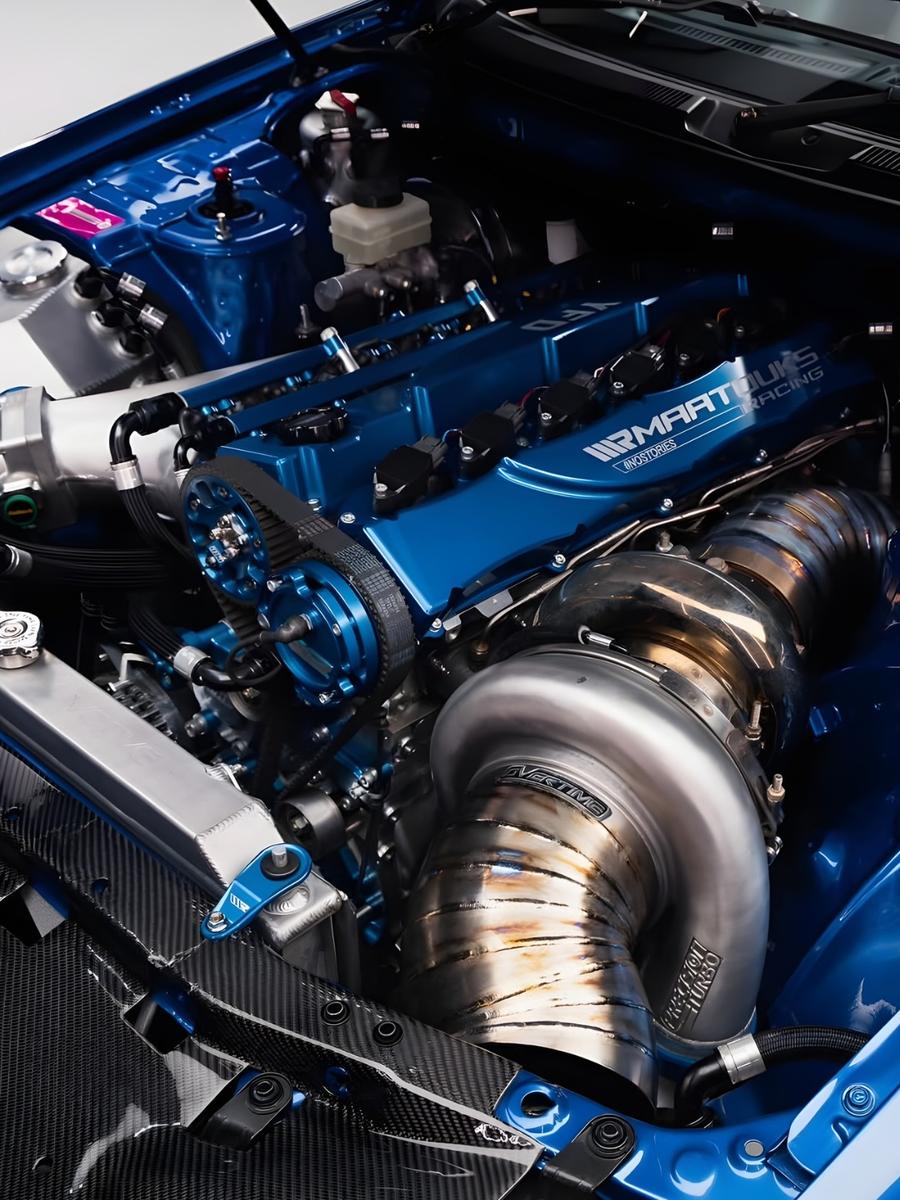
At the heart of this mechanical leviathan lies a fully built RB26 engine that shares almost nothing with its factory ancestor beyond the cylinder count. Maatouks Racing utilized a billet block from Bullet Race Engineering to withstand cylinder pressures that would split a cast iron block in half. The displacement has been increased to 3.2 liters (often cited as a 3.4L stroker in similar Maatouks builds), allowing the engine to spool a turbocharger the size of a jet engine intake.
Worth A Look


The forced induction system is built around a massive 110mm turbocharger, capable of generating over 100 psi of boost. To bridge the gap between turbo lag and peak power, a complex two-stage nitrous system feeds the engine, ramping up power delivery to a dyno-verified 3,235 horsepower. This setup requires methanol fuel to keep combustion temperatures in check while delivering the caloric density needed to produce over 500 horsepower per cylinder.
The Street Car Paradox
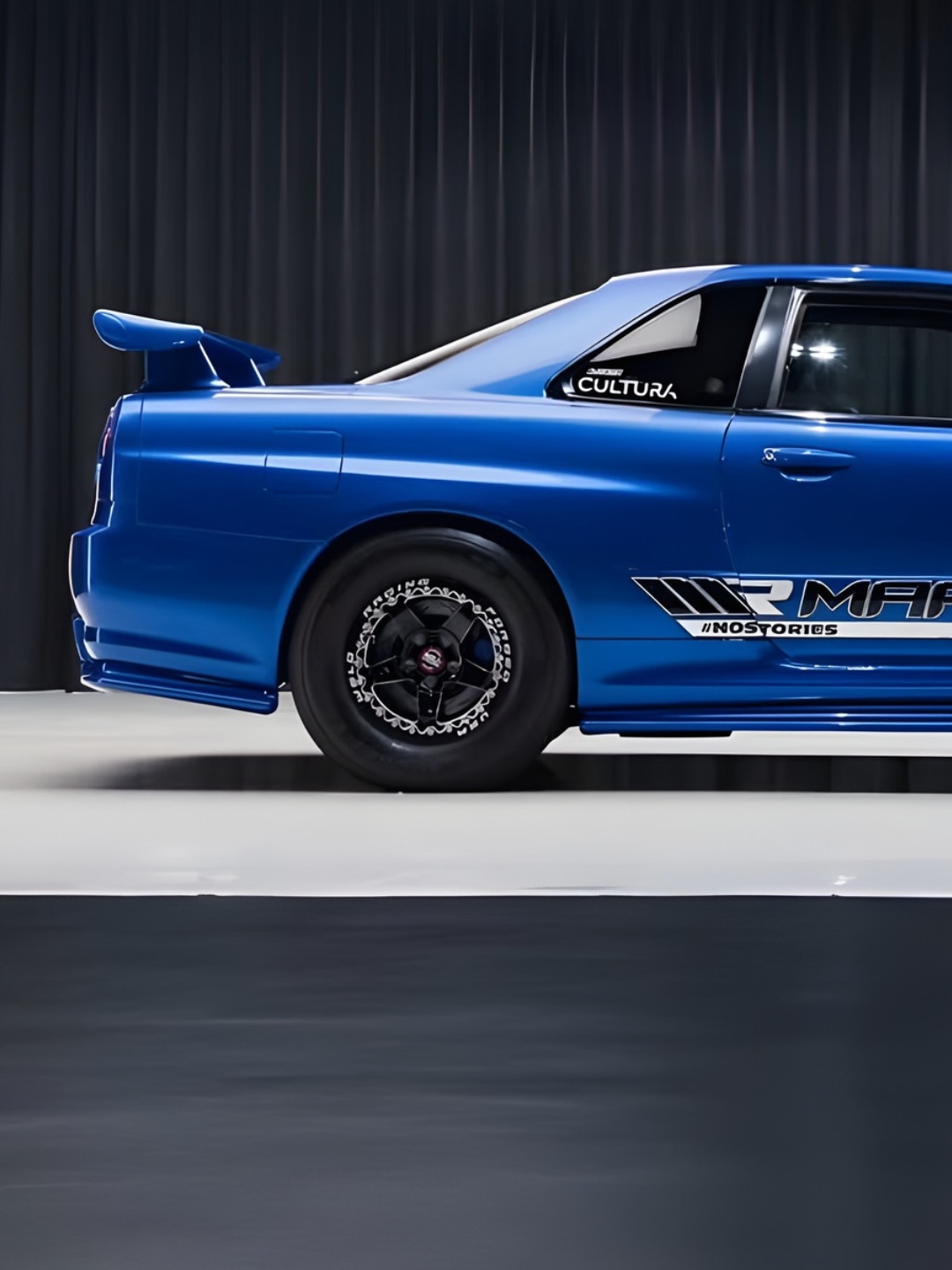
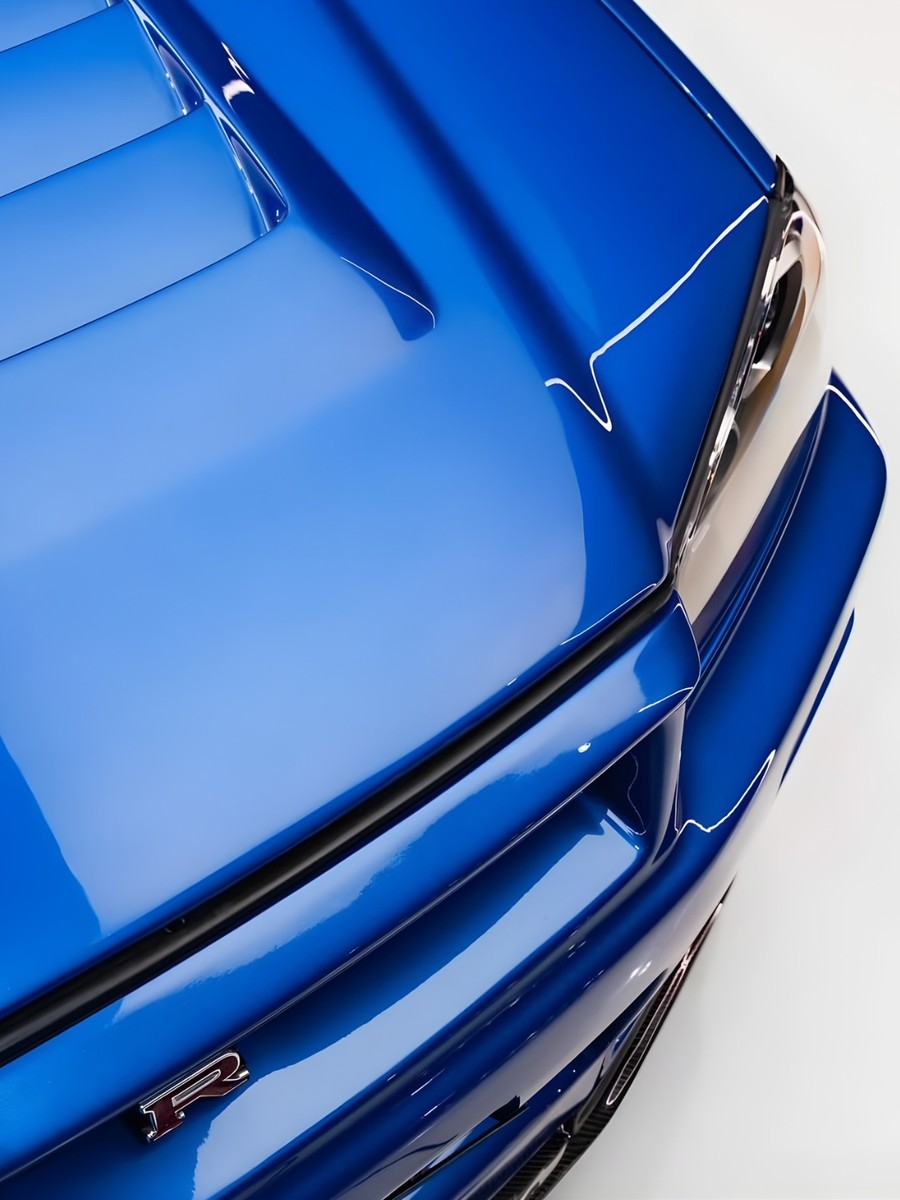
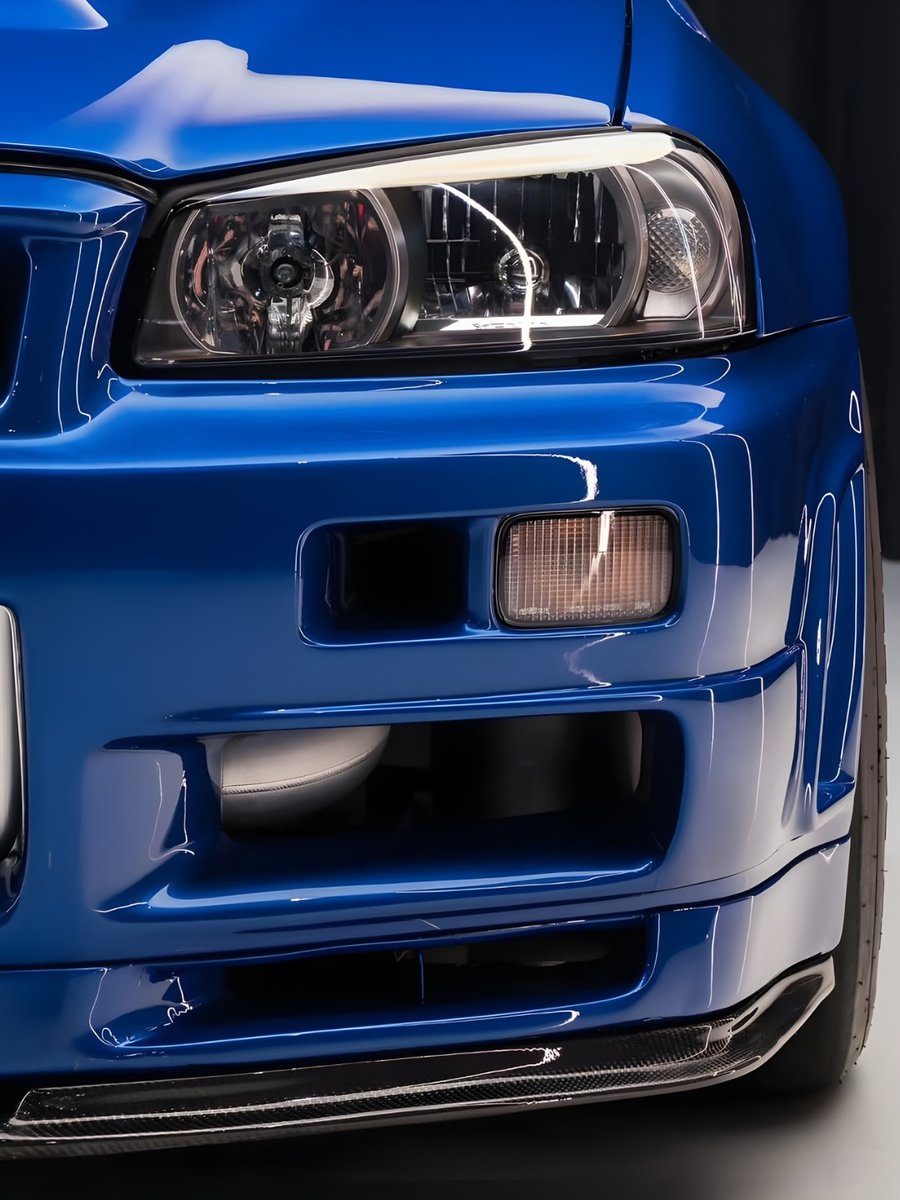
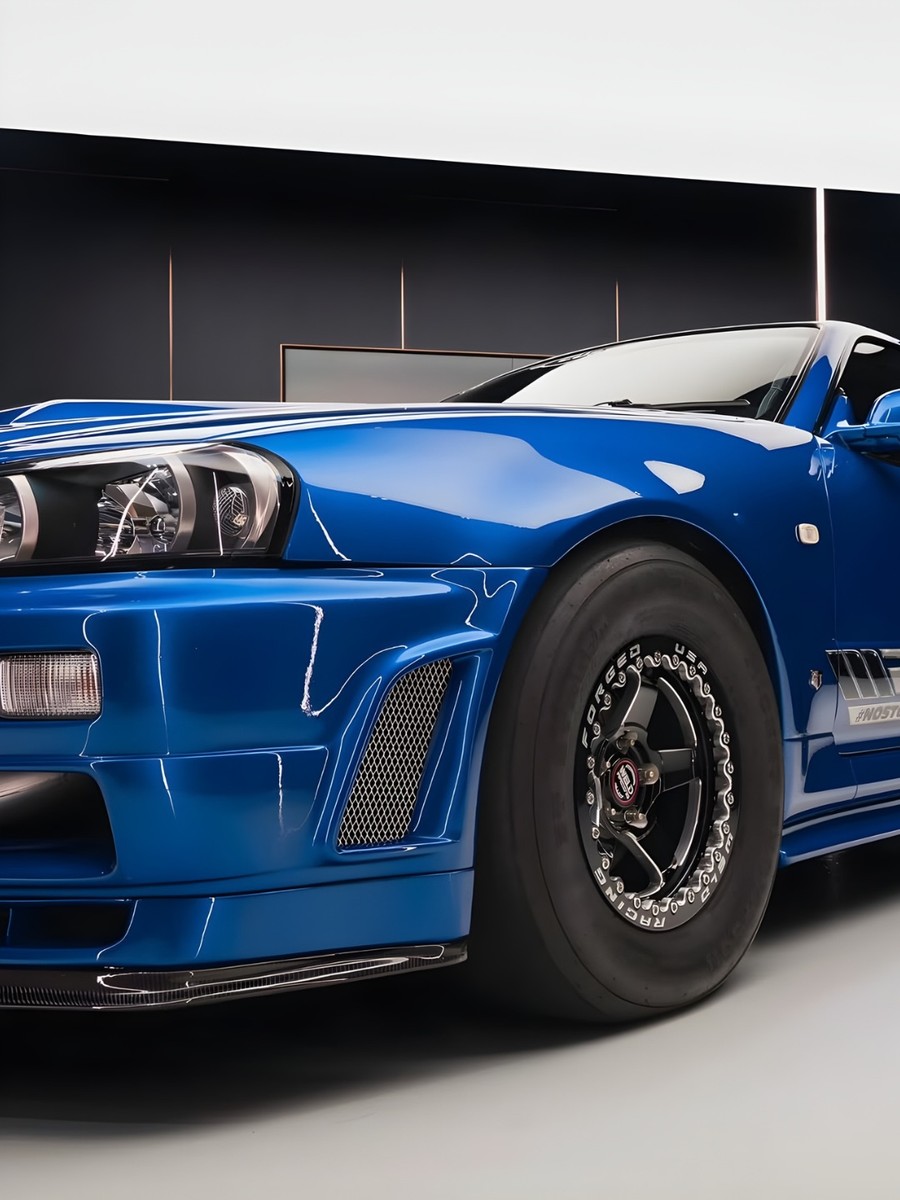
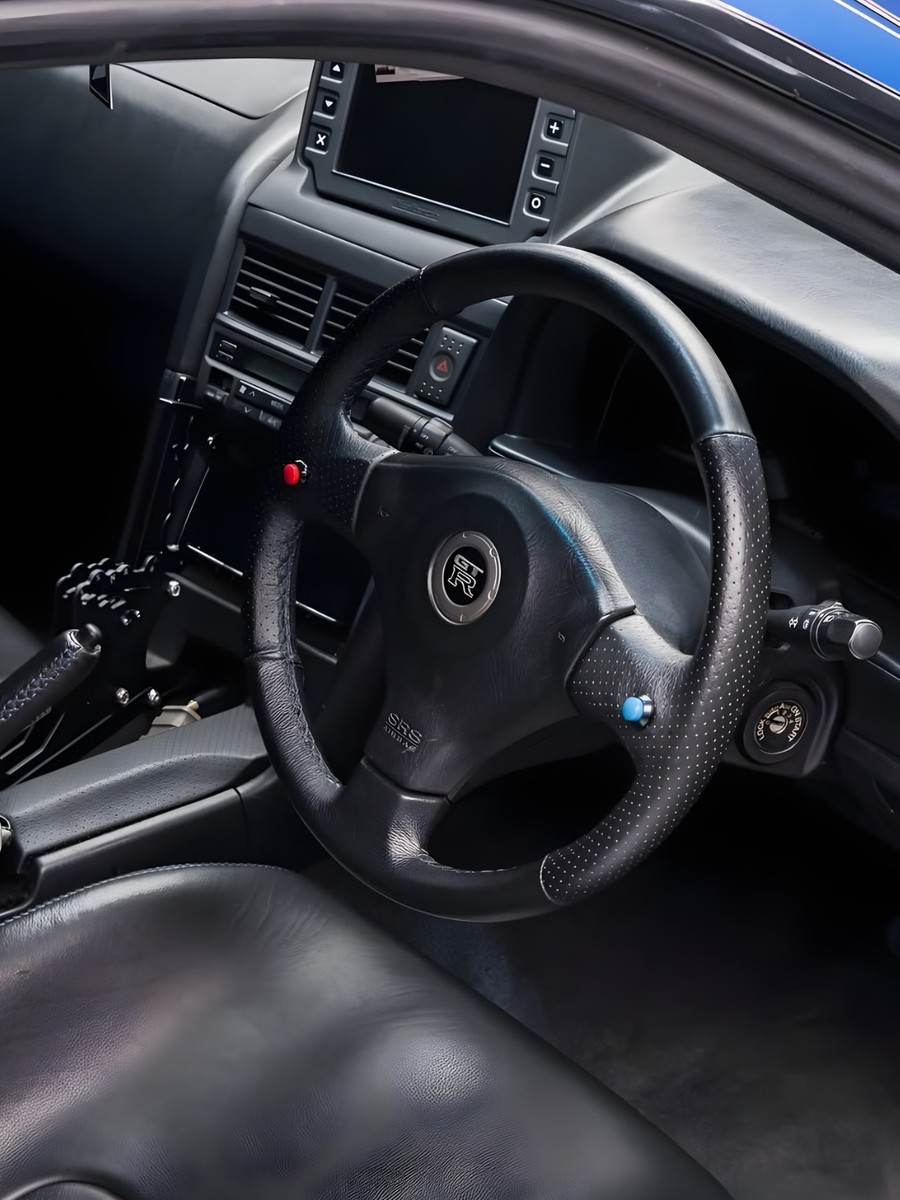
What separates the Maatouks R34 from a typical dragster is its adamant refusal to sacrifice its identity. The exterior retains the classic OEM look, devoid of the radical aerodynamic distortions found on dedicated track cars. Inside, the paradox deepens. The car retains its full interior, including the dashboard, passenger seats, and power windows.
While the chassis is reinforced to handle the torque of a freight train, the electronics remain functional, creating a vehicle that could theoretically drive to the track, run a 6-second pass, and drive home—assuming the local laws turn a blind eye to the parachute hanging off the rear. This “street drivability” is the ultimate flex in the tuner world, proving that the Maatouks Racing team hasn’t just built a fast car; they’ve mastered the RB platform’s behavior across the entire RPM range.
Shattering Performance Records
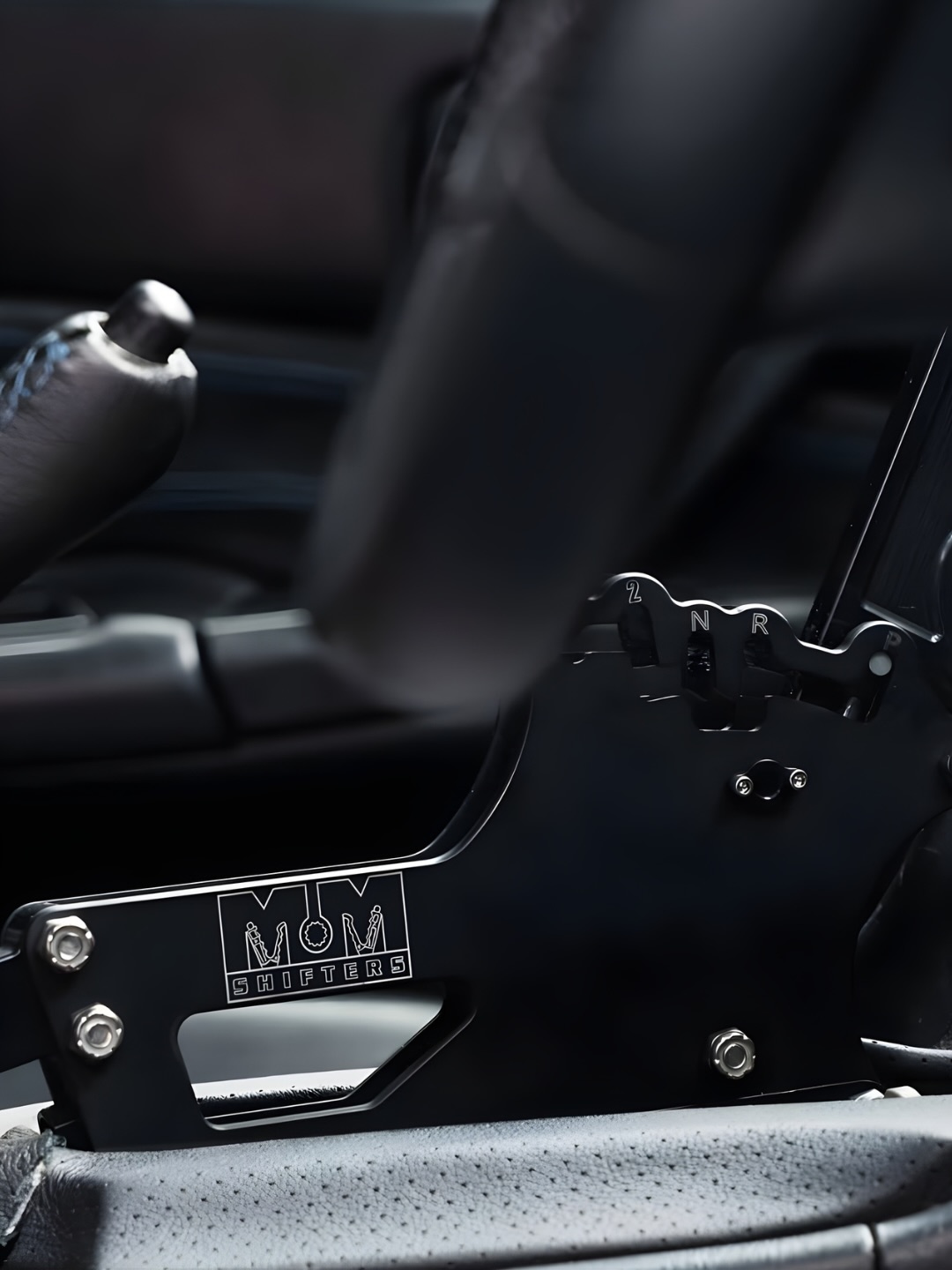
The numbers generated by this chassis are staggering. On boost alone, the engine produces over 2,700 horsepower. With the nitrous engaged, it peaks at 3,235 horsepower, revving to a stratospheric 11,000 rpm. This power is transmitted to the ground through an Albins sequential gearbox, a critical component designed to handle shock loads that would shatter a standard transmission instantly.
The result is a quarter-mile time of 6.90 seconds at 206 mph, a world record for the platform. To put this in perspective, a modern Bugatti Chiron runs the quarter mile in the mid-9s. The Maatouks R34 is finishing the race while the hypercar is still finding its stride. It effectively classifies as a Pro Stock drag racer in a tailored suit, blurring the lines between a “roll racing” toy and a dedicated track weapon.
The Cost of Greatness
Building a legend like the “Metro” R34 is not for the faint of heart or the shallow of pocket. The cost is astronomical, often described as an “endless money budget” where a single engine refresh could cost more than a brand-new sports car. Critics might call it a “death trap” or argue that it borders on being an “undriveable car” for the street, citing the sheer danger of unleashing 3,000+ horsepower on public roads.
Yet, for the enthusiasts who worship at the altar of the GT-R, these practicality considerations are irrelevant. It stands as a “Glass Hammer”—beautiful, terrifying, and undeniably effective. It is a cauliflower-eared fighter in a tuxedo, a machine that serves no rational purpose other than to prove that with enough engineering, the impossible is just another dyno run away.