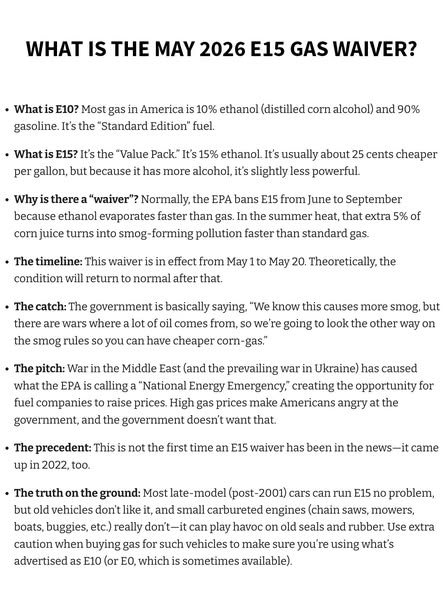
- The EPA has issued an emergency waiver allowing E15 gasoline sales starting May 1, 2026, to combat rising pump prices caused by the ongoing conflict in Iran.
- While E15 blends are typically 10 to 30 cents cheaper per gallon, they contain 33% less energy than pure gasoline, resulting in a 1.5% to 2% drop in fuel economy.
- This high-ethanol blend is federally approved only for 2001 and newer passenger vehicles, posing significant engine damage risks to motorcycles, boats, and older classic cars.
As geopolitical tensions in the Middle East send shockwaves through global oil markets, the American consumer is once again feeling the squeeze at the pump. With the summer driving season approaching—a time when gas prices notoriously spike—the federal government has pulled a controversial lever to ease the financial burden. In a move that balances economic relief against environmental regulation, the Environmental Protection Agency (EPA) has officially issued an emergency waiver to allow the sale of E15 gasoline during the summer months, a period when it is traditionally banned due to smog concerns.
The Policy Shift: A “Single National Gasoline Pool”
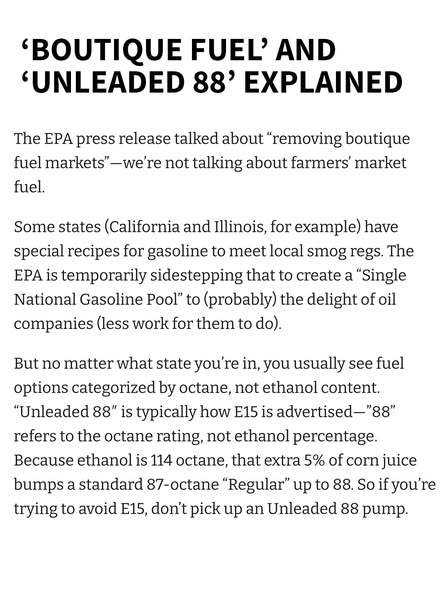
Effective May 1, 2026, the EPA’s waiver temporarily suspends federal volatility requirements that usually prohibit the sale of 15% ethanol blends (E15) from June 1 to September 15. By waiving these Reid Vapor Pressure (RVP) limits, the administration aims to create a “single national gasoline pool,” removing the boutique regulatory hurdles that can create regional supply bottlenecks. While the initial waiver is set to expire on May 20, 2026, the EPA has signaled readiness to extend it in 20-day increments throughout the summer if the supply crisis persists.
Worth A Look




This decision is not merely about availability; it is a direct response to the conflict in Iran, which has disrupted global crude supplies and driven U.S. gas prices to their highest levels since late 2023. By flooding the market with a higher volume of ethanol-blended fuel, the administration hopes to artificially lower the cost per gallon, providing a visible win for consumers during a critical election year.
The Economics of Ethanol: Price vs. Performance
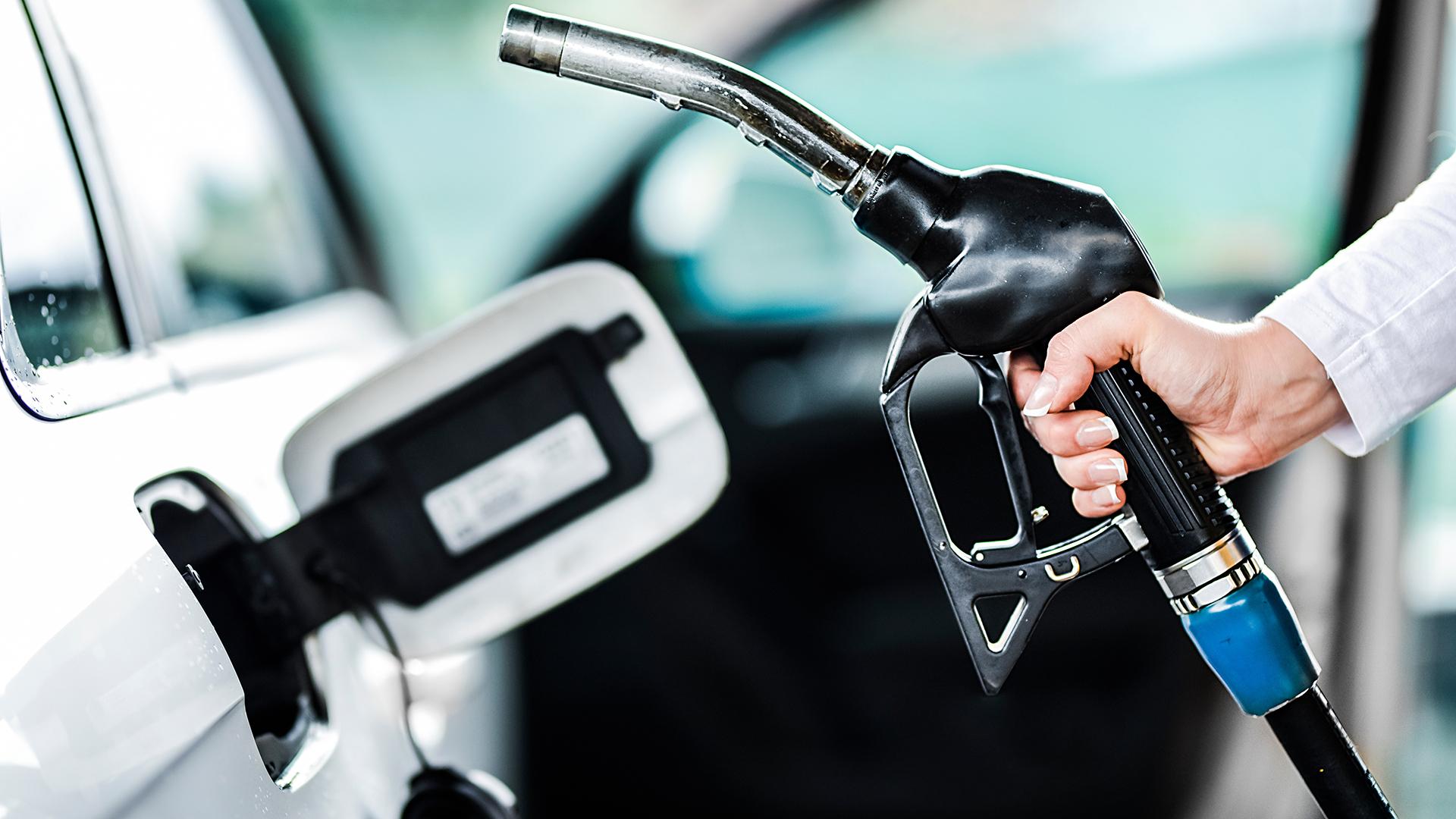
For the average driver, the immediate appeal of E15 is the price tag. Retailers typically price E15 roughly 10 to 30 cents lower per gallon than standard E10 (10% ethanol) or non-ethanol gasoline. For a family filling up a minivan weekly, these savings can appear substantial on the receipt.
However, the savings come with a hidden physics tax. Ethanol is less energy-dense than pure petroleum gasoline—specifically, it holds about 33% less energy per gallon. Consequently, switching from E10 to E15 results in a fuel economy drop of approximately 1.5% to 2%. While modern engine computers can adjust timing and injection to burn the fuel safely, they cannot manufacture energy that isn’t there. Drivers may find themselves visiting the pump slightly more often, partially offsetting the upfront savings.
Under the Hood: Is Your Engine Safe?
The most critical confusion surrounding E15 lies in compatibility. The EPA has certified E15 for use in passenger vehicles from model year 2001 and newer. These vehicles generally have fuel systems designed with fluoropolymer linings and advanced oxygen sensors capable of handling the corrosive and solvent properties of higher ethanol concentrations.
The danger arises for owners of older vehicles, motorcycles, boats, and small power equipment like lawnmowers and chainsaws. Ethanol is hygroscopic, meaning it absorbs water from the air. In engines that sit idle—like boats or seasonal equipment—this can lead to phase separation, where water and ethanol sink to the bottom of the tank, causing severe corrosion and engine failure. Furthermore, ethanol burns hotter and can dry out older rubber seals and plastic components not engineered for it. Misfueling a pre-2001 classic car or a high-performance motorcycle with E15 can void warranties and lead to costly repairs.
Industry Implications and the Road Ahead
The waiver is a significant victory for the domestic agriculture sector. Corn growers and the renewable fuels lobby have long pushed for year-round E15 sales to boost demand for U.S. corn crops. Coinciding with this waiver, the EPA has finalized historic Renewable Fuel Standard (RFS) quotas for 2026 and 2027, mandating the highest-ever volumes of biofuels to be blended into the nation’s fuel supply.
Conversely, oil refiners have historically pushed back against such waivers, citing the logistical complexity of managing different blends and the potential for increased smog in urban areas during high-heat summer days. Despite these concerns, the “emergency” designation allows the government to bypass standard regulatory periods to address the immediate economic pinch.
As May approaches, drivers should be vigilant at the pump. While E15 offers a reprieve for the wallet, it demands a conscious check of your owner’s manual—especially if you are fueling anything other than a standard late-model commuter car.