The Evolution of Self-Driving Technology in Industrial Automation
While Tesla’s Full Self-Driving feature garners widespread attention, the real revolution in autonomous technology has been quietly unfolding in the industrial sector for decades. Automated Guided Vehicles (AGVs) and Autonomous Mobile Robots (AMRs) are at the forefront of this transformation, revolutionizing manufacturing and logistics operations with precision and efficiency.
How AGVs and AMRs Are Transforming Manufacturing
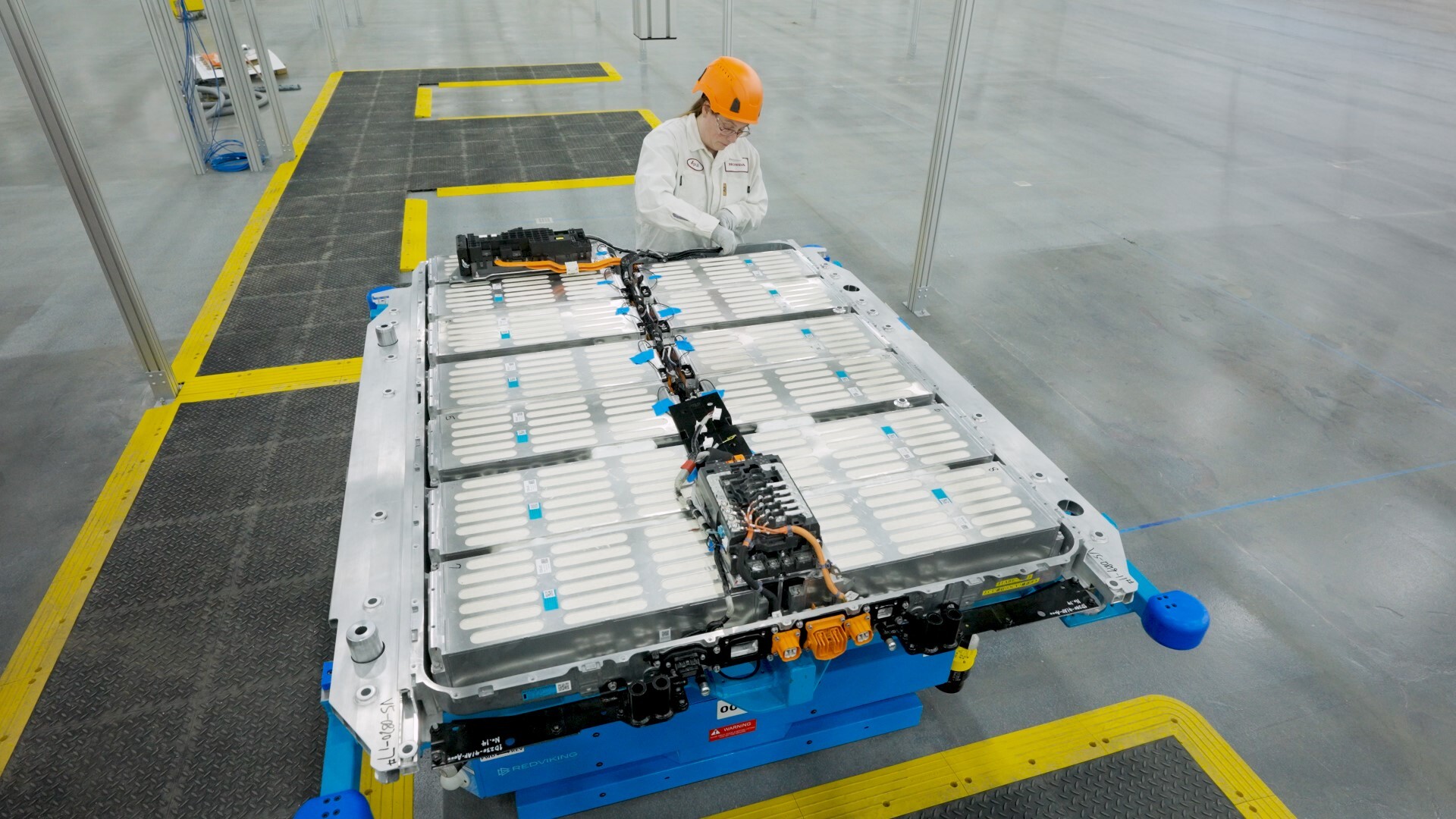
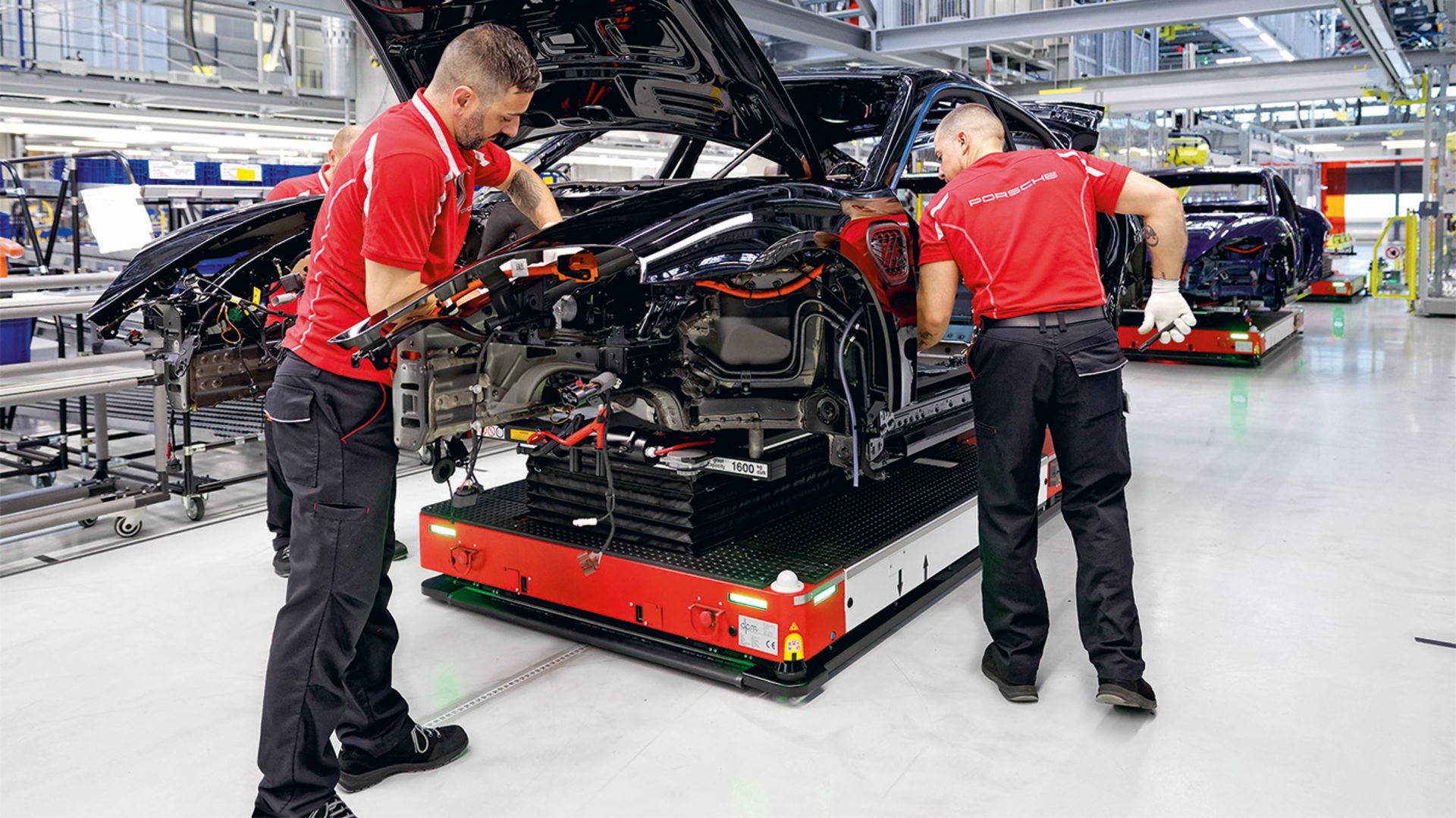
At Honda’s Marysville Auto Plant, AGVs are already making waves on the production line. These robots navigate factory floors by following simple guides, such as taped lines or QR codes, ensuring seamless movement of materials. Unlike self-driving cars, which face unpredictable road conditions, AGVs operate in controlled environments, making their implementation both cost-effective and reliable.
Worth A Look




Self-Driving Robots: A Growing Market
While Tesla has sold approximately 2.7 million vehicles, only a fraction of these include Full Self-Driving capabilities. In contrast, the AGV and AMR market boasts millions of units sold annually. These robots are not just a novelty; they are essential tools for industries struggling to fill labor gaps and improve operational efficiency.
Safety and Efficiency in Industrial Automation
One of the standout benefits of AGVs and AMRs is their ability to enhance workplace safety. Traditional machinery like forklifts, often associated with accidents, is being replaced by autonomous solutions that reduce human error. However, AGVs still lack the nuanced judgment of human operators, highlighting the need for a collaborative approach between humans and machines.
Challenges and Future Opportunities for AGVs
The biggest hurdle for AGVs and AMRs lies in adapting to outdoor environments. Weather conditions, such as snow, can disrupt camera-based systems, limiting their use to indoor settings. However, advancements in technology are paving the way for new applications, such as airport logistics, where AGVs could streamline baggage handling and improve efficiency.
The Role of Human Judgment in Automation
Despite their advanced capabilities, AGVs cannot fully replicate human judgment. From recognizing unexpected obstacles to making split-second decisions, human oversight remains crucial. As the industry evolves, the integration of human expertise with robotic precision will continue to drive innovation.
The Future of AGVs: Beyond the Factory Floor
As AGV technology matures, its potential extends far beyond manufacturing. Airports, warehouses, and even urban delivery systems could benefit from the efficiency and reliability of autonomous robots. The possibilities are endless, and the next chapter of industrial automation is just beginning.


Future of AGVs in Airport Logistics