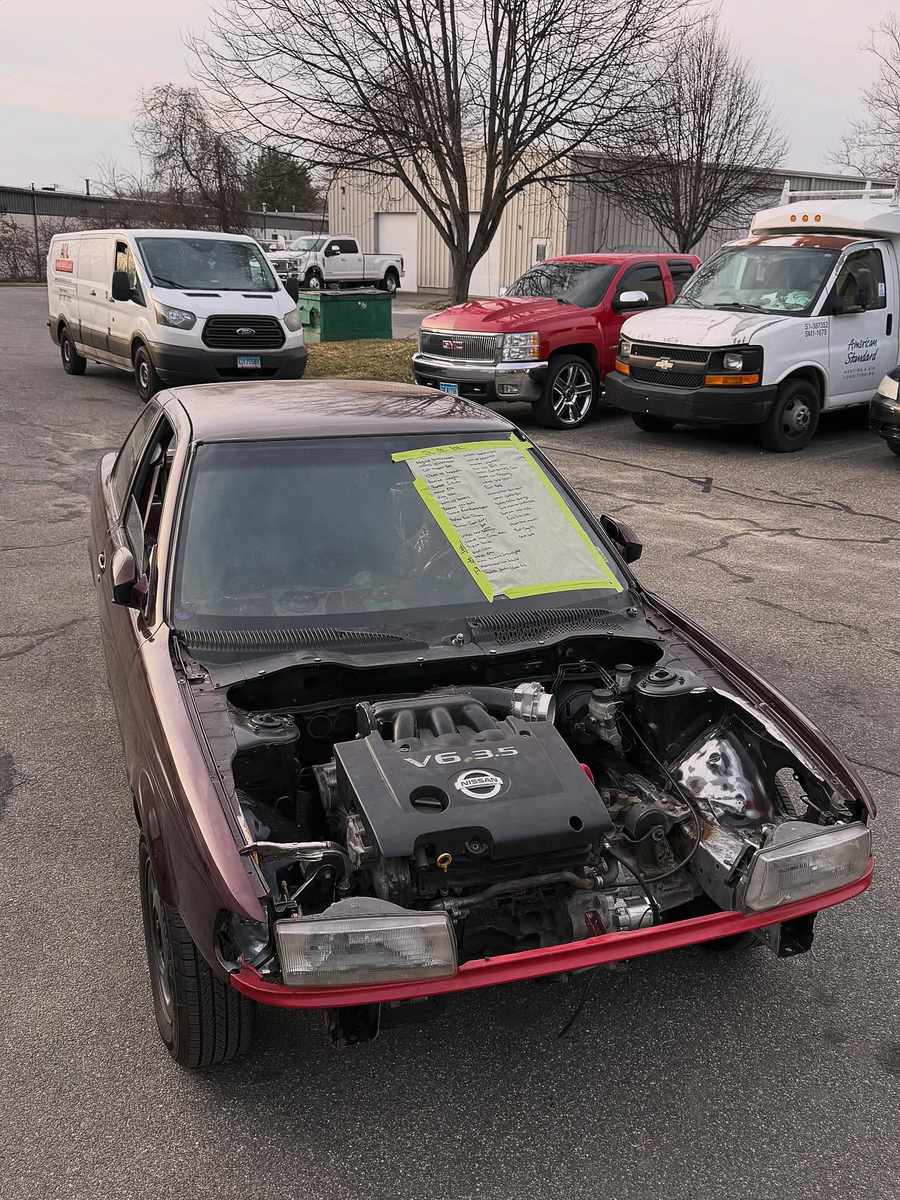
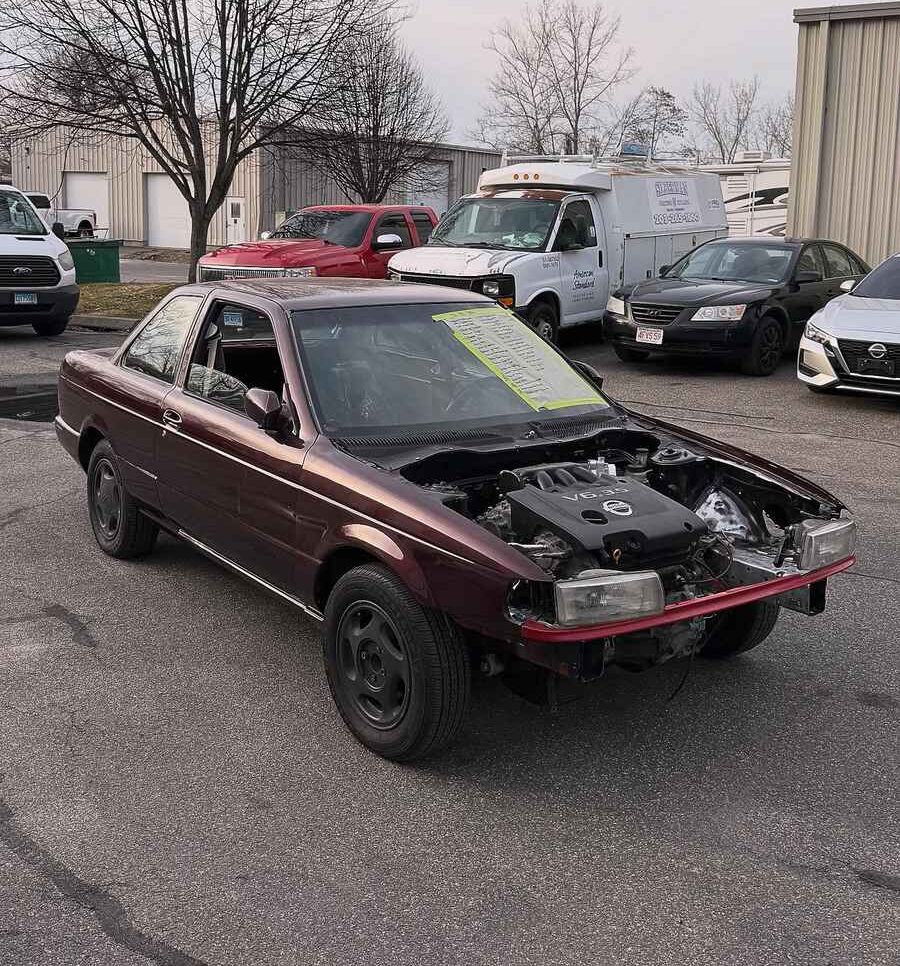
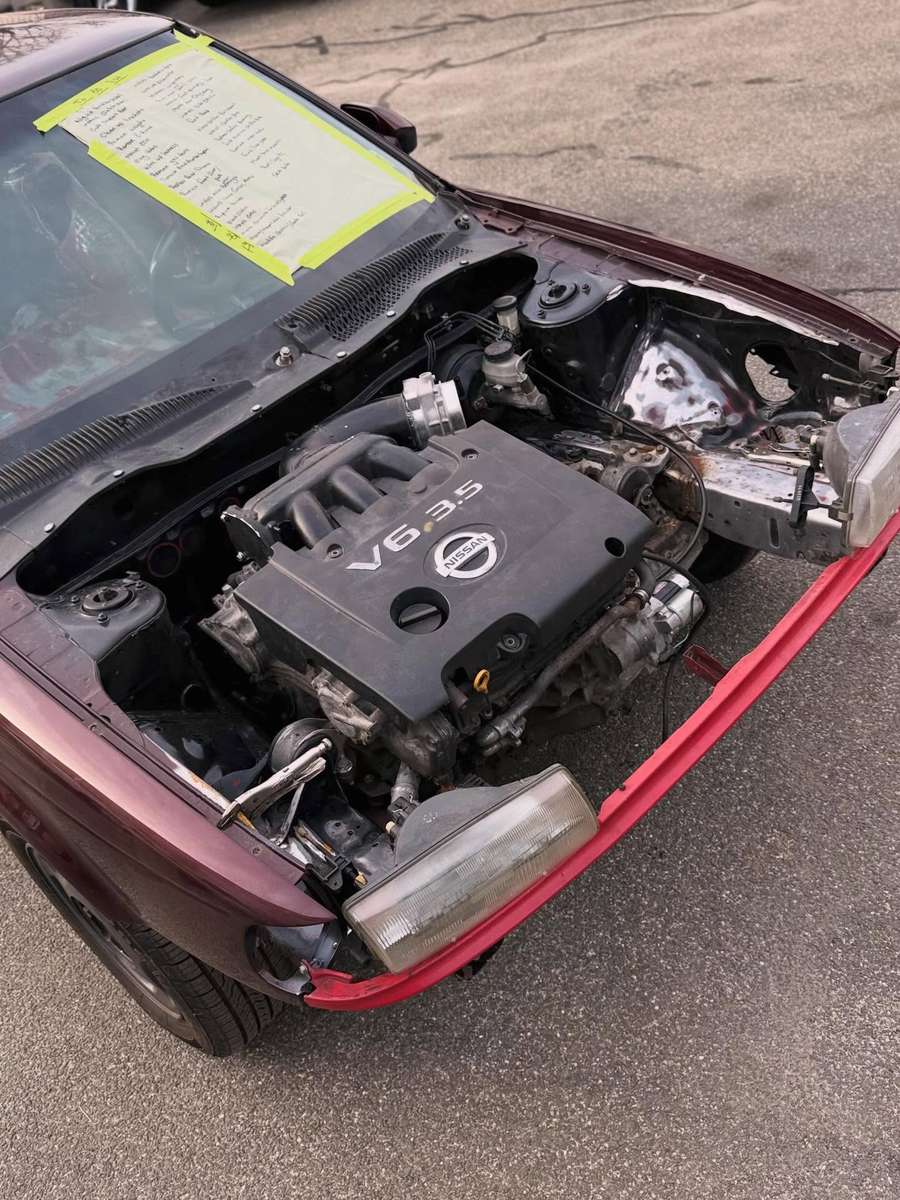
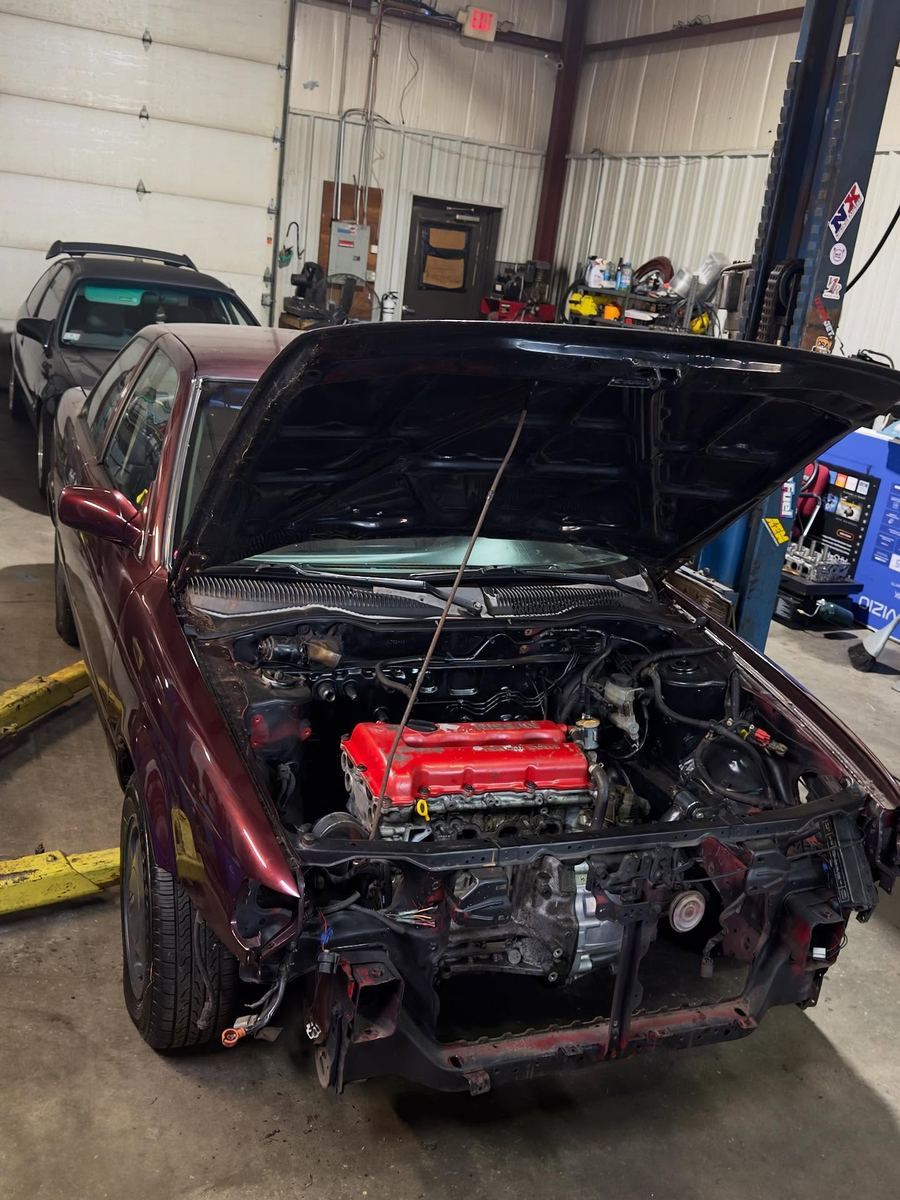
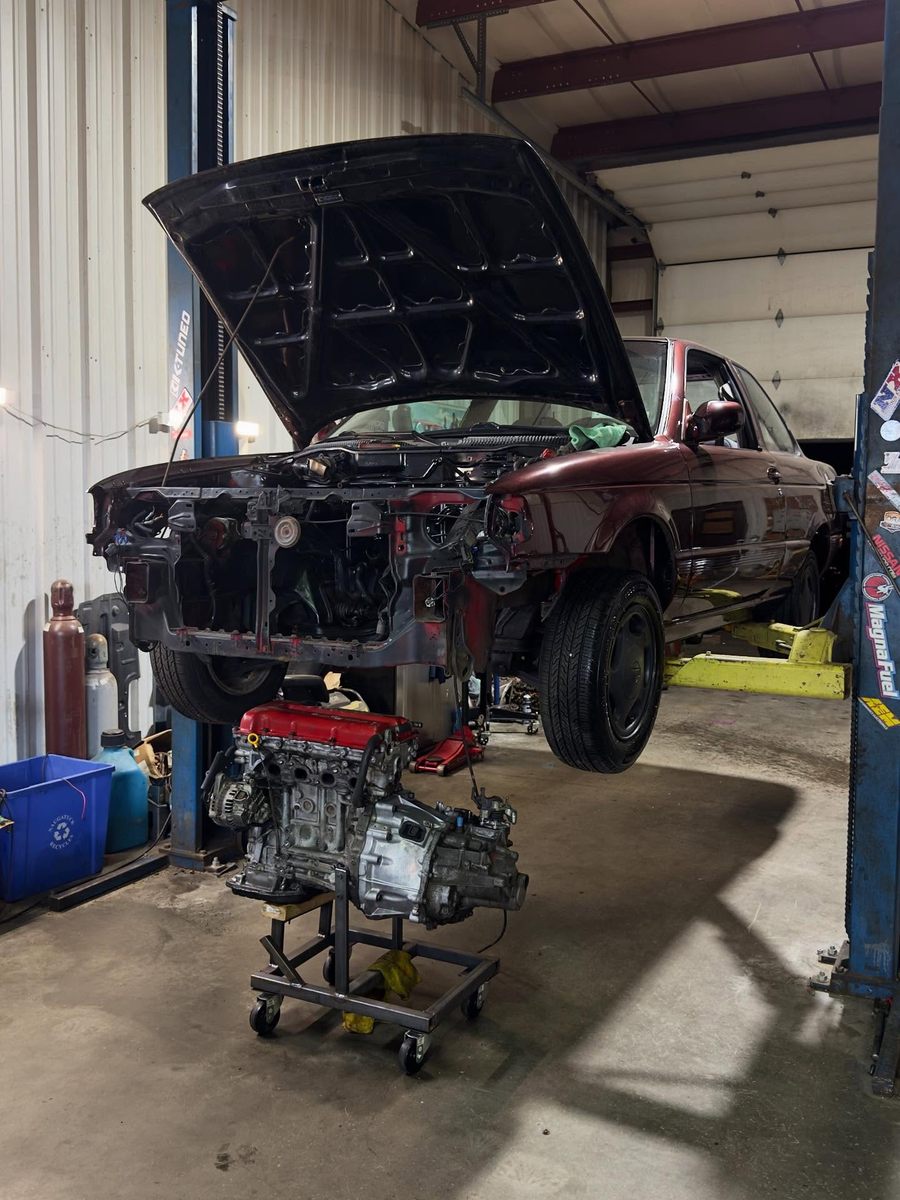
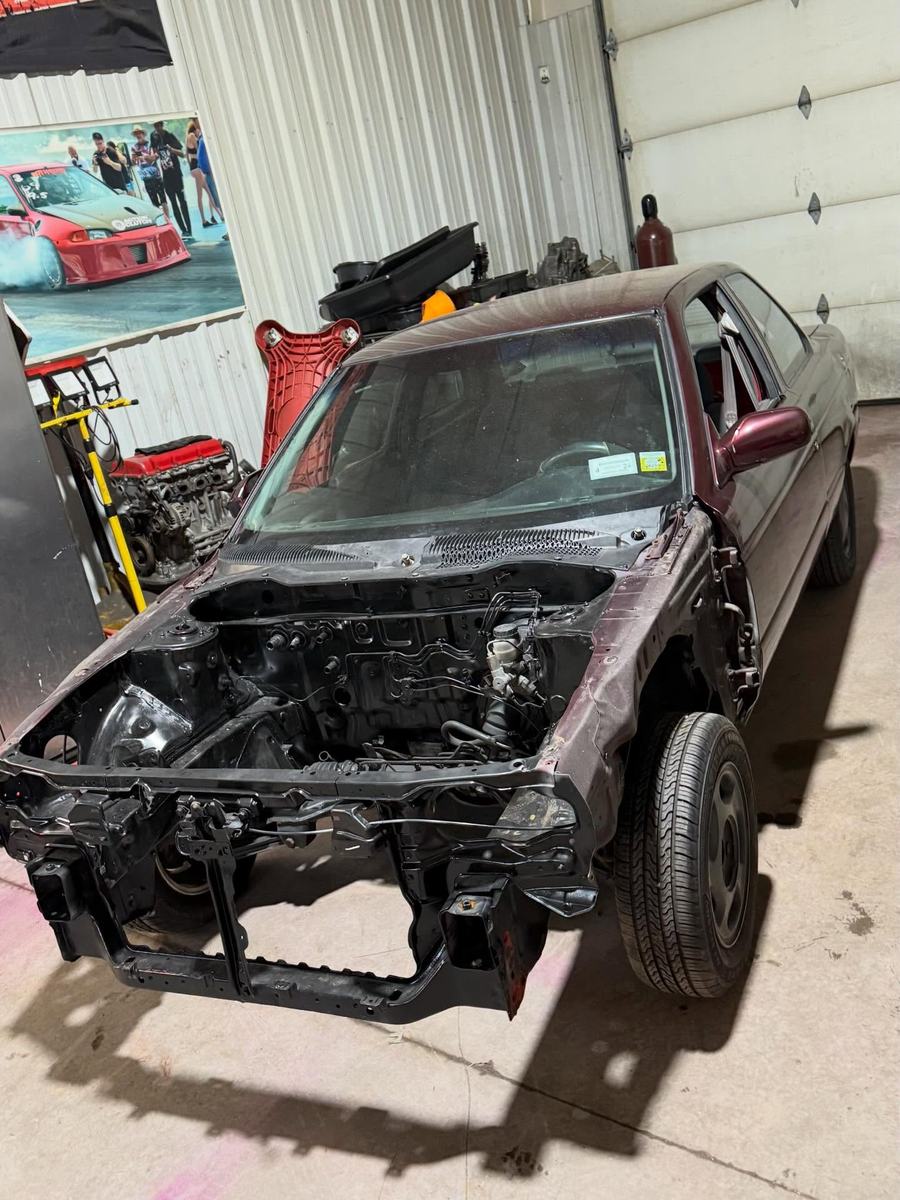
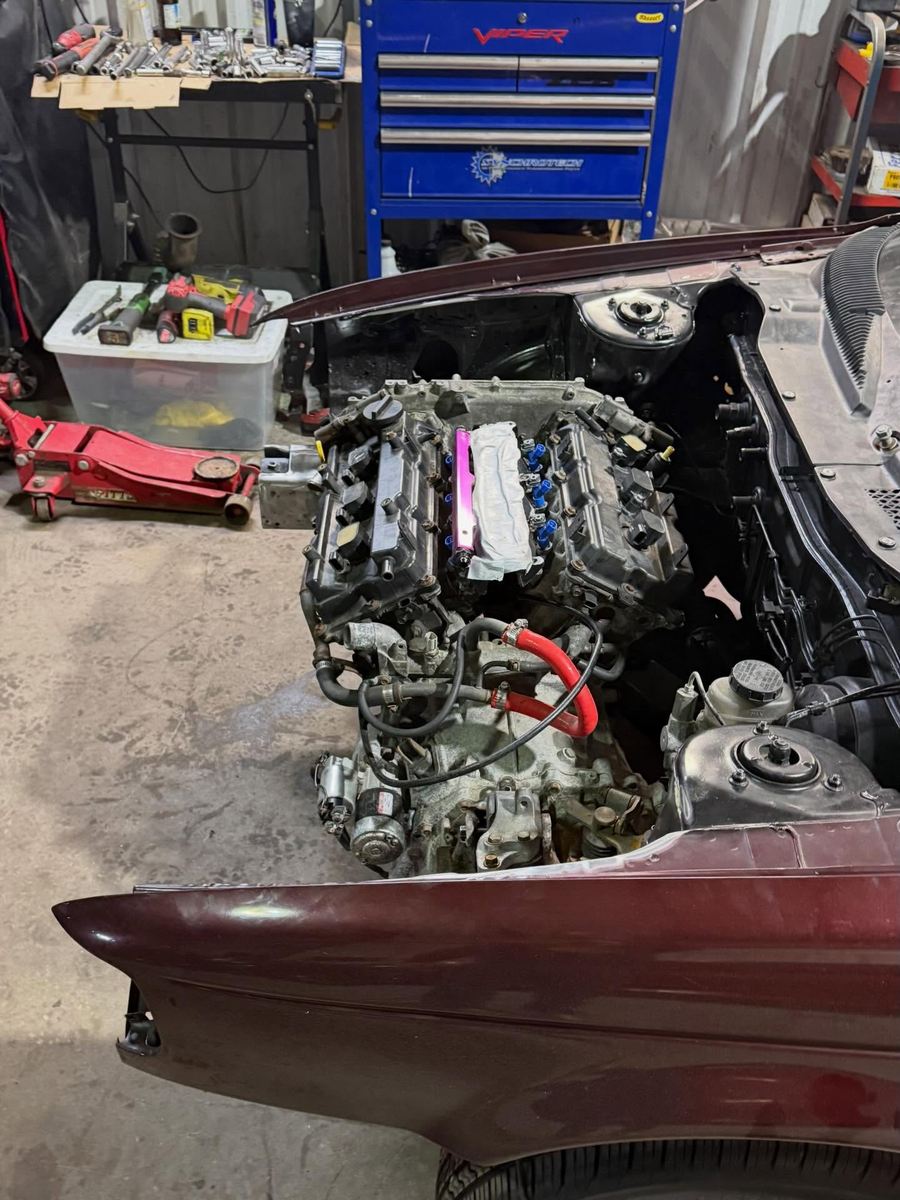
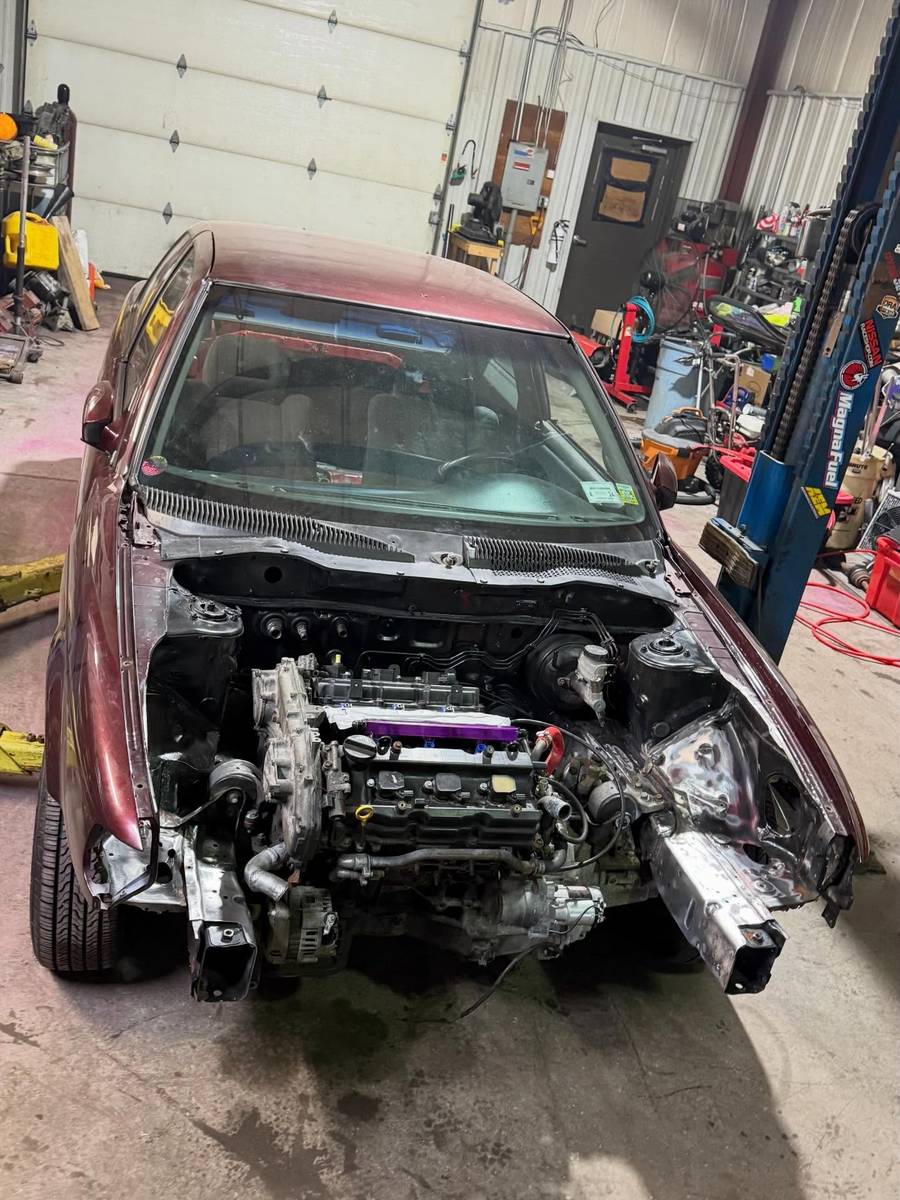
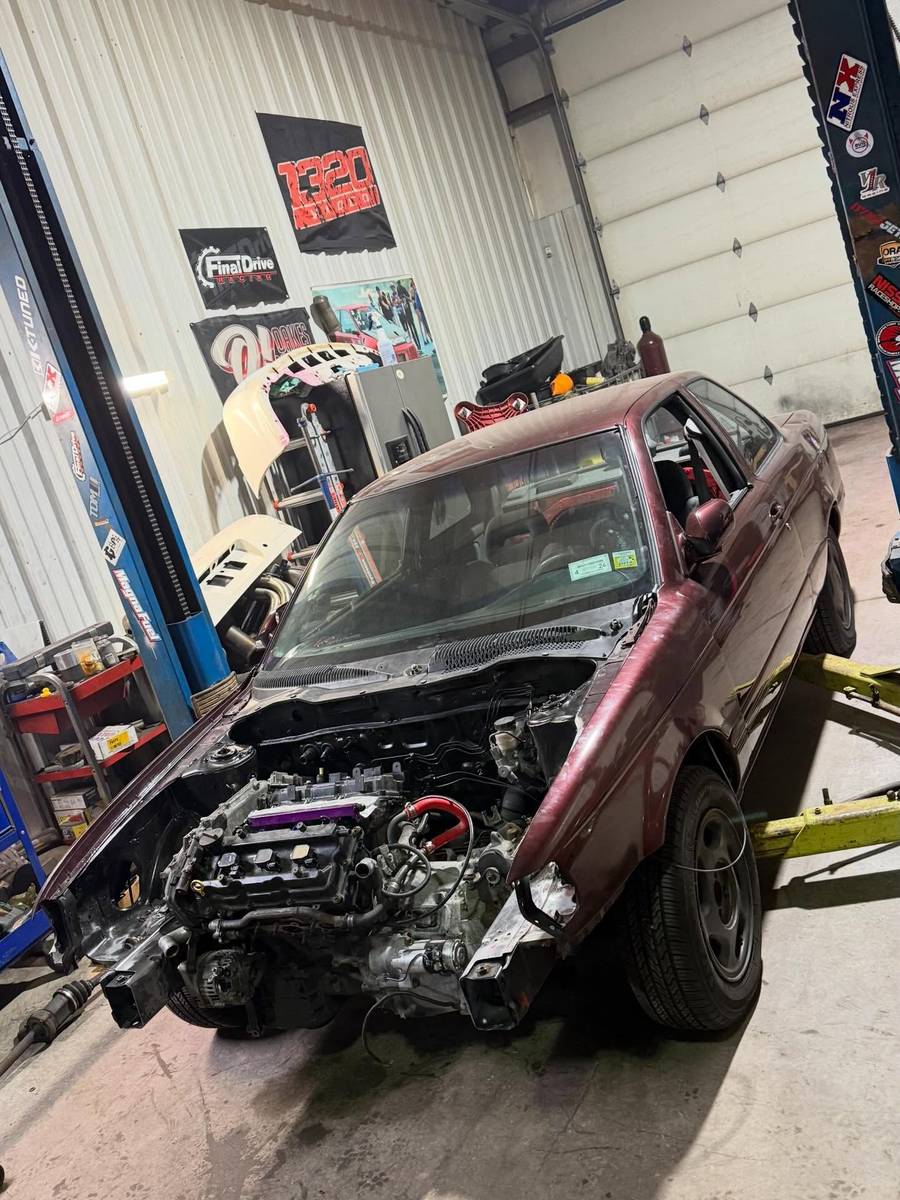
- Stuffing a massive 3.5L V6 VQ35DE into a featherweight B13 Sentra chassis redefines the power-to-weight ratio limits for front-wheel-drive drag platforms.
- This build utilizes a cocktail of OEM parts including U13 Bluebird hubs and 91-92 glass headlights to blend factory aesthetics with race-grade durability.
- Running 24.5-inch slicks on tiny 13-inch wheels proves this Tsuru is built strictly for straight-line domination and punishing asphalt.
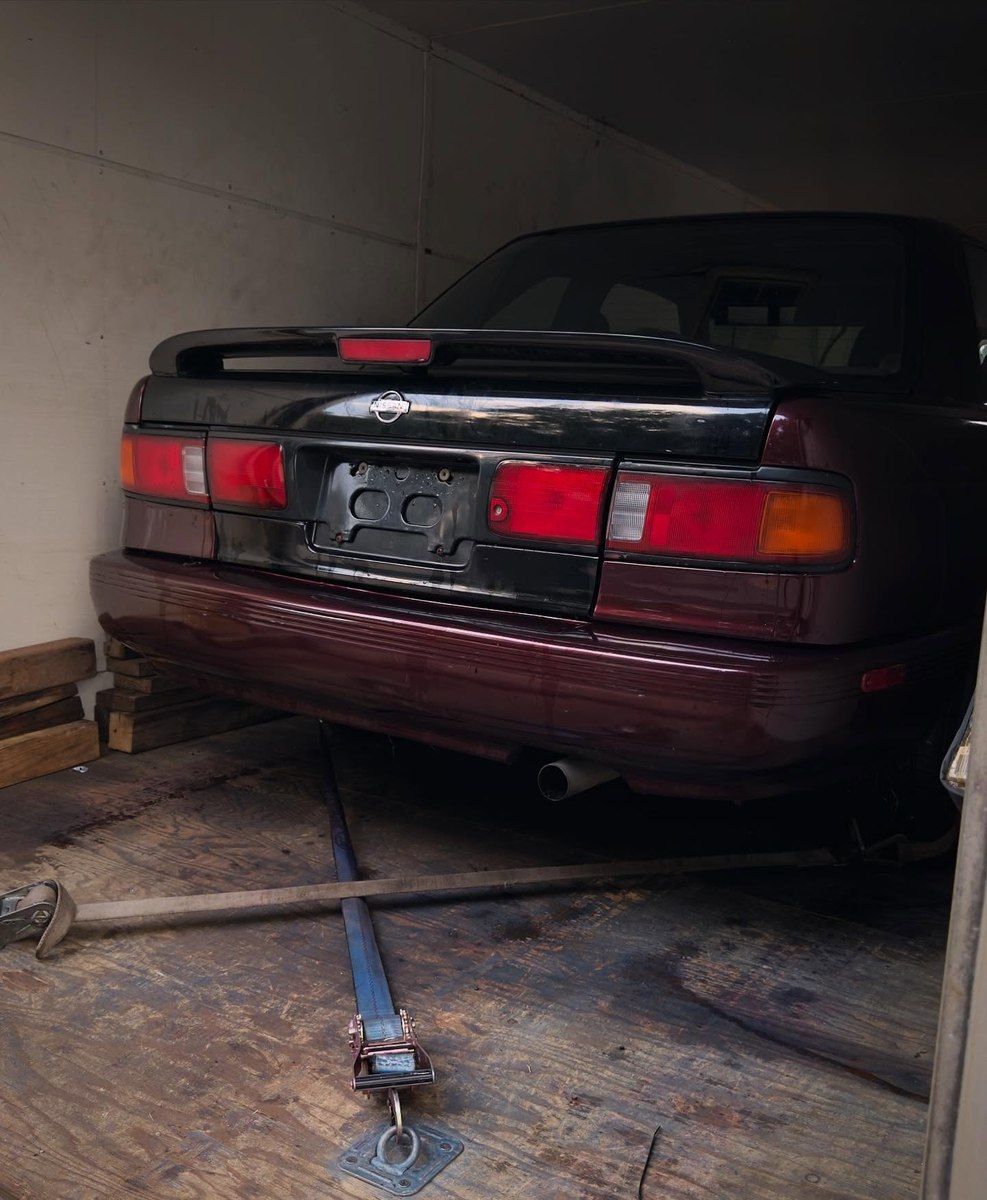
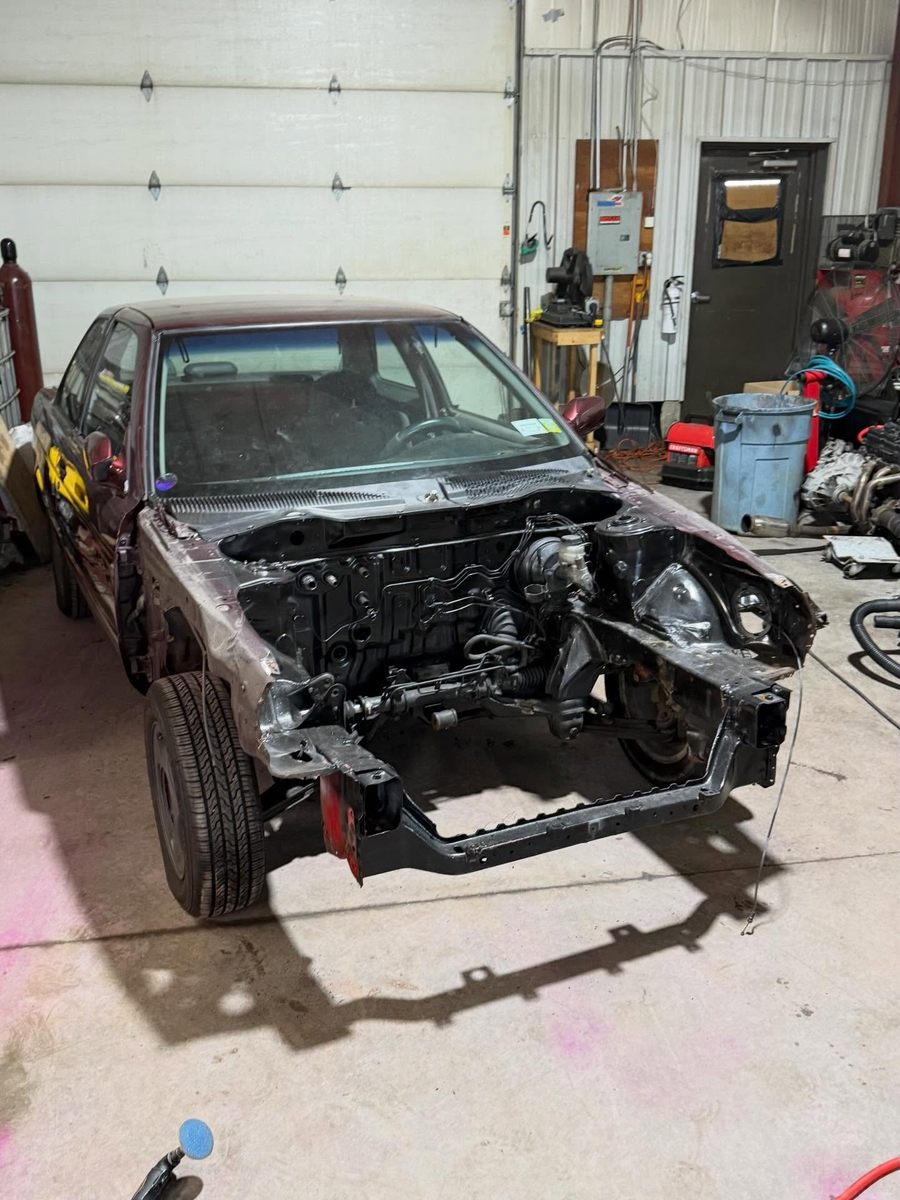
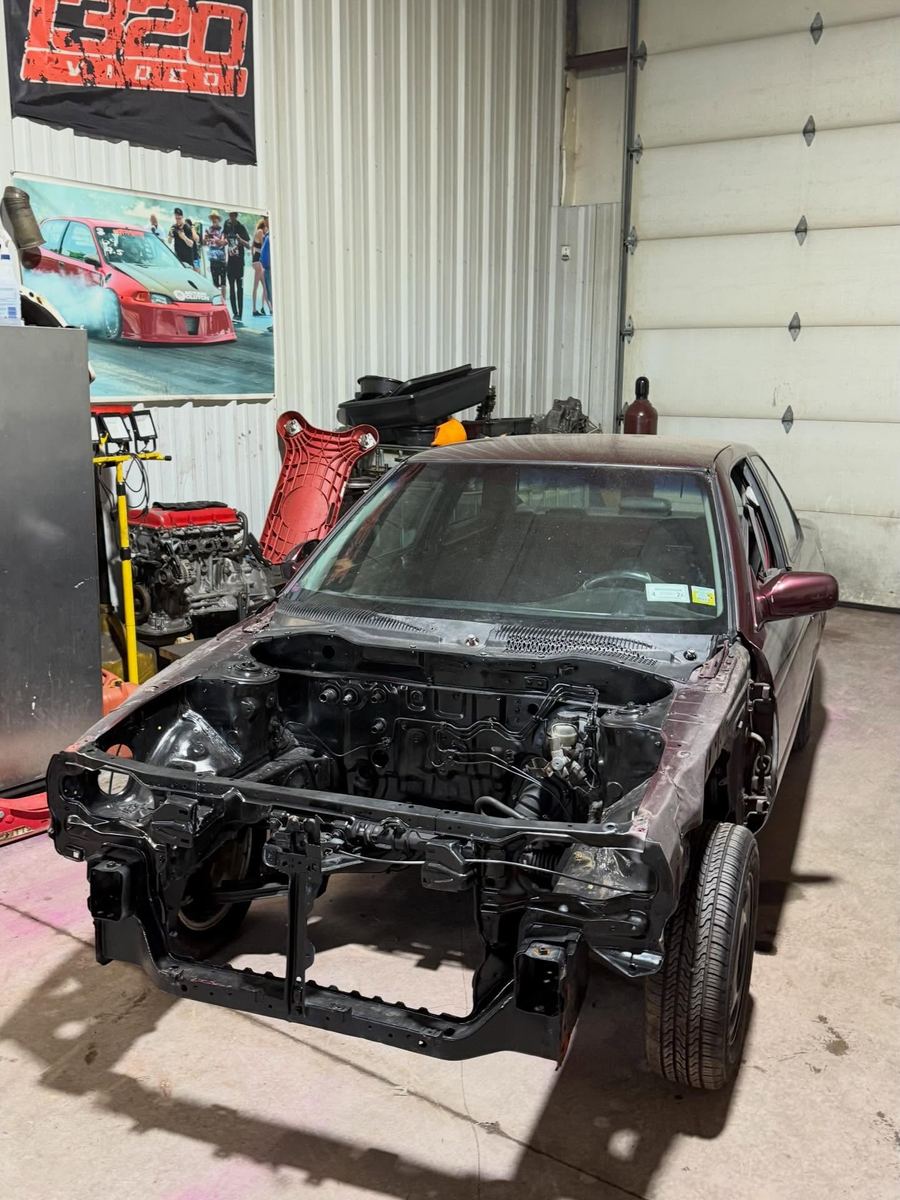
There is a fine line between ambition and insanity in the automotive world, and this Nissan B13 Sentra—often recognized as the Tsuru in global markets—obliterates that line with six cylinders of naturally aspirated fury. The concept is simple yet terrifying: take one of Nissan’s most reliable, lightweight economy chassis and force-feed it the heart of a 350Z. The result is not just a car; it is a physics experiment in traction management and structural integrity. Standing still, it looks like a classic 90s commuter, but the moment the hood comes off, the VQ35 reveals itself as a masterclass in “fitting ten pounds of engine into a five-pound bag.”
The Chassis: Lightweight Legend
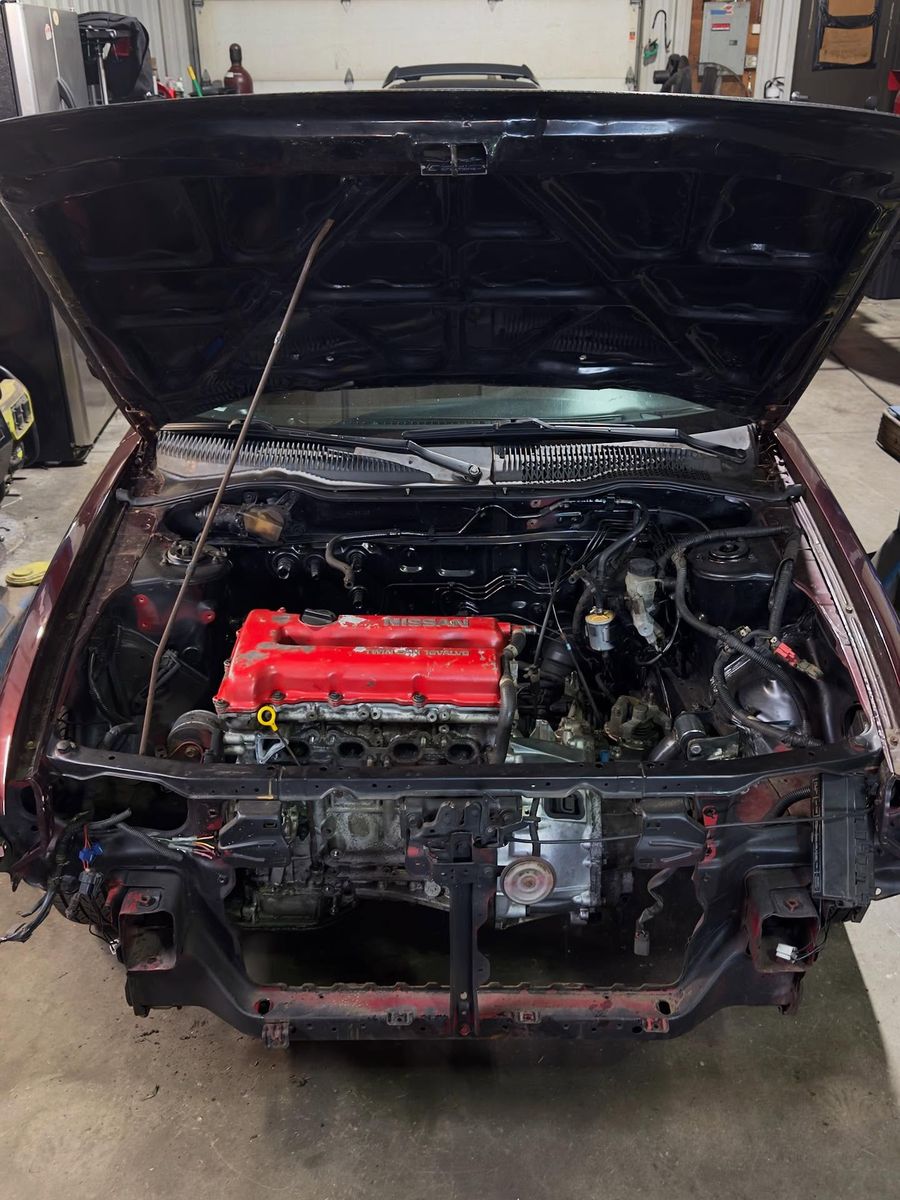
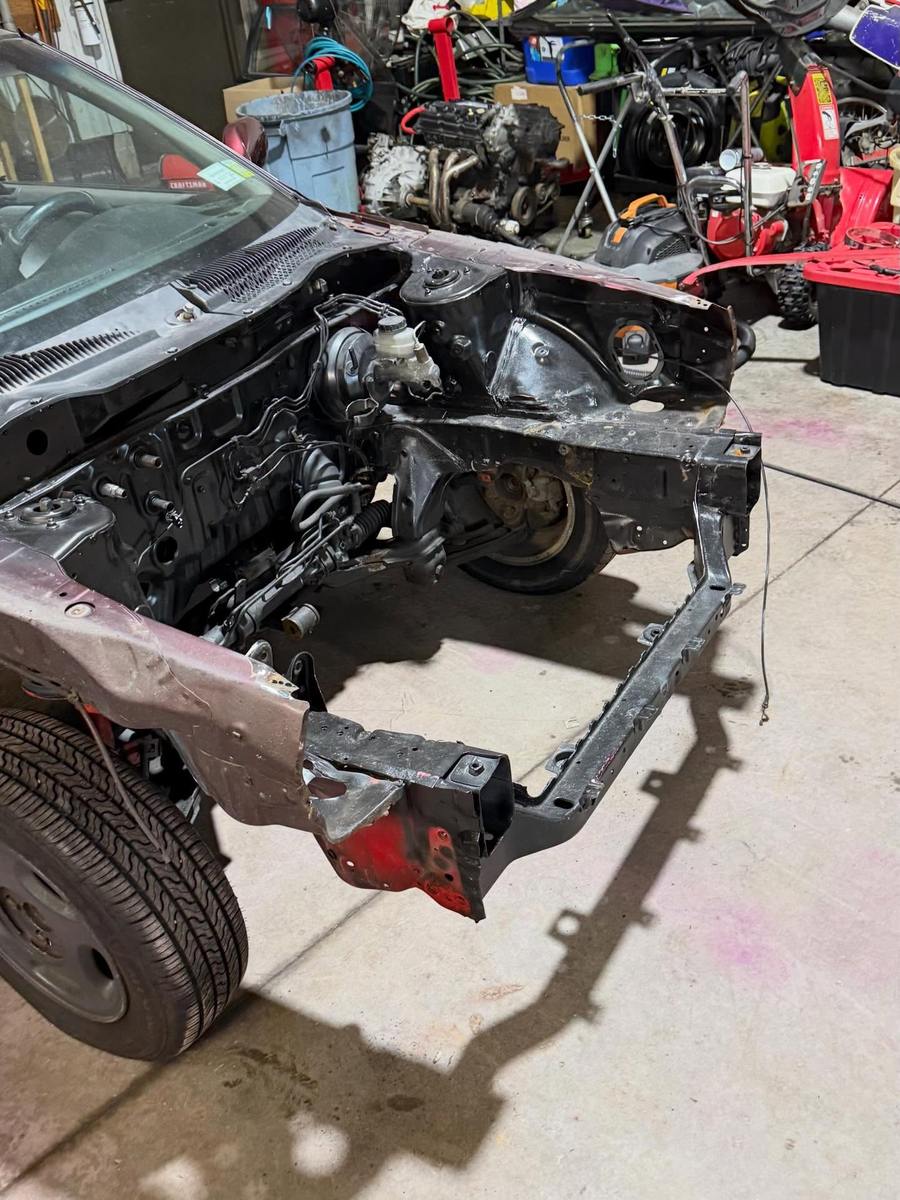
The B13 Sentra platform is revered for its nimble handling and sub-2,500-pound curb weight. However, this project sheds the standard SR20 expectations for something far heavier and more potent. By retaining the classic 91-92 front headlights, the build pays homage to the early SE-R era, avoiding the modernized plastic look of late-model Tsurus. But aesthetics are secondary to function here. The chassis has likely undergone significant weight reduction to offset the heavier V6 iron, making every ounce saved in the bodywork crucial for balancing the nose-heavy distribution of a VQ swap.
Worth A Look
The Heart Transplant: VQ35DE Integration
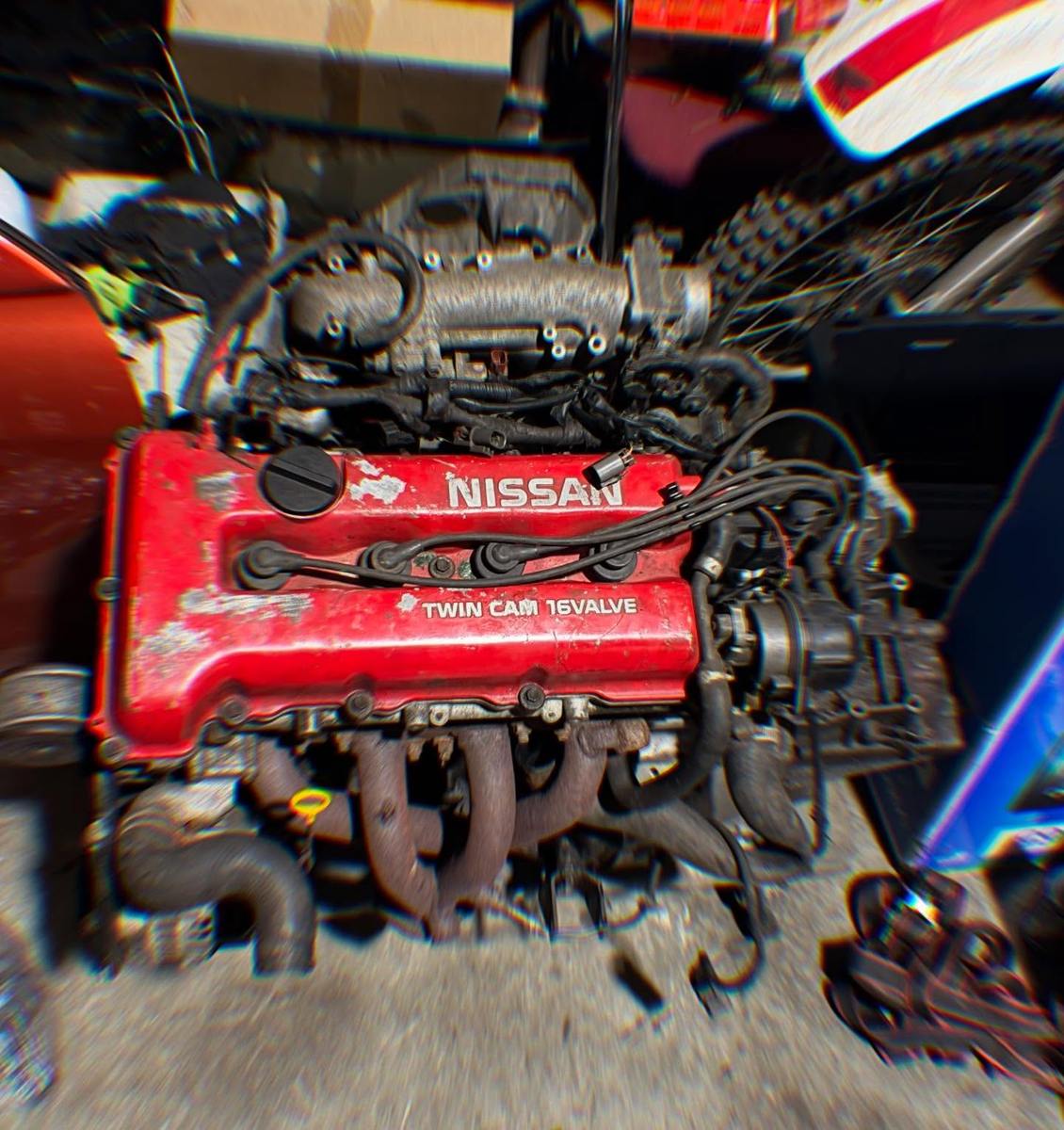
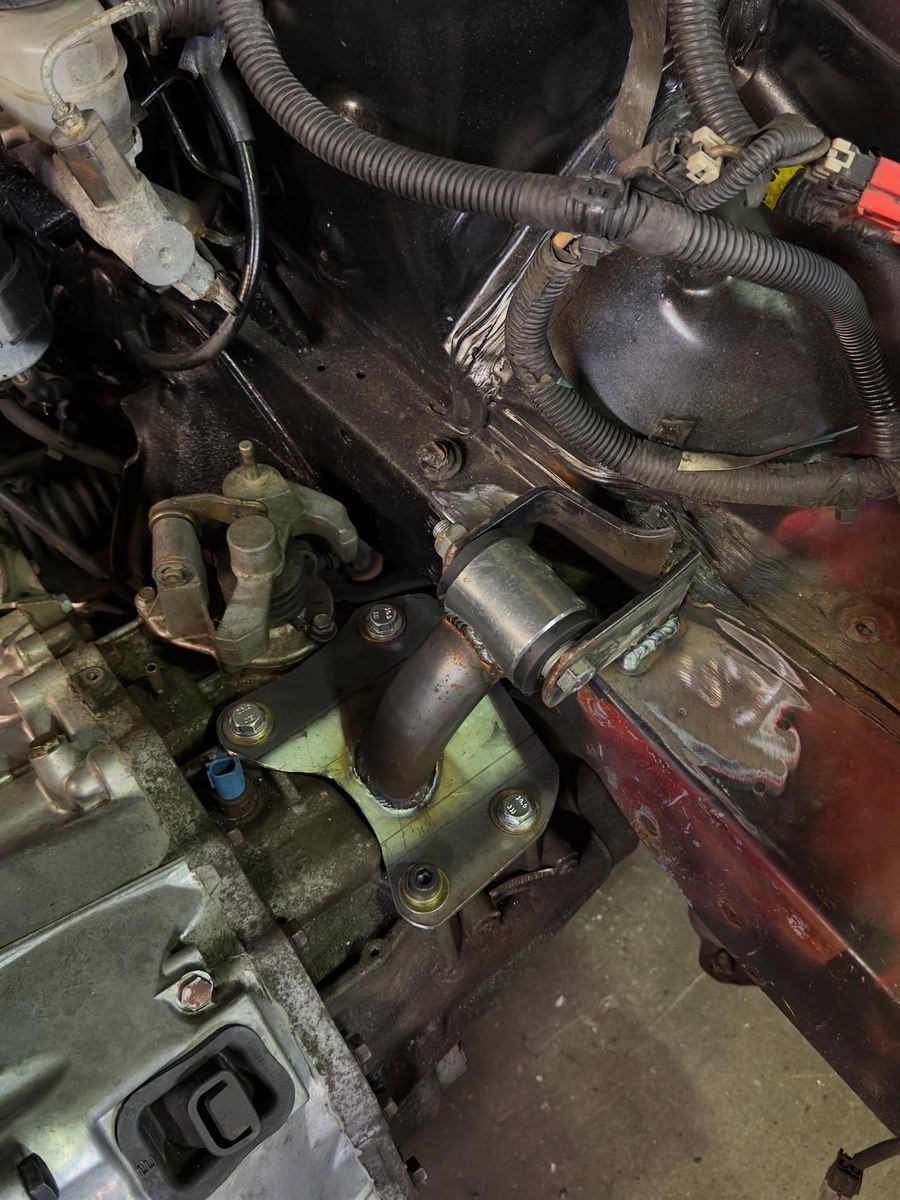
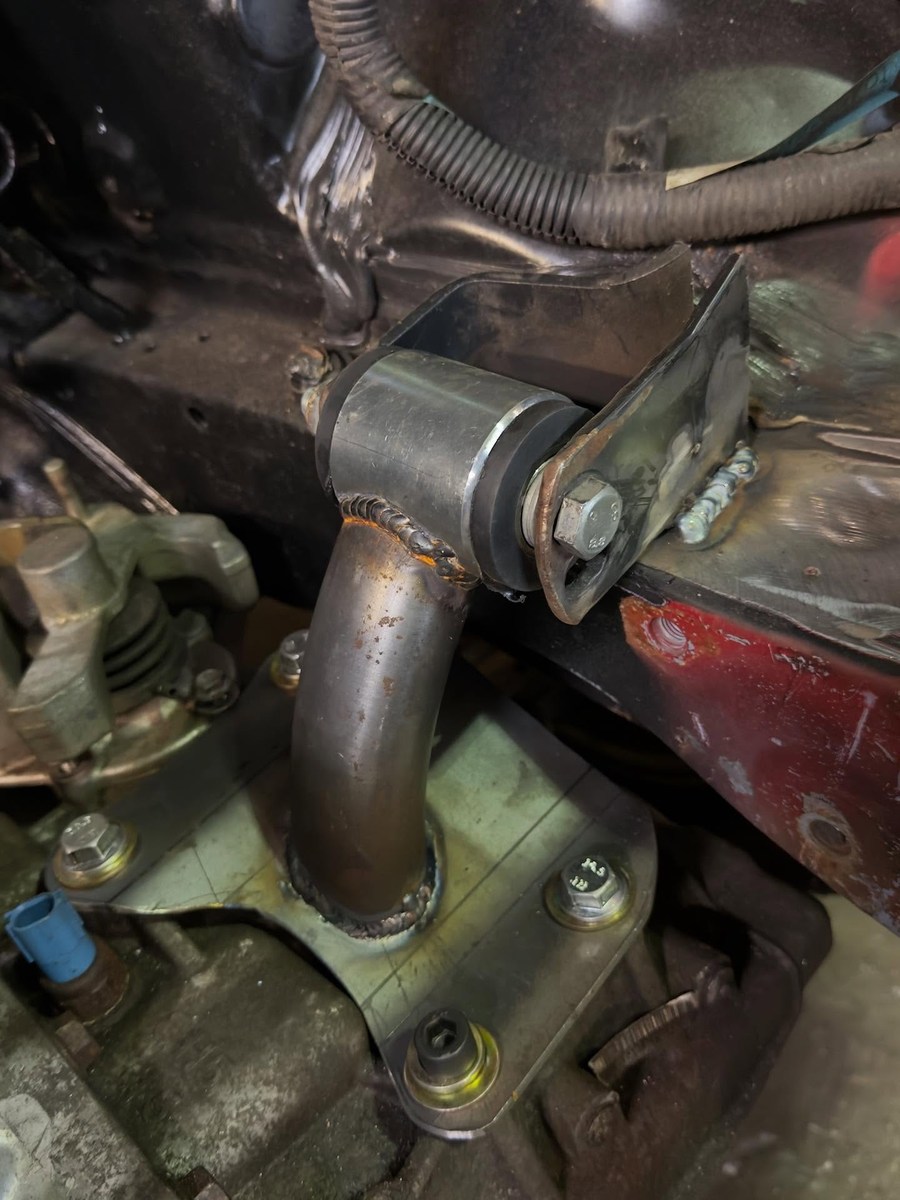
Shoehorning a VQ35 engine (commonly found in the Altima, Maxima, or 350Z) into a B13 engine bay is an engineering nightmare. Unlike the compact SR20, the V-configuration of the VQ35 eats up every millimeter of lateral space. This swap typically requires custom motor mounts and extensive modification to the frame rails. The FWD configuration presents its own set of headaches, primarily axle alignment and oil pan clearance. Builders often face engine power limitations related to the oil pump gears and bottom-end durability when revving these torquey V6s high, necessitating upgrades if the goal is consistent drag strip abuse.
Drivetrain & Footwork: Managing the Torque
Power is nothing without delivery. To handle the VQ35’s torque, the stock B13 hubs are woefully inadequate. This build cleverly integrates U13 Bluebird hubs, a common upgrade that often allows for 300ZX brake compatibility or stronger axle splines. There is also mention of a 240SX wheel hub adapter, hinting at a custom 5-lug conversion or a hybrid setup to accommodate beefier driveline components from the B14 or B15 chassis.
The wheel choice is pure drag racing utility: 13-inch wheels wrapped in 24.5-inch slicks. This setup allows for maximum sidewall wrinkle off the line, essential for preventing the V6’s instant torque from turning tires into smoke. Fitting 13s over the brakes likely means running smaller, drag-specific calipers or carefully selected OEM brakes that clear the barrel, prioritizing rotational mass reduction over stopping power.
The Fabrication: Making it Fit
The technical hurdles extend to the exhaust and transmission. A “Taco” exhaust component likely refers to a pie-cut or flattened section of piping necessary to clear the tight clearances around the steering rack or crossmember. Converting the car to a manual transmission (if the donor VQ was automatic or to upgrade the B13’s linkage) often involves mixing parts from the Maxima 6-speed bellhousing with custom linkages. The “Overkill” concept here isn’t just about horsepower; it’s about the sheer audacity of fabrication required to make a sophisticated V6 communicate with a chassis designed for an 80-horsepower economy engine.