- Hyundai’s first-ever body-on-frame architecture debuts in the Boulder Concept, signaling a definitive shift from unibody crossovers to rugged, off-road capable machines designed specifically for American demands.
- This boxy “Art of Steel” SUV concept directly previews a production midsize pickup truck arriving by 2030, targeting the dominance of the Toyota Tacoma and Ford Bronco.
- Stung by the Santa Cruz’s niche appeal, Hyundai commits to US-built heavy-hitters, confirming the new platform supports hybrid and EV powertrains to challenge domestic market leaders.
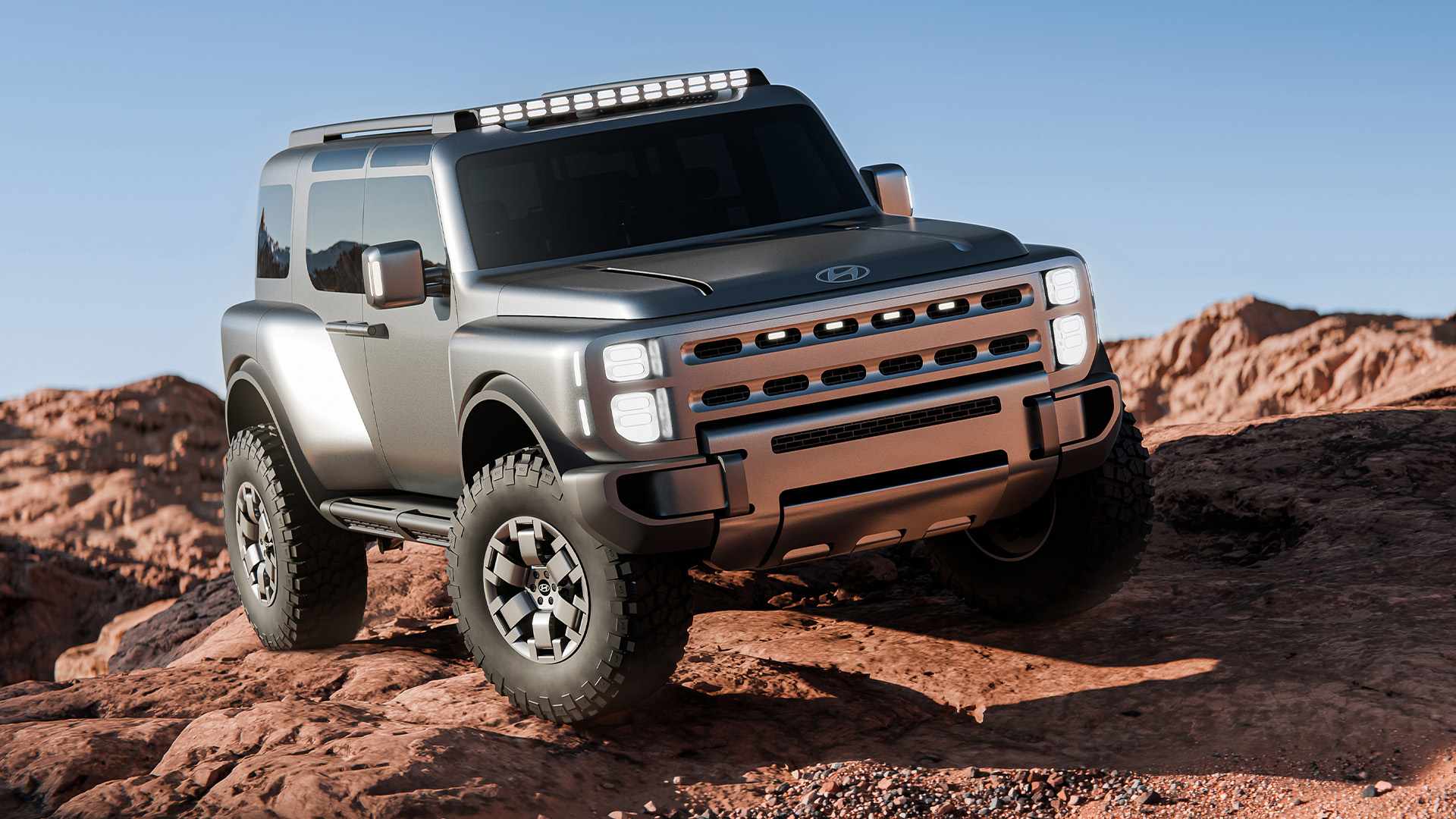
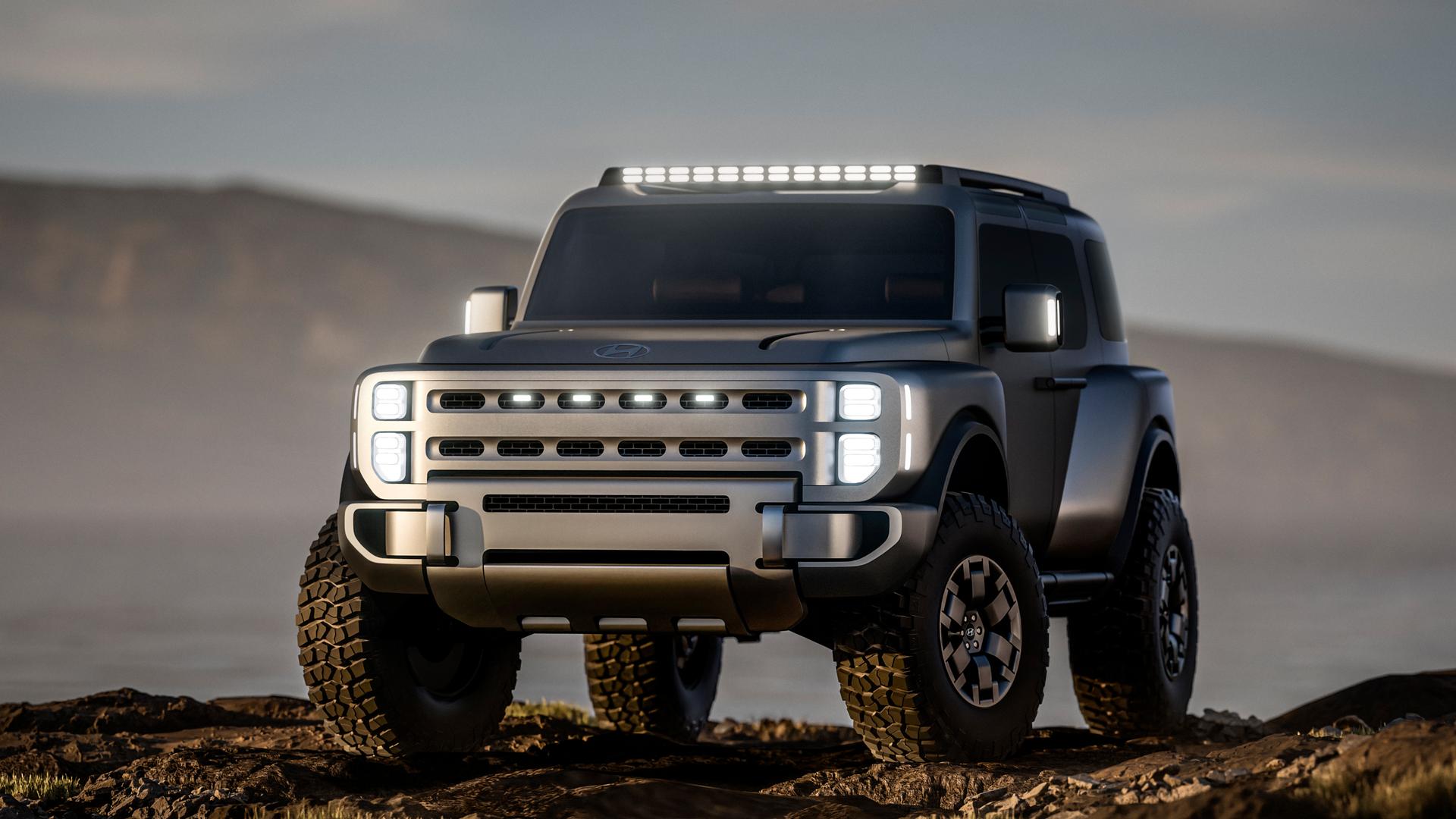
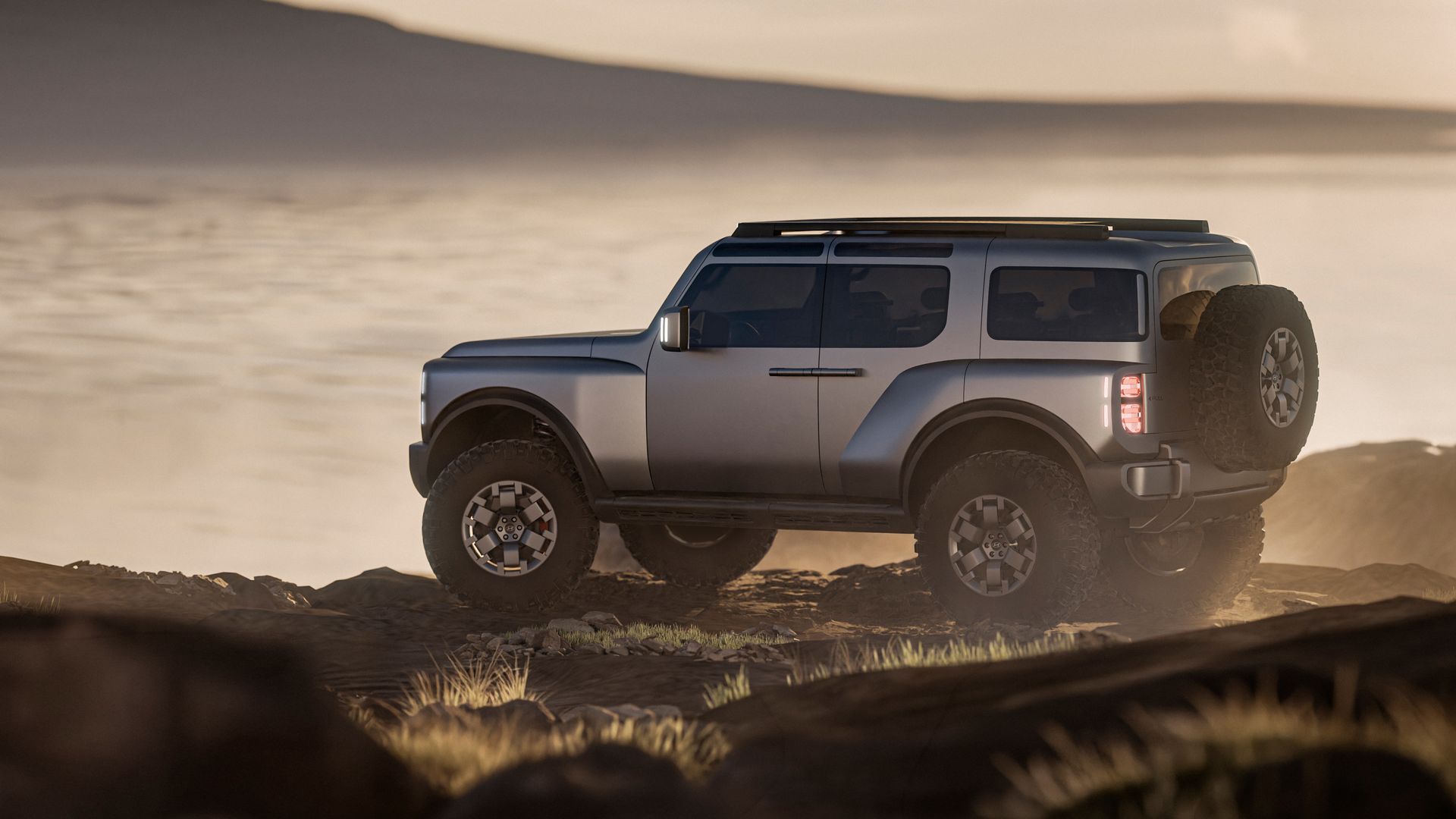
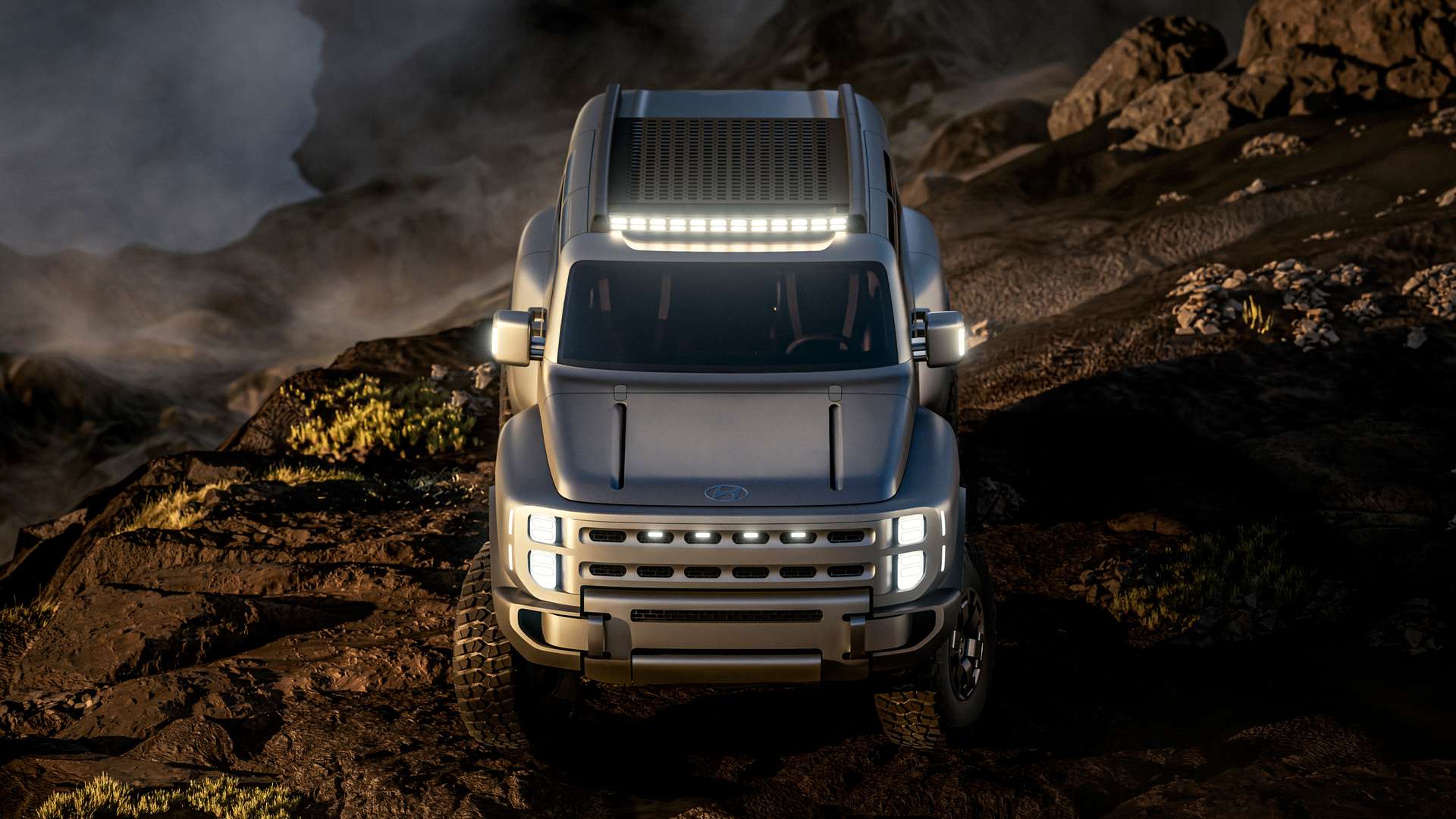
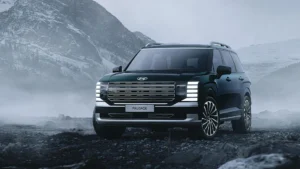
The silence at the 2026 New York International Auto Show was shattered not by the hum of an electric motor, but by the collective gasp of a crowd realizing Hyundai had just declared war on Detroit. For decades, the Korean automaker has played the role of the sensible disruptor, offering value-packed crossovers and efficient commuters. But when the silk sheet was pulled back to reveal the Hyundai Boulder Concept, the message was visceral and undeniable. Standing on massive 37-inch tires with a chest-high hood and a silhouette that looks carved from a single block of granite, the Boulder isn’t just a design study; it is a declaration of intent. Hyundai is done flirting with the edges of truck culture. They are building a beast.
The Art of Steel: A Hard Pivot
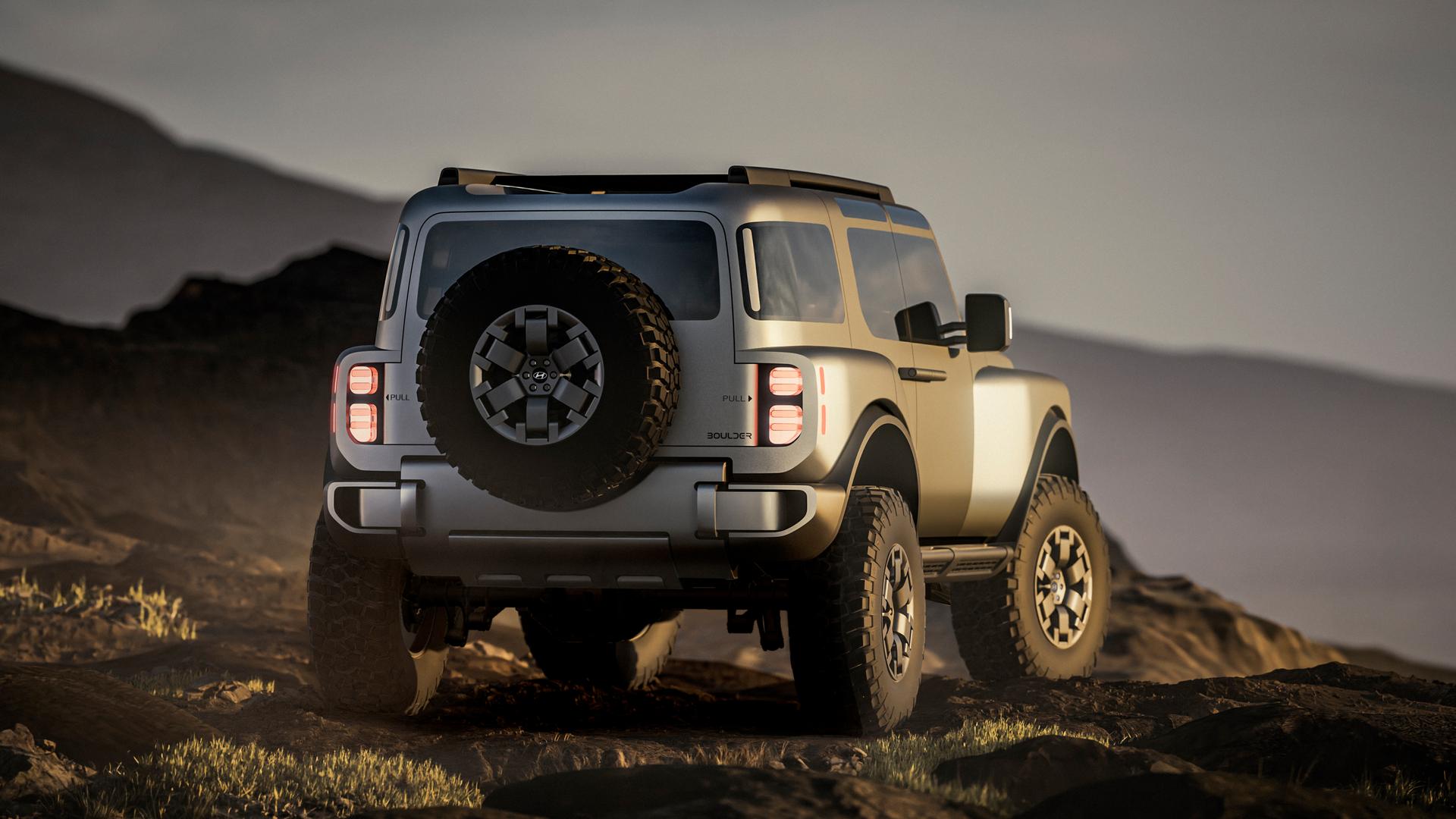
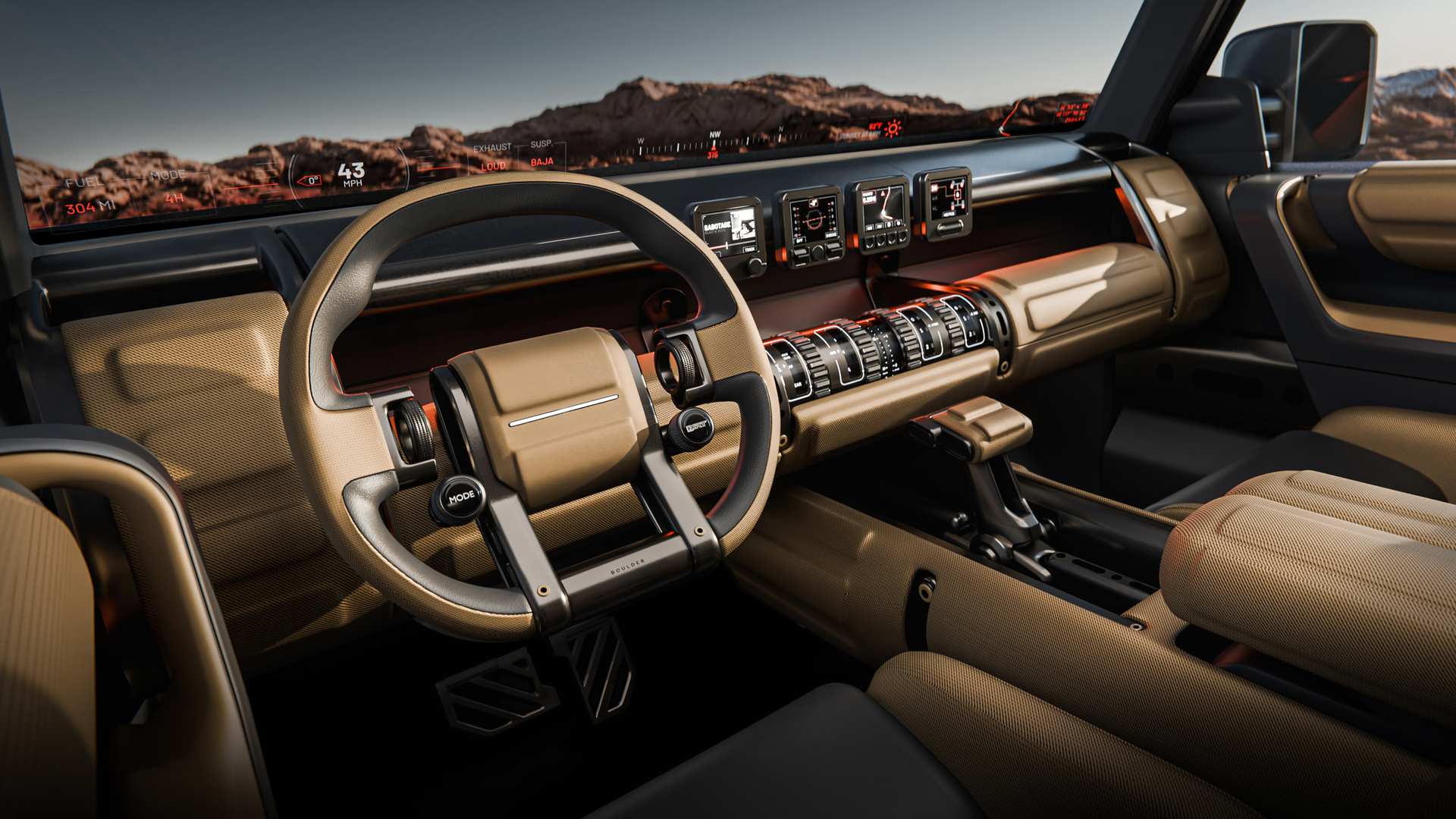
The Boulder Concept represents a philosophical 180-degree turn for a brand synonymous with unibody construction. Dubbed the “Art of Steel” design language, the vehicle eschews the fluid curves of the Tucson for a brutalist, two-box architecture. The specs read like a wish list for overlanders: a dual-hinged tailgate that opens laterally or drops down, a retractable rear window reminiscent of the Toyota 4Runner, and tactile interior controls designed to be operated with work gloves. This isn’t a crossover wearing hiking boots; it is a dedicated body-on-frame (ladder-frame) platform designed, engineered, and destined to be built in the United States.
Worth A Look
The Santa Cruz Lesson: Why Toughness Matters
To understand the Boulder, one must understand the ghost haunting Hyundai’s product planning rooms: the Santa Cruz. Launched as a “lifestyle truck,” the Santa Cruz was a critical darling but a commercial curiosity. It found a niche, but it failed to crack the code of the American truck buyer. It was too polite, too car-like, and crucially, it lacked the hybrid versatility that made the Ford Maverick a runaway success.
Hyundai learned the hard way that in the U.S. market, “trucklet” is often a pejorative term. Buyers didn’t just want the look of capability; they demanded the payload, towing, and off-road durability that only a frame-based chassis can promise. The Santa Cruz’s inability to compete with the Maverick Hybrid’s efficiency or the Tacoma’s rugged reputation forced a strategic rethink. The Boulder is the answer to that identity crisis—a vehicle that trades “lifestyle” for “lifestyle capability.”
The 2030 Strategy: Designed for America
The Boulder Concept is the prologue to a much larger story: a production midsize pickup truck arriving by 2030. Hyundai executives have confirmed that this new architecture is being developed with a “no free lunch” mentality. They know they cannot simply show up with a badge; they must offer superior capability to steal sales from brand-loyalists driving Ford Broncos and Jeep Wranglers.
This strategy hinges on flexibility. The new ladder-frame platform is future-proofed to support internal combustion engines (ICE), hybrid configurations, and fully electric powertrains. This addresses the Santa Cruz’s fatal flaw—the lack of an electrified option at launch—and positions the future truck to strike at the weaknesses of current market leaders. If the competition zigs with gas-guzzling V6s, Hyundai plans to zag with torque-heavy hybrids or EREV (Extended Range Electric Vehicle) setups that offer the range of a diesel with the punch of an EV.
No More Compromises
The stakes for Hyundai are incredibly high. The midsize truck and off-road SUV segment is a graveyard for pretenders. By committing to a bespoke body-on-frame platform, Hyundai is signaling that they are willing to spend the billions necessary to earn street cred in the most competitive automotive arena on earth. They are no longer asking for a seat at the table; with the Boulder, they are threatening to flip it over. The days of the “trucklet” are numbered. The era of the heavyweights has begun.