
For decades, the Plymouth Prowler sat in a strange automotive purgatory. Released in the late ’90s as a bold nod to the high-boy hot rods of the 1930s, it looked like a spaceship but drove like a minivan. To the hardcore enthusiast, it was a “what if” story gone wrong—a stunning open-wheel design neutered by a lukewarm V6 and a sluggish four-speed automatic.
But the tide has turned. As shown in the striking imagery from Gaudium De Machina, the Prowler is no longer a punchline; it’s a canvas for radical engineering. The modern automotive community isn’t just looking for nostalgia; they are craving a track-focused Prowler build that finally delivers on the visual promises made thirty years ago. This is the story of how the “world’s most disappointing hot rod” became the ultimate underground hero of car culture.
Worth A Look

Breaking the Simulation with a Heavily Modified Plymouth Prowler
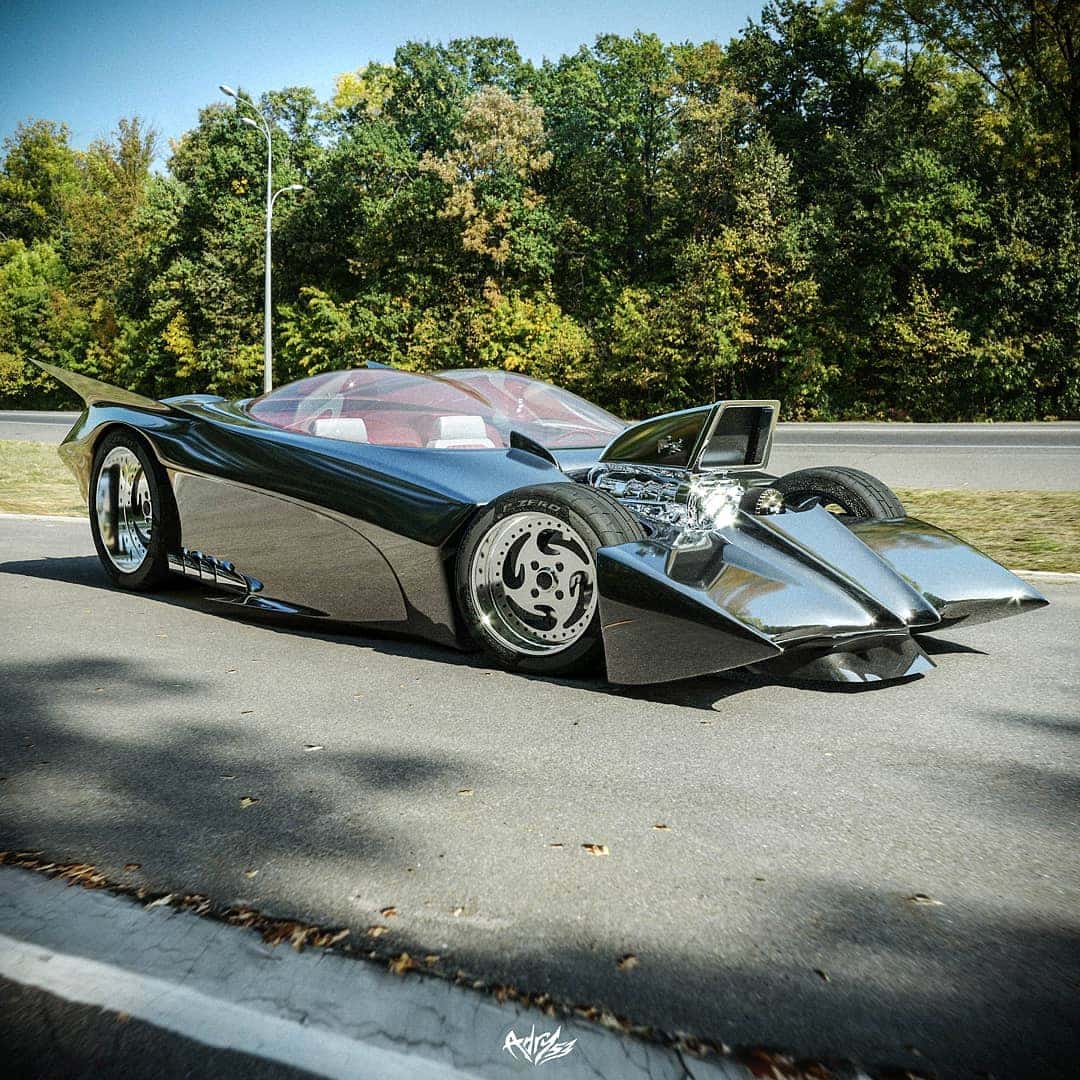
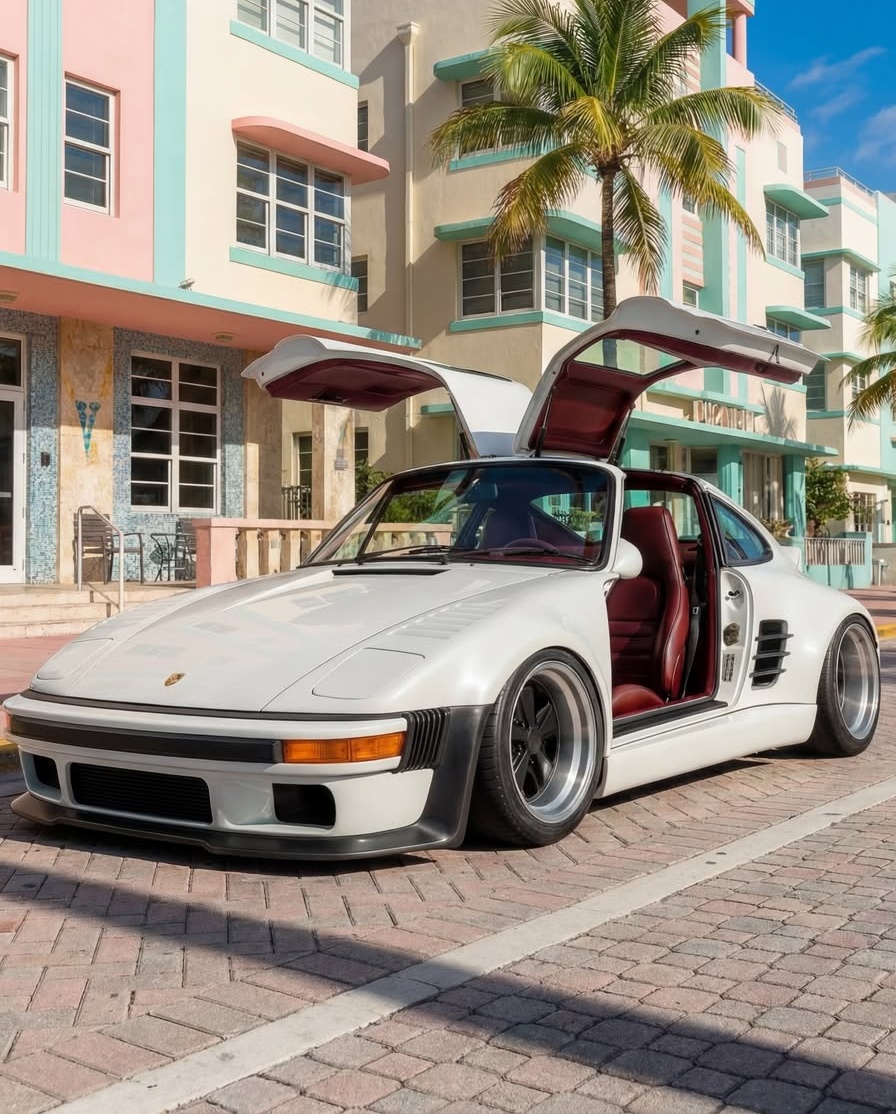
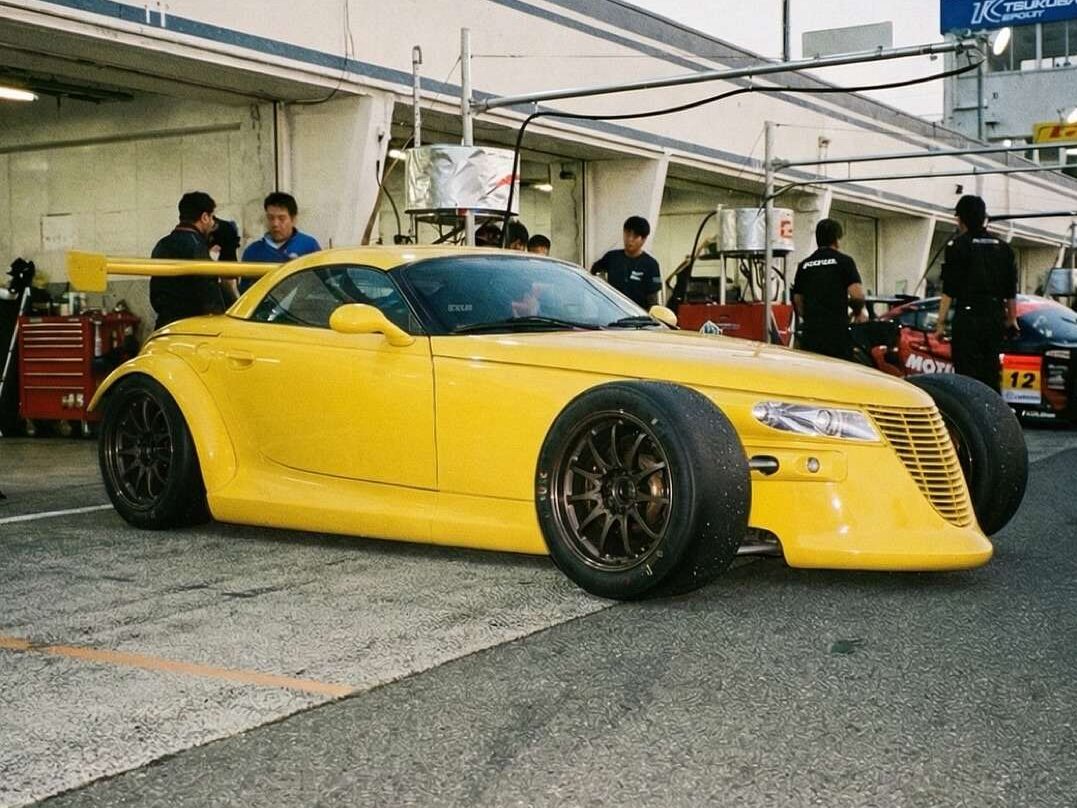
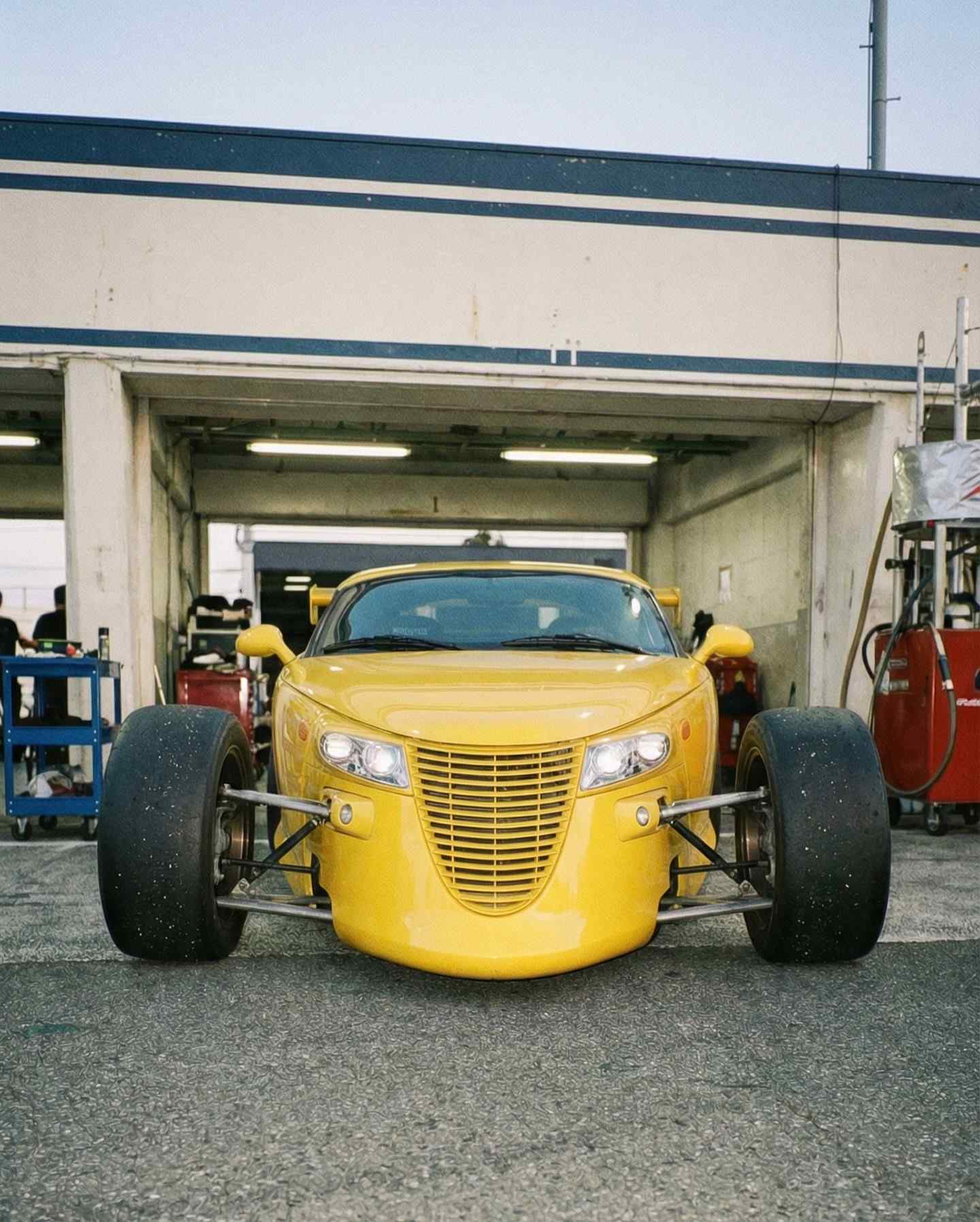
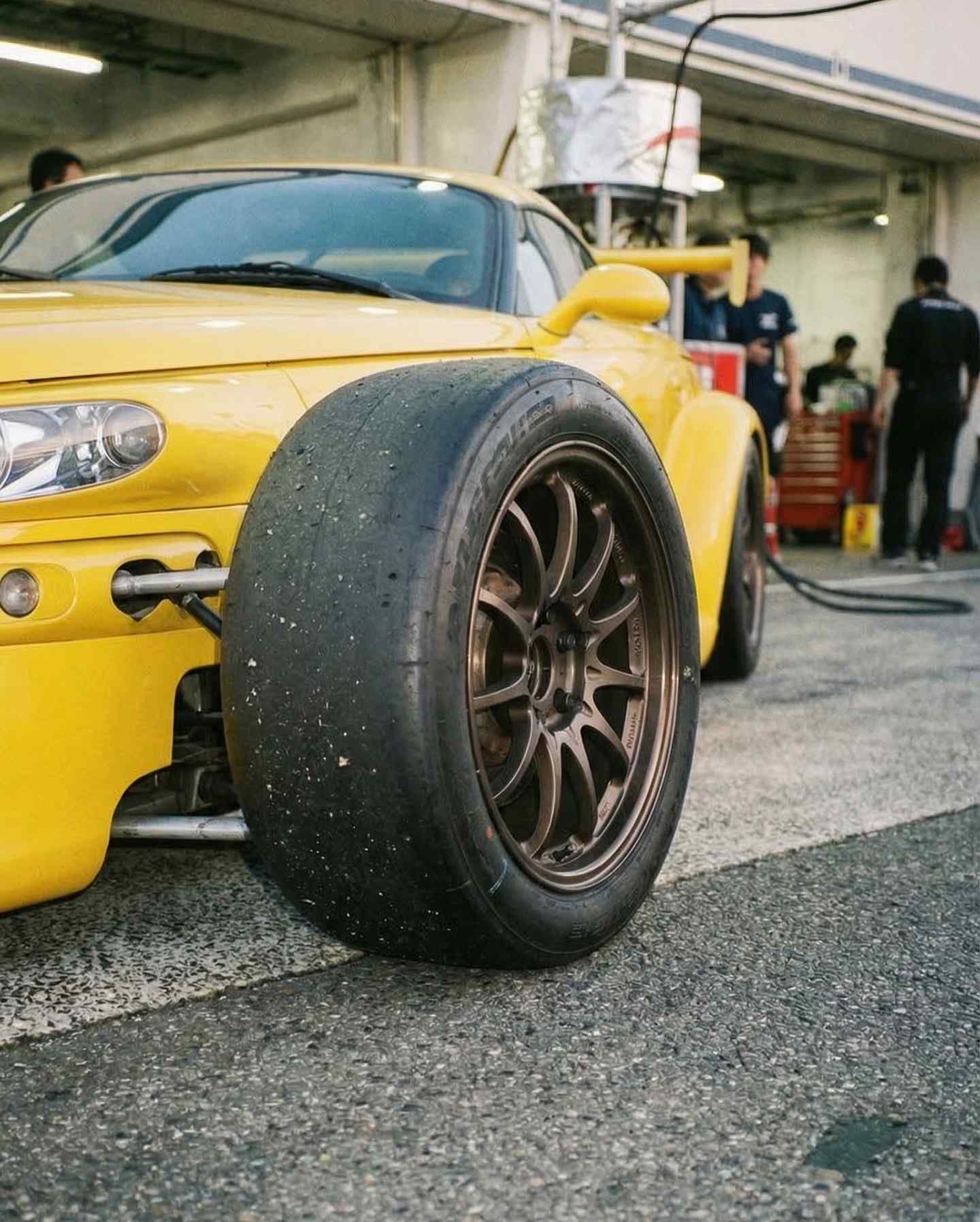
At first glance, you might think you’re looking at a high-fidelity render or a leaked screenshot from a next-gen racing sim. The aesthetic is so aggressive—the stance so purposeful—that it defies the traditional “boulevard cruiser” identity of the stock car. However, this heavily modified Plymouth Prowler is very real, proving that with enough vision, you can make any car cool.
The transformation begins with the silhouette. By ditching the dainty factory bumpers and leaning into a slammed, wide-track geometry, the car adopts a predatory “Le Mans” persona. It’s a masterclass in visual storytelling: the exposed front suspension, once a quirky design choice, now looks like a tactical advantage. This isn’t just a car; it’s a middle finger to the status quo, blending 90s retro-futurism with modern JDM-inspired aero.
The Heart of the Beast and the Art of the Plymouth Prowler Engine Swap
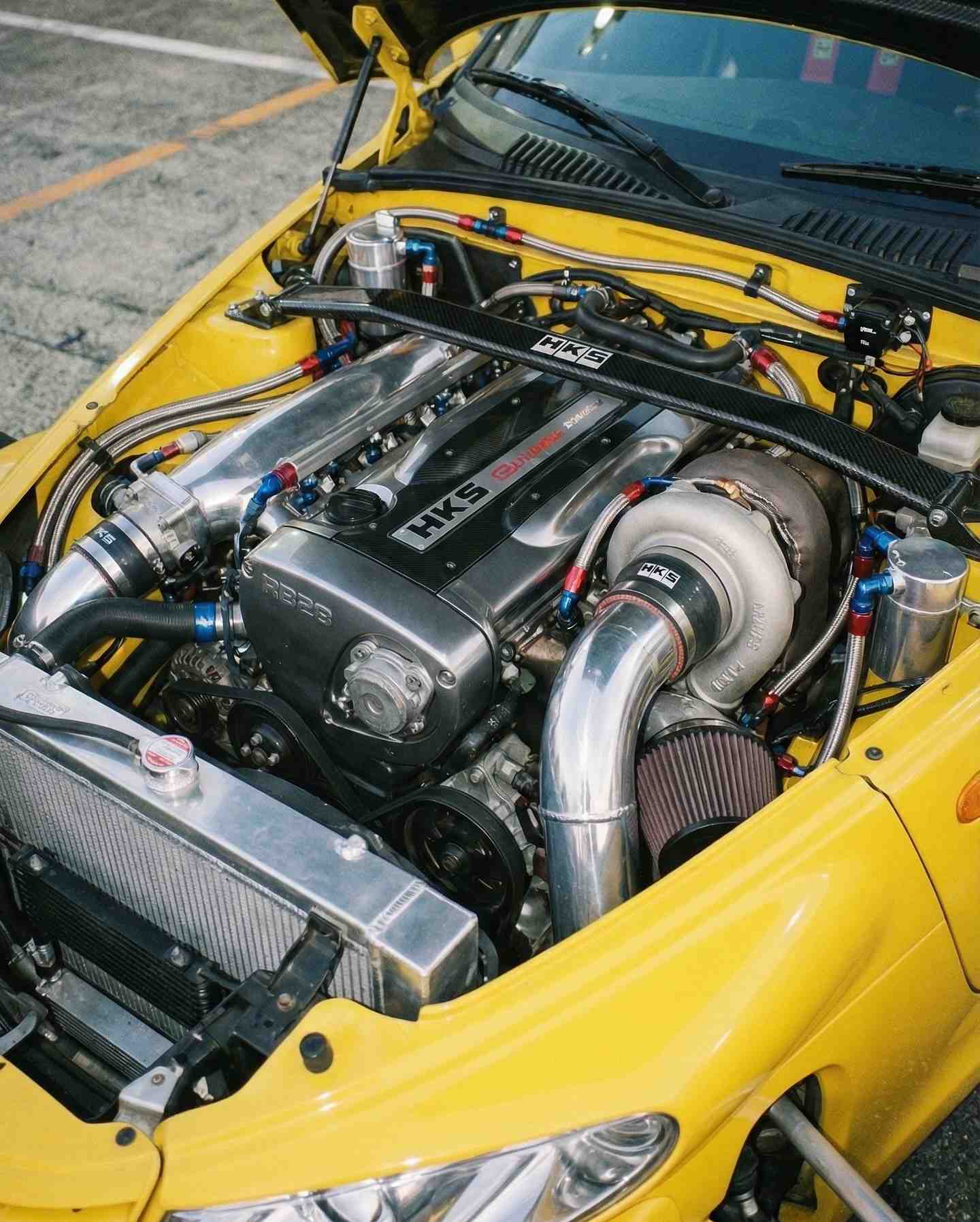
The most frequent critique of the original Prowler was its 3.5-liter V6. To truly unlock this platform, builders are moving toward the high-performance heart transplants the car always deserved. A Plymouth Prowler engine swap is the definitive “power play” that bridges the gap between a show car and a legitimate threat on the tarmac.
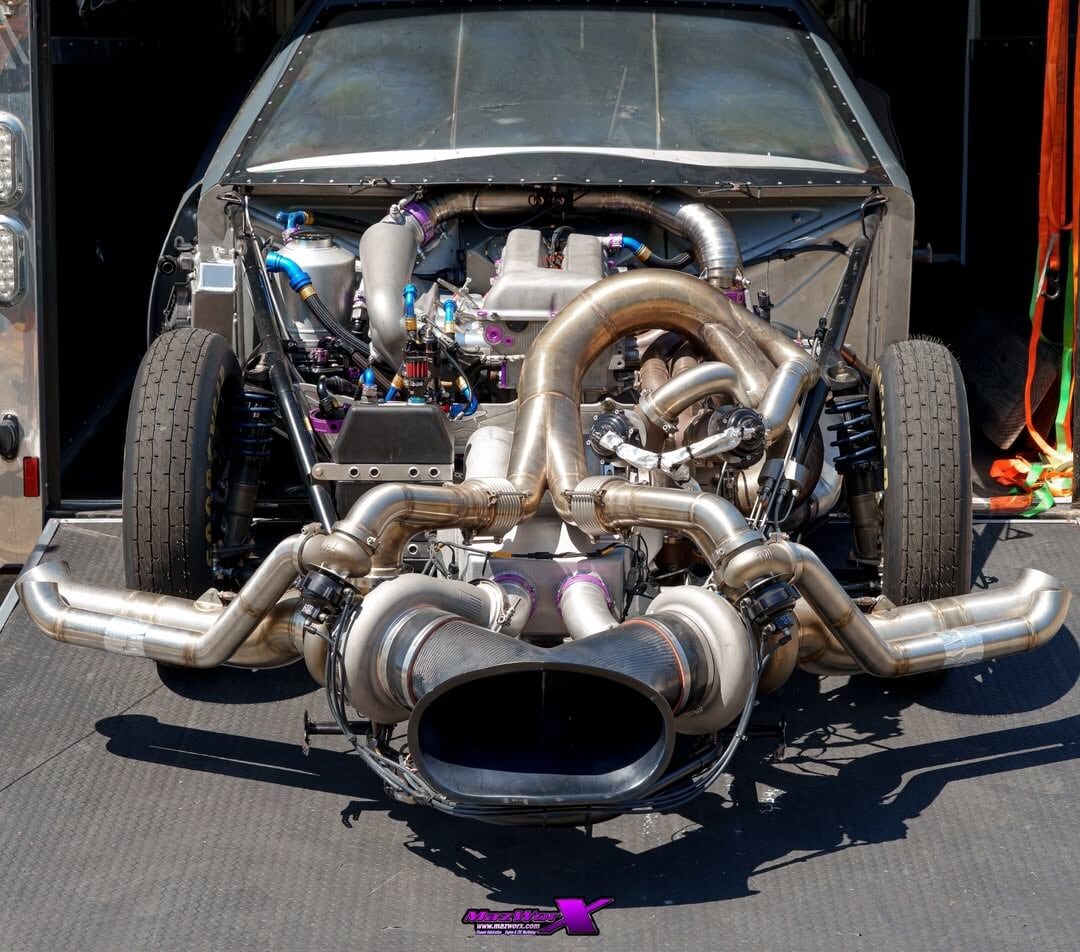
While some purists stick to Mopar roots with a 6.1-liter HEMI V8 conversion, the new wave of builders is looking East. The rise of the 2JZ Prowler concept has sent shockwaves through the community, pairing the Prowler’s lightweight aluminum frame with the legendary tunability of Toyota’s inline-six. Imagine the scream of a twin-turbocharged 2JZ echoing off the pit walls at Tsukuba; it’s a collision of cultures that creates something entirely unique.
Key Performance Upgrades Often Seen in Elite Builds:
- Forced Induction: Turbocharging or supercharging the factory V6 for a “sleeper” feel.
- Transaxle Upgrades: Replacing the weak 42LE transmission with sturdier, modern units.
- Weight Distribution: Utilizing the front-mid engine layout for superior cornering balance.
Engineering the Aesthetic with Custom Flared Fenders and Wide-Body Kits
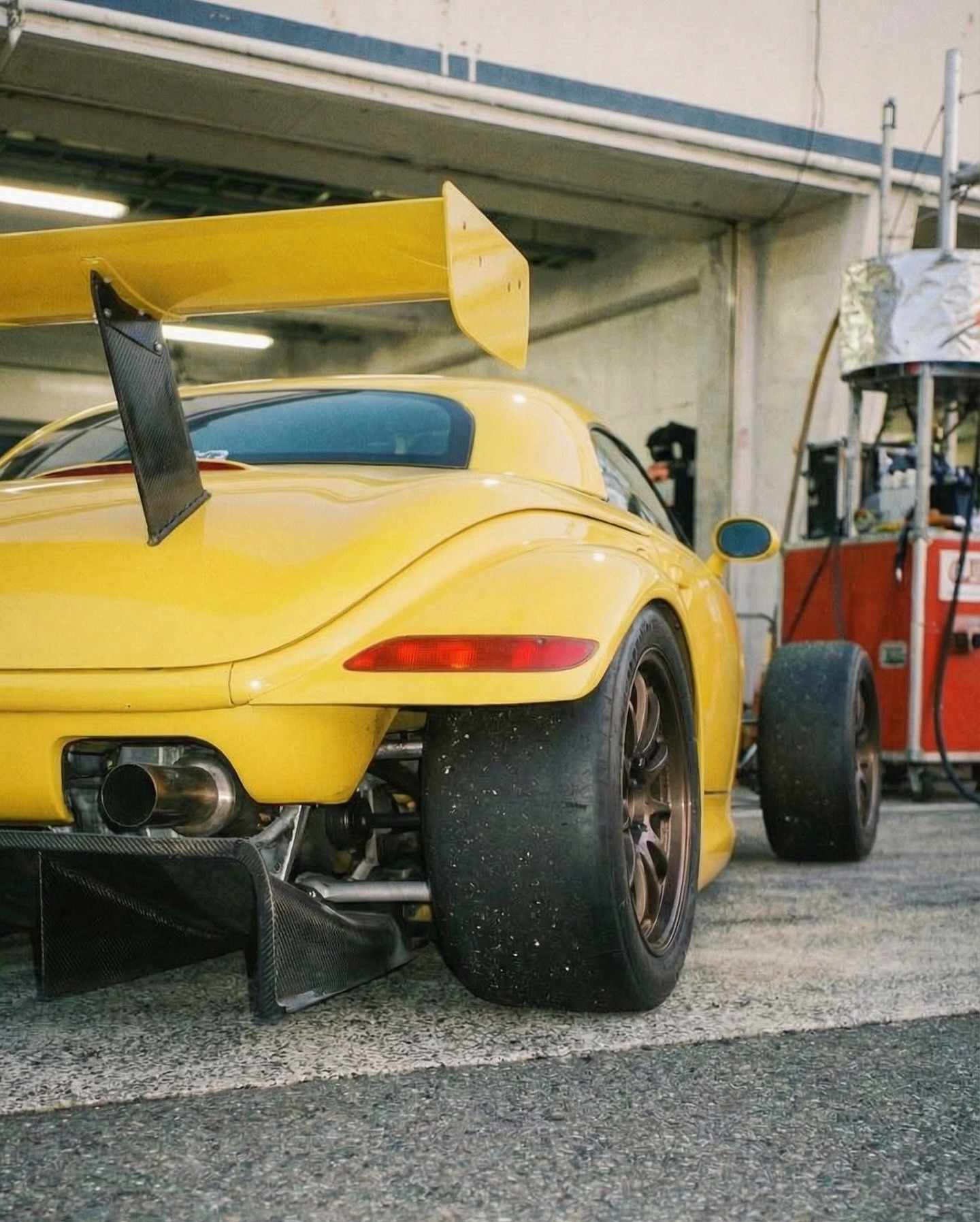
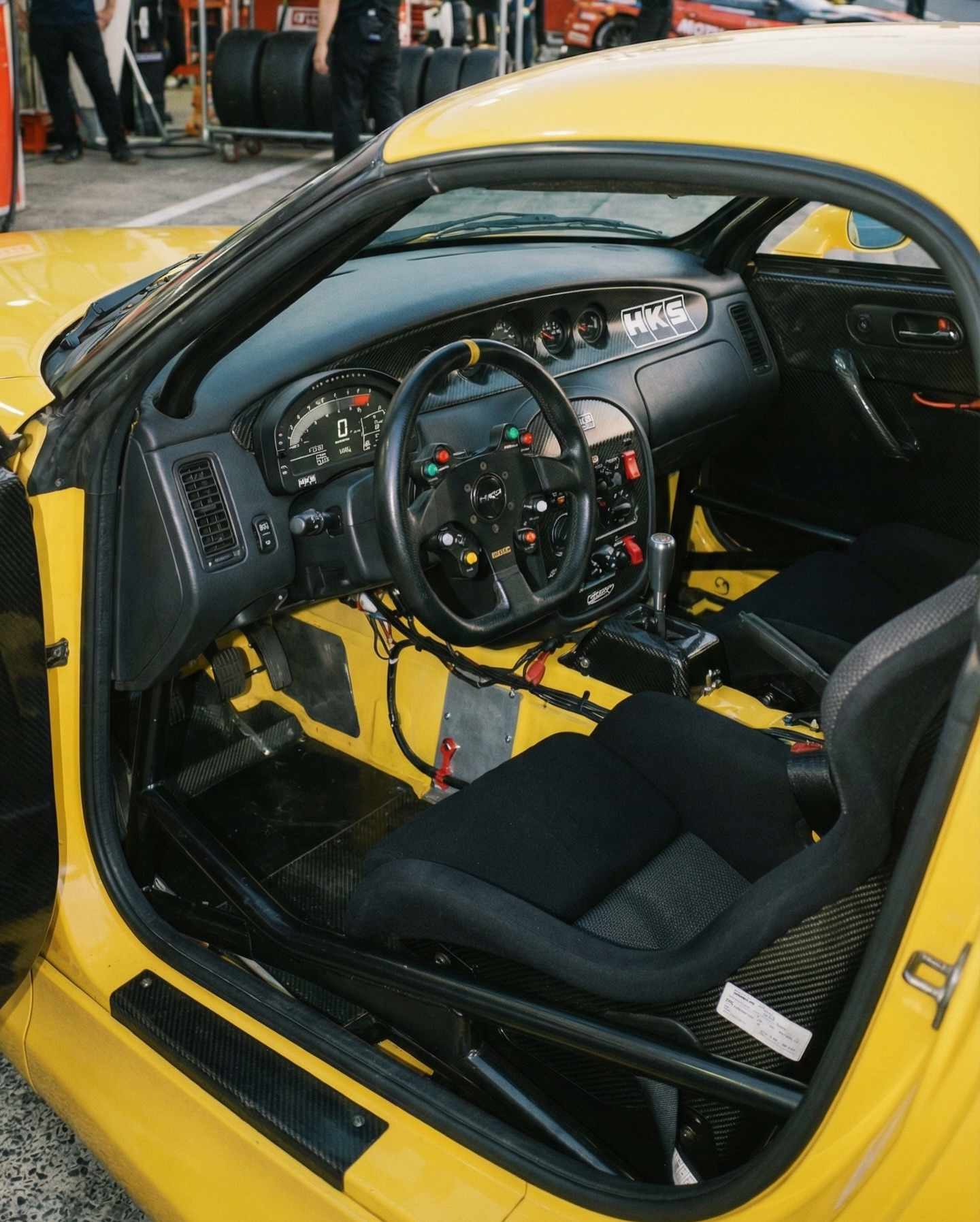
You don’t achieve this level of presence with bolt-on parts from a catalog. Creating a “Special Thrill” requires bespoke metalwork and carbon fiber. The integration of a Prowler wide-body kit or custom flared fenders is essential for housing the massive, sticky rubber needed for track duty.
In the world of high-end builds, the goal is to make the modifications look like they could have come from the factory—if the factory had been run by madmen. The flared arches don’t just add width; they provide the necessary clearance for deep-dish, multi-spoke wheels that give the car its grounded, muscular stance. This level of craftsmanship answers the age-old enthusiast question: “how do you do this build?” The answer is patience, a plasma cutter, and a deep understanding of automotive proportions.
Form Meets Function via Vintage F1 Style Front Spoilers
One of the most polarizing yet effective additions to a racing-spec Prowler is the aggressive front aero. A vintage F1 style front spoiler does more than just look intimidating; it solves the Prowler’s inherent high-speed stability issues. By channeling air over the exposed front tires and creating a low-pressure zone under the nose, these spoilers provide the “missing” front downforce that plagued the original car at high speeds.
This functional aggression is what separates a “parking lot queen” from a track weapon. When you see a Prowler hunkered down with a massive front splitter and a GT-style rear wing, you aren’t looking at a retro gimmick—you’re looking at a car designed to slice through the air and stick to the apex.
Capturing the Chaos and Experiencing the Prowler in Motion
In the age of social media, a build this radical doesn’t just exist in a garage; it lives in the digital ether. Fans are no longer satisfied with static photos; they want to hear the idle, see the suspension load up in a corner, and watch the tires smoke. The demand for “The Prowler in Action” has turned these cars into viral sensations.
Whether it’s a cinematic roll-out or a raw track-day clip, the sight of a Prowler hunting down Porsches and GT-Rs is the ultimate validation for the platform. It proves that the “Special Thrill” isn’t just a tagline on a poster—it’s a visceral experience that validates the thousands of hours poured into these machines.
Why the Prowler is the Next Big Tuning Icon:
- Uniqueness: You will never be “just another car” at the meet.
- Platform Potential: The aluminum bonded chassis is surprisingly rigid and light.
- Shock Value: Nothing beats the look on a supercar driver’s face when they get passed by a Plymouth.
The New Era of American Exoticism
The Plymouth Prowler was a car ahead of its time, trapped in a corporate box that didn’t know how to handle it. Today, thanks to a dedicated community of “machinists” and dreamers, it is finally fulfilling its destiny. By embracing radical engine swaps, aggressive wide-body aesthetics, and functional aero, these builders have transformed a 90s oddity into a timeless icon of custom culture. The Prowler isn’t just back—it’s finally fast.
Are you ready to see the dyno pulls and track footage of this specific 2JZ-swapped monster to see if the performance matches the aesthetics?