
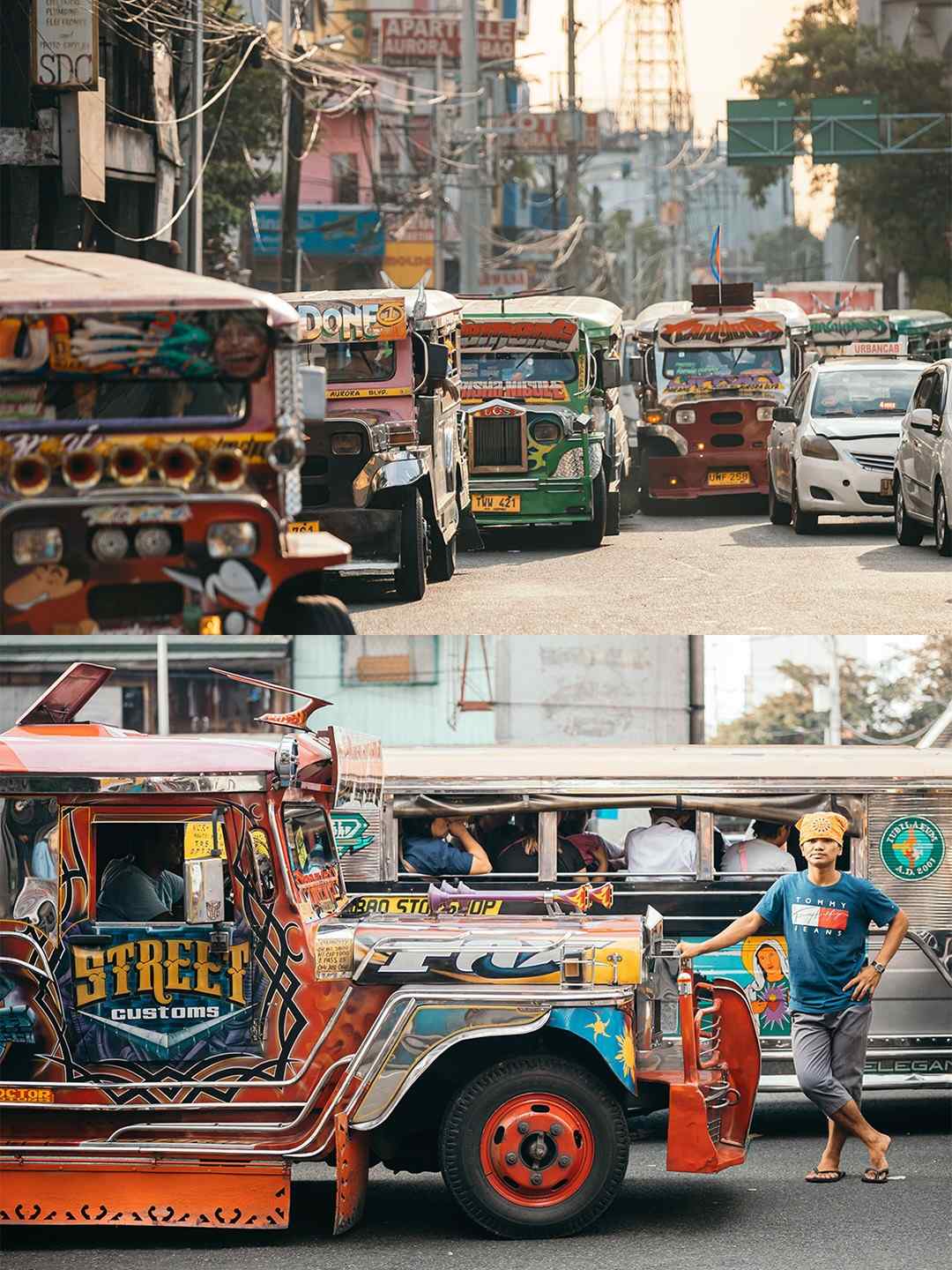
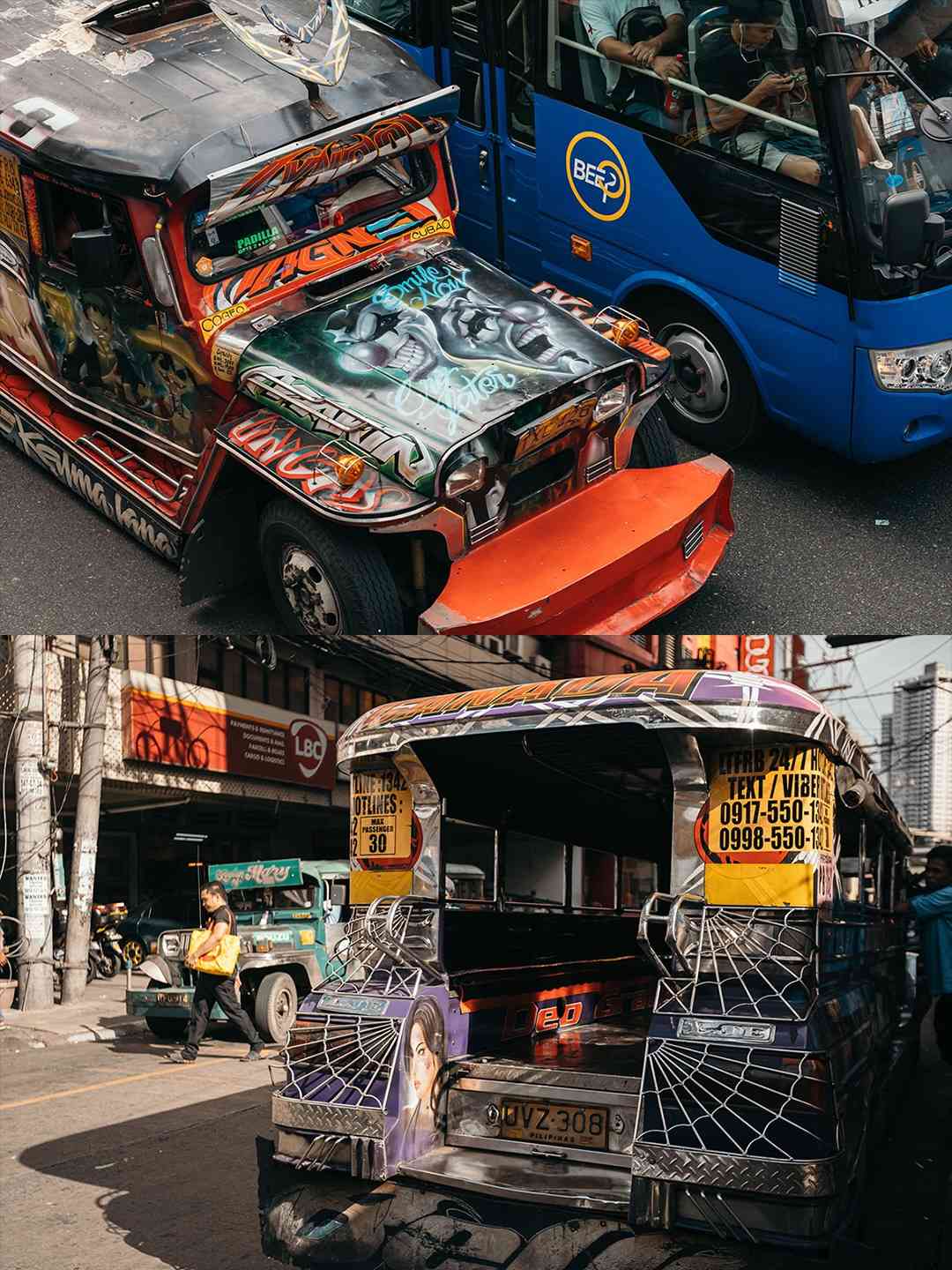
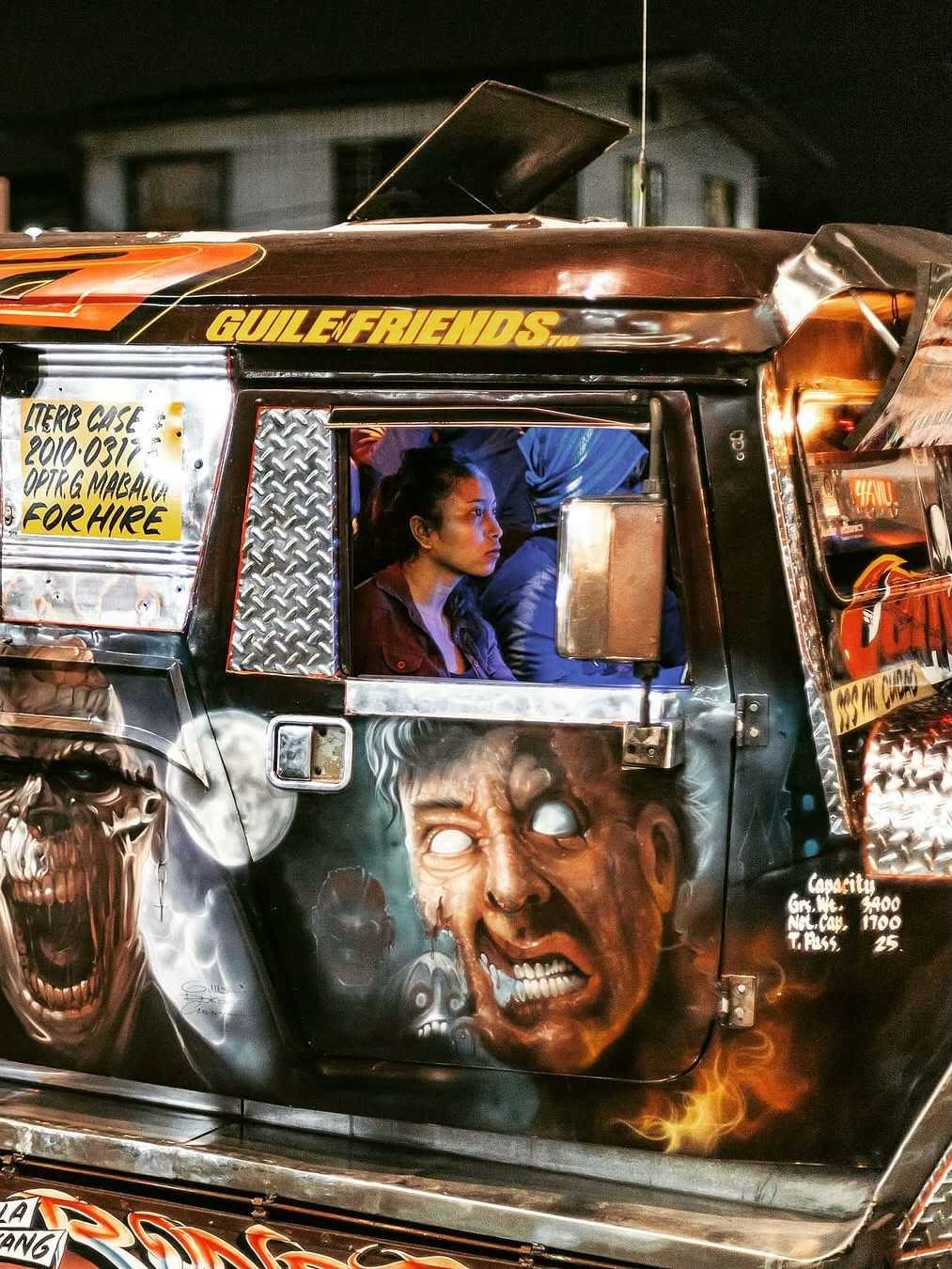
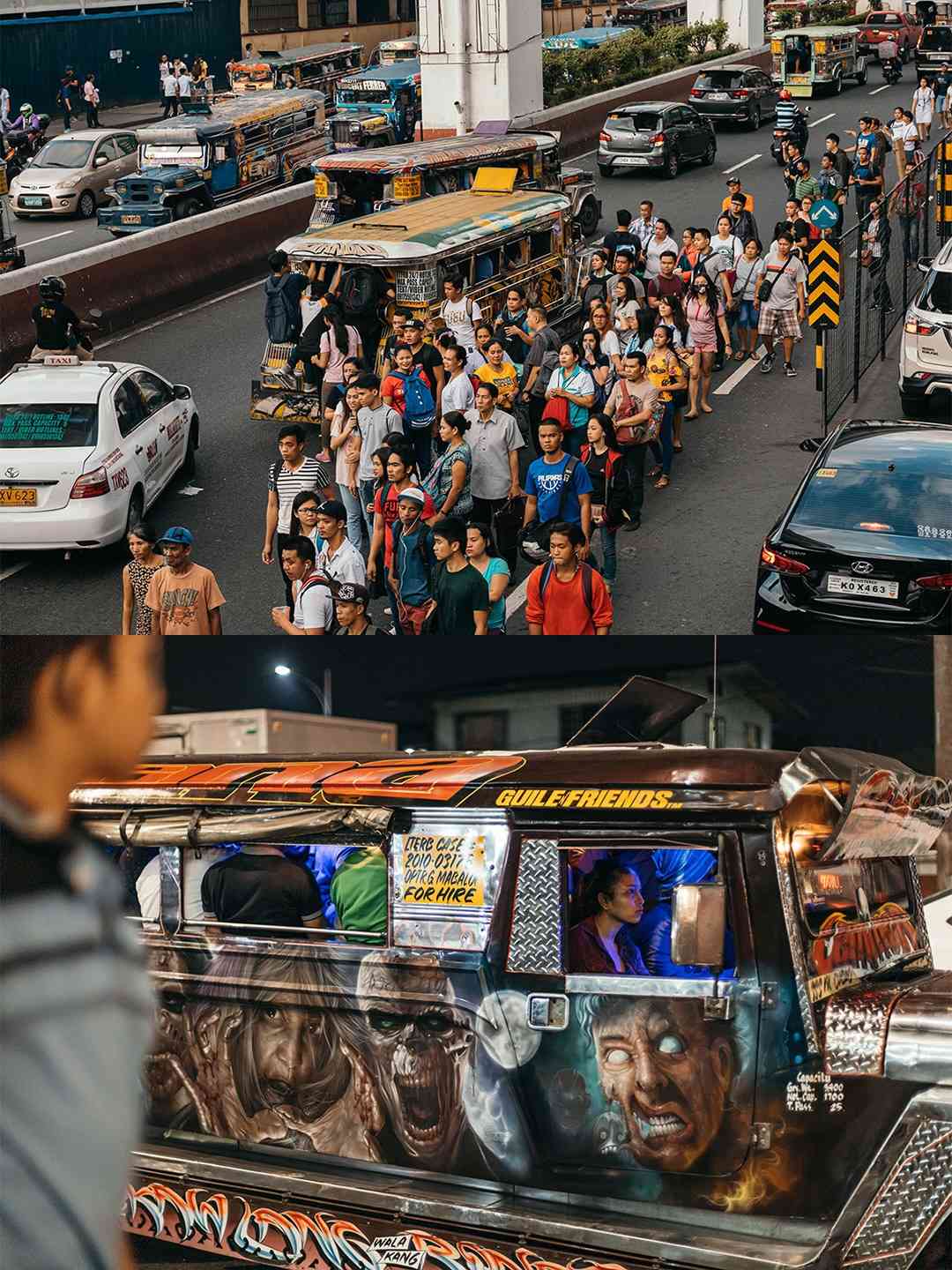
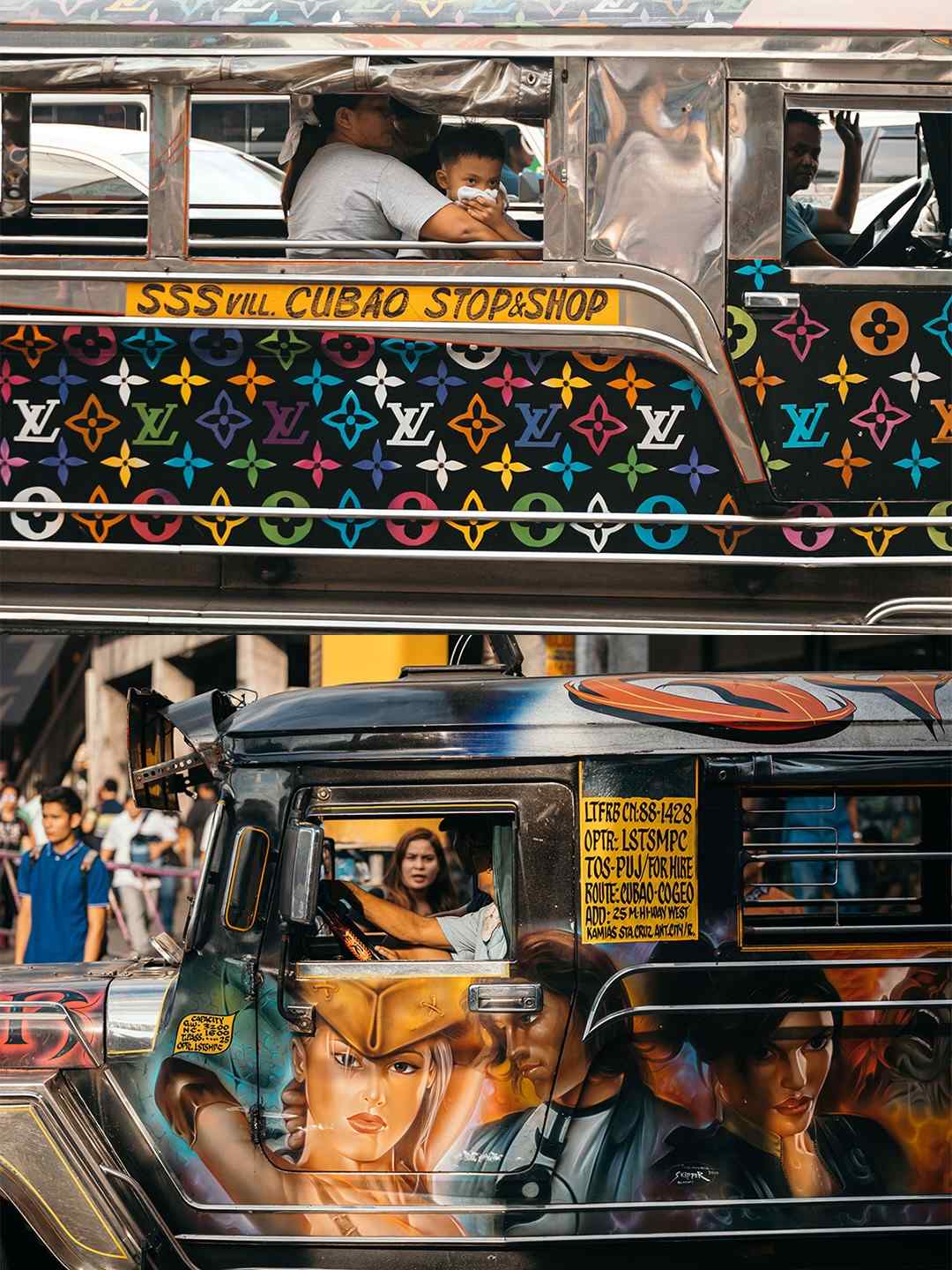
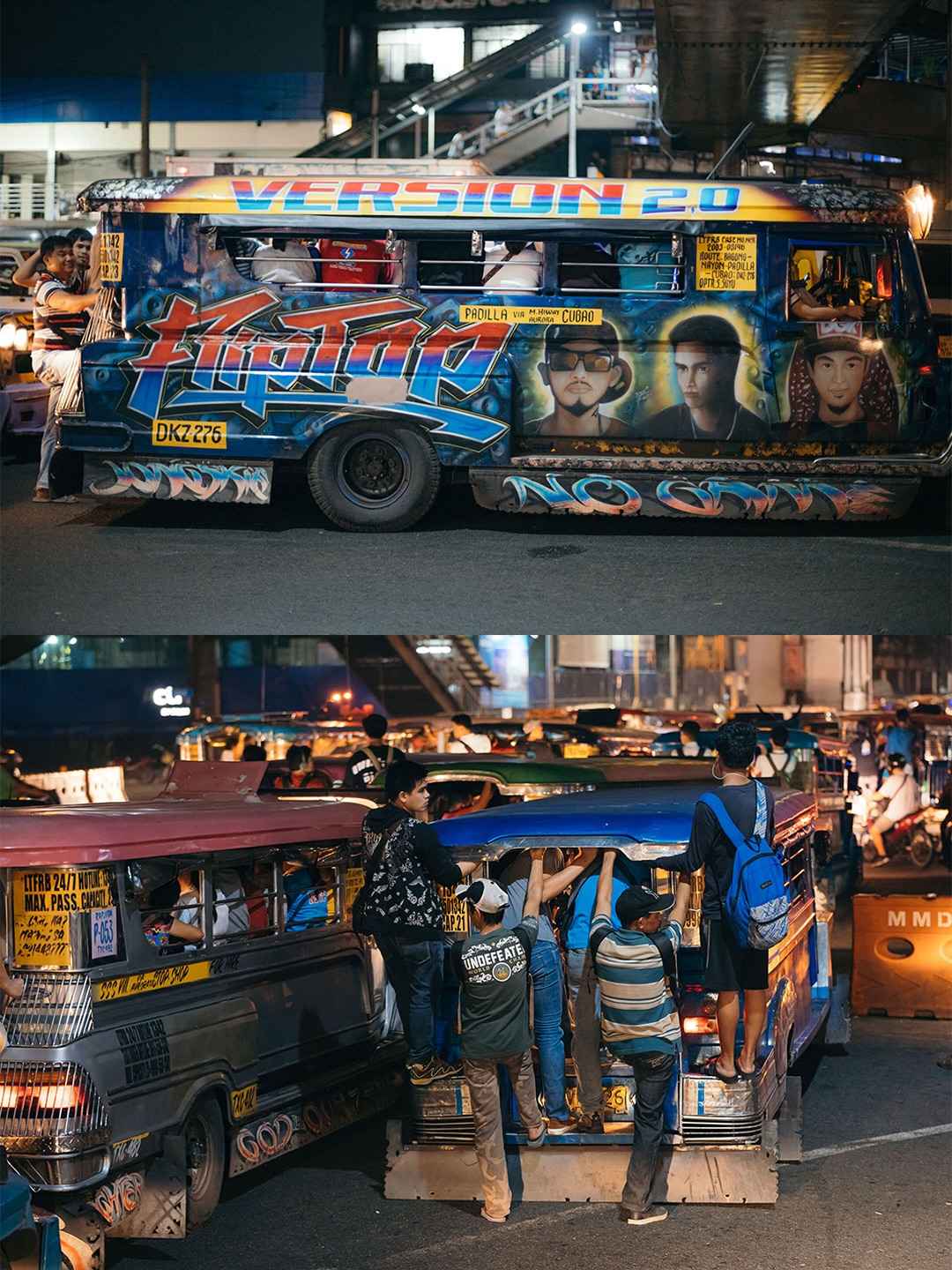
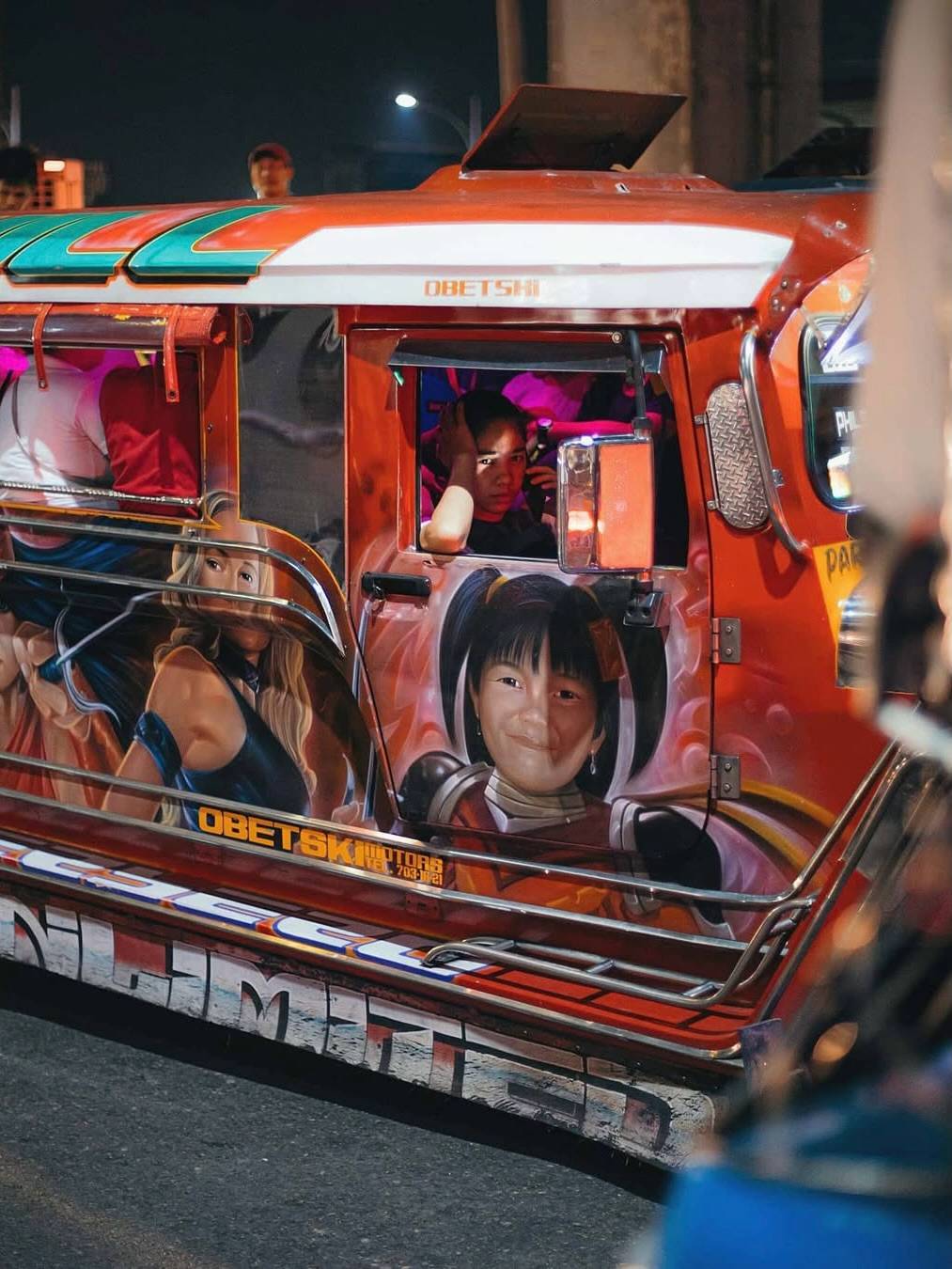
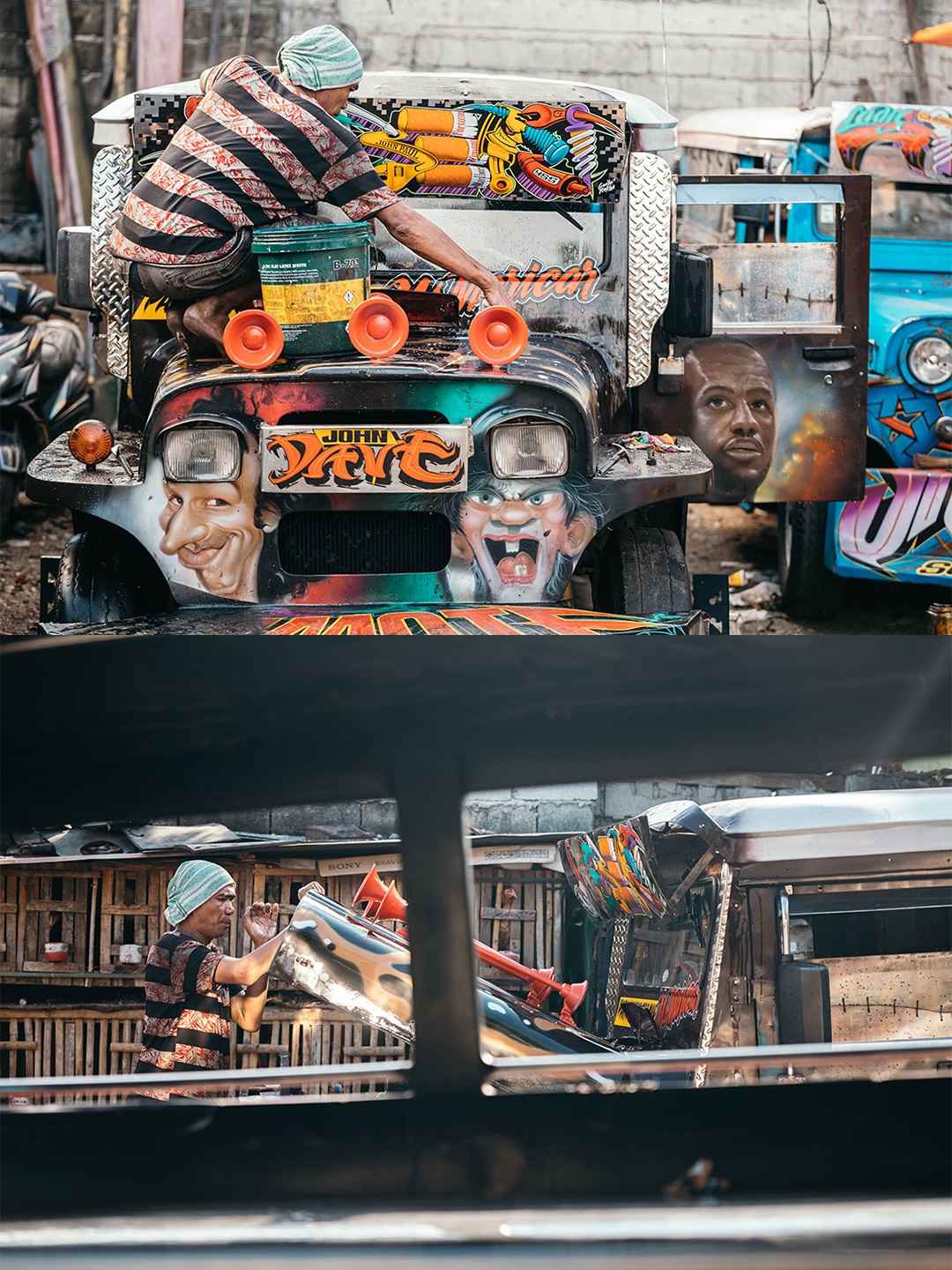
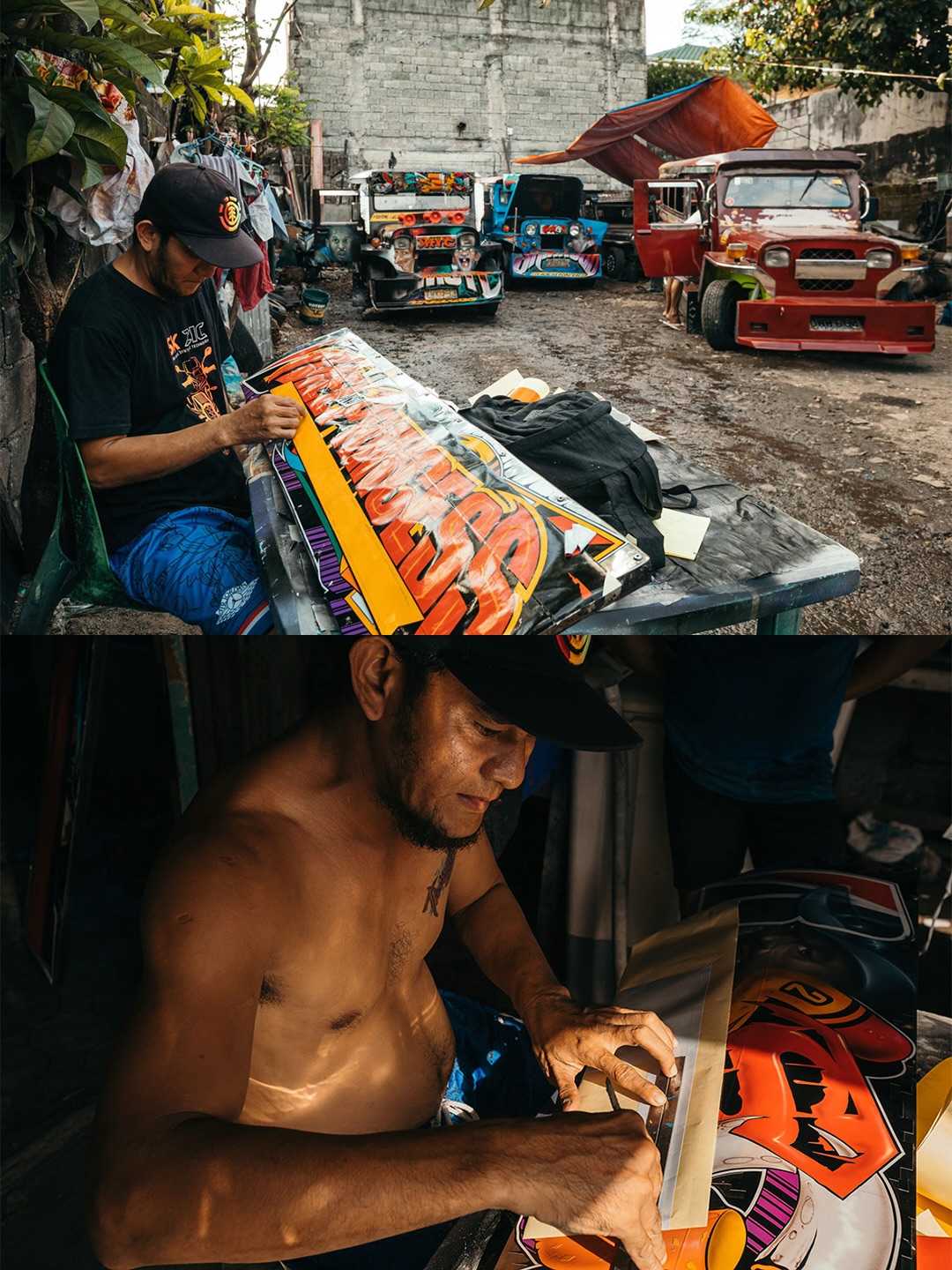
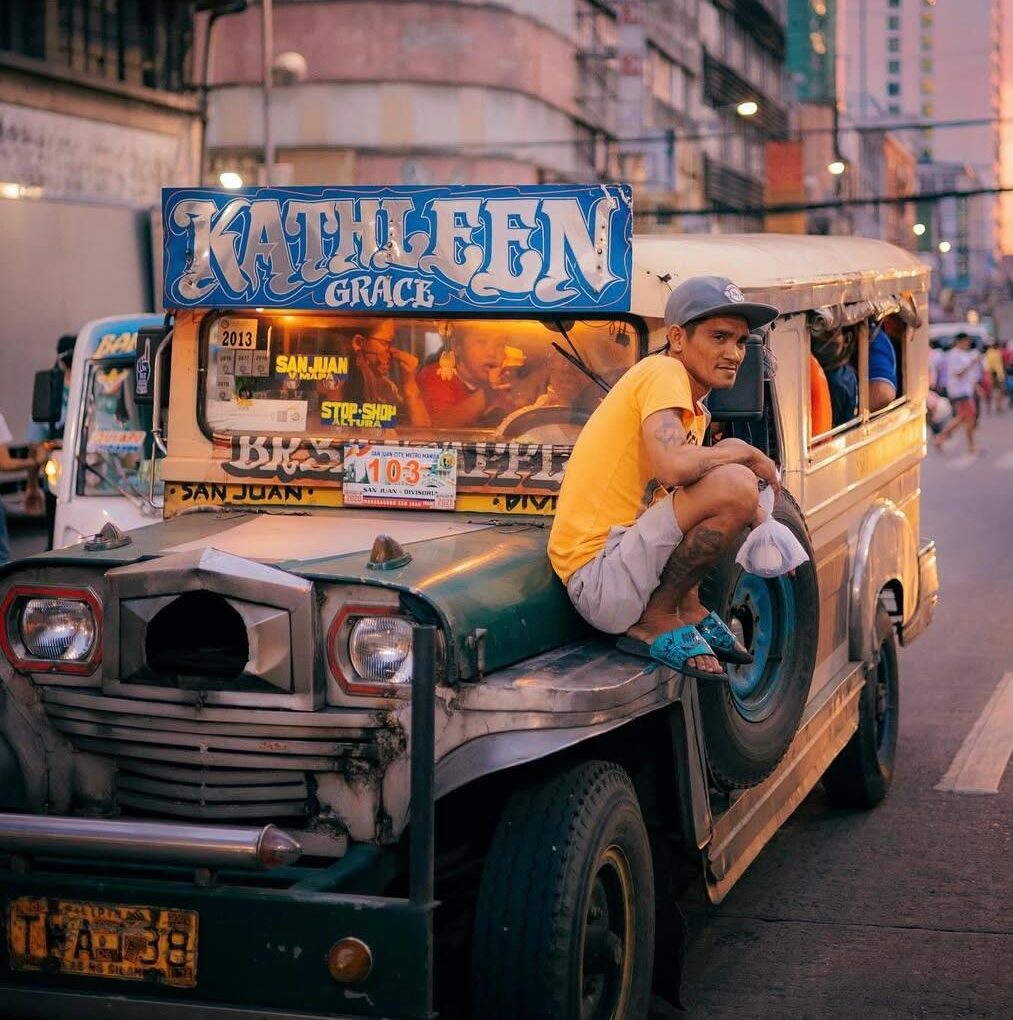
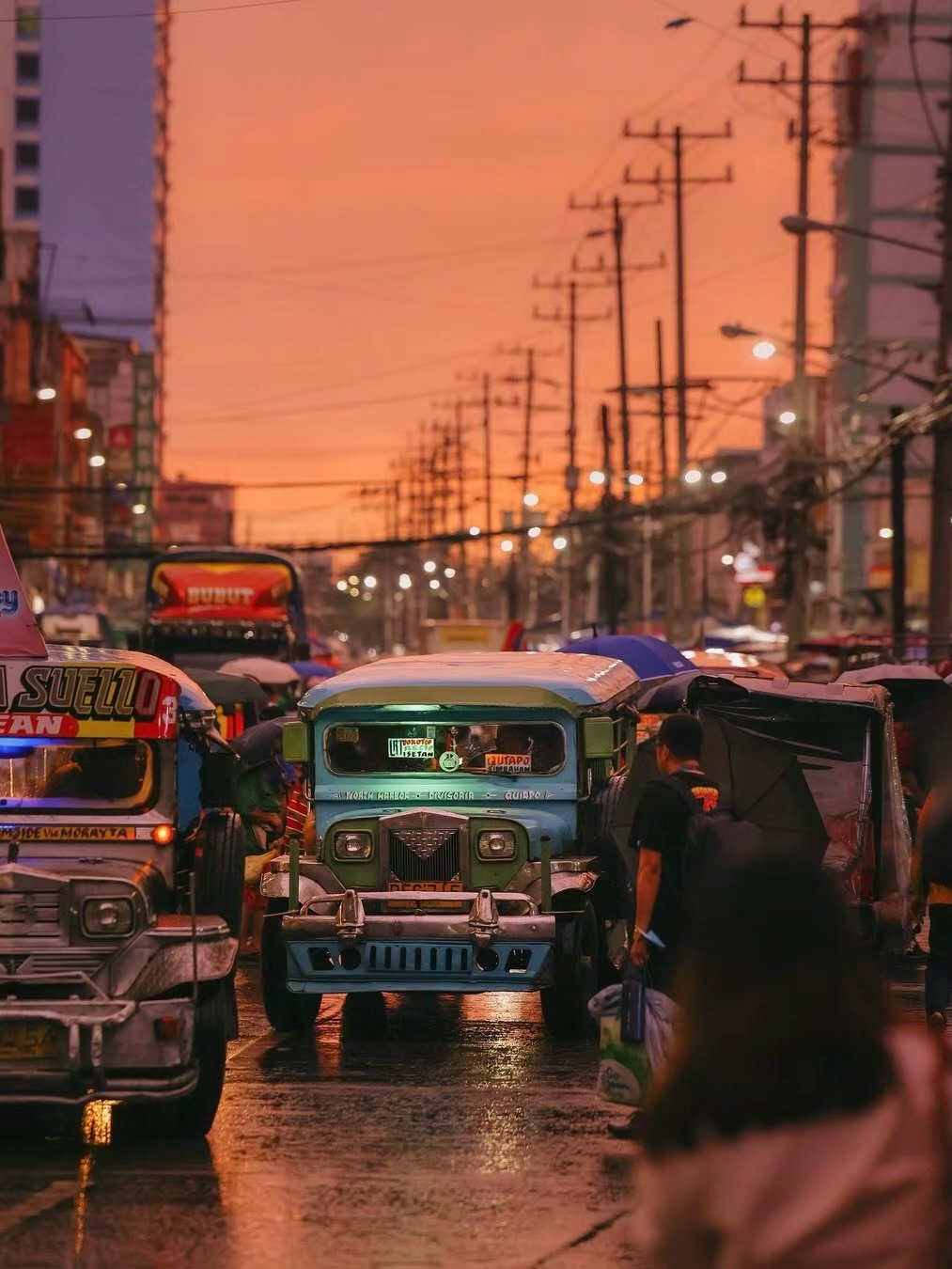
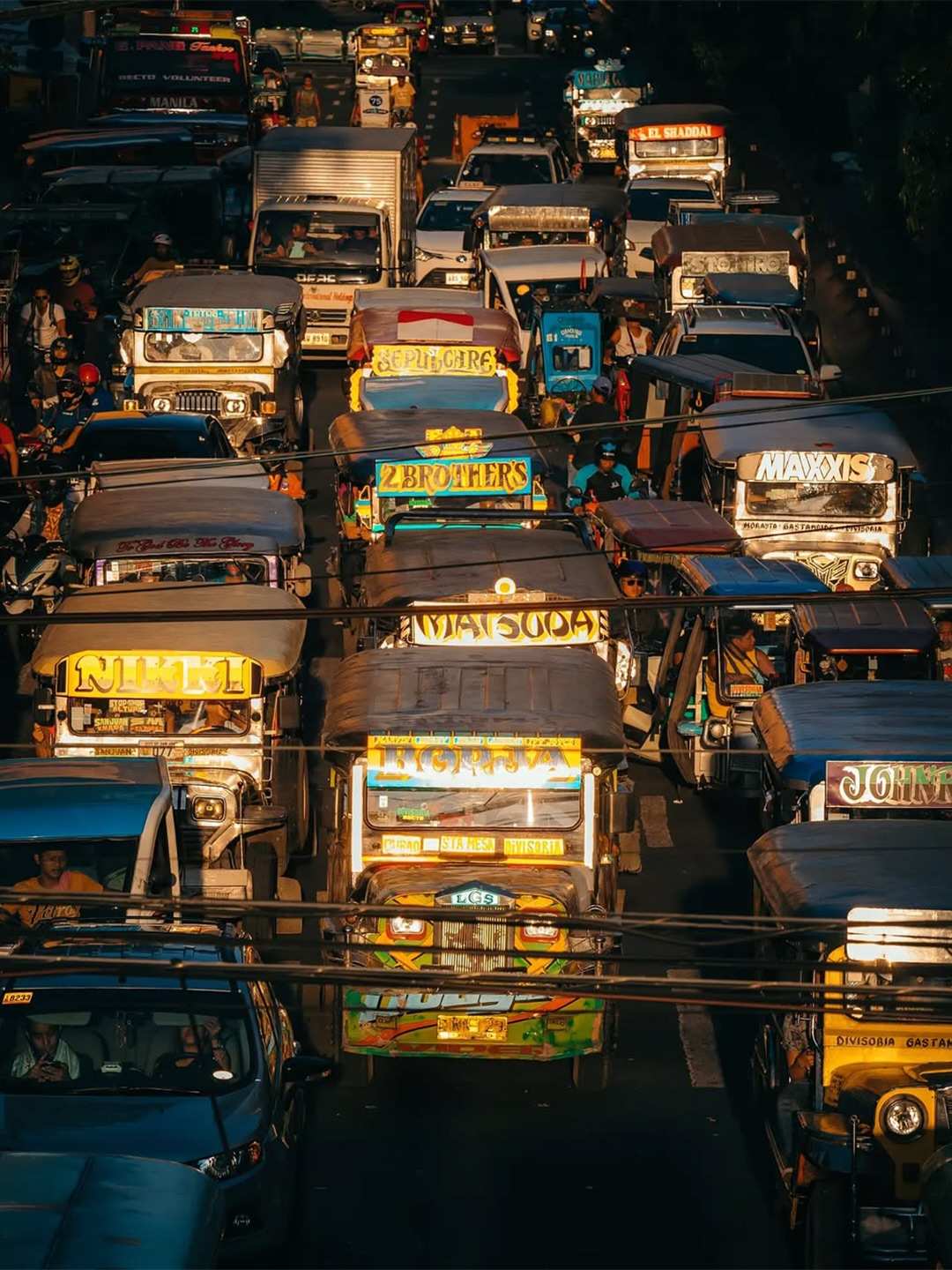
- Iconic Heritage Under Threat: Photographer Jilson Tiu has documented the Filipino jeepney’s transition from a post-WWII Willys Jeep surplus to a vibrant, hand-painted cultural symbol.
- Escalating Modernization Costs: The Department of Transportation (DOTr) will increase subsidies to ₱400,000 in 2026 to help operators afford modern units, which can cost up to ₱2.8 million.
- New Fare Hike 2026: As of March 19, 2026, traditional jeepney fares rose to ₱14.00, while modern units increased to ₱17.00 due to global fuel price surges.
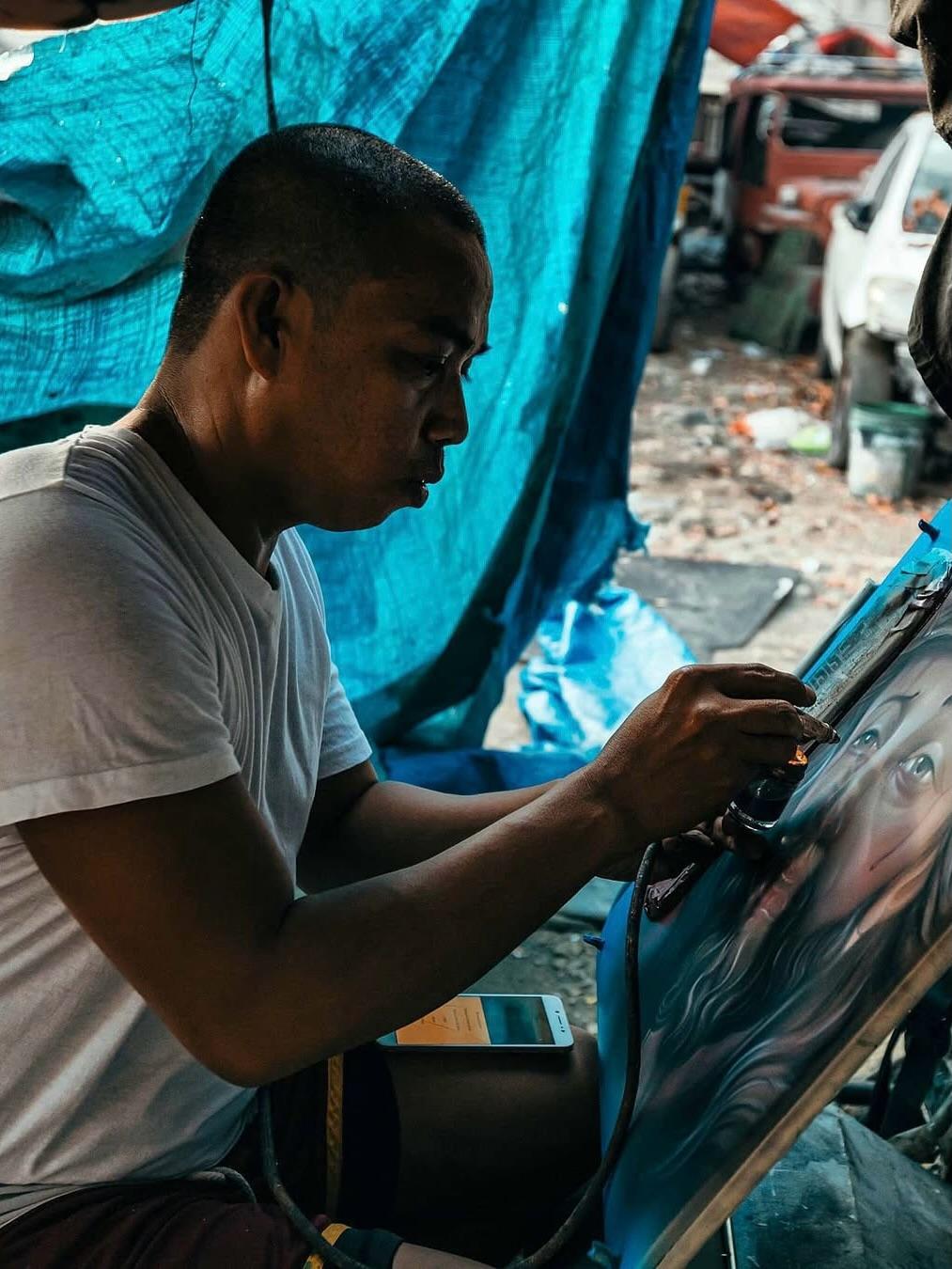
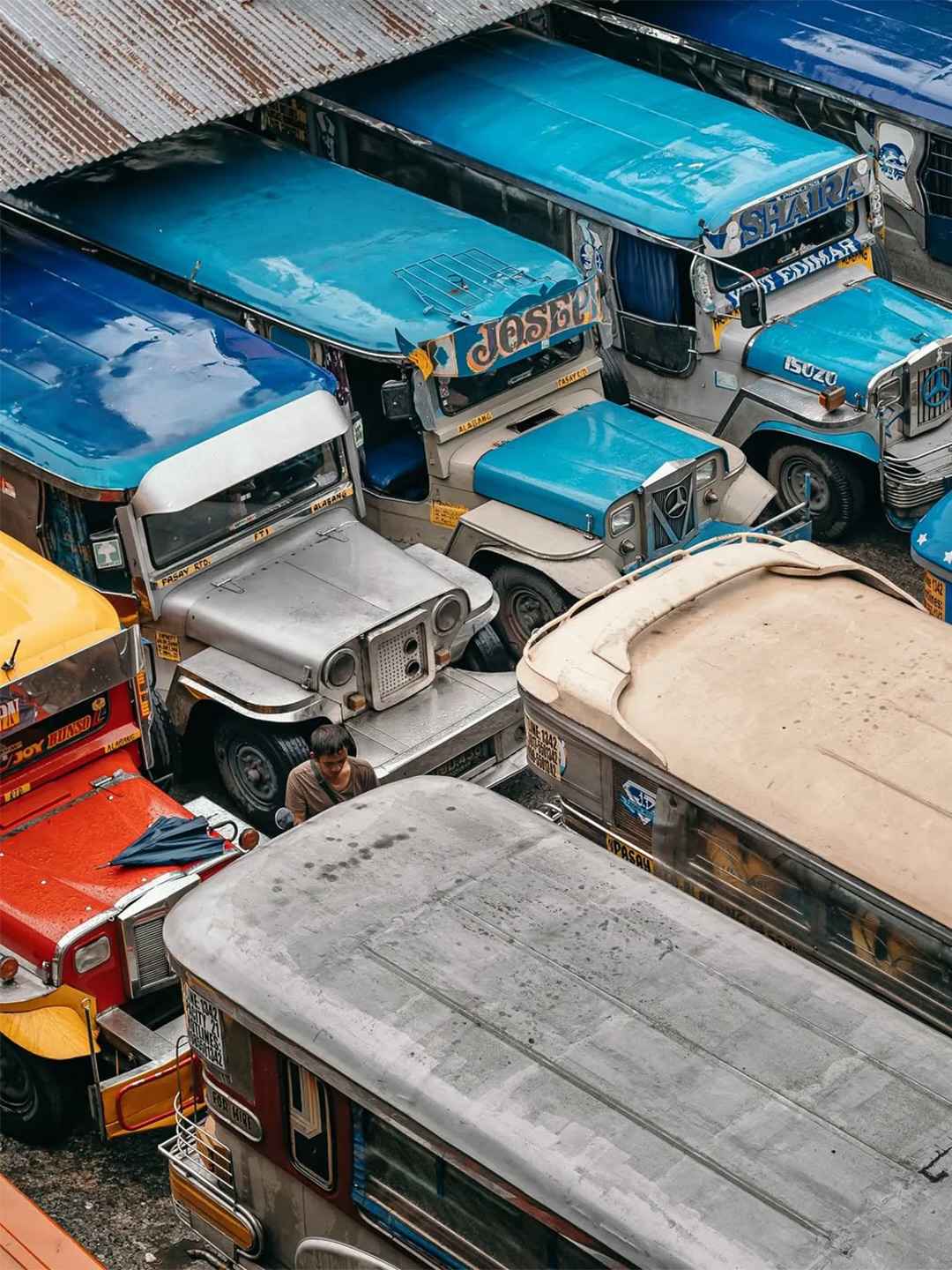
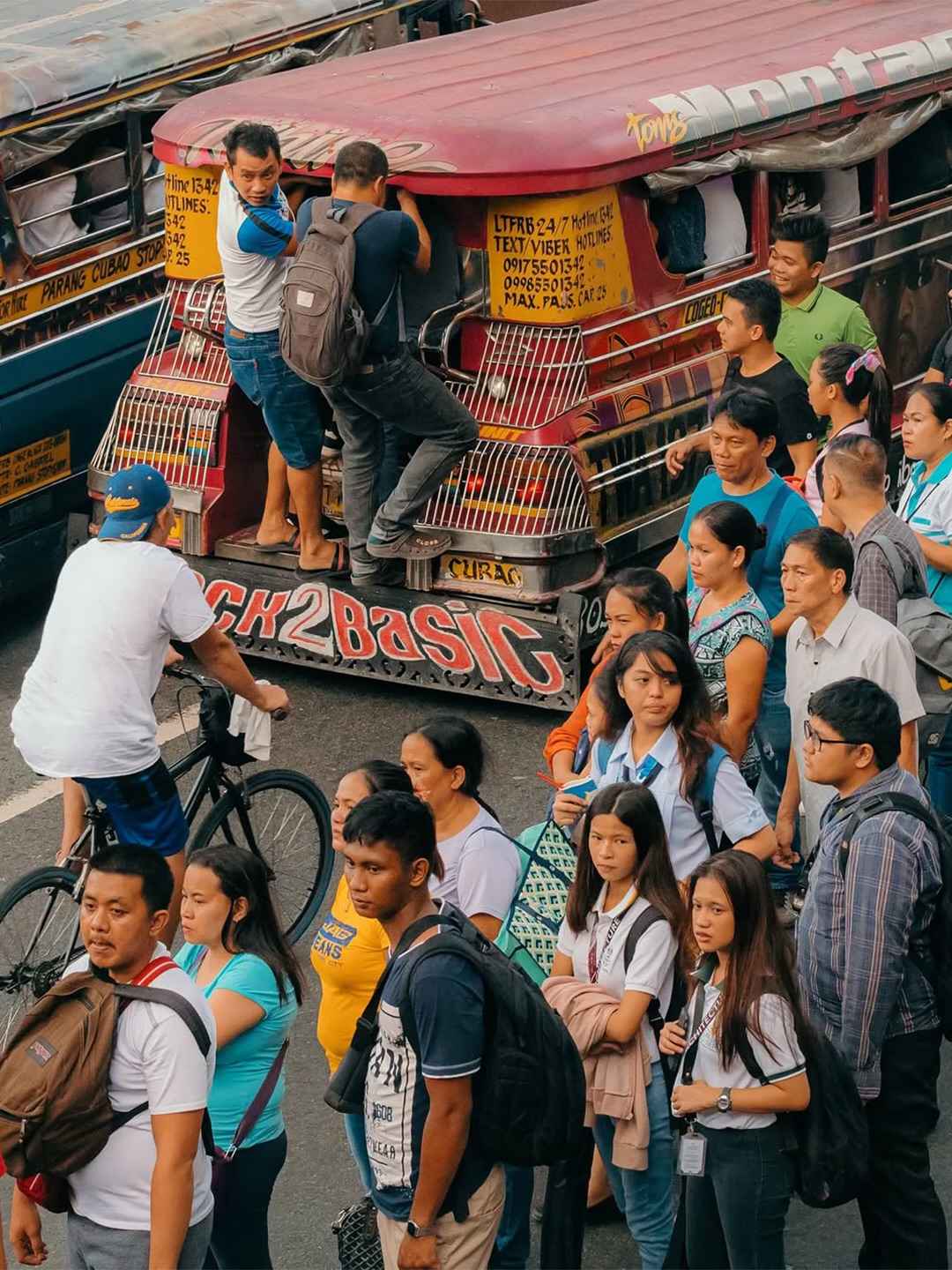
In the sweltering, carbon-heavy heart of Metro Manila, the “King of the Road” is facing its final stand. For over seven decades, the Filipino jeepney has been more than a mode of transport; it is a rolling gallery of the nation’s soul, born from the skeletal remains of American Willys MB Jeeps abandoned after World War II. Photographer Jilson Tiu’s latest documentation, featured by Cart Department, captures a stark juxtaposition: the explosion of hand-painted pop culture graphics, chrome grilles, and religious motifs on traditional units versus the clinical, bus-like efficiency of the modern fleet. As the government’s Public Utility Vehicle Modernization Program (PUVMP) accelerates, the stakes have shifted from mere aesthetics to a battle for cultural identity and economic survival.
The transition is far from seamless, complicated by a volatile global economy that has pushed fuel prices to critical levels. On March 17, 2026, Transportation Secretary Giovanni Lopez announced a mandatory fare hike to alleviate the burden on drivers, raising traditional fares to ₱14.00 for the first four kilometers. This move coincides with a planned two-day transport strike set for March 26-27, 2026, as operators protest the mounting operational costs that threaten to drive them off the road before the phase-out even concludes.
The Economic Barrier to Modernization
The primary hurdle remains the staggering cost of modern units, which are essentially standardized mini-buses powered by Euro 4-compliant diesel or electric engines. While a traditional jeepney costs significantly less to maintain, a modern unit can command a price tag of ₱2.4 million to ₱2.8 million. To bridge this gap, the DOTr has announced an increase in government subsidies from ₱260,000 to ₱400,000 beginning in 2026. Despite this, senators like Risa Hontiveros have flagged the “unbankability” of transport cooperatives, noting that many banks now require a 25% downpayment—roughly ₱700,000 upfront—due to high delinquency rates among early borrowers.
A Vanishing Art Form
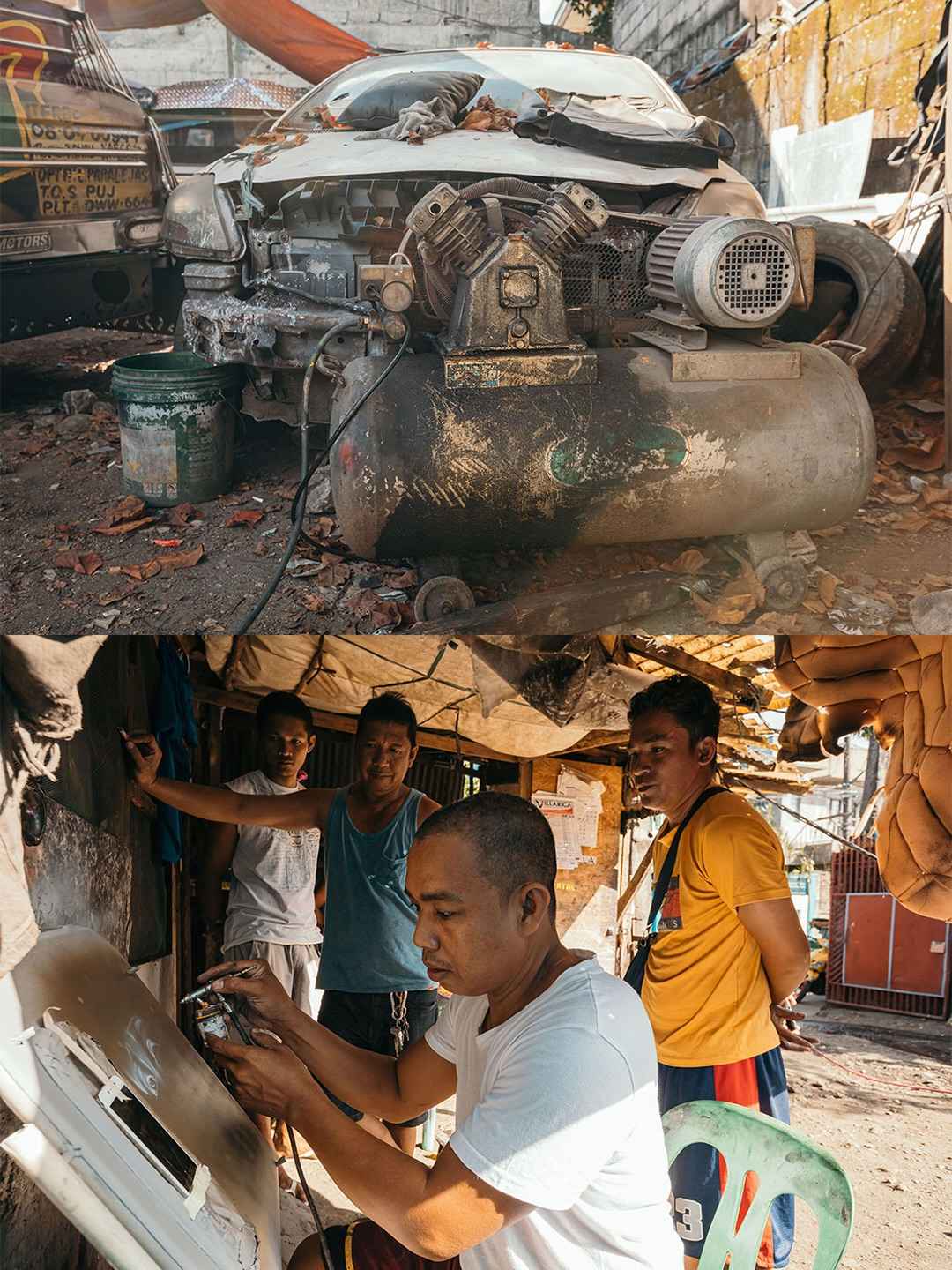
Beyond the spreadsheets and subsidies lies a dying craft. Traditional jeepney artists, who once numbered in the hundreds, have dwindled to a mere handful. A full custom paint job, which can take two months and cost up to $5,000, is becoming a relic of the past as fleet operators move toward standardized, unadorned white vans. For artists like Bernardo de la Cruz, the modernization program is an “act of treachery” against a uniquely Filipino product. While companies like Francisco Motors have attempted to create modern electric jeepneys that retain the iconic heritage look for under ₱1 million, the broader market continues to favor mass-produced models that lack the vibrant, hand-lettered soul of the original.
The Path to Mid-2026
The DOTr remains firm on its timeline, targeting 77% route rationalization by mid-2026 and 100% by the end of that year. To prevent a total collapse of the transport network, authorities have reopened consolidation processes, allowing individual operators to join cooperatives or renew one-year provisional authorities if they missed previous deadlines. However, the tension remains palpable. As traditional jeepneys are impounded and replaced, the Manila skyline loses the kaleidoscopic colors that once defined it, leaving many to wonder if the “modernized” future is worth the price of a lost national icon.