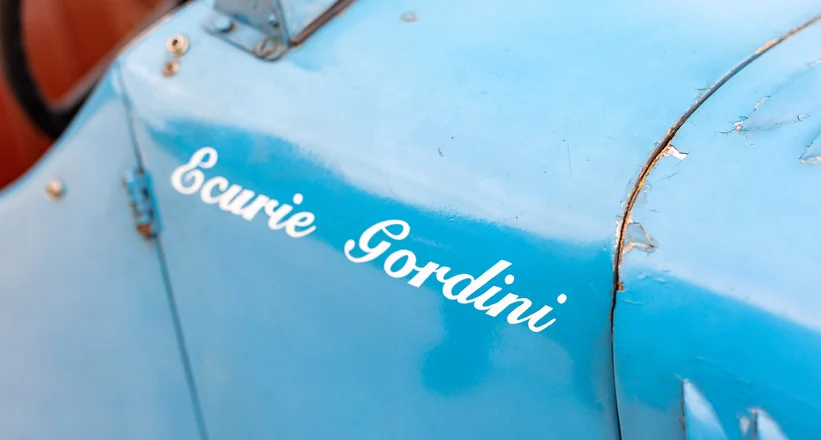
The Enigmatic Amédée Gordini: More Than Just a Badge
For those familiar with French performance cars, the Gordini name conjures images of Renault’s iconic light blue hot hatches adorned with white racing stripes. However, the story behind the man who inspired these special machines, and how he earned the moniker ‘The Sorcerer,’ remains largely untold.
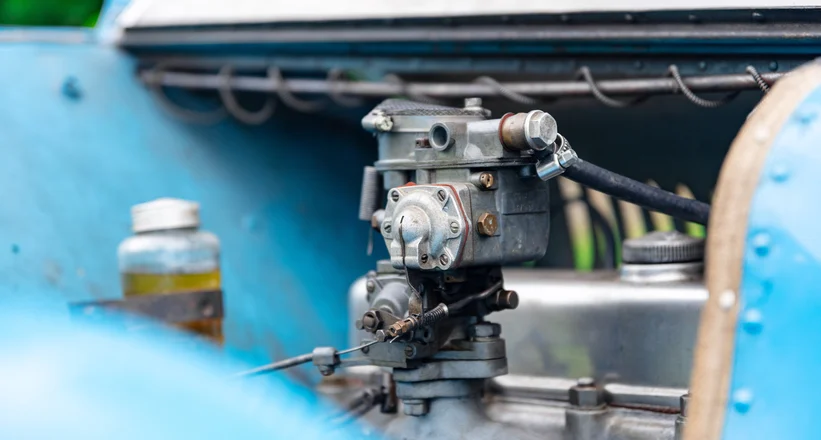
Amédée Gordini, born in 1899, possessed an unwavering passion for motorsport and engineering from a young age. At just 11, he was apprenticed at Fiat’s Bologna subsidiary, receiving personal instruction from Edoardo Weber himself. Weber shared the intricate secrets of carburettor adjustment – a skill considered the pinnacle of engine tuning at the time. This invaluable experience led to a position in Isotta Fraschini’s engine department in 1920, where he collaborated with Alfieri Maserati. By 1925, Gordini relocated to Paris, joining the Duval et Cattaneo workshop, the official Isotta Fraschini dealer for France.
Worth A Look


Forging His Own Path: From Fiat Dealer to Racing Innovator
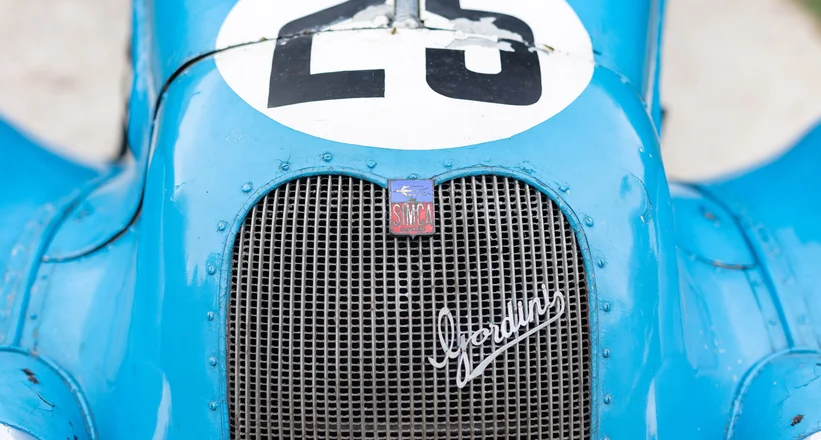
In 1926, Gordini established his own workshop in Suresnes, becoming a Fiat dealer. He cultivated a close relationship with SAFAF, which later evolved into Société Industrielle de Mécanique et Carrosserie Automobile (SIMCA) in 1934. This transformation occurred when Fiat recognized the popularity of the 6CV in France, necessitating a dedicated company to streamline production. Gordini, well-versed in these ‘French Fiats,’ secured permission from Simca to prepare the cars for competition at his own expense, with prize money serving as his sole compensation.
Gordini’s initial competitive ventures were, to say the least, unconventional. He developed a 514 Torpedo specifically to compete in the Course de Côte de Suresnes on Mont Valérien, an event that awarded a prize to the slowest car. Gordini triumphed in both 1934 and 1935, earning the humorous title of ‘King of Slow Drivers.’ However, this amusing accolade marked only the beginning of Gordini’s legendary career. After dedicating time to the Simca 5, he shifted his focus to transforming the Fiat 508 C Type 8, known as the Fiat 1100 in Italy and the Simca 8 in France.
The Birth of a Legend: The Simca Gordini 8
In 1937, Gordini acquired one of the first Simca 8s ever produced and began secretly transforming it into a formidable racing machine. With the production model slated for unveiling at the Paris Motor Show later that year, Gordini was prohibited from revealing his creation until Simca granted its approval.
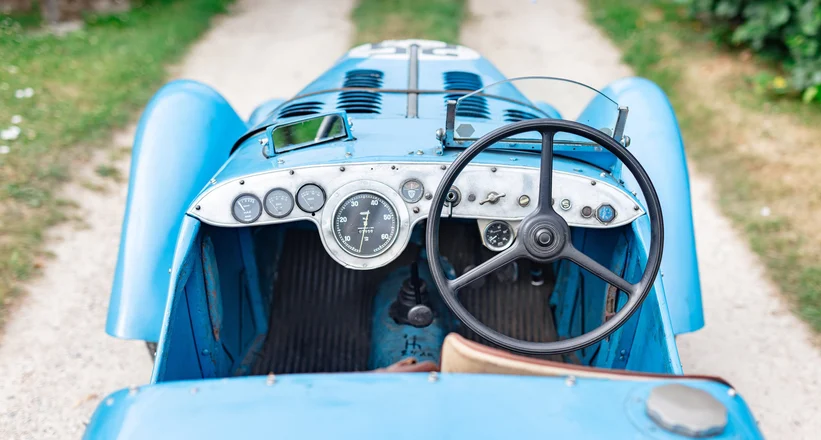
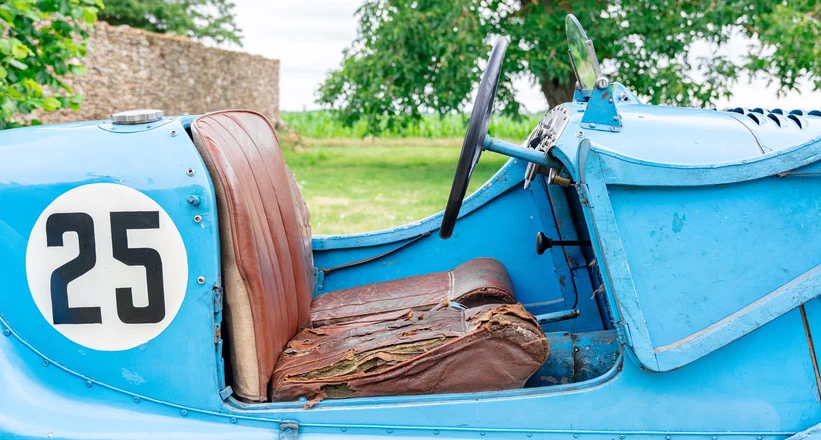
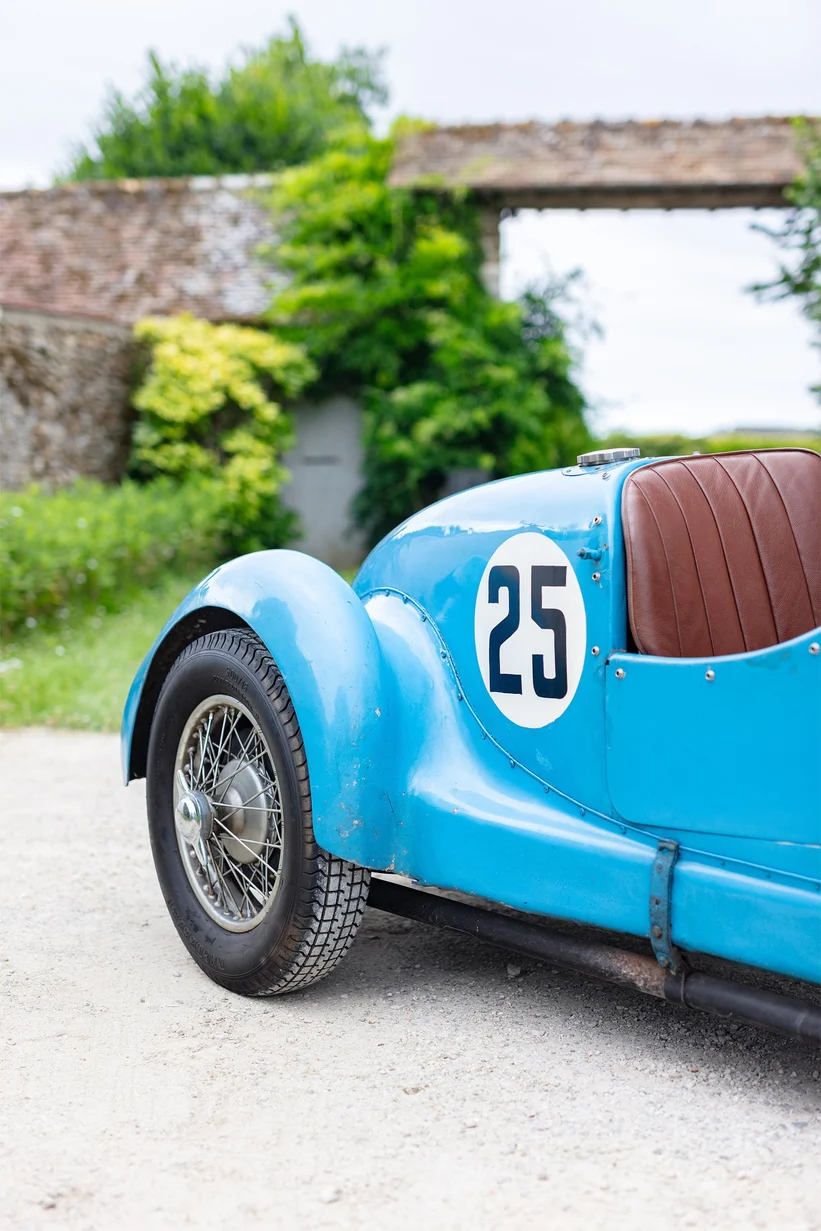
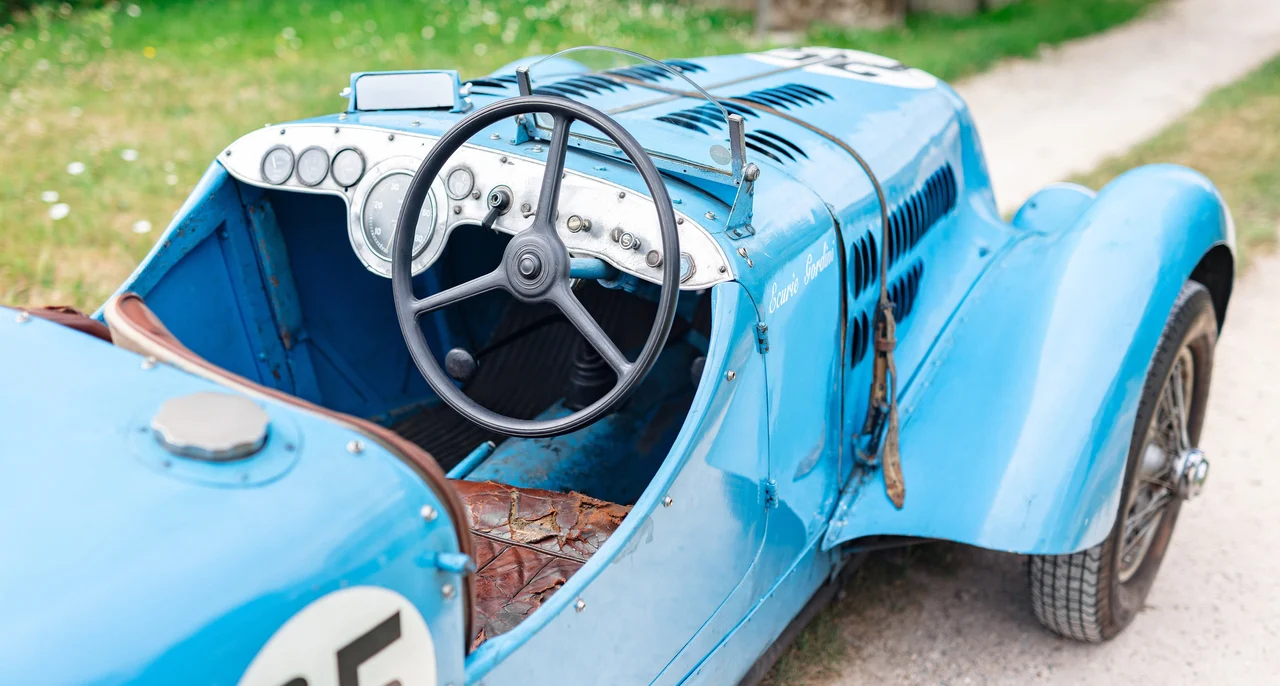
Undeterred, Gordini meticulously dismantled his Simca 8, extensively reinforcing the chassis, enhancing the damping, and replacing the standard drum brakes with aluminum units equipped with Rudge hubs and wire-spoke wheels featuring sheet-metal rims. To optimize weight distribution, the fuel tank was strategically relocated to the right-hand side of the cockpit, counterbalancing the driver’s weight.
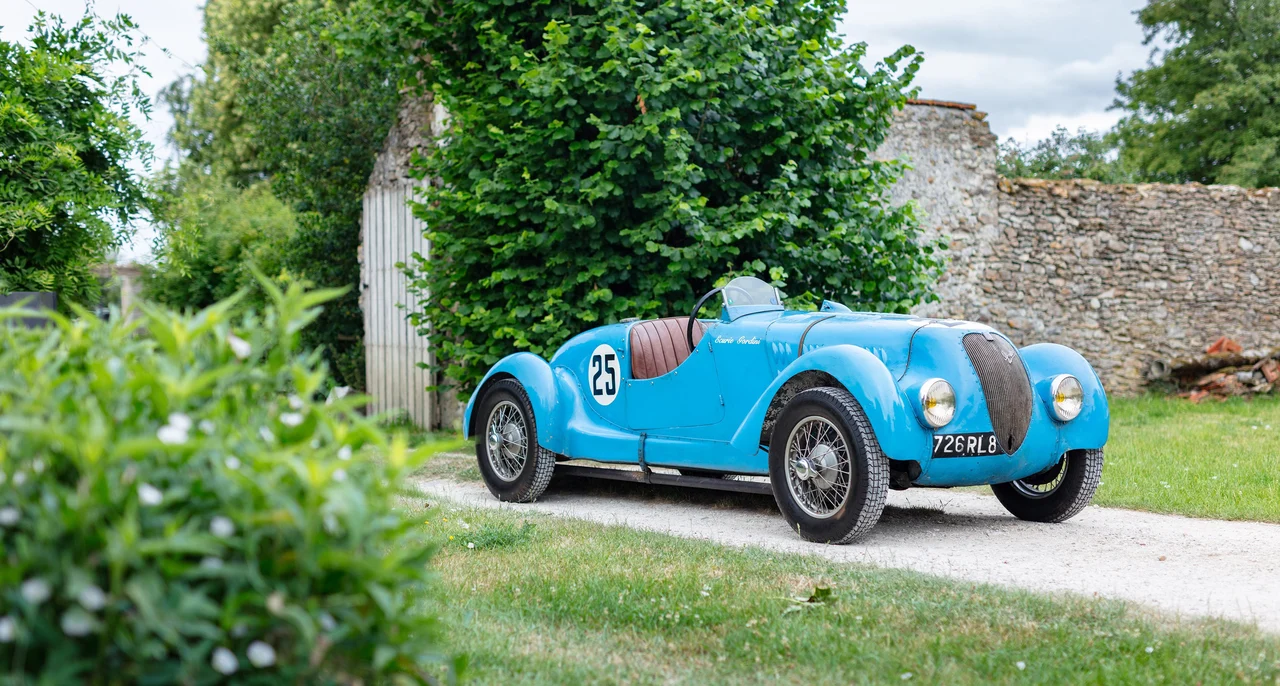
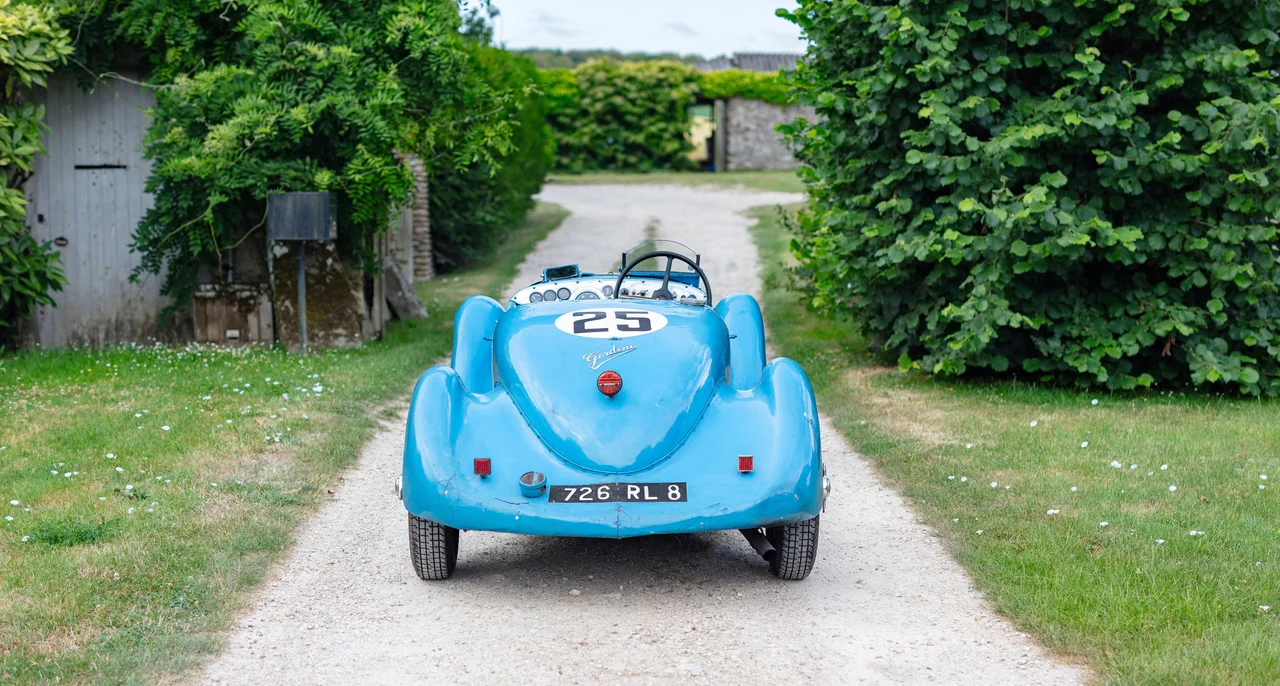
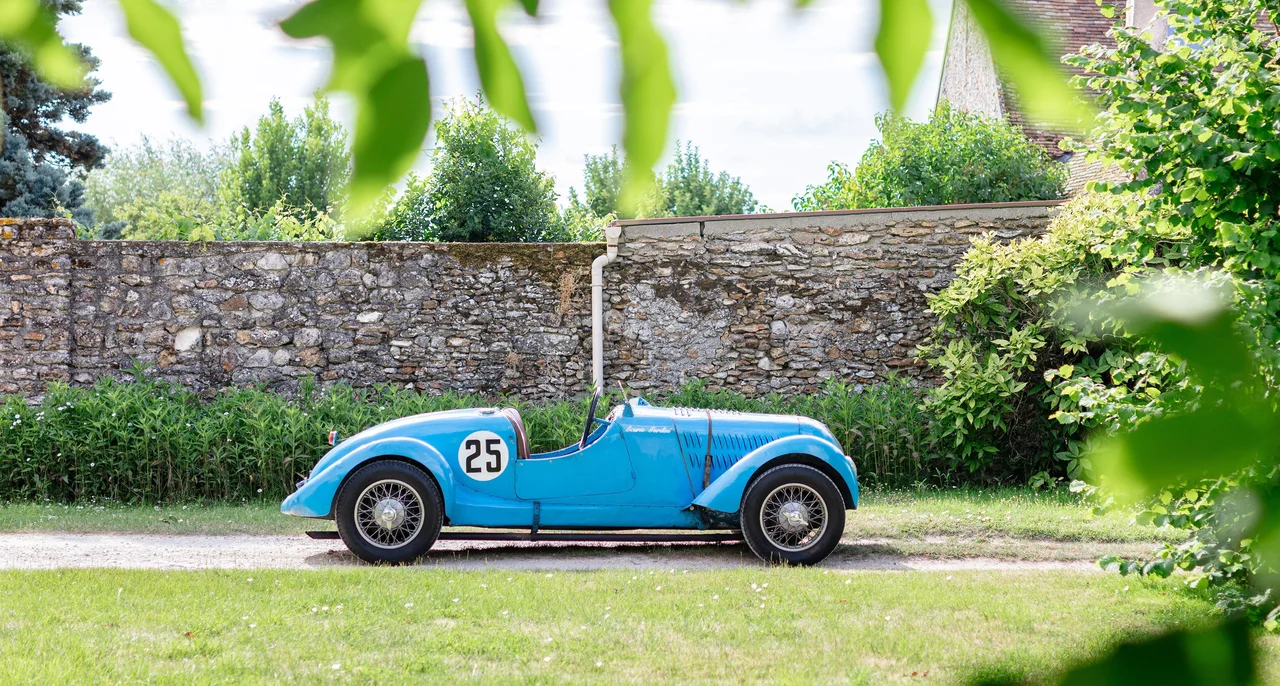
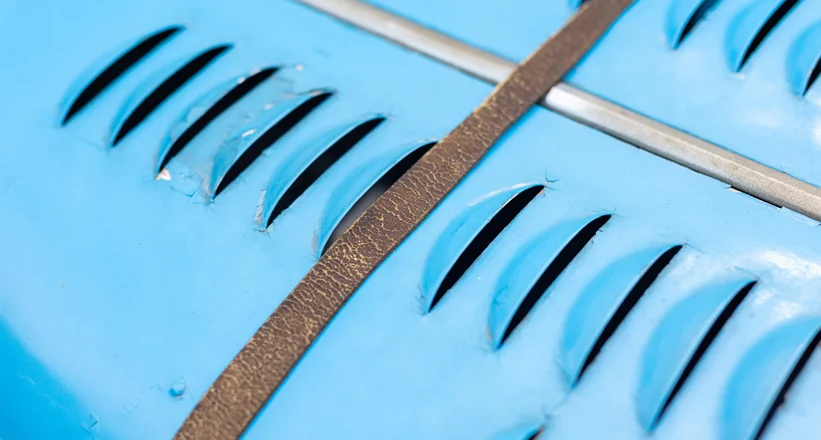
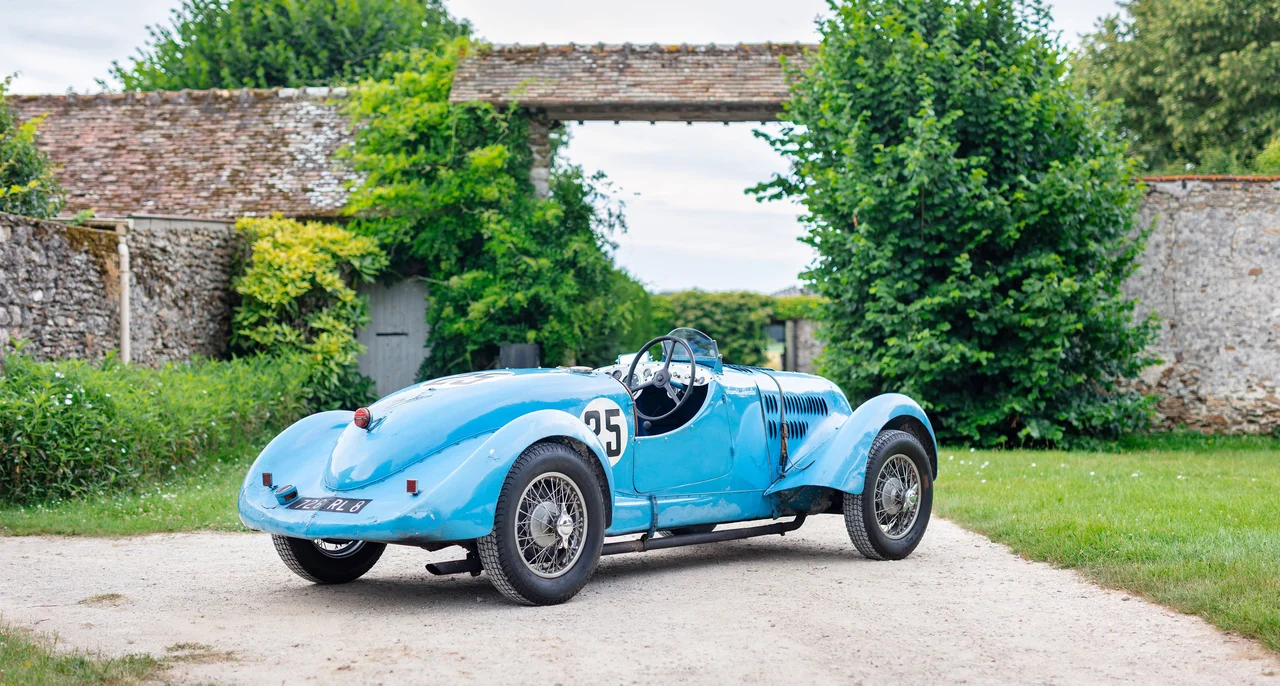
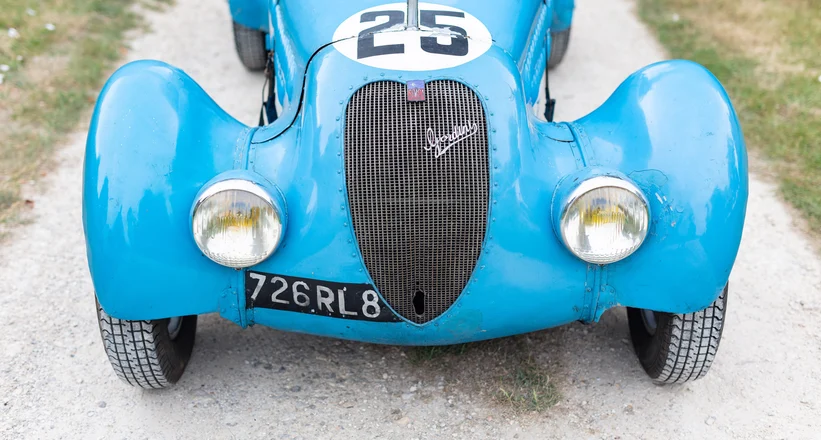
The bodywork underwent an equally dramatic transformation. Gordini conceived an aerodynamic design inspired by his previous Simca 5s, incorporating a fully streamlined underside. He enlisted the expertise of sheet metal worker Gabriel Beausser to bring his vision to life, hammering 1 mm aluminum and 0.8 mm duralumin sheet metal into the graceful racing car you see before you.
Naturally, the engine bay was where Gordini truly showcased his mastery. He meticulously planed the cylinder heads, polished the combustion chambers and ducts, balanced the crankshaft and connecting rods, and lightened the flywheel. It wasn’t long before Gordini’s expertly tuned Simcas earned him the nickname ‘The Sorcerer’ from Charles Faroux, editor of the newspaper L’Auto, thanks to their remarkable performances at Le Mans.
Triumph and Glory: The Racing Pedigree of Chassis 823885
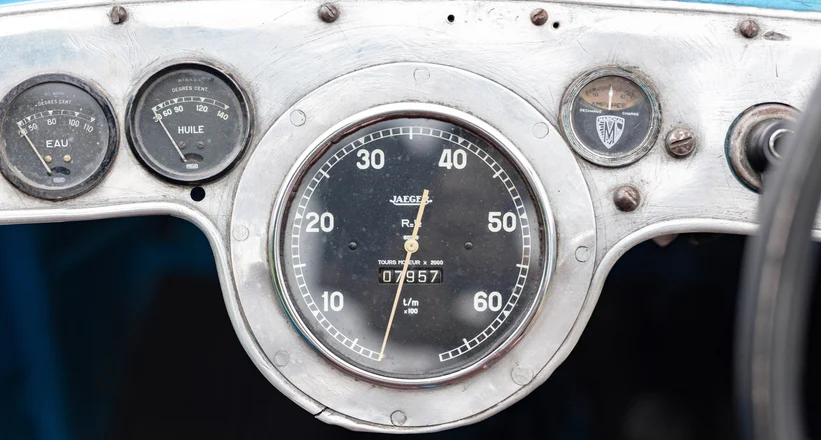
The car featured here, chassis 823885, stands as one of only three Simca Gordini 8s ever constructed. Its competitive debut took place at the Bol d’Or, held in Montlhéry in 1938. Enduring over 24 hours alone in the cockpit, Gordini secured victory by an astounding 10-lap margin, covering 2,456 kilometers at an average speed of 102 kph. He not only outpaced every other competitor in the 1,100cc class but also bested the 1,500cc sports cars.
Chassis #823885 returned to competition just two weeks later at the 1938 24 Hours of Le Mans, bearing the number 38 and piloted by Jean Breillet and Jean Viale. Unfortunately, the pair were forced to retire on lap 111 due to oil line issues. However, 823885 would have one final opportunity to achieve Le Mans glory the following year.
Guy Lapchin and Claude Plantivaux took the helm for what would be the last Le Mans race before World War II, guiding 823885 to a 13th overall finish, securing second place in class behind none other than Amédée Gordini himself in the Simca Gordini 8 chassis #810404. It was a spectacular one-two finish, surpassing the Morgan 4/4, Singer Nine Le Mans, and other MG PAs and PBs.
A Storied Past, A Promising Future
Following World War II, this Simca Gordini 8 returned to Grand Prix competition before being converted to right-hand-drive in 1947 by its new owner, Jacques Lapaillerie. Lapaillerie continued to race #823885, entering the Bol d’Or in 1950 before its final outing at the 1953 Grand Prix de Bordeaux, where it achieved a commendable fourth-place finish.
In 1963, Jacques Lapaillerie sold the Simca Gordini 8 to Christian Chassaing de Borredon, who showcased it in his Bec-Hellouin Museum for over two decades, starting in 1968. After its tenure in the Bec-Hellouin Museum, 823885 transitioned between two owners before being acquired by its current caretaker in 1999, who has meticulously preserved it ever since. Now, after 26 years in the same collection, this race-winning Le Mans veteran seeks a new home with Ascott Collection. A two-time participant in Le Mans Classic and the recipient of the FIVA Le Mans Heritage Club award in 2018, this Simca Gordini 8 presents an unparalleled opportunity to own a captivating piece of motorsports history and a highly competitive pre-war Grand Prix racer!